Heavy loaves of dark rye are still a neighborhood tradition at Racine Bakery on Chicago’s Southwest Side. This longtime Archer Avenue bakery keeps Lithuanian flavors alive with old-country breads alongside bacon buns, paczki, stuffed cabbage, and a selection of European groceries that can turn a quick bakery stop into a much bigger shopping trip.
For generations of Chicago families, the bread has become something worth stocking up on, sharing with relatives, and even carrying across state lines. There is nothing trendy about the appeal, and that is precisely the point. For a taste of Chicago’s Lithuanian heritage, Racine Bakery offers a delicious place to begin.
A Low-Key Storefront on Archer Avenue With a Big Secret Inside
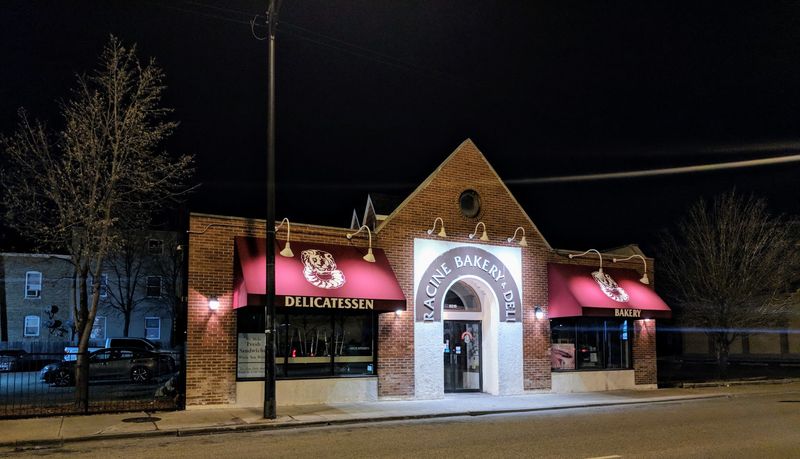
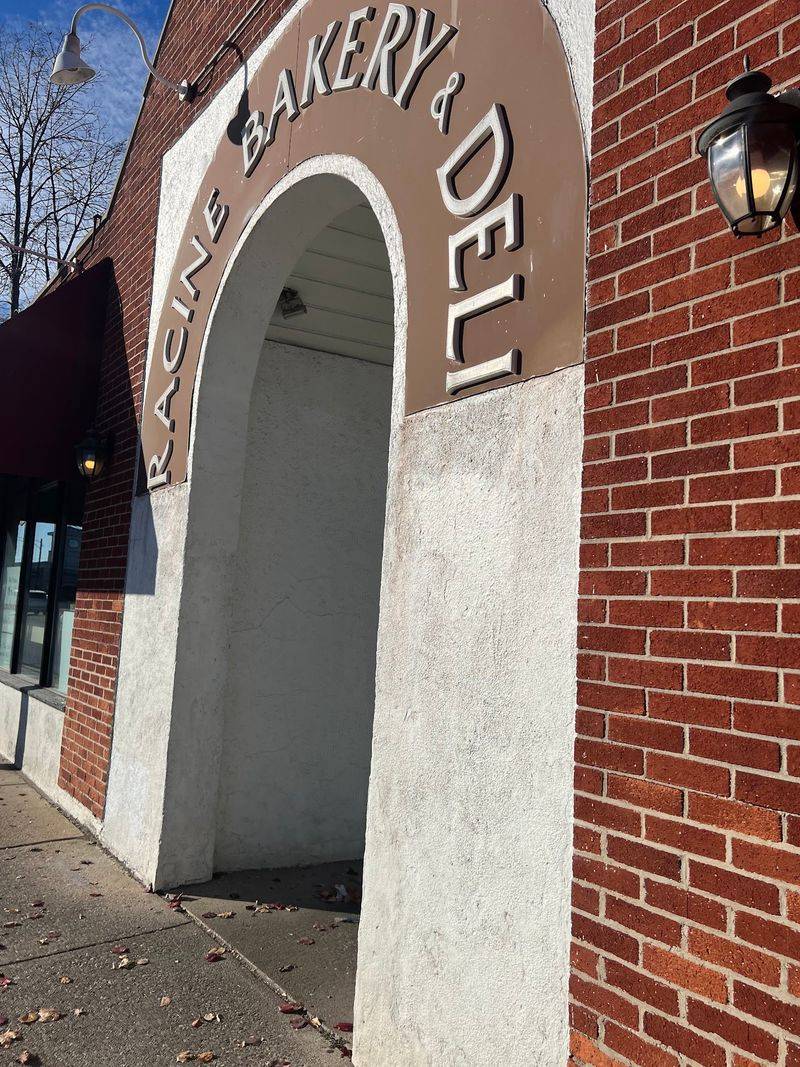
Drive down Archer Avenue near Midway Airport and you could easily cruise right past it. The building is modest, the sign is simple, and nothing about the outside screams famous bakery. That quiet look is exactly why first-timers get surprised.
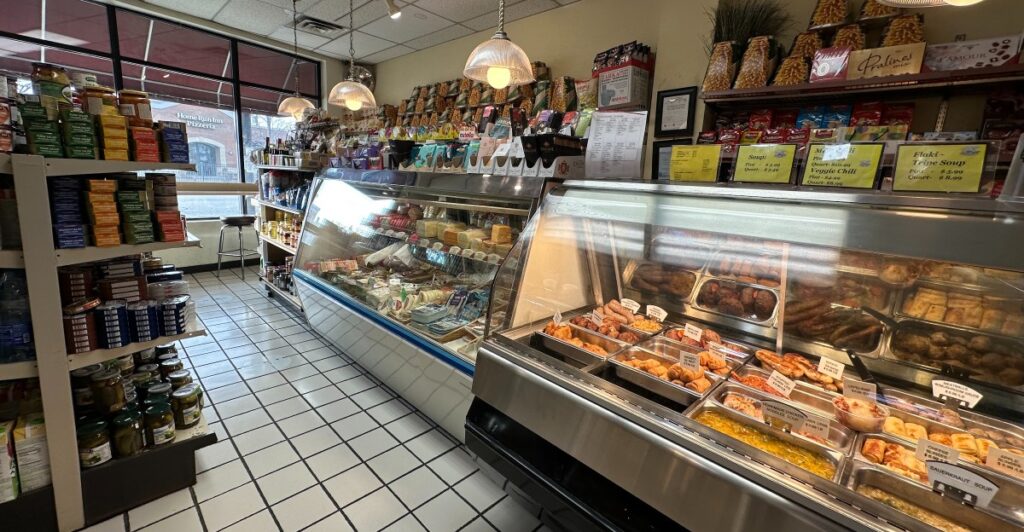
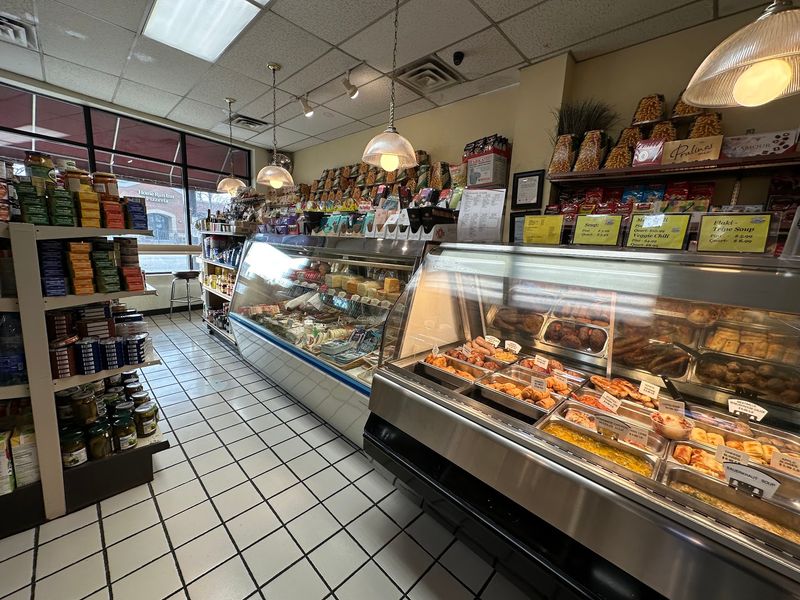
Step through the door and the space opens into three worlds at once. Glass cases full of pastries sit near the front, a deli counter stretches along one side, and grocery shelves packed with European products fill in the rest. It works more like a small neighborhood market than a single-purpose bakery.
The location matters, too. This part of Chicago, around Garfield Ridge and Clearing, has long been home to families with Lithuanian and Polish roots.
Racine Bakery sits right in the middle of that history, serving people who grew up eating dark rye and poppy seed rolls at their grandparents’ tables.
Because it sits less than ten minutes from Midway, the bakery also catches a steady stream of travelers. Picking someone up from the airport? Plenty of locals swing by on the way home and leave with more bags than they planned. It is an easy detour that turns a boring airport run into a food errand.
Parking is usually manageable, and the shop rarely feels jammed, even on weekend mornings. Lines at the counter move quickly, which helps when you have a car idling or a hungry kid in the back seat.
Inside, look up and around before you order. Bread loaves stack on racks behind the counter, the deli case glows with trays of hot food, and imported candy boxes line the aisles in bright colors.
Take a slow lap first. You will spot something new every visit, from honey jars to tins of cookies with labels you cannot quite read.
The Dark, Dense Lithuanian Rye That Chicago Families Ship Across the Country
Ask a native Chicagoan what to bring when visiting family out of state, and you may hear one answer right away: Lithuanian rye from Racine. People really do pack these loaves into suitcases and carry them to relatives in other states. Some even order loaves shipped as far as Colorado.
So what is this bread, exactly? Lithuanian rye is dark, tight-crumbed, and much heavier than a grocery store sandwich loaf. It has a slightly sour, earthy flavor that comes from rye flour, and the crust is firm and shiny. One slice can feel almost like a meal.
Old-country rye like this was made to last. In Lithuania, families baked big loaves that could stay good for days, and the tangy taste helped them keep. That practical history is why the bread still travels well today in a cooler or a carry-on.
Racine does not stop at one kind. The shelves often hold Latvian bread, sunflower seed bread, spelt bread, and pumpernickel alongside the Lithuanian loaf. Each one has its own personality, from nutty and seedy to deep and slightly sweet.
Here is how to enjoy it the traditional way. Slice it thin, since thick slabs can be a lot to chew. Spread on real butter and add a pinch of salt, or top it with sliced cheese and a bit of the deli’s smoked sausage.
Leftovers are not a problem either. Dense rye freezes nicely, so many shoppers buy two or three loaves, slice them at home, and freeze what they will not eat that week.
Pull out a few slices, toast them lightly, and the bread tastes nearly fresh again. Grab a loaf early in the day if you can. Popular breads can sell down by afternoon, especially before holidays.
Bacon Buns, Paczki, and Other Pastries Worth Grabbing by the Dozen

Small, golden, and dangerously easy to eat, the bacon bun is the pastry that wins over almost everyone. Lithuanians call them lasineciai. Each soft, slightly sweet roll hides a savory filling of chopped bacon and onion.
Picture a Texas kolache crossed with a dinner roll and you are close. They are perfect warm, but they hold up fine in a bag for the ride home. Buy a dozen, because half of them tend to vanish before you reach the highway.
Then come the paczki. Most Chicago bakeries make these filled Polish doughnuts in huge batches around Fat Tuesday, then pretty much stop. Racine keeps them in the case every day, so missing the holiday is no big deal.
Fillings rotate, but custard, sweet cheese, strawberry with whipped cream, and chocolate-coated versions show up often. They are stuffed generously, not with a sad little dab in the middle. The cheese one is a favorite for anyone who likes things less sugary.
The poppy seed roll, called makowiec in Polish, is another classic. It is thick, dense, and packed with dark filling that is not overly sweet. Slice it into rounds and serve it with coffee.
Other treats worth a look include kolacky cookies, cheese buns, blueberry-filled doughnuts, and spinach and feta croissants. If you visit near a holiday, keep your eyes open for sakotis. This Lithuanian tree cake is baked on a spit and covered in spiky ridges, and it looks like nothing else in the case.
Not every sweet is a home run. Some cakes and cheesecakes lean more toward American-style recipes than old-world ones. Stick with the Eastern European specialties and you will find the bakery’s real strengths.
Grandma-Style Cooking at the Deli Counter
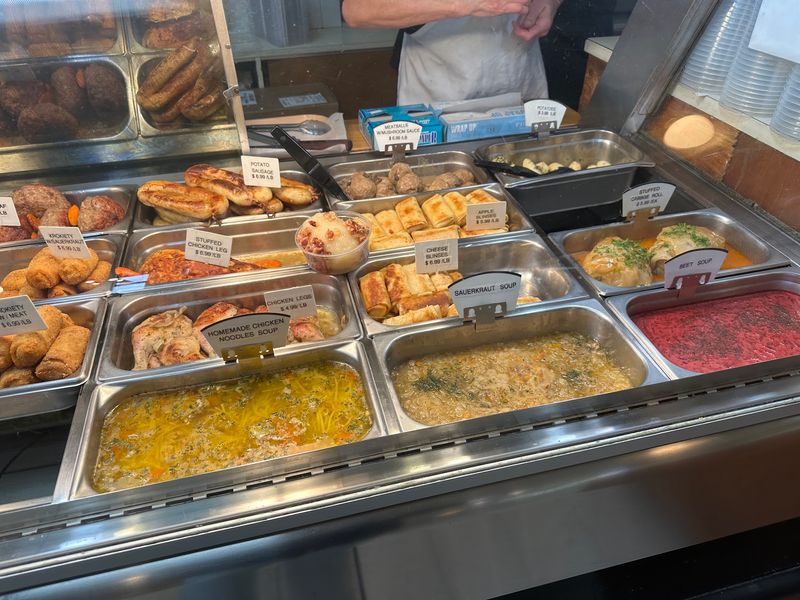
Five bucks. That is roughly what you might pay for a stuffed cabbage roll here, and the thing is enormous. One of these, called golabki in Polish, can fill a plate on its own.
The deli counter is where Racine turns from bakery into supper solution. Trays of hot, ready-made food sit behind the glass, cooked in the style of Lithuanian and Polish home kitchens. It is the kind of food that takes hours to make yourself.
Kugelis is the star for Lithuanian food fans. This baked potato pudding is made from grated potatoes, eggs, and bacon, then cooked until the top turns crispy and brown. Locals often eat it with sour cream, and it reheats nicely in the oven.
Other regular picks include potato pancakes, chicken noodle soup, cooked chicken, cheese blintzes, and plenty of sausage. Fridays bring chicken livers with onions, an old-school dish that loyal customers plan their week around. Side salads like mizeria, a cool cucumber and sour cream mix, round out a meal.
The cold case matters just as much. Deli meats, kielbasa, and cheeses are sliced to order, and prices tend to beat many other European delis in the city. Selection is a bit smaller than giant markets, but the basics are well covered.
Here is the catch: the hot food moves fast. Popular dishes can disappear well before lunch is over. Calling ahead early in the morning to reserve what you want is a smart move, especially for larger family dinners.
Bring a cooler bag if you are driving far. Load up on kugelis, a few cabbage rolls, and some sausage, and dinner for the next two nights is handled.
Shelves of Imported Treasures From Lithuania and Poland
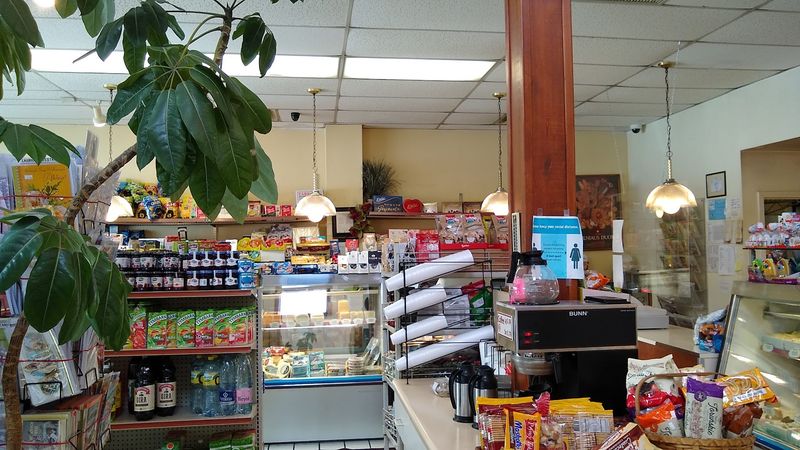
Wander past the pastry case and the labels suddenly change languages. The grocery side of Racine is stocked with products from Lithuania, Poland, and other parts of Europe. For some shoppers it is a trip home; for others, a mini adventure.
Candy is a good place to start. Boxes of chocolates, wafer bars, and fruit jellies come in bright packaging you will not find at a regular supermarket. Kids love picking a random one just to see what it tastes like.
Honey gets its own spotlight. Jars of European honey, some thick and creamy, some dark and strong, line the shelves. A spoonful on buttered rye toast is a simple old-country breakfast.
Cooking supplies fill out the rest. You might find pickles, mushrooms, mustards, spices, flours, and jarred sauerkraut, all the building blocks for recipes passed down through families. If a relative’s handwritten recipe calls for an ingredient you cannot find anywhere else, this is a good place to look.
Here is a helpful way to shop the aisles. Pick one meal you want to make at home, like a Lithuanian-style breakfast with rye, farmer cheese, honey, and smoked sausage. Then build your basket around it so you do not end up with a pile of random snacks.
Do not be shy about asking for help. Staff are generally friendly and can point you toward items or explain what something is. A quick question can save you from bringing home a mystery jar you never open.
Prices are fair for imported goods, though some specialty items cost more than local brands. Check dates on packaged goods and grab an extra chocolate bar for the drive. You have earned it.
Custom Cakes and Second Chances
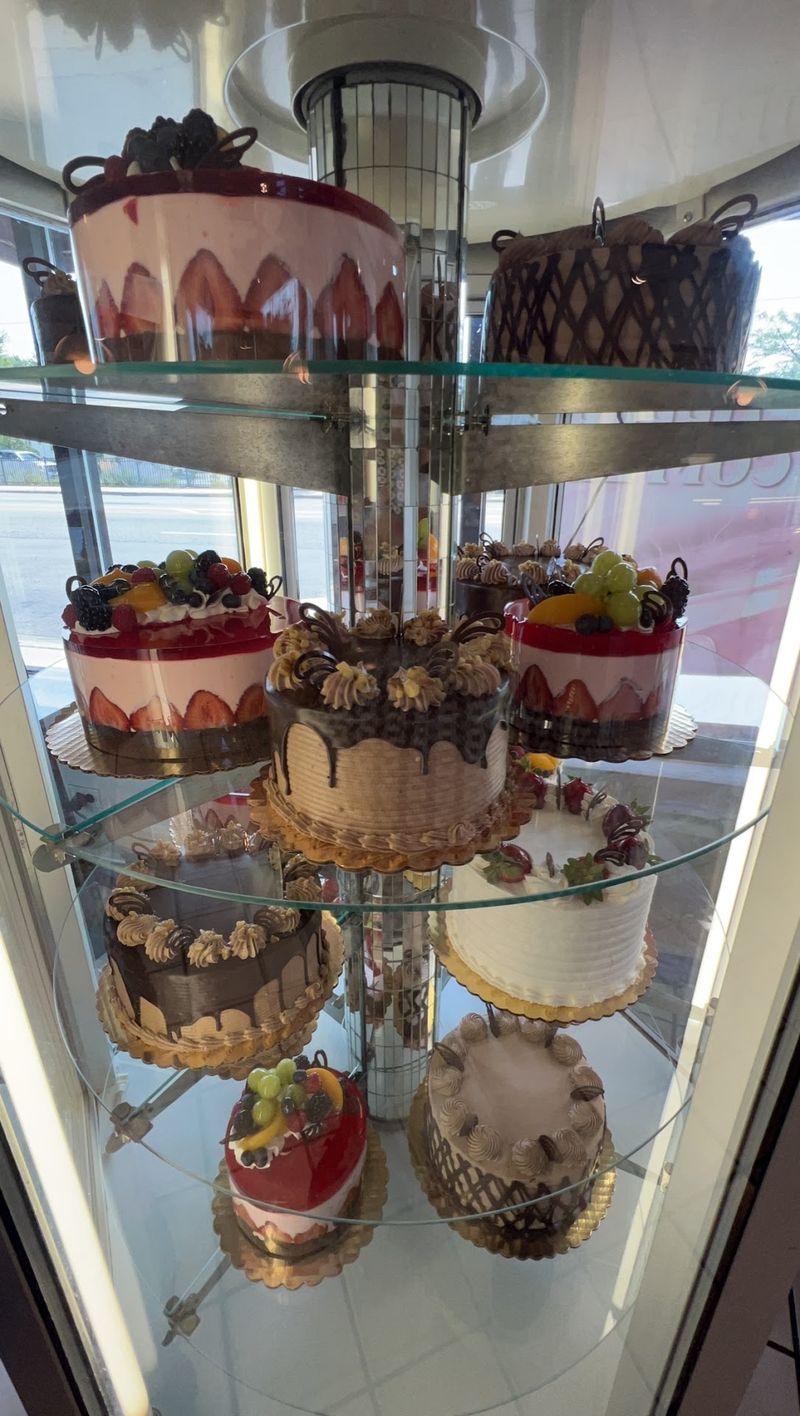
Ordering a custom cake can be nerve-wracking. You hand a stranger a photo, cross your fingers, and hope the final product matches the dream. At Racine, the staff tend to make that process feel calmer.
For special events like baby showers and birthdays, the bakery takes custom orders based on pictures and detailed requests. Bakers keep a copy of your reference photo and may call before pickup to double-check details. That extra phone call goes a long way when the party is days away.
Decorated cakes here can be striking to look at. Colors, layers, and designs are handled with care, so the cake works as a centerpiece. Ask plenty of questions about fillings and textures, though, because some European-style cakes lean on mousse or gelatin layers that not everyone expects.
Service also shows up when things go wrong. Long-time customers point out that when an item misses the mark, the bakery tends to make it right without a fuss. Out-of-state shoppers who received underbaked bread have been sent fresh loaves, sometimes with a little extra pastry tucked in.
A few planning pointers help. Place cake orders well ahead, especially near holidays like Christmas, Easter, and Thanksgiving, when ovens run nonstop. Bring a clear photo and write down your flavor and filling choices.
Keep in mind that cake slices are not always available early in the week. If you want a single slice for yourself rather than a full cake, aim for later in the week when the case is fuller.
For holiday tables, consider pairing a cake with traditional items like poppy seed roll or kolacky. Mixing old-world cookies with a fancy decorated cake gives guests a little of both worlds on one platter.
Planning Your Visit to This Chicago, Illinois Bakery
Early birds win at Racine. Doors open at 6 AM Monday through Saturday, and fresh bread and hot food are at their best in those first hours. By late afternoon, the most popular items may be long gone.
Weekday hours run until 6 PM, which makes an after-work stop possible. Sunday is shorter, from 7 AM to 2 PM, so plan around church, brunch, or an airport pickup. Sunday mornings are often surprisingly calm, with quick service and room to browse.
Coming from far away? Shoppers drive in from the suburbs, northern Wisconsin, and beyond just to fill a trunk. If you are making a long haul, call ahead to reserve hot dishes and specific breads so the trip pays off.
A smart first-visit order looks like this. Start with a loaf of Lithuanian rye, a half dozen bacon buns, and a paczki or two. Add a stuffed cabbage roll or a slab of kugelis for dinner, then grab one imported treat from the aisles.
Bring a cooler if you will be on the road for more than an hour, since deli meats and hot food need to stay cold. Bread and buns travel fine in paper bags. Freeze extra rye as soon as you get home.
Racine is also easy to pair with a Midway Airport run. It sits just a short drive from the terminals, so picking up travelers and picking up bread can happen in one loop.
Why make the trip at all? Old-style European bakeries that once dotted the South Side have thinned out over the years. Racine still bakes dark rye loaves and stocks its deli the old way, which is rarer than it used to be in Chicago.