Montana is calling, and 2026 is the perfect year to answer with boots laced, a paddle in hand, and a camera ready. This is a place where glacier-carved peaks meet wide-open valleys, and every turn feels like a new discovery waiting to happen.
You will find rushing rivers that spark adrenaline, quiet campsites that reset your pace, and trails that pull you deeper into the landscape. Some adventures come fast and thrilling, others unfold slowly, but all leave a mark. If you are ready for fresh air, big views, and stories worth sharing, Montana delivers in every direction.
1. Hiking the Highline Trail (Glacier National Park)
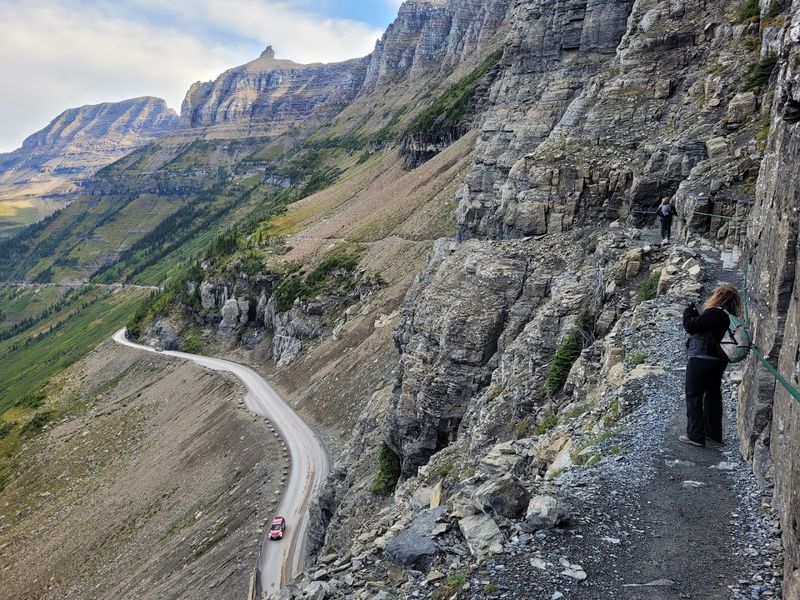
Start with the trail that steals hearts on sight. The Highline rolls along the Continental Divide, flirting with the cliff edge while gifting relentless views. You step onto the path and the Garden Wall rises beside you, a rib of rock holding up the sky.
Wildflowers paint the slopes in summer, with bursts of color that feel almost choreographed. Mountain goats sometimes appear like locals checking traffic, unbothered by your awe. Every bend offers a new panorama, so breaks feel less like rest and more like ritual.
The exposure is real but manageable if you take your time and focus on foot placement. Early starts help you beat crowds and catch soft light kissing the peaks. Pack layers because wind can swing the temperature from friendly to frosty in minutes.
Water, snacks, and a camera are nonnegotiable, and trekking poles can steady nerves on airy sections. Many hikers shuttle one way to make the route smoother and save legs for lingering viewpoints. Listen for marmots whistling from talus as you climb toward open ridges.
What makes this unforgettable is how it strings together drama without feeling punishing. You move through subalpine gardens, beneath hanging glaciers, and across slopes that seem to float above the valley. By day’s end, the view count is impossible to tally, yet one memory dominates the reel.
2. Whitewater Rafting the Gallatin River (Southwest Montana)
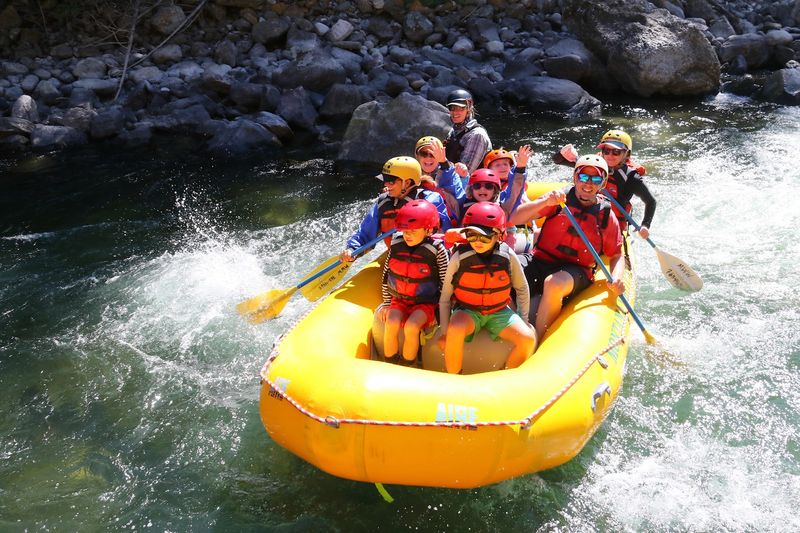
Nothing jumpstarts a Montana morning like the Gallatin snapping you awake. The river funnels through a rugged canyon, stacking waves into punchy sequences that demand teamwork. Guides call the shots, you bury the paddle, and the raft answers with a surge.
Sections range from playful to rowdy, so you can match your appetite for thrills. On high water, features link together in quick succession, keeping chatter short and strokes strong. Lower flows carve technical lines that reward crisp timing and calm heads.
Expect cold spray, grippy life jackets, and that nervous energy that turns into laughter after each hit. Safety briefings cover commands and swimming positions, which instantly feel useful once the first wave lands in your lap. Good footwear and synthetic layers make the day more comfortable.
Between rapids, look up at limestone walls and needle pines clinging to slopes. You might spot ospreys scanning eddies or sunlight catching mist like stage lighting. Those quieter stretches are perfect for resetting shoulders and soaking in the setting.
If you are new, a beginner friendly run still delivers plenty of fun and photo worthy splashes. If you crave spice, book a trip known for bigger holes and continuous action. Either way, the canyon’s rhythm pulls you along until the final takeout, where high fives and river hair complete the look.
3. Paddling the Upper Missouri River Breaks (Central Montana)
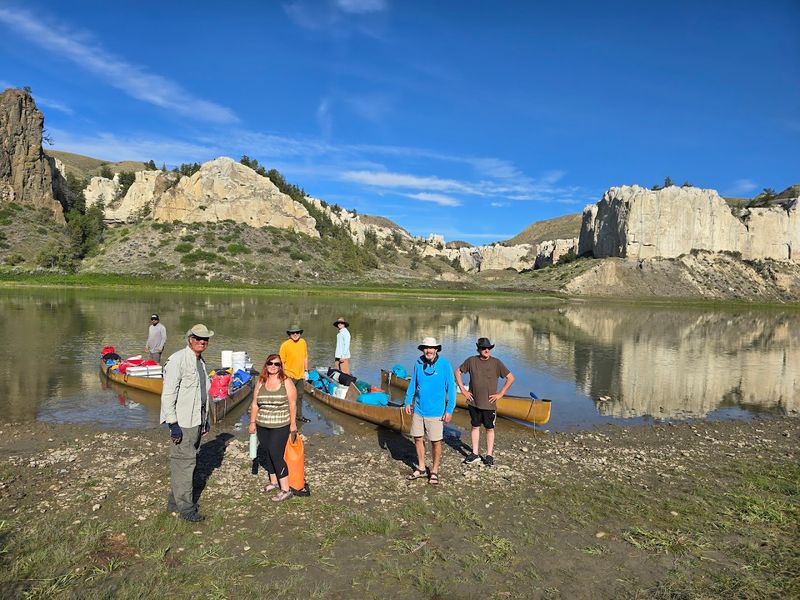
Trade rapids for rhythm and let the current set the tempo. The Upper Missouri River Breaks meanders between pale cliffs and quiet benches that feel a world away. Set a steady stroke, watch swallows stitch the air, and let conversation fade to gentle silence.
Canoes and kayaks glide best when packed with simplicity. Dry bags keep essentials tidy and accessible, from sunscreen to camp coffee. Mornings often bring glassy water and cool light, while afternoons invite shade hunts along the bank.
History threads through this corridor with a subtle pull. You notice old bends, cottonwood stands, and places that feel storied without signs or fences. It is easy to picture long journeys unfolding here, mile after contemplative mile.
Wildlife tends to show up when your paddle is quiet. Look for deer slipping to drink, raptors circling thermals, and the surprise ripple of fish near your bow. Respect distance, leave minimal wake, and keep the shoreline as you found it.
Evenings are the payoff, with big skies glowing and camp settling into a calm routine. Pitch the tent, spark a stove, and listen to river notes under a soft breeze. You will sleep well knowing tomorrow holds more bend after beautiful bend, each one a small reset.
4. Rock Climbing in the Bitterroot Valley (Western Montana)
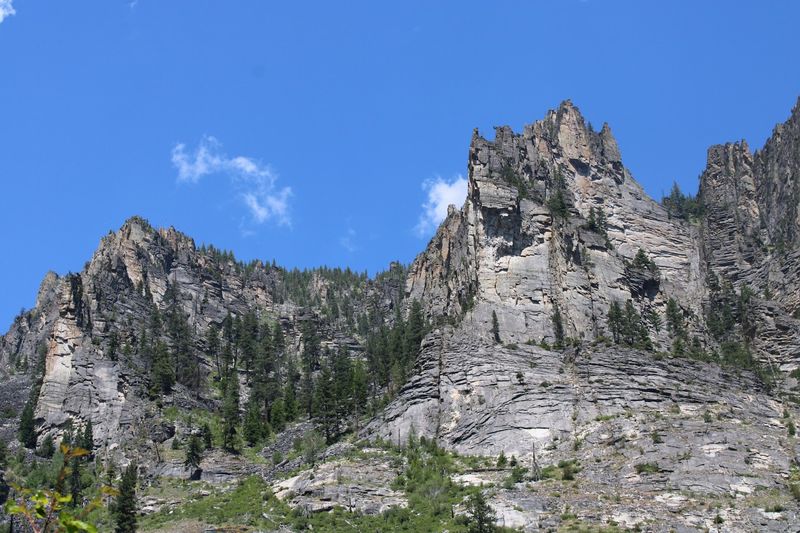
Granite defines the day before you even tie in. The Bitterroot Valley funnels you toward canyons where walls rise in clean lines and split by elegant cracks. Blodgett stands out, a cathedral of rock that makes you instinctively check your gear twice.
Routes here reward good footwork and calm breathing. You will find slabs, corners, and faces that require balance more than brute force. Protection can be thoughtful, placing cams where the stone welcomes them and keeping sequences honest.
Bring a partner who communicates clearly because echoes bounce and beta matters. Helmets are standard, and afternoon shade can be the difference between flowing and flailing. Many approaches wind through open forest, so start early and budget time for the hike.
On the wall, expect texture that grips just enough to inspire commitment. Stances appear when you need them, though sometimes they demand creativity and a deep breath. Topping out delivers the Bitterroot Range layered like a postcard, except you earned the view.
Whether you chase single pitch mileage or aim for longer objectives, the valley serves thoughtful variety. Warm up on moderate lines, then step into something that raises your heart rate in exactly the right way. End with sore forearms, dusty shoes, and that particular grin only granite gives.
5. Horseback Riding Through Big Sky Country (Various Locations Across Montana)
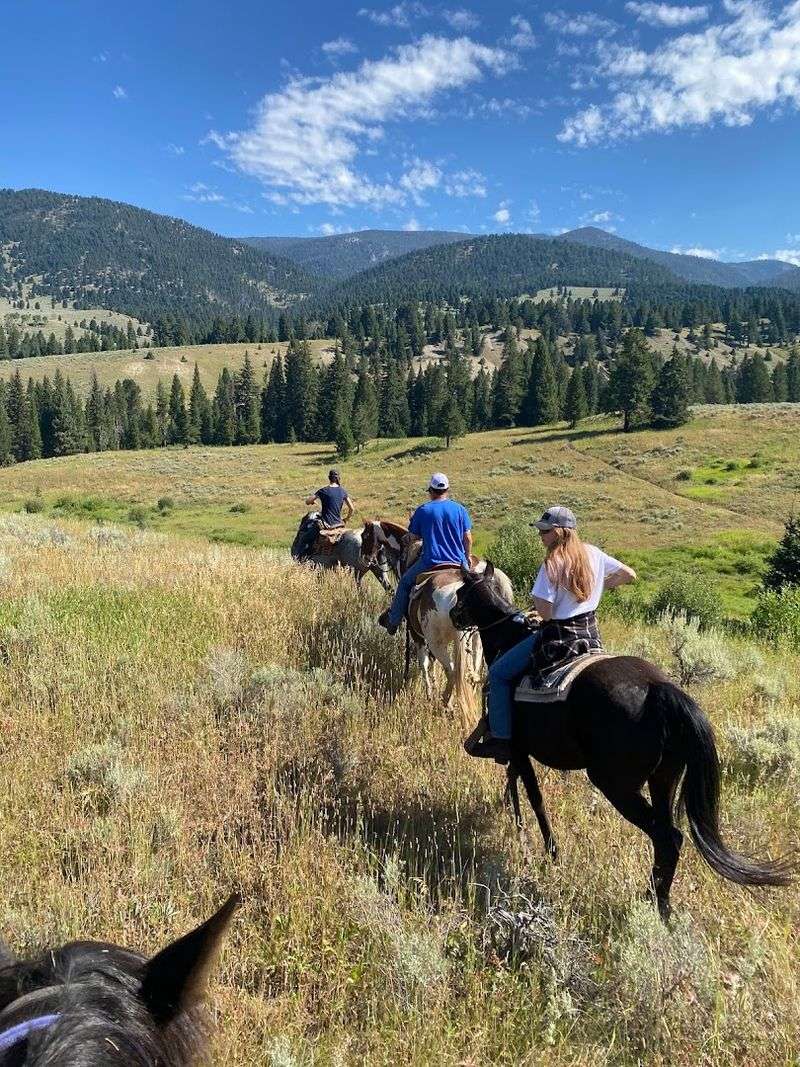
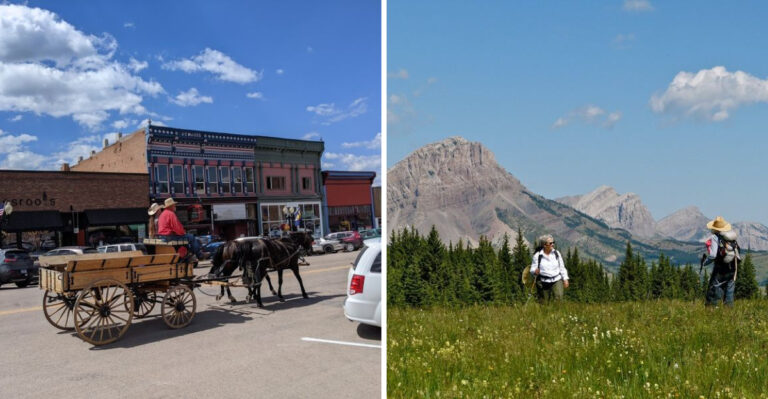
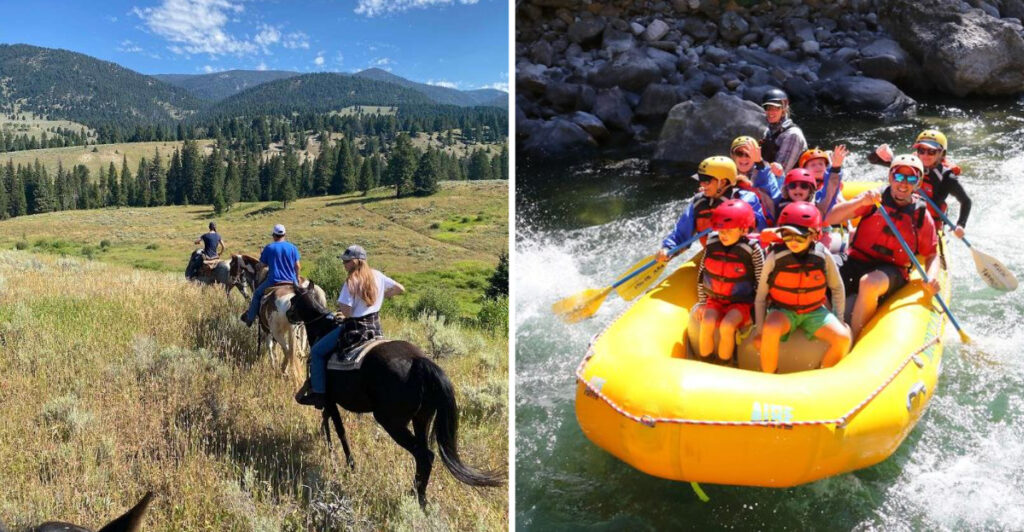
Swing a boot into the stirrup and the pace of the day changes. Horseback riding in Montana replaces hurry with hoofbeats, following trails across meadows and forested draws. You sit higher, see farther, and notice details that hiking sometimes blurs.
Guided rides keep things easy, matching horses to comfort levels and explaining simple cues. The rhythm becomes intuitive fast, especially once you relax your shoulders. Riders learn to read ears and breath, a quiet conversation that settles nerves.
Routes vary from gentle loops to longer climbs that peek into alpine views. Expect open country punctuated by pines, creek crossings that cool the air, and occasional wildlife at respectful distances. Sunscreen, water, and a brimmed hat make the day smoother.
Photo breaks are part of the fun. The light in late afternoon stretches shadows across the grass and turns dust into gold flecks. When the sky opens wide, you understand exactly how the nickname stuck.
The best part is how present you feel, moving through big landscapes with a trusted, surefooted partner. Finish with a contented horse, a satisfied core, and new confidence around the reins. You will remember the smell of saddle leather and sage long after boots hit the ground.
6. Hiking to Kootenai Falls and Crossing the Swinging Bridge (Near Libby)
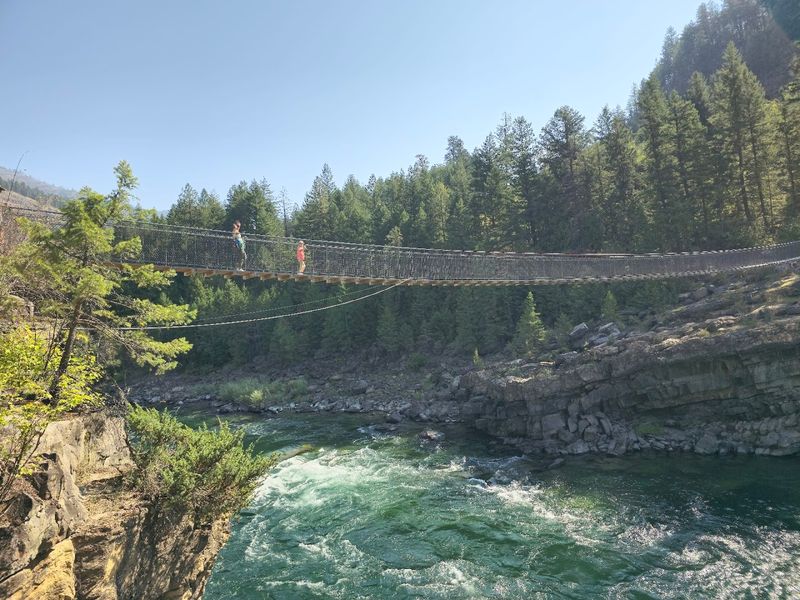
Right from the first few steps, this outing wastes no time getting to the good stuff, delivering a rush of sound and scenery that feels far bigger than the effort it takes to reach it. Kootenai Falls spreads wide over layered rock, its rushing water breaking into shimmering turquoise ribbons that catch the light in constantly shifting ways.
The roar builds as you approach, echoing through the trees and pulling you closer until the overlook opens up and the full force of the river comes into view. Just when you think you’ve taken it all in, the swinging bridge adds a second dose of excitement. Each step sends a subtle sway through the cables, the boards creaking underfoot as the river surges below in a blur of motion.
Standing midway offers a striking perspective, with the falls framed perfectly between the steel trusses. The trails themselves are easy to follow, though the rocks near the water can be slick, so solid footing goes a long way. Early hours tend to feel calmer, giving you space to linger, listen, and take in the cool mist rising off the current.
Signs are there for a reason, and the river’s strength is no joke, so keeping a respectful distance is key. Stay a little longer than planned, and you’ll notice how the light shifts across the water, turning a simple stop into something quietly unforgettable.
7. Exploring the Trails of Blue Mountain Recreation Area (Missoula)
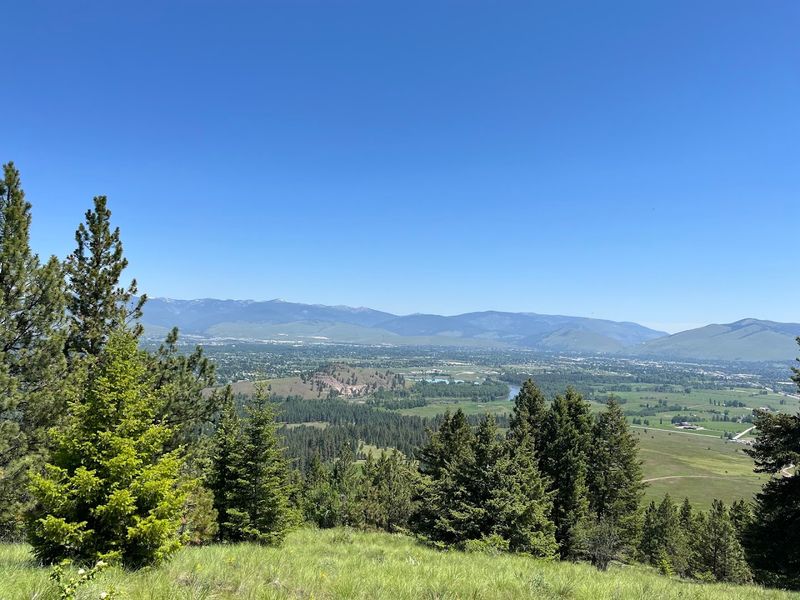
Just minutes from downtown yet worlds away in feel, Blue Mountain is where Missoula locals go when they need fresh air without committing to a full-day trek. The network of trails spreads across rolling hills and forested slopes, offering a mix of steady climbs and easygoing paths that suit everything from quick hikes to longer trail runs.
It is the kind of place where you can decide your route on the fly, linking segments together depending on how much time or energy you have. One minute you are weaving through pine stands, the next you are out in the open with wide views stretching across the valley.
Seasonal shifts keep things interesting, with spring bringing bursts of green and scattered wildflowers along the hillsides, while warmer months invite longer outings under big skies. Expect a lively but friendly atmosphere, with hikers, bikers, and dog walkers all sharing the space, often exchanging a quick greeting as they pass.
Staying aware and following trail etiquette helps everything flow smoothly, especially on narrower stretches. As you gain elevation, the payoff builds, revealing layered mountain ranges and a sweeping look at Missoula below. Even shorter routes deliver satisfying viewpoints that feel earned without requiring a huge effort.
Late-day visits are especially rewarding, with softer light and cooler air making the experience feel even more relaxed. It is the kind of place that keeps drawing you back, offering something slightly different every time.
8. Backpacking in the Bob Marshall Wilderness (Northwest Montana)
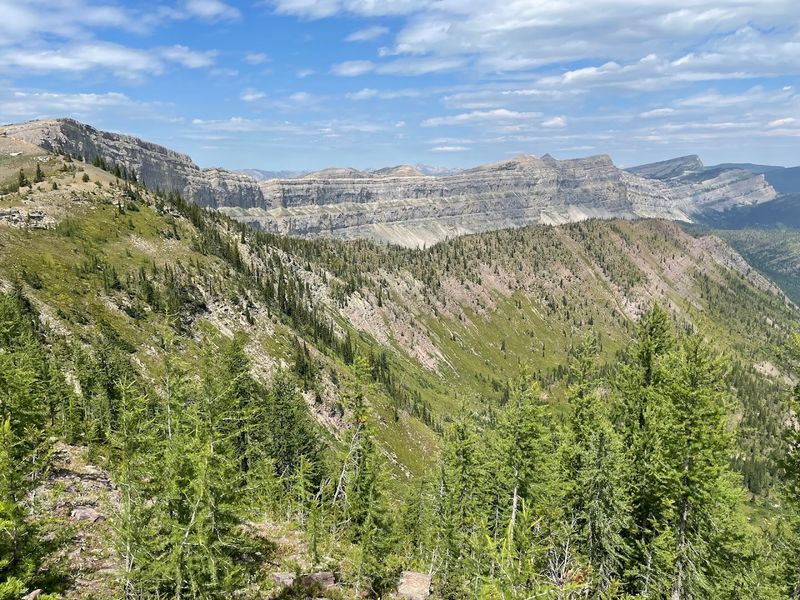
There is no grand entrance to the Bob Marshall Wilderness, and that is exactly the point—you ease into it, step by step, leaving noise and urgency behind until only the rhythm of your boots remains. Trails wind through dense forest, open into wide river valleys, and eventually climb toward high passes where the views stretch endlessly across untouched country.
It is not a place built for quick highlights or easy checklists; instead, every mile asks for presence, rewarding those willing to slow down and settle into the pace of the land. Backpacking here means planning with intention, from mapping your route to packing food that keeps you fueled without weighing you down.
Days feel full without being rushed, each stretch of trail unfolding naturally into the next. Camps often gather near water, where the air cools quickly and evenings settle into a quiet routine of cooking, filtering, and watching the sky fade into a blanket of stars. Wildlife is part of the experience, but it comes with responsibility, making clean camps and respectful distance essential.
Solitude defines the Bob, so keeping noise low and impact minimal helps preserve what makes it special. By the time you hike out, the shift is noticeable—your sense of time changes, your priorities feel simpler, and the miles you covered carry more meaning than anything you left behind.
9. Boating and Swimming on Flathead Lake (Northwest Montana)
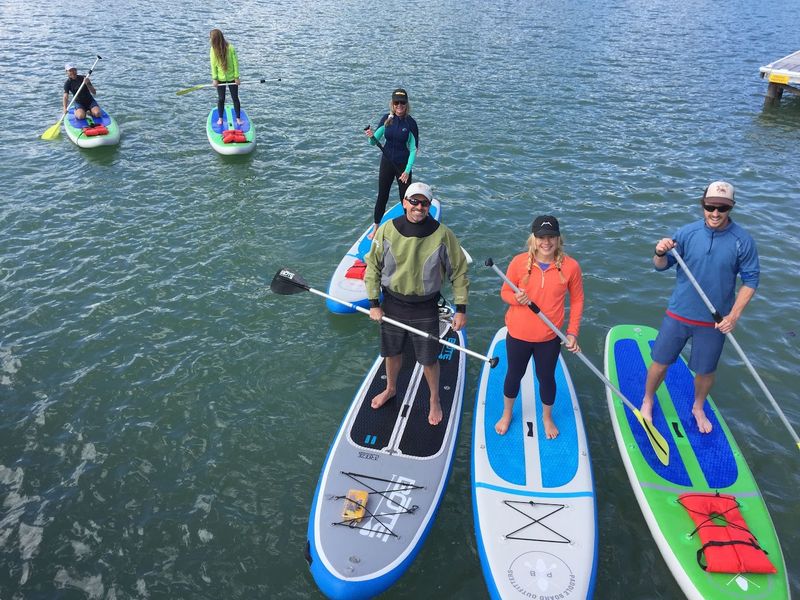
Nothing about Flathead Lake feels rushed, and that slow, easy rhythm is exactly what makes a day here so satisfying from the moment you push off the shore. Early starts are worth it, when the water sits glassy and the air still carries a hint of cool, letting you glide toward quiet coves that look almost unreal in their calm.
The shoreline shifts between orchard-lined stretches, dense pine patches, and rocky outcrops that invite you to stop, float, and take it all in. Whether you are steering a boat, balancing on a paddleboard, or drifting in a kayak, the lake adapts to your pace without ever feeling crowded or chaotic.
The clarity of the water is part of the magic, turning every swim into something refreshing and vivid, like stepping into a postcard rather than just cooling off. As the day builds, wind can ripple the surface and add a bit of challenge, so keeping an eye on conditions and choosing sheltered routes makes all the difference.
A life jacket, a warm layer for after long swims, and a stash of snacks help keep things comfortable and carefree. Later on, the mood softens again, with golden light stretching across the water and mountains framing every direction. Stay out long enough, and the sunset puts on a slow, glowing show that feels like the perfect closing scene.
10. Camping and River Recreation at Beavertail Hill State Park (Clinton)
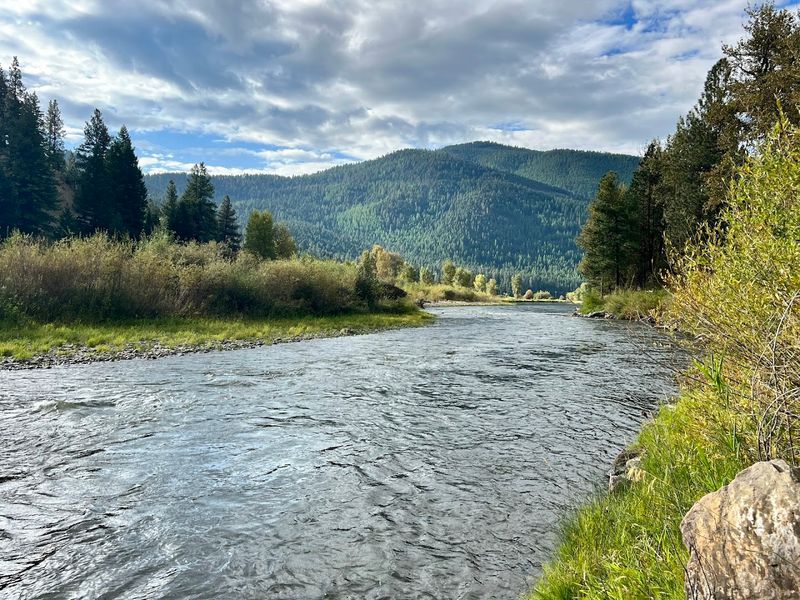
Set along a calm stretch of the Clark Fork River, Beavertail Hill State Park delivers that easygoing Montana camping experience where everything feels within reach but nothing feels rushed. Sites sit beneath tall shade trees, many just steps from the water, making it simple to roll in, set up camp, and still have plenty of daylight left to unwind.
The atmosphere leans relaxed from the start, with the steady flow of the river providing a natural soundtrack that replaces the noise of daily life. It is the kind of place where a tube or small raft becomes the main event, letting you drift lazily downstream and reset without much effort at all.
Facilities are straightforward and convenient, which makes it especially appealing for newer campers or anyone looking for a low-stress getaway. Evenings settle in gently, with the smell of dinner on camp stoves, quiet conversations carrying through the trees, and the sky fading into soft layers of color before giving way to stars.
Keeping things tidy and respecting shared space helps preserve the calm, while the surrounding environment reminds you to stay aware of wildlife moving through naturally. Early mornings bring a different kind of reward, with cool air, birdsong, and a peaceful stillness along the riverbank. Nothing here feels overcomplicated, and that simplicity becomes the highlight, turning a short stay into a surprisingly restorative escape.
11. Driving the Beartooth Highway and Hiking Along the Way (South-Central Montana)
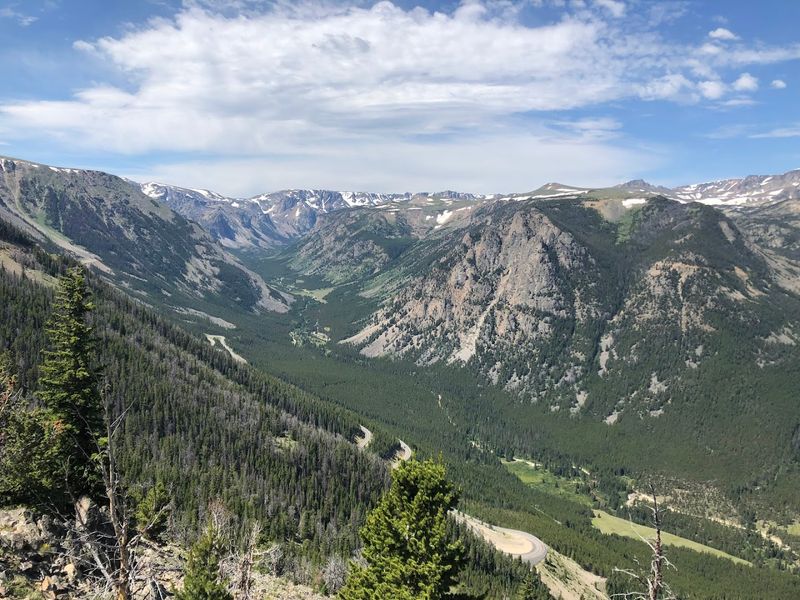
This is not the kind of road you rush through with music up and eyes half on the horizon, because the Beartooth Highway demands your full attention from the very first climb. The route winds steadily upward into alpine terrain that feels almost surreal, with tight switchbacks revealing new angles of jagged peaks, glassy lakes, and lingering snowfields even in the warmer months.
Every turnout feels like it could be the best one, pulling you into a rhythm of stopping often and lingering longer than planned. What makes the drive even more rewarding are the short hikes that branch off along the way, leading to overlooks, quiet ridgelines, and pockets of still water that reflect the sky with striking clarity.
Even quick walks have a way of delivering outsized views, turning small detours into memorable highlights. Conditions can shift fast at elevation, so having layers within reach keeps the experience comfortable no matter what rolls in. A mix of sun protection and warmer gear usually covers the range, especially when you are hopping in and out of the car.
Seasonal touches like wildflowers across the tundra and the occasional movement of wildlife among the rocks add another layer of interest without ever feeling staged. By the time the road begins to descend, the drive itself has become the main event, leaving you with a camera full of views and the lingering sense that every mile truly counted.
12. Fishing at Three Forks Ponds (Southwest Montana)
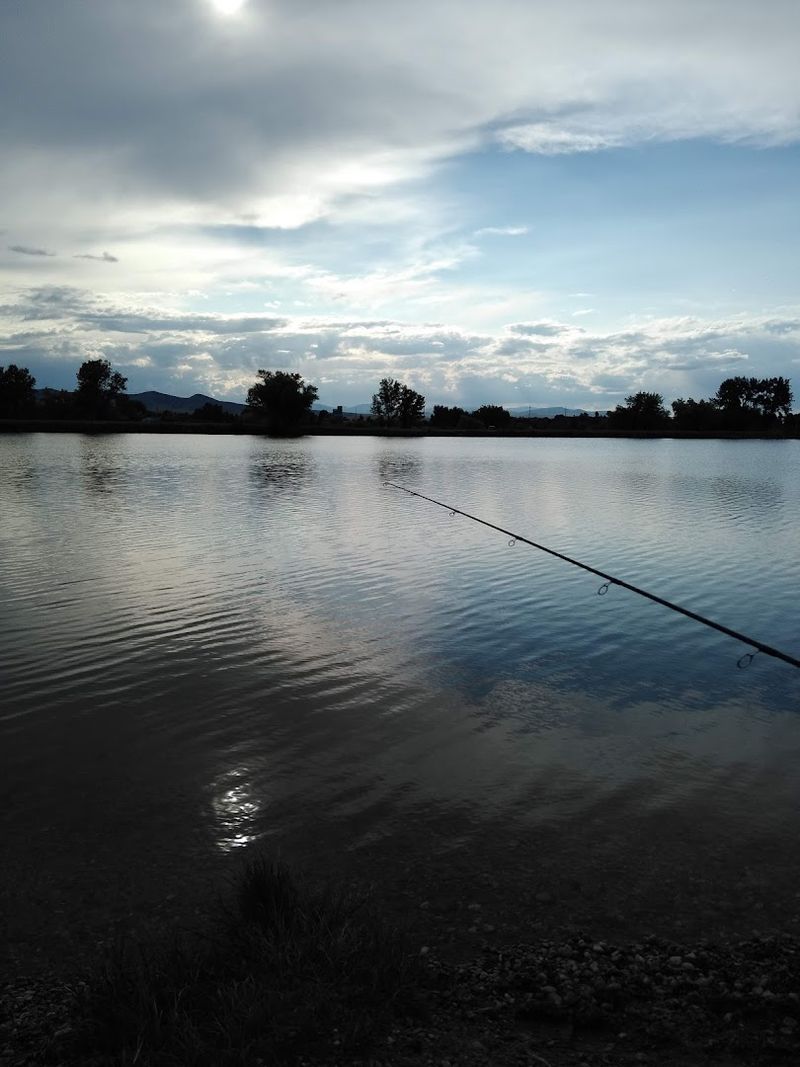
There is a quiet kind of focus that settles in at Three Forks Ponds, where the pace slows and every cast feels deliberate rather than rushed. The water sits calmer than a river, broken only by subtle ripples and the occasional rise that hints at what is moving below.
It is a place where patience pays off, inviting you to read the surface, adjust your approach, and let time stretch without pressure. Whether you are casting from the bank or wading carefully along the edges, the experience leans more toward observation and rhythm than constant action.
Starting simple works best here, with clean presentations and a steady hand making all the difference. You begin to notice small details—the way light shifts across the water, how insects gather, how fish reveal themselves in brief, quiet moments.
It is less about chasing and more about tuning in. Conditions can change with the breeze or passing clouds, so staying flexible keeps things enjoyable. Keeping gear organized helps avoid unnecessary frustration, especially when the bite turns subtle.
Respect for the space matters too, with shared access and a relaxed atmosphere encouraging anglers to give each other room. As the day winds down, the ponds often reflect the sky in soft tones, turning the entire scene into something calm and unhurried. It is the kind of place where you lose track of time without realizing it, and leaving always feels just a little premature.
13. Exploring Bighorn Canyon National Recreation Area (South-Central Montana)
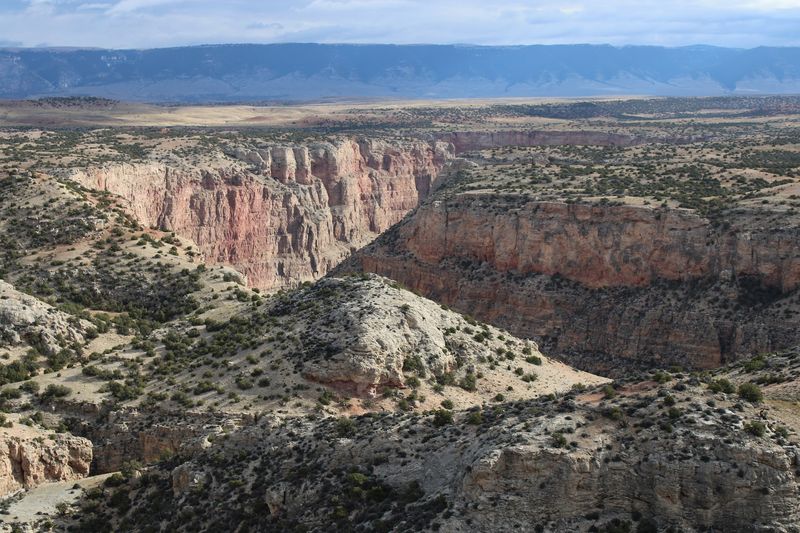
It does not take long to realize that Bighorn Canyon offers something different, a kind of quiet grandeur that reveals itself slowly rather than all at once. Towering cliffs rise sharply from the water, their layered rock faces catching light in ways that shift throughout the day, while the deep blue channel below cuts a striking path through the landscape.
The absence of heavy crowds only amplifies the experience, giving each overlook and trail a sense of space that feels rare. Walking along the rim, you find viewpoints that stretch endlessly, perfect for pausing, taking it in, and letting the scale settle around you.
The wind can sweep through unexpectedly, adding energy to otherwise still moments, so staying grounded—literally—helps you enjoy it fully. Down at the waterline, a different perspective unfolds, where kayaks and small boats glide quietly along the base of the canyon walls.
Reflections shimmer and distort across the surface, creating ever-changing patterns that hold your attention longer than expected. Sound carries easily here, turning even small movements into part of the atmosphere. Wildlife appears when you slow your pace and remain observant, reinforcing the importance of giving the environment space to breathe.
Summer visits call for thoughtful planning, with shade and hydration making a noticeable difference in comfort. As the day winds down, a final stop at a high overlook ties everything together, leaving you with a deeper appreciation for a place that feels both expansive and unexpectedly intimate.
Share this story