
You can learn a lot about a Massachusetts local before they ever say where they are from. The coffee they order, the word they use for a sandwich, the way they talk about highways, and even how they handle bad weather can all give them away. These everyday habits feel perfectly normal inside the state, but try explaining them to someone from somewhere else and the questions start fast.
That is part of the fun. If you grew up here or have lived in Massachusetts long enough, chances are more than a few of these customs will feel instantly familiar.
1. Wicked Is Just Part of the Sentence
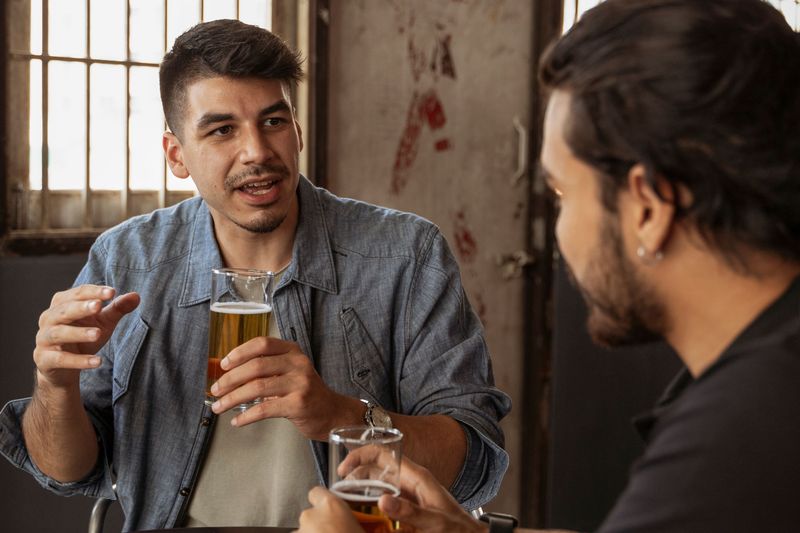
Your friend says the parking lot is wicked full, and nobody pauses to discuss whether the asphalt has bad intentions. In Massachusetts speech, wicked often means very or really. It slides into a sentence so easily that the speaker may forget anyone could hear it differently.
The word works especially well before an adjective: wicked cold, wicked good, wicked expensive. You might hear it while someone describes dinner, checks the forecast, or reacts to a rent increase. It adds emphasis without requiring a whole speech, which suits a conversation happening while everyone is already moving.
Not every Massachusetts resident uses it, and plenty of people elsewhere recognize it. Still, its connection to local speech is strong enough that an ordinary comment can become a regional giveaway. Someone who has moved away might barely notice using it until a coworker smiles at the unfamiliar wording.
If you’re visiting, understanding the word matters more than performing it. Listen to how people place it in a sentence rather than dropping it into every exchange. Calling a meal wicked delicious may sound natural; building your entire conversation around the word can sound like an audition for a television accent.
The same caution applies to pronunciation. Massachusetts contains many accents, backgrounds, and ways of speaking, so there is no single voice everyone shares. You can enjoy a local expression without pretending that every person in Boston, Worcester, or the Berkshires sounds exactly alike.
For outsiders, the funny part is how little ceremony surrounds it. Nobody announces that a regional expression is arriving, and nobody stops afterward to translate. A person says the bus was wicked late, checks the time, and carries on while you are still deciding whether to borrow the phrase for your next conversation back home with friends.
2. Iced Coffee Does Not Check the Forecast

Snow is piled beside the sidewalk, your coat is zipped to your chin, and the drink in your hand still contains ice. To an outsider, that looks like a planning error. To a dedicated Massachusetts iced coffee drinker, it is simply the usual order arriving on a colder morning.
The habit is less mysterious when you separate the drink from the weather. People choose coffee for its taste, routine, and convenience, not only its ability to warm their hands. A familiar iced order can stay familiar whether the walk to work requires sunglasses or a hat pulled over your ears.
There is also a practical detail hiding beneath the joke: much of the day happens indoors. Your car, office, classroom, or kitchen may be heated, even when the parking lot is bitterly cold. The few chilly minutes between those places do not necessarily change what you want to sip afterward.
If you’re joining the routine, bring gloves rather than expecting the cup to help. A reusable insulated tumbler can make carrying a cold drink more comfortable, and a secure lid matters on slippery sidewalks. Watch your footing first; protecting the coffee should never outrank protecting your knees.
You will see hot coffee here too, of course. Massachusetts does not issue a winter beverage rulebook, and switching orders is allowed without surrendering your local credentials. The recognizable habit is the cheerful refusal to treat iced coffee as a summer-only purchase.
Explaining that choice can take longer than making it. Someone from a warmer state may ask why you would add more cold to an already freezing day, while you are wondering why the conversation has become so complicated. The answer may be nothing deeper than preference: you ordered your favorite drink, and tomorrow’s weather probably will not change that either very much.
3. Four Teams Keep the Calendar Busy
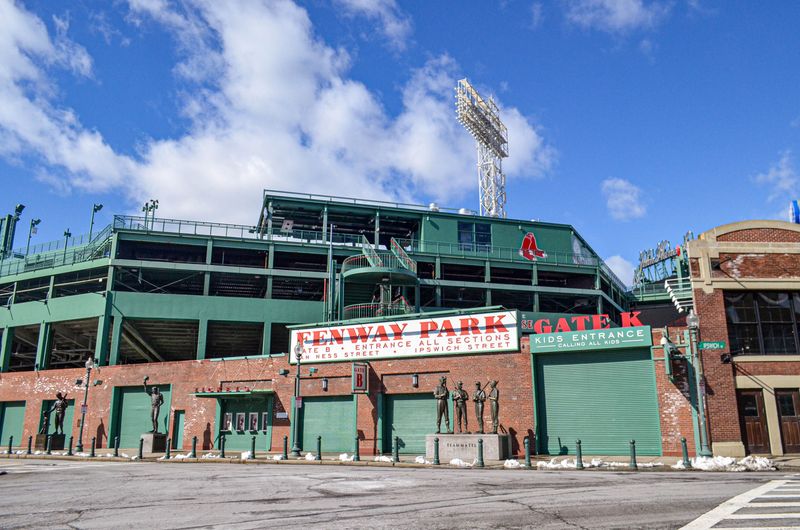
Before one season ends, another team has already supplied something to argue about. Following the Patriots, Red Sox, Celtics, and Bruins can turn the sports calendar into a rolling household schedule. There is usually a game, a roster question, or a recent result waiting to enter the conversation.
Each team brings its own rhythm. Football builds toward a weekly matchup, baseball spreads across long stretches of evenings, and basketball and hockey can fill the colder months with overlapping games. You do not need to watch everything to understand why a local fan’s calendar rarely stays empty for long.
For some households, games shape dinner plans and weekend errands. A television stays on while food is prepared, relatives exchange opinions by text, and someone checks the score during a break. That steady attention can look like a second job to a person who only watches the occasional championship.
If you’re new to the conversation, start small. Learn which team is playing, ask about a player, and let the answer guide you instead of pretending to know every season’s history. Fans generally have plenty to say, and a sincere question works better than borrowing a loud opinion you cannot explain.
Keep the rivalry talk friendly, especially around strangers. A little teasing can be part of the fun, but wearing another team’s cap is not an invitation for harassment. The best sports conversations leave room for different loyalties, casual followers, and people who would rather discuss almost anything else.
The responsibility joke comes from the attention, not an actual requirement. Plenty of Massachusetts residents skip sports entirely, while others follow only one team with fierce focus. Still, when a neighbor moves smoothly from the Red Sox bullpen to the Celtics lineup, you understand how four teams can keep one conversation running through lunch without much effort.
4. A Grinder Is Lunch, Not a Power Tool

At the sandwich counter, a perfectly ordinary order can cause a visitor to look for machinery. Grinder is a familiar name for certain long sandwiches in parts of Massachusetts and elsewhere in New England. The food is easy to recognize even when the word sends your imagination in the wrong direction.
Think of a long roll holding fillings such as sliced meats, cheese, vegetables, or meatballs. Depending on the shop and town, the menu might instead call similar sandwiches subs or use both terms. Local vocabulary does not always follow a neat border, and two nearby counters may label lunch differently.
That variation is worth remembering before you appoint yourself the sandwich referee. Some people connect grinders with hot sandwiches, while others use the name more broadly. The useful question is what the shop actually serves, not whether the person behind the counter has passed an unofficial regional language test.
If you’re ordering somewhere unfamiliar, look at the menu and ask about size, bread, and toppings. A sandwich name alone will not tell you whether it comes toasted, dressed with oil, or loaded with peppers. Clear requests prevent the small disappointment of unwrapping lunch and discovering an ingredient you meant to skip.
The naming confusion offers an easy conversation starter. Your friend says grinder, you say sub, and someone else mentions the term used where they grew up. Everyone can compare notes while agreeing on the more urgent issue: whether the bread will hold together until the last bite.
There is no need to force the word into your own speech after one visit. Use the shop’s wording when it helps, and enjoy the sandwich without turning lunch into a geography exam. Just avoid asking where the sparks come out unless you are prepared for the person taking your order to have heard that joke before.
5. Complaints Change With the Season

February brings complaints about the cold; July brings complaints about everyone trying to reach the same beach. Massachusetts has a seasonal supply of annoyances, and residents are rarely short of words for them. The topic changes, but the talent for delivering a sharp running commentary remains available all year.
Winter offers plenty of material without exaggeration. Snow needs clearing, sidewalks can become slippery, and a bitter wind makes a short walk seem much longer. Even someone who enjoys skiing or a snowy view may have strong feelings about scraping a windshield before an early shift.
Then summer arrives with a different list. Routes toward Cape Cod can get busy, parking becomes a project, and popular places attract more visitors. A person who spent months asking for warmer weather can still complain when that weather brings a line of cars between home and the beach.
The trick is to hear the complaint without assuming it explains the speaker’s entire outlook. Grumbling can be a quick way to connect over a shared inconvenience. Someone may curse the traffic and still have packed the car carefully for a weekend they have been anticipating since March.
If you’re visiting, use the useful information tucked inside the commentary. Ask which departure times are difficult, where parking is limited, or what winter gear you actually need. Keep in mind that tourists are people, not obstacles, and residents benefit when busy destinations remain welcoming and respectful.
You can join the conversation without turning it into a competition over whose weather or traffic is worse. A simple acknowledgment usually does the job, especially when everyone is standing in the same cold wind or stopped beside the same exit sign. By the next season, the complaint will probably have changed, and somebody will already have an opinion ready to share aloud.
6. The Big Dig Is Both a Grievance and a Landmark
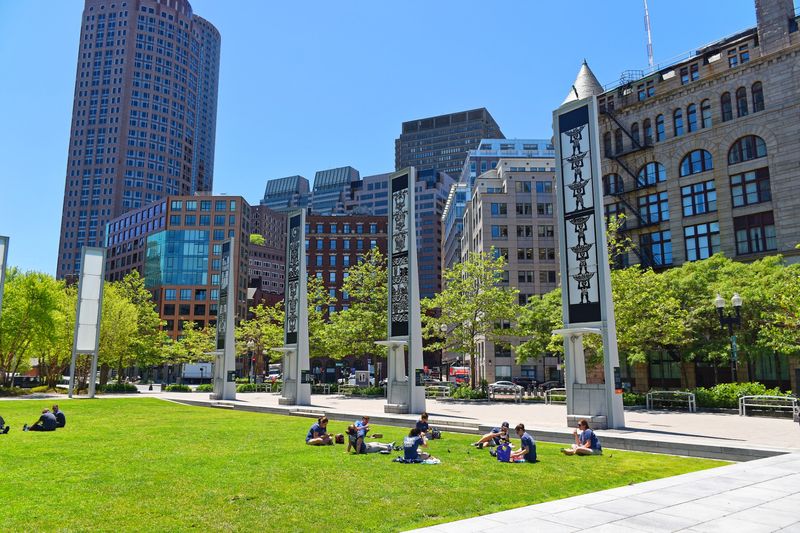
Mention the Big Dig in Boston, and you may get a history lesson delivered with a sigh. The project changed major roads through the city, including putting much of the elevated Central Artery underground. It also left a powerful memory of construction disruption, rising costs, and difficult public debates.
Both parts belong in the explanation. The work reshaped how parts of downtown look and connect, while the experience of building it tested patience across the region. Treating it only as a triumph misses the headaches; treating it only as a punchline ignores the lasting changes you can see today.
The Rose Kennedy Greenway gives you a useful place to understand that contrast. Much of its route occupies space once taken by the elevated highway, with parks and public areas replacing that overhead roadway. Standing there makes the project’s physical impact easier to grasp than a long discussion of ramps and contracts.
For someone who drove through construction, the memories can be much less peaceful. Detours, confusing approaches, and changing travel plans are the details people carry into conversation. You do not need to repeat every figure or engineering term to understand why a local might sound impressed and irritated at once.
If you’re exploring, separate sightseeing from navigating. Walk the Greenway when conditions allow, then use current maps for driving rather than relying on a story about an old exit. Boston’s road layout deserves your attention in the present, even when your passenger is enthusiastically describing how it used to work.
A good question is whether someone remembers the elevated highway or the construction years. That invites a specific story rather than a sweeping claim about what everyone thinks. The Big Dig can be an enormous civic undertaking and a source of everyday grievances at the same time, which is why the discussion rarely ends quickly over dinner.
7. Fenway Supplies the Extra Ingredient
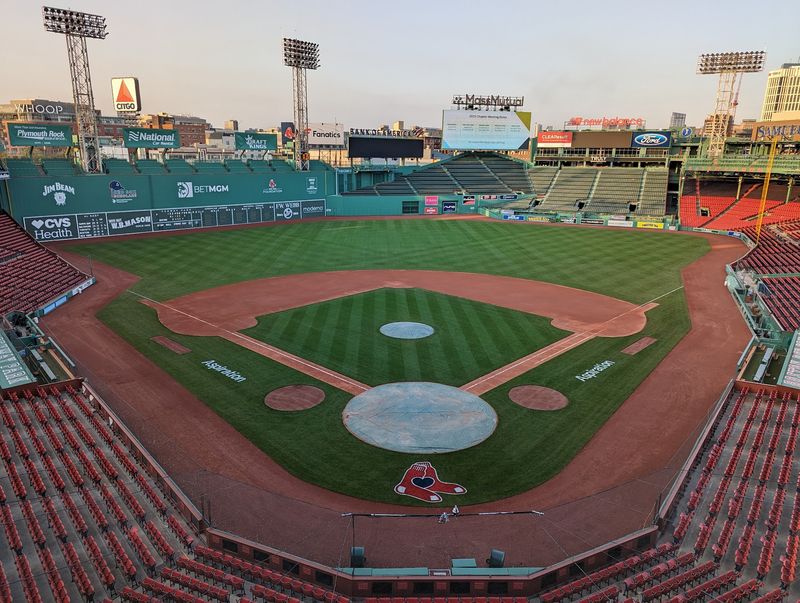
A hot dog eaten at home has to defend itself on flavor alone. At Fenway Park, it gets help from the field, the crowd, and the fact that you are finally in your seat. That is the case many fans make when they insist a Fenway Frank tastes better there.
You can debate the sausage, bun, and toppings, but the setting is doing real work in the experience. A bite between pitches lands differently from lunch over the kitchen sink. The sounds around you and the view ahead become part of what you remember, even if they cannot appear on an ingredient label.
Fenway’s familiar details strengthen the association. The Green Monster, the busy seating areas, and the routines of a baseball game give the meal a specific backdrop. For someone who has attended games for years, ordering a frank may be as predictable as checking the lineup before the first pitch.
If you’re going, look at current ballpark food options and policies before you arrive. Prices, availability, and permitted items can change, so an old recommendation is not a guarantee. Leave enough time to find your section, choose your food, and settle in without juggling everything during a crowded rush.
Keep your toppings manageable if your seat gives you little room to maneuver. A napkin within reach is more useful than a heroic pile of mustard when people need to pass your knees. And if hot dogs are not your thing, there is no requirement to eat one to appreciate the park.
The claim is really about context, not a demand that everyone reach the same food verdict. You may love your first Fenway Frank, or you may decide the game was the better purchase. Either way, you now understand why a local can recommend a hot dog by pointing toward a baseball field.
8. Harvard and MIT Count as Local Bragging Rights
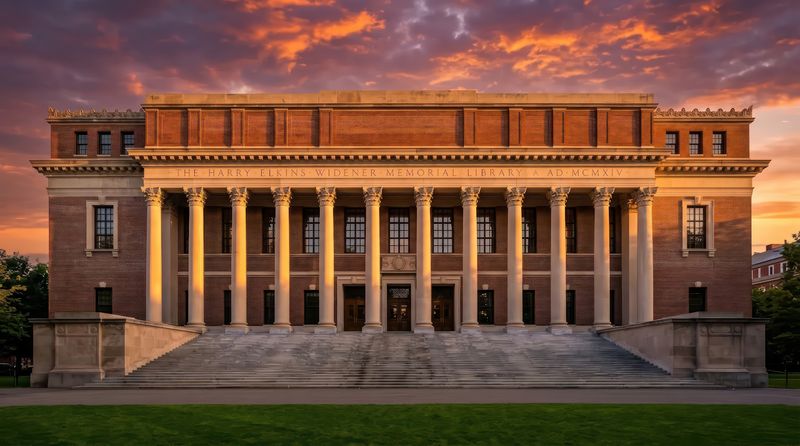
You do not need a degree from Harvard or MIT to mention that both are nearby. Massachusetts pride often includes institutions that most residents never attended. Having two widely known universities in Cambridge gives locals an easy reference when the conversation turns to education, research, or the state’s reputation.
The pride has visible places attached to it. Harvard Yard offers brick buildings and paths that many visitors recognize, while MIT’s campus sits closer to the Charles River with its own well-known landmarks. They are distinct schools with different histories, not interchangeable symbols that happen to share a city.
For outsiders, the amusing leap comes when nearby becomes ours. A person can feel proud of a local institution without having taken a class there or knowing anyone on its faculty. The same logic lets a town celebrate a museum, orchestra, or sports team whose work reaches far beyond its residents.
If you’re visiting Cambridge, check official information about tours, public access, and opening hours. University grounds contain working classrooms, offices, and student spaces, so access is not unlimited. Stick to permitted areas, avoid interrupting people, and remember that a campus visit is someone else’s ordinary school or workday.
It also helps to widen the conversation beyond two famous names. Massachusetts has many colleges, universities, and other learning paths, and academic fame does not measure every person’s skill or worth. Appreciating Harvard and MIT should not require overlooking community colleges, trade programs, or the people keeping daily life running.
The local brag is best taken with a little humor and a little perspective. Your neighbor may be proud of groundbreaking work happening nearby while knowing very little about the latest research project. You can admire the campuses, ask thoughtful questions, and still recognize that living within driving distance does not automatically grant anyone an advanced degree by association alone.
9. Down the Cape Includes Time in Traffic
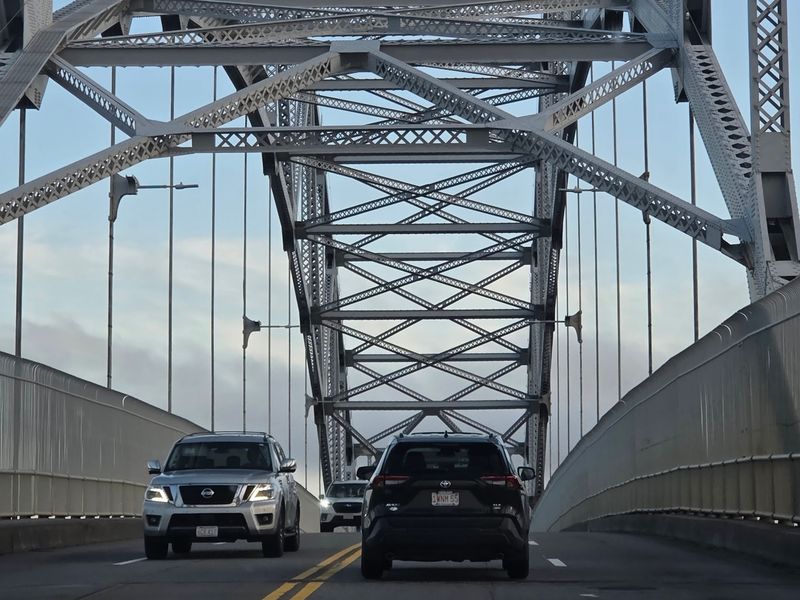
The beach towels are packed, the cooler is closed, and someone has already asked whether you should have left earlier. Heading down the Cape often begins long before the sand appears. For many Massachusetts households, the slow approach is folded into the summer plan rather than treated as a surprise.
Cape Cod draws residents and visitors toward a limited set of road connections, including its canal bridges. That can create busy travel periods, especially around popular summer weekends. Conditions vary, so no departure hour or clever shortcut can promise a smooth drive every time.
Still, people develop routines around the uncertainty. One family leaves early, another travels on a different day, and a third packs enough snacks to make waiting less annoying. The annual trip can become so familiar that the first delay produces a resigned comment instead of a serious discussion about turning around.
If you’re planning your own visit, check current traffic and any bridge or road work before leaving. Allow extra time, keep water handy, and make sure children have something to do that does not require a constant connection. Let a passenger handle route changes so the driver can stay focused.
Choose your destination before assuming the entire Cape is one easy stop. Towns, beaches, and lodging areas are spread out, and reaching the peninsula does not mean your driving is finished. A realistic plan leaves room for the final stretch, parking, and the check-in rules where you are staying.
The tradition is the trip, not the right to complain loudly at everyone sharing the road. Local residents still need to reach work, stores, and home while vacation traffic rolls through. Pack your patience beside the sunscreen, and accept that a familiar summer ritual can include brake lights without making them the main event of your visit once you finally arrive there.
10. Driving With Confidence Can Look Like Combat
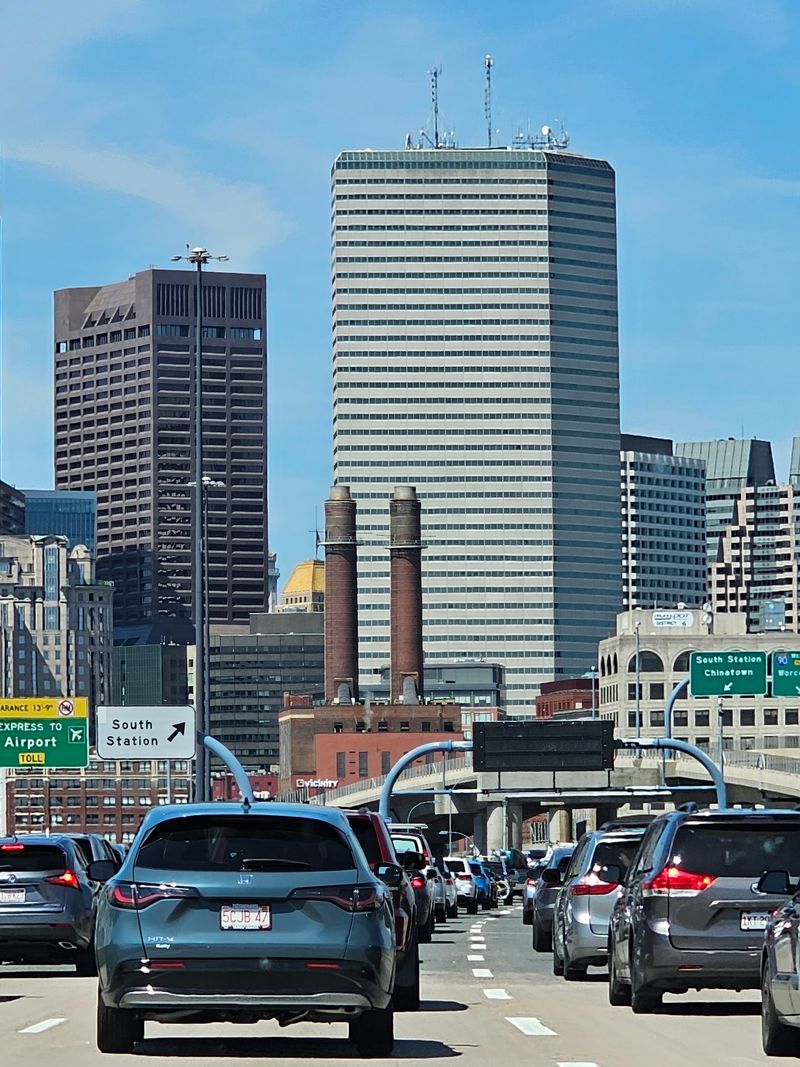
Your turn signal is on, the lane is busy, and the driver beside you appears determined to defend every inch of pavement. This is where the Massachusetts-driver stereotype starts making sense to a newcomer. The style can seem brisk, impatient, and highly confident, even on a road nobody appears to enjoy.
Some of that impression comes from the setting. Dense streets, complicated intersections, highway merges, and limited parking can demand quick decisions. A driver who knows the route may move decisively while a visitor is still figuring out which lane leads to the correct turn.
That explains pressure, not permission to behave badly. Tailgating, speeding, ignoring signals, or squeezing past someone dangerously is not a charming regional custom. Plenty of Massachusetts drivers are careful and courteous, and a stereotype should never become an excuse to treat other road users as opponents.
If you’re driving here for the first time, review your route before starting and use navigation with spoken directions. Get into the correct lane early when you can, leave space ahead, and expect cyclists and pedestrians. Missing a turn is safer than making a sudden move across traffic to rescue the original plan.
When another driver gets impatient, keep your response boring. Stay predictable, follow the rules, and let them move away if it is safe to do so. A horn does not change a red light, and someone else’s hurry does not create an obligation for you to rush.
You can also skip the hardest part when your destination allows it. Walking, public transit, or parking outside a crowded center may make more sense than driving directly to every doorway. The useful local skill is not aggression; it is choosing a sensible route, understanding your surroundings, and reaching the destination without turning an ordinary errand into a contest for anyone nearby that day.
11. Directions Come With a Local History Lesson

Turn where the old pharmacy used to be sounds perfectly clear to the person giving directions. You, meanwhile, are looking for a building that has not sold cough drops in years. Massachusetts directions can depend as much on shared memory as on the street names printed on your map.
A landmark might be a church, a rotary, a school, or a business whose sign disappeared long ago. Longtime residents keep using the reference because it still locates the corner in their minds. The building may have changed tenants several times without changing its role in neighborhood conversation.
There is a certain efficiency to this when both people know the area. A familiar landmark can be easier to picture than an address or a numbered exit. Trouble begins when the speaker assumes you possess twenty years of local background that you could not possibly have collected during a weekend visit.
If the directions become a history puzzle, ask for a current detail. The street name, nearby intersection, building color, or present business can turn an old reference into something useful. You can also ask the person to point out the location on your phone before you start moving.
Be careful with instructions based on old roads or remembered exits. Traffic patterns, signs, and access points can change, and a confident delivery does not guarantee current information. Follow posted rules and consult an updated map rather than attempting a turn simply because someone says everyone used to take it.
The habit reveals how people organize a place they know well. Their mental map contains former shops, childhood meeting spots, and names that survived after the signs came down. You may receive three usable directions and a brief account of who owned the corner store, so leave enough time to hear both before thanking your guide and heading toward the actual destination.
12. Boston-Area Rent Comes With a Defense Speech
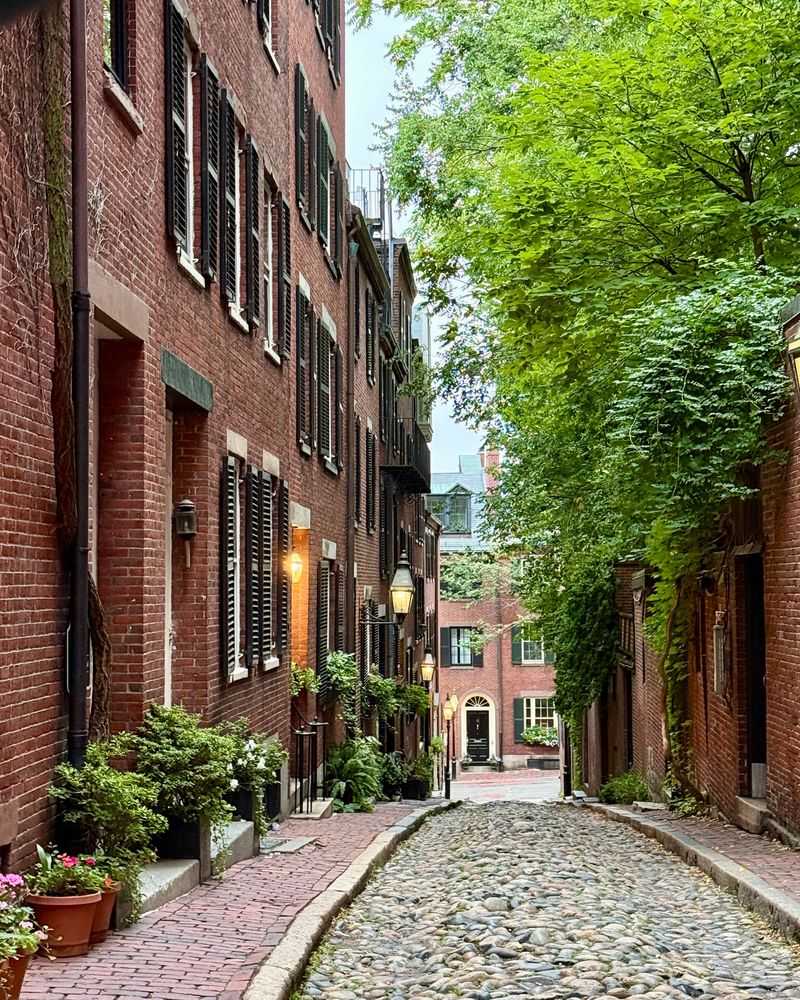
The monthly housing payment makes your out-of-state friend go quiet, and then you begin listing the reasons you stay. Living near Boston can involve a painful bill followed by a surprisingly detailed defense. Access to work, transit, schools, hospitals, family, or favorite neighborhoods may all enter the argument.
The trade-off is personal, not imaginary. Someone may accept a smaller apartment to shorten a commute or remain close to relatives who help with childcare. Another person may value being able to walk to groceries, reach a job without driving, or stay near medical care they regularly need.
None of those benefits makes the price easy for everyone. Housing costs vary by town, neighborhood, building, and household needs, and a desirable location can still strain a budget. Calling the area worthwhile should not erase the pressure on people who are priced out or have little room for surprise expenses.
If you’re considering a move, compare the full monthly cost rather than rent alone. Include utilities, transportation, parking, insurance, and any fees you can confirm before signing. A cheaper place farther away may bring higher travel costs, while a central address may not offer the savings you expected.
Visit the neighborhood at different times if possible, and test your likely commute. Check current transit service rather than assuming a nearby stop guarantees an easy trip. Read the lease carefully, understand the payment terms, and avoid choosing a home mainly because the listing makes the location sound impressive.
The local defense speech often mixes affection with arithmetic. People can love where they live while openly admitting the price hurts, and they can decide later that the balance no longer works. When someone says the location is worth it, the useful follow-up is which benefits matter most to them, not whether every household should make the same choice with its money.