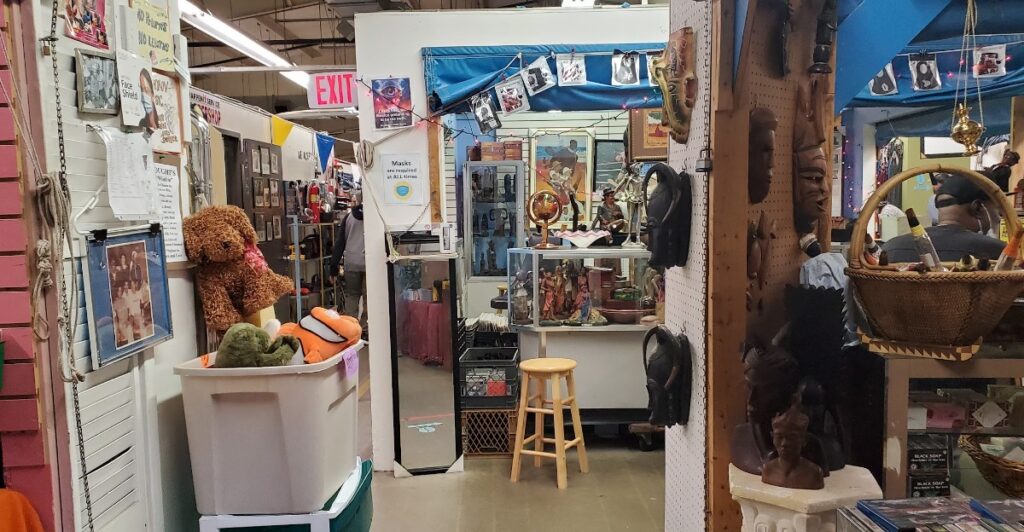
A scratched wooden side table for less than dinner, a stack of mismatched picture frames that suddenly makes a gallery wall possible, and a brass lamp that looks far more expensive after ten minutes with a polishing cloth — this is where flea-market decorating gets interesting. New Jersey has plenty of places where furnishing a room does not require walking through a showroom or committing half a paycheck to one chair.
Some of these markets specialize in antiques and vintage pieces with genuine age behind them. Others are sprawling, unpredictable bargain hunts where the best home finds might be hiding between tool tables, clothing racks, and boxes of kitchenware.
That unpredictability is part of the fun, especially when the goal is a home that looks collected rather than copied from a catalog. Bring measurements, keep some room in the trunk, and do not overlook anything simply because it needs a little cleaning.
These 12 New Jersey flea markets are particularly good places to stretch a decorating budget.
1. Golden Nugget Antique & Flea Market, Lambertville
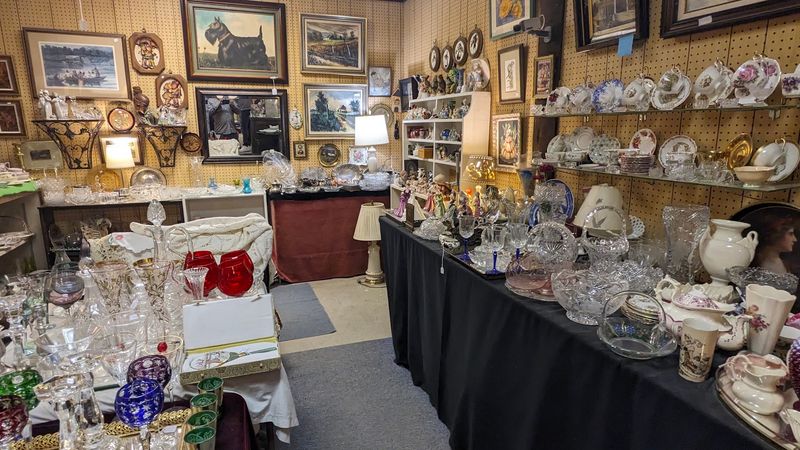
There are flea markets where the home décor feels incidental, and then there is this Lambertville institution, where antiques are the main event. Golden Nugget has been operating for decades and combines an outdoor market with more than 40 antique shops, so it gives budget decorators two very different ways to hunt.
Outside is where patience can pay off: furniture, old frames, boxes of dishes, architectural odds and ends, lamps, artwork, and objects whose original purpose may require some guessing. Indoors, the displays are more curated, with dealers specializing in everything from vintage furnishings to art and collectibles.
That means prices can vary considerably, but it also makes comparison shopping easy. A shopper trying to build a room slowly could come looking for one statement piece — perhaps a side table, mirror, ceramic lamp, or old wooden chest — rather than expecting to furnish the entire house in one sweep.
The market sits along Route 29 just south of Lambertville and runs Wednesdays, Saturdays, and Sundays year-round, with the outdoor market opening earlier than the indoor shops. Admission and parking are free, which matters when the whole point is keeping the decorating budget intact.
Come early for the broadest selection, but give yourself time to circle back before committing to a larger piece.
2. Columbus Farmers Market, Columbus
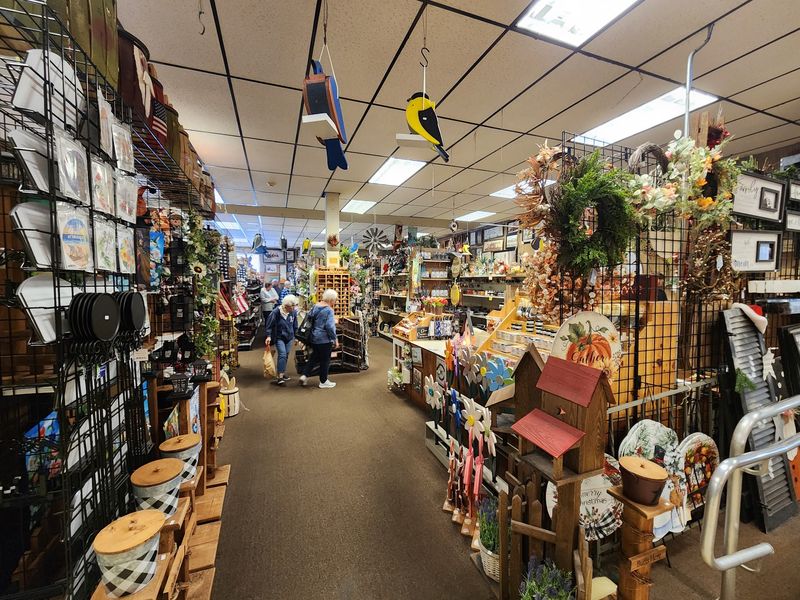
If your decorating strategy is less “find one perfect antique” and more “see what turns up,” Columbus rewards the second approach. Its year-round outdoor flea market is enormous and famously broad, with vendors selling furniture, housewares, plants, tools, vintage clothing, jewelry, and just about everything in between.
That mix creates excellent conditions for inexpensive decorating because useful pieces are not necessarily being sold as precious décor. A wooden stool might be sitting beside garden tools.
Glassware may be stacked in a box instead of arranged in a cabinet. Old baskets, planters, small shelves, kitchen pieces, and picture frames can all become inexpensive room upgrades if you are willing to look past dust and mismatched presentation.
Larger furniture also appears, making this a smart stop for anyone with a vehicle big enough to haul home an impulse purchase. The outdoor flea market operates Thursday, Saturday, and Sunday from 8 a.m. to 3 p.m., while the larger Columbus complex also includes indoor shopping and produce areas.
The biggest advantage is sheer volume: you can compare several versions of the same basic item before spending anything. Set a maximum price before you start, take photos as you walk, and resist buying the first decent lamp you see.
There is a very good chance another one is waiting three rows later.
3. Englishtown Auction, Englishtown/Manalapan
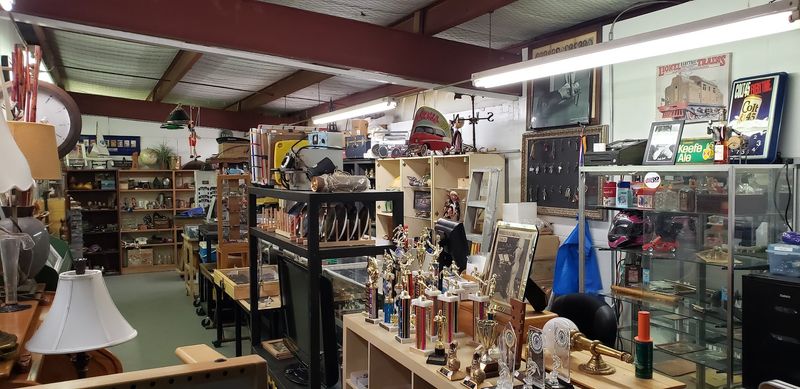
An old wooden chair next to a box of extension cords next to a table covered in kitchen gadgets is exactly the kind of visual chaos that makes Englishtown useful. This longtime Manalapan market is less about polished antique displays and more about the possibility of finding something good among a huge variety of merchandise.
For someone decorating cheaply, that works in your favor. Used furniture, mirrors, household goods, storage pieces, wall décor, lamps, and small furnishings can turn up alongside newer merchandise, and sellers change often enough that no two visits feel quite identical.
The best approach is to arrive with dimensions rather than an overly specific shopping list. Know how wide the empty wall is, how tall a bedside table can be, and whether that corner really has room for an armchair.
Then see what fits the numbers. Englishtown operates every Saturday and Sunday from 8 a.m. to 4 p.m., rain or shine, and describes itself as one of the country’s largest open-air markets.
That scale means comfortable shoes are more important than elaborate shopping plans. It also means budget decorators should keep an eye on practical pieces that can be transformed at home: solid wood beats trendy finishes, ugly hardware can be replaced, and a scratched table is often a far better buy than flimsy new furniture.
Leave some trunk space before you arrive.
4. New Egypt Flea Market Village, New Egypt
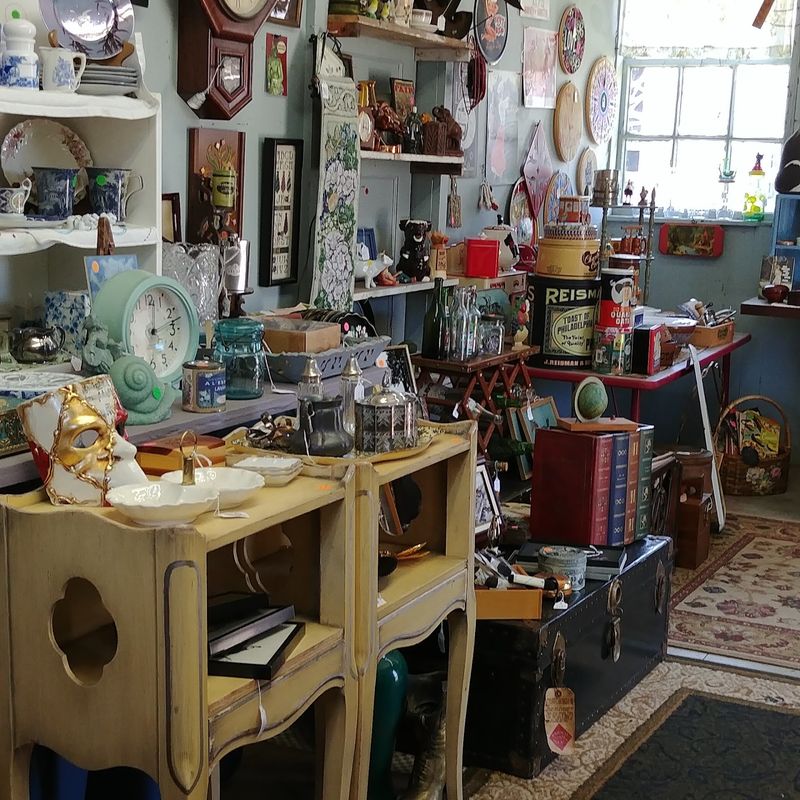
The setting alone makes this one different. Instead of rows of identical booths, New Egypt spreads its dealers through a collection of small historic buildings connected by unpaved lanes, giving the place the feel of a miniature village assembled for people who like rummaging through old things.
More than 40 individual buildings and a mix of indoor and outdoor sellers create especially good conditions for finding décor with character: furniture, repurposed pieces, art, collectibles, books, household objects, old tools, and the sort of odd wooden or metal item that might become a shelf, planter, or conversation piece once it gets home.
Several of the buildings were relocated from Fort Dix, which helps explain why the market feels so different from a conventional shopping center.
For decorators on a strict budget, the appeal is that items are spread across independent dealers rather than presented as one carefully priced collection. You can compare, negotiate where appropriate, and decide whether a little cleaning or refinishing turns an inexpensive find into something worth keeping.
The market currently operates Wednesdays and Sundays, generally from 8 a.m. to 2 p.m., at 933 Monmouth Road. Wear shoes you do not mind getting dusty, bring measurements for furniture, and carry some cash even though various vendors accept electronic payments.
This is a market for slow looking, not speed shopping.
5. Collingwood Auction & Flea Market, Farmingdale
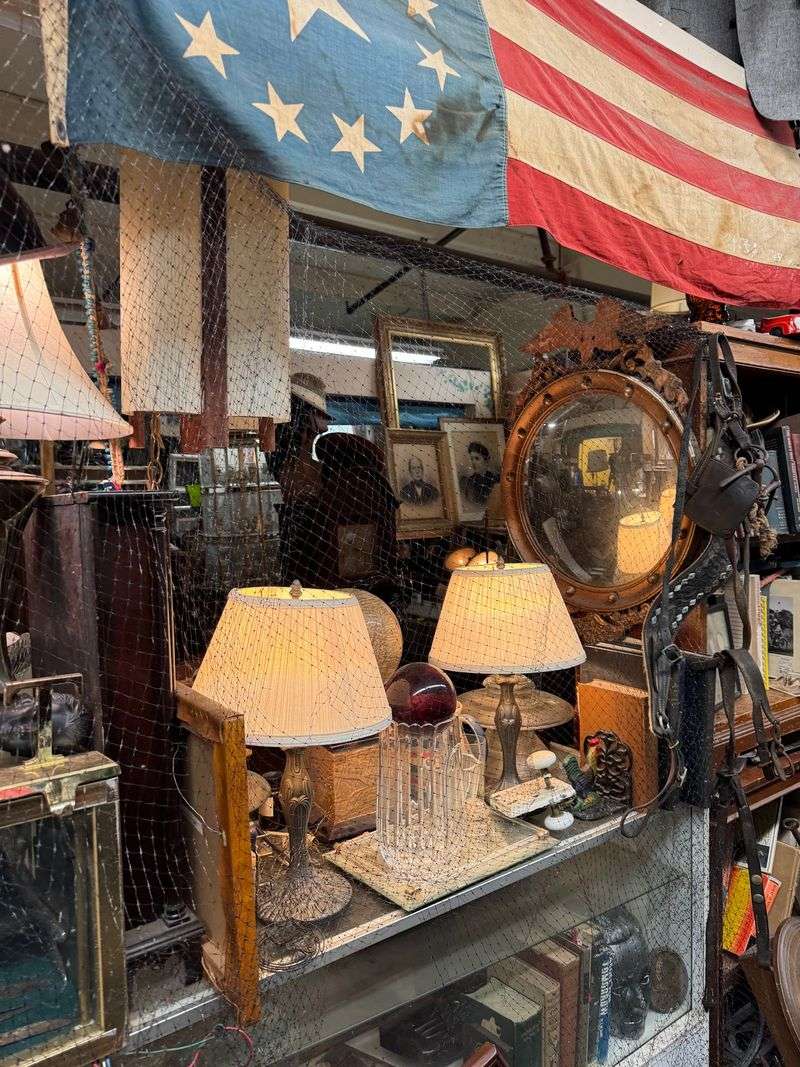
Twenty-five acres gives you plenty of opportunities to change your mind about what your living room needs. Collingwood, near the Howell-Wall area, combines more than 500 outdoor merchants with a 60,000-square-foot building containing roughly 100 indoor tables and booths.
The merchandise ranges from new goods and closeouts to antiques, country collectibles, furniture, and housewares, which is exactly the combination that works for furnishing on a small budget.
Someone starting from scratch might find practical basics like kitchen items or storage pieces alongside more decorative purchases such as an old mirror, framed artwork, accent furniture, or a vintage collectible that gives an otherwise plain shelf some personality.
The mix of new, surplus, and used goods also makes it easier to spend strategically: save money on the functional pieces, then reserve a little more for the item that actually makes the room memorable. Collingwood operates Friday through Sunday from 8 a.m. to 5 p.m. and stays open year-round.
With that much ground to cover, it helps to make one quick pass before buying bulky items unless something is obviously a bargain. Photograph pieces you are considering and note the vendor location so you can find them again.
For furniture, inspect joints, drawers, undersides, and backs before worrying about cosmetic scratches. Paint is cheap; repairing a wobbly frame usually is not.
6. Berlin Farmers Market, Berlin

The outdoor flea market at this South Jersey standby can accommodate hundreds of vendors, so decorating here is less about pursuing a particular aesthetic and more about spotting potential. Furniture, antiques, tools, toys, produce, and assorted merchandise all share the same sprawling marketplace, which means home finds often appear without boutique pricing attached.
A dated wooden end table may only need new hardware. An old tool chest can become unusual storage.
Plain terra-cotta pots look better in a group than they ever did individually, while inexpensive baskets, glassware, frames, and kitchen pieces can fill the awkward empty spots that make a room feel unfinished. Berlin also has an indoor shopping center with more than 65 businesses, giving the trip a useful backup plan when weather makes outdoor hunting less appealing.
The outdoor flea market runs Friday, Saturday, and Sunday from 8 a.m. to 4 p.m., while indoor hours extend later on several days. The smartest budget strategy here is to separate “cheap” from “useful.” Buying five random objects for $4 each is still wasting $20 if none of them works at home.
Focus instead on texture, shape, and function: wood, metal, glass, pottery, baskets, lighting, and pieces with good proportions tend to survive changing décor trends far better than novelty items.
7. Cowtown Farmers Market, Pilesgrove
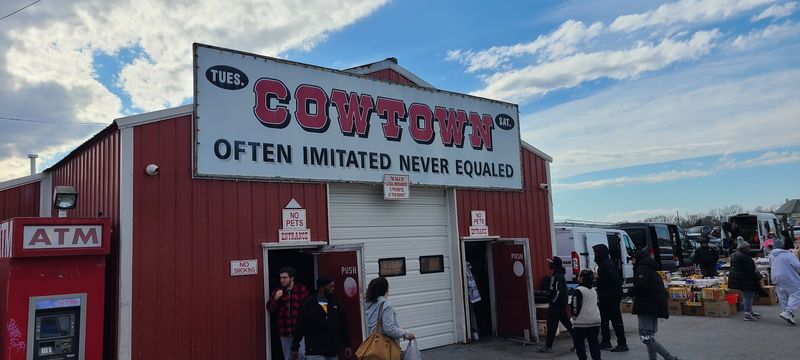
Nearly a century of trading has given Cowtown the kind of anything-goes merchandise mix that rewards shoppers who can see a decorating opportunity hiding in an ordinary household item. The Pilesgrove market traces its roots to the 1920s and now hosts more than 400 indoor and outdoor vendors.
Home décor, crafts, seasonal items, antiques, miscellaneous flea-market finds, plants, home goods, electronics, tools, and plenty more all share the property. That variety makes Cowtown particularly handy when the budget has to cover an entire room rather than a single decorative splurge.
You might come away with a plant stand, kitchenware, storage baskets, inexpensive seasonal decorations, and one quirky vintage object without spending what a new accent chair would cost elsewhere. Because part of the market is indoors, bad weather does not automatically ruin the trip.
Cowtown runs every Tuesday and Saturday from 8 a.m. to 4 p.m. year-round, rain or shine. Tuesdays can be useful for shoppers whose weekends are packed, while Saturday naturally makes sense for a longer browsing trip.
One important practical note: pets are not permitted. For furniture and décor, bring a tape measure and keep a blanket or old towel in the car; flea-market furniture rarely comes wrapped for the ride home, and discovering that a metal plant stand has scratched the interior of the trunk takes some shine off a bargain.
8. Route 70 Auction & Flea Market, Lakewood

This is the kind of market where an early alarm can translate directly into better choices. Route 70 in Lakewood is a large, traditional flea market with hundreds of outdoor spaces plus indoor buildings, and its merchandise mix is broad rather than carefully curated.
That is good news if the goal is inexpensive home decorating. Markets like this reward shoppers willing to sift through ordinary household goods to find the useful piece hiding underneath: older kitchenware, small furniture, storage, garden items, lamps, frames, tools for DIY projects, and secondhand objects that can be repurposed rather than displayed exactly as found.
The trick is to shop with a decorator’s eye instead of expecting every vendor to present things attractively. A dusty wooden crate can become open shelving.
Mismatched glass containers work together once they hold the same type of pantry staple. An outdated stool with a solid frame may need nothing more than sanding and paint.
The market is listed as operating year-round on Friday, Saturday, and Sunday, with additional Wednesday activity during warmer months, although anyone making a special trip should confirm the day’s schedule before leaving home. Arrive early for the strongest selection, especially if furniture is the priority.
Small accessories are easy to improvise with; the right-sized table, cabinet, or chair is harder to replace once another shopper has loaded it into the car.
9. Avenel Flea Market, Avenel
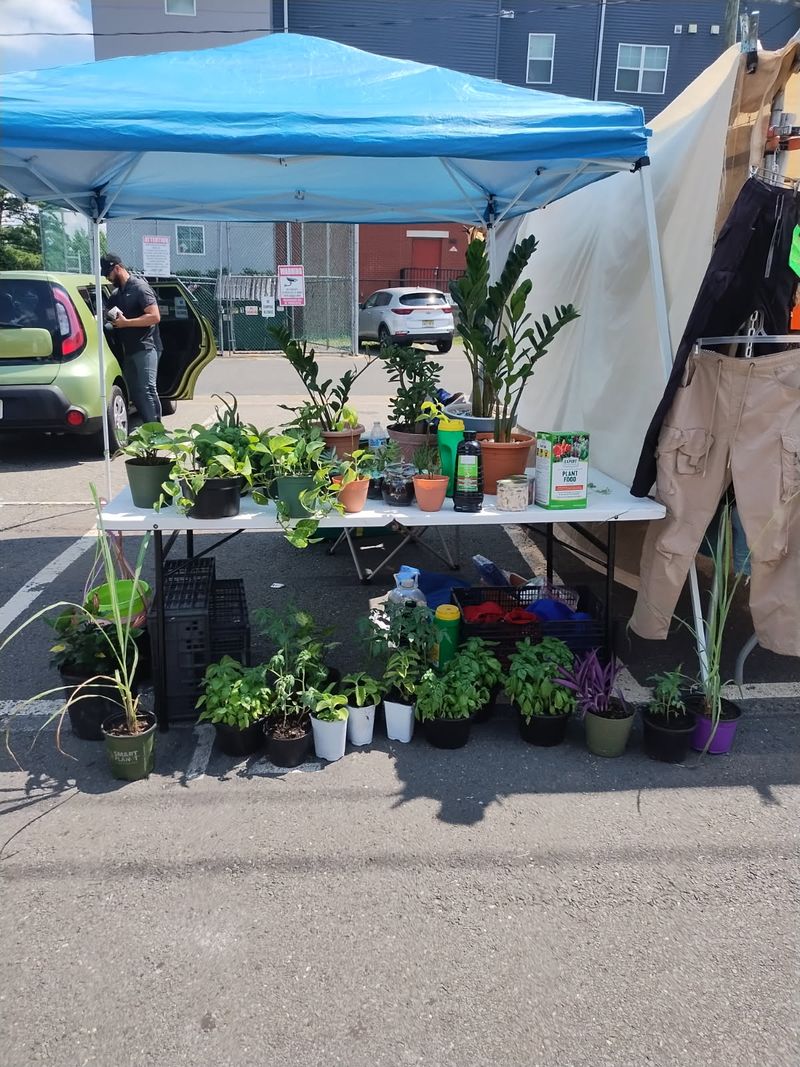
Some of the best budget decorating finds come from markets where antiques are only one part of the merchandise. Avenel has been operating since 1940 and offers more than 150 vendor spaces, sheds, and stores selling a mixture of new, used, and antique goods.
That combination means you can hunt for character pieces without committing to antique-shop prices at every stop. Think small wooden furniture, old dishes, storage containers, frames, mirrors, practical household items, and whatever oddball decorative object happens to catch your eye that morning.
Because the merchandise is mixed, Avenel is also a useful place for renters or first-time homeowners who need practical basics as much as they need personality. Buy the boring organizational item cheaply, then spend the saved money on something more distinctive.
The market operates year-round on Thursdays, Saturdays, and Sundays, and both admission and parking are free. Regular visitors know that flea-market inventory is never guaranteed, which is precisely why it helps to keep a flexible list: instead of “green ceramic lamp,” write “bedside lighting under $25.” That leaves room for the good surprise.
Take a quick photo of each room you are decorating before leaving home, too. It is much easier to judge whether a strange little table belongs beside the sofa when you can actually look at the sofa.
10. Five Acres Flea Market, Belvidere/Oxford
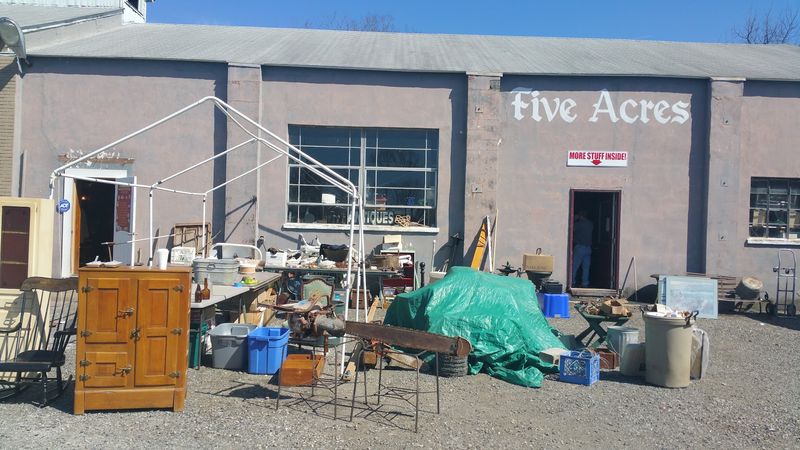
A smaller footprint can be an advantage when you would rather spend a morning shopping than turn flea-market hunting into an endurance event. Five Acres in Belvidere combines an outdoor flea market with indoor antiques and collectibles, giving shoppers a manageable mix of casual tables and more established merchandise.
It has been operating for more than 35 years, and the setup makes sense for decorators who enjoy older pieces but still want the possibility of stumbling across a low-cost find outside. Look for the categories that are hardest to fake convincingly with cheap new décor: old wood, aged metal, vintage glass, stoneware, worn frames, handmade-looking furniture, and household objects with natural patina.
Even one of those pieces can make an inexpensive room feel less generic. The indoor antique component is useful for inspiration as much as purchasing — note the shapes and materials you like, then see whether something similar appears outside at a lower price.
Current local tourism information lists weekend hours, with Saturday opening later in the morning and Sunday beginning earlier. Since outdoor vendor turnout naturally varies, good weather usually gives you more to browse.
Budget-minded buyers should also resist “project piece optimism.” A scratched tabletop is manageable; missing structural parts and major repairs can turn a cheap purchase into an expensive hobby. The best flea-market furniture bargain is something sturdy that only looks tired.
11. New Meadowlands Market, East Rutherford

A parking lot beside MetLife Stadium may not sound like the obvious place to decorate a home, which is exactly why it can be fun. Every Saturday, Lot J becomes a large outdoor flea market filled with hundreds of merchandise vendors selling everything from practical necessities to crafts, collectibles, produce, garden flowers, and what the market itself calls attic treasures.
For a bargain decorator, “attic treasures” is the important part. The inventory is inconsistent in the best flea-market sense: one week may produce baskets, artwork, small tables, kitchen pieces, or vintage objects, while another might be better for plants and inexpensive household basics.
This is not where you go expecting a perfectly styled mid-century credenza waiting beneath flattering lighting. It is where you keep your eyes open and let the room evolve around what you find.
The market operates Saturdays from 8 a.m. to 4 p.m. throughout the year unless the calendar notes a closure, and both parking and admission are free. Its East Rutherford location also makes it one of the easier large markets to reach from densely populated North Jersey.
For decorating purposes, give yourself a fixed cash budget and prioritize items that would cost noticeably more new — mirrors, planters, lamps, storage, solid furniture, and framed pieces are usually more satisfying victories than piles of tiny decorative objects.
12. Peddlers Warehouse Marketplace, Sicklerville
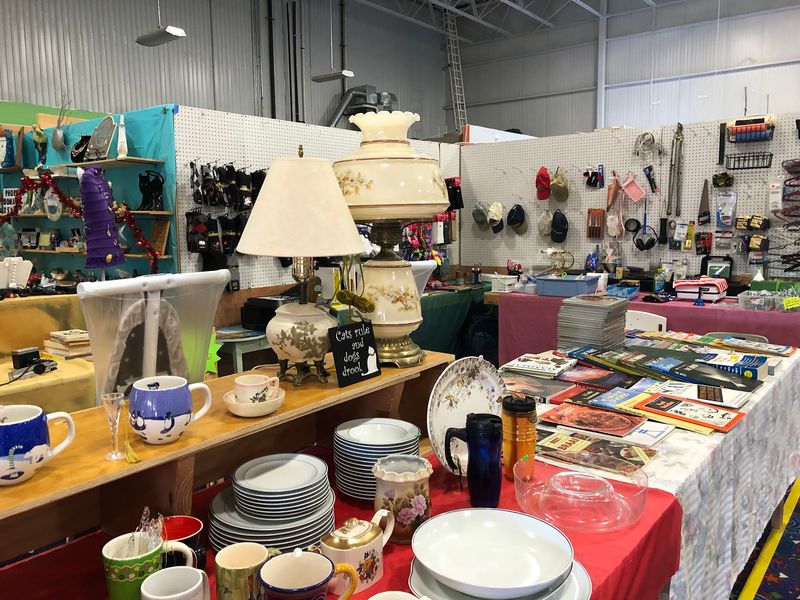
When the weather is miserable but the house still needs decorating, an indoor market suddenly has a major advantage. Peddlers Warehouse Marketplace in Sicklerville brings multiple independent vendors together under one roof, with merchandise that has included antiques, vintage pieces, pottery, crystal, glassware, lamps, clocks, signs, household goods, crafts, lighting, teapots, and home décor.
In other words, there is plenty here that can move directly from a vendor shelf to a bookcase, dining table, or empty corner at home. The range also suits decorators who prefer smaller, inexpensive changes rather than wrestling a dresser into an SUV.
A pair of lamps, a few pieces of pottery, an old wall sign, interesting glassware, or a vintage clock can change the character of a room while leaving most of the budget untouched. Because different sellers maintain their own spaces, it pays to walk through everything before deciding which version of an item deserves your money.
Similar pieces can show up at different price points, especially in categories such as glassware and collectibles. The marketplace operates on Saturdays and Sundays throughout the year and also holds seasonal outdoor selling.
This is a particularly good stop for shoppers who want flea-market variety without depending entirely on outdoor weather — and for anyone whose decorating philosophy is built around small objects doing a surprising amount of work.
Share this story