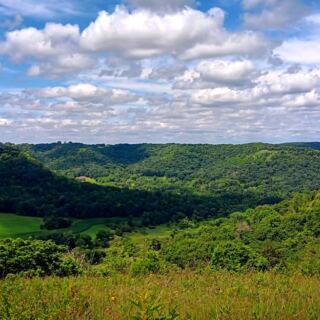
A mountain view can turn an ordinary Pennsylvania outing into the kind of day you remember for years. Beyond the busy roads, forested ridges rise above winding rivers, quiet farms, and small towns, giving you a fresh look at places that might seem familiar from below. Some overlooks are close to parking areas, while others ask you to follow a rocky trail, climb a tower, or take a slower drive through state forest land. The reward is more than a nice photo. From a high ridge, you can see how rivers shape valleys and how woods connect across miles of countryside. Spring brings fresh green leaves, summer fills the slopes with deep color, and fall turns whole hillsides gold and red.
Even winter can offer clear views through bare branches, although snow and ice make access harder. The places below range from well-known park overlooks to quieter forest viewpoints worth adding to your travel plans. Each offers a different reason to stop, whether you want a family picnic, a satisfying hike, or a few peaceful minutes above the valley. Before leaving, check official park or forest information for road conditions, trail updates, and seasonal closures. Bring water, wear shoes with good grip, and remember that a beautiful cliff edge is still a cliff edge. With a little planning and time to spare, these Pennsylvania overlooks can become the best part of your trip, rather than just another stop along the way. Leave room in your schedule to enjoy them without rushing.
1. Bell’s Majestic View in Bald Eagle State Forest
Sometimes the best reward comes after leaving the main road behind.
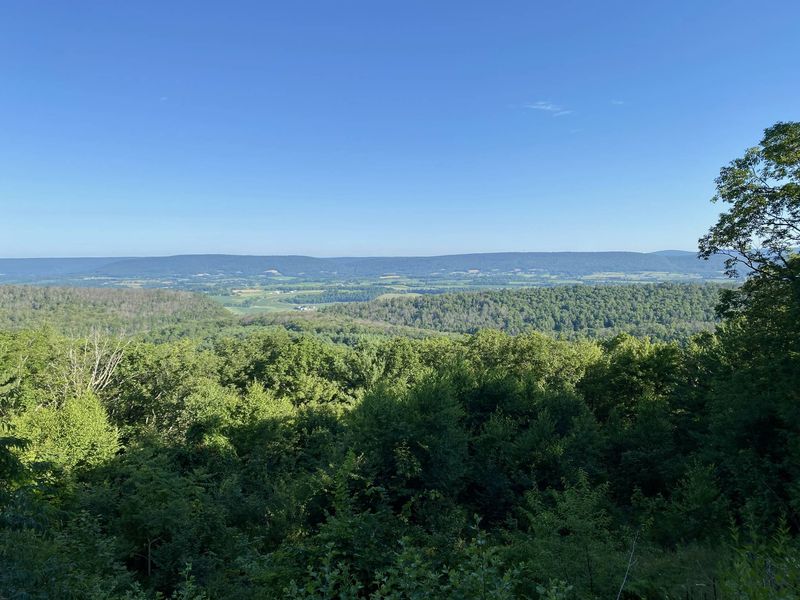
Bell’s Majestic View belongs on the list for travelers who enjoy forest scenery, quiet surroundings, and the feeling of finding a place that does not demand much attention.
Bald Eagle State Forest spreads across a large part of central Pennsylvania.
Its long ridges and wooded valleys create the layered landscape that makes a mountain overlook so satisfying, especially when clear weather reveals hills far beyond the nearest slope.
Plan this stop with a current state forest map rather than relying only on a saved phone pin.
Names used for smaller forest viewpoints can vary between maps, and nearby roads may be gravel, narrow, or affected by seasonal maintenance.
Before setting out, ask the forest district office to confirm the location and the best legal approach.
That simple check can prevent a wrong turn onto a gated road or a route unsuitable for your vehicle.
Once you reach the viewpoint, give your eyes time to sort out the landscape.
Look for the way ridges overlap, how sunlight brightens one hillside while another stays shaded, and where small clearings interrupt the woods.
A compact pair of binoculars adds another layer of interest.
You might notice distant farm fields or birds moving along the ridge, although wildlife sightings are never guaranteed.
Bring water and a snack, but avoid treating an undeveloped overlook like a full picnic area.
Seating, restrooms, and protective railings should not be assumed, and everything you carry in should leave with you.
Fall color makes the forest especially appealing, while leafless months can reveal details hidden in summer.
Choose a dry day, keep well back from steep ground, and make the quiet approach part of the experience rather than something to rush through on your way to the view.
2. Cook Forest’s Seneca Point and Fire Tower Views
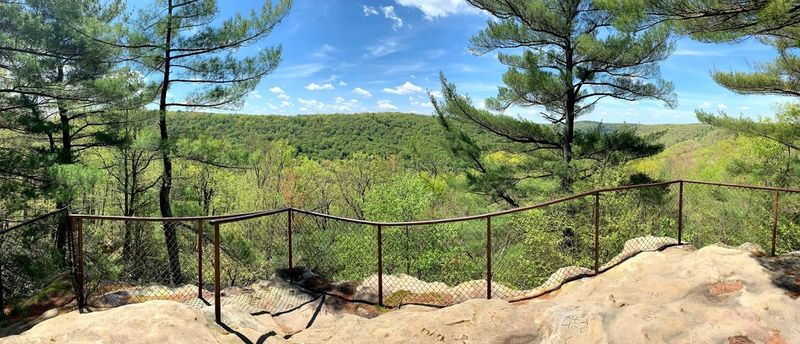
Old trees below and open sky above make a memorable pairing.
At Cook Forest State Park, Seneca Point and the nearby fire tower offer two different ways to appreciate the hills around the Clarion River valley.
Seneca Point gives you a grounded experience from a sandstone outcrop.
Trees frame the landscape, and the rocky setting makes the stop feel closely connected to the forest rather than separate from it.
The fire tower adds height and a different sense of scale when public access is available.
Check current park guidance before visiting, since tower access can change and weather may make climbing unsafe.
You do not need to climb anything to enjoy this area.
Visitors uncomfortable with open stairs or heights can stay at ground level and focus on the point, the surrounding woods, and the nearby walking routes.
Wear shoes that handle uneven rock and exposed roots.
Sandstone can become slippery when wet, and a short outing still deserves careful footing, especially with children who may be excited to explore.
Cook Forest is famous for its old-growth woodland, so leave time for more than the overlook.
A walk among the towering trees provides a wonderful contrast to the broad view from the ridge.
Morning often brings a quieter atmosphere, while late-day light can soften the distant hills.
Thick summer foliage may limit parts of the view, but it also creates welcome shade along wooded approaches.
Pack a light jacket if you hope to use the tower.
Wind above the treetops can feel much cooler than conditions near the parking area.
For a balanced visit, pair the overlook with an easy forest walk and a relaxed meal elsewhere in the park.
Follow posted rules, stay away from unprotected edges, and let the combination of ancient woodland and open scenery set the pace.
3. Cleland Rock at McConnells Mill State Park
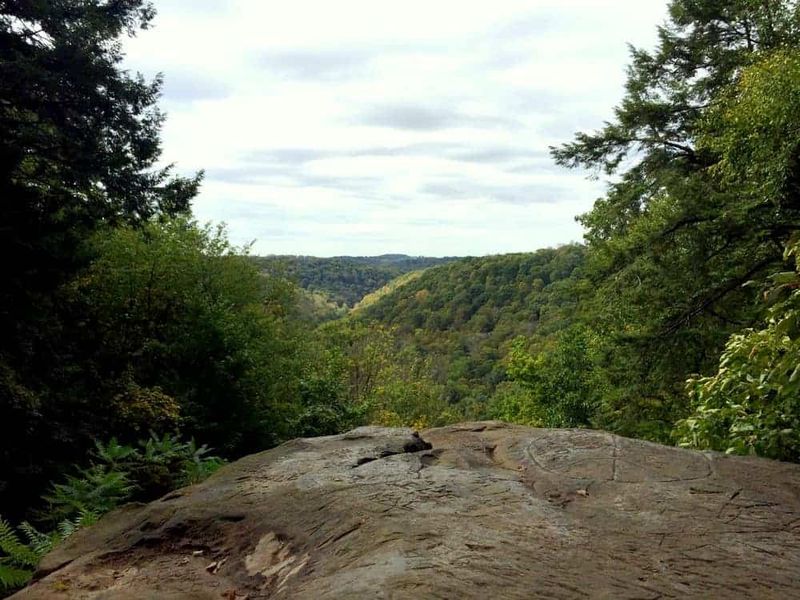
A deep gorge can be just as impressive as a distant mountain range.
Cleland Rock Overlook gives visitors a broad look across the landscape shaped by Slippery Rock Creek at McConnells Mill State Park.
Although this western Pennsylvania stop is not a high mountain summit, it earns its place through dramatic relief.
The land drops away into a wooded gorge, creating a strong sense of height without a long climb.
Access is generally a short walk from the nearby parking area.
Check the park map before driving, because the overlook is separate from the historic mill area and deserves its own planned stop.
Expect natural ground rather than a polished viewing deck.
Uneven surfaces, muddy patches, and exposed edges call for sturdy footwear and close attention, even when the walk feels easy.
From above, the gorge shows a different side of the park.
Down near the creek, visitors notice rushing water and large rocks; at Cleland Rock, the wider shape of the valley becomes the main attraction.
Autumn is especially rewarding when the hardwood forest changes color.
In summer, leafy slopes create a rich green scene, while cooler months can make the lines of the landscape easier to follow.
Keep children beside you and avoid stepping onto loose rocks for a better photograph.
No picture is worth moving beyond a safe position, and wet conditions can make the overlook more hazardous.
If you add the mill or creek trails, allow time to drive between areas.
Routes in the gorge can be rougher than the overlook approach, so match any extra walking to your group’s ability.
Bring a snack, pause long enough to appreciate the valley, and resist packing the day too tightly.
Cleland Rock works best as a thoughtful stop that helps connect the park’s dramatic scenery above and below.
4. Mount Pisgah at Samuel S. Lewis State Park
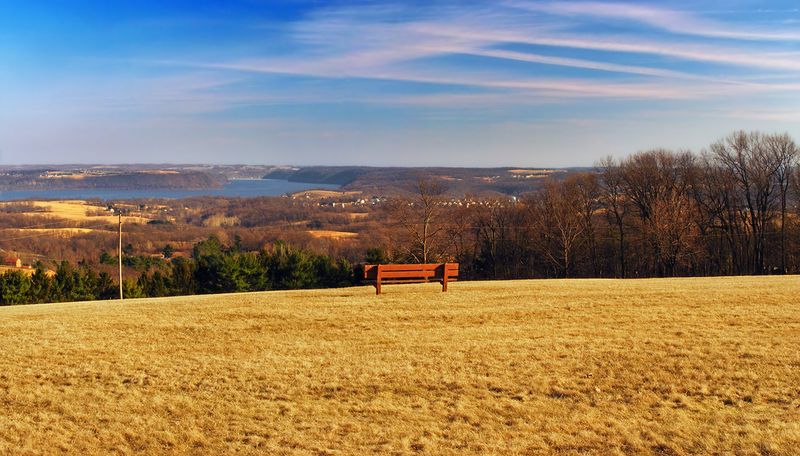
Not every grand view requires boots, a backpack, and hours of climbing.
The hilltop at Samuel S.
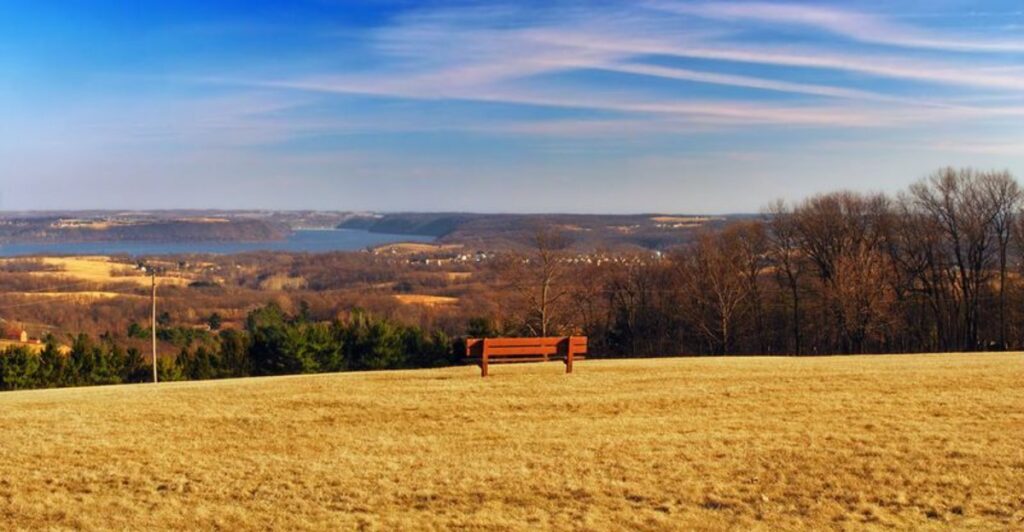
Lewis State Park offers a welcoming way to enjoy the Susquehanna River valley with a much simpler outing.
Mount Pisgah rises above the surrounding countryside in York County.
From the park’s open high ground, farmland, communities, and distant ridges help tell the story of a landscape shared by people and nature.
This is a good choice when your group wants scenery without committing to a rugged mountain trail.
Parking and picnic facilities make it easier to build a relaxed visit around the view.
Still, check the official park map for the approach that best fits your needs.
Grass, slopes, and changing ground conditions mean that not every spot will be equally comfortable for every visitor.
The open setting gives the place a cheerful character.
On suitable days, kite flying is a popular activity, and the same breeze that lifts a kite can keep the hilltop feeling fresh.
Bring an extra layer, even if the valley feels warm.
Wind moves freely across exposed ground, and a comfortable picnic can turn chilly once clouds block the sun.
Rather than looking only for distant mountains, study the smaller details.
Roads, fields, rooftops, and river bends create a living map that changes with the season and the light.
Families can turn the stop into a simple spotting game.
Ask everyone to find a different landscape feature, then compare what each person noticed without needing screens or special equipment.
A clear afternoon usually offers the strongest long-distance visibility, while hazy weather softens the scene.
Pack lunch, use designated picnic areas, and leave enough time for a short walk, because the pleasure here is less about conquering a summit and more about enjoying a generous view.
5. Penn’s View in Bald Eagle State Forest
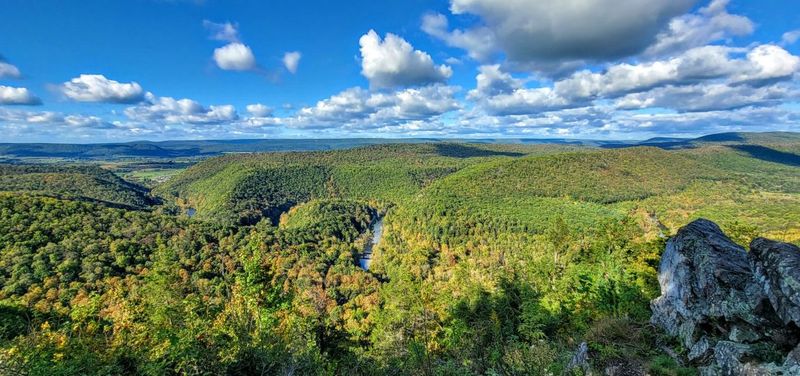
The valley seems to unfold in layers when the weather is clear.
Penn’s View offers one of Bald Eagle State Forest’s rewarding ridge perspectives, with wooded slopes and the Penns Creek landscape drawing your attention outward.
Located in the forest near the Poe Valley and Poe Paddy area, the overlook fits naturally into a day of exploring central Pennsylvania.
It is a destination for patient travelers who enjoy the journey as well as the arrival.
Use an official forest map to plan your drive.
Roads in this area can be unpaved, and a route that looks short on a screen may take longer than expected.
Check conditions before heading out, particularly after storms or during colder months.
Seasonal gates and rough road surfaces can affect access, so do not assume that every suggested navigation route is open.
At the overlook, pause before reaching for your camera.
The changing angles of the ridges and the quiet spaces between them are easier to appreciate when you spend a few minutes simply looking.
A wide photo captures the sweep of the valley, but a closer view can be just as interesting.
Try framing a sunlit hillside or a narrow section of the landscape instead of including everything.
Bring drinking water and download your map before leaving reliable cell service.
Nearby recreation areas may offer facilities, but the viewpoint itself should not be treated as a fully serviced park stop.
Fall attracts visitors for obvious reasons, yet spring has its own appeal.
Fresh leaves create different shades of green, and cooler temperatures can make a forest drive especially pleasant.
If you combine Penn’s View with nearby walking or creekside time, keep your plans flexible.
Allow extra daylight for the return drive, stay on established surfaces, and leave the ridge as undisturbed as you found it.
6. Baughman Rocks and Tharp Knob at Ohiopyle
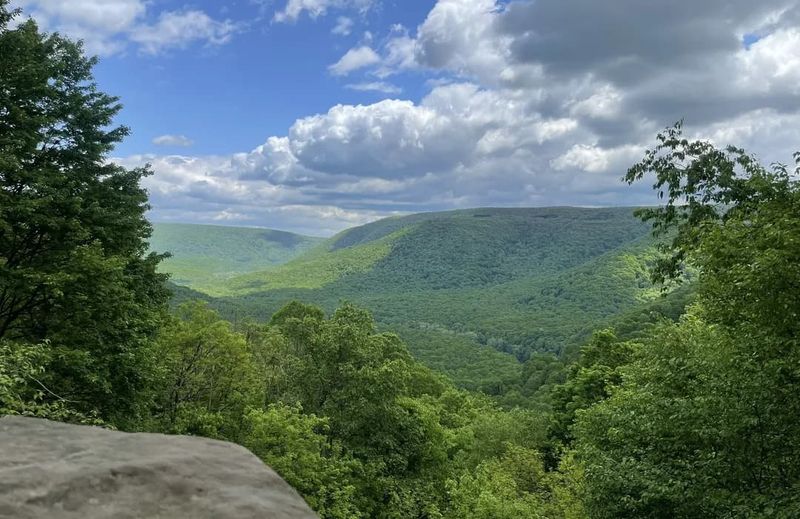
Two viewpoints, two moods, and plenty of reasons to linger make this an especially satisfying pairing.
Ohiopyle State Park’s Baughman Rock Overlook and Tharp Knob reveal the Laurel Highlands from different angles.
Baughman Rock emphasizes the broad wooded landscape of the Youghiogheny River Gorge.
The viewpoint is reached by a short walk from its nearby parking area, making a dramatic scene possible without a major hiking commitment.
Tharp Knob offers another perspective over the Ohiopyle area and surrounding hills.
Its picnic area makes the stop easy to combine with lunch, although visitors should follow current signs to the viewing spot.
Choose one if your schedule is tight, or visit both to see how the landscape changes with your position.
A forested gorge and a wider community setting tell different stories about the same park.
Do not confuse a short approach with a risk-free stop.
Rock surfaces at Baughman Rock can be slippery, and steep drops require care regardless of how close you parked.
For a fuller day, add time beside the river or at Ohiopyle Falls.
Those lower viewpoints help you connect the water you see up close with the vast valley visible from above.
Summer weekends can be busy around the park’s main attractions.
An earlier arrival often makes parking and moving between stops less stressful, though conditions vary with events and weather.
Photographers should watch for shifting cloud shadows across the hills.
Even a brief break in the clouds can add depth to a scene that looked flat moments before.
Carry water, keep a jacket handy, and avoid scheduling every minute.
The best part of this pairing is the chance to compare two views at an unhurried pace, then decide which one stays with you longest after the drive home through Pennsylvania’s winding roads.
7. Rim Road Scenic Stops at Big Pocono State Park
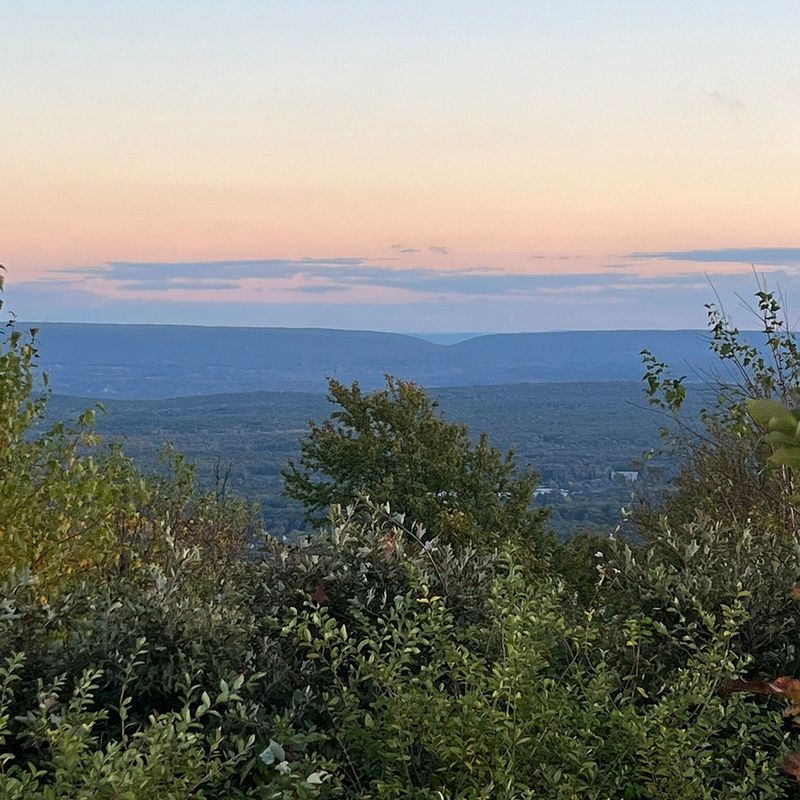
A mountain road does much of the climbing for you here.
Big Pocono State Park sits on Camelback Mountain, where the summit road provides access to wide views across the surrounding Pennsylvania landscape.
The experience is less about reaching one perfect lookout and more about exploring several different angles.
Stop only in designated areas, then compare how the ridges and valleys appear as you move around the summit.
Clear weather makes a major difference at this elevation.
A bright forecast does not always guarantee distant visibility, so check for haze, fog, and low clouds before making a special trip.
The park’s driving access is seasonal and can be affected by weather.
Confirm current opening information through official park resources, especially in early spring or late fall when mountain conditions may differ from nearby towns.
Once parked, take time to step out and feel the setting.
Wind, cooler air, and a broad horizon make the summit feel far removed from the busy roads below.
Bring a light layer even during warmer months.
Exposed scenic stops can be breezy, and the temperature may drop quickly when clouds gather over the mountain.
Walking trails offer another way to explore, but they are not all gentle summit strolls.
Review distances and elevation changes before starting, and choose a route that suits your group’s energy.
A picnic can turn a quick drive into a more enjoyable visit.
Use established facilities, secure loose packaging against the wind, and give other visitors space at popular viewing areas.
For photographs, include a bit of foreground to show the height and scale of the scene.
More than anything, stay flexible: if one direction is hazy, another may offer clearer details, and a slow circuit can reveal a better view than the first stop suggested when you arrived at the summit.
8. Stone Valley Vista at Greenwood Furnace State Park
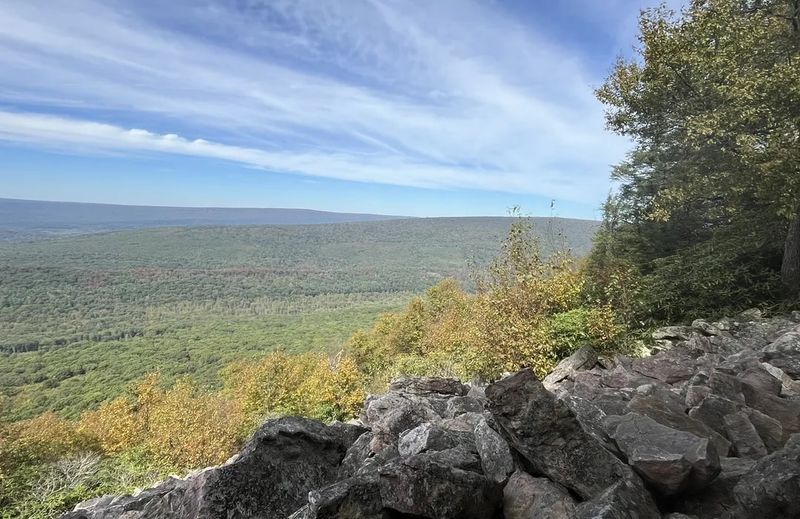
Some views feel better because your legs helped earn them.
Stone Valley Vista is a rewarding hiking destination associated with Greenwood Furnace State Park, where a forest walk opens onto a wider rural landscape.
The commonly described loop is roughly five miles, so this is not a quick roadside stop.
Review the current park trail map for the recommended route, junctions, and any changes before setting out.
Expect climbing, rocky footing, and stretches where you need to watch the trail carefully.
Give yourself several hours rather than treating the mileage like a flat walk around town.
The payoff is a view across Stone Valley, where fields and wooded ridges share the scene.
That mix of working countryside and forest gives the overlook a more personal feel than an endless wall of trees.
Start with enough daylight to return comfortably.
A late departure can turn a relaxed hike into a hurried descent, especially when fallen leaves hide rocks or the ground is wet.
Pack water, a trail snack, and a layer for the ridge.
Trekking poles may help on uneven sections, but good shoes and a pace you can maintain matter more than fancy equipment.
At the vista, step aside so other hikers can enjoy the view.
There is no need to crowd the edge, and a stable place farther back often provides a better setting for lunch.
Greenwood Furnace also has an interesting ironmaking history.
If your energy allows, spend time exploring the park’s historic features before or after the hike to add context to the landscape.
Choose this outing when the walk itself is part of what you want.
The destination is lovely, but the changing woods, steady climb, and first glimpse of open valley are what make the whole trip feel like a small adventure worth remembering afterward.
9. Pine Creek Gorge from Leonard Harrison and Colton Point
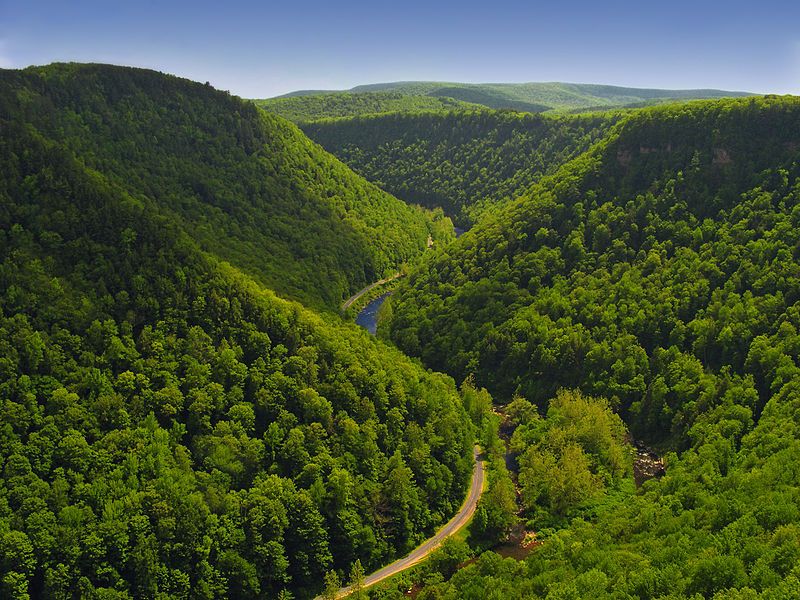
The first look into Pine Creek Gorge can stop a conversation mid-sentence.
Known as Pennsylvania’s Grand Canyon, this long, forested valley offers impressive rim views from Leonard Harrison and Colton Point state parks.
Leonard Harrison sits on the eastern rim and provides well-known developed viewing areas.
Colton Point occupies the western side, with a quieter woodland setting and its own rewarding perspectives into the gorge.
Visiting both is possible, but they are not connected by a quick hop across the canyon.
Plan the drive between them carefully, and leave enough time to enjoy each without rushing.
For a first visit, begin with the rim overlooks rather than committing immediately to a steep descent.
You can appreciate the gorge’s depth and shape without hiking all the way toward the creek.
Trails that drop below the rim can be demanding.
Check official notices for closures and conditions, and remember that every downhill step must eventually be matched by an uphill return.
Autumn draws crowds because the canyon walls become a patchwork of color.
Spring and summer bring lush woods, while clear conditions in any open season help reveal the valley’s distant bends.
Look closely and you may spot Pine Creek or sections of the rail trail below.
Their small appearance provides a useful sense of scale, making the wooded slopes seem even taller.
Bring binoculars if you enjoy examining landscape details.
For photos, try both a broad canyon view and a tighter frame that follows the creek through the trees.
Stay behind barriers and supervise children near every rim edge.
Whether you choose one park or both, allow time to stand quietly, because the gorge reveals more as your eyes adjust to its size and notice the layers hidden beyond that first breathtaking view across the deep Pennsylvania valley.
10. Big Mountain Overlook in Buchanan State Forest
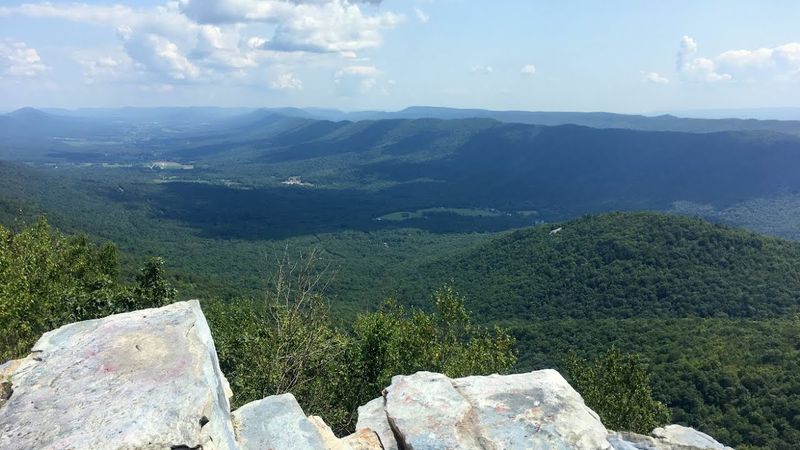
Farmland looks almost like a quilt when viewed from a high ridge.
Big Mountain Overlook in Buchanan State Forest pairs that familiar countryside with the long mountain lines that define much of southern Pennsylvania.
Near the McConnellsburg area, the overlook makes a rewarding destination for travelers exploring beyond the main highways.
The broad valley scene gives you plenty to study without needing a complicated activity plan.
Use the official forest map to identify the approach and nearby roads.
Conditions can change, and an online route should never be taken as proof that a forest road is open or suitable for your vehicle.
A short approach does not remove the need for sensible footwear.
The viewing area has natural surfaces, and loose rock or wet ground can make casual shoes a poor choice.
Once there, look for the contrast between straight field boundaries and uneven mountain ridges.
The valley’s human patterns help highlight the older shapes of the land surrounding them.
Late afternoon can bring appealing light across the countryside.
However, leave enough time for your return drive before darkness, especially if you are unfamiliar with the forest roads.
Take a jacket and water, even for a brief visit.
Exposed overlooks can feel cooler than nearby communities, and convenient services may be farther away than you expect.
This is also a pleasant stop for people who prefer observation over strenuous exercise.
A few quiet minutes can reveal cloud shadows, distant traffic, or subtle changes in color across the slopes.
Keep your visit low impact by staying on established ground and packing out every scrap.
Big Mountain’s appeal lies in its simple combination of height, open space, and everyday Pennsylvania scenery, so there is little reason to hurry away once you have found a safe place to pause and enjoy it fully.
11. The River Overlooks at Shikellamy State Park
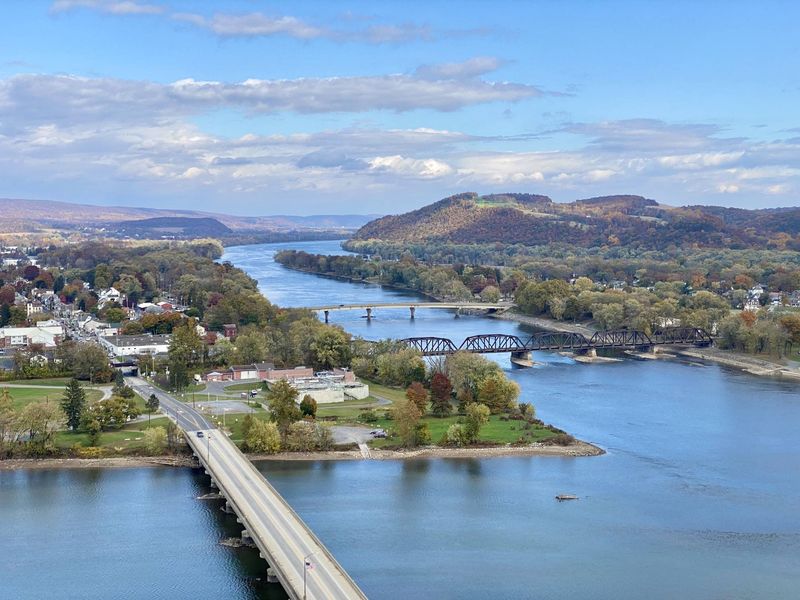
Watching two great river branches meet gives this overlook a special sense of place.
Shikellamy State Park’s overlook section rises above the junction of the North and West Branches of the Susquehanna River.
The scene includes much more than water.
Towns, bridges, wooded hills, and developed riverbanks create a broad picture of central Pennsylvania, showing how communities grew around an important natural meeting point.
Make sure your directions lead to the overlook section rather than the marina section.
Both belong to the park, but they offer very different experiences and are not interchangeable destinations.
From the higher ground, take time to trace each branch toward the meeting place.
That simple exercise makes the geography easier to understand than it would be from a road map alone.
Developed park facilities help make this a comfortable outing for many visitors.
Still, check current information about parking, seasonal access, and the route from your parking spot to the viewing area.
A picnic fits the setting nicely.
Choose an established table or permitted picnic space, then give yourself time to return to the overlook as the light changes.
Children may enjoy identifying bridges and following the river’s path through the landscape.
Binoculars can help bring distant details closer without anyone needing to move toward an edge.
Clear days are especially useful here because the view contains so many small features.
Haze can hide distant hills, but the nearby river junction still gives the stop a strong focal point.
Unlike a remote forest vista, this overlook highlights the connection between scenery and daily life.
Visit with that in mind, and the rooftops and roads become part of the interest rather than distractions from nature, adding another layer to a view that rewards both a quick stop and a longer afternoon spent looking carefully around.
12. Hyner View State Park Vista
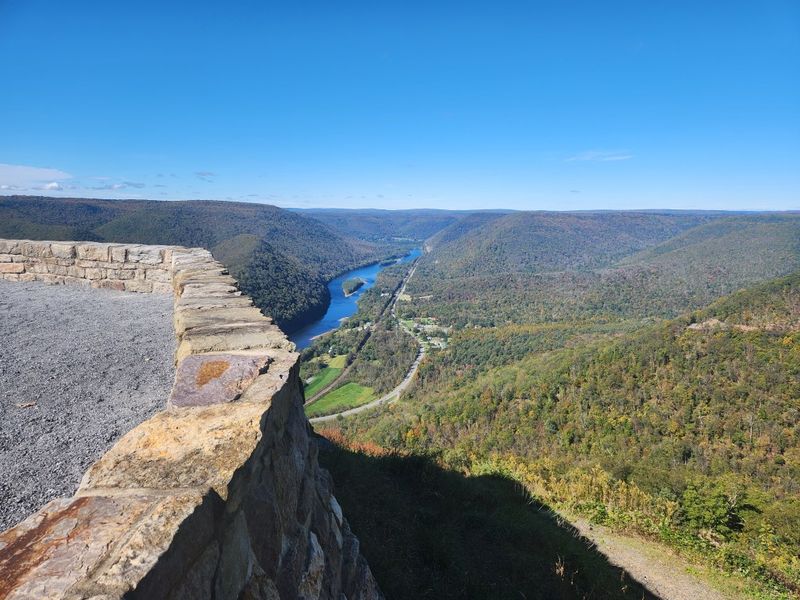
Few Pennsylvania overlooks deliver such a dramatic reveal so quickly.
Hyner View places you high above the West Branch Susquehanna River, with a sweeping valley scene that feels much larger than the park itself.
The approach is part of the experience, but it deserves your attention.
The road climbs through sharp curves, so drive slowly, follow posted guidance, and check conditions before visiting in uncertain weather.
At the top, the overlook area makes the scenery easy to appreciate without a long hike.
You can spend your energy watching the river thread between wooded slopes rather than climbing to reach it.
The stone wall is a recognizable feature, but it is not an invitation to climb.
Stay in safe viewing areas and keep children close, especially when the overlook is busy.
Hyner is also associated with hang gliding.
If pilots are present, watch from a respectful distance and follow any posted directions rather than entering a launch area or blocking equipment.
You do not need an aerial show for a memorable visit.
The valley itself offers plenty of movement through passing clouds, shifting shadows, and the changing brightness of the river.
Bring a warm layer because the exposed location can be windy.
A comfortable jacket makes it easier to stay long enough for the view to change instead of retreating after one photograph.
Autumn color is a major attraction, while summer emphasizes the area’s deep forest cover.
Clear air matters more than the season if your main goal is seeing distant ridge after distant ridge.
Plan a little extra time rather than treating Hyner as a rushed roadside photo stop.
Its greatest strength is the feeling of space, and that is best enjoyed by setting down your phone, finding a safe position, and letting the valley hold your attention for a while.
13. Blue Knob Summit and Pavia Overlook
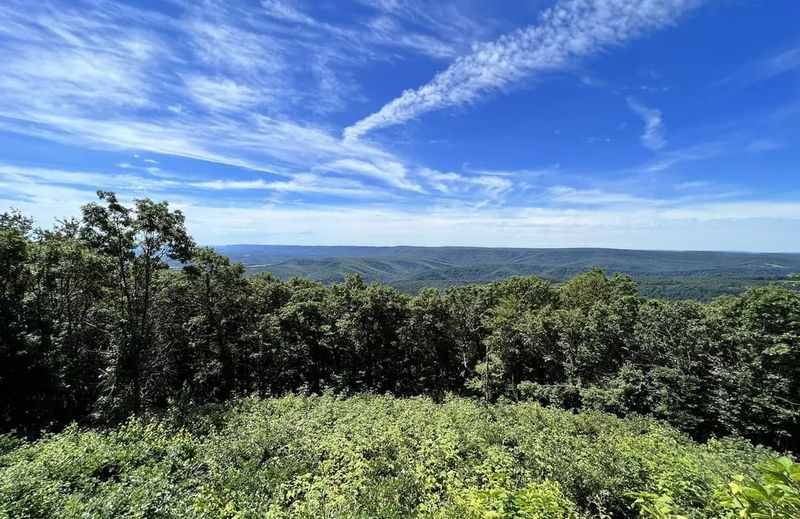
High elevation brings a different feel to this corner of Pennsylvania.
Blue Knob is the state’s second-highest mountain, and its park offers a mix of summit surroundings, forest trails, and scenic viewpoints.
Keep expectations realistic before heading for the highest ground.
A wooded mountain summit does not automatically provide a full panorama, so named overlooks and selected openings may offer better scenery than the top itself.
The Pavia Overlook area is worth checking as part of your visit.
Use the current park map and ask park staff about viewing conditions, since vegetation and maintenance can affect how open the scene appears.
Road access and weather deserve careful planning here.
Snow, ice, fog, and strong wind can arrive when nearby lower areas feel much milder, especially outside the warmest months.
Bring clothing that allows you to adjust as conditions change.
A light base layer and a warmer outer layer are more useful than assuming the temperature at home will match the mountain.
If you add a hike, study the route before leaving the parking area.
Blue Knob’s trails include elevation changes and rough sections, so choose distance and difficulty honestly.
The scenery rewards a patient eye.
Look for the shapes of neighboring ridges, small openings in the forest, and the way clouds gather around the high ground.
Summer offers shade and relief from valley heat, while fall creates colorful slopes.
Winter outings require much more preparation and should depend on current access information rather than a general travel plan.
Treat the summit and overlooks as parts of a broader mountain visit, not a promise of nonstop views.
With that approach, the quiet woods, cool air, and occasional wide opening become a satisfying combination, and you leave having experienced the character of the mountain as well as the scenery visible from its high slopes.
14. Kettle Creek Vista and the Park’s Hillside Scenery
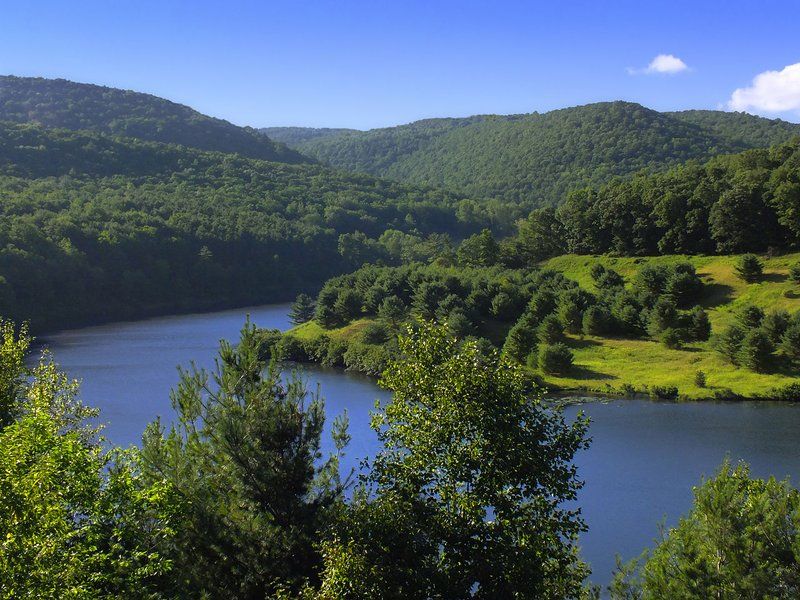
Water tucked between steep wooded hills gives this valley a peaceful personality.
Kettle Creek State Park offers scenery that feels enclosed and sheltered, with the reservoir adding a bright ribbon through the surrounding forest.
Be careful with the name Kettle Creek Vista when planning your trip.
It should not be assumed to identify a signed, drive-up mountain overlook within the park without confirmation from official maps or staff.
Instead, ask about current scenic viewpoints and suitable hillside routes in and around the park.
That approach helps you find a legal, realistic outing rather than chasing an uncertain pin on a phone.
The reservoir and nearby wooded slopes are the main landscape features to appreciate.
Depending on your route, trees may frame the water or limit the view, which is part of visiting a heavily forested valley.
For an easy outing, begin with accessible park areas and enjoy the scenery from established public spaces.
A higher perspective may require additional driving or walking, so confirm the details before committing.
Bring a paper map or download one in advance.
This remote part of Pennsylvania is better explored with a plan that does not depend on continuous cell service.
Pack drinking water and enough fuel for your driving plans.
Nearby supplies can take time to reach, and a relaxed day becomes less enjoyable when basic needs turn into a last-minute search.
Morning light can make the water and hills especially appealing, while autumn adds color to the surrounding slopes.
Fog may create atmosphere, but it can also hide any distant view you hoped to see.
Let this stop be about the whole valley rather than one perfect photograph.
Stay on authorized routes, respect campground privacy, and enjoy the slower pace that makes Kettle Creek a fitting finish to a Pennsylvania trip built around quiet scenery and fresh air.
Share this story