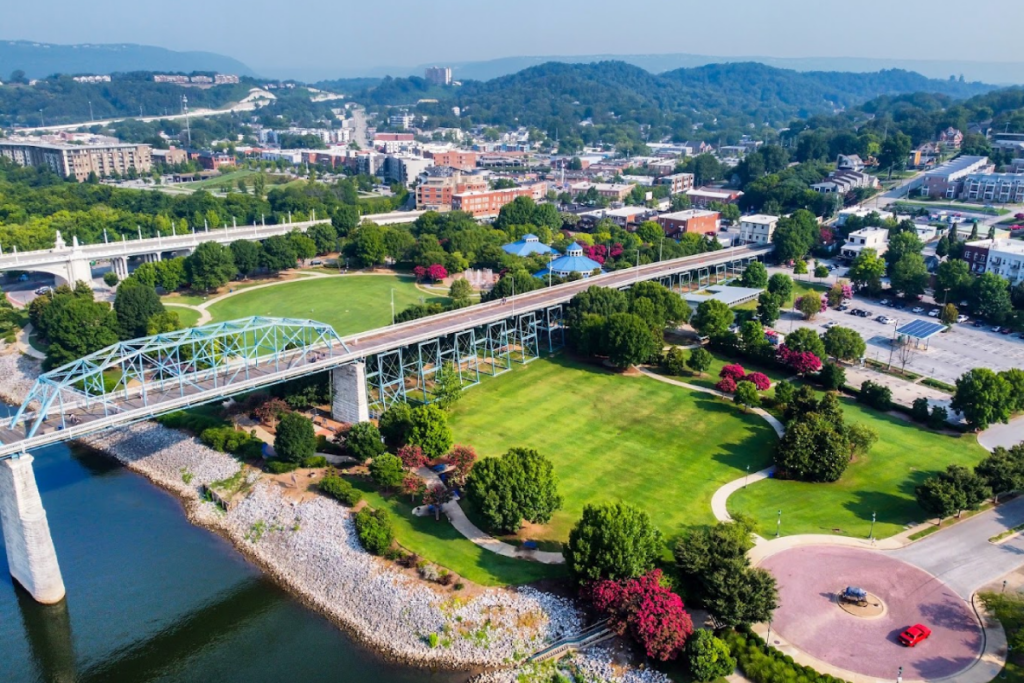
Chattanooga has changed a lot over the past decade, and the numbers are starting to show just how quickly that change is happening. The Scenic City is now growing at more than twice the national rate, drawing new residents with its mix of jobs, outdoor access, relatively affordable living, and easygoing atmosphere.
For longtime locals, the growth is visible everywhere. New apartments are going up, neighborhoods are changing, traffic is getting heavier, and more restaurants and businesses are opening across the city. For newcomers, Chattanooga offers something that is getting harder to find: a smaller city with strong career options, fast internet, mountain scenery, and larger cities within a short drive.
But fast growth also brings challenges. Housing costs are rising, roads are busier, and questions about affordability and development are becoming harder to ignore. Here is what is fueling Chattanooga’s boom and what it could mean next.
Chattanooga Is Growing at More Than Twice the National Rate
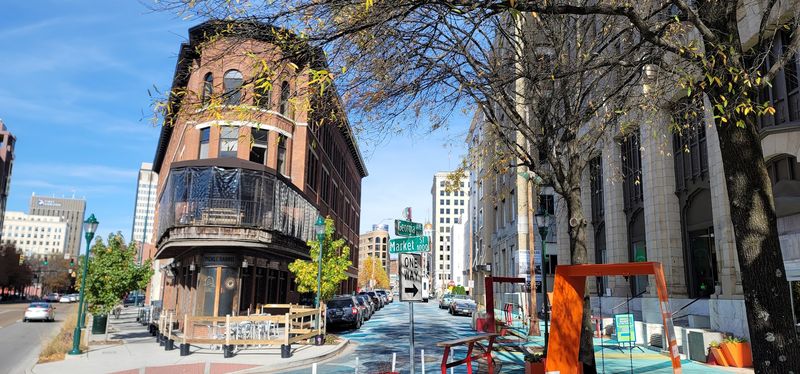
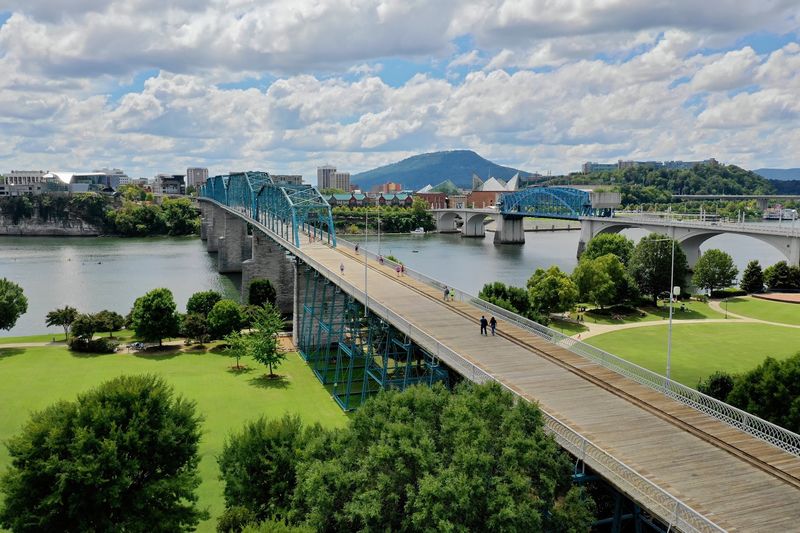
Picture a moving truck rolling over the Walnut Street Bridge every single day. That image is not far off from what a recent study suggests is happening in Chattanooga. The city is growing at more than twice the national rate, and locals have definitely noticed.
For a mid-sized city tucked between mountains and a winding river, that is a big deal. Most of the country is growing slowly, with some areas even losing people. Chattanooga is moving in the opposite direction, and fast.
So why does this stand out so much? Big cities like Nashville usually grab the headlines when people talk about Tennessee growth. Chattanooga has a smaller population, which means every new resident has a bigger impact on daily life here.
You can see it in the coffee shop lines on the North Shore. You can feel it on Highway 153 at rush hour. Even longtime residents who grew up here say the city feels different than it did ten years ago.
Chattanooga was once called one of the dirtiest cities in America back in 1969. The air pollution was so bad that drivers sometimes used headlights during the day. The city cleaned up its act, rebuilt its riverfront, and slowly became a place people actually wanted to move to.
That comeback story matters. A city does not double the national growth pace by accident. It took decades of planning, investment, and a little stubborn pride from people who believed in their hometown.
If you are thinking about moving here, now is a good time to pay attention. Growth brings new jobs, restaurants, and things to do. It also brings change, and not every change is easy.
The rest of this list breaks down the numbers, the reasons behind the boom, and what it all means for people who live here now or might call Chattanooga home soon. Grab a MoonPie, since they are made right here in town, and keep reading.
What the New Study Says About Chattanooga’s Growth
Numbers can be boring, but these ones tell a pretty exciting story. The new study compares how fast Chattanooga’s population is rising against the United States as a whole. The headline result is simple: Chattanooga’s growth rate is more than double the national figure.
Here is an easy way to think about it. Imagine two runners in a race. The country is jogging at a steady pace, while Chattanooga is running more than twice as fast and pulling ahead.
Studies like this usually look at population estimates over a set period, often a year or a few years. Researchers tend to use data from sources like the U.S. Census Bureau, which tracks births, deaths, and people moving in or out.
When you put those pieces together, you get a clear picture of who is arriving and staying.
For Chattanooga, a big chunk of the growth comes from people relocating. Some move from other parts of Tennessee. Many others come from out of state, especially from pricier places where housing costs have gotten wild.
Keep in mind that growth is often measured for the whole metro area, not just the city limits. That means nearby spots like Hixson, Ooltewah, East Ridge, and even towns across the Georgia line can play a role in the totals. Hamilton County as a whole has been seeing steady gains.
Why should you care about a percentage? Because it affects real things like how many schools get built, how roads get planned, and how much homes cost. City leaders use these numbers to make big decisions.
The takeaway is that this is not a one-time blip. The data points to a trend that has been building for a while. Chattanooga is no longer just a fun weekend stop for aquarium visits and Rock City selfies.
It is turning into a place where people plant roots, buy homes, and raise families. And the math backs that up.
Why More People Are Choosing Chattanooga
Ask five new Chattanoogans why they moved here, and you might get five different answers. One came for a job. Another wanted to rock climb before breakfast and still make a 9 a.m. meeting.
Outdoor fun is a huge draw. Within a short drive, you can hike Lookout Mountain, paddle the Tennessee River, bike Raccoon Mountain, or climb the boulders at Stone Fort. Few cities this size pack so much adventure so close to downtown.
Cost of living matters too. Compared with places like Atlanta, Denver, or many coastal cities, Chattanooga can feel easier on the wallet. Tennessee also has no state income tax on wages, which catches the attention of a lot of people looking to keep more of their paycheck.
Then there is location. Atlanta is about two hours south, Nashville is roughly two hours northwest, and Knoxville is close as well. You get small-city calm with big-city airports and concerts within reach.
Remote workers love it here, and there is a reason. Chattanooga became famous for its city-owned fiber internet through EPB, which gave residents super-fast speeds years before many other places. Some people nicknamed the city Gig City because of it.
The vibe is another selling point. Neighborhoods like the Southside, St. Elmo, and the North Shore each have their own flavor. You will find breweries, live music, local bakeries, and weekend markets that make it easy to meet people.
Families also find plenty to like. The Tennessee Aquarium, the Creative Discovery Museum, and Coolidge Park with its carousel give kids lots to explore. Weekends rarely feel empty.
Thinking about joining the crowd? Visit for a few days before you decide. Drive around at rush hour, check out different neighborhoods, and grab dinner somewhere local.
You will quickly see why so many people visit once and start browsing home listings on the drive back.
A Strong Economy Is Helping Fuel the Boom
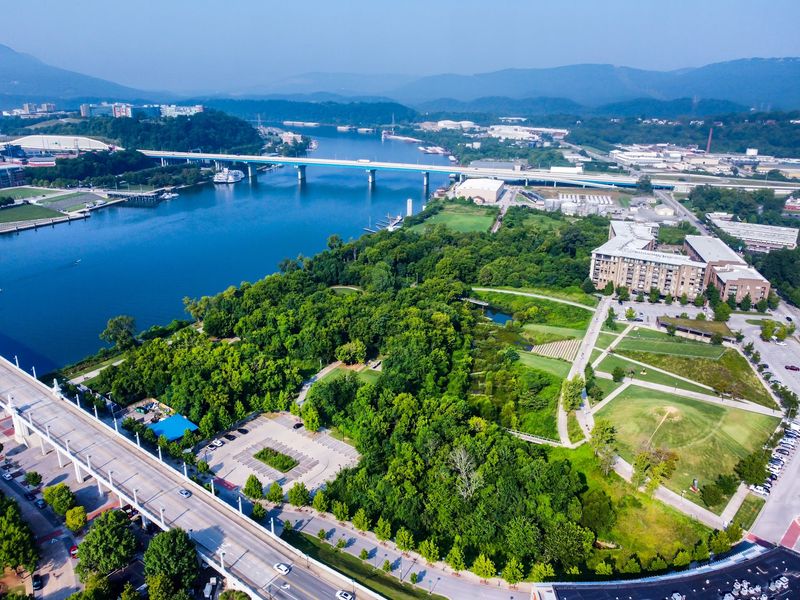
Paychecks pull people in faster than pretty views ever could. Chattanooga has both, but the job market deserves serious credit for this growth spurt.
Manufacturing is a big piece of the puzzle. The Volkswagen plant at Enterprise South has become one of the area’s best-known employers, building vehicles and attracting suppliers nearby. When a large factory moves in, smaller businesses usually follow.
Health care is another major engine. Hospital systems and medical offices employ thousands of people across the region. Insurance is big here too, with BlueCross BlueShield of Tennessee headquartered on Cameron Hill overlooking downtown.
Logistics and freight also play a role. Chattanooga sits along major interstates like I-75 and I-24, which makes it a natural hub for trucking and shipping. Companies love being able to reach a huge chunk of the country within a day’s drive.
Here is a fun bit of history. Chattanooga was a railroad crossroads long before it was a tech town. The famous song Chattanooga Choo Choo from the 1940s helped put the city on the map, and that transportation legacy still shapes the economy.
The startup scene is growing, too. The fiber internet network helped spark interest from tech founders and remote workers. Groups that support entrepreneurs have helped small businesses get off the ground.
Downtown investment has been steady. Old warehouses on the Southside have turned into apartments, offices, and restaurants. Projects around the riverfront and the former industrial areas keep reshaping the skyline.
What does this mean for job seekers? There is a decent mix of opportunities, from skilled trades to office roles to health care careers. Local colleges like UTC and Chattanooga State help train workers for these jobs.
A smart move is to check local job boards before you relocate. Networking events and industry meetups are common and friendly.
A strong economy does not guarantee everyone gets ahead. Still, it gives newcomers a real reason to unpack their boxes and stay awhile.
Population Growth Is Changing the City
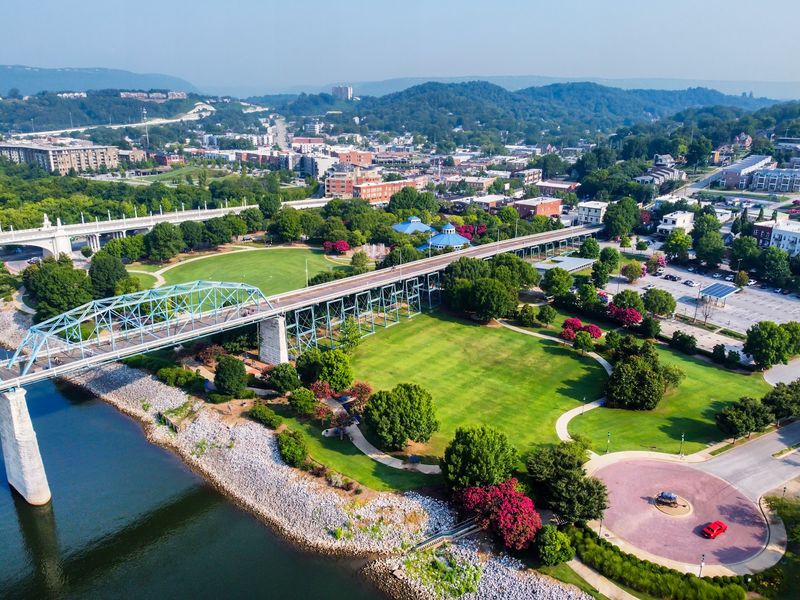
Drive through the Southside today and then pull up a photo from fifteen years ago. You might not recognize the place. Empty lots have turned into apartments, and old brick buildings now hold breweries and fitness studios.
Housing is where growth shows up first. Demand for homes has climbed, and builders are racing to keep up. New subdivisions keep popping up in areas like Ooltewah, Apison, and parts of North Georgia just across the state line.
Downtown is getting denser. More people now live within walking distance of restaurants, parks, and the riverfront. That is a big shift for a city that once emptied out after 5 p.m.
Traffic is the change everyone talks about. Roads like Highway 153, Gunbarrel Road, and I-75 near Hamilton Place can get packed. Locals who once bragged about a 10-minute commute now plan around rush hour like everyone else.
Schools feel it too. More families mean more students, and some areas have needed new buildings or expansions. If you have kids, checking school zones before buying a home is a smart step.
Neighborhoods are evolving in their own ways. Places like Highland Park and East Chattanooga have seen renovations and new neighbors. Some people love the fresh energy, while others worry about longtime residents being priced out.
The food and fun scene keeps expanding as well. New restaurants, coffee shops, and music venues open regularly. There is more to do on a random Tuesday night than there used to be.
Parks and greenways are getting more use. The Tennessee Riverwalk stretches for miles, and on sunny weekends it fills with runners, cyclists, and dog walkers. That is a good problem to have.
Change can feel exciting or uncomfortable depending on who you ask. Probably a little of both. Either way, the Chattanooga of tomorrow is being built right now, one crane and one new neighbor at a time.
Chattanooga’s Growth Also Comes With Challenges
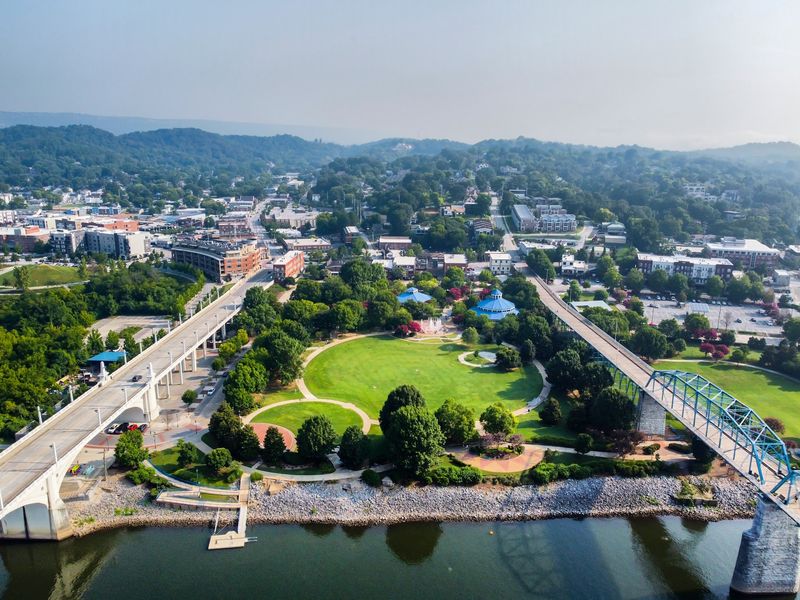
Not every part of a boom feels like a celebration. Ask someone who has rented in Chattanooga for years, and you might hear a very different story than the one in glossy travel guides.
Rising housing costs top the list. As more people move in, home prices and rents have climbed. For newcomers from expensive cities, it may still look like a bargain, but for locals earning local wages, the squeeze is real.
Affordability is a serious concern for teachers, service workers, and young people just starting out. Some find themselves moving farther from the city to find a place they can afford. That often means longer drives and higher gas bills.
Roads and infrastructure are feeling the pressure too. Many streets were not designed for this much traffic. Fixing that takes time, money, and plenty of construction cones.
Public transit is limited compared with bigger cities. If you do not have a car, getting around can be tricky. Planners have talked about improvements, but changes like this rarely happen overnight.
Some neighborhoods are also wrestling with gentrification. When property values jump, taxes can follow. Longtime homeowners, especially older residents on fixed incomes, may struggle to keep up.
Nature itself is part of the conversation. Chattanooga’s hills and ridges are a big reason people move here. Building on them carefully matters, both for keeping the scenery and for managing things like stormwater and erosion.
So what can residents do? Getting involved helps. City council meetings, neighborhood associations, and community groups give people a voice in how growth happens.
If you are moving here, be a good neighbor. Shop at local businesses, learn the history of your new area, and listen to people who have been here for generations.
Growth is not bad. Unplanned growth can be, though. The challenge for Chattanooga is making sure the city stays a great place to live for everyone, not just the newest arrivals.
What Chattanooga’s Rapid Growth Could Mean for the Future
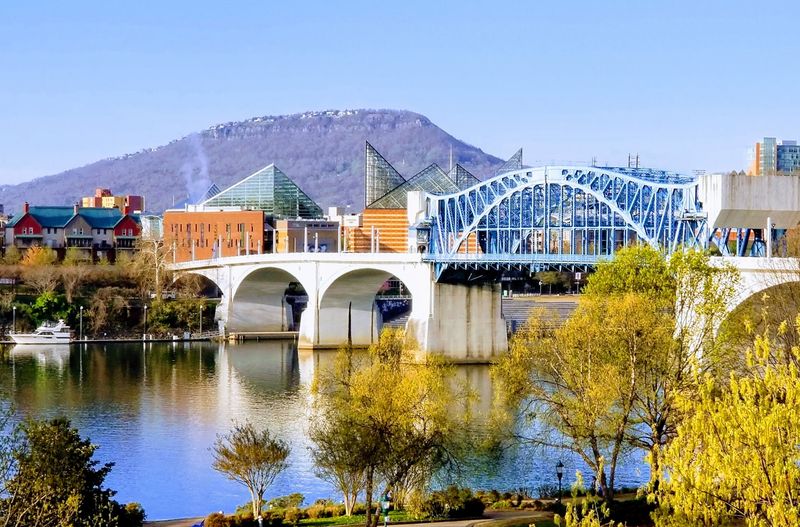
Stand at Point Park on Lookout Mountain at dusk, and the city below looks like it is glowing with possibility. That view is a fitting way to think about what comes next for Chattanooga.
If current trends hold, the population will likely keep rising. Many observers expect the region to stay popular with remote workers, retirees, and families looking for a mix of opportunity and outdoor living. The things that attract people today are not going anywhere soon.
Of course, nobody can promise the city will keep growing at twice the national pace forever. Fast growth tends to slow down as housing gets pricier and space gets tighter. Still, Chattanooga seems well placed to remain one of Tennessee’s standout spots.
Big planning decisions will shape the future. Leaders will need to focus on affordable housing, better roads, and possibly improved transit options. How well the city handles these issues could decide whether growth stays healthy.
Economic diversity is a strength here. With manufacturing, health care, insurance, logistics, and tech all in the mix, the city is not leaning on just one industry. That variety can help it ride out tough times.
The outdoor identity will matter more than ever. Protecting trails, rivers, and ridgelines keeps Chattanooga special. Lose that, and the city risks losing part of what made people fall in love with it.
For residents, the next decade could bring more jobs, new restaurants, and fresh neighborhoods. It may also bring more traffic and higher prices. Staying informed and involved is the best way to help shape what happens.
For anyone dreaming of moving here, the window is still open. Chattanooga has not become a giant city, and it still has that friendly, small-town feel in many corners.
One thing seems clear. The Scenic City has gone from comeback story to growth story, and the next chapter is being written right now.
Share this story