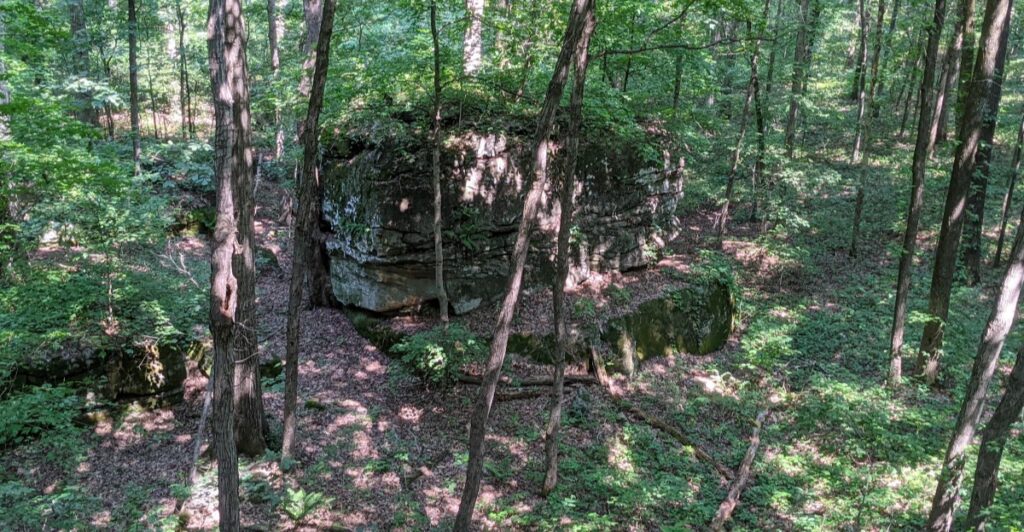
The most fascinating details at Millstone Bluff are easy to miss if you rush. Hidden within Shawnee National Forest, this remarkable archaeological site preserves traces of a Native American community that occupied the hilltop centuries ago. A short but steep wooded trail climbs toward ancient house depressions, a former village plaza, and faint rock carvings etched into sandstone.
Nothing here is flashy, and that quietness is exactly what makes exploring the bluff so compelling. The hike can be completed relatively quickly, but give yourself time to look closely. On this Southern Illinois trail, slowing down is the best way to see what history left behind.
A Flat-Topped Bluff Rising Out of the Shawnee Woods
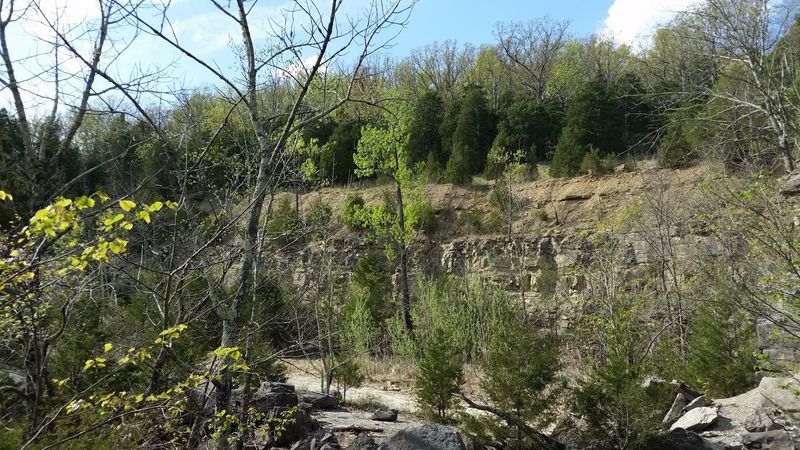
Pull into the gravel lot off Route 147 and the bluff is right there, a big stony hump wearing a coat of oaks and hickories. It looks like an ordinary forested hill at first. Then you notice the cliff faces peeking through the leaves, gray and rust-colored, and the hill starts to look more like a fortress.
The shape is the whole story. Millstone Bluff has steep sides and a fairly flat top, which made it a smart spot for a village long ago. Anyone living up there could see far across the valley and spot visitors coming from a long way off.
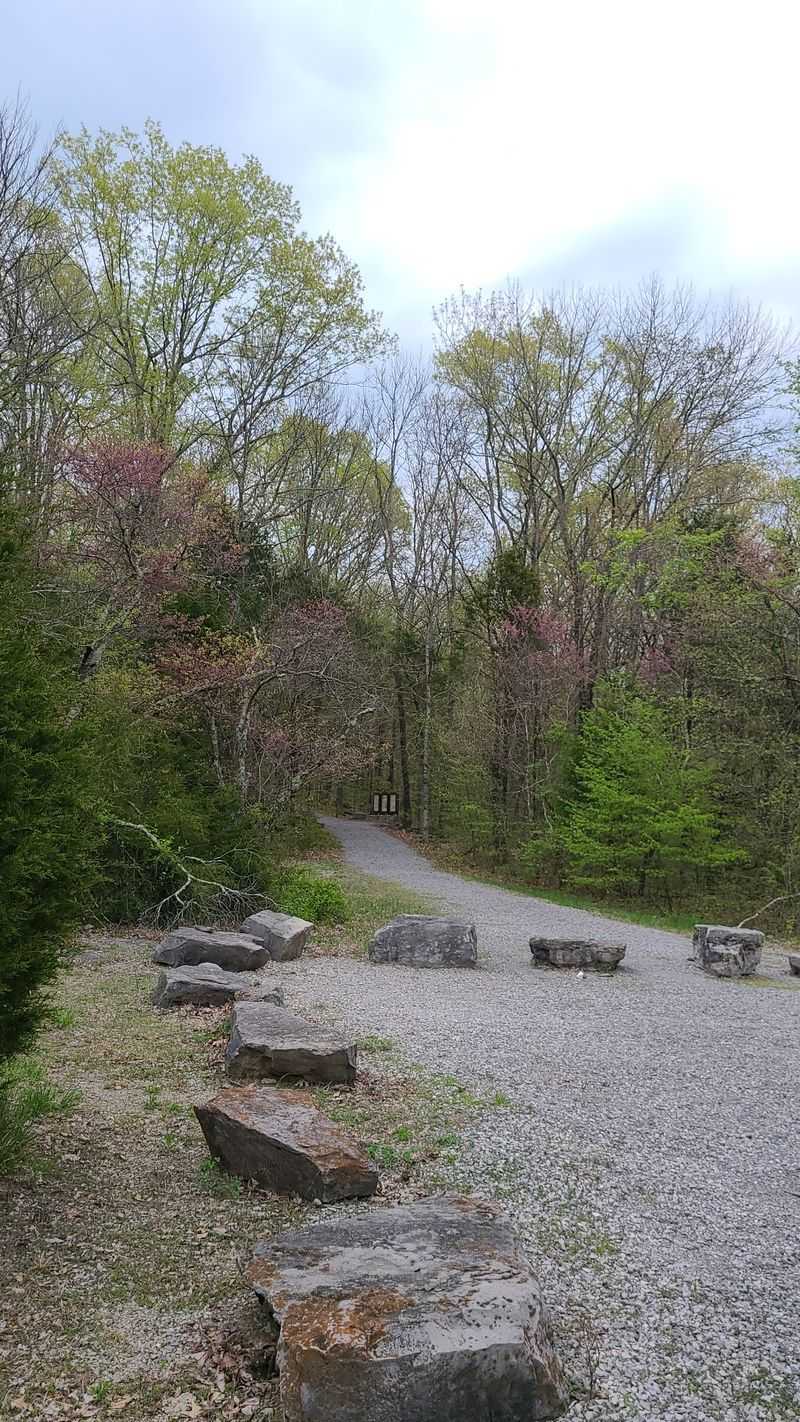
Down at the parking area, things are simple. There is room for plenty of cars, a vault toilet, and a trailhead sign that points you uphill. No ticket booth, no gift shop, and no line to wait in.
The location adds to the calm. The site sits just far enough from the highway that road noise fades fast once you start walking. Within a few minutes, the loudest sounds are usually woodpeckers, wind in the treetops, and your own shoes crunching on the path.
Look closely at the rocks near the base, too. Sandstone here comes in layers, some smooth, some bumpy with pebbles pressed into them like chocolate chips in a cookie.
A few stones around the bluff even hold tiny fossil shells, leftovers from an ancient sea that covered this region millions of years before any village existed.
The bluff got its name from that same tough stone, which settlers once considered useful for grinding grain. From the lot, the hilltop looks quiet and plain.
That calm outside does a good job of hiding just how much history waits on top, around a dozen switchbacks and stairs away.
Steps, Switchbacks, and a Quick Uphill Workout
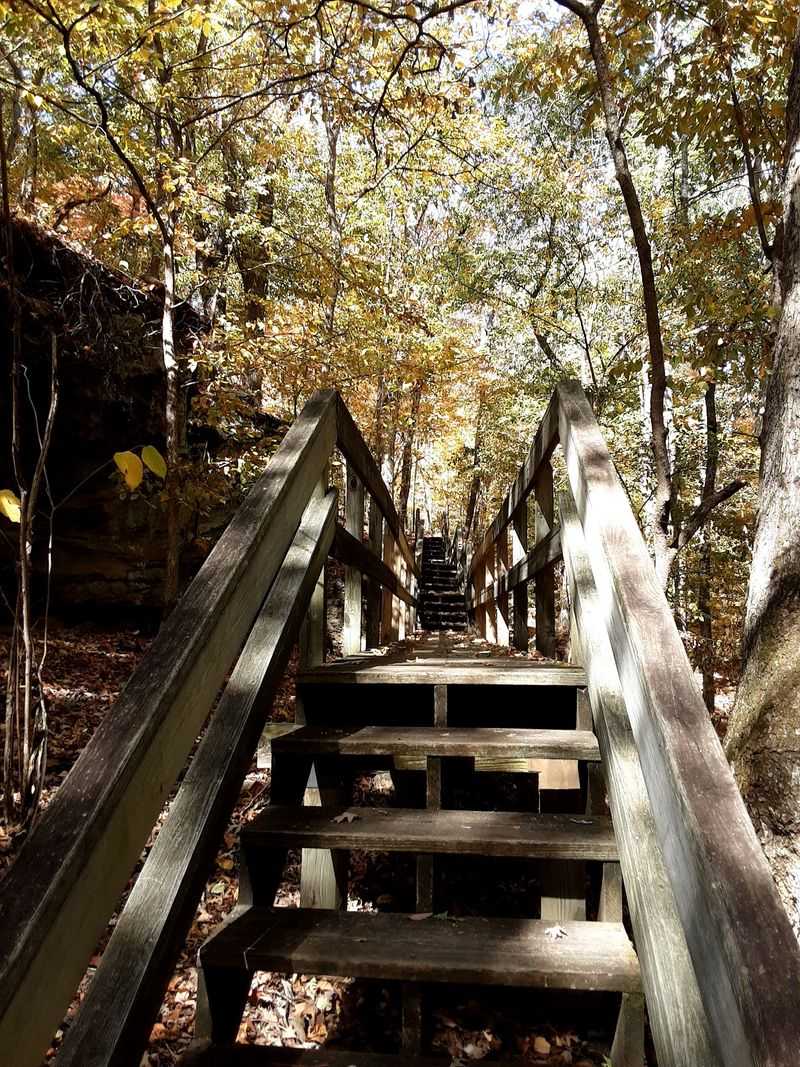
Your calves will notice the climb before your brain does. The trail is short, well under a mile round trip, but almost all of the first half heads up. Expect a mix of dirt path, gentle switchbacks, and a short flight of steps near the top.
Fitness levels matter here more than distance. Most healthy kids and adults handle it fine with a break or two. People who struggle with steep slopes should take it slow, because the path tilts more than you might guess from the parking lot.
Regular sneakers usually work on dry days. After rain, though, the clay can get slick, and fallen leaves in autumn hide roots and loose stones. Hiking shoes with good grip are a smart upgrade if the weather has been wet.
Along the way, small wooden bridges cross little gullies. Storms sometimes knock trees onto the trail, so stay alert for branches or damaged boards after a windy week. The Forest Service maintains the route, but nature works faster than any trail crew.
Here is a trick that makes the climb feel shorter. Stop at each bend and look back downhill. You will see the forest floor dropping away, and you will understand why people long ago picked this spot to live.
The good news comes on the return trip. Everything you climbed turns into an easy downhill stroll back to the car. Many people finish the whole visit, including time at the top, in under an hour.
Bring water even on cool days. The hill is steep enough to warm you up quickly, and there is no fountain at the trailhead. A small backpack with a bottle, a snack, and bug spray covers almost everything you need.
Spotting Faint Petroglyphs on the Sandstone
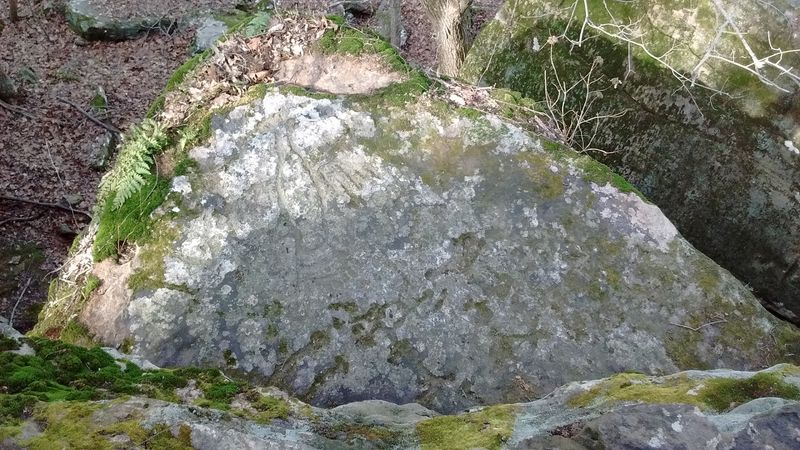
Picture a game of hide-and-seek where the hider has had a thousand years of practice. The petroglyphs at Millstone Bluff are carved into flat sandstone near the bluff edge, and they do not jump out at you. Wind, rain, and lichen have worn many lines down to shallow grooves.
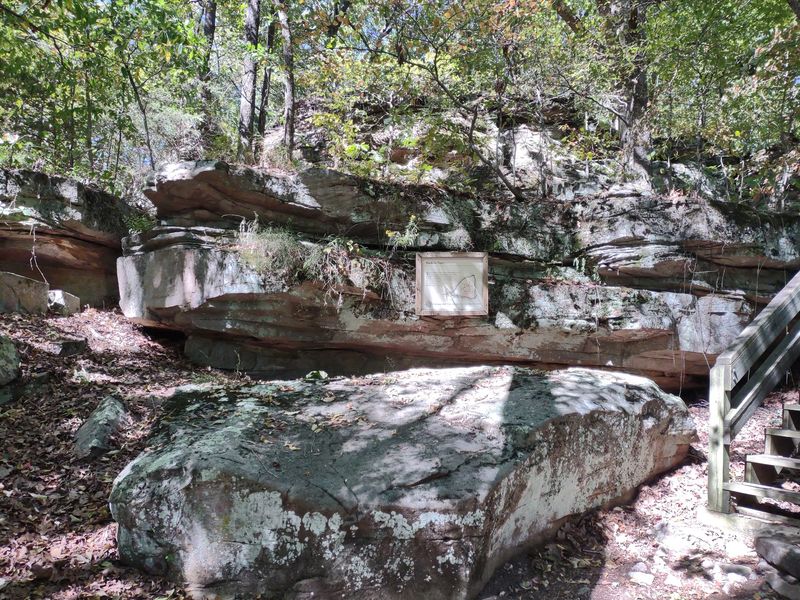
So how do you find them? First, check the interpretive sign near the carvings. The main rock sits to the right and slightly below that sign, not straight ahead, which trips up plenty of first-time hikers.
Next, give your eyes time. Stare at the stone for a full minute or two, and shapes start to pop out of the texture. The sign shows drawings of the images, so you can compare and hunt for matches.
Archaeologists believe these carvings were made by Mississippian people, likely between about 1000 and 1500 AD. Some images appear to show birds, possibly linked to a falcon or thunderbird figure seen in Mississippian art across the Midwest. Others include crosses inside circles and other symbols that may have held spiritual meaning.
Lighting makes a huge difference. Early morning or late afternoon sun hits the rock at a low angle and creates shadows inside the grooves. Cloudy days, on the other hand, can flatten everything and make the lines almost invisible.
Season helps too. In late fall and winter, fewer leaves block the light, and the rock is easier to study. Summer greenery and heavy shade can make the hunt much tougher.
Please keep hands off. Touching, tracing, or rubbing chalk on the carvings speeds up erosion and breaks federal law. Snap a photo, maybe try a few angles, and let the stone keep its secrets for the next curious visitor.
Reading the Ground: House Pits, a Plaza, and a Cemetery
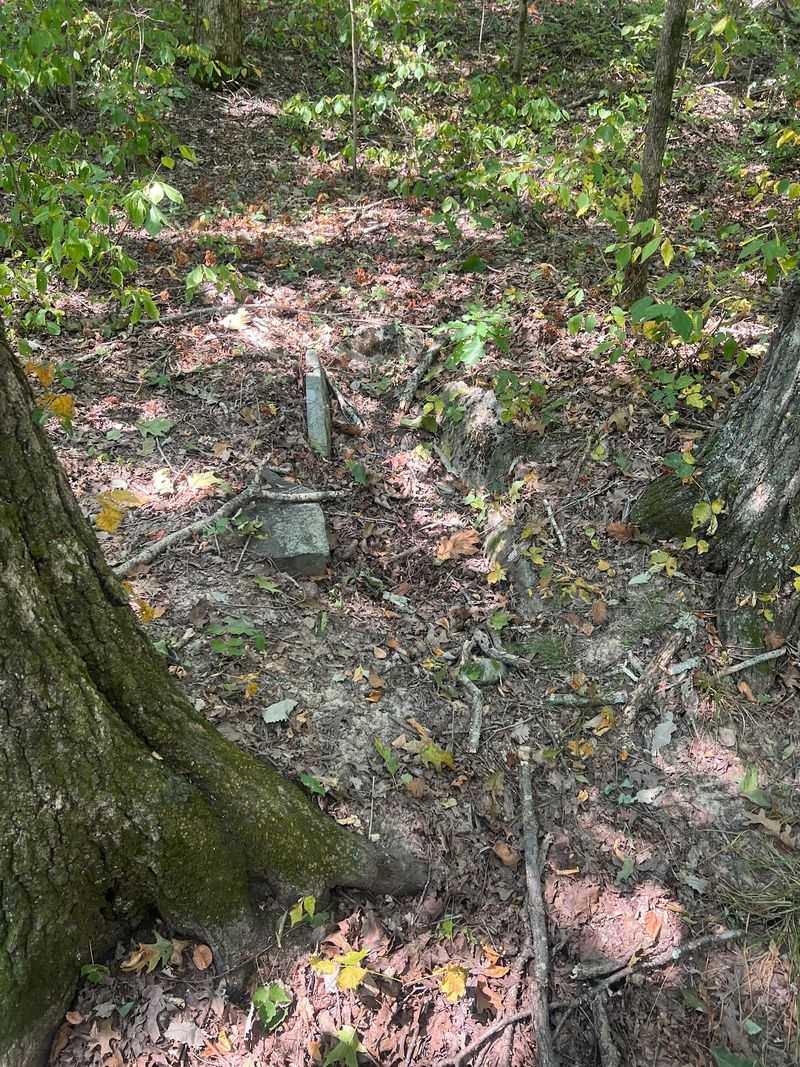
Bumps and dips in the dirt might not sound exciting. On top of Millstone Bluff, though, those little hollows mark where families once slept, cooked, and stayed warm through winter.
The village here belonged to Mississippian people who lived on the bluff roughly between 1300 and 1500 AD. Archaeologists have mapped more than two dozen house locations. Each one shows up today as a shallow, roughly square depression in the forest floor.
Why do they look like dents? Mississippian homes were often built partly into the ground, with walls of wooden posts and roofs of thatch or bark. When the buildings rotted away, the sunken floors stayed behind, softened by centuries of falling leaves.
Follow the trail loop and you will pass several of these spots. Signs explain what you are looking at, including a larger structure that may have been a community or council building. Its outline is bigger than the family homes, a hint that people gathered there for important events.
Near the middle sits an open area that likely served as a plaza. Villages like this often used plazas for ceremonies, games, and trading. Today it is just a small clearing with fewer trees, but standing in it helps you picture the layout.
An older cemetery area also sits on the bluff, with stone-lined graves typical of the time. Treat that part with extra care and respect. Stay on the path and avoid moving any rocks.
Photos struggle to capture these features. Cameras flatten the ground, while your eyes can catch the subtle slopes and edges. Walk slowly, crouch down now and then, and the village plan begins to sharpen into focus around you.
The Southern Illinois Story Behind the Village
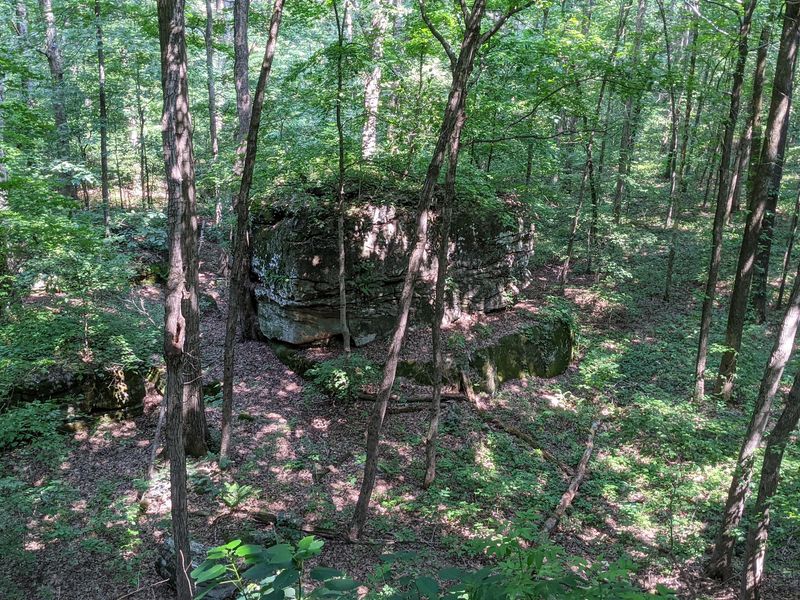
Long before Illinois had a name, people were already making themselves at home on this hill. Woodland groups used the bluff first, possibly well over a thousand years ago. Later, Mississippian people built the village whose traces you see today.
The Mississippian world was huge. Its largest city, Cahokia, stood near present-day St. Louis and may have held thousands of residents around 1100 AD. Smaller towns and villages spread across the Midwest and South, linked by trade, shared beliefs, and similar art styles.
Millstone Bluff was one of those smaller communities, perched in the hills of what is now Pope County. Its people likely farmed corn, beans, and squash in the valleys below. They also hunted deer, gathered nuts, and fished nearby streams.
Life on a bluff came with perks. The steep sides worked like natural walls, and researchers have noted signs of a stone wall along part of the edge. Height gave the villagers a clear view of anyone approaching.
Around 1500 AD, the village appears to have been abandoned. Experts are still studying why many Mississippian sites emptied out around that time. Changing climate, conflict, and shifting politics are all possible reasons.
Sadly, the site suffered later. Looters dug into graves and houses over the years, taking objects and damaging layers that could have told more of the story. Some early digging also disturbed parts of the bluff.
Today, the Forest Service protects the area, and Millstone Bluff is listed on the National Register of Historic Places. The interpretive signs along the trail fill in the gaps, turning a quiet woodland walk into a short history lesson you can actually stand inside.
Bugs, Birds, and Mushrooms Along the Rim
Ancient history gets most of the attention, but the living stuff on this bluff deserves a look too. Spring brings wildflowers along the trail, little splashes of white, purple, and yellow poking through last year’s leaves. After a rain, mushrooms sprout on logs in shades from creamy tan to bright orange.
Birdwatchers can stay busy. Woodpeckers drum on dead trees, and songbirds flit through the understory in warm months. Hawks sometimes ride the air currents along the bluff edge, scanning the valley below.
The views change with the calendar. In summer, thick leaves wrap the hilltop in green, and you mostly see forest. Once the leaves drop in late fall and winter, the rolling hills of the Shawnee open up through the bare branches.
Now, the less charming wildlife. Mosquitoes and horseflies can be fierce here in midsummer, especially in July. Ticks also hang out in the grass and brush, so long pants and a good repellent make a real difference.
After the hike, run a quick tick check on yourself, kids, and pets. Look behind knees, around ankles, and along the hairline. It takes two minutes and saves a lot of worry.
Watch your footing near the cliff edges. The rim is not fenced everywhere, and the sandstone can crumble or feel slippery when damp. Keep little ones close when you wander near the overlooks.
Bring a small field guide or a plant identification app if you like naming what you see. Fern varieties, mosses, and lichens cover the rocks in patterns that change every few steps. On the gray boulders near the summit, those crusty lichen patches look almost like maps painted in green and silver.
Timing Your Visit and Why the Hill Rewards Patience
Late October through early April is the sweet spot. Bare trees let more light hit the petroglyph rock, open up the views, and make house depressions easier to read on the ground. Bugs also take a break, which alone is a big win.
Spring offers flowers and fresh green leaves, while summer brings shade but also heat, humidity, and buzzing pests. If you go in July or August, start early in the morning. The trail stays cooler, and low sunlight helps reveal the carvings.
Admission is free, and the site is usually quiet. Weekday afternoons and even Sundays often mean having the trail to yourself. That solitude makes it easier to linger at each sign without feeling rushed.
Plan for about 45 minutes to an hour. That covers the climb, the loop around the top, time at the petroglyphs, and the walk back down. Add more if you love photography or reading every interpretive panel.
The vault toilet at the parking lot is the only restroom. No trash cans wait on the trail, so carry out everything you bring in. Cell signal can be patchy in this part of the Shawnee, so download directions before you leave town.
Millstone Bluff pairs well with other stops in Pope County. Garden of the Gods and Bell Smith Springs are both within a reasonable drive, making it easy to build a full day of southern Illinois hiking.
Set your expectations right and the visit pays off. You will not find giant ruins or museum cases here. What you get instead is a real hilltop where people lived centuries ago, faint pictures carved by their hands, and the quiet chance to find them yourself.