Way out in the Davis Mountains near Fort Davis, something extraordinary sits perched on a desert peak at 6,800 feet. The McDonald Observatory isn’t just another tourist stop—it’s home to some of the most powerful telescopes on the planet, including the world’s second-largest optical telescope. Under skies so dark they’re protected by state law, visitors get to peer into galaxies millions of light-years away, spot Saturn’s rings in jaw-dropping detail, and experience the universe in ways that feel almost unreal.
1. Star Parties That Sell Out for Good Reason
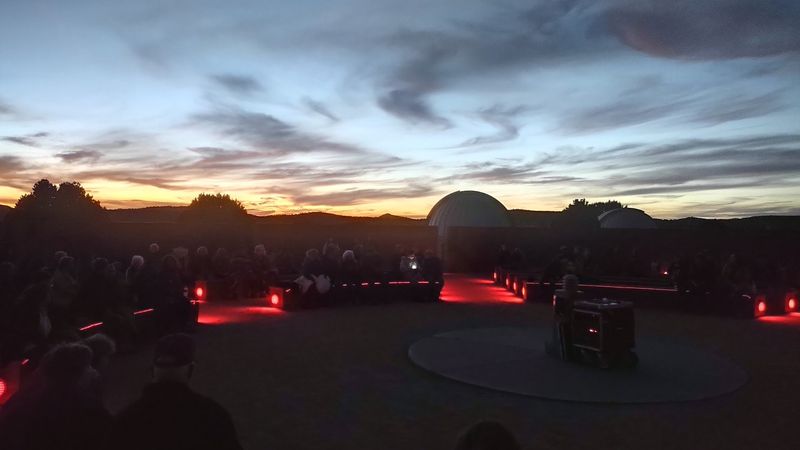
Every Friday and select Tuesday nights, the observatory transforms into what regulars call the best twenty-five-dollar ticket in Texas. Star parties kick off around 9:30 PM after a lively indoor presentation where guides walk you through what you’re about to witness—planets, nebulae, star clusters, the works.
Then comes the real magic. Multiple high-powered telescopes get aimed at different celestial targets, and you rotate between them with surprisingly short wait times, even when crowds show up. Seeing Saturn through one of these scopes stops people in their tracks—the rings appear so crisp and defined that first-timers often think they’re looking at a projection, not the actual planet hanging in space 746 million miles away.
Jupiter’s cloud bands, the Orion Nebula’s swirling gases, the cratered surface of our own moon—each view delivers that rare “I can’t believe this is real” moment. Staff members stationed at each telescope are genuinely excited to answer questions and share their knowledge, which adds a personal touch you won’t find at bigger, more commercial attractions.
One important tip from seasoned visitors: book tickets weeks in advance because these events sell out fast, and avoid full moon nights if possible since moonlight washes out fainter objects.
2. Daytime Telescope Tours Worth the Mountain Drive
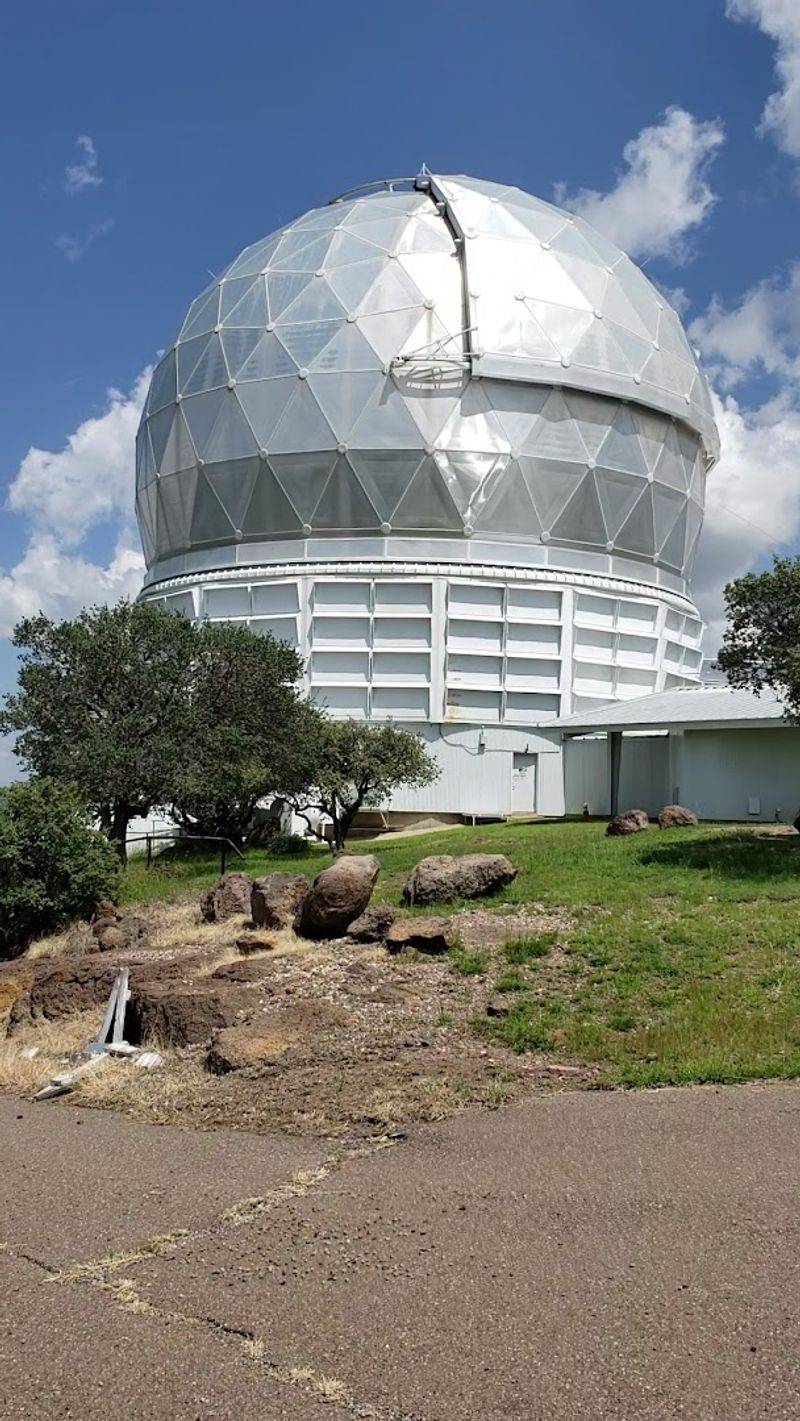
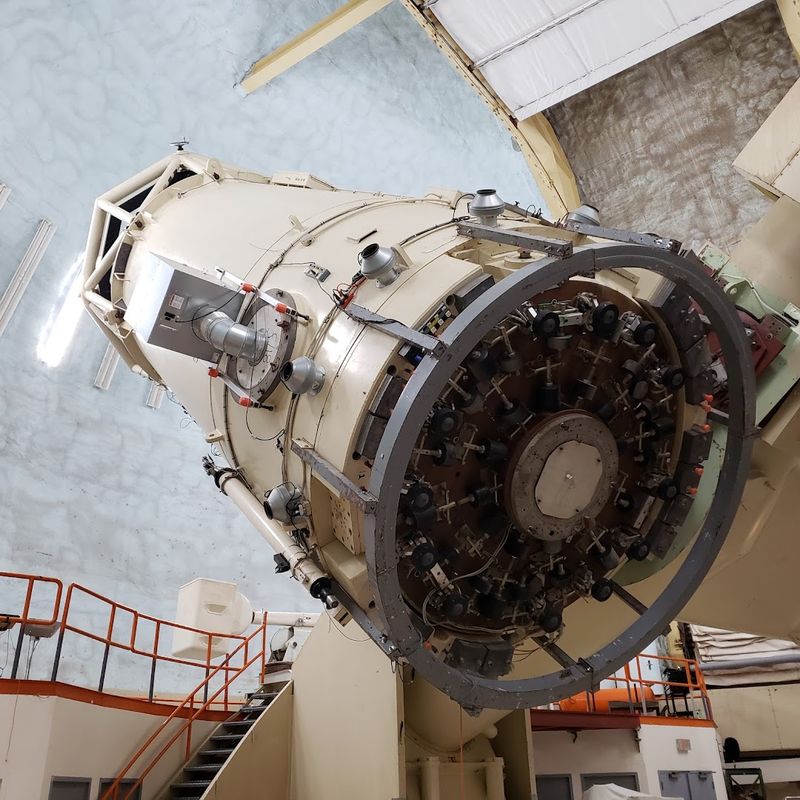
Forget what you’ve seen in planetariums or science museums. The guided telescope tours here take you inside working research facilities where actual astronomers hunt for exoplanets and study distant galaxies every single night. Tours run at 2 PM and last about two hours, giving you up-close access to the observatory’s giants.
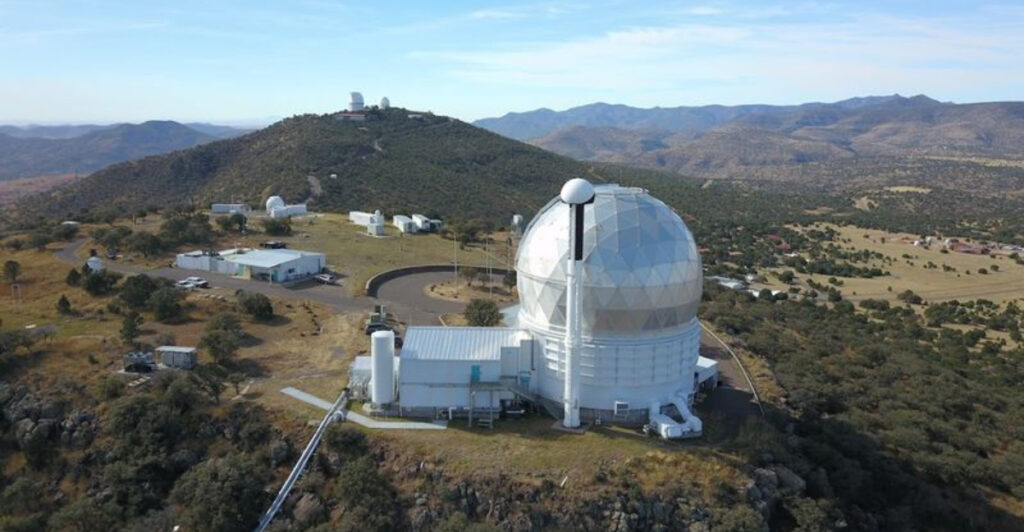
You’ll visit the dome housing the 107-inch Harlan J. Smith Telescope and the truly massive Hobby-Eberly Telescope, one of the largest optical instruments anywhere on Earth. Guides explain how these multi-ton machines track objects across the sky with precision that would make a Swiss watchmaker jealous, and how the entire dome rotates to follow celestial targets.
Kids under twelve might find the technical details a bit much during the longer stretches, but the sheer scale of the equipment keeps most visitors engaged. Watching a telescope the size of a small building pivot smoothly on its mount is genuinely impressive, even if you’re not an astronomy buff.
The tour doesn’t include actual viewing through the telescopes during daylight—these instruments are far too sensitive for that—but the behind-the-scenes access and detailed explanations from passionate staff make it educational without feeling like homework. Reserve ahead since spots fill up, especially on weekends.
3. Solar Viewing Programs That Reveal Our Star’s Secrets
Most people never think twice about looking at the sun—you just don’t do it. But the observatory’s solar viewing programs at 1 PM let you safely observe our nearest star in ways that completely change how you think about that bright disc in the sky. The forty-five-minute sessions happen in a comfortable theater with live feeds from specialized solar telescopes.
Sunspots appear as dark patches dancing across the sun’s surface, some larger than Earth itself. Solar prominences—massive loops of plasma—arc hundreds of thousands of miles into space, held in place by magnetic fields. The detail is startling, and the scale is humbling when guides point out that several Earths could fit inside a single solar flare.
What makes these programs especially valuable is how accessible they are for families. Kids stay engaged because they’re watching real-time footage of actual solar activity, not animations or recordings. The presentations strike a perfect balance between educational content and entertainment, with enthusiastic presenters who know how to work a room.
Several visitors specifically recommend the solar viewing as the better choice if you only have time for one daytime program. It’s shorter than the telescope tour, more interactive, and offers something you genuinely can’t see anywhere else without specialized equipment.
4. Dark Sky Location That Changes Everything
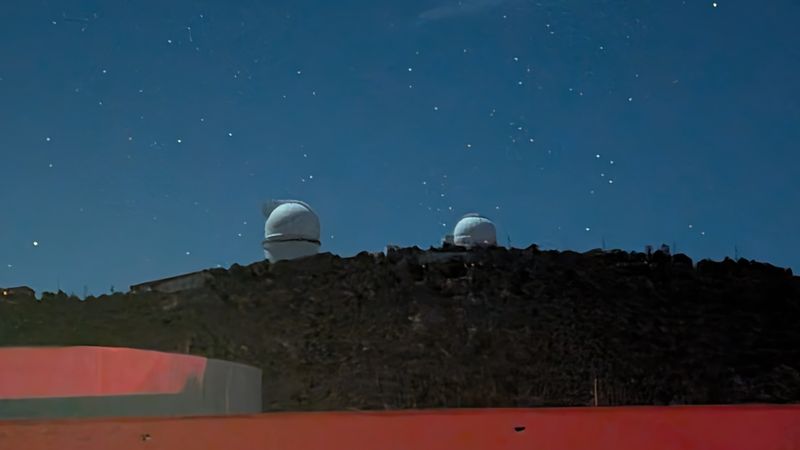
The observatory didn’t end up in the middle of nowhere by accident. This location offers some of the darkest skies in the continental United States, protected by a Dark Sky ordinance that restricts artificial lighting for miles around. When astronomers say “dark skies,” they mean you can see stars that are completely invisible from cities, suburbs, or even most small towns.
Standing outside after sunset, your eyes need about twenty minutes to fully adjust. Then the sky opens up. The Milky Way stretches overhead like a cosmic river, thousands of stars appear where you normally see maybe dozens, and satellites drift silently across the darkness like slow-moving stars.
This pristine darkness isn’t just nice for visitors—it’s essential for the research happening here. Light pollution ruins astronomical observations, which is why the university fought hard to establish protective ordinances. Even the observatory itself uses special red lighting at night because red wavelengths preserve your night vision better than white light.
The drive up to the observatory takes you through the scenic Davis Mountains, climbing over 5,000 feet in elevation. That combination of altitude and isolation from major cities creates viewing conditions that rival professional observatories anywhere in the world, making it possible to see objects billions of light-years away.
5. Visitor Center That Actually Teaches Something
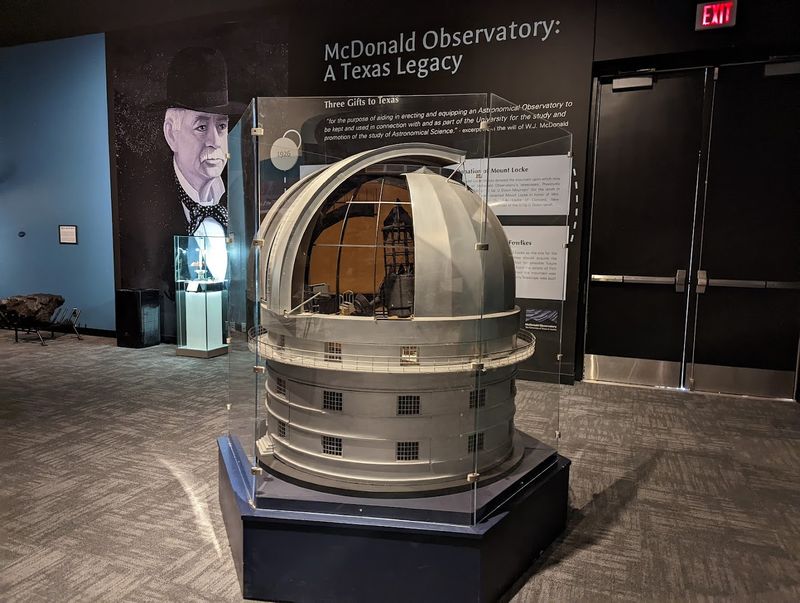
Between programs or while waiting for evening events to start, the visitor center offers way more than the typical gift shop and bathroom break. The exhibit gallery walks you through the history of astronomy, explains how telescopes work, and showcases actual research happening at the facility right now.
Interactive displays let you manipulate models of telescope optics, understand how light travels across space for millions of years before hitting our instruments, and grasp the mind-bending scales involved in astronomy. One exhibit shows a scale model of the solar system that really drives home how much empty space exists between planets.
The staff clearly put thought into making complex concepts understandable for regular folks. You don’t need a physics degree to appreciate why astronomers get excited about spectroscopy or how they determine what distant stars are made of. Information is presented in bite-sized chunks with plenty of visuals.
Plan to spend at least an hour here if you’re genuinely interested in the subject. Many visitors mention using the center to fill the four-hour gap between afternoon programs and evening star parties. The gift shop carries quality astronomy gear, books, and souvenirs at prices that won’t make you wince—unusual for a tourist destination.
6. Staff Who Actually Love What They Do
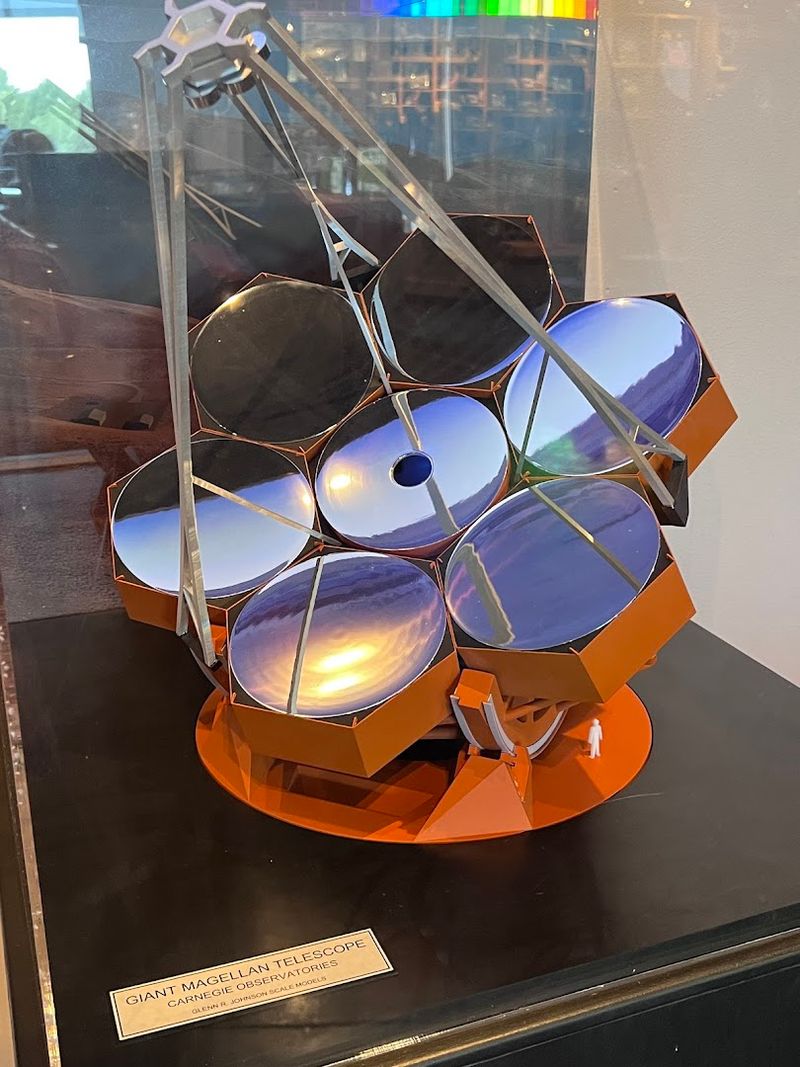
You know that difference between someone doing a job and someone genuinely passionate about their work? The staff here fall firmly in the second category. From the guides leading telescope tours to the volunteers manning individual scopes during star parties, everyone radiates authentic enthusiasm for astronomy and sharing it with visitors.
They don’t just recite memorized scripts. Ask a question about anything astronomy-related, and you’ll get detailed, thoughtful answers delivered by people who clearly spend their free time reading about space. One reviewer specifically called out the “gentlemen at the Jupiter and High Moon stations” for their knowledge and friendliness, while another praised their guide Shannon by name.
During star parties, staff members eagerly point out constellations, explain what you’re seeing through each telescope, and field endless questions from curious kids and adults alike. Their patience never seems to wear thin, even when the same questions come up repeatedly throughout the night.
This enthusiasm trickles down from the top—the McDonald Observatory is a working research facility operated by the University of Texas, so many staff members are actual astronomers or graduate students. They’re not actors playing scientists; they’re the real deal, and that authenticity makes every interaction more meaningful and educational.
7. The Drive Itself Becomes Part of the Experience
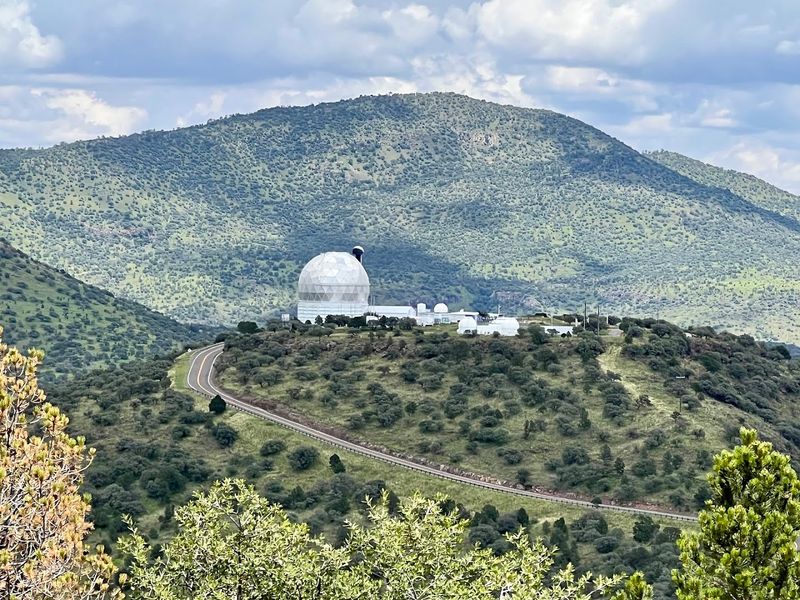
Getting to the observatory means winding through the Davis Mountains on roads that climb steadily from the high desert floor. The landscape shifts from scrubby plains to pine-dotted peaks, with vistas that stretch for miles in every direction. One visitor who’d been passing by since childhood finally made the trip at 49 and said it didn’t disappoint.
The approach builds anticipation perfectly. You’re driving up Dark Sky Drive—yes, that’s the actual name—watching civilization fall away behind you. Cell service gets spotty.
The air gets thinner. And then you round a curve and see the white domes perched on the mountaintop like something from a science fiction movie.
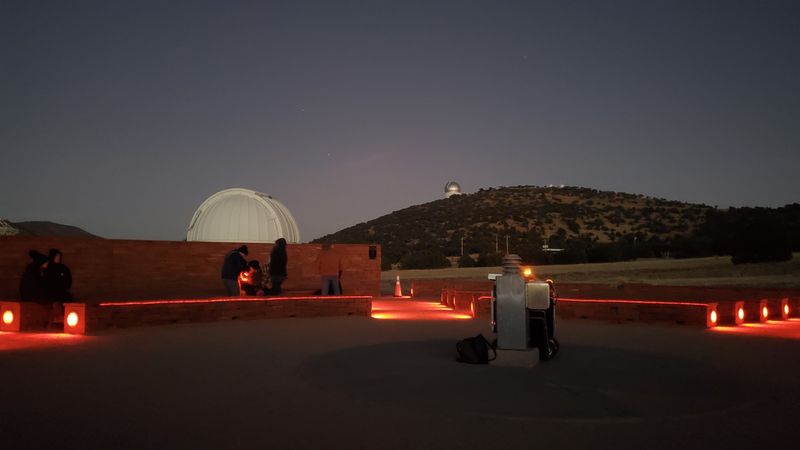
At night, the observatory’s distinctive red lighting creates an otherworldly atmosphere. Red lights preserve night vision, so the entire facility glows crimson against the black sky. One reviewer described nearly colliding with a wild pig that sprinted across the road in the darkness—a very West Texas moment that added unexpected excitement to the journey.
The scenic drive from Alpine or Fort Davis takes about thirty to forty-five minutes depending on your starting point. Many visitors mention the views rivaling the observatory itself, especially during sunset when the mountains turn purple and gold. It’s genuinely beautiful country that most Texans never see.
8. Timing Your Visit Makes All the Difference
Here’s something the observatory staff will tell you but many first-timers don’t realize: moon phases dramatically affect what you can see. A full moon is beautiful to look at through telescopes—the detail is stunning—but its brightness washes out fainter objects like nebulae, distant galaxies, and star clusters.
Veterans recommend visiting during new moon, crescent, or quarter moon phases when the sky is darker. You’ll see far more celestial objects, and phenomena like the Milky Way become dramatically more visible. Several reviewers mentioned showing up during full moons and being told they picked a less-than-ideal time, though they still enjoyed the experience.
Reservations are absolutely essential for star parties and guided tours. The observatory limits attendance to maintain quality experiences, and programs regularly sell out weeks in advance. One frustrated visitor on the waitlist learned that no-shows keep their spots reserved, meaning empty spaces go unused rather than being filled by walk-ups.
The facility operates Wednesday through Saturday, staying closed Sunday through Tuesday except for select Tuesday star parties. Hours run noon to 5 PM for daytime activities. Evening star parties start around 9:30 PM, with check-in beginning at 8:30 PM.
Budget a full afternoon and evening if you want the complete experience—solar viewing at 1 PM, telescope tour at 2 PM, dinner break in Fort Davis, then star party after dark.
9. What General Admission Actually Gets You
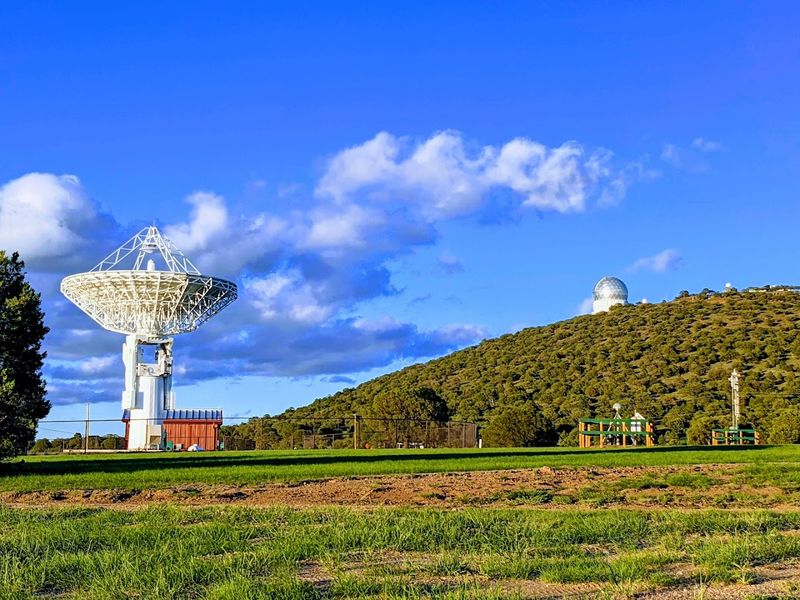
Not every visitor leaves thrilled, and the most common disappointment comes from people who show up without reservations expecting a full experience. General admission costs just three dollars, but that extremely low price reflects what you actually get—access to two telescope lobbies where you can peek at the equipment from observation windows, the visitor center, and the gift shop.
You can’t go inside the telescope domes, touch the instruments, or do any actual viewing without booking specific programs. Several reviewers bluntly stated that general admission isn’t worth the drive, with one saying “the views up and down the mountain were sadly the best part.” Another mentioned that without reserved programs, you’re basically seeing “the outside of buildings.”
The front desk staff can apparently be touchy about certain questions—one veteran asked about military discounts and received a chilly response. And if you’re hoping to snag last-minute star party tickets as a walk-up, don’t count on it. The waitlist system is strict, and staff won’t add people even when attendance seems light.
For families with young kids interested in astronomy, the daytime tours might prove too long and lecture-heavy. One parent with children aged six through sixteen found minimal engagement or hands-on elements, leaving everyone disappointed. The sweet spot seems to be older kids, teens, and adults who can appreciate the technical details and don’t need constant interactive elements to stay engaged.
Share this story