A bright October afternoon can make Pennsylvania’s forests feel like the perfect place for one more hike before winter. Beneath the colorful leaves, however, timber rattlesnakes may still be moving through rocky woods or resting near sheltered cracks. Knowing where suitable habitat exists can help you enjoy the season without stepping too close to a hidden snake. Timber rattlesnakes are native to Pennsylvania, and they usually avoid people. They use forests, rocky slopes, and protected crevices, which can provide shelter as cold weather approaches.
During October, their activity depends on local temperatures, elevation, and weather. A warm spell may bring a snake into the sunshine, while a chilly stretch may keep it tucked away. The parks below contain landscapes that could support rattlesnakes, but that does not mean visitors will see one. This list is not a report of current sightings, and it should not be used to locate dens. Most outings end with nothing more surprising than a squirrel crossing the trail. Still, a few habits make autumn walks safer. Watch your footing, keep hands out of rock gaps, and give any snake plenty of space. Keep dogs leashed and children close on narrow paths. Never handle, chase, or try to move a rattlesnake, even if it seems sluggish. If someone is bitten, call 911 and seek urgent medical care rather than trying home remedies. Check park notices before leaving, and ask staff about trail conditions or recent wildlife concerns. Respectful distance protects both visitors and the wildlife that belongs here.
1. Pine Grove Furnace State Park, Gardners
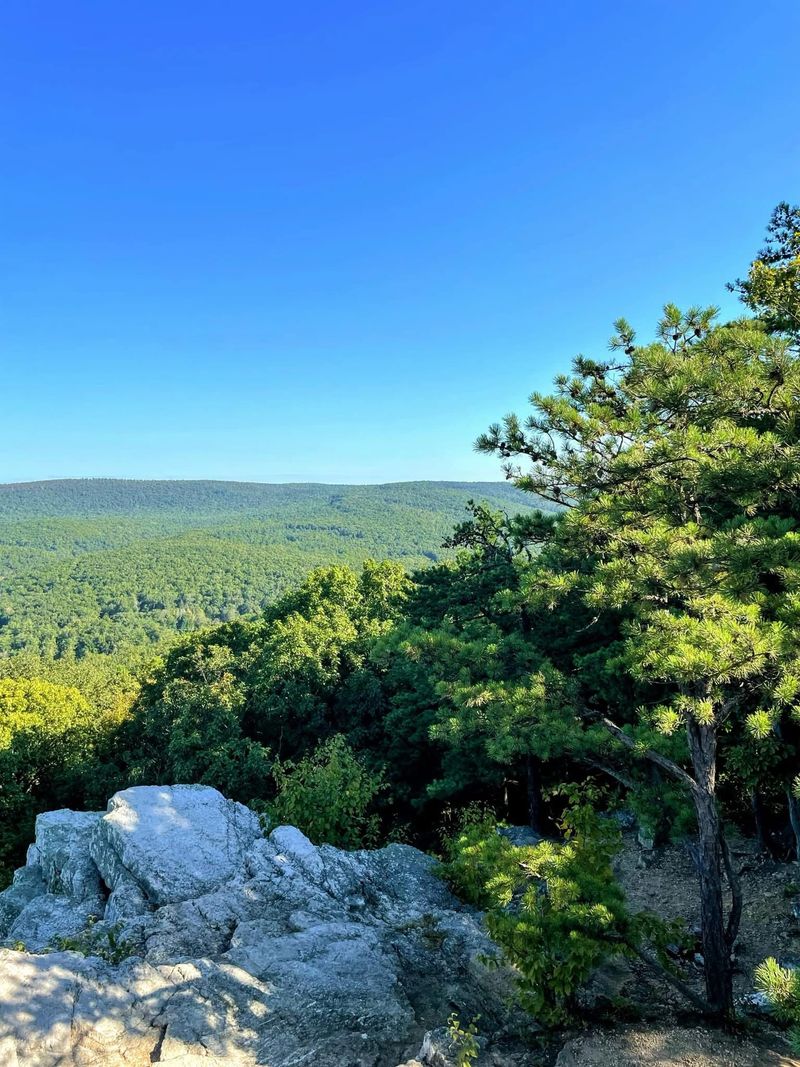
A carpet of orange leaves can hide more than acorns along a woodland path.
Around Pine Grove Furnace State Park, rocky forest terrain creates places where a timber rattlesnake could rest out of sight during a mild October afternoon.
The park sits in Pennsylvania’s South Mountain landscape, with wooded slopes and connections to the Appalachian Trail.
Its lakes and historic furnace attract many visitors, but the more rugged surroundings deserve extra attention when you leave busy picnic areas for a longer walk.
Look at the ground before stepping beside rocks, fallen branches, or thick leaf piles.
A snake’s brown, gray, or yellowish coloring can blend into the forest floor surprisingly well.
Avoid reaching behind a boulder to steady yourself unless you can clearly see where your hand will land.
October does not follow one simple schedule for snake activity.
Cold mornings may keep reptiles sheltered, while afternoon sunshine can warm an exposed stone enough to attract them.
That possibility is a reason to stay aware, not a reason to expect a rattlesnake around every bend.
Families can make trail awareness part of the outing without making it scary.
Ask children to stop before climbing onto logs, and keep dogs on a short leash where visibility is limited.
Choose established routes instead of cutting through brush toward a lake or overlook.
If you notice a snake, stop and let everyone behind you know.
Back away slowly, leave it an open escape route, and do not poke it to check whether it has a rattle.
A photograph is optional; keeping a safe distance is not.
Park staff can offer current trail guidance, though wildlife can move beyond any recently reported spot.
Enjoy the furnace history, autumn reflections, and forest scenery while remembering that suitable habitat is not proof of a current sighting or a reason to search for snakes.
2. Promised Land State Park, Greentown
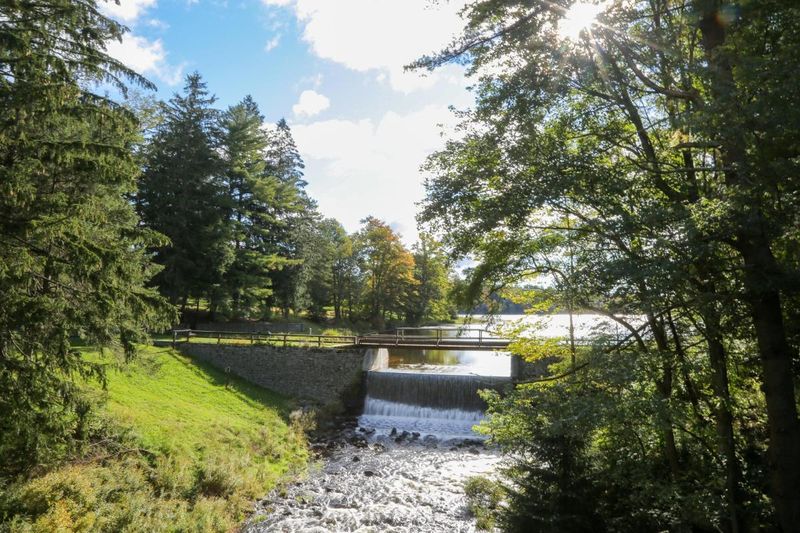
Lake views may steal the spotlight, but the forest floor deserves a glance too.
Promised Land State Park combines Pocono woods, scattered rocks, and sheltered ground that could offer cover for a timber rattlesnake when October weather remains warm enough.
Visitors often come for peaceful water, camping, and colorful trees.
Away from open recreation areas, rocky woodland edges and fallen timber create hiding spaces for many animals.
Rattlesnakes are only one possible resident of suitable habitat, and an encounter is never guaranteed.
At this higher elevation, autumn temperatures can change quickly between morning and afternoon.
Pack a warm layer, but do not assume cool air means every snake is already underground.
A sunny patch beside a trail may feel much warmer than shaded ground nearby.
Keep your attention on footing when walking through deep leaves.
Step onto a visible surface before moving beyond a log, rather than placing a foot blindly on its far side.
Give rock cracks and tangled roots the same careful treatment, especially when children are exploring.
For a relaxed family outing, choose a route that matches everyone’s balance and stamina.
Tired walkers are more likely to stop watching where they step.
Bring water and allow enough daylight to return without rushing through uneven woods as the evening temperature drops.
A rattlesnake does not always announce itself with a loud warning.
If you see any unfamiliar snake, stay back instead of moving closer to identify it.
Keep your dog from sniffing toward the animal, and wait at a distance or retreat along the trail.
Ask park staff about current conditions before heading into less familiar areas.
Reports can help with planning, but they cannot tell you where every animal is hiding.
The best souvenir is a calm autumn memory, not a close encounter arranged for a picture beside the lake.
3. Leonard Harrison State Park, Wellsboro
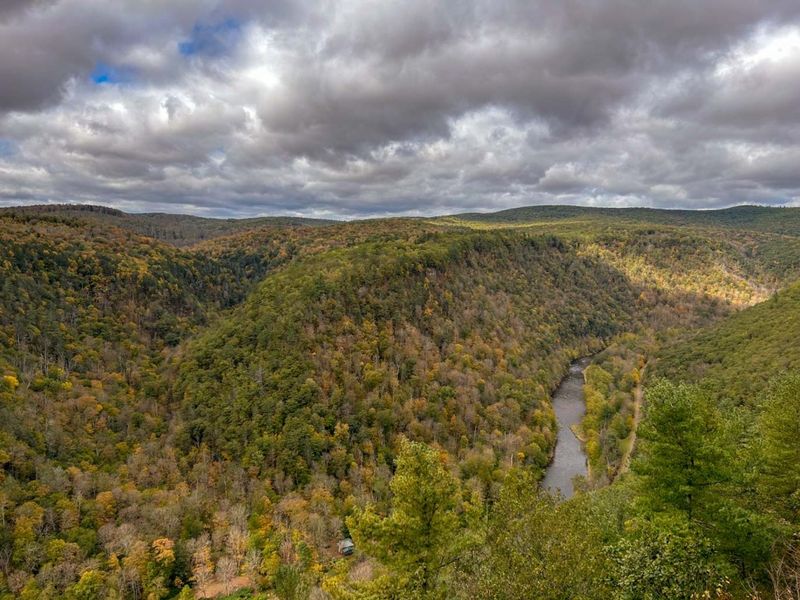
The view across Pine Creek Gorge can make anyone forget to look down.
At Leonard Harrison State Park, that sweeping scenery comes with steep wooded terrain and rocky surroundings that may provide shelter for timber rattlesnakes as autumn temperatures fall.
Located on the gorge’s eastern rim, the park offers a dramatic introduction to Pennsylvania’s canyon country.
Overlooks draw plenty of attention, while trails lead visitors into a different world of roots, stones, and shaded slopes.
Those ground features call for deliberate footing.
Timber rattlesnakes use protected spaces during their seasonal move toward winter shelter.
October activity varies with weather, so a warm day can still bring movement above ground.
Avoid treating a calendar date as proof that all snakes have disappeared for the year.
Before starting a descending trail, check whether it is open and suitable for your group.
Steep routes require energy for the climb back up, and wet leaves can make steps slippery.
Watching your footing helps prevent falls as well as accidental contact with wildlife.
Stay on the marked path rather than scrambling onto nearby ledges for a different photo angle.
Never reach into a rock opening or beneath a log for support.
Children should remain close enough that an adult can guide them before they wander toward brush.
If a snake appears on a narrow section, do not squeeze past it.
Retreat to a wider spot and allow time for the animal to move away.
Turning around is a sensible choice when safe passage is uncertain, especially on a steep trail.
The presence of suitable terrain does not establish a current snake sighting at an overlook or along a particular route.
Ask staff about conditions, respect closures, and skip any attempt to find winter shelters.
Pine Creek Gorge offers enough wonder without disturbing the animals that use its quieter corners throughout autumn.
4. Ohiopyle State Park, Ohiopyle
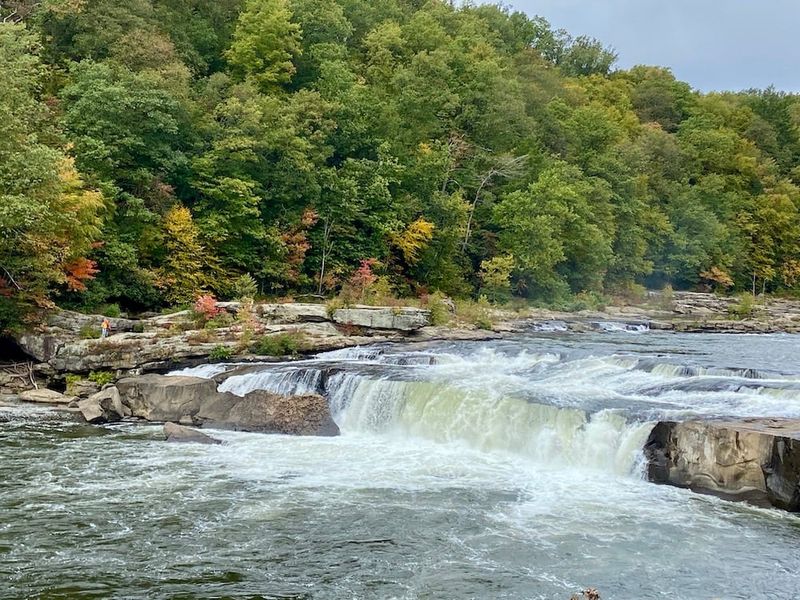
Rushing water is not the only thing worth noticing during an autumn visit.
Ohiopyle State Park’s wooded hills and rocky ground also create possible cover for timber rattlesnakes, especially away from the busiest river viewpoints and developed gathering spots.
The Youghiogheny River gives the park much of its energy, drawing hikers, paddlers, and sightseers.
Yet the surrounding Laurel Highlands landscape includes quieter forest sections where wildlife can remain unnoticed.
A snake tucked beside a rock may be difficult to separate from fallen leaves.
On a mild October day, sunny openings can offer warmth while nearby woods stay cool.
That contrast helps explain why a reptile might still be outside even when the season feels chilly.
Weather matters more than the date printed on your trip calendar.
Keep eyes on the trail when moving between river scenery and wooded paths.
Stop walking before taking pictures, especially where stones, roots, or wet leaves interrupt your footing.
Good shoes help with traction, but they do not replace checking where each step lands.
Rocky river edges deserve caution for several reasons, including slippery surfaces and moving water.
Do not climb into brush or reach beneath stones to investigate an animal.
If you spot a snake near the route, give it space instead of trying to send it elsewhere.
Traveling with a dog adds another layer of responsibility.
Maintain leash control and prevent nose-first exploring around logs or crevices.
A curious pet can approach wildlife faster than its owner can react, so close supervision is more useful than calling from several yards away.
Check park notices for trail closures and ask staff about any recent concerns.
No list can predict the location of a wild snake on a particular afternoon.
Enjoy the waterfalls and fall colors with awareness, leaving hidden woodland residents undisturbed rather than turning their shelter into a destination.
5. Ricketts Glen State Park, Benton
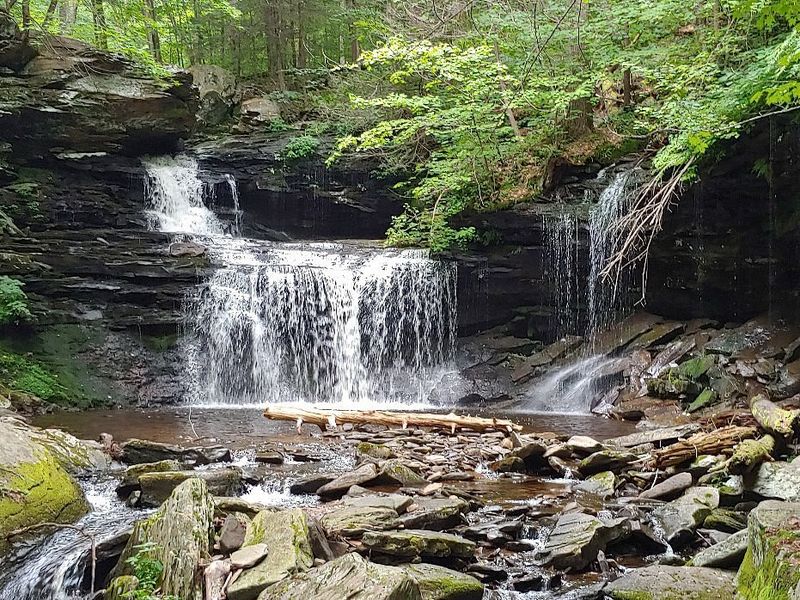
A waterfall walk comes with a simple challenge: the scenery keeps pulling your eyes away from your feet.
Ricketts Glen State Park rewards that attention with beautiful cascades, but its rocky woods also warrant awareness of possible timber rattlesnake habitat.
Waterfalls, forested slopes, and stone ledges shape much of the park’s appeal.
Snakes would be more likely to use suitable sheltered or sunlit ground than remain in cold rushing water.
Do not assume every wet rock is snake habitat or every woodland opening holds one.
October brings fallen leaves that can cover trail edges and small gaps between stones.
Combined with moisture, those leaves can make footing tricky even without wildlife nearby.
Pause before stepping over an obstacle, and keep hands away from places you cannot clearly inspect.
Choose your hike according to current conditions and your group’s ability.
The Falls Trail can involve steep, uneven walking, so check official notices before setting out.
A shorter outing may be the better choice if daylight, weather, or anyone’s energy is running low.
Warm sunshine can still support snake activity during parts of October.
Cooler stretches may reduce movement, but they do not provide a reliable guarantee that a path is snake-free.
Treat awareness as a normal outdoor skill, much like watching for slippery roots.
If an animal is resting beside the trail, stop at a generous distance.
Avoid throwing stones, tapping hiking poles near it, or trying to make it rattle for a video.
Quietly backing away gives both your group and the snake room to avoid trouble.
Keep children close when stopping for waterfall photographs, and leash dogs wherever pets are permitted.
Follow posted rules rather than assuming every trail allows the same activities.
The goal is an enjoyable day among Pennsylvania’s waterfalls, with careful steps and no pressure to turn a possible wildlife encounter into an attraction.
6. Swatara State Park, Pine Grove
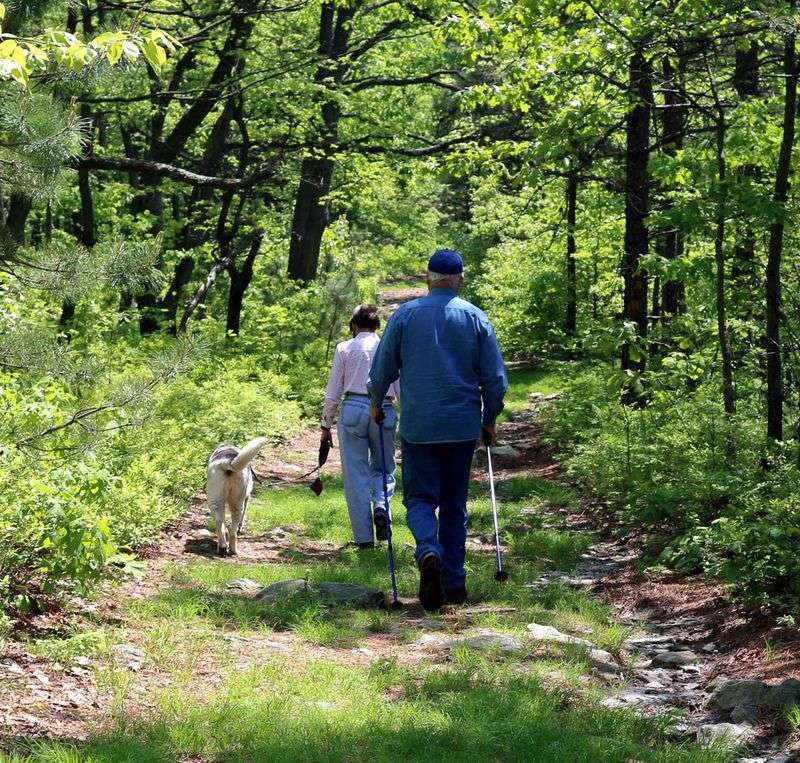
Not every possible snake hiding place looks like a dramatic mountain ledge.
A wooded embankment, a jumble of stones, or a fallen tree can provide cover, making Swatara State Park a place to practice ordinary trail awareness during October visits.
The park follows Swatara Creek through a landscape shaped by both nature and past human activity.
Its trails attract walkers and cyclists who may focus on distance, speed, or creek views.
Slowing down near rough edges gives you time to notice what lies ahead.
Timber rattlesnakes favor suitable forested terrain and sheltered spaces, not busy paths as a rule.
Rocky surroundings could offer cover, but habitat alone does not confirm their presence at a particular location.
Avoid assuming that every stone pile contains a snake waiting to emerge.
For cyclists, the practical advice is straightforward: watch the trail and leave room to stop.
If you see a snake, brake at a safe distance instead of riding toward it.
Do not attempt to push it aside with a wheel, stick, or shoe.
Walkers should resist shortcuts through tall plants or leaf-filled depressions.
Stay on established routes, especially when the ground beside them is hard to see.
When taking a break, inspect the area before sitting on a log or placing a backpack beside rocks.
October conditions can vary from a cold morning to a pleasantly warm afternoon.
Snakes may respond to those changes by staying sheltered or using sunny spots.
A quiet animal can still defend itself if touched, so sluggish movement is never permission to approach.
Contact park staff for current access information and report a concerning encounter from a safe location.
Leave exact shelter locations out of public posts that might attract disturbance.
Creek scenery, autumn air, and an unhurried ride offer plenty to enjoy without making wildlife the target of your afternoon adventure outdoors.
7. Hickory Run State Park, White Haven
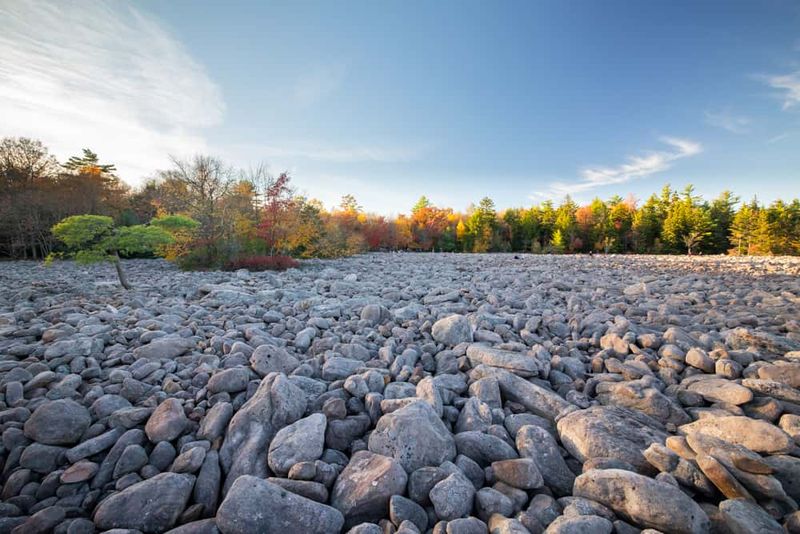
Thousands of rocks make an unforgettable sight, and they also make careful footing essential.
Hickory Run State Park is known for Boulder Field, while its wider wooded landscape includes rocky shelter that could suit timber rattlesnakes during parts of October.
That does not mean Boulder Field itself should be treated as a promised snake viewing area.
Wildlife does not appear on demand, and open rock surfaces differ from sheltered forest edges.
The useful lesson is to avoid placing hands or feet into unseen gaps.
Visitors sometimes concentrate so hard on balancing that they grab the nearest stone without looking.
Take your time, choose stable surfaces, and keep fingers away from deep openings.
If a crossing feels uncomfortable, enjoying the view from the edge is a reasonable alternative.
Elsewhere in the park, wooded trails offer leaves, roots, and fallen timber that can hide small animals.
A warm autumn afternoon may allow a rattlesnake to remain active, while colder weather can keep it sheltered.
Neither condition makes close investigation of cover a good idea.
Plan a route that suits the youngest or least steady person in your group.
Children may see rock gaps as places to explore, so explain the rules before arriving.
Staying together makes it easier to respond calmly if someone notices a snake nearby.
Do not rely on hearing a rattle before you need to stop.
Some snakes remain quiet, and wind or conversation can cover softer sounds.
Looking ahead and keeping distance are better safeguards than waiting for an animal to announce its presence.
Ask staff about current trail conditions, and respect any posted restrictions.
If you encounter a snake, move away without surrounding it or blocking its retreat.
The park’s unusual rocks and autumn woods are worth visiting on their own, with no need to search beneath stones for something hidden there during your trip.
8. Worlds End State Park, Forksville
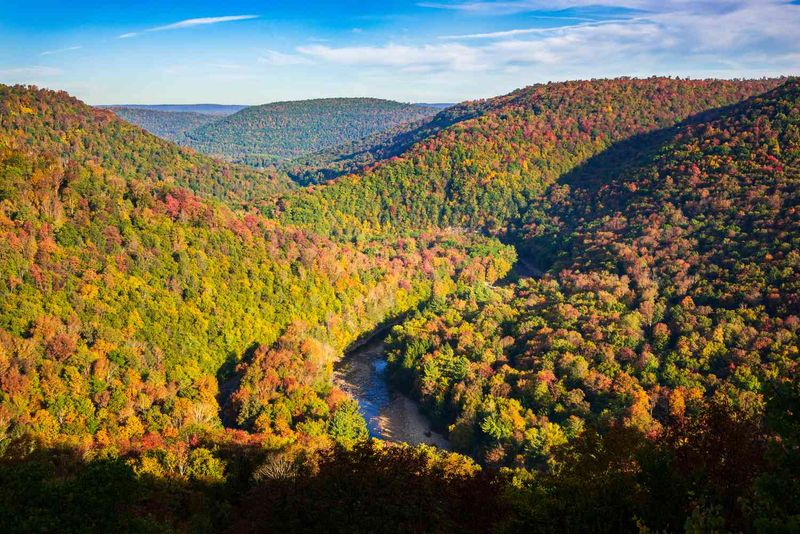
Big scenery can come in a rugged package.
Worlds End State Park sits in a striking section of the Loyalsock Creek valley, where steep forested slopes and rocky ground create potential timber rattlesnake habitat beyond the places most visitors gather.
The park’s name suits its dramatic setting, but an outing here should feel adventurous rather than alarming.
Rattlesnakes generally avoid contact with people, and seeing one is not a routine part of every hike.
Thoughtful habits help keep any unexpected meeting uneventful.
October hikers should prepare for cool shade, warm sunny openings, and uneven footing.
Snakes may use available warmth before colder conditions limit their activity.
An exposed rock beside wooded cover can therefore deserve a quick visual check before you settle down nearby.
On narrow trails, walk with enough space to see where your next step will land.
Avoid brushing through low plants to pass another group.
If the route becomes crowded at a scenic spot, wait rather than stepping blindly into leaves or rocky pockets.
Rest breaks work best on clear ground where hands, feet, and bags remain visible.
Do not reach beneath a log to retrieve a dropped item without first inspecting the area.
A hiking pole can help with balance, but it should never become a tool for disturbing wildlife.
Keep dogs under close leash control, particularly along slopes and creekside paths.
Curiosity can pull a pet toward an animal hidden near the trail edge.
If you spot a snake, shorten the leash without approaching and calmly guide your dog away.
Check with park staff about weather, closures, and route difficulty before starting.
No general habitat description can tell you where a snake will be that day.
Let the valley’s colors, flowing creek, and rugged views supply the excitement while its quieter residents keep their space throughout your October visit to Pennsylvania.
9. Trough Creek State Park, James Creek
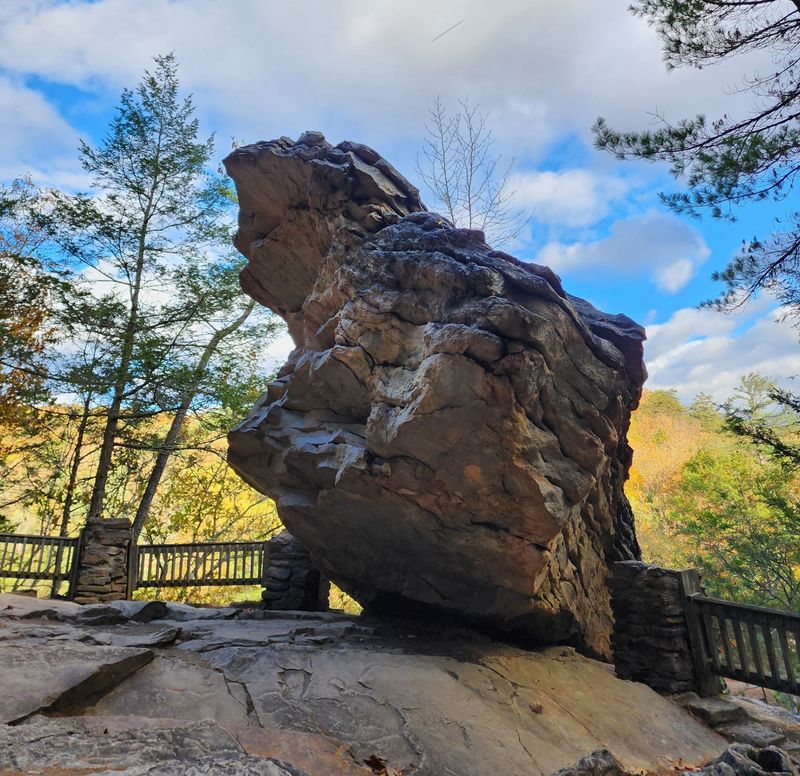
A narrow gorge turns an ordinary walk into a lesson in looking closely.
Trough Creek State Park features rugged rock formations and wooded slopes, offering the kinds of sheltered spaces where a timber rattlesnake could remain unnoticed during October.
Scenic features such as Balanced Rock draw visitors toward the park’s unusual geology.
Enjoy those landmarks from designated routes rather than exploring beneath ledges or squeezing into cracks.
Rock shelters belong to wildlife, and their contents are not always visible from outside.
Autumn leaves add color while covering roots, loose stones, and small animals.
Before stepping off a clear surface, check the landing spot instead of assuming the leaf layer is empty.
Keeping your hands visible matters just as much when climbing uneven trail sections.
The season’s cooling trend encourages rattlesnakes to seek winter shelter, but timing depends on weather and location.
Some may still move or bask during warm periods.
This possibility supports cautious hiking, not a claim that snakes gather beside every popular park feature.
Bring enough water and leave time for a comfortable return before dusk.
Rushing over rough ground can turn a manageable route into a series of careless steps.
If someone in your group feels tired or unsteady, shorten the trip rather than pressing onward.
A snake sighting should stop the group, not start a chase for photographs.
Back away, keep children behind you, and allow the animal room to leave.
Never attempt to pick it up, even with a branch, or move it for another visitor.
For any suspected venomous bite, call 911 and follow emergency instructions while limiting unnecessary movement.
Do not cut the wound, suck out venom, apply ice, or use a tourniquet.
Prevention remains simpler: check park guidance, respect rocky cover, and enjoy the gorge without investigating the hidden spaces that help its wildlife survive the colder months ahead.
10. Colton Point State Park, Wellsboro
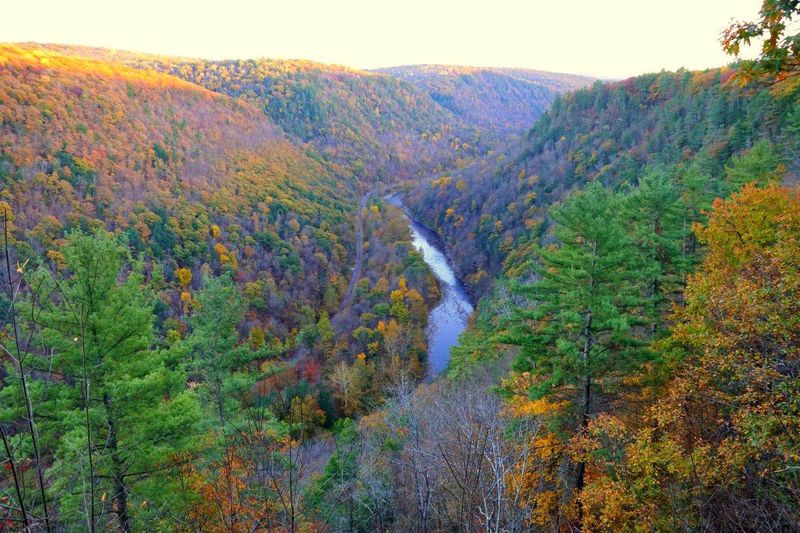
Across the gorge from busier viewpoints, a quieter forest can make every rustle seem louder.
Colton Point State Park overlooks Pine Creek Gorge from the western rim, with rugged surroundings that may offer timber rattlesnakes shelter as October brings colder nights.
The park’s appeal lies in broad views and a more rustic outdoor setting.
Rocky slopes and wooded ground extend beyond the places where visitors stop for photographs.
Suitable habitat is part of that landscape, but it does not establish a current sighting along any specific trail.
Pay particular attention when leaves collect against rocks or conceal the edge of a path.
A resting snake can blend with those colors, and an empty-looking gap may simply be hard to see.
Keep both feet and hands on surfaces you have checked.
Before taking a trail into the gorge, review its difficulty and current status.
Descending can feel easier than the climb back, especially when the afternoon is getting short.
Give yourself enough energy and daylight to return without hurrying through rocky sections.
Warm October weather may allow reptiles to remain active near shelter, while cold stretches can reduce surface movement.
Avoid searching for dens or sharing suspected shelter locations online.
Repeated visits and disturbance can harm wildlife, even when the people involved only want a photograph.
If a snake is in your path, pause well away and choose patience over a close pass.
Retreat if the trail offers no safe room, and alert approaching hikers calmly.
There is no need to identify the animal at close range before giving it space.
Ask park staff about trail concerns and follow posted guidance throughout your visit.
Keep pets leashed and children within easy reach on uneven routes.
An October day above Pine Creek Gorge is memorable enough with changing leaves, crisp air, and the satisfaction of leaving Pennsylvania’s wild residents exactly where they belong.