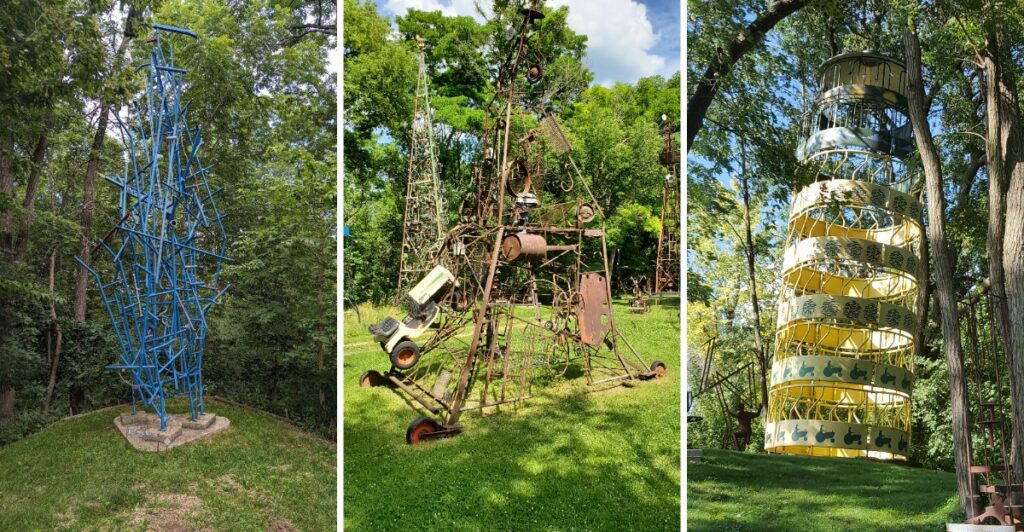
Giant metal creatures, towering sculptures, and wonderfully strange creations are waiting just beyond Galena’s charming downtown streets. At West Street Sculpture Park, discarded steel and other scrap materials have been transformed into an outdoor art collection that feels equal parts whimsical and unexpected.
Spread across roughly two acres of grassy hillside, the park invites visitors to wander among imaginative figures, unusual shapes, and clever details that might take a second look to appreciate. Best of all, exploring this quirky Illinois attraction does not cost a thing. Bring your curiosity and take your time, because Galena’s hidden steel wonderland has a few surprises tucked between the sculptures.
Rusty Giants on a Galena Hillside
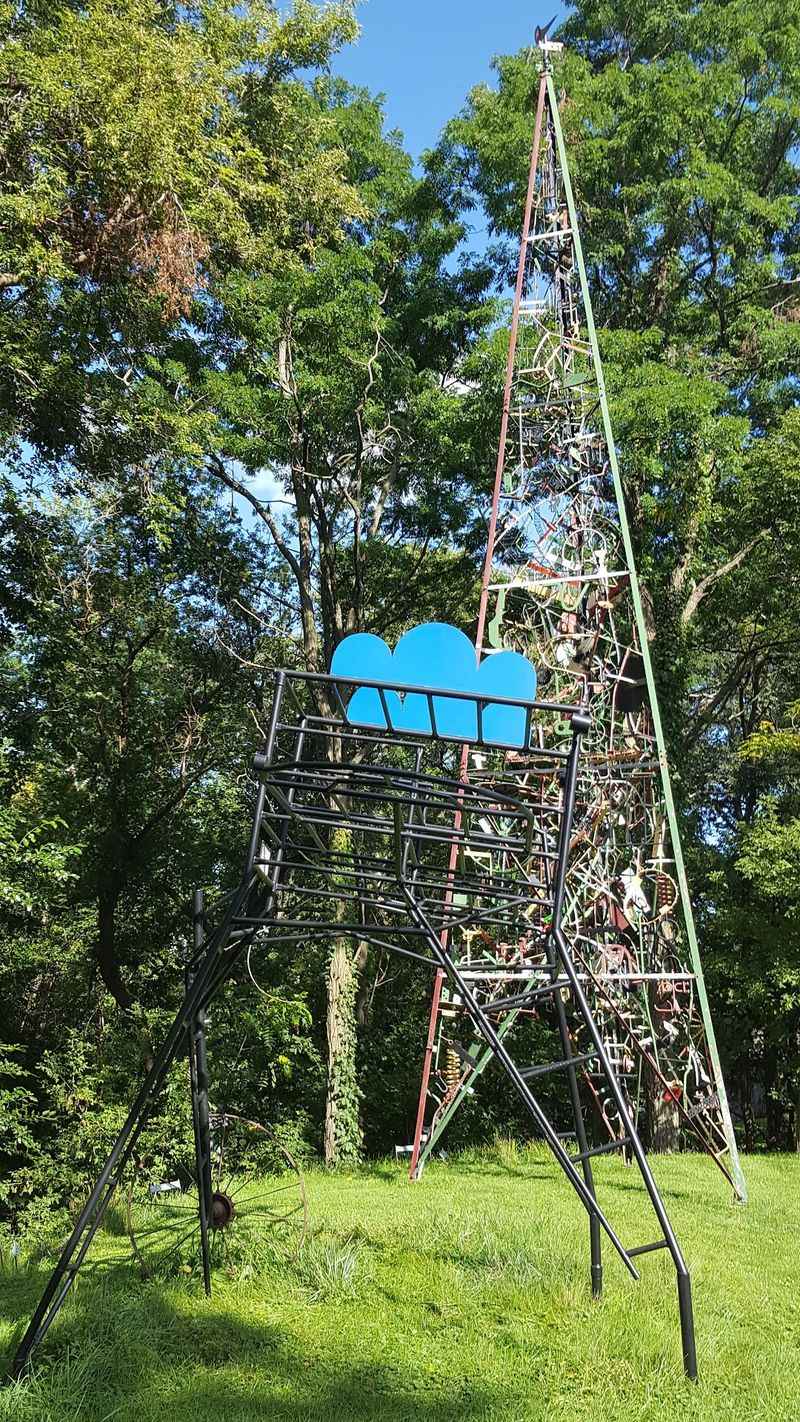
Turn onto South West Street and the houses start looking normal. Then a tall steel figure rises out of the grass, and suddenly the neighborhood has a very different personality.
The park sits on roughly two acres of natural, lightly wooded land, and the sculptures are scattered across it instead of lined up in neat rows. Some are small enough to miss if you rush. Others tower over you, casting long, spiky shadows across the lawn.
That mix of sizes changes how you move. You do not just stand at one spot and look around. Your eyes keep jumping from a low, crouching shape near the path to something tall poking out between the branches, and you start walking toward whichever one grabbed you first.
Color plays a big role too. Fresh steel shines silver and gray, while older pieces have turned deep orange and brown from years of rain and snow.
Against green summer leaves, the rusty tones almost glow. In fall, they blend right into the changing trees, which makes spotting them a little like a game.
The ground is not flat. Gentle slopes and bumps roll through the property, so a sculpture that looked small from the street might feel huge once you climb up beside it. Views shift with every few steps, and pieces line up with each other in surprising ways.
It also helps that the park does not try to look fancy. There are no glass cases, velvet ropes, or polished floors. Grass, trees, sky, and steel do all the work, and that simple setup lets the art feel wild and a bit untamed.
Bring a camera, but expect your photos to fall short. Scale is the tricky part here, because a picture flattens what your body feels standing next to these metal giants.
Junk Turned Treasure: The Scrap Metal Magic
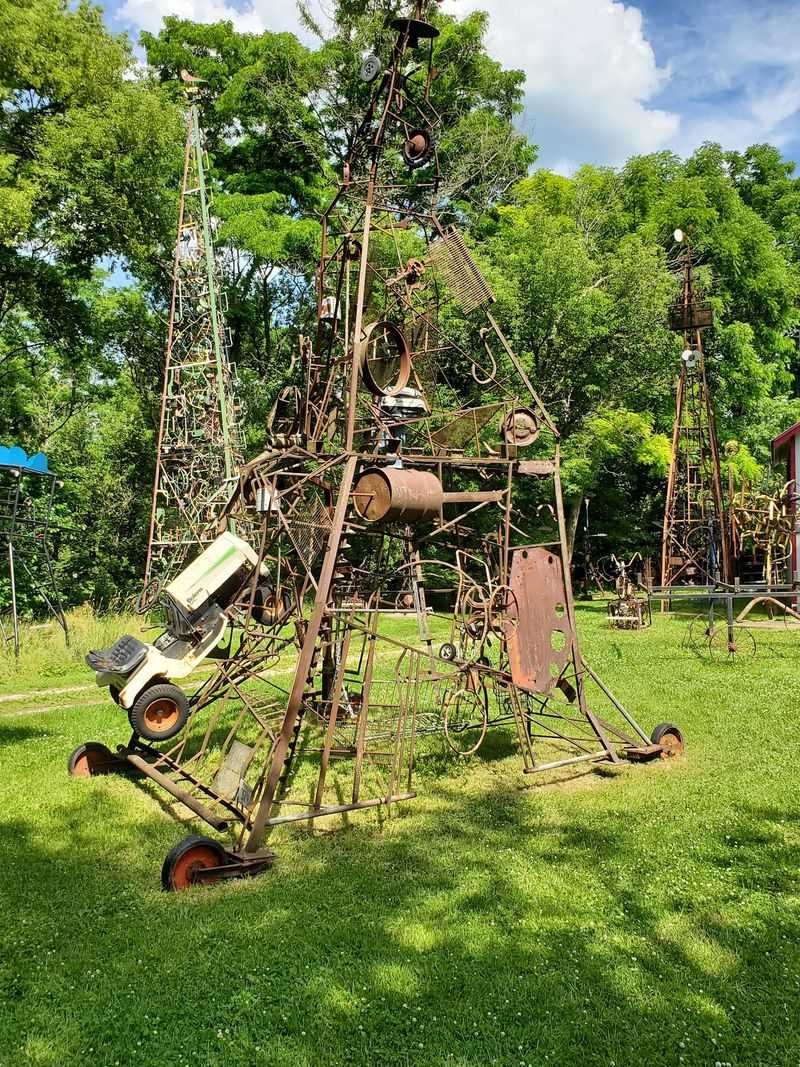
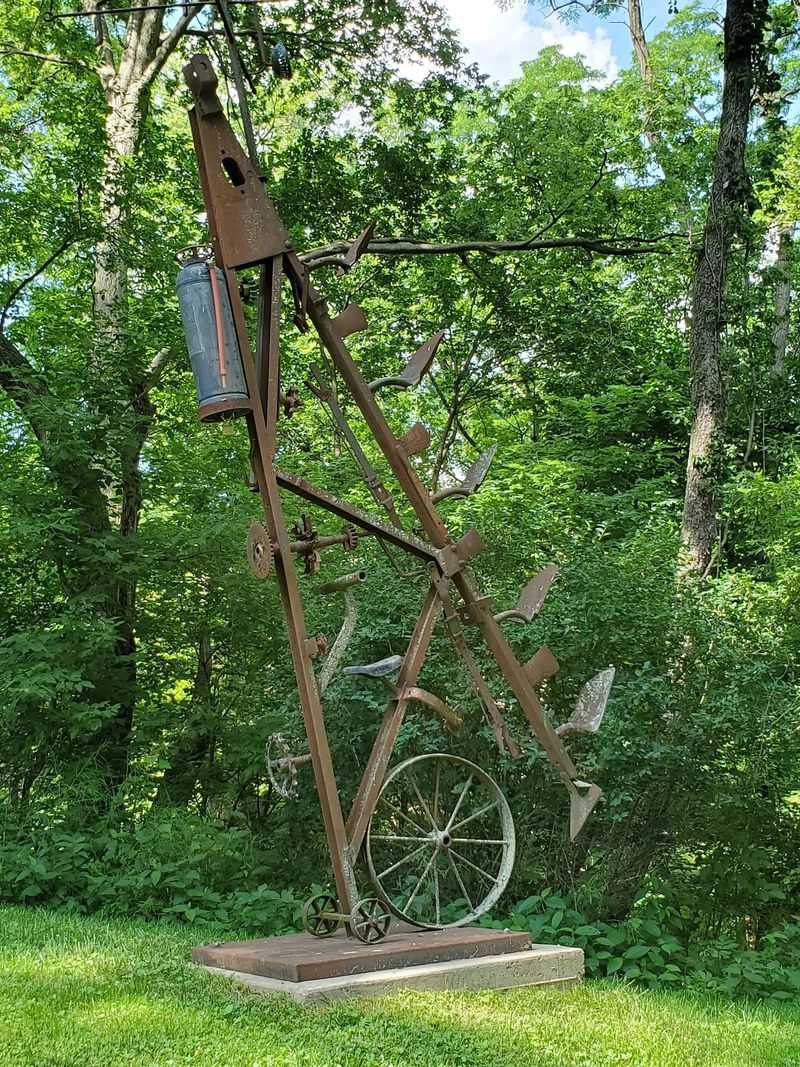
Look closely at almost any piece and you will start finding things you recognize. A gear here, a pipe there, maybe a chunk of an old machine that once did hard work on a farm or in a shop.
Repurposed materials are the heart of this park. Instead of buying shiny new metal, the artist gave second lives to odds and ends that might have ended up in a junkyard. Welded together, those leftovers become animals, figures, towers, and shapes that are hard to name but fun to stare at.
Part of the fun is playing detective. Stand in front of a sculpture and try to guess what each piece used to be. Was that curve once a tractor seat? Is that spiral a spring from something heavy? Kids especially get into this, and it turns a simple walk into a hunt.
The style is often called folk art or outsider art. That means it comes from a personal vision rather than from fancy art school rules. Lines can be rough, joints can be bold, and nothing tries to hide how it was built.
For some people, that rawness is the best part. You can see the welds. You can picture the sparks flying in a workshop while someone figured out how to make a pile of parts stand up on its own.
There is also a quiet lesson about waste. Every sculpture is proof that old stuff does not have to be useless. A broken tool or a bent beam can become something people drive miles to see.
If you have a young artist at home, this might spark ideas. After a visit, a box of cardboard tubes, bottle caps, and old toys could suddenly look like building material instead of trash.
Puns, Wordplay, and a Climb Called KLYMME
Read the signs. Seriously, do not skip them, because the titles are half the show. Many sculptures come with names that twist words and bend meanings.
A shape that seems serious at first can turn silly the moment you see what it is called. That sense of humor pulls even reluctant visitors in, and partners who were dragged along often end up insisting on reading every single label.
Then there is KLYMME. Yes, the spelling is part of the joke. This piece is built to be climbed, with a crooked ladder leading up to iron bars that sit more than ten feet off the ground. Adventurous grown-ups can monkey around on it, crawling across the frame and looking down at the trees.
Climbing is at your own risk, and that warning deserves respect. The ladder is uneven and the bars are hard steel. It is a poor choice for small kids, and anyone who gets nervous about heights should enjoy it from the ground.
Another piece worth hunting for is Stairway To Heaven. It is easy to walk right past, because your attention tends to stay at eye level. Look up, look sideways, and scan the treetops, since some sculptures are placed where you least expect them.
Those surprise spots reward slow walkers. A quick loop shows you the big pieces, but a second pass often reveals small details, extra parts, and hidden jokes tucked into corners.
New works have appeared over the years too, so returning visitors can find pieces they missed before. Families who have come since childhood still spot fresh surprises, which makes repeat trips more interesting than you might guess for a park this size.
Meet the Man Behind the Welding Torch
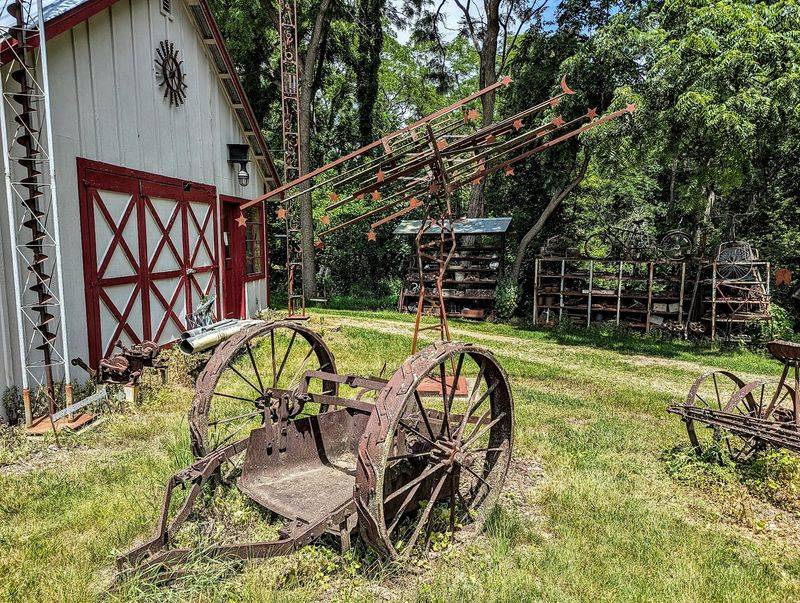
One person made all of this. Every tower, creature, and pun-filled sign in the park comes from the hands and imagination of sculptor John Martinson.
The park sits on his own property, which gives it a homemade, personal feel you will not find in a big city museum. He has been working on his craft for more than 40 years, shaping metal and refining his ideas over decades. Walking the grounds means walking through a lifetime of creative work.
Here is the fun twist. The artist is sometimes right there. He might be out mowing the grass paths, tinkering with something, or simply strolling over to say hello.
Plenty of visitors have ended up chatting with him about how a piece was built or where a strange title came from. Those conversations add a lot. Hearing the story behind a sculpture changes how you see it. A pile of steel suddenly has a reason, a joke, or a memory attached to it.
He is known for a quick wit, so expect humor if you get the chance to talk. These days he still makes sculptures, though on a smaller scale than some of the huge pieces already standing in the field.
Do not count on meeting him, though. Some days he is not around, and the park works just fine on its own. Treat any meeting as a lucky bonus rather than part of the plan.
If you do run into him, be polite and remember you are a guest on someone’s land. Ask a question, share what you liked, and thank him for keeping the gates open to the public. Small gestures like that help keep a place like this going.
How to Wander the Grass Paths Like a Pro
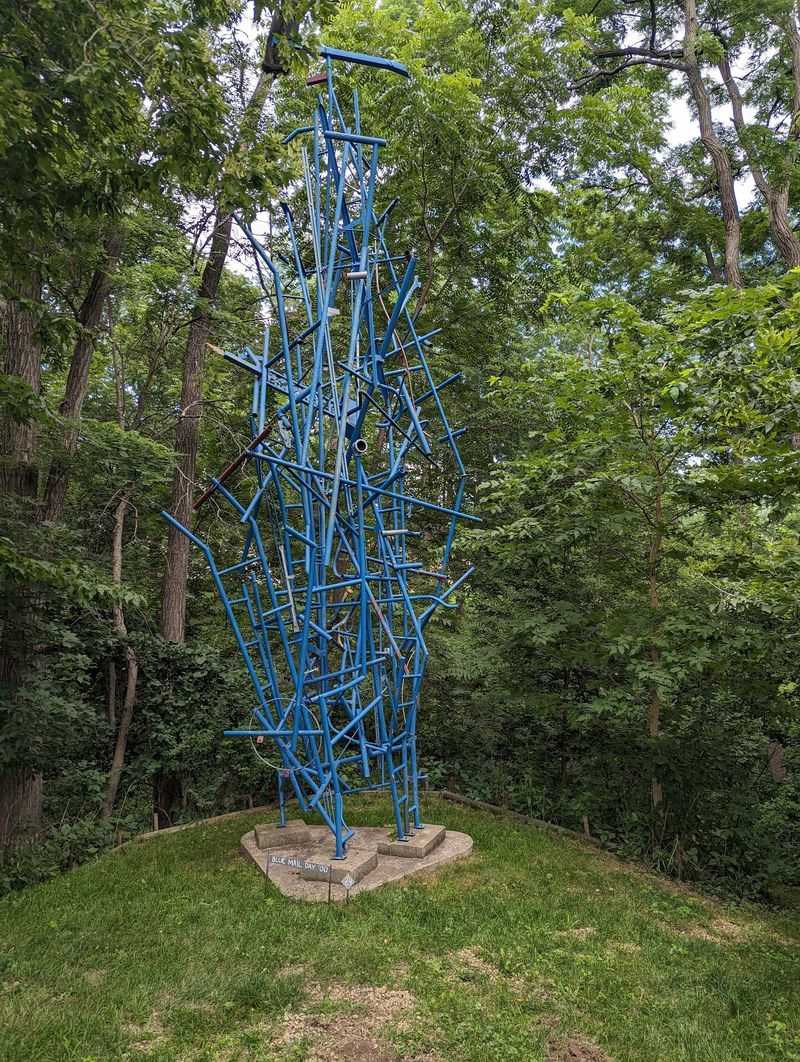
Start slow. The whole park can be seen in about 20 minutes, but rushing through means missing the best tiny details. Most sculptures sit among the trees along mowed grass paths.
You are free to roam in any direction, so there is no single correct route. A good approach is to make a big outer loop first, then cut back through the middle to catch anything you skipped.
Turn it into a scavenger hunt if you have kids along. Before you go, make a simple list like something with wheels, an animal, a face, a gear, and a sculpture taller than a grown-up. Kids race from piece to piece checking items off, and adults end up noticing more too.
Read every title as you go. The names often flip the meaning of a sculpture, and laughing at them together makes the walk feel like a shared inside joke.
Change your viewpoint often. Crouch low near small pieces, step far back from the tall ones, and walk all the way around anything that catches your eye. Some sculptures look completely different from the back.
Photographers should try framing pieces with tree branches or sky. Rusty metal pops against blue, and morning or late afternoon light brings out the texture in the welds.
Keep hands gentle. Aside from KLYMME, which is meant to be climbed at your own risk, it is smart to admire the art without hanging on it. Steel edges can be sharp, and some pieces are old.
Wear real shoes. Flip-flops and slick sandals make the grass and slopes harder to handle, especially after rain when the ground gets soft and slippery in shady spots under the trees.
Planning Your Free Stop in Galena, Illinois
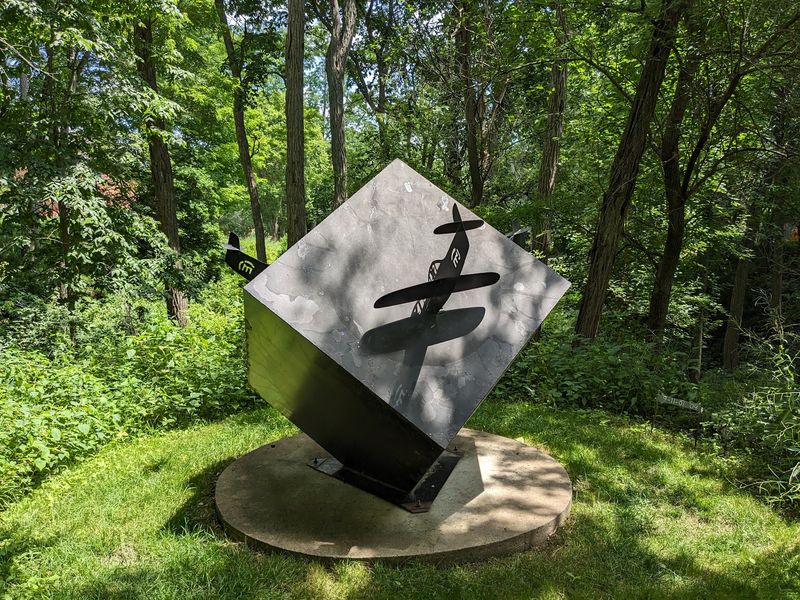
Good news for your wallet: admission costs nothing. West Street Sculpture Park is free to enter, with donations welcomed to help with upkeep.
Hours run from 10 AM to 6 PM every day of the week. That steady schedule makes it easy to fit in before or after shopping and eating downtown. The park sits at 620 South West Street, just a short drive from Galena’s famous main street area.
Plan on about 20 to 45 minutes. A quick visitor can see the highlights in a speedy loop, while curious types who read every sign and study every weld can easily stay longer. It slots nicely into a busy day trip without eating up your whole afternoon.
Since entry is free, consider bringing a few dollars for the donation box. Mowing two acres, repairing metal, and keeping paths open all take work and money. A small gift helps keep this unusual spot open to everyone.
Accessibility needs some honest thought. The ground is rough and hilly in places, and paths are grass rather than pavement. Visitors who use wheelchairs or have trouble walking on uneven ground may not reach every sculpture, though some pieces can be enjoyed closer to the entrance.
Weather matters too. Dry days are best for strolling, since wet grass gets slick on slopes. Summer brings shade from the trees, while fall adds bright leaves behind the rusty steel.
Pack water on hot days and bug spray in warmer months, since the park has a natural, wooded setting. Busy weekends can bring more visitors, so arriving soon after opening often means quieter paths and cleaner photos without strangers in every frame.
The Weird, Wonderful Side Trip Galena Needed
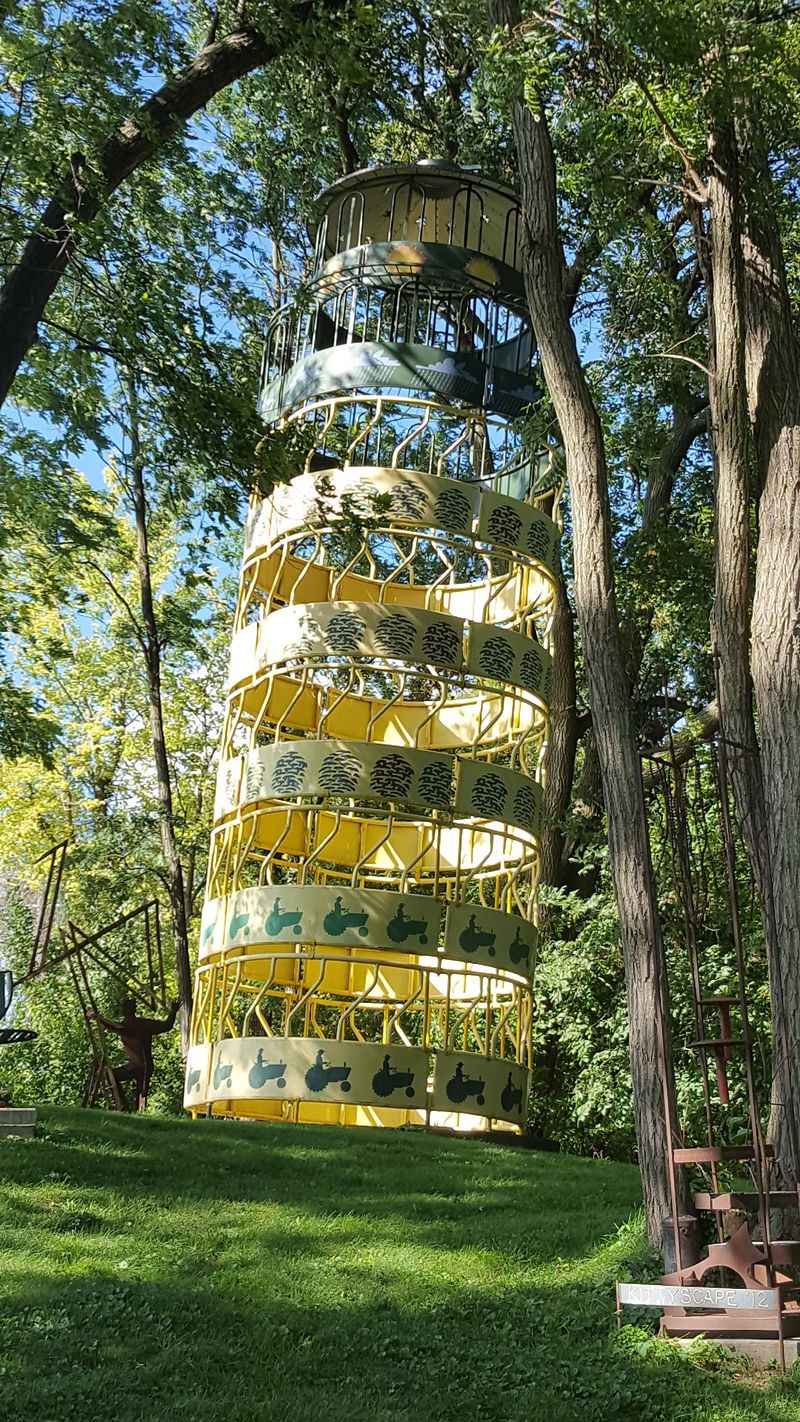
Galena is famous for historic brick buildings, cozy shops, and Civil War history. All of that is great, but after a few hours of browsing, a different kind of stop can refresh the whole trip.
West Street Sculpture Park delivers that change of pace. Instead of antiques behind glass, you get massive metal shapes standing in open air. Instead of quiet rooms, there are birds, breezes, and crunching grass under your shoes.
Not everyone will love the style, and that is fine. Folk art made from scrap is a matter of taste. Some people see clever genius in every weld, while others simply find it odd. Either way, it starts conversations, and you will likely leave debating your favorite piece.
Few places let you see a single artist’s vision spread across a hillside. Many sculpture parks gather works from dozens of creators. Here, everything shares one voice, one sense of humor, and one stubborn love of turning junk into something bold.
Costs are low, timing is flexible, and the visit is short enough to squeeze between lunch and dinner. Those are practical wins, especially for families trying to please kids who are tired of shopping.
Repeat visits pay off as well. Seasons change the colors around the steel, new pieces have popped up over the years, and you might finally meet the artist on your third or fourth stop.
So next time you roll into town, point the car toward South West Street. Park, walk past that first rusty giant, and read the sign beside it. Odds are good you will grin, then wander deeper into the trees to see what joke or creature is waiting next.