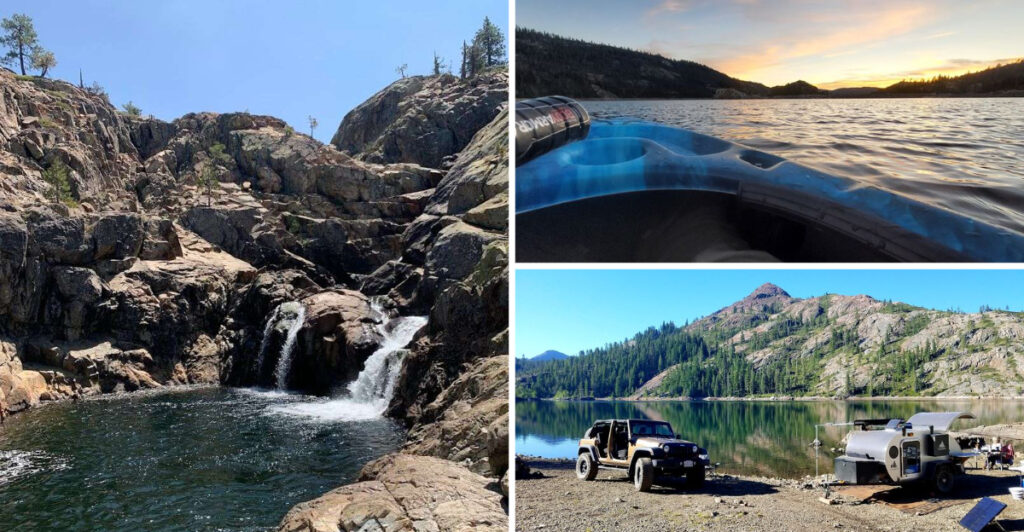
Bowman Lake feels like a hidden postcard tucked deep within Tahoe National Forest, where crowds rarely make the journey down its rugged access road. Those who do are rewarded with granite-lined shores, glassy morning reflections, and a peaceful silence broken only by the gentle drip of a paddle. It’s a destination for travelers who value quiet beauty over convenience.
Getting here is part of the adventure, but preserving its untouched charm is just as important. If you’re planning a visit, there are smart, thoughtful ways to explore while protecting what makes this place so special. Here’s how to experience it without losing its magic.
The Road In: How To Reach The Water
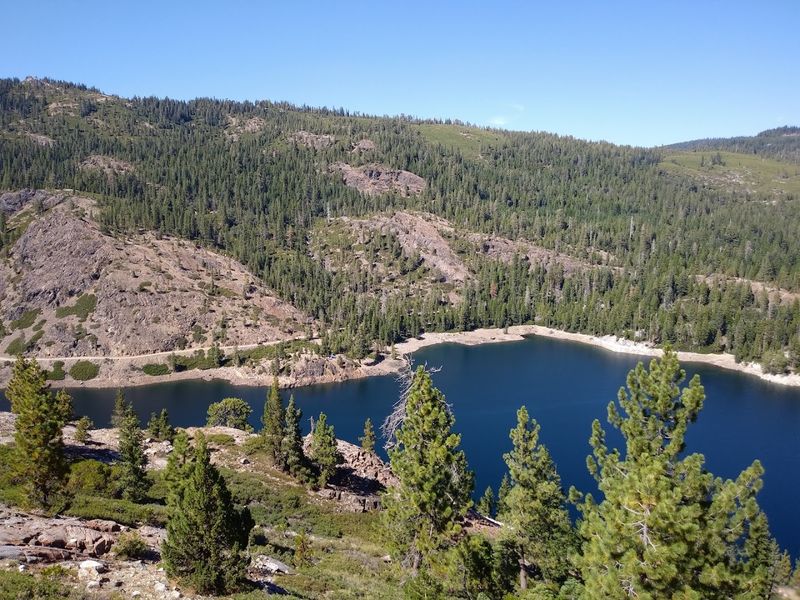
Reaching Bowman Lake is part of the fun, and the road in quickly separates casual sightseers from committed explorers. Expect a long stretch of dirt, studded with potholes and embedded rocks that reward patience, clearance, and unhurried driving. Most visitors prefer a high clearance vehicle, and 4WD helps after storms or snow, but smooth throttle control matters most.
Cell service fades early, so download maps before you leave pavement and tell a friend when you expect to return. A full size spare, a basic tire kit, and plenty of water turn minor setbacks into shrugged moments rather than trip enders. Start early to dodge afternoon convoys, and pull aside for faster rigs, because courtesy keeps the corridor safe for everyone.
As the forest opens, granite ramps and blue water appear suddenly, and the last mile demands slow scouting around ledges. Crews occasionally grade sections, but conditions change with storms, so do not anchor plans to last summer’s easy reports. If the route feels wrong, stop, walk ahead, and choose a cleaner line rather than forcing momentum over obstacles.
Parking is informal along the shore, and turnouts double as campsites, so avoid blocking anyone’s exit path with creative angles. Wind often kicks up after lunch, rattling doors and lifting dust, which makes morning arrivals both prettier and calmer. Weekdays see fewer vehicles, and holiday weekends can turn rowdy, so pick your window to match your vibe.
Bring Leave No Trace habits, because this rough approach is exactly what preserves the quiet shoreline you came to enjoy. Pack out every crumb, keep music low, and let the road remain the unofficial gate that protects Bowman Lake’s character. Make the drive an adventure, not a sprint, and the payoff will feel like your own private alpine reveal truly.
Mirror Calm Mornings and Granite Views
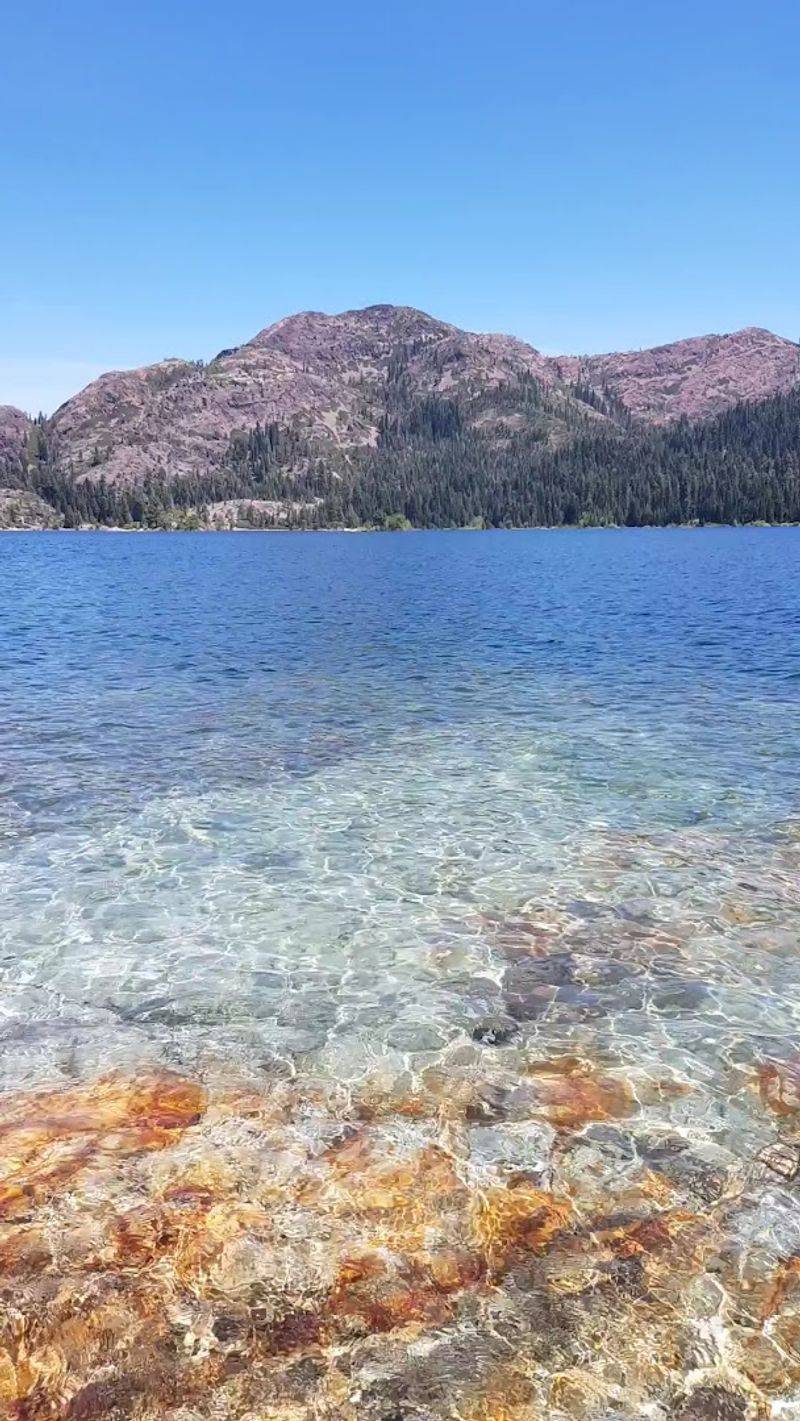
First light at Bowman Lake can feel unreal, with still water that mirrors the pines and granite like polished glass. If you arrive before the breeze stirs, every rock on the bottom shows through water so clear it almost disappears. You will want to whisper, as if sound alone could wrinkle the reflection.
Colors shift fast here, so keep a simple plan and move with the light. Watch the shoreline turn from slate to honey as the sun climbs and touches the domed boulders. On certain mornings the lake throws a perfect duplicate of the sky, a quiet reward for early alarms and warm layers.
Afternoons lean brighter and breezier, putting texture on the surface and pushing tiny ripples against the granite shelves. That breeze feels great on warm days, but it steals reflections, which is why photographers and daydreamers chase dawn. If you love long exposures, bring a small tripod and patience, then let the scene do the heavy lifting.
Sound carries across the basin, so conversations and music reach farther than you expect. Keep voices soft and let the wind and water set the soundtrack for everyone. The hush is part of the charm, a rare luxury that you help preserve with simple restraint.
Nothing here demands big effort to enjoy the view. Sit on a sun warmed slab, dangle your feet, and watch the light crawl around the rim. A thermos, a snack, and an unhurried hour might be the best itinerary you create all trip.
When To Go and What Weather Feels Like
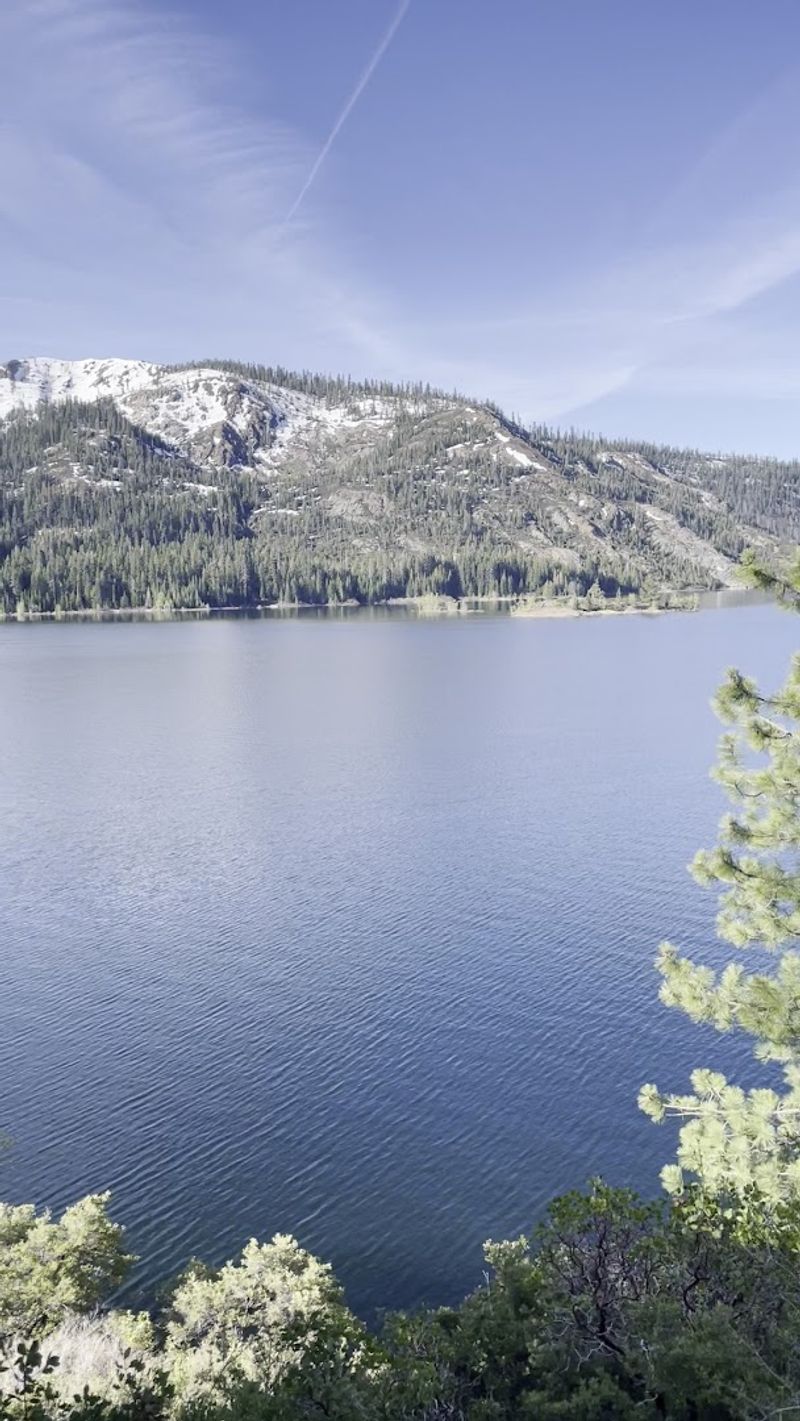
Timing matters at Bowman Lake, and mornings usually win for calm water and fewer people. Spring delivers cool air, clear views, and lingering patches of snow tucked into shadowed gullies. Summer brings long days, warmer swims, and predictable afternoon breezes that stack ripples along the shore.
By early fall, the light turns golden and the crowds thin, making shoulder season a favorite for unhurried trips. Nights can still run chilly, so plan layers even when afternoons feel toasty. Shorter days also mean quicker temperature drops once the sun dips behind the ridgeline.
Wind is the daily wildcard, typically strengthening after lunch and relaxing toward evening. If paddling or chasing mirror reflections, move early before the surface gets ruffled. Hikers often time scrambles for the afternoon, when a breeze cools granite heat underfoot.
Storms change the road in a hurry, so check recent reports and be ready to pivot. The route can hold puddles, loosen rocks, and turn rougher than it looked the prior weekend. Flexibility beats rigid plans, especially when the prize is peace instead of a rigid checklist.
Weekdays feel quieter, while holiday weekends can spike vehicle traffic and campsite competition. If solitude sits high on your wishlist, aim for Tuesday through Thursday and pack a backup campsite idea. Regardless of season, carry extra water, sun protection, and a puffy you might not think you need until the breeze arrives.
Camping Around The Shore Without Losing The Magic
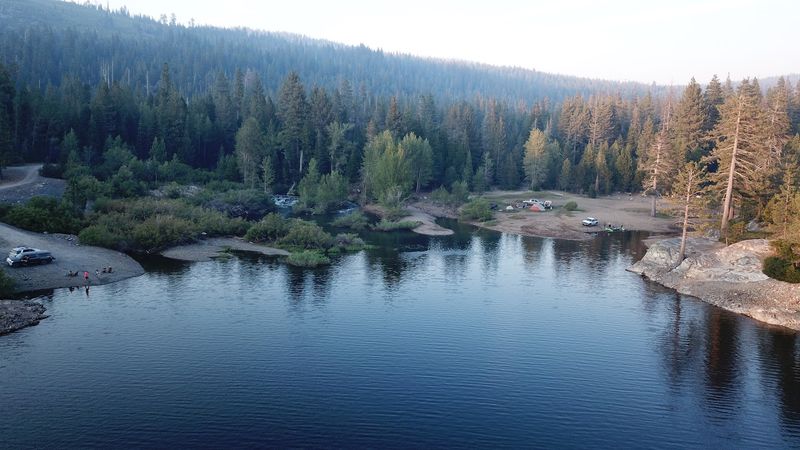
Camping at Bowman Lake feels wild because it is simple, dispersed, and shaped by granite more than amenities. Sites are informal turnouts and clearings, often with rock fire rings and pine shade. You choose space carefully, keeping vehicles off fragile edges and leaving paths open for neighbors.
There are no flush facilities, and services are minimal to nonexistent, so plan for DIY everything. Pack a portable toilet solution, sturdy trash bags, and a method to strain dishwater. If a spot looks loved to death, move on and give it a chance to recover.
Sound discipline makes the difference between rustic charm and chaos. Keep music low, skip generators, and wind down earlier than you might near town. Stars arrive loud here, and you will hear owls if your campsite does not compete.
Fires depend on current regulations, which can shift with conditions, so check before you strike a match. Use existing rings, bring your own wood if allowed, and drown ash until it is cool to the touch. Better yet, cook on a stove, leaving fewer scars on the shore.
Morning etiquette sets the tone. Boil water quietly, share a smile, and let the lake stay the headline rather than camp clutter. Before rolling out, sweep for micro trash, dismantle improvised furniture, and fluff the ground so your campsite reads as if you were never there.
Paddle Days: Kayaks, SUPs, and Quiet Corners
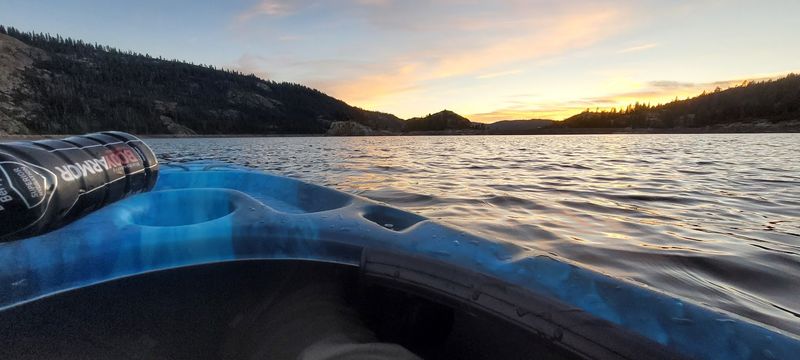
Paddling Bowman Lake is bliss when the surface goes slack and the shoreline glides by like a slow moving panorama. Kayaks and SUPs fit the mood perfectly, silent and nimble along the granite shelves. Launch is easiest from low angled rocks or simple gravel pockets near informal camps.
Start early to beat the wind and boat wakes, then trace the edge for color shifts and fish cruising the drop offs. On calm days you can see your shadow ripple on the bottom as you stroke. Midday breezes add bump, which turns a casual loop into a sneaky workout.
Wear a PFD, even if you are strong and the water looks friendly. Alpine lakes stay brisk, and wind can flip plans faster than pride can react. A leash on your paddleboard keeps your craft from sprinting away during surprise gusts.
Photography fans will love hugging the shoreline to frame pines against beveled granite. Sprint between coves, then pause and let wind push you sideways for candid angles. A small dry bag saves phones and snacks from adventurous splashes.
Group etiquette matters. Keep voice levels down, give anglers a wide berth, and slide past other camps like you are sneaking through a library. If the lake gets busy, explore shorter laps near your launch and wait for the golden calm that often returns before sunset.
Fishing Realities: Tactics, Spots, and Respect
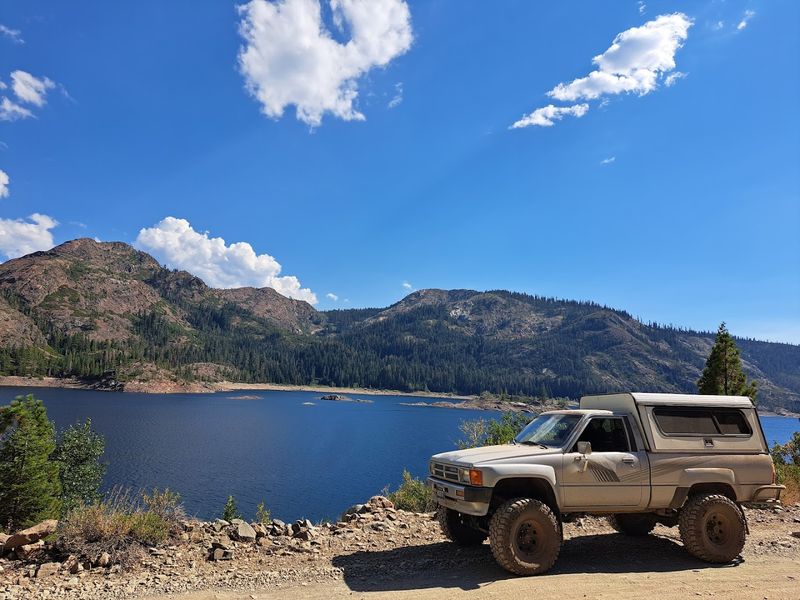
Fishing here rewards patience more than elaborate gear. The water is clear, the banks are rocky, and cautious fish often cruise edges where shadows meet light. Keep your profile low, move quietly, and cast from farther back than instinct suggests.
Simple setups shine when the lake goes still. Small spoons and spinners cover water, while worms or natural baits appeal when the sun climbs. Early and late windows typically beat midday brightness, and a breeze can mask your presence just enough.
From shore, target points, inlets, and the edges of drop offs you can spot through the water. If you are paddling, drift parallel to structure and cast toward granite shelves that fall quickly into depth. Keep treble hooks pinched or use singles if you value easy releases and fewer snags.
Local etiquette is straightforward. Give wide space to other anglers and avoid crossing lines with long casts. If someone reached a point first, circle to the next seam instead of edging closer with competitive steps.
Pack out all line and bait containers, because even small scraps linger on rock and root. Crimp barbs when practical, wet hands before handling fish, and release quickly if you are not keeping anything. The lake feels wild because visitors act like stewards, and every respectful habit helps keep it that way.
Trails, Scrambles, and Short Explorations
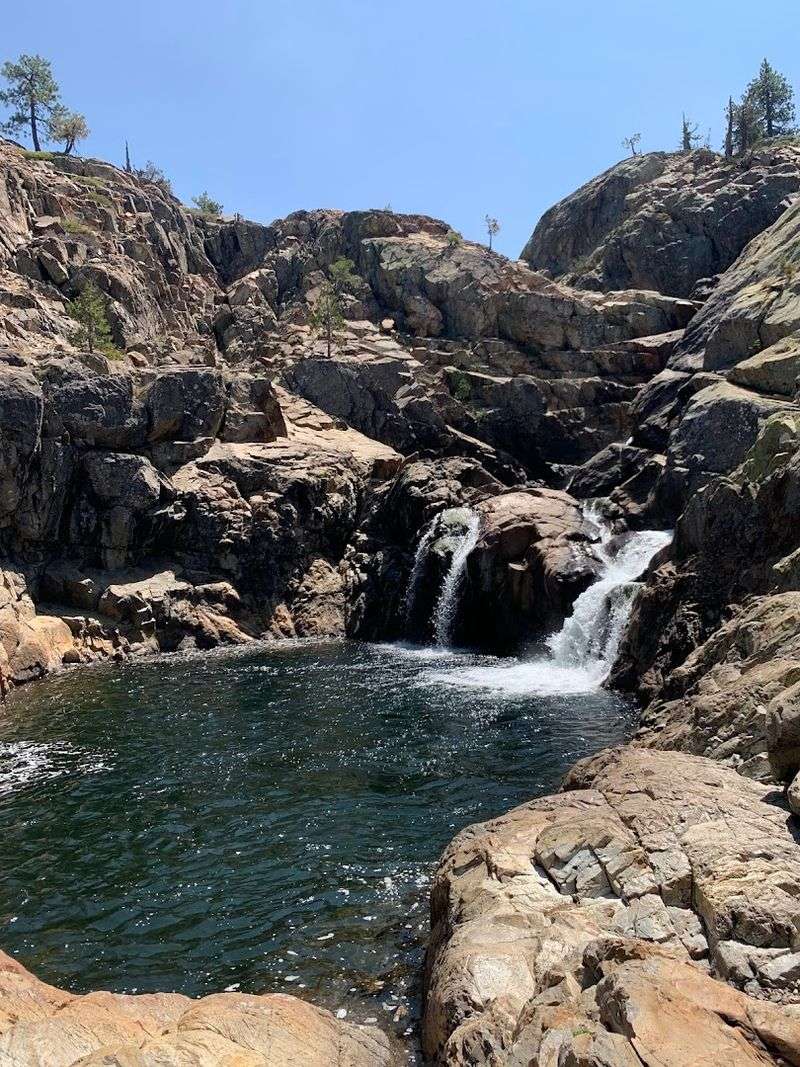
Hiking at Bowman Lake is more about improvising short explorations than chasing a single headline trail. Granite slabs, pine duff, and faint use paths link coves and overlooks like choose your own adventure pages. You can spend hours stitching small segments into a full day without ever getting far from the water.
Start by skirting the shoreline, stepping across grippy rock that tilts gently into the lake. Detours climb to low knolls where the whole basin spreads out in layered blues and greens. Careful footwork beats speed, especially where sand collects on smooth stone.
Footwear makes a difference. Trail runners or light hikers grip granite better than sandals, and a small daypack keeps hands free for balance. A trekking pole is optional, but it turns cautious steps into confident hops.
Heat reflects off stone in summer, so carry extra water and throw shade breaks into the plan. Wind often feels stronger on exposed ledges than at your campsite, so add a shell even on bright days. If thunder appears, retreat to lower ground and let the show pass.
Navigation stays simple when you hug the lake and keep landmarks visible. Download an offline map, mark your parking spot, and take photos at junctions that look similar. Above all, step lightly, avoid shortcutting slopes, and leave the rock gardens exactly as you found them.
Safety, Gear, and Low Impact Essentials
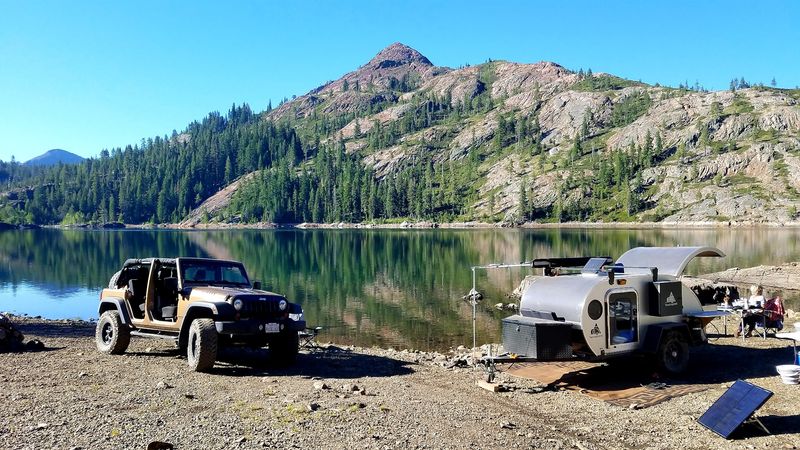
Smart gear turns a beautiful day at Bowman Lake into a comfortable one. Begin with layers for quick swings between sunny warmth and shady chill. Add sun protection, a brimmed hat, and more water than you think you need.
A lightweight first aid kit, headlamp, and extra batteries cover the surprises that always seem minor until they are not. Bring a real spare tire, tools you understand, and a compact inflator for the corrugated road. A paper map or downloaded offline app keeps you oriented when bars vanish.
For the water, pack PFDs, a small repair kit, and dry bags for phones and keys. On shore, camp chairs with small feet protect soil better than narrow legs that sink and scar. Cooking on a stove beats fire scars and helps during windy spells that challenge matches.
Low impact habits are the real superpower here. Pack out every scrap, from tea tags to twist ties, and scatter strained gray water far from the lake. Keep soaps away from shore, and brush teeth with a view but not a shoreline drain.
Finally, read the room when you arrive. If it is busy, turn the volume down and tighten your footprint to share the space gracefully. If it is quiet, keep it that way by moving gently, closing doors softly, and letting the lake be the loudest thing you hear.
Share this story