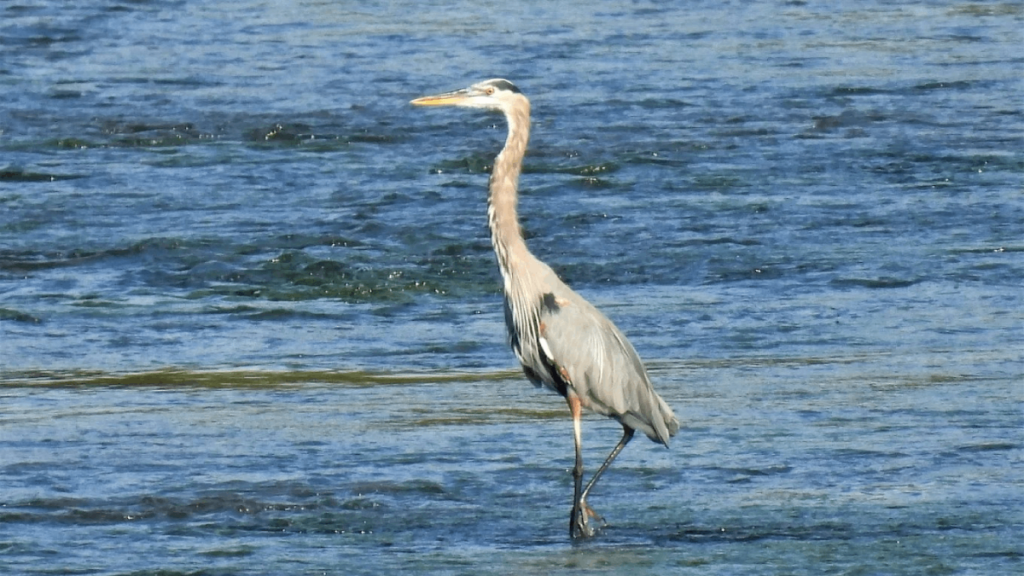
Every spring, Tennessee turns into something like a busy aerial crossroads, with millions of migratory birds moving through the state on their way north. It’s one of those seasonal shifts that can make the outdoors feel suddenly more alive, as tiny warblers, graceful cranes, and all kinds of other birds stop along the way to rest and feed before continuing their journey.
Many of them also arrive in their brightest breeding plumage, which makes the whole migration feel even more special to witness. Whether you’re a dedicated birder keeping track of your life list or simply someone who enjoys seeing nature wake back up after winter, Tennessee has some truly incredible places to experience this yearly event—especially in April and May, when spring migration is at its most exciting.
1. Tennessee National Wildlife Refuge
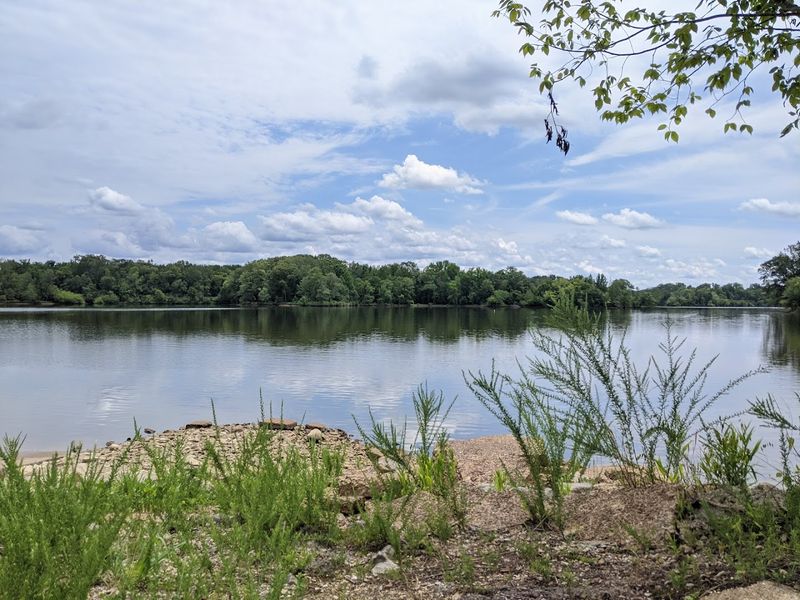
Sprawling across more than 51,000 acres in West Tennessee, this refuge was literally built for the birds. Created specifically to give migratory species a safe place to feed, rest, and nest, it ranks among the state’s absolute best destinations for spring birding. The sheer size means you’ll find every kind of habitat birds could want—open water, mudflats, bottomland hardwoods, and fields.
April through May is when the action really picks up. Waterfowl that wintered here start heading north, while shorebirds, warblers, and songbirds arrive in waves. You might spot herons stalking the shallows one minute and catch a flash of brilliant yellow as a prothonotary warbler darts through cypress trees the next.
The refuge is split into multiple units, so you’ve got options. Big Sandy Unit offers great driving routes and observation platforms. Duck River Unit provides excellent hiking trails where you can get closer to woodland species.
Bring binoculars and patience—this isn’t a quick stop. The diversity here means you could easily spend a full day exploring different sections and still not see everything. Early morning visits typically yield the most activity, when birds are actively feeding and calling.
One bonus? The refuge maintains several wildlife observation areas specifically designed for birders, complete with parking and signage. You’re not bushwhacking or guessing where to look.
Rangers and volunteers often share recent sightings, so stop by the visitor center if it’s open. This place takes migratory bird conservation seriously, and it shows in the numbers you’ll see during peak spring migration.
2. Reelfoot Lake
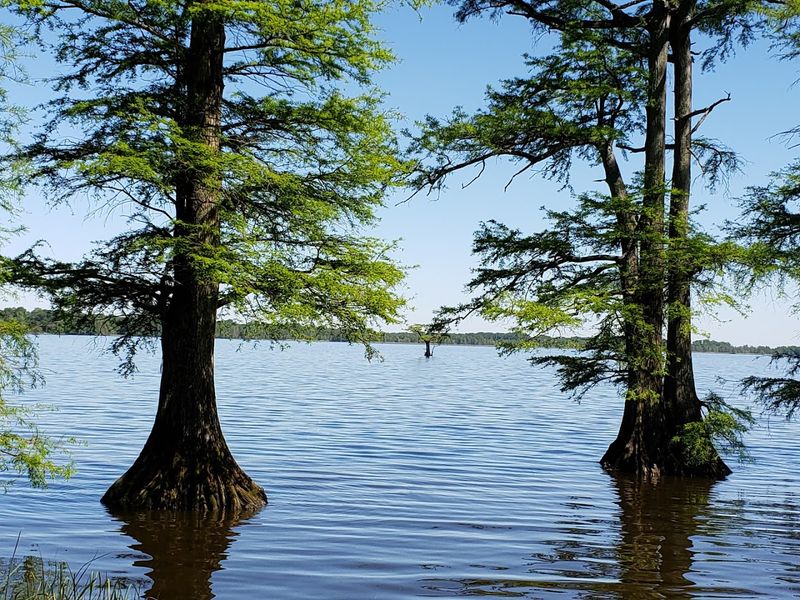
Reelfoot Lake looks like it belongs in Louisiana, not Tennessee. This shallow, cypress-studded lake in the northwest corner formed during earthquakes in the early 1800s, creating one of the most unique birding environments in the state. Its swampy character and abundant food sources make it a magnet for species passing through each spring.
Peak migration hits in April and May, when the lake becomes a layover spot for exhausted travelers. Shorebirds work the muddy edges, probing for invertebrates. Warblers—those tiny, colorful gems that drive birders wild—flit through the cypress canopy and willows in impressive numbers.
The lake’s shallow depth (mostly under five feet) creates perfect conditions for wading birds too. You’ll see great blue herons, great egrets, and various duck species. Bald eagles nest here year-round, but spring brings increased activity as adults feed growing chicks.
Access is easy, with boardwalks and observation platforms letting you get right into the habitat without disturbing it. The Reelfoot Lake State Park Visitor Center offers trail maps and can tell you what’s been spotted recently. Boat tours run regularly if you want a water-level perspective.
Photography opportunities here are phenomenal. The dramatic cypress trees draped in Spanish moss create stunning backdrops, especially in soft morning light. Combine that with colorful spring migrants, and you’ve got postcard material everywhere you look.
Just remember insect repellent—the same wetland conditions that attract birds also produce mosquitoes. Dress in layers since mornings can be cool but afternoons warm up quickly on the water.
3. Seven Islands State Birding Park
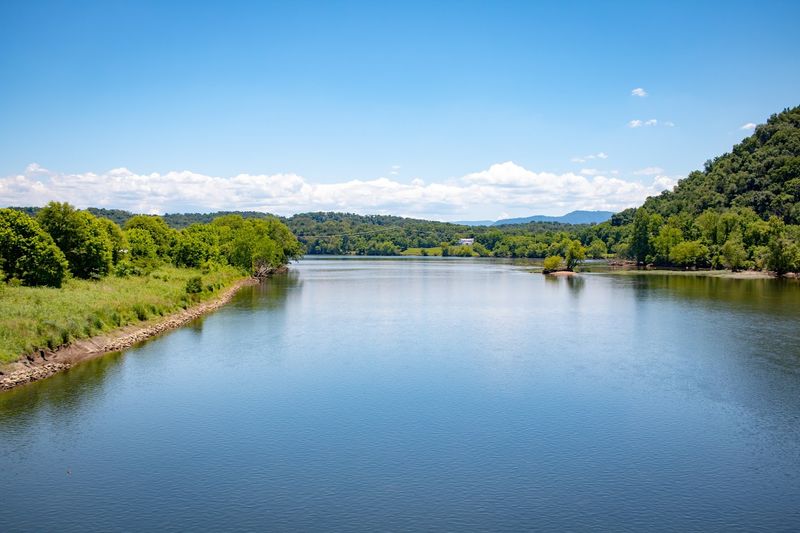
East Tennessee’s premier birding destination isn’t hiding what it’s all about—it’s right there in the name. Seven Islands State Birding Park protects habitat along the French Broad River, offering the kind of diversity that pulls in over 220 recorded species. Spring migration transforms this place into a birder’s playground.
What makes Seven Islands special is the mix of ecosystems packed into one location. River edges attract different birds than the meadows. Grasslands host species you won’t find in the wooded sections.
This variety means your species count can climb quickly as you move through different areas.
Migration brings warblers, vireos, flycatchers, and tanagers streaming through. The park’s location along the river creates a natural corridor that migrants follow. Birds need water, food, and rest—Seven Islands delivers all three.
Watch for indigo buntings flashing electric blue in the meadows and listen for the distinctive songs of various warbler species in the trees.
The park maintains multiple trails ranging from easy walks to longer hikes. Birding here doesn’t require extreme fitness, just curiosity and decent footwear. Observation areas positioned throughout let you set up and wait for birds to come to you, which often works better than chasing them.
Located near Knoxville, Seven Islands sees plenty of local birders who know the park intimately. Don’t hesitate to strike up conversations—the birding community tends to be generous with information about what they’ve spotted and where. The park also hosts guided birding events during migration season, perfect if you’re new to identifying species.
Bring a field guide or use a birding app, because you’ll definitely encounter species you need help naming.
4. Radnor Lake State Park
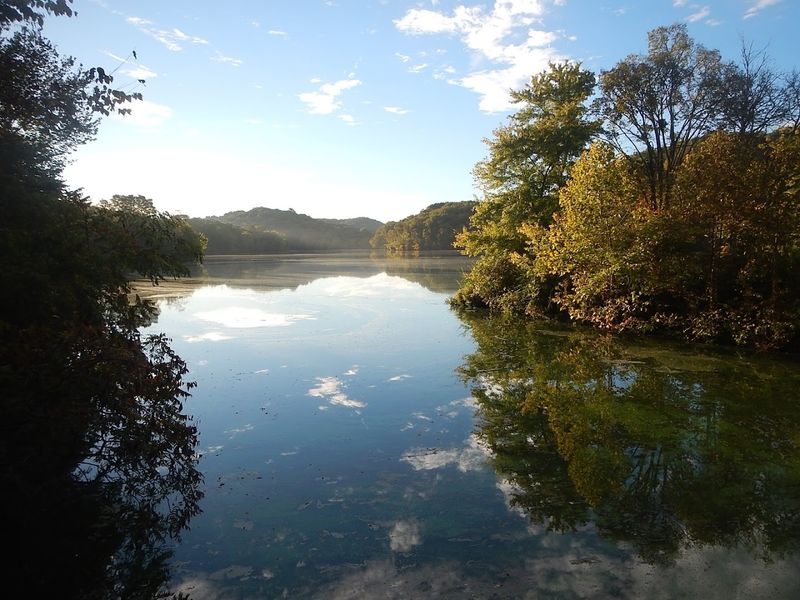
Tucked away in Nashville’s suburbs, Radnor Lake feels like a secret the city is keeping. This 1,368-acre natural area serves as Middle Tennessee’s top destination for spring migration, particularly if you’re hunting for the smaller, more colorful songbirds that make birders grab their binoculars in excitement.
Spring migration here is all about the neotropical migrants—birds that winter in Central and South America and breed in North America. Flycatchers, vireos, thrushes, warblers, and tanagers pass through in waves during April and May. The park’s mature forests and protected lake provide exactly what these long-distance travelers need.
The lake itself stays off-limits to boats and swimming, which means minimal human disturbance. Birds know it’s safe here, and they act accordingly. You’ll often get better, closer looks at species that would flush away in busier locations.
Multiple trails circle the lake and climb into the surrounding hills, giving you options for different birding strategies. The main Lake Trail is paved and easy, perfect for slower walks where you can focus on scanning the trees and listening for calls. Steeper trails like Ganier Ridge offer elevation changes that can reveal different species.
Early mornings are prime time—get there when the gates open. The dawn chorus in peak migration can be almost overwhelming, with dozens of species singing at once. Bring a notebook or use a birding app to track what you’re hearing, because identifying birds by song becomes essential when foliage blocks your view.
Radnor gets busy on nice weekends, so weekday visits offer more solitude. The park prohibits dogs on most trails, which keeps things calmer for wildlife.
5. Sharp’s Ridge in Knoxville
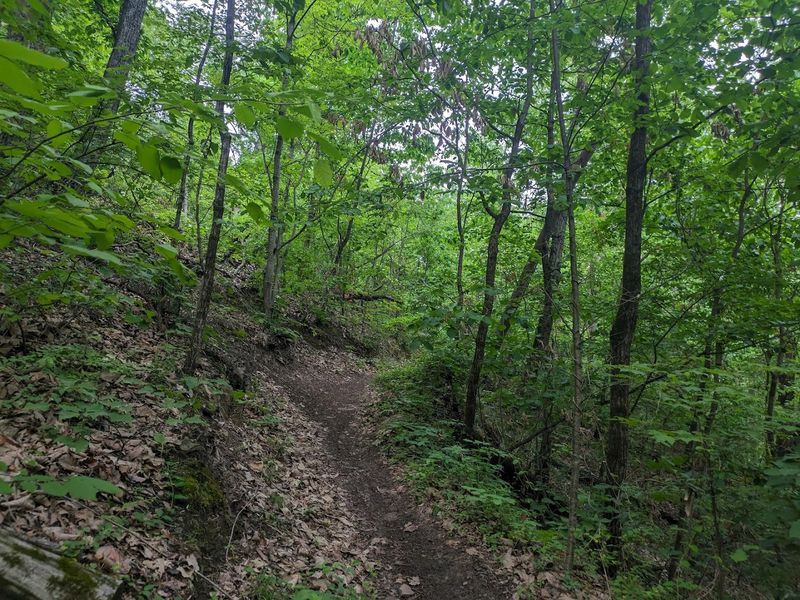
Rising above Knoxville, Sharp’s Ridge has earned its reputation as the city’s go-to spot for catching spring migrants. Birders have known about this place for decades, and every April and May, they return to witness the parade of northbound songbirds that funnel through this elevated woodland.
Geography plays a huge role here. The ridge’s elevation and forested character create ideal stopover habitat for tired migrants. Birds flying north hit this green oasis and drop in to rest and feed.
The result? A concentrated number of species in a relatively small area.
Warblers are the main attraction during peak weeks. These tiny, energetic birds come in a stunning variety—yellows, blues, oranges, blacks, and intricate patterns that challenge even experienced birders to identify correctly. Sharp’s Ridge regularly produces impressive warbler counts, with lucky visitors spotting a dozen or more species in a single morning.
Beyond warblers, expect thrushes, tanagers, grosbeaks, and various flycatchers. The mix changes week by week as different species time their migrations slightly differently. Early May often brings the biggest diversity as late-season migrants overlap with stragglers from earlier waves.
Access is straightforward—the ridge has a park with trails and a memorial tower. The wooded sections along the trails are where you’ll want to focus your attention. Move slowly, stop frequently, and scan the mid-story and canopy where most songbirds forage.
Listen carefully too, since you’ll often hear birds before seeing them in the leaves. Local birding groups sometimes organize morning walks here during migration. Joining one can dramatically speed up your learning curve, especially if you’re still mastering bird identification.
6. Hiwassee Wildlife Refuge
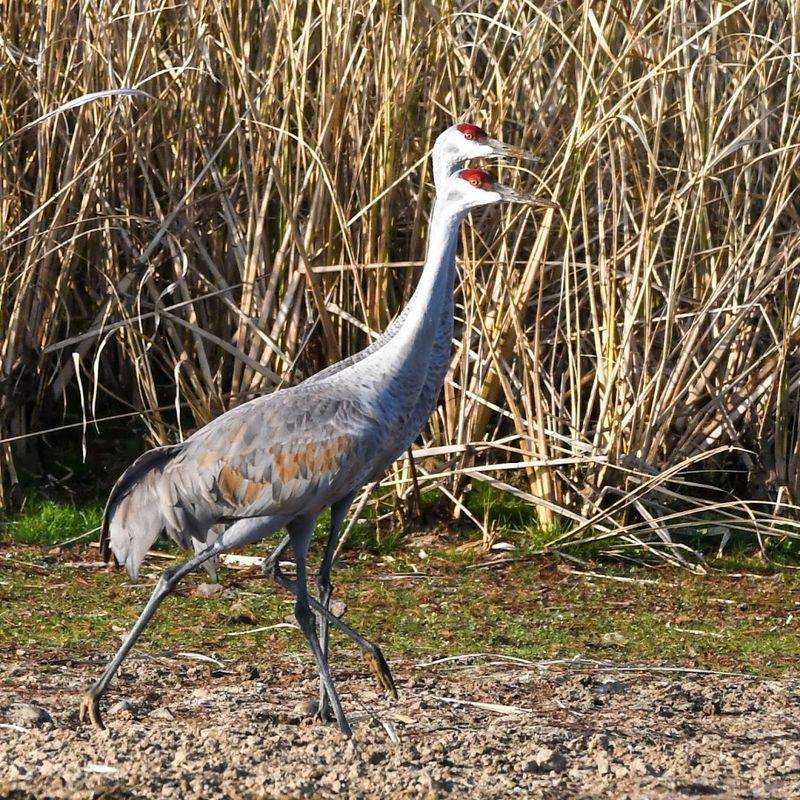
Most people know Hiwassee for its famous sandhill crane gatherings in winter, but this East Tennessee refuge deserves attention during spring migration too. The combination of open water, fields, and wooded habitat creates conditions that attract a surprisingly diverse mix of migratory species beyond just the cranes.
Spring brings a different rhythm than winter’s crane spectacle. Waterfowl that spent the cold months here begin their northward push. Shorebirds appear along mudflats and pond edges. Songbirds move through the wooded sections and brushy edges.
The refuge’s location in the Tennessee River valley positions it along a major migration corridor. Birds follow the river systems, using them as navigational guides and food sources. Hiwassee sits right in that pathway, making it a natural stopping point.
Walking the refuge roads and trails during April and May reveals constant activity. Ducks and geese congregate on the water. Wading birds work the shallows.
In the trees and shrubs, warblers and other passerines forage intensely, building energy reserves for the next leg of their journey.
The refuge maintains several observation points and a photography blind, showing they understand what birders want. The relatively flat terrain makes exploring easy, though you’ll want rubber boots if recent rain has left things muddy. Scope out the fields for sparrows and other grassland species that can be tough to find elsewhere.
Timing matters here. Water levels fluctuate based on dam releases and rainfall, which affects what habitat is available and which species you’ll encounter. Higher water favors ducks and geese.
Lower levels expose mudflats that draw shorebirds. Check conditions before visiting if you’re targeting specific species. The refuge office can provide current information about water levels and recent sightings.
7. Great Smoky Mountains National Park
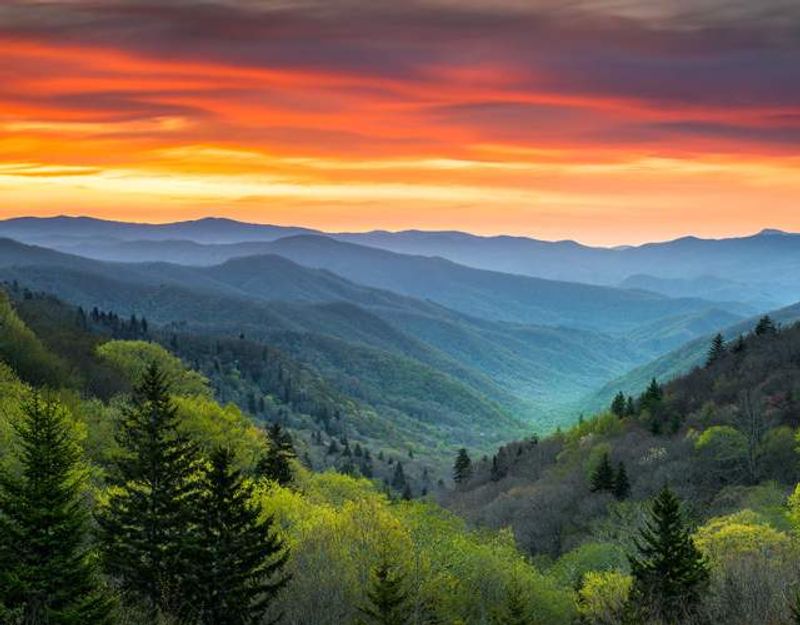
America’s most-visited national park offers more than stunning mountain scenery—it’s also an exceptional birding destination during spring migration. The Smokies’ dramatic elevation range, from about 875 feet to over 6,600 feet, creates multiple habitat zones stacked on top of each other. Migratory birds take full advantage of this diversity.
Audubon recognizes the Smokies as one of Tennessee’s premier birding hotspots, and spring proves why. As migrants push north, they encounter these mountains and spread out across different elevations based on their preferences. Warblers, thrushes, vireos, and tanagers arrive in waves from April through May.
Lower elevations leaf out earlier, attracting migrants first. As spring progresses up the mountain, birds follow the advancing greenery and insect emergence. This means you can sometimes find early-season species at low elevations while late-season migrants are just arriving higher up—all on the same day.
Cades Cove offers accessible birding with its loop road and meadows. The mixed habitat of fields and forest edges attracts a good variety. For more intensive forest birding, try trails like Laurel Falls or portions of the Alum Cave Trail.
Higher elevations along Newfound Gap Road can produce species that prefer cooler, more northern conditions.
The park’s size—over 500,000 acres—means you could spend entire seasons exploring and still find new spots. Focus your efforts based on what you’re hoping to see. Wetland species? Head to areas near streams and wet meadows. Canopy dwellers? Pick trails through mature forest.
Visitor centers provide bird checklists and recent sighting information. Rangers and volunteers can point you toward productive areas. Remember that weather in the mountains changes quickly, especially at higher elevations.
Bring layers, rain gear, and extra water even on seemingly nice days.