
Standing beside the USS Massachusetts makes naval history feel much bigger than anything you can read on a wall. At Battleship Cove in Fall River, Massachusetts, visitors can step aboard a real battleship and explore gun turrets, cramped passageways, and the spaces where sailors once lived and worked.
The massive ship is the main attraction, but the surrounding vessels add very different stories about life and service at sea. Every ladder, hatch, and narrow corridor gives you something new to notice.
For anyone looking for a Massachusetts museum that feels more like an adventure than a quiet exhibit, Battleship Cove deserves more than a quick walk-through.
A Steel Skyline on the Massachusetts Waterfront
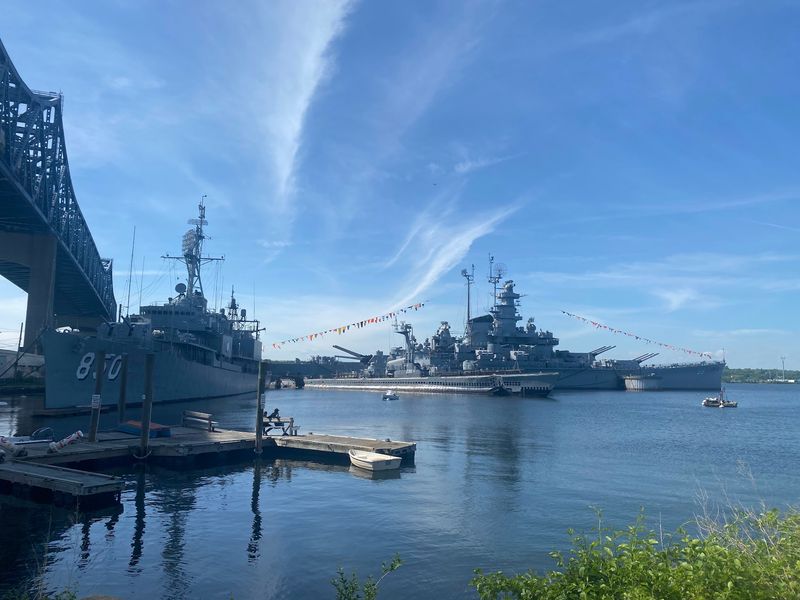
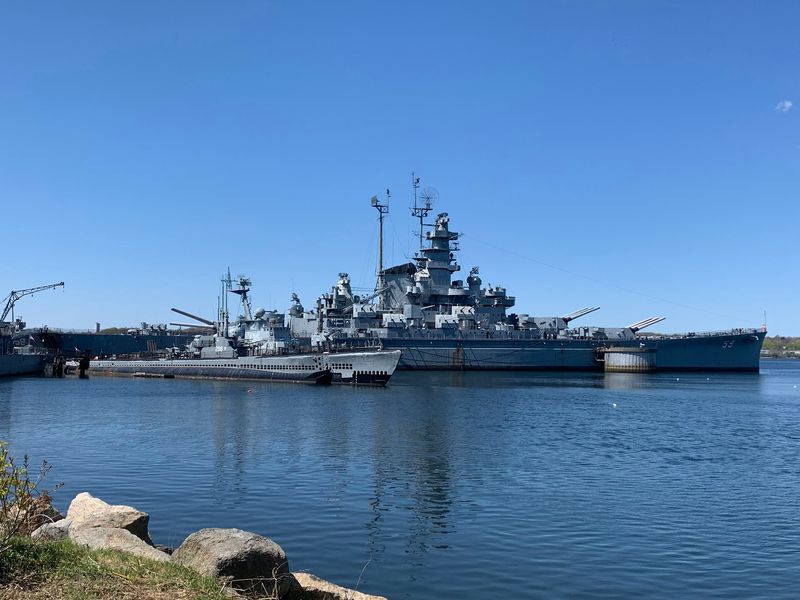
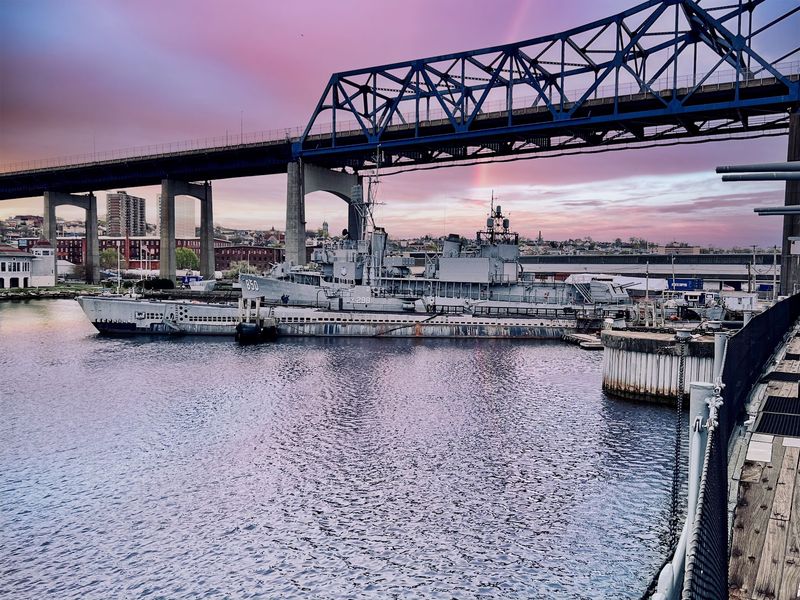
Before you step aboard, the ships already tell you that this will be no ordinary museum visit. Gray hulls rise beside the Fall River waterfront, while the Braga Bridge stretches across the background and the Taunton River opens beyond the docks.
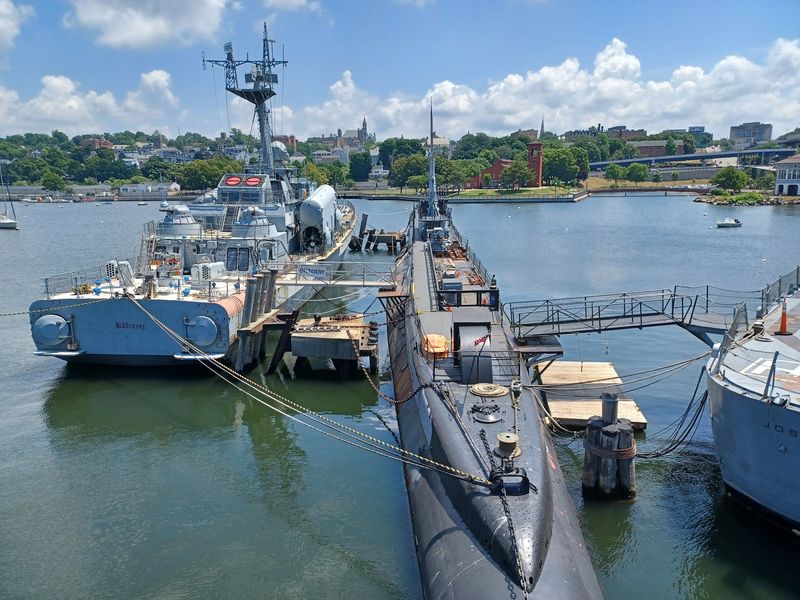
At street level, the collection looks enormous. Once you move closer, individual details take over: thick ropes, rows of fittings, high towers, and gun barrels that make familiar objects nearby seem surprisingly small.
Battleship Cove sits at 5 Water St, placing its naval collection directly beside the city rather than inside a distant exhibition building. The waterfront setting helps explain the ships as working vessels, built for water, weather, and long stretches away from land.
Pause before boarding and study how the vessels differ in height and shape. A battleship, destroyer, and submarine were designed for different jobs, and their outlines offer an easy first lesson without requiring any knowledge of naval terms.
For photographs, start with a broad view that includes both the ships and their surroundings. Then move closer for details, keeping your camera safely away from edges and leaving room for other visitors to pass along the boarding route.
The outdoor decks also give you a useful sense of direction before entering the interior. Look back toward the shoreline so you can picture where you are when the tour leads through enclosed spaces below.
Wind can be more noticeable beside the river than it is among city buildings. Bring a layer even when the forecast looks comfortable, and secure loose hats before heading onto exposed sections of deck.
Save some attention for the view on your way out, too. After exploring the compartments, the same skyline becomes easier to read: those towering structures belong to a complex workplace, with equipment and crew spaces arranged across many levels inside.
Meet Big Mamie, the Battleship You Can Board
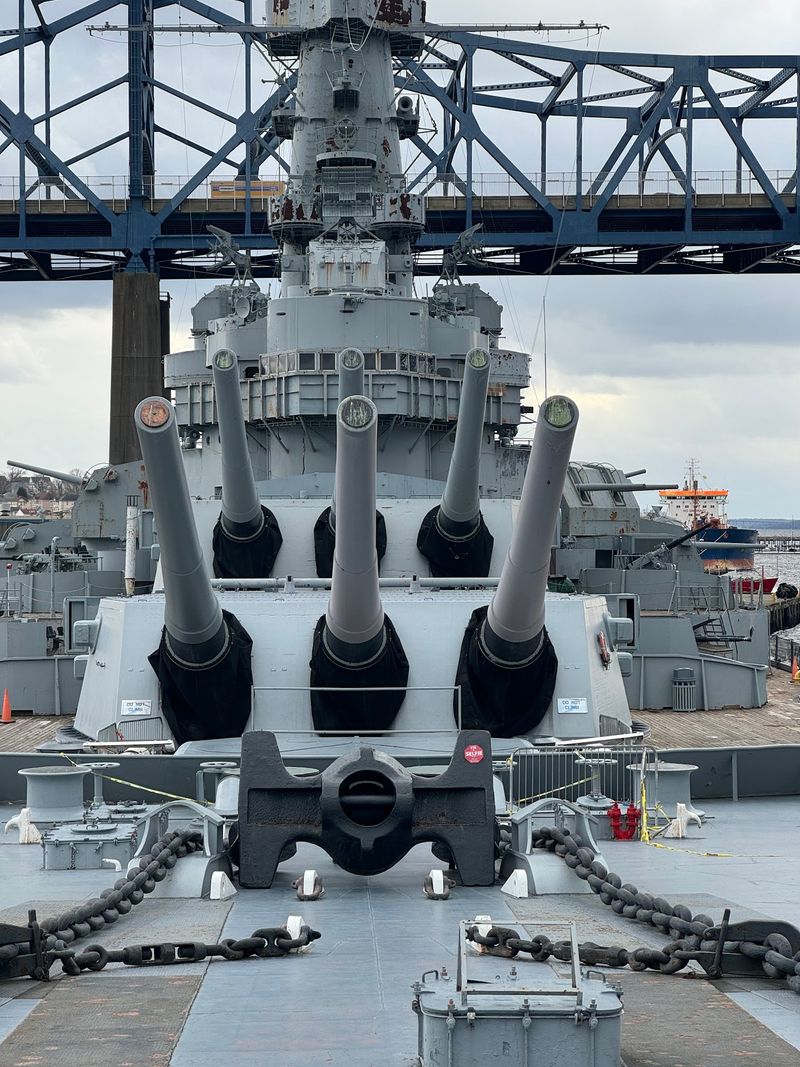
Nine enormous main guns give USS Massachusetts a presence that no display case could match. Known as Big Mamie, the preserved battleship is the centerpiece of Battleship Cove and the strongest reason to leave plenty of time for your visit.
Commissioned in 1942, Massachusetts served during World War II. Its main battery used 16-inch guns, a measurement referring to the diameter of the shells rather than the length of those impressive barrels.
Standing near the turrets makes that fact easier to grasp than reading it in a textbook. The equipment was built on a scale meant for combat at sea, and the surrounding deck helps show how much space the weapons required.
Yet the tour is about more than firepower. Beyond the exposed decks, accessible passageways lead into the ship, where the layout reveals the many jobs needed to keep a floating military community running.
Follow posted routes and pay attention to signs marking areas that are closed. A preserved warship is not an open playground, and access can change as crews maintain equipment or work on sections of the vessel.
Try moving between exterior and interior spaces instead of treating them as separate attractions. A feature spotted above deck may make more sense after you see the rooms and passages beneath it.
If children are visiting, give them one simple challenge: find evidence that the ship was both a weapon and a home. That shifts attention from the biggest guns to the smaller spaces that supported daily life.
Allow time to stop at displays rather than rushing toward every available ladder. The ship’s size rewards a steady pace, especially when you want to connect its machinery, crew areas, and wartime purpose.
Before leaving, return to an open deck and look along the hull. You will have a better idea of what its steel walls contain.
Below Deck, Everyday Life Gets Interesting
A narrow passage can explain shipboard life faster than a page of statistics. Below deck on USS Massachusetts, the focus shifts from huge weapons to the ordinary needs of sailors who ate, slept, worked, and moved through these enclosed spaces.
Berthing areas show how closely people lived together. Stacked bunks and limited personal space make it easier to understand why privacy was scarce and why keeping belongings organized would have mattered aboard a busy warship.
Look beyond the beds, though. Doorways, overhead pipes, storage arrangements, and changes in floor level reveal a building designed around military tasks rather than the comfort of a house or hotel.
The ship’s passageways also make movement part of the lesson. You may need to step over raised thresholds, watch your head, and wait while someone passes through a tight opening ahead of you.
Take those obstacles slowly rather than turning the route into a race. They are useful clues about the daily routines of a crew, but they also require attention from anyone exploring the vessel today.
When you reach a display about a room’s purpose, connect it with what you can actually see. Ask how supplies arrived, where people stood to work, or how several sailors might share the available space.
For families, this is a good place to compare shipboard routines with home. A child may understand a cramped sleeping area more readily than a technical explanation of a gun system.
Keep hands off equipment unless a sign clearly invites interaction. Preserved fittings are part of the historical setting, and a handle or switch should not be treated as a toy.
Some rooms will hold your attention longer than others, which is fine on a self-guided visit. Choose a few spaces to examine carefully, then follow the marked route toward the next accessible part of the ship.
A Submarine and Destroyer Change the Scale
After the battleship, USS Lionfish offers a sharp change in perspective. The submarine’s compact layout brings the demands of underwater service into focus, especially when you compare its interior with the larger spaces aboard Massachusetts.
Lionfish is a World War II submarine, not a smaller version of a battleship. Its shape and arrangement reflect a different mission, with people and equipment fitted into a hull intended to operate beneath the surface.
If the submarine is open during your visit, approach its tight spaces with realistic expectations. Narrow passages and restricted headroom can be uncomfortable for anyone who dislikes enclosed areas, and access may change during preservation work.
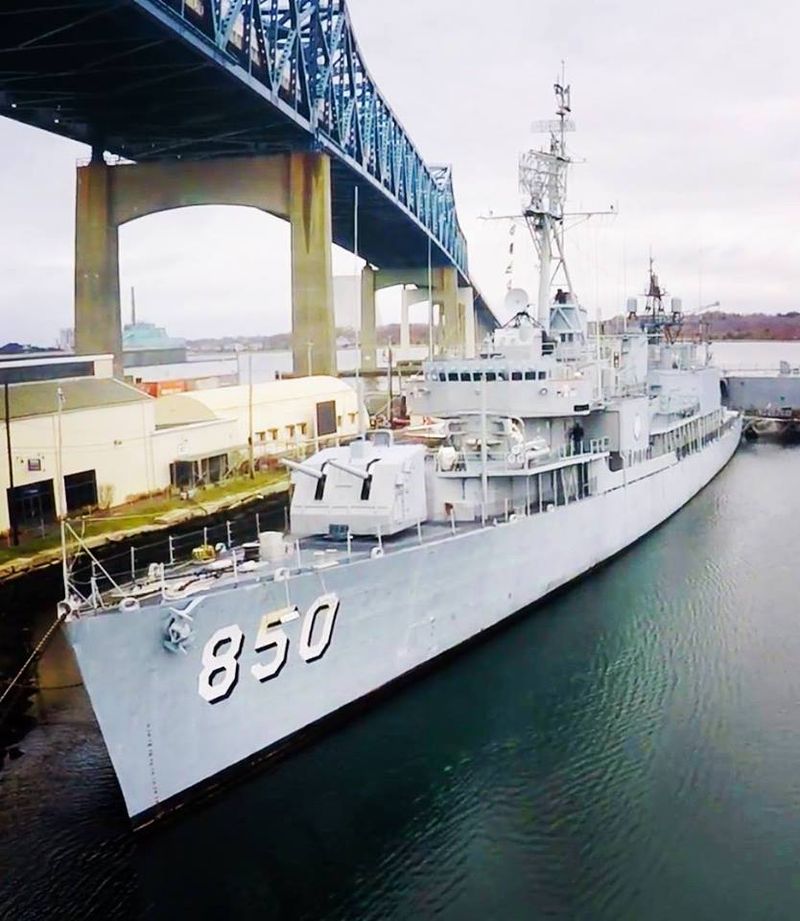
USS Joseph P. Kennedy Jr. adds another useful comparison.
Commissioned in 1945, the destroyer served into the Cold War era, showing that the collection reaches beyond a single wartime chapter.
A destroyer had different duties from a battleship, including escort and protective roles. You do not need to memorize technical terms to notice that its size, equipment, and working spaces follow a different plan.
Instead of trying to rank the vessels, compare one feature across them. Sleeping arrangements, passage widths, or the relationship between open decks and enclosed rooms can turn three separate tours into one clear lesson.
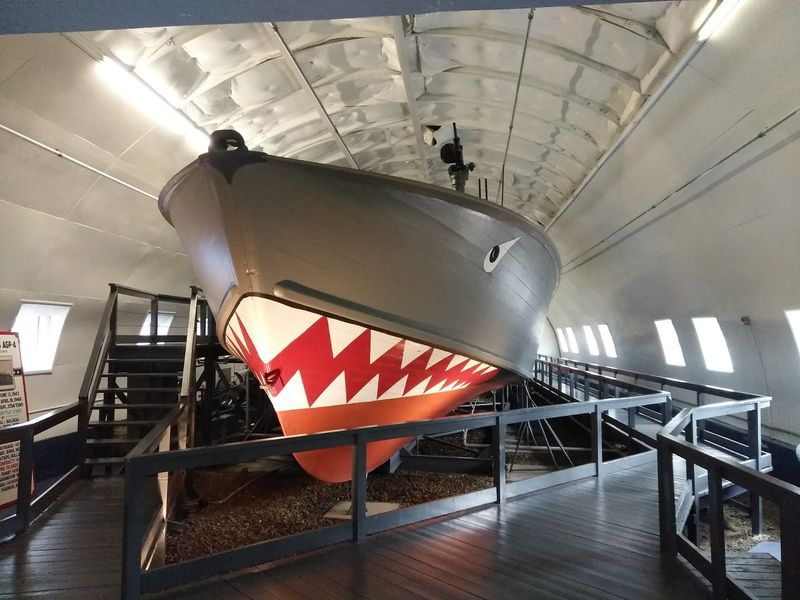
Battleship Cove also preserves PT boats, smaller craft associated with fast attacks during World War II. Their inclusion helps prevent the biggest hull in the collection from becoming your only picture of naval service.
Check which vessels and exhibits are accessible when you arrive, then build your route around those openings. Never assume every compartment shown in older photographs will be available on the day you visit.
Save enough energy for the smaller vessels rather than treating them as leftovers. The strongest contrast may come when you leave the battleship’s broad deck and enter a space where every inch had to serve a purpose.
Read the Ships as a Memorial, Too
Behind every compartment was someone with a job to do. Battleship Cove is both a museum and a memorial, so the ships deserve attention as places of service, not merely as impressive collections of metal and machinery.
USS Massachusetts fought in the Atlantic and Pacific during World War II. Knowing that broad history gives the tour a stronger frame, but the smaller details help connect military events with the people who lived through them.
A bunk represents rest between duties. A work station points to training, teamwork, and responsibility, while a crowded passage hints at the coordination required when many crew members needed to move quickly.
Read the historical displays at a pace that lets those connections develop. Rather than collecting dates alone, look for explanations of what sailors did and how their tasks supported the rest of the ship.
The museum’s setting in Fall River adds a local thread to the story. Massachusetts became a preserved museum ship here in 1965, giving the city a lasting connection to the vessel that carries the state’s name.
That change from active warship to public memorial also helps explain why preservation matters. Maintaining a steel vessel involves ongoing work, and closed sections or visible maintenance should be understood within that larger responsibility.
If a staff member or volunteer is available, ask a focused question about something you have just seen. A question about one compartment or piece of equipment is often more useful than asking for the entire history at once.
With younger children, keep the conversation clear without making war sound like a game. Explain that the ships protected crews and carried out military missions, while service could involve danger, separation, and loss.
Leave room for a quieter stop among the exhibits. The guns explain the ship’s power; the personal and historical material helps explain the human weight behind it.
Build a Route That Leaves Room to Explore
Your best tool here is not a packed checklist. It is enough time to follow a passage, pause at an exhibit, and change direction when an interesting room turns out to deserve a closer look.
Battleship Cove lends itself to self-guided exploration, so you can shape the visit around your interests. Plan roughly three to four hours for a substantial look at the collection, with extra time if you enjoy reading displays carefully.
Begin by checking the day’s available vessels and routes. If Lionfish is open and the submarine is high on your list, consider seeing it early before giving the larger ships the rest of your attention.
Alternatively, start aboard Massachusetts if the battleship is your main reason for coming. Explore its accessible interior while your legs are fresh, then use time on the exterior deck as a natural change of pace.
Avoid counting completed rooms as though the visit were a scavenger hunt. Choosing a few spaces to understand well can be more rewarding than hurrying through every doorway without knowing what you passed.
For children, alternate close looking with movement. Ask them to spot one feature, such as a bunk or a raised doorway, then discuss its purpose before continuing to the next area.
Keep your group together at route changes, especially where ladders connect different levels. Agree on a meeting point before splitting up, since steel walls and branching passageways can make casual regrouping harder than expected.
Take short breaks before tiredness turns careful climbing into rushed climbing. A museum built around real ships asks more of your feet and attention than a simple walk through level galleries.
Near the end, return to the attraction you most wanted to understand. A second look at a turret, crew space, or display often answers questions that only appeared after you explored the rest of the collection.
Good Shoes Beat a Last-Minute Arrival
Sneakers are a better choice than sandals for this outing. Ship ladders, metal thresholds, and uneven changes in level make secure footwear a practical part of enjoying Battleship Cove, not just a suggestion for walking farther.
The museum is at 5 Water St in Fall River, Massachusetts. Listed hours are 9 a.m. to 5 p.m. daily, but confirm the current schedule before traveling because hours, admission rules, and vessel access can change.
Arrive well before closing rather than assuming you can enter at the last minute. Final admission may be earlier than the closing time, and even an admitted late arrival leaves little room for the battleship’s many spaces.
Check current ticket prices and any separate program requirements before setting your budget. Avoid building plans around an old admission price or assuming that every special experience is included with a standard visit.
Accessibility needs deserve particular attention. Historic ships can involve steep ladders, narrow openings, and raised doorways, so ask about suitable routes and available exhibits if anyone in your group has limited mobility.
A stroller should not be your only plan for moving a young child through ship interiors. Discuss the layout in advance, and be ready to adjust the visit around spaces your whole group can use safely.
Weather still matters even though much of the experience is indoors. Boarding routes and exposed decks can be wet or windy, so bring suitable outerwear and follow any restrictions affecting outdoor sections.
Plan water and meal breaks, and check which refreshments are available that day. Keep bags manageable, since bulky belongings become awkward when you need both balance and a free hand for a rail.
With those basics settled, the appeal is straightforward: you explore history inside the object that helped make it. The museum’s strongest exhibit is the ship itself, complete with the practical spaces behind its powerful silhouette.
📍 5 Water St, Fall River, MA 02721