Just outside West Columbia sits a Texas site where sugar, cotton, oil, and a very famous family all share the same ground. Varner-Hogg Plantation tells hard truths along with surprising tales. Many people drive right past it without knowing what waits inside.
Here are eight stories and details that make a visit worth your time.
1. The Voices Behind the Exhibits
Here is something that surprises first-timers: the exhibits talk back, in a way. Visitors say they feel like they are meeting real people as they walk through, because the history is told through the voices of those who were actually there.
That includes the landowners, but it also includes the enslaved men, women, and children who worked the land. Hearing both sides gives the place a weight that a plain list of dates never could.
One visitor described the presentations as haunting, and that fits. The story is not all sunshine and rainbows, and the site does not pretend it is.
Take your time with the displays. A tour bus guest said two hours was not enough to read every inscription, so plan on at least that much, and more if you love reading every word.
Try this trick: start with the exhibits before you step into the big house. Then, when you walk through the empty rooms, your mind will already have the people, the work, and the seasons to fill them in.
Bring a notebook if you like to jot down names and questions. The staff enjoy answering them, and you may leave with a list of new things to look up when you get home.
Wear comfortable shoes, since you will move between several buildings and spend a good while on your feet.
2. Ima Hogg and the Gift to Texas
Quick quiz: who gave this entire property to the people of Texas? The answer is Ima Hogg, daughter of Governor James Stephen Hogg, and she is one of the state’s most beloved figures.
The Hogg family bought the plantation in 1901, and the governor loved the place. After he died, Ima carried on his affection for it and later donated the site to the state.
Her name often gets a smile, but her story deserves real respect. She was a music patron, a collector, and a champion of Texas history and culture.
Visitors who want to know what she did for Texans will find plenty of answers here. Guides tie her choices to the preservation you see today in the house and grounds.
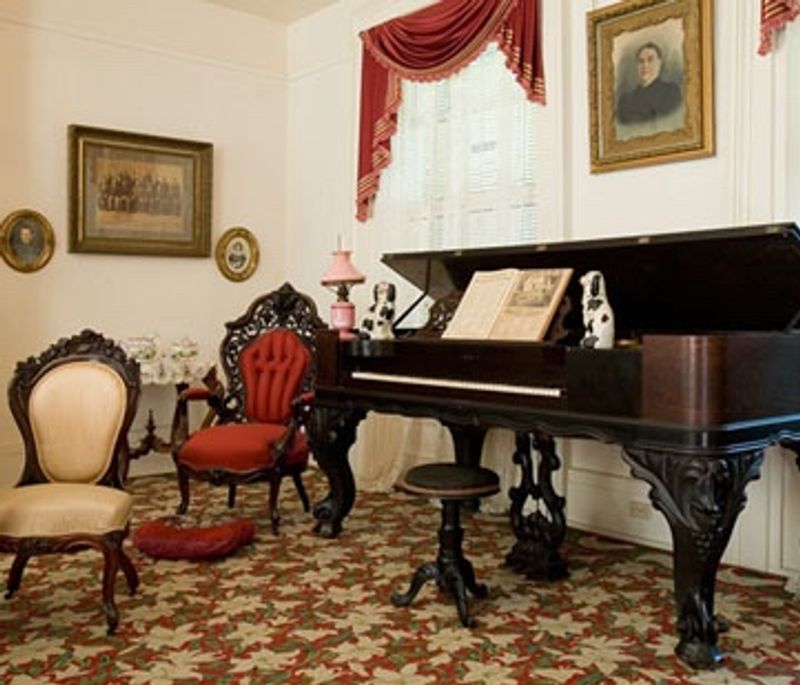
Fun fact: she cared so much about getting details right that she collected antiques and furnishings with careful research. That same spirit shows in how the site keeps its records and stories.
If you enjoy family history, ask a docent how the Hogg years differ from the earlier owners. The contrast is striking, and it helps you see how one piece of land changed hands and purposes over time.
3. Sugar Cane and the Wealth It Built
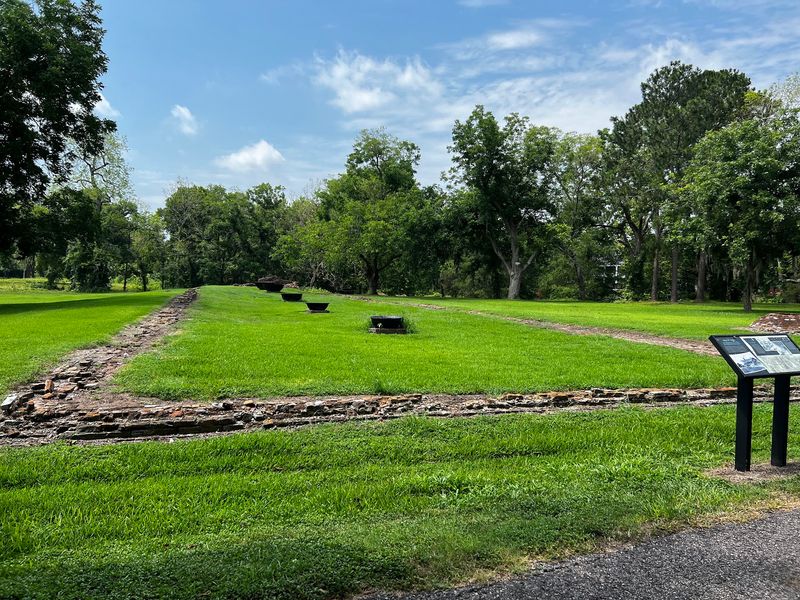
Long before oil made headlines, sugar built fortunes along the Brazos River. Cotton and sugar cane brought great wealth to Brazoria County, and this plantation sat right in the middle of it.
Visitors can learn how cane sugar was actually made, from cutting the tall stalks to boiling the juice into something sweet. It is a process that sounds simple and turns out to be exhausting.
That is the part the site wants you to notice. The money came from the labor of enslaved people, and the exhibits connect the profits to the human cost.
A reviewer called the plantation a must-see for exactly this reason. You come away understanding not just what was grown, but who did the growing and why it mattered to the whole region.
Look for details about equipment, work schedules, and the seasons of harvest. They make the numbers feel real.
A good tip is to picture the grounds as a busy industrial site rather than a quiet park. Imagine the noise, heat, and smoke, and the peaceful lawns will look very different.
4. When Oil Gushers Changed the Game
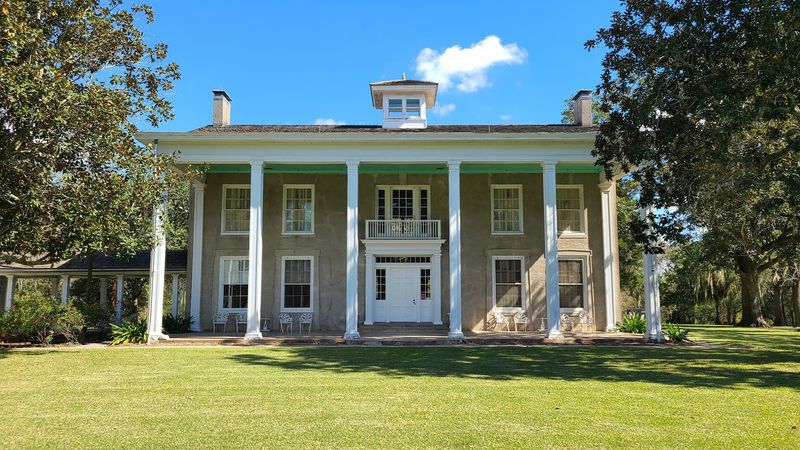
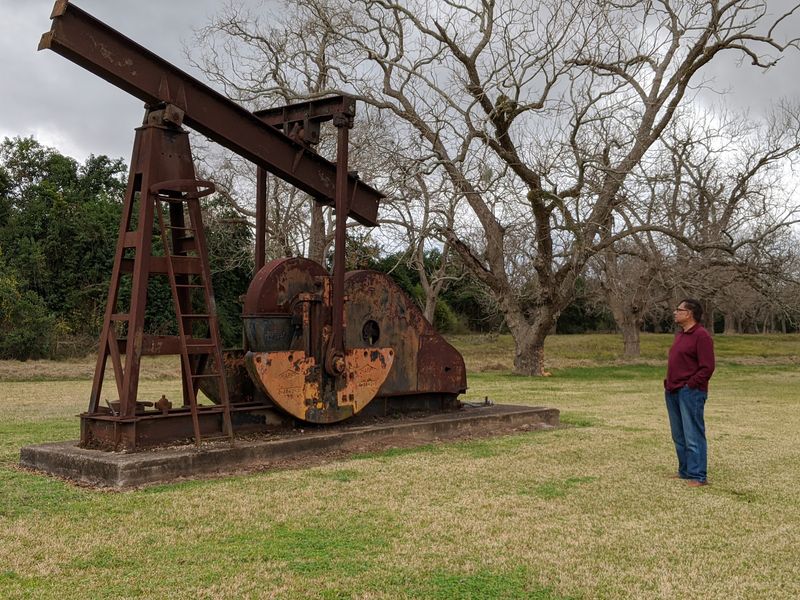
Imagine owning a plantation and then discovering black gold under the lawn. That is what happened here, and it turned a farm into part of a much bigger Texas story.
Oil was struck in the area in the 1910s, and the West Columbia field became a major producer. The Hogg family had hoped for exactly this kind of find.
One visitor summed up the site as a place with a history of slavery, sugar, and oil fields. Three very different eras sit on a single piece of ground.
That layering is what makes the visit more than a house tour. You can trace how each chapter of Texas life left its mark on the land.
Ask the staff about the oil years. They can point out how the money helped fund later preservation work, including the careful care of the buildings you walk through today.
Keep an eye out for signs and photographs showing derricks and the old field. They help you picture a landscape that looked far busier and louder than the calm scene you see now.
5. An Empty House That Fills Your Imagination
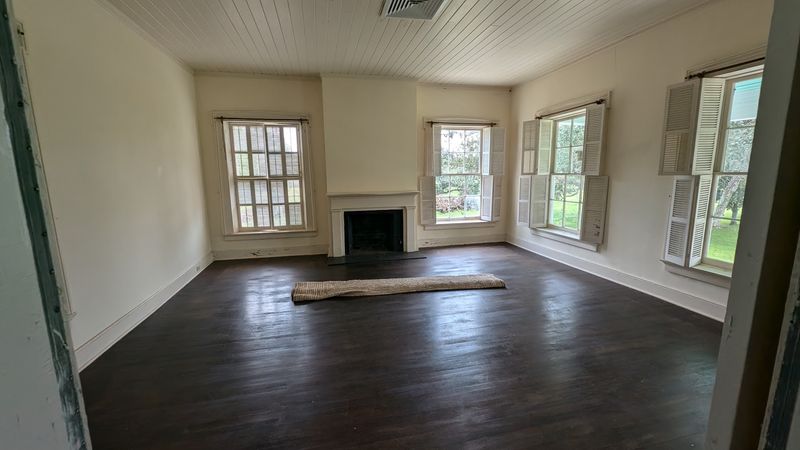
Most house museums stuff every room with furniture. Not here. The big house is largely unfurnished, and that turns out to be its secret weapon.
With bare rooms, you get space to think. After seeing the exhibits, you can place each era inside the walls and imagine who stood where.
A visitor praised this approach, saying the open house lets you fill the rooms with what you learned. It feels more like detective work than a museum walkthrough.
Note that the main house has been under renovation at times, so check ahead with the site before your trip. Even then, the grounds and nearby buildings offer plenty to explore.
Notice the details when you can: window frames, floors, and the way light moves through the halls. Old buildings speak softly, but they do speak.
Bring a friend and compare notes. One person may picture a family dinner while another thinks about the people serving it, and that conversation is where the learning really happens.
During the holidays, the home and outbuildings are decorated, which makes for lovely photos.
6. Foundations That Still Tell the Story
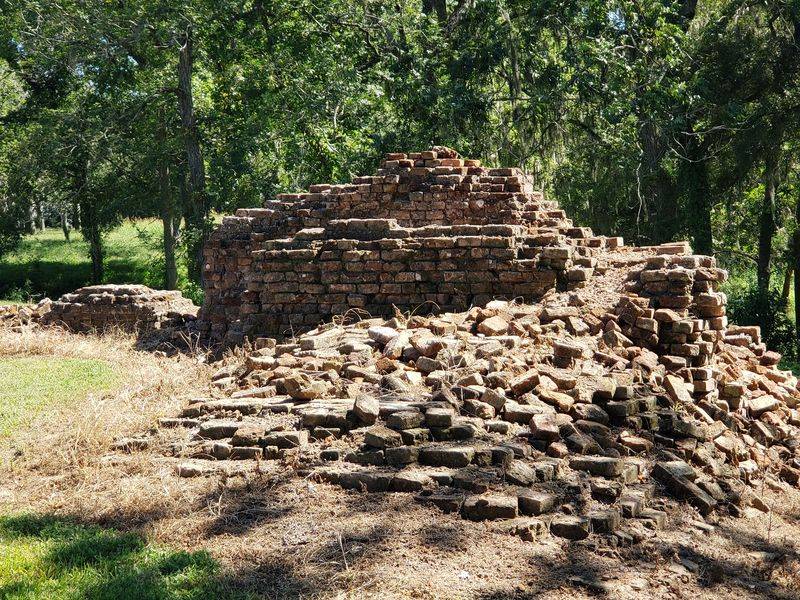
Some of the most powerful spots on the property are the ones where nothing stands. The old slave quarters are gone, but their foundations still remain in the ground.
Walking among them is quiet and a little heavy. One visitor said she paused to say a prayer for everyone who lived a life of despair here.
Another guest wished for more stories about those who lived in the quarters. That wish points to something important, because the site works to share those voices through archaeology and exhibits.
An archaeological barn on the grounds helps link artifacts, land, and personal stories. A guide and an on-site archaeologist have helped visitors connect broken pieces of daily life to real families.
Give yourself time here without rushing. Read each sign slowly and look at how the foundations sit in relation to the big house.
The distance between them says a lot. Stand there for a moment and let the layout speak, because it shows how life was divided in ways a photograph never could.
7. Friendly Guides and Golf Cart Rides
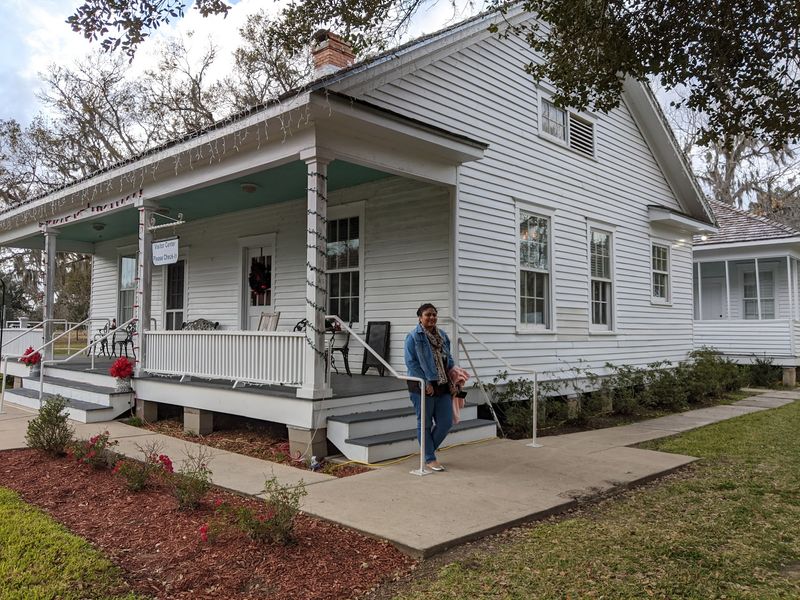
Seventeen reviewers mentioned the friendly staff, and it is easy to see why. People here seem to enjoy sharing what they know.
One visitor brought her 87-year-old father, who finds walking tough. A staff member offered a ride on her golf cart and filled the trip with park history.
Others praised guides by name for answering every question and sharing fascinating details. Good guides turn a stop into a story you remember.
If mobility is a concern, just ask. The team has gone out of their way for visitors before, and a kind question often opens a helpful door.
Docents also explain what to see first, so chat with someone when you arrive. A five-minute talk can save you from missing the best spots.
Remember to be curious. Ask about the people who lived here, about the artifacts, and about the work behind preserving it all.
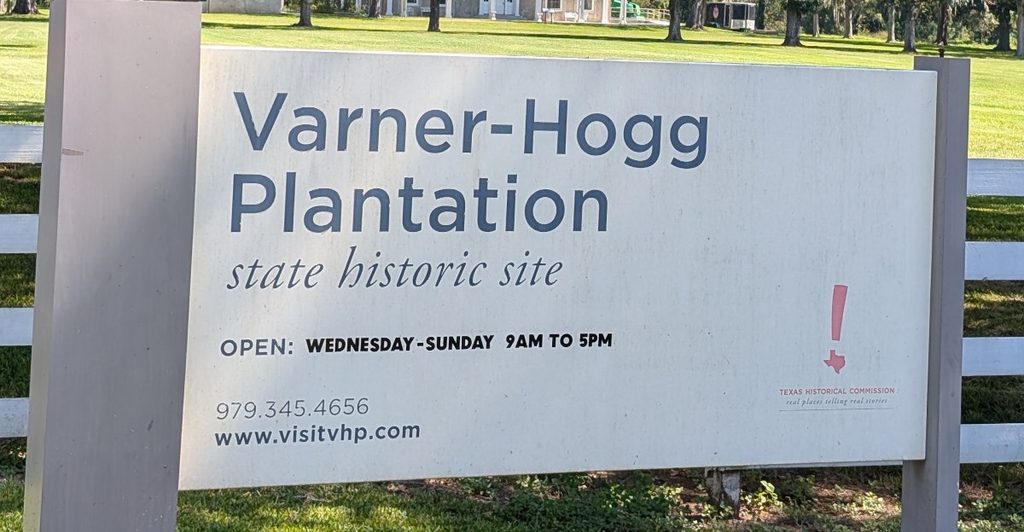
The site is open Wednesday through Sunday from 9 am to 5 pm and closed Monday and Tuesday, so plan your day accordingly. You can call 979-345-4656 with questions.
8. Events, Picnics, and Overnight Stays
This is not only a place for quiet reading. On event days, you might find a hayride, a petting zoo, a live band, and food trucks, all for a modest ticket price.
One happy guest raved about a hot dog on a stick and a beautiful afternoon outside. Check the calendar before you go, since special days are easy to miss.
The grounds also have restrooms, a gift shop, and a picnic area, so you can stay awhile. Ask about the family discount if you bring the whole crew.
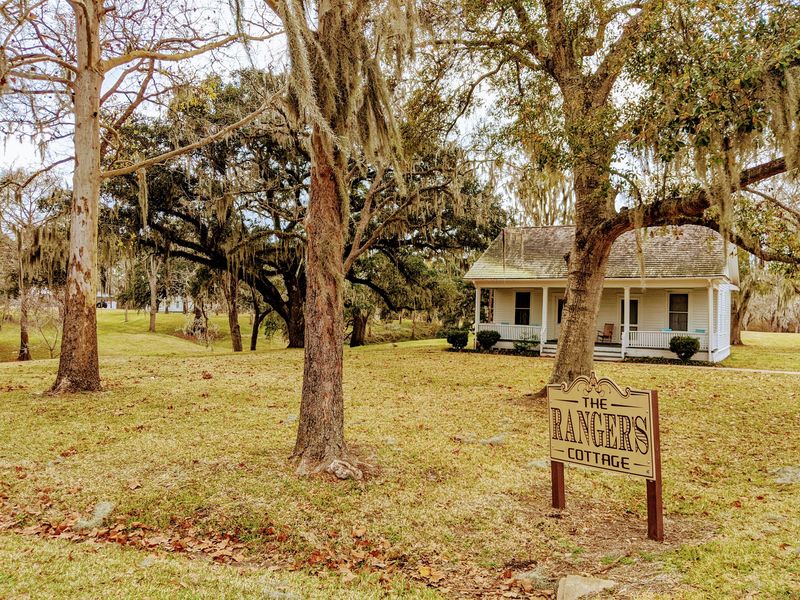
Want to stay overnight? Guests have rented the Ranger’s Cottage, which has three bedrooms, two bathrooms, and sleeps eight with linens included.
The site has also hosted weddings and photo sessions. A bride loved the century-old trees and the generous setup time, though a rainstorm forced a change of plans.
If you plan an event, remember it is a historic site. Rules protect the house and the ground, so no screws, nails, or deep stakes.
Even a simple picnic after your tour makes the day feel complete.
Share this story