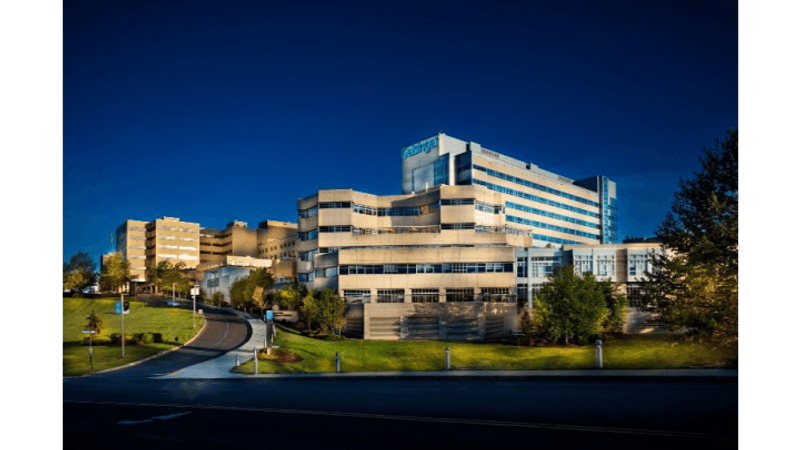
Danville is a quiet river town in central Pennsylvania, yet people drive in from all over the region to visit one big building complex there. The lights stay on all night, every night, all year long.
This article explains how such a small town ended up with a hospital that anchors a whole health system. You will learn where it is, what families say makes it special, and the practical tips that can save you time and stress on your visit.
A Flagship Address in the Susquehanna Valley
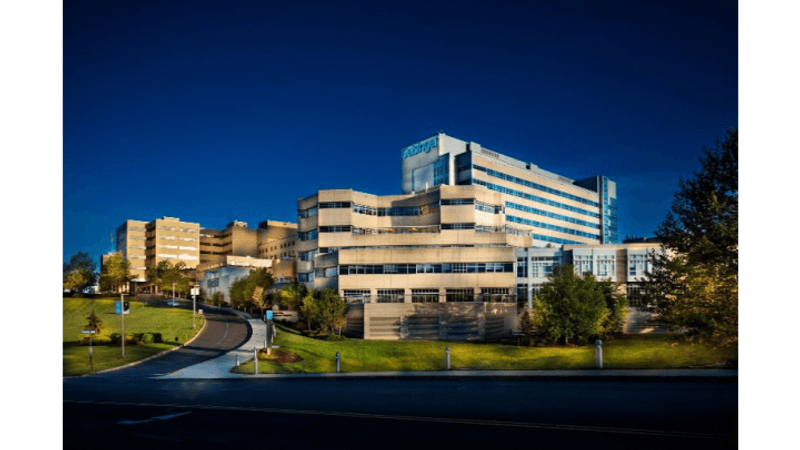
Some of the most important buildings in Pennsylvania sit far from the big cities. Geisinger Medical Center is one of them.
The hospital stands at 100 N Academy Ave, Danville, PA 17822, in the heart of central Pennsylvania. Danville is a small town, but this campus serves as the flagship of the Geisinger health system.
It is listed as a hospital, and it never closes. The doors are open 24 hours a day, seven days a week, including weekends and holidays.
Many locals grew up within walking distance of the place. For them, the hospital is less a distant institution and more a familiar neighbor that has been part of daily life for decades.
People from surrounding towns often make long drives here for specialists, surgeries, and follow-up care. Some families mention driving an hour and a half or more to reach an appointment.
Knowing the exact address ahead of time is a smart first step. The campus is large, and GPS alone may not tell the full story about which entrance to use, a detail covered later in this article.
Roots That Run Generations Deep

Ask around Danville and you will hear stories that stretch back many years. Some families say they have relied on this hospital since 2001 or earlier.
Former patients remember being treated here as kids for asthma. Now they return as adults and notice the campus seems bigger every time.
That sense of history matters in a small town. A hospital becomes part of family memory, tied to births, recoveries, and long seasons of care.
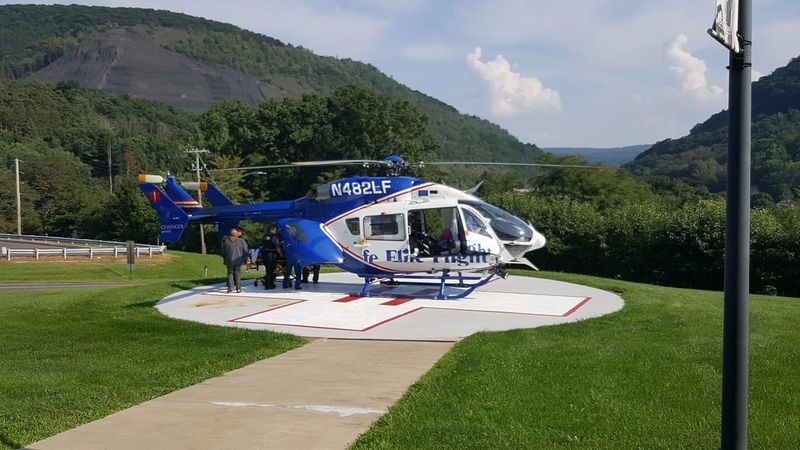
One family credits teams at both the Shamokin and Danville Geisinger locations, plus a medical helicopter flight, with helping their son through a serious heat stroke at football practice. They still feel grateful years later.
Stories like that explain why loyalty runs high in this corner of Pennsylvania. People do not just visit once and forget it.
The hospital also works as a training hospital, which means students and newer staff learn alongside experienced clinicians. That role helps connect the campus to the future of medicine in the region, one generation at a time.
A Campus That Keeps Growing

Cranes and orange cones are a regular part of the scenery here. Longtime patients point out that there is often construction somewhere on campus.
Growth is a good sign for a health system, since it usually means new space and new services. It can also make getting around a little tricky.
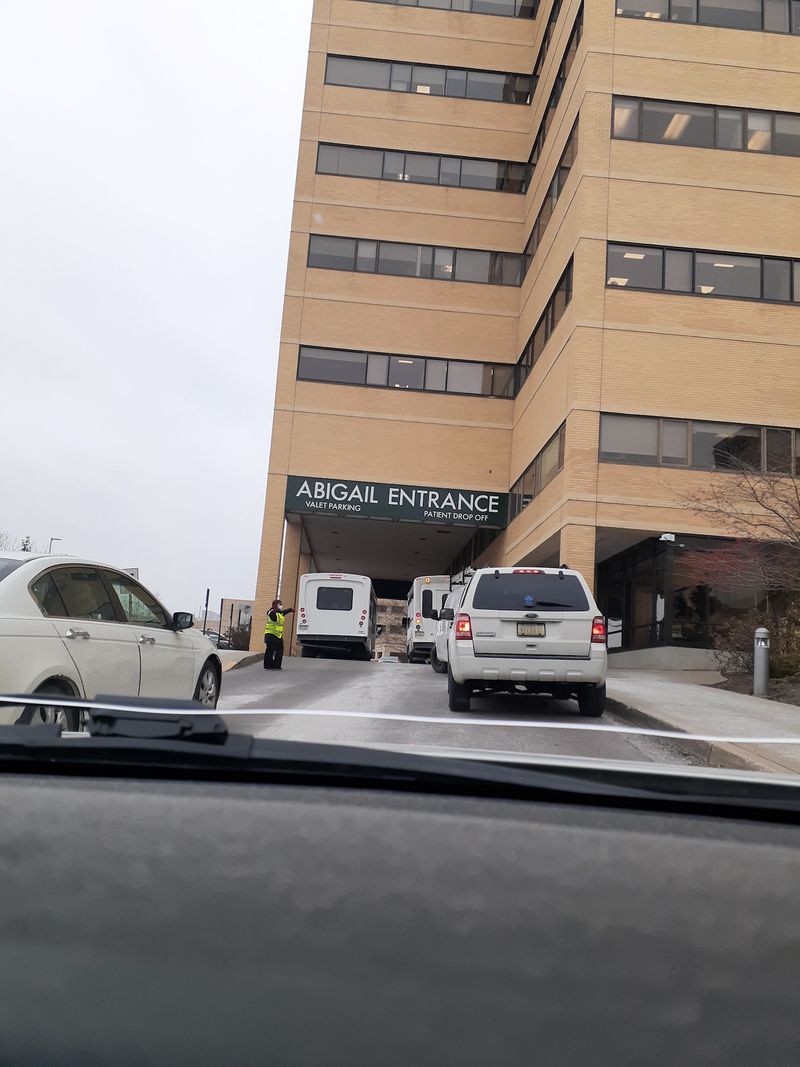
The Abigail building entrance, for example, has been under construction for what feels like several years to some patients. Parking construction has blocked a sign on that building at times.
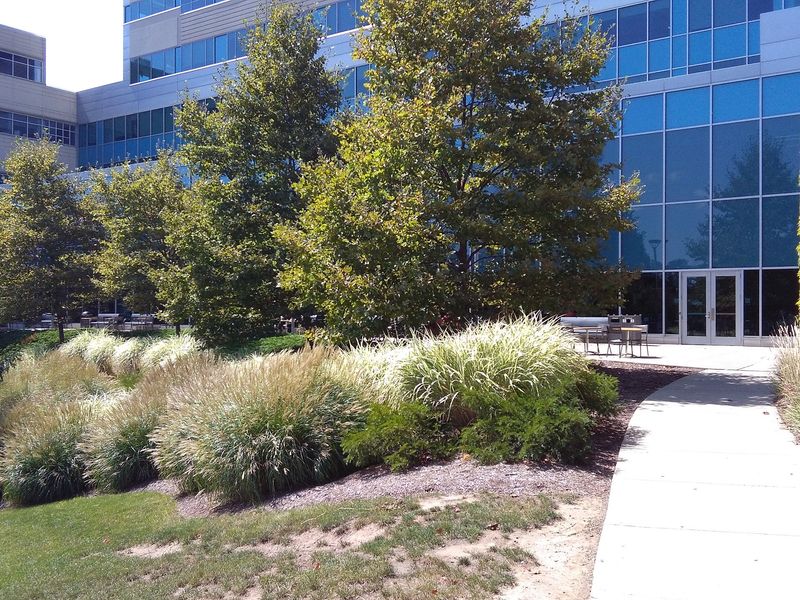
The campus includes several named areas, such as the Women’s Pavilion and outpatient departments like radiology. Some services, including orthopedics, are tied to nearby locations such as Woodbine Lane.
Change is steady, so the campus you saw last year may not match the one you see this year. That is part of life at a flagship that keeps expanding.
A quick call ahead or a check of the official website before your trip can help you know which areas are open and which paths are detoured. A little planning goes a long way on a campus that rarely sits still.
Surgeons at the Center of the Story
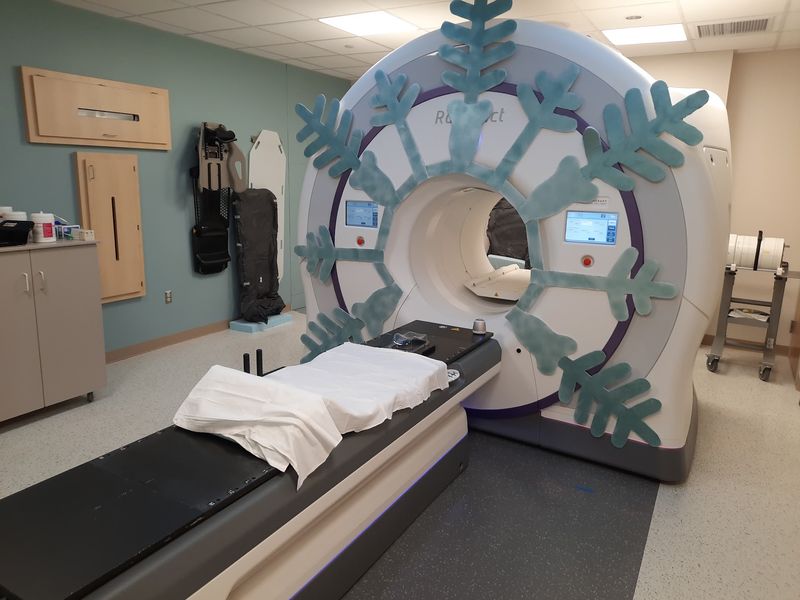
Surgery comes up again and again when people talk about this hospital. The word surgeon appears more than almost any other topic in public feedback.
One patient with primary progressive multiple sclerosis had a baclofen pump placed in August 2025. She called the surgeon excellent and praised her care afterward.
She spent two nights on the neuro floor after the procedure. The staff there helped manage spasms that medication alone could not control.
That kind of follow-through matters as much as the operation itself. A good surgery is only part of the job, and recovery care finishes the work.
Kidney transplants and pain management are also among the topics people mention. These are complex services that many smaller hospitals cannot offer.
For families in rural Pennsylvania, having this level of surgical care within driving distance can mean fewer trips to big-city hospitals. That convenience is a quiet perk of having a flagship hospital in a small town.
Nurses Who Leave a Lasting Mark
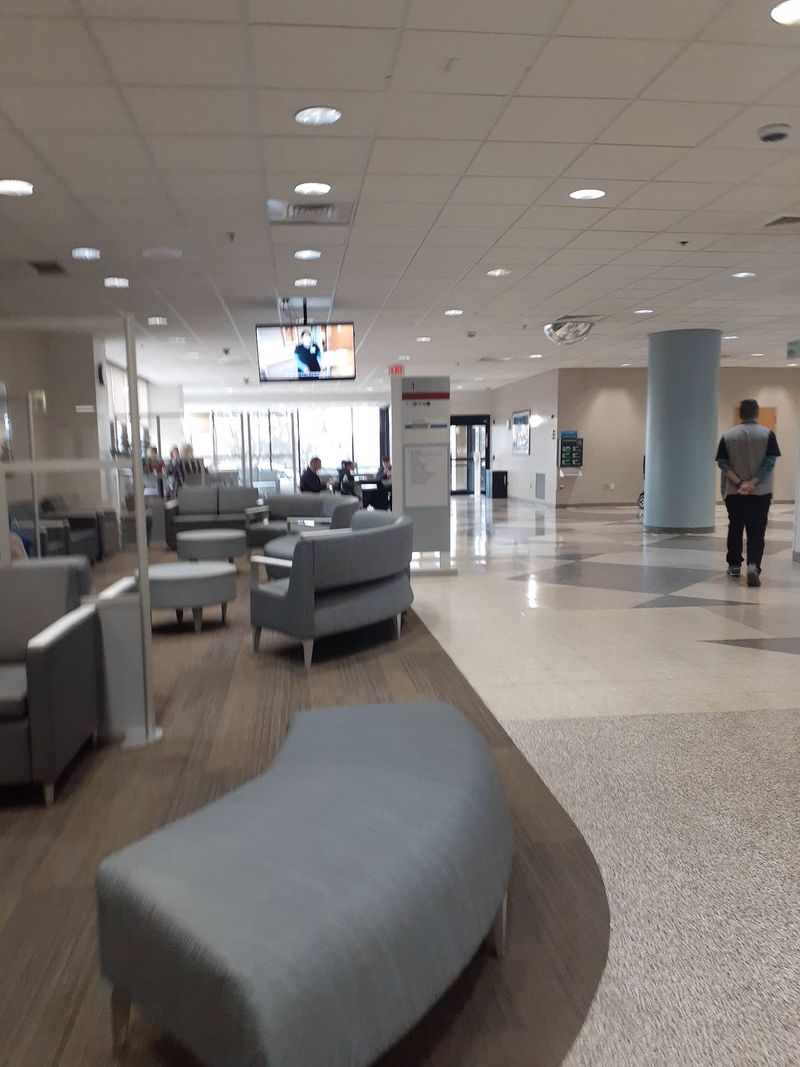
Names stick when someone helps you through a hard day. Families still remember individual nurses here long after they go home.
A couple who faced an unexpected emergency C-section in the women’s wing still talks about the nurse who stood up for their newborn son. They felt she treated their family like her own.
On the 7th floor, a father-in-law’s week-long stay left his family thanking specific staff members by name. They described the team as compassionate and caring.
Caring staff and compassionate care are two of the most common themes linked to this hospital. Night nurses get special credit for answering the call button quickly.
One patient brought in by ambulance after a truck crash said the doctors, nurses, and ambulance crew all took good care of him. His gratitude was clear and heartfelt.
Even patients who had complaints about other parts of their stay often add that the nurses and doctors were kind. That pattern says a lot about the people working the floors.
Where New Families Begin
Birth stories are some of the most personal tales tied to any hospital. Here, several begin in the women’s wing and the Women’s Pavilion.
The birth experience and the NICU both show up in what families share. For parents of tiny newborns, a NICU close to home can be a huge relief.
One family went in expecting a regular delivery and ended up needing an emergency C-section. The doctors and nurses kept them informed every step of the way.
That steady communication helped turn a frightening moment into something manageable. The parents say they would choose this hospital again for every occasion.
Since then, that same family has returned for checkups and visits to different specialists in Danville. Their first experience built trust that carried forward.
Parents planning ahead may want to tour or call the hospital to learn about the women’s services available. Knowing your options early can make the big day feel a bit more prepared.
Care for Kids and Complex Cases
Children’s care is part of the mix at this flagship campus. Families bring kids here for everything from asthma to scheduled overnight testing.
Long-term monitoring stays, often called LTM, are among the services offered on the children’s floors. These usually require planning around work and other kids at home.
Not every stay goes smoothly. One family arrived for a scheduled LTM visit and found their room had been reassigned, with hookup delayed past midnight.
That experience is a good reminder to confirm details before a scheduled pediatric stay. A call the day before can help clear up which floor and room to expect.
On the brighter side, adults who were treated here as children often come back with fond memories. They say there are some great doctors on staff.
Parents can pack chargers, snacks, and a comfort item for overnight stays. Small preparations help kids, and grown-ups, handle the waiting a little better.
Finding the Right Door
Here is an insider tip locals wish someone had told them sooner. The hardest part of a visit can be finding the correct entrance.
MyChart directions often point patients to the Abigail entrance. That area has seen long-running construction, and signs have been hard to spot.
One patient reported no visible sign for the Abigail building from the incoming road. Staff eventually advised following the signs for valet parking to reach that entrance.
Another patient going to outpatient radiology had to walk through the Women’s Pavilion and ask three employees for directions. She arrived 15 minutes late as a result.
The fix is simple. Give yourself extra time, especially for early morning appointments, and call ahead if you are unsure which building you need.
Following the valet signs is a handy shortcut for the Abigail entrance. That one tip may save you a stressful loop around campus.
Valet, Shuttles, and Parking Lots
Parking may not sound exciting, but it shapes your whole visit. Good news first: the valet service is described as inexpensive and very convenient.
For budget-minded Pennsylvanians, that is a nice small saving of both money and steps. It can be especially helpful for patients who struggle to walk long distances.
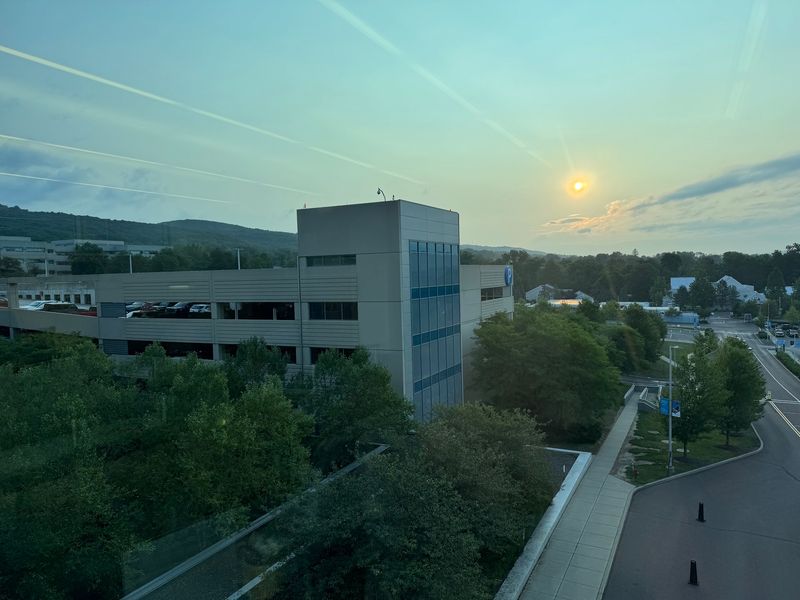
Small shuttle buses run from the parking lots, with little bus stops along the way. The drivers earn warm praise for being kind and welcoming.
Some patients prefer to park their own vehicles. One family with a wheelchair-accessible van had a frustrating exchange with a valet worker and suggested self-parking instead.
Arriving very early and waiting in a parked car may draw attention from security. One parent who did this with her daughters felt uncomfortable, so heading inside sooner may be wiser.
Lines can also form at the main entrance during busy times. Planning a few extra minutes for parking and shuttles keeps the day running smoother.
Waiting Rooms and Patience
A busy flagship hospital handles emergencies around the clock. That reality can sometimes ripple into scheduled appointments.
Wait time is one of the topics people raise. An early morning ultrasound patient waited a full hour after the technician was called to the emergency room.
Calls can be another hurdle. A lymphedema clinic patient had trouble reaching anyone to confirm a follow-up time.
The walk-in urology clinic caused confusion for one family. Despite calling ahead, they were told an appointment was required.
The takeaway is practical rather than gloomy. Bring something to pass the time, and confirm whether a clinic truly accepts walk-ins before driving over.
The hospital lists an email address, [email protected], for anyone who wants to share feedback directly. It is a useful contact if something goes off track during your care.
Rooms, Rules, and Real Talk
Overnight stays come with a few things worth knowing ahead of time. Some rooms are shared by two patients.
In those rooms, patients may share one television, one phone, and one bathroom. Space can feel tight for longer stays.
Hospital meals get mixed marks at best. Many patients and families plan accordingly with permitted items from home.
Security rules apply at the front desk. One patient was not allowed to bring a small emotional support dog to a consult, so check pet policies before your visit.
Discharge is another topic people discuss. Some found the laptop-based process impersonal, so asking questions and reviewing your orders carefully is wise.
Even with those quirks, many of the same patients still praise the doctors and nurses. Being prepared simply helps the stay feel easier.
Who Gets the Most from a Visit
Central Pennsylvania families with complex needs may benefit most from this campus. Having surgeons, specialists, and a NICU in one place saves long trips elsewhere.
Patients needing physical therapy, pain management, or neurological care can find those services here. Transplant care is also part of the picture.
People who value continuity tend to feel at home. Many families return for years, building relationships with their care teams.
Those who prefer quick, simple procedures may weigh their options. One patient felt a smaller location could be faster for a routine scan.
Hours are simple: the hospital is open 24 hours every day of the week. Emergency care never takes a break.
For general questions, the official Geisinger website lists location details. It is the best spot to confirm current services before you go.
A Small Town With a Big Heartbeat
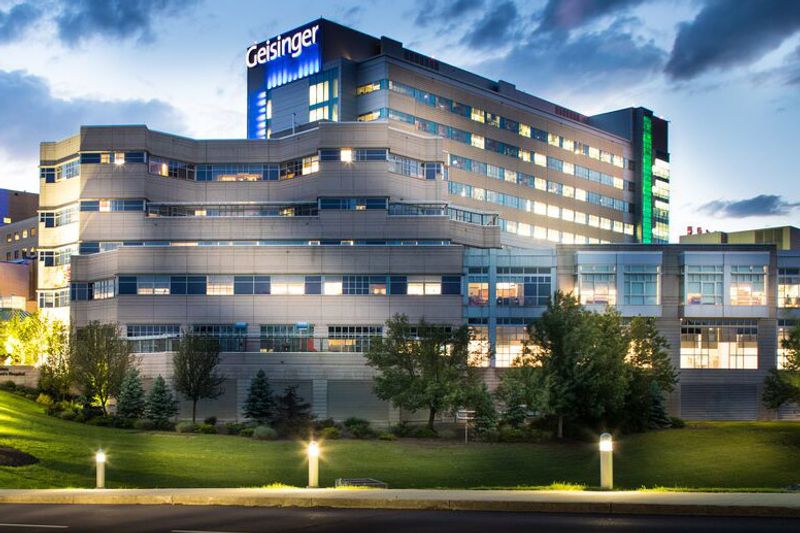
Danville may be small, but its hospital carries a big role in Pennsylvania health care. That contrast is what makes the story so interesting.
The campus keeps growing, the doors never close, and families keep coming back. The flagship status feels earned through decades of daily work.
Like any large hospital, it has rough edges. Signs, waits, and parking can test your patience.
Yet the people inside, from nurses to surgeons to shuttle drivers, often win families over. Their care is what most people remember.
Go prepared with extra time, follow the valet signs to the Abigail entrance, and confirm appointments ahead. Those simple moves can make a visit much smoother.
For a town this size, having a hospital this capable nearby is a real advantage. Danville’s quiet streets hold a heartbeat that serves the whole region.