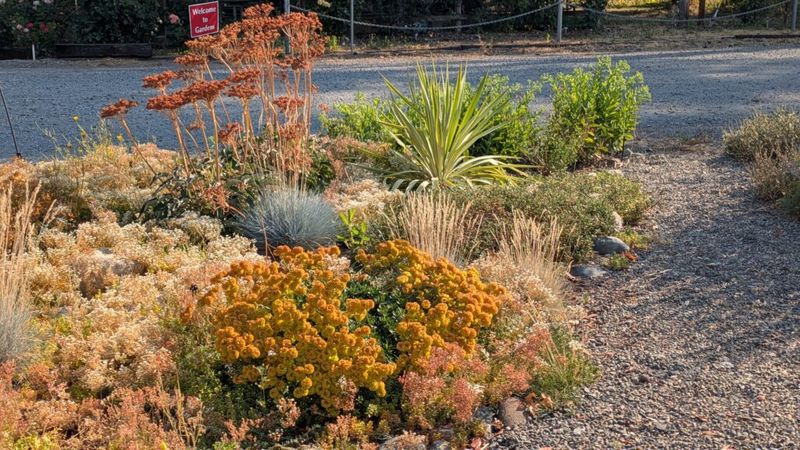
A cleaner creek, a patch of native flowers, or one careful bird count can help Oregon wildlife. You do not need a science degree to protect the places you already love, from neighborhood parks to the coast.
These 11 programs offer ways to start small, learn useful skills, and make conservation part of everyday life. Before signing up, check current openings, training needs, and any costs so you can choose a good fit.
1. SOLVE Volunteer Events
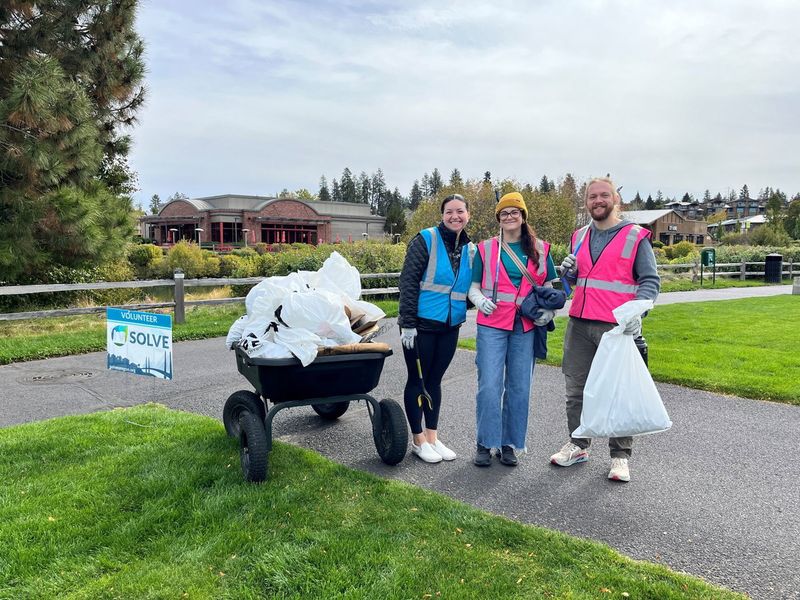
A snack wrapper beside a creek may look harmless until rain carries it downstream. SOLVE gives beginners a practical way to interrupt that journey through organized cleanups and restoration events around Oregon.
The work depends on the event, but it can include collecting litter, removing invasive plants, or improving a natural area. You do not need to identify every bird or understand stream science to make a useful contribution.
Start with the event calendar and choose a location close to home. Read the listing carefully for age rules, physical demands, supplies, and registration details, since a neighborhood cleanup and a steep riverbank project can feel very different.
Wear sturdy shoes and clothes that can get dirty, and follow the leader’s instructions around sharp objects or unfamiliar waste. Ask whether gloves and tools are provided before buying anything.
SOLVE stands out for its straightforward entry point: show up for a defined task and see the change before leaving. Removing trash from familiar parks and waterways helps protect wildlife habitat while keeping those places welcoming for neighbors.
2. CoastWatch
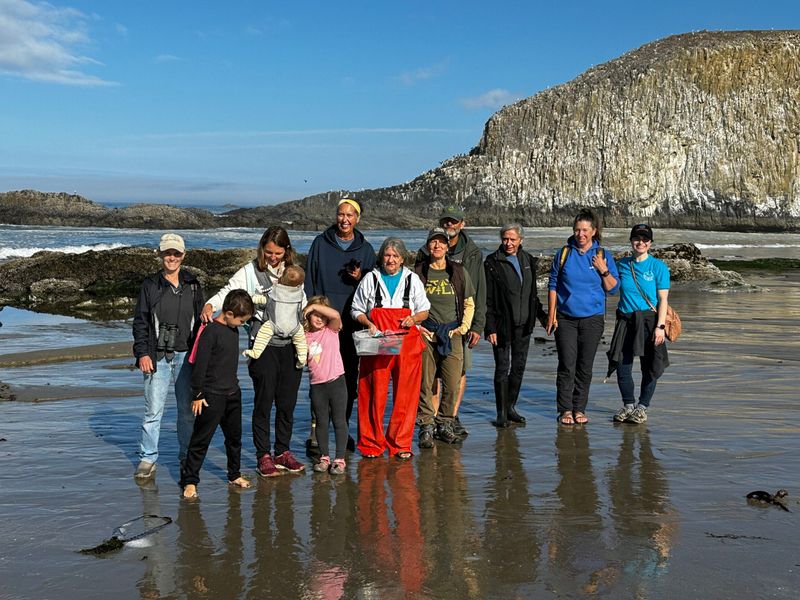
Your favorite stretch of beach can become more than a place to walk the dog. Through CoastWatch, a program of the Oregon Shores Conservation Coalition, volunteers adopt coastal miles and report what they observe.
The focus is on noticing change over time. Reports can describe wildlife, marine debris, erosion, human activity, and other conditions that help build a record of Oregon’s shoreline.
Beginners can learn from program guidance and educational events rather than arriving with expert knowledge. Repeated visits teach you what is normal for your mile, making an unusual sight easier to recognize.
Check how mile adoption and reporting currently work before committing. Choose a stretch you can reach safely and regularly, and account for fuel costs if your beach requires a long drive.
Coastal safety comes first: watch tides, stay away from unstable cliffs, and never turn your back on the ocean. Observe animals from a distance instead of moving or handling them.
The distinctive reward is familiarity. Over time, a beach stops being scenery and becomes a living place whose changes you can help document.
3. COASST Beached Bird Surveys
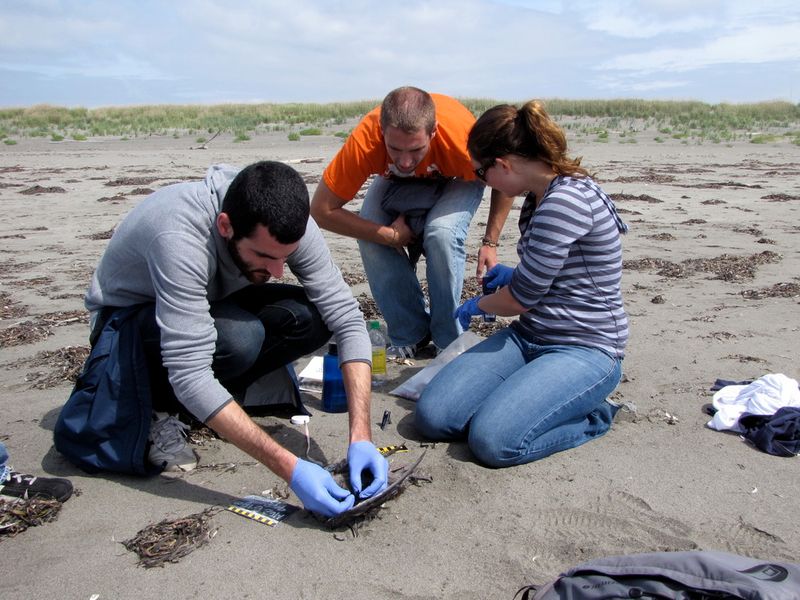
Finding a dead seabird is not the cheerful side of a beach walk, but the observation can carry valuable information. The Coastal Observation and Seabird Survey Team, known as COASST, trains volunteers to collect consistent data on beached birds.
The program operates along the Pacific coast, including Oregon. Its records help researchers study patterns in seabird deaths and understand changes in coastal ecosystems.
Unlike a casual wildlife sighting, a survey follows a set method. Training covers identification tools, measurements, documentation, and the steps needed to make observations useful across different beaches and volunteers.
Ask about current Oregon training opportunities, available survey locations, and the expected schedule. A regular survey commitment may suit someone who already visits the coast often better than someone seeking a single afternoon activity.
Follow the program’s current health and handling rules, especially when disease concerns affect seabirds. Never assume that a carcass is safe to touch.
COASST offers a distinctive beginner path into real research. You learn to turn a difficult discovery into a careful record that can help scientists recognize larger problems.
4. Oregon Season Tracker
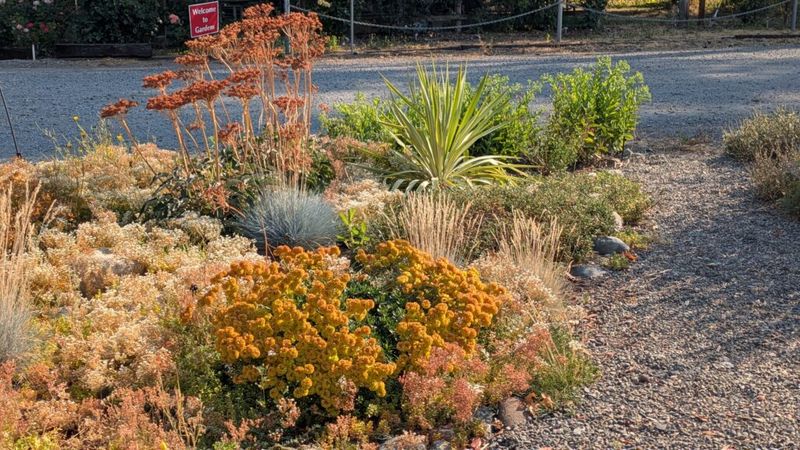
A rain gauge and a nearby plant can open a window into Oregon’s changing seasons. Oregon Season Tracker, offered through Oregon State University Extension, connects volunteers with observations of precipitation and plant life cycles.
That may sound more like gardening than wildlife work, but timing matters to animals. Leaves, flowers, and fruit help shape when food and shelter become available across a habitat.
Participants learn standardized ways to record observations and contribute information through partner science networks. The project is especially appealing if you enjoy watching the same place change rather than traveling to a new work site every weekend.
Look for current training through OSU Extension and ask which activities are available in your area. Confirm equipment needs before signing up, since precipitation monitoring can require a specific rain gauge.
A yard is useful, but access and observation-site rules depend on the activity. Choose somewhere you can visit consistently without disturbing plants or entering private property without permission.
The quiet strength of this program is routine. A few careful observations, repeated over time, help turn everyday weather and seasonal changes into a record researchers can use.
5. Backyard Habitat Certification Program
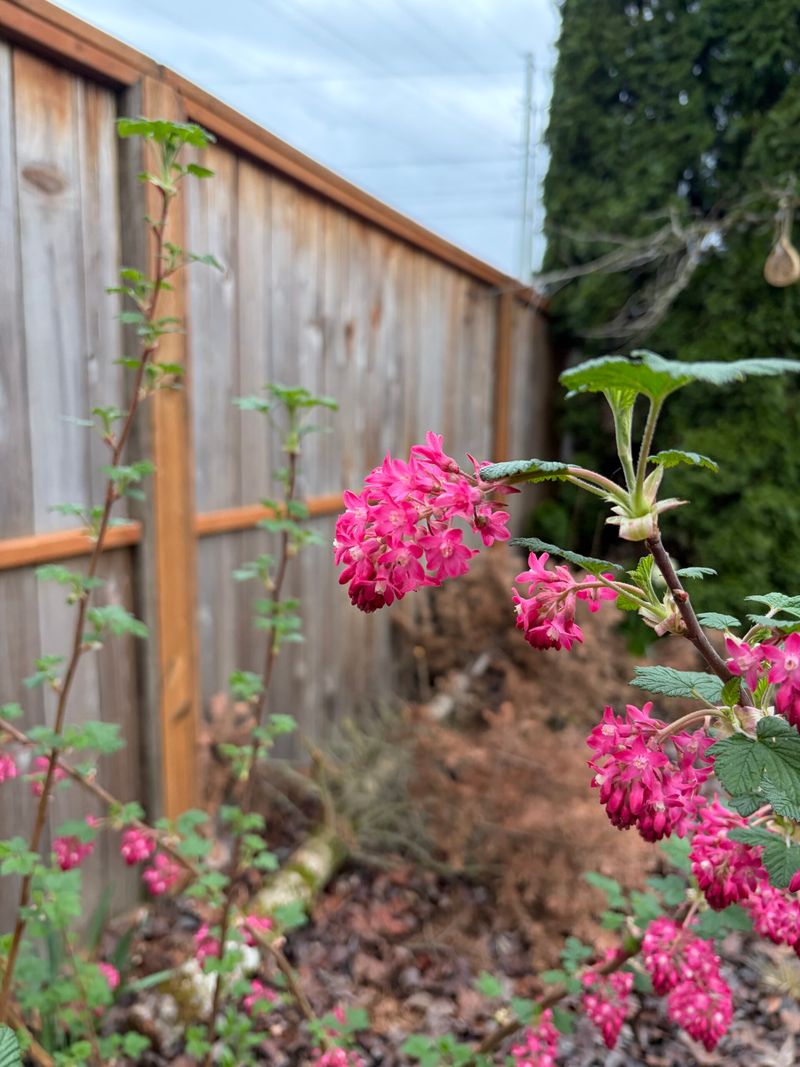
That unused corner beside the fence could become shelter for a bird instead of another patch of lawn. The Backyard Habitat Certification Program helps people improve outdoor spaces for wildlife in its Portland-area service region.
The program is a partnership between Bird Alliance of Oregon and Columbia Land Trust. Its guidance focuses on practices such as growing native plants, managing invasive species, reducing pesticide use, and supporting wildlife-friendly conditions.
Beginners benefit from a clear framework rather than a shopping list of random plants. Site guidance and program resources can help you understand what your space needs and which changes deserve attention first.
Check the current service boundary, enrollment fee, and certification requirements before applying. Renters should get permission for permanent changes, while homeowners can spread planting costs over time instead of rebuilding the whole yard at once.
Even a modest planting area can support insects that birds rely on for food. Keep pets from disturbing wildlife and choose plants suited to your site’s light and moisture.
The difference here is staying power: your conservation project lives outside your door, where you can care for it through every season.
6. Friends of Tualatin River National Wildlife Refuge
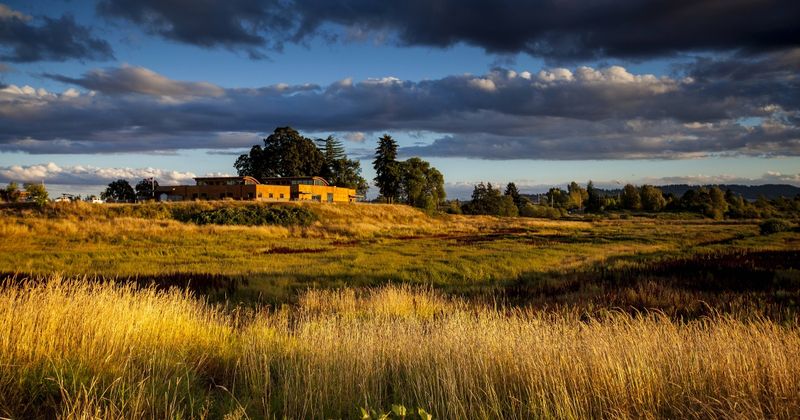
Just outside Sherwood, wetlands give migrating birds a place to rest in a busy part of the Willamette Valley. Friends of Tualatin River National Wildlife Refuge supports this protected landscape and helps connect the community with refuge activities.
For a newcomer, the appeal is learning in a place where wildlife conservation is already visible. Depending on current needs, opportunities may involve habitat projects, public events, visitor support, or other work coordinated with refuge staff.
Contact the Friends group or refuge volunteer coordinator to ask which roles accept beginners. Some positions require an application, training, or an ongoing schedule, so do not assume every opportunity works like a drop-in event.
If you prefer outdoor work, ask about terrain, lifting, and weather exposure. If those demands are not a good match, a public-facing or event-support role may offer another useful route.
Stay within authorized areas and follow seasonal closures, which protect wildlife even when a path looks inviting. Bring binoculars if you already own them, but ask whether equipment is necessary before spending money.
This program links local service with a familiar refuge that many nearby families can return to year after year.
7. Friends of Trees
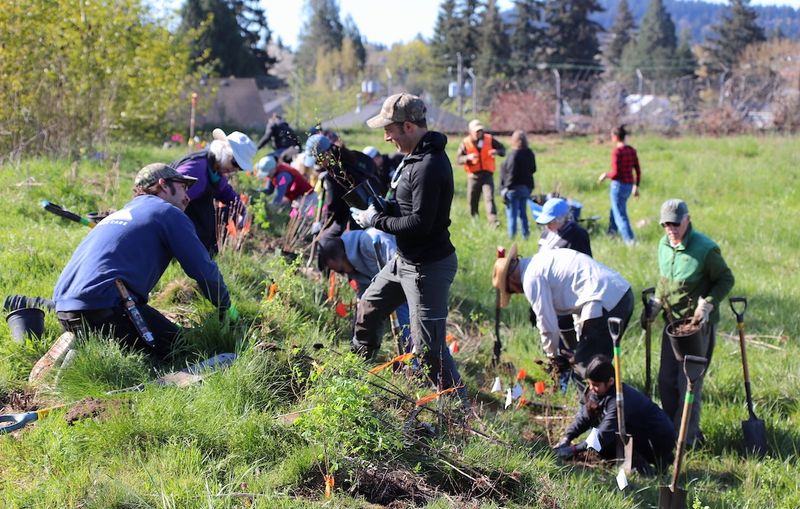
Muddy boots can be a promising sign when the goal is better habitat. Friends of Trees organizes volunteer planting and care events in parts of Oregon, including projects that restore natural areas.
For wildlife conservation, look especially for its Green Space work and other habitat-focused events. Native trees and shrubs can provide cover, support insects, and help shade waterways as they grow.
Many public work parties offer a manageable introduction to planting with guidance from experienced leaders. You can learn how to place a plant, handle roots carefully, and give young vegetation a stronger start.
Use the current event calendar to find a project near you, then check registration and age requirements. Ask what tools are supplied and whether the site involves steep ground, heavy lifting, or long walks.
Choosing a nearby event can keep travel costs low, especially if you join with a neighbor. Dress for mud and rain, and bring water even on cool mornings.
The payoff is slower than picking up litter, but it grows. A small plant placed today can become part of a connected landscape where birds and other animals find food and shelter.
8. ODFW Volunteer Program
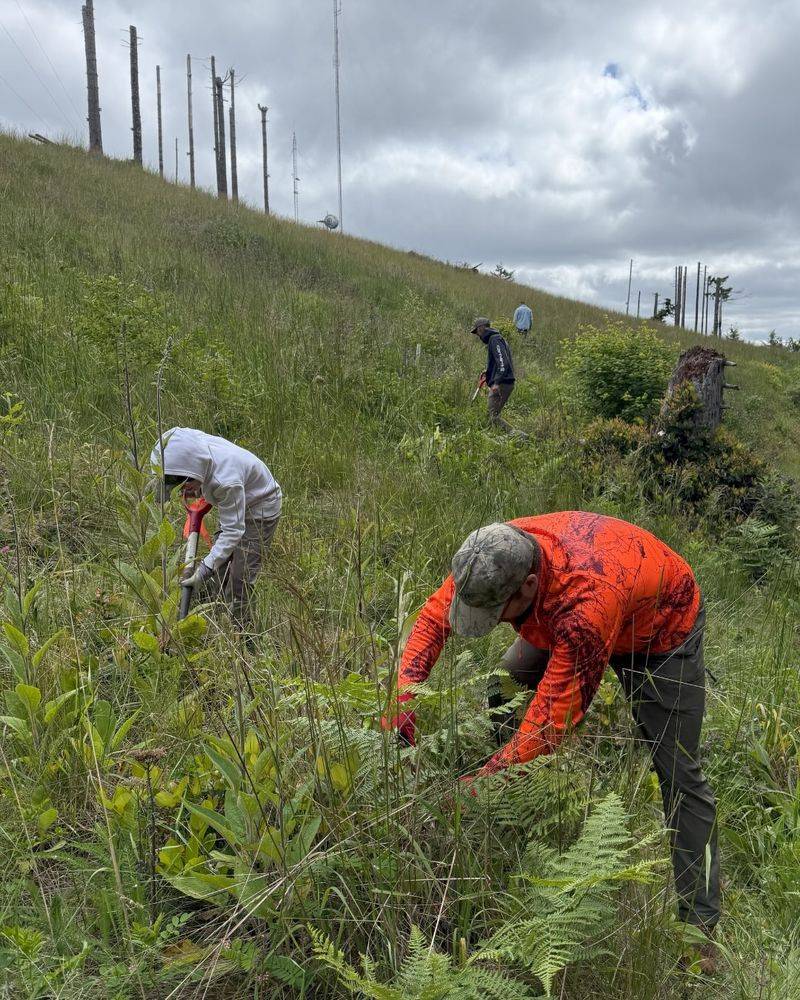
Oregon’s wildlife work stretches well beyond the places most visitors see. The Oregon Department of Fish and Wildlife recruits volunteers for a range of assignments that support fish, wildlife, and their habitats.
Available roles vary by location and staffing needs. They can include habitat improvements, assistance at facilities, public outreach, and other projects where extra hands help agency staff carry out their work.
The main advantage is choice across a large state. A resident near Bend may find different opportunities from someone in Salem or on the coast, so begin with the agency’s volunteer information and ask about nearby openings.
Be clear about your experience, schedule, and comfort level. Some duties are suitable for beginners, while others require screening, special training, physical ability, or a longer commitment.
Do not expect volunteering to provide unrestricted contact with wild animals. Handling and technical fieldwork belong under proper authorization and supervision.
Before accepting a role, confirm travel expectations and whether any equipment is required. Finding a realistic assignment matters more than choosing the most adventurous-sounding one, especially when gas costs and work schedules limit how far you can go.
9. Think Wild Volunteer Program
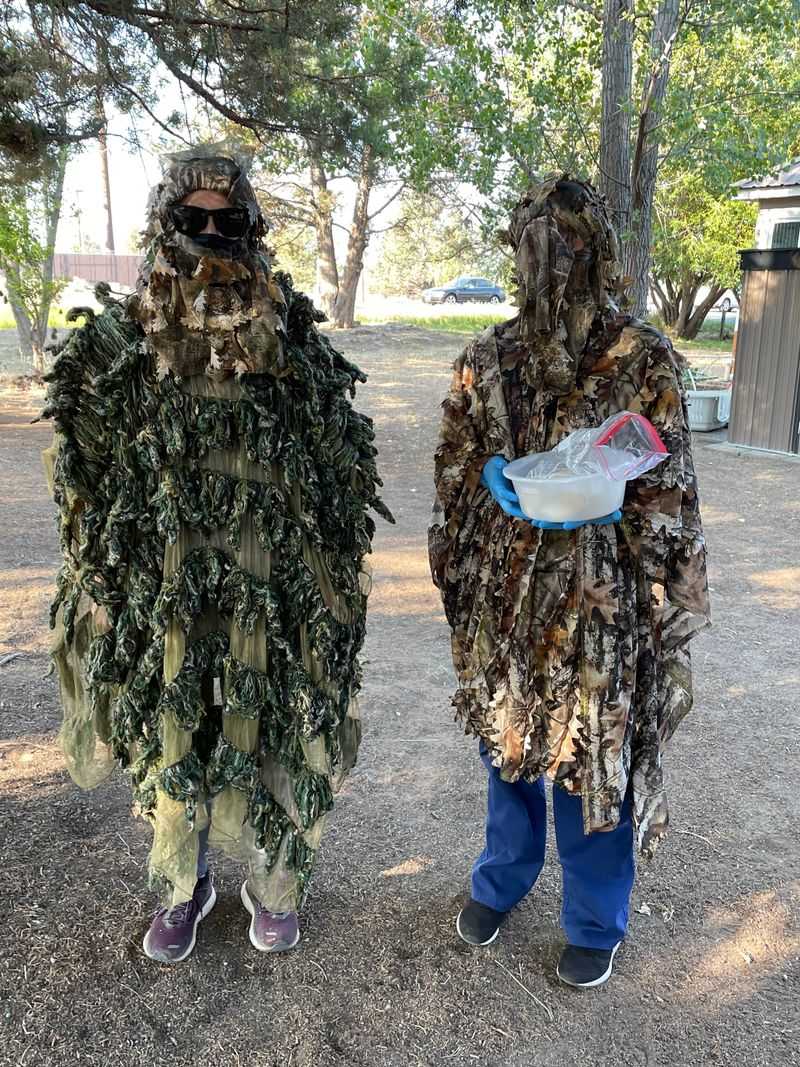
A recovering wild animal needs more than medical treatment. Clean spaces, prepared supplies, reliable records, and organized support all help a wildlife hospital function.
Think Wild, based in Bend, offers volunteer opportunities connected with its Central Oregon wildlife mission. Depending on current openings, volunteers may support rehabilitation operations, education, outreach, or habitat-related work.
For beginners, behind-the-scenes service is often the most useful place to start. It builds practical habits while showing how much care goes into helping an animal return to the wild.
Read the current volunteer requirements before applying, including minimum age, training, and time commitments. Ask which tasks are open to newcomers and whether a regular shift is expected.
Rehabilitation is not a petting experience, and limiting human contact can be part of successful care. Follow staff direction closely and never bring an injured animal to a facility without first seeking its instructions.
Think Wild stands out for residents who want to support wildlife care close to home in Central Oregon. A dependable helper who washes equipment or prepares materials can make a meaningful contribution without performing medical work or handling animals independently.
10. Cascades Raptor Center Volunteer Program
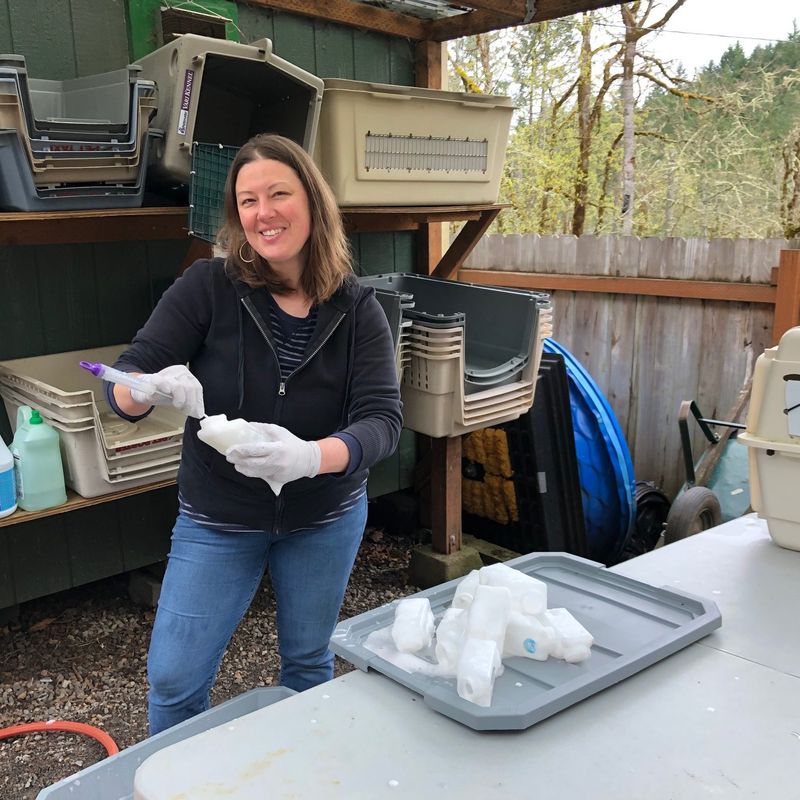
An owl’s silent flight may draw you in, but steady everyday work keeps a raptor center running. Cascades Raptor Center in Eugene combines wildlife rehabilitation with education through resident birds that cannot return to the wild.
Volunteer roles can support grounds, visitor services, fundraising, and other operational needs. Specialized animal-care work has its own requirements, so beginners should ask about entry-level tasks rather than expect immediate bird handling.
The setting makes this option different from a beach survey or planting party. You can help an established wildlife facility while learning why injured raptors need professional care and why healthy wild birds should remain wild.
Check current openings, age limits, orientation details, and shift expectations. A role that requires weekly attendance is worth weighing against school, work, transportation, and family responsibilities.
Outdoor assignments may involve rain, uneven paths, or lifting, while other duties call for patience with visitors. Explain your needs honestly so staff can help identify a suitable role.
Respect enclosure boundaries and all photography rules. The real reward is supporting the care and education work, not gaining close contact with a bird that needs space.
11. Bird Alliance of Oregon Community Science
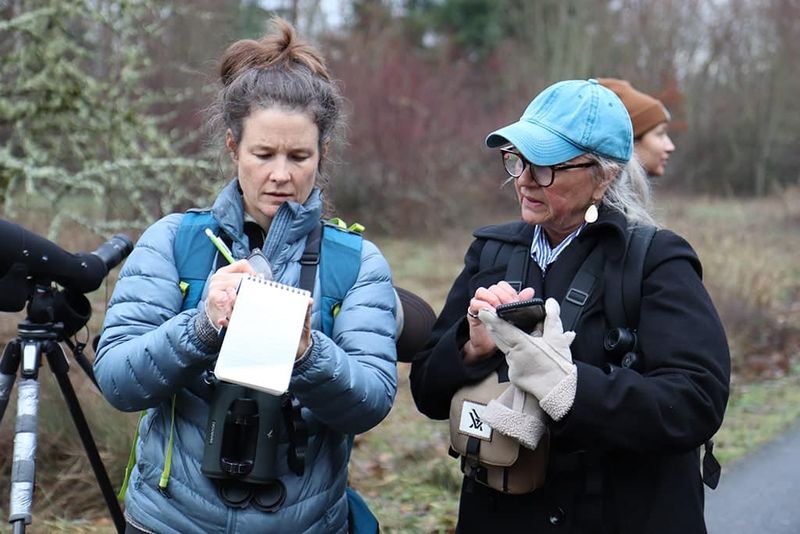
You do not have to name every bird on your first outing to become a careful observer. Bird Alliance of Oregon offers community science opportunities that connect volunteers with bird monitoring and conservation.
Projects change over time and can focus on different species, places, or survey methods. Some are more demanding than others, making it worth asking which current opportunities include training for new participants.
What separates this route from casual birdwatching is the purpose behind each record. A survey may require a set location, a specific observation period, or careful notes that let organizers compare results over time.
Begin with the organization’s current community science listings and explain your skill level. Ask about equipment, travel, scheduling, and whether you can learn alongside an experienced participant.
Binoculars can help, but avoid buying expensive gear until you know what a project requires. Keep away from nests and follow all guidance about sensitive birds and sharing their locations.
This is a good match for someone who enjoys patient attention more than heavy outdoor labor. As your identification skills improve, familiar Oregon birds can become the starting point for a deeper role in protecting their habitats.