A penguin named Wyatt has a fan club in Pittsburgh, and he has never asked for it. A pushy flock of lorikeets will happily eat out of your hand for a few dollars.
A sloth gets most of its exercise around 10 in the morning, and people plan their whole day around that. All of this happens on the North Side, in a place where many birds are not kept behind glass at all.
They walk past your feet, perch on branches near your shoulder, and fly right over your head during the shows. More than 500 birds from over 150 species live here, and the hands-on options go well past simply looking.
Keep reading to learn which encounters are worth booking, when to arrive, what admission costs, and how to handle parking like a local.
A North Side Home for 500 Birds
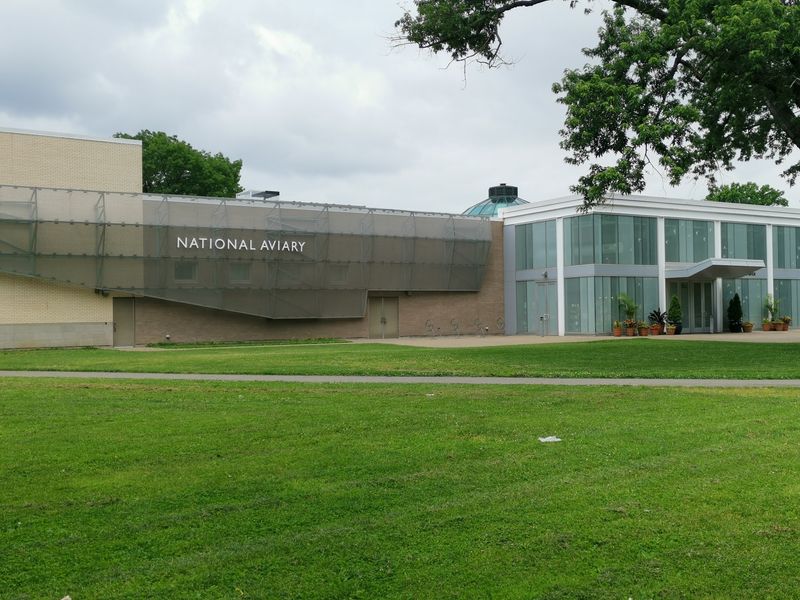
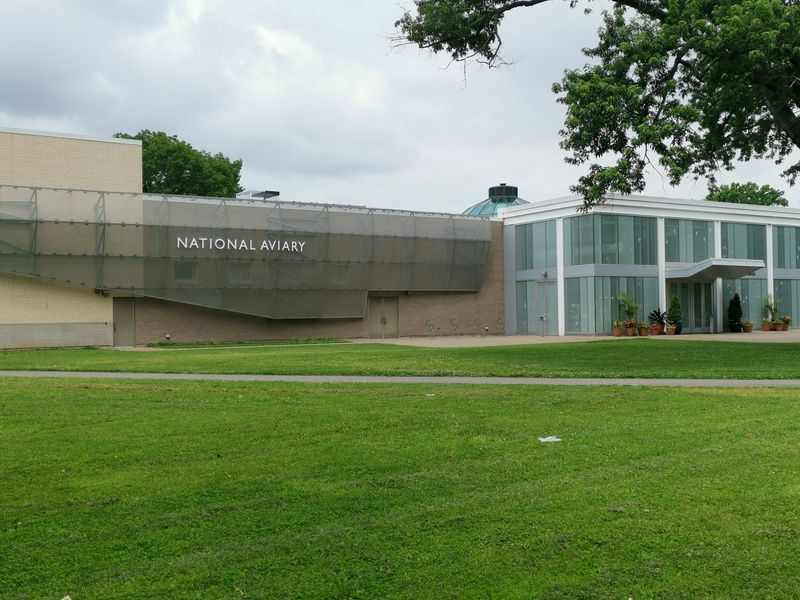
Pittsburgh’s North Side holds a bird zoo with more than 500 residents, and the address is easy to remember: 700 Arch St, Pittsburgh, PA 15212.
The National Aviary is home to birds from over 150 species. It offers interactive encounters, scheduled feedings, live shows, and even party packages for kids.
Many people think of it as a quick stop. Plenty of families end up staying for hours instead.
Roughly 95 percent of the experience happens indoors. That makes it a smart backup plan when Pennsylvania weather refuses to cooperate with outdoor plans.
One family visiting from Upstate New York switched from the zoo to the aviary because of rain. They left calling it an amazing choice.
The building is laid out in a series of rooms. Each one represents a different habitat, with its own mix of species.
Locals sometimes forget it is right in their backyard. Some Pittsburghers have even played tourist in their own city here and came away calling it a true treasure.
So what makes this place different from a typical zoo? The answer starts with how close the birds are allowed to get.
No Glass Between You and the Birds
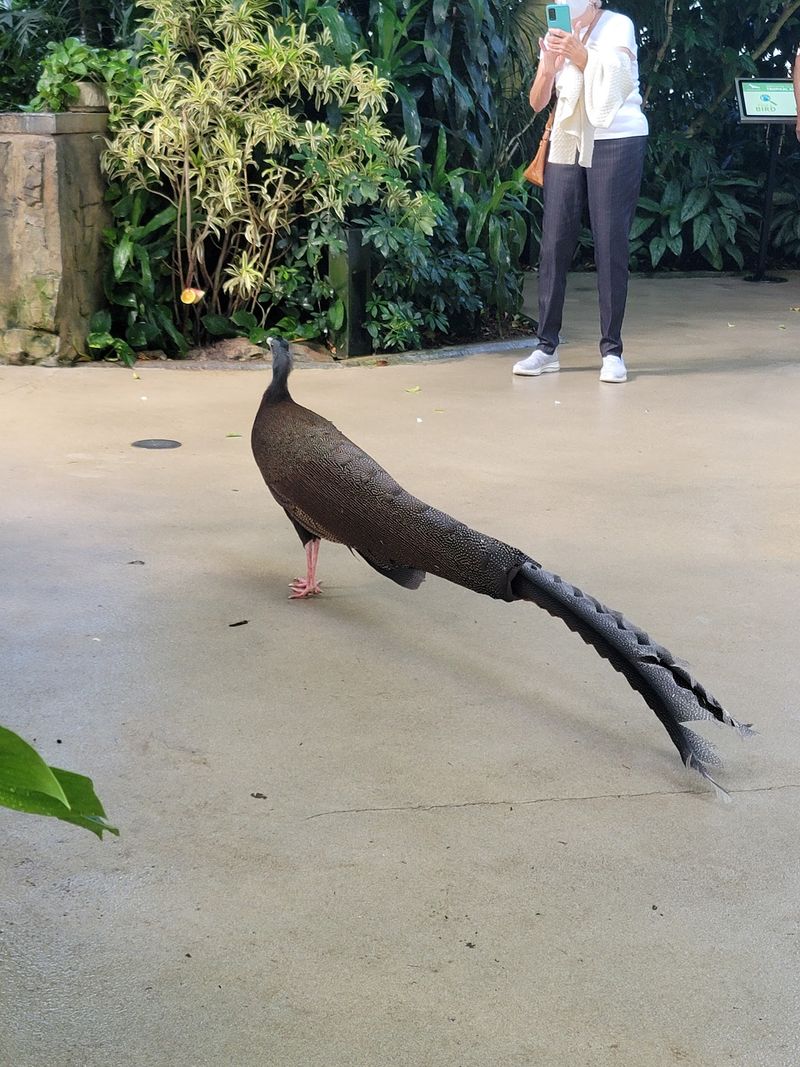
Most zoos keep a polite distance between animals and people. Here, the birds did not get that memo.
The standout feature is the enclosure design. Many birds are not kept behind glass at all.
They stroll along the paths, walk right in front of guests, and perch on branches just inches away. Some birds are in enclosures, but a large number are simply wandering around.
For photographers, this is a big deal. Clear, unobstructed shots of Roseate Spoonbills, Flamingos, and even a small yellow canary are very possible.
Bring a good camera if you have one. Even a phone can capture surprisingly close moments.
Several of the small walk-through rooms let birds fly freely around guests. In the tropical rainforest room, birds walk and fly all around you as you move through.
Kids tend to stop in their tracks the first time a bird walks up to them. Adults often do the same thing.
A friendly reminder: these are wild-type animals in a shared space. Give them room, follow staff guidance, and let the birds decide how close they want to come.
Lorikeet Lunch for About Four Dollars
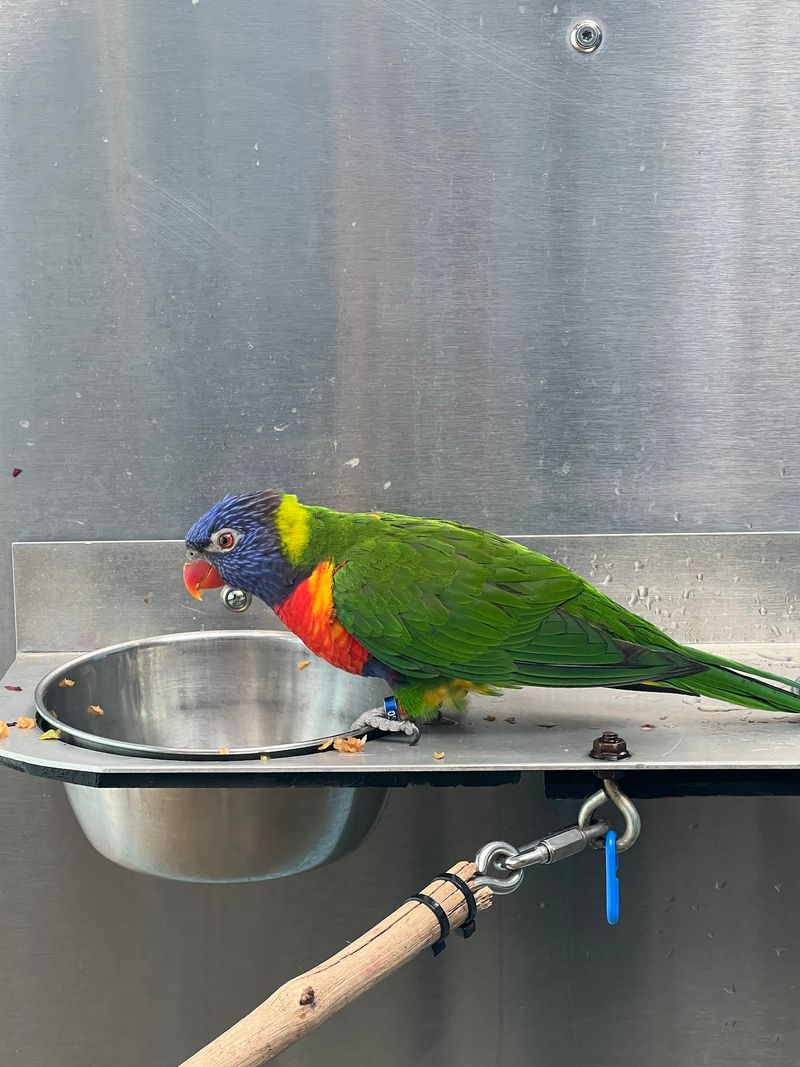
Four dollars does not buy much these days. At the aviary, it can buy a handful of very enthusiastic lorikeet friends.
The lorikeet feeding is one of the most talked-about extras. For around $4, guests can feed these brightly colored parrots, and the birds do not play hard to get.
In fact, they are known for being a bit pushy. Expect them to land on you with confidence.
That small price makes it one of the best-value add-ons in the building. It is a budget-friendly way to turn a regular visit into a hands-on memory.
Families often pair it with other scheduled feedings during the same trip. Some guests attend two different feeding activities in one visit.
Prices for add-ons can change, so check at the front desk or on the website before you go. It is also smart to ask about feeding times when you arrive.
Staff are happy to point you toward the schedule. Timing matters, because these feedings happen at set points during the day.
Bring patience, a steady hand, and maybe a sense of humor. The lorikeets bring everything else.
Penguins Steal the Spotlight
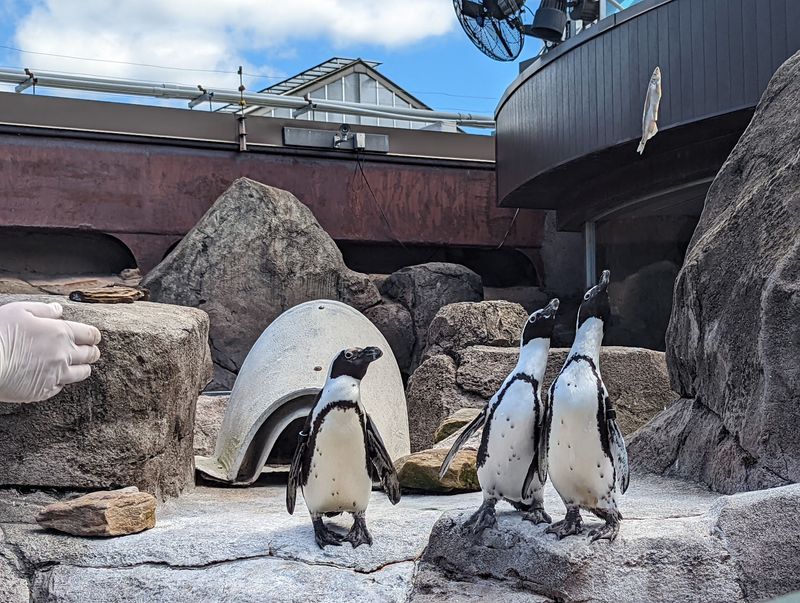
Ask kids what they remember most, and the answer is often a tuxedo-wearing bird with a waddle.
Penguins are the single most mentioned topic connected to this place. They live in the wetlands area, alongside flamingos.
The penguin feeding happens in the morning, with one session spotted at 10:30 AM. Staff share facts about the penguins while feeding them fresh fish.
For a closer look, the penguin encounter is a paid experience. Guests who book it often say it is absolutely worth the money.
Meeting a sweet penguin named Wyatt has become a highlight for some families. Personal introductions like that tend to stick with kids long after the trip.
Penguin encounters are even part of special events. At one rehearsal dinner, a penguin greeted guests as they arrived.
Keep expectations realistic. The penguin exhibit is not huge, and some days only a few penguins are out and active.
Small detail, big smile: there is a penny press near the penguins with four designs at 51 cents each. Bring some coins and a penny for a cheap souvenir.
A Sloth in a Bird House
It’s not a bird. Nobody seems to mind.
The sloth is one of the most popular residents in the entire building, mentioned hundreds of times by guests. It is a fun surprise in a place known for feathers.
Timing is the secret here. Staff have explained that the sloth tends to be active around 10 AM, while it looks for a spot to settle in for the day.
Arrive right at opening for your best chance of seeing it move. After that, it may be in full relaxation mode.
For something more personal, the aviary offers a scheduled sloth encounter. Couples and families book appointments to meet and pet the sloth.
These encounters require planning ahead, so reserve your spot before your visit. Spaces are limited for close-up experiences like this.
Some guests book all three animal encounters in one day. They describe each one as better than the last.
Seeing a sloth up close might be the slowest thrill you ever enjoy. It is also one of the most memorable.
Shows That Fly Over Your Head
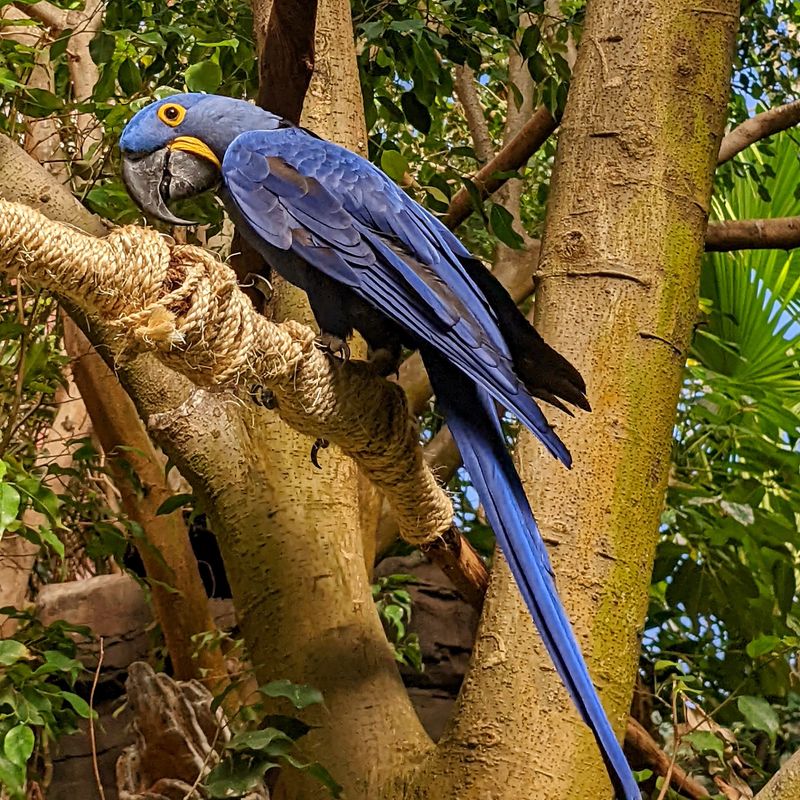
Ducking is optional, but many people do it anyway.
The live bird shows are a favorite for good reason. Fully flighted birds soar across the room to different perches, often right over the crowd.
Birds seen in these shows have included an eagle, an owl, macaws, an Amazon parrot, and a large crane. The variety keeps things exciting from start to finish.
The show carries an extra cost beyond general admission. Many guests feel it alone is worth the price of entry.
Younger kids especially love it. Watching birds fly through and around the audience is something most children have never seen before.
Some families catch two shows in a single visit. If time is short, aim for at least one.
Check the daily schedule as soon as you arrive. Staff at the front desk often share helpful tips about what times things are happening.
Missing the show would mean missing one of the best parts of the day. Plan around it, and the rest of the visit falls into place.
Falcons, Owls, and a Gloved Arm
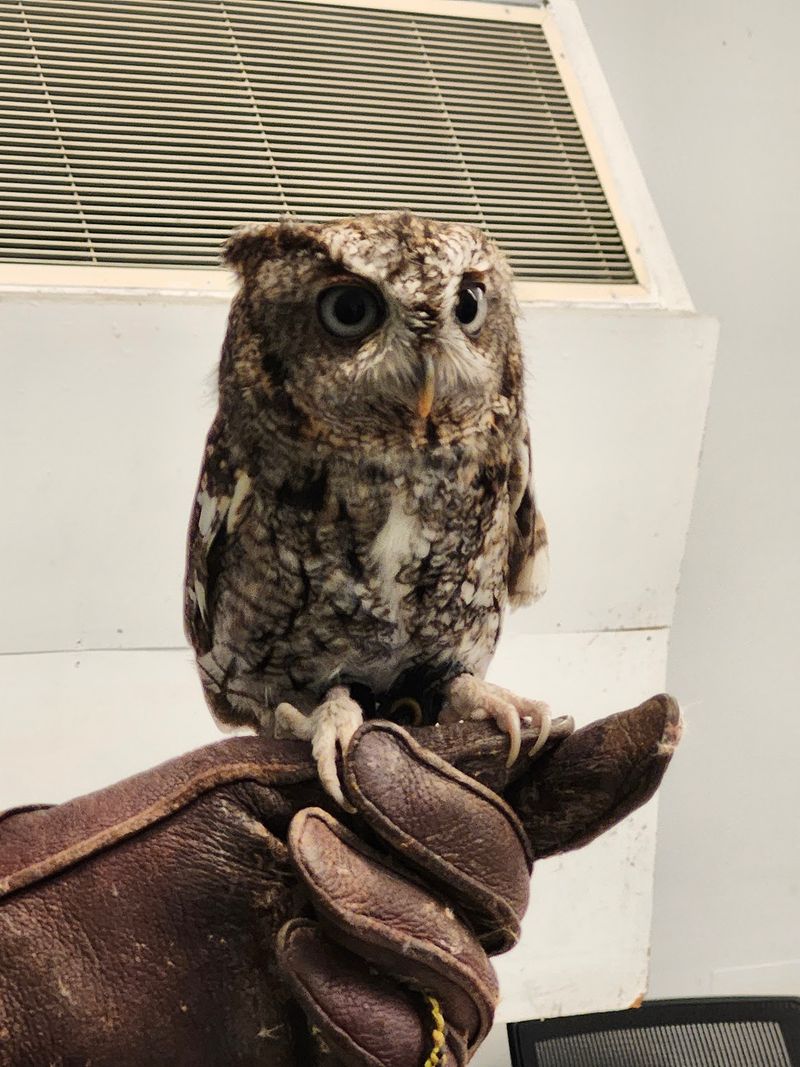
A falcon landing on your arm is not an everyday Tuesday activity. Then again, the aviary is closed on Tuesdays anyway.
The falcon encounter lets guests wear a protective glove while a falcon flies straight to their arm. It is a thrilling moment for both kids and adults.
Birds of prey have their own area inside the building. It is a good spot to learn how these hunters differ from the colorful tropical birds.
Owls also make appearances. Volunteers sometimes walk around with an owl, teaching small groups about the bird.
One friendly volunteer, a retired teacher, has been known to share owl facts with guests. These casual meetings are free extras that add a lot to the day.
Encounters like the falcon experience usually need to be booked. Check availability early, especially on weekends.
Every encounter is led by trained staff. They explain how to stay calm and what the bird will do.
Leaving with a story about a falcon on your arm beats a souvenir magnet every time.
Condors and Eagles Outdoors
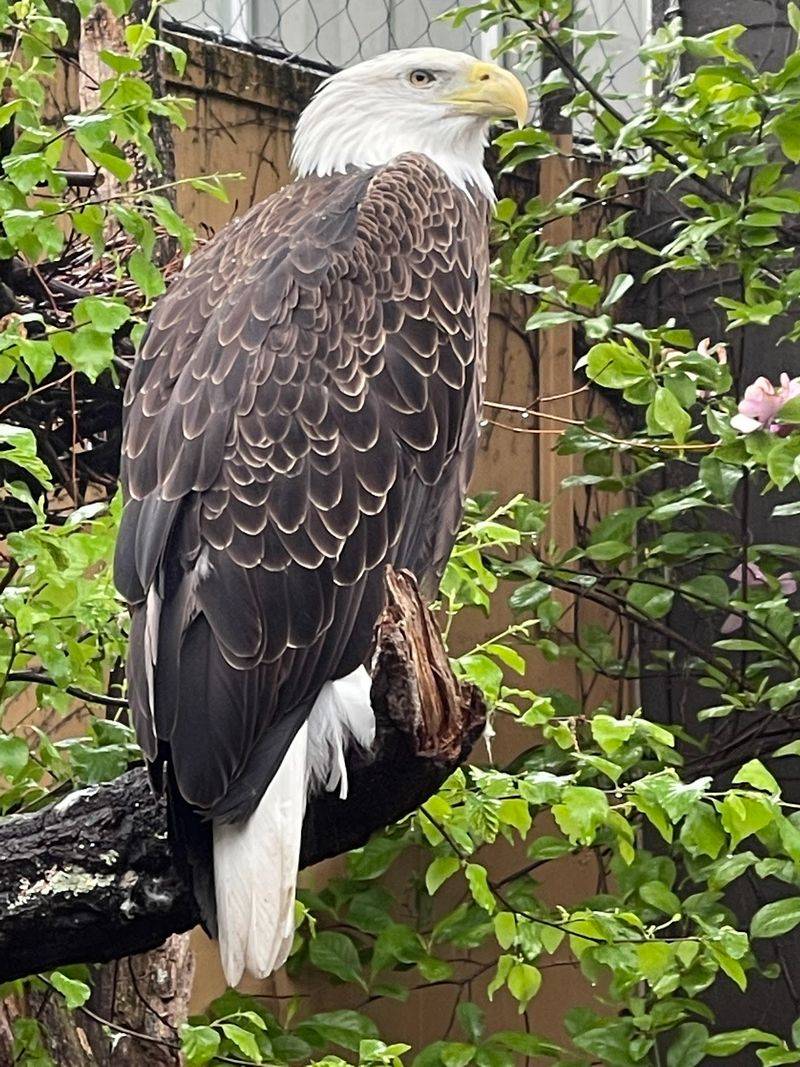
Some birds put on a show. Others simply stare you down.
The outdoor area is home to condors and eagles, including bald eagles. It offers a change of pace from the busy indoor rooms.
The condors are often called both the coolest and the creepiest animals here. They are known for staying perfectly still, sometimes for long stretches.
That stillness can be surprising. Give them a few minutes, and you may catch a small movement worth the wait.
Bald eagles are a natural draw for American families. Seeing the national bird at a place called the National Aviary just feels fitting.
This section is one of the few outdoor parts of the visit. Plan for weather if you want to spend time out there.
Bring kids out here after the indoor excitement. It is a calmer space for questions and quiet observation.
Big wings, serious faces, and plenty of attitude make this corner a memorable finale before heading back inside.
Rooms of Rainforest and Wetlands
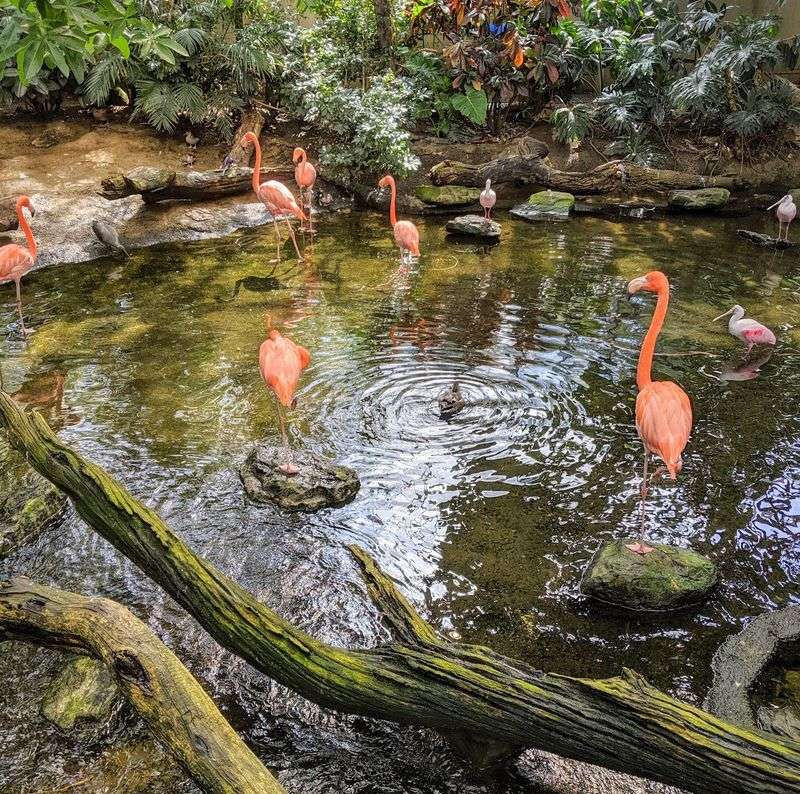
First impressions can fool you. Several guests admit the entrance felt underwhelming, until they kept walking.
Each room opens into a different ecosystem with its own species. The variety keeps surprising people as they move from space to space.
The tropical rainforest room features ducks, ibis, and parrots. Birds walk and fly around guests throughout this area.
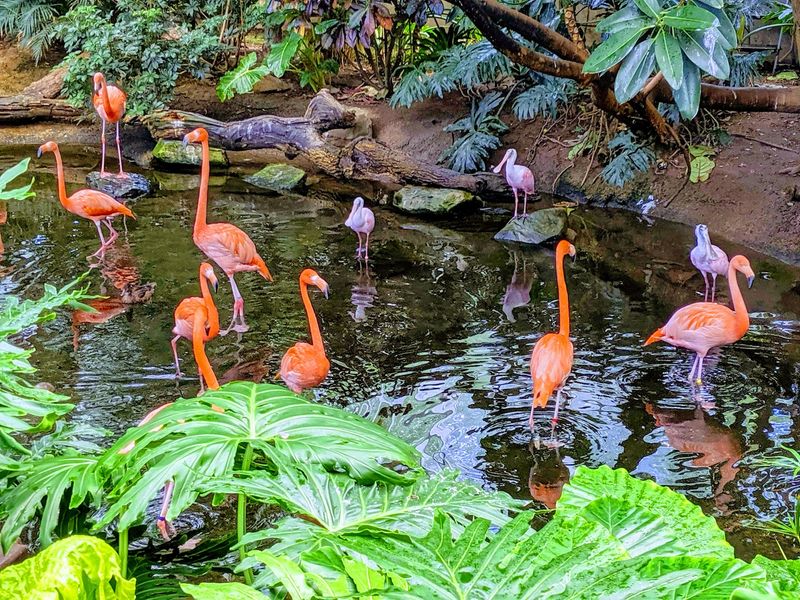
The wetlands area is home to penguins and flamingos, along with roseate spoonbills. Scheduled feedings happen here too.
Be aware that bird activity changes day to day. Some days the wetlands have fewer birds out, and not every bird joins in at feeding time.
Volunteer guides make these rooms richer. They help spot species and share facts about native habitats and the exhibits themselves.
Take your time reading the signs. Visits can run anywhere from one to three hours depending on how much you take in.
Slowing down in these rooms is the best way to notice the small, quiet birds most people walk right past.
Staff Who Love Questions
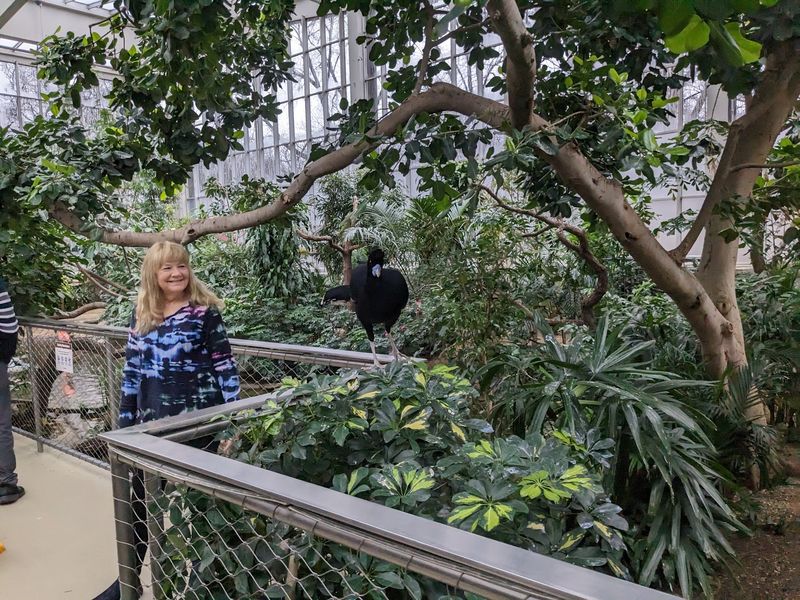
Knowledgeable staff come up almost as often as penguins. That says a lot.
Employees and volunteers are known for being patient and friendly. They answer questions, share fun facts, and clearly care about animal care and education.
Staff often greet guests with tips on where to go and when activities start. That kind of guidance makes a small facility feel easy to explore.
Volunteer tour guides are another bonus. Many are well informed and articulate, and they help people spot species they might miss.
Kids get extra attention too. There is a coloring station and a few hands-on bins that keep toddlers busy and engaged.
The facility is well maintained and accessible. It works well for people who cannot walk through a larger zoo.
That makes it a great fit for grandparents, solo explorers, couples, and families with little ones.
Got a question about a strange bird call? Someone nearby probably has the answer, and a story to go with it.
Hours, Tickets, and Parking Tips
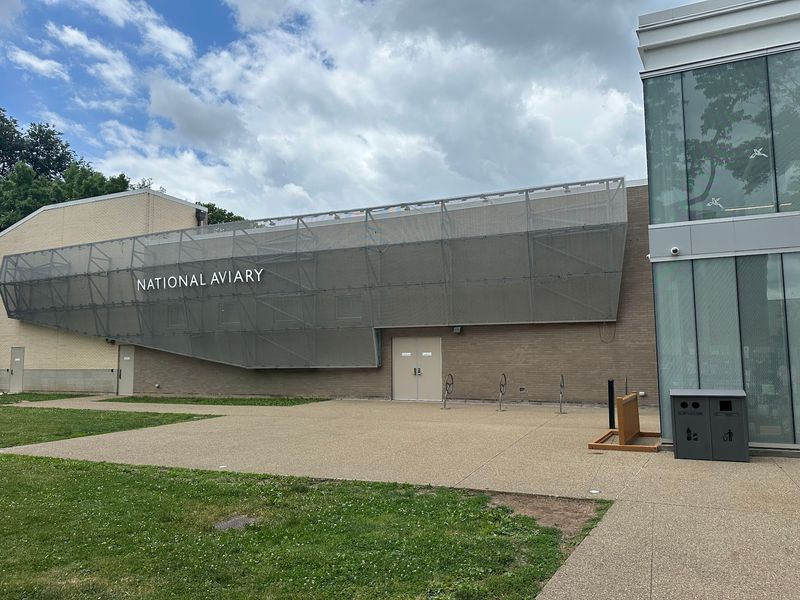
A little planning saves money and frustration here.
The aviary opens at 10 AM. It closes at 5 PM Thursday through Monday and at 4 PM on Wednesday, and it is closed on Tuesdays.
Adult admission is about $20. Children under two get in free, and senior and military discounts are honored.
Encounters and shows cost extra, but many are described as affordable. Prices may change, so check the website before your trip.
Parking is the tricky part. The nearby lot costs about $7, payable at the lot kiosk or the ticket desk, and it can fill up by midday.
Street parking is often the best option. Metered spots nearby can cost just a few dollars, so be patient and circle for a space.
The garage nearby does not belong to the aviary. Read signs carefully before parking there.
Arriving right at 10 AM helps with everything: parking, crowds, and catching that early-rising sloth.
Worth the Trip to Arch Street
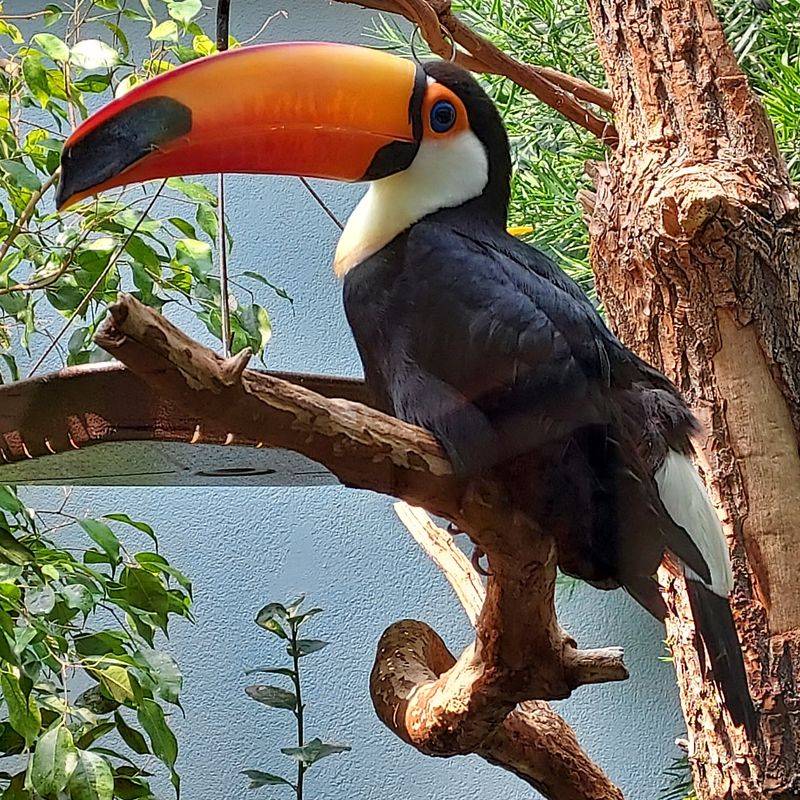
Small in size, big on surprises. That sums up the experience for many families.
The aviary is not a massive zoo, and it does not try to be. Most people see everything in about two to three hours.
What it offers is closeness. Birds walk beside you, fly overhead, and sometimes eat from your hand.
Budget-minded locals will appreciate the value. A $4 lorikeet feeding and a penny press souvenir prove that memorable moments do not need a big price tag.
Bird lovers often say they would buy an annual pass if they lived nearby. Pittsburgh residents actually can, which is a nice insider perk.
Before leaving, the gift shop carries clothing, stuffed toys, books, mugs, and trinkets. The Kookaburra Cafe offers basics for a quick break.
It also hosts kids’ parties and special events, so keep it in mind for celebrations.
Come for the birds, stay for the sloth, and leave already planning which encounter to book next time.
Share this story