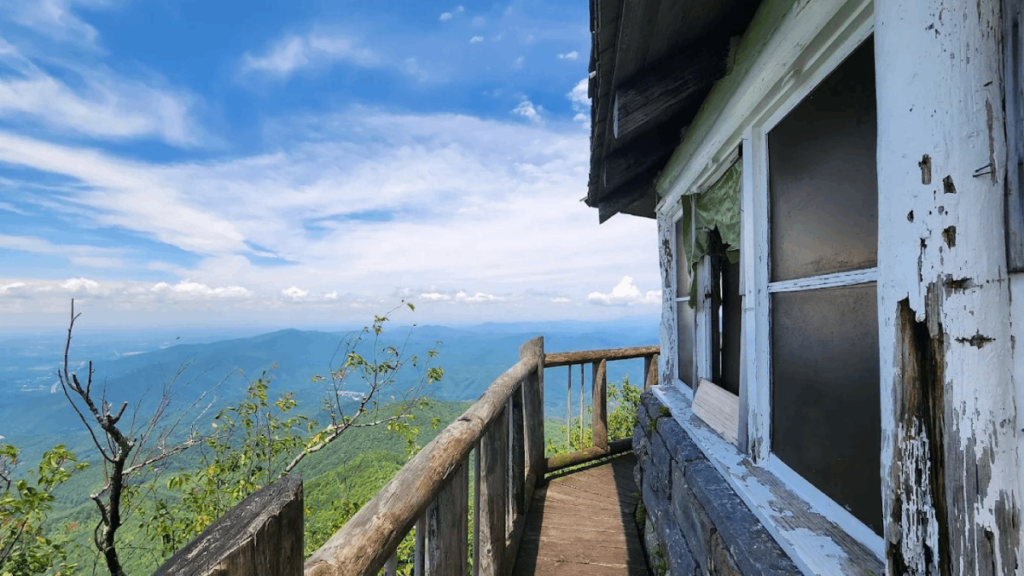
Hidden away in the Cosby side of the Great Smoky Mountains, Mount Cammerer Lookout Tower is one of those places that makes every bit of effort feel worth it. The hike to reach it is no small feat, but for serious hikers, the payoff is unforgettable.
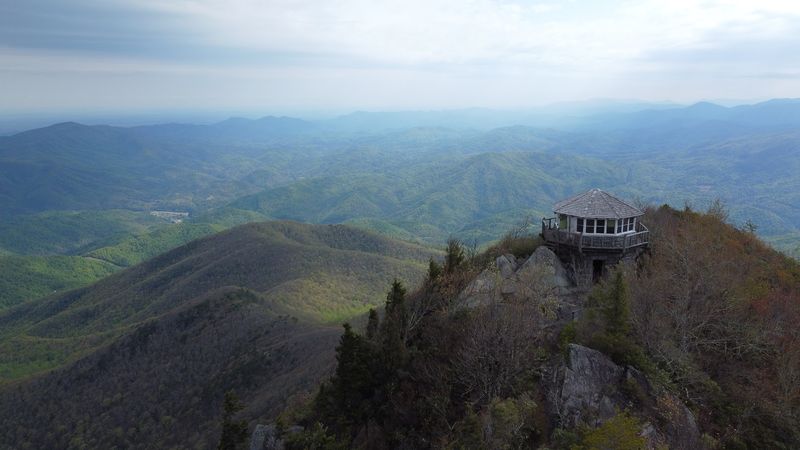
Perched at 4,928 feet, this historic stone fire tower was built by the Civilian Conservation Corps in the 1930s and still stands as one of the most remarkable viewpoints in Tennessee. Once you make it to the top, the reward is a sweeping 360-degree view that stretches across mountain ridges and even into neighboring states.
It’s the kind of place that reminds you why people fall in love with the Smokies in the first place. The climb takes determination, but the moment you step inside that old lookout and take in ridge after ridge fading into the distance, every steep mile suddenly feels completely worth it.
Mount Cammerer Lookout Tower Is One of Tennessee’s Most Rewarding Hikes
Earning your view matters, and this trail proves it. The round-trip journey clocks in around 11 to 13 miles, depending on your route, with roughly 3,000 feet of elevation gain packed into the first few miles. Hikers consistently rank this among the Smokies’ most challenging yet satisfying adventures.
Starting from the Low Gap Trailhead near Cosby Campground, you’ll face a relentless uphill climb through shaded hardwood forests. Your calves will burn and your lungs will work overtime. But the trail rewards persistence with gradual glimpses of what awaits above, keeping motivation high even when switchbacks seem endless.
Once you reach the Appalachian Trail junction, the grade mellows considerably for the final stretch. You’ll traverse rocky outcroppings and wind through mountain laurel before the lookout tower suddenly appears, perched dramatically on the ridgeline. That first glimpse makes every uphill step fade from memory.
Inside the tower itself, you can climb to the observation deck where fire watchers once scanned for smoke. The stonework remains remarkably solid after nearly a century. Weather permitting, you’ll spot Mount LeConte, the Pigeon River Gorge, and layer upon layer of blue-green ridges stretching toward the horizon in both Tennessee and North Carolina.
Why This Cosby Trail Still Draws Adventurers to a 1930s Stone Lookout
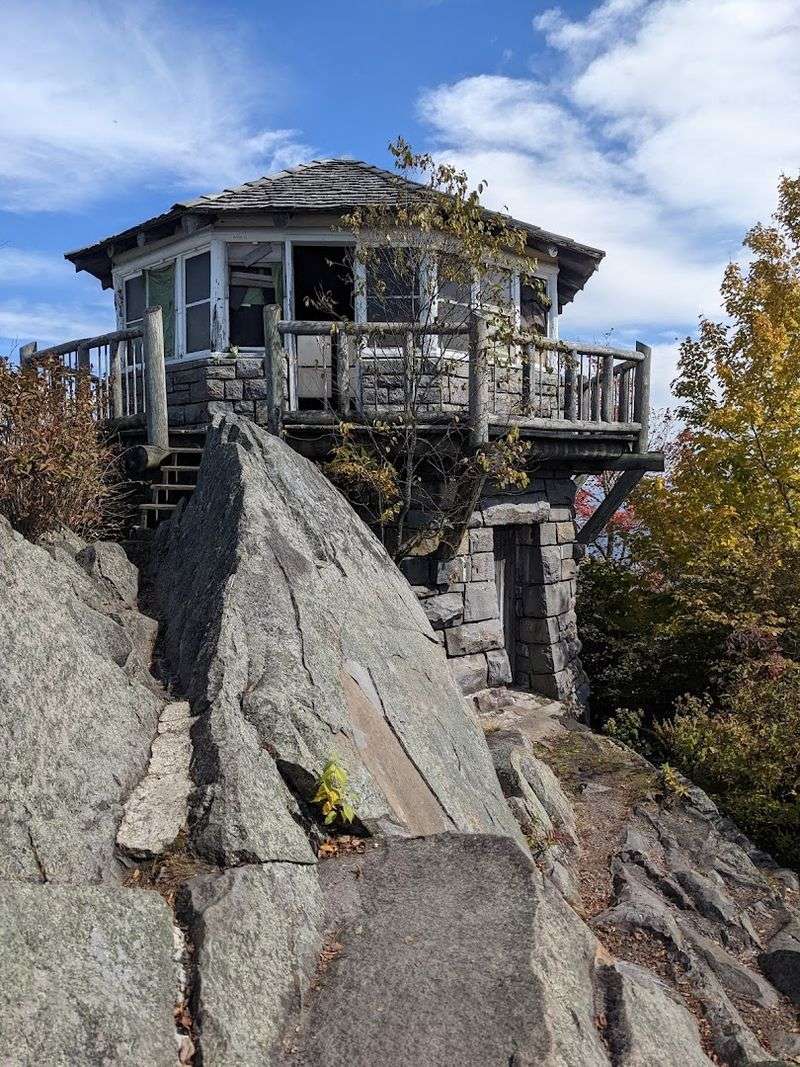
History lives in these mountains, and Mount Cammerer’s lookout tells a Depression-era story worth experiencing firsthand. The Civilian Conservation Corps constructed this tower between 1937 and 1939, using native stone hauled up the mountainside by hand and mule. Young men built something lasting during hard times, and their craftsmanship still shelters hikers today.
Unlike many fire towers that fell into disrepair or got demolished, Mount Cammerer survived thanks to restoration efforts in the 1990s. Volunteers and park staff stabilized the structure, preserving its original character while ensuring safety. Walking through that wooden door feels like stepping back nearly 90 years.
The tower served its intended purpose for decades, with lookouts stationed here during fire season to spot smoke across thousands of forested acres. Their lonely vigils protected these mountains we now hike for pleasure. Modern technology eventually made the position obsolete, but the tower’s value shifted from practical to inspirational.
Today’s adventurers come seeking connection with both wilderness and heritage. Standing where fire watchers once stood creates a tangible link to conservation history. The views they monitored remain largely unchanged, offering a perspective on how wild places endure when people commit to protecting them through generations.
The Hike Up Is Challenging, Scenic, and Absolutely Worth It
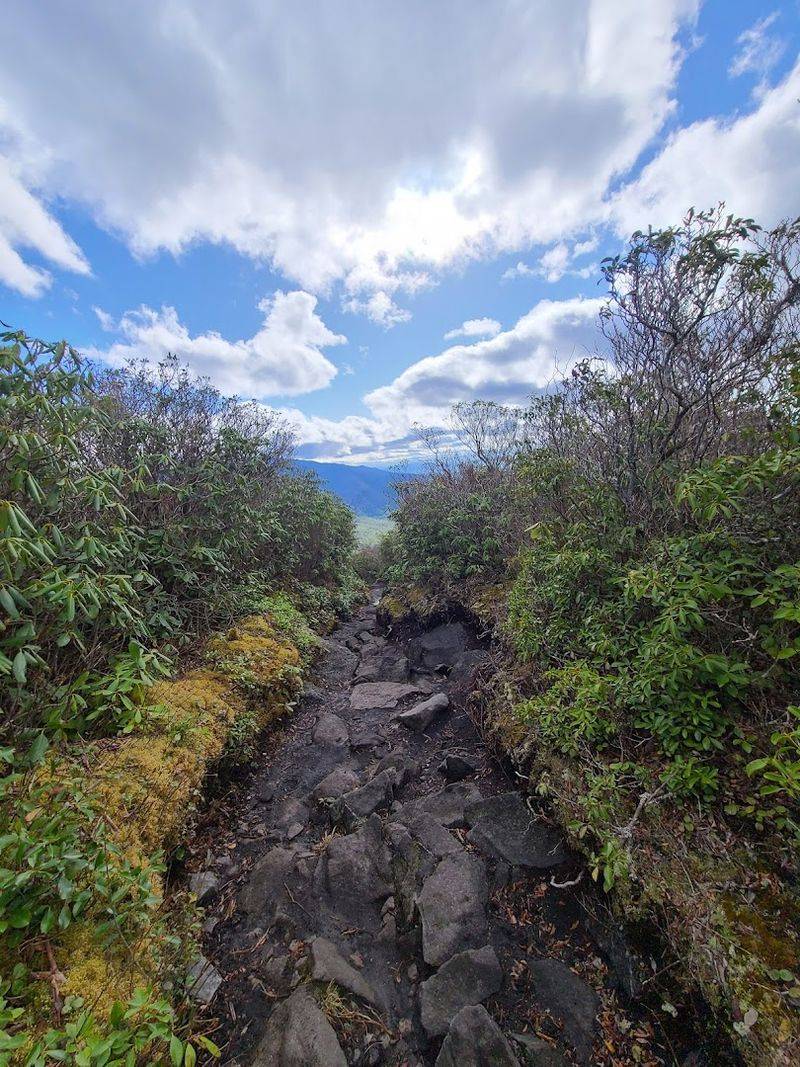
Prepare yourself mentally before tackling this beast. Reviews don’t exaggerate when they call the initial climb relentless. You’ll gain about 2,700 feet in roughly 3.5 miles, which translates to sustained uphill grinding that tests even experienced hikers.
Good boots become essential, not optional.
The trail stays mostly shaded under a canopy of hardwoods, which keeps temperatures manageable during summer months. But don’t let the shade fool you into underpacking water. You’ll sweat through this climb, especially on humid Tennessee days when the air feels thick enough to chew.
Trekking poles earn their weight here, particularly on the descent when loose rocks and steep grades put serious stress on knees and ankles. Many hikers mention the downhill return being harder than the ascent, so save some energy for the journey back. Your quads will remind you about this hike for days afterward.
Despite the difficulty, the trail maintains steady beauty throughout. Wildflowers bloom in season, birdsong fills the canopy, and occasional rock outcroppings offer preview glimpses of the ridges beyond. Taking breaks becomes part of the experience rather than a weakness.
Slow down, breathe deep, and appreciate the journey alongside the destination.
At the Top, the Views Stretch Out in Every Direction
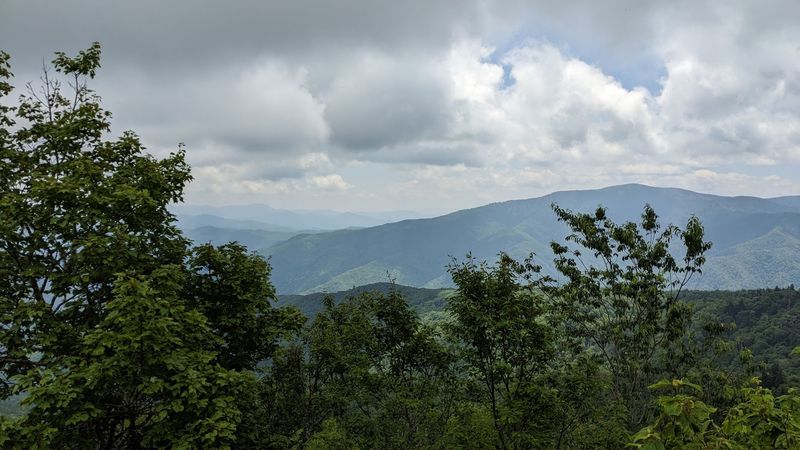
Words fail when describing what you see from Mount Cammerer’s observation deck. The 360-degree panorama spreads out like a living map, with ridge after ridge rolling toward every horizon. On clear days, you can identify landmarks dozens of miles away, from Mount LeConte’s distinctive profile to the Pigeon River valley carving through the mountains.
The tower’s position on a narrow ridge creates an exposed, almost aerial perspective. You’re standing above the surrounding forest canopy with nothing blocking your sightlines. Wind whips across the rocks, carrying the scent of spruce and the sound of distant ravens calling.
Morning hikers catch sunrise painting the ridges in shades of gold and purple, while afternoon visitors watch shadows lengthen across the valleys below. Weather changes rapidly at this elevation, so clouds sometimes roll in and transform the view into an ethereal sea of white. Check forecasts before committing to the climb.
Bring binoculars if you’ve got them, because the detail visible from this height rewards closer inspection. You might spot hawks riding thermals, distant waterfalls catching sunlight, or even the occasional black bear moving through clearings far below. The view alone justifies every difficult step required to reach it.
What Makes Mount Cammerer Lookout Tower So Unique Today
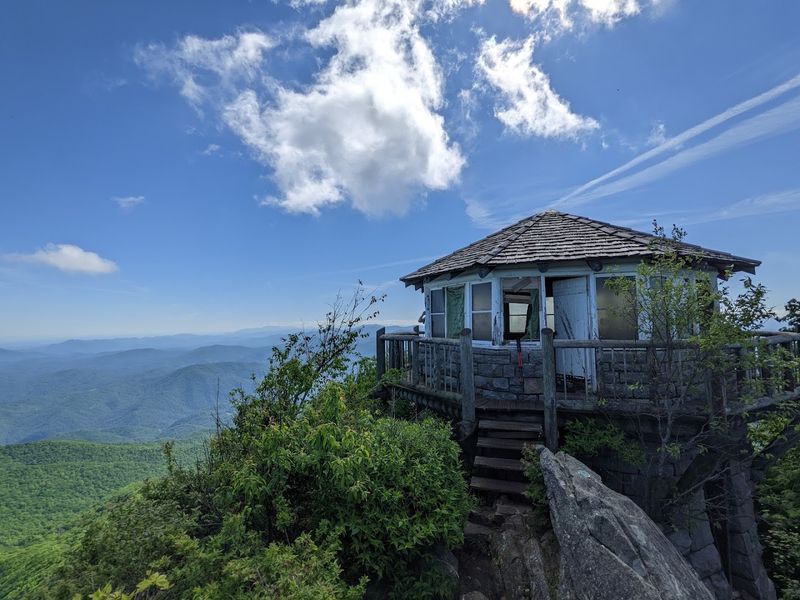
Few fire towers remain accessible to the public, making Mount Cammerer genuinely special. You can actually enter the structure, climb its stairs, and stand where fire watchers once scanned for smoke. That hands-on connection with history sets this destination apart from viewpoint-only overlooks found elsewhere in the park.
The architecture itself deserves appreciation beyond its function. Local stone forms walls that have weathered decades of mountain weather without crumbling. The design follows Depression-era practicality, with a compact footprint and efficient use of materials, yet the craftsmanship shows pride in the work.
Wildlife encounters add unpredictability to visits here. Multiple hikers report seeing rattlesnakes sunning on the rocks near the tower, so watch your step and give them space. Black bears frequent the area too, though they typically avoid the crowds that gather during peak season.
The relative remoteness maintains a sense of discovery despite the trail’s popularity. Unlike roadside attractions, reaching Mount Cammerer requires commitment and physical effort. That barrier filters out casual tourists and creates a community of serious hikers who appreciate what they’ve earned.
Conversations at the summit tend toward genuine camaraderie among people who understand the achievement of getting here.
Why This Historic Smoky Mountains Spot Feels Like a Hidden Treasure
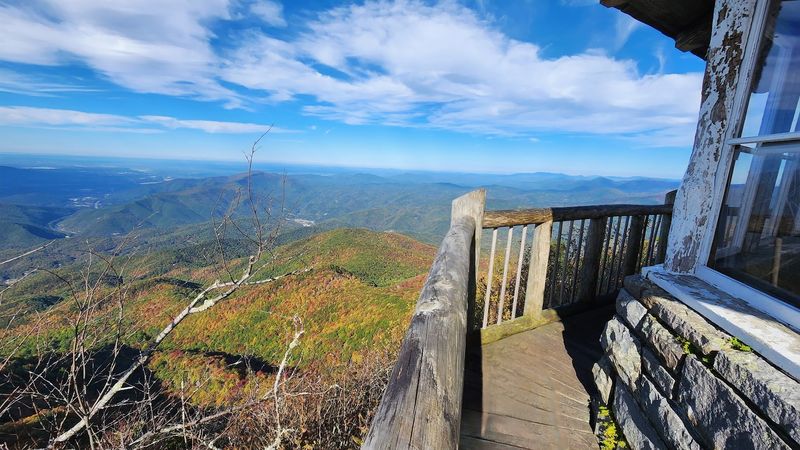
Cosby remains the quieter side of the Smokies, drawing fewer crowds than Gatlinburg or Cades Cove. This relative obscurity extends to Mount Cammerer, where you’ll find solitude impossible to achieve at more famous park destinations. Starting your hike early increases the chances of having the tower to yourself, at least briefly.
The trailhead location contributes to this hidden quality. Unlike trails accessible from main tourist corridors, reaching Low Gap Trailhead requires intentional navigation to Cosby Campground. Casual visitors often overlook this section entirely, sticking to better-advertised attractions instead.
Their loss becomes your gain.
Distance and difficulty naturally limit traffic as well. Families with young children typically turn back before reaching the tower, while less-committed hikers bail when the climbing gets tough. Those who persevere find themselves among a self-selected group of outdoor enthusiasts who value effort-earned rewards.
Even among experienced Smokies hikers, Mount Cammerer maintains underdog status compared to iconic destinations like Charlies Bunion or Alum Cave. This creates a secret-spot feeling despite the trail being well-established and marked.
You’re visiting a legitimate highlight that somehow escapes the attention it deserves, making the experience feel personal and slightly rebellious.
Mount Cammerer Belongs on Every Tennessee Hiker’s Bucket List
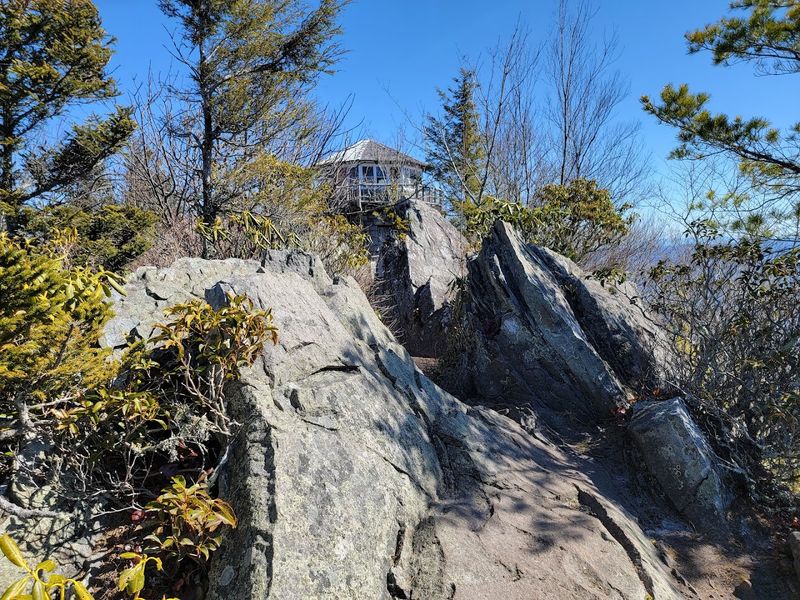
Serious hikers need signature achievements, and summiting Mount Cammerer earns legitimate bragging rights. The combination of distance, elevation gain, and historical significance creates a complete package that defines what makes Smokies hiking special. Checking this one off your list means something.
The physical challenge builds character and confidence for tackling other demanding trails. If you can handle Mount Cammerer, you’re ready for most anything the park offers. The mental toughness developed during that initial climb transfers to future adventures, teaching you to push through discomfort toward worthy goals.
Photography opportunities alone justify the trip. Whether you’re shooting landscapes, architectural details, or trail documentation, Mount Cammerer delivers compelling subjects. Sunrise and sunset visits offer particularly dramatic lighting, though timing those requires careful planning, given the hike duration.
Completing this hike also connects you with Tennessee’s outdoor community. Mention Mount Cammerer to fellow hikers and you’ll receive knowing nods of respect. It’s a shared experience that bonds people who value wild places and physical challenge.
The memories created here stick around long after your legs recover, becoming stories you’ll retell whenever conversation turns to favorite trails and hardest climbs.