You go to Razza in Jersey City thinking you already know the plot. The pizza is famous. The praise is loud. The reservation is not exactly last-minute.
So naturally, you expect the wood-fired pies to walk away with all the attention. Then the bread hits the table. Suddenly, the meal changes direction. The crust crackles.
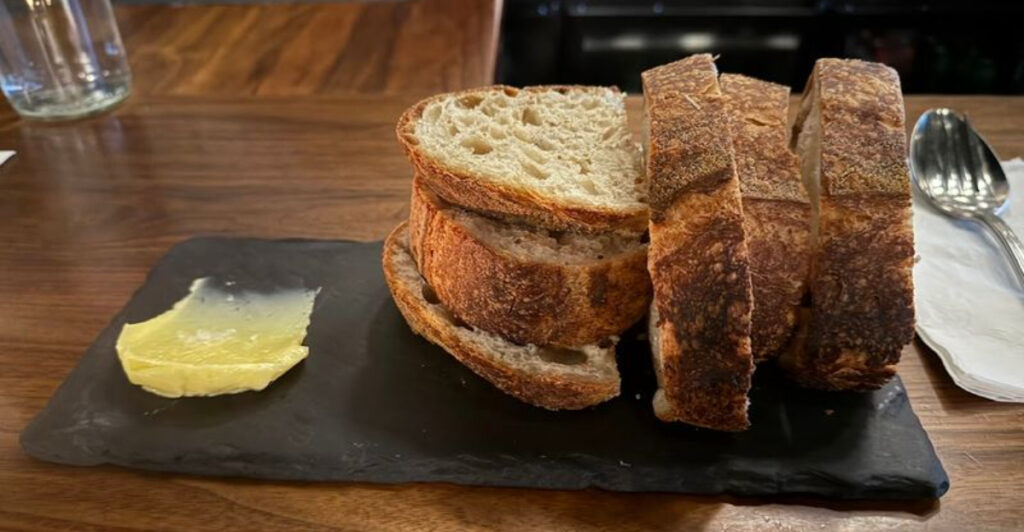
The inside stays chewy and alive with that slow-fermented tang. Then comes the cultured butter, rich and slightly funky in the best possible way, and now everyone at the table is doing the same thing: tearing off another piece and pretending they are still “just getting started.” That is the magic trick at Razza.
This place has the pedigree to coast on pizza alone, from a three-star New York Times review in 2017 to a 2019 No. 1 ranking in North America from 50 Top Pizza. Instead, it makes the opening bite feel like an event.
Why everyone talks about the bread before the pizza
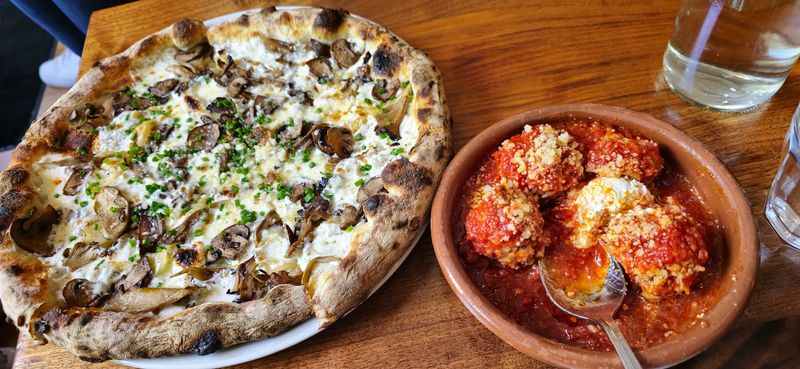
At most restaurants, bread is background noise. It buys the kitchen time, keeps hungry people occupied, and disappears from memory the second the main course arrives.
Razza does not play that game. Here, the bread shows up like it knows exactly what it is doing.
The restaurant’s naturally leavened sourdough has the kind of crust that announces itself the moment you break into it, while the inside stays moist, chewy, and full of deep flavor from a long fermentation. It tastes cared for.
That is the difference. Nothing about it feels like filler, and that is why locals and first-timers alike end up talking about it before they even mention the pizza.
The source story that inspired this piece leans hard into that point, and honestly, it is not overselling the experience. Razza has built its reputation on obsession with dough, technique, and ingredients, and that mentality clearly starts well before the first pie slides out of the oven.
Even the restaurant’s own materials make it clear that bread is part of the identity here, not an afterthought squeezed onto the menu to seem polished. In New Jersey, where people have strong opinions about carbs and absolutely no problem telling you when something is overhyped, that matters.
A lot. Bread only gets this kind of respect when it earns it.
At Razza, it does. It arrives warm, textured, and just dramatic enough to make the table go quiet for a second.
That pause tells you everything. For one brief moment in a restaurant famous for pizza, everybody is focused on the basket in the middle.
That is not a side note. That is the story.
The sourdough that makes a first impression you do not forget
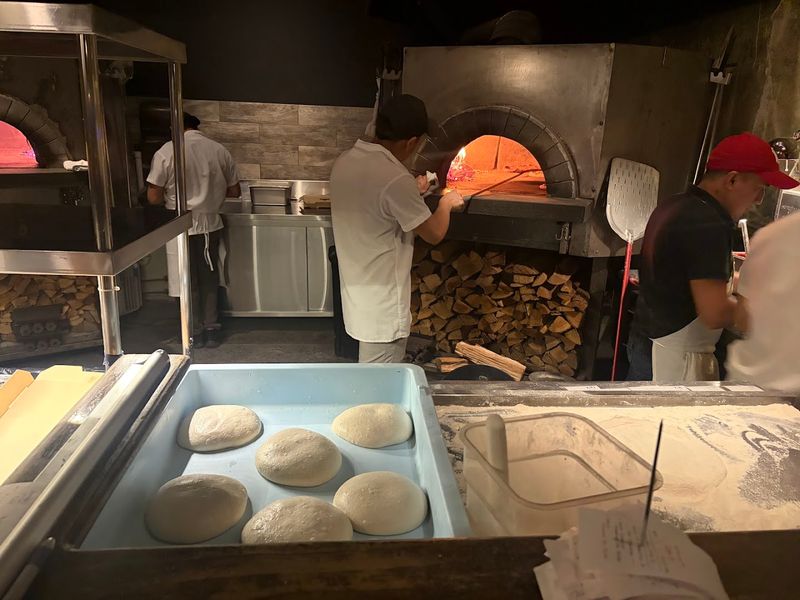
Nobody has ever accused New Jersey diners of being too easy to impress, which is part of what makes Razza’s bread such a flex. The sourdough lands with actual personality.
It is not soft in that forgettable, supermarket way, and it is not trying to be some jaw-breaking rustic showpiece either. The crust has real snap, the crumb has bounce, and the flavor carries that subtle tang that tells you time and fermentation did the heavy lifting.
The result feels balanced instead of loud. One bite in, and you understand why people start doing math in their heads about whether it would be excessive to order more before the pizza arrives.
It probably would be. People do it anyway.
The beauty of this bread is that it sets the tone for the rest of the meal. Razza’s whole approach is built on process, patience, and ingredients that are treated like they matter, and the sourdough delivers that message immediately.
The official menu and ordering pages back up the simple truth that bread is not some throwaway opener here; it is a named part of the experience, with house bread also available for takeout when stock allows. That little detail says a lot.
Restaurants do not bother selling bread separately unless people are actively thinking about it after they leave. This one clearly are.
And in Jersey City, where diners have no shortage of options, that kind of demand is not accidental. The first impression at Razza is tactile as much as flavorful.
You hear the crackle. You feel the chew.
You get a hint of tang and warmth and butter-ready structure all at once. Before a single slice of pizza shows up, the restaurant has already made its point.
You came for the headliner, sure. But the opening act is so strong it nearly hijacks the whole show.
Razza’s cultured butter is simple food done at an obsessive level
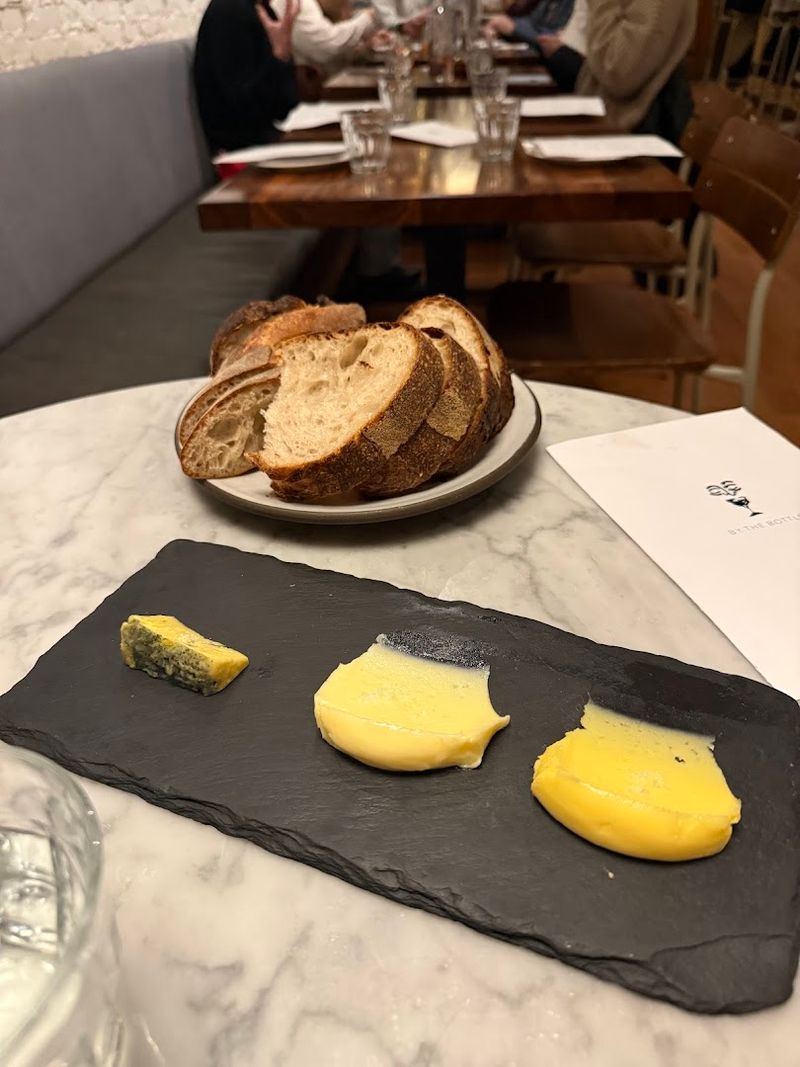
Butter can be forgettable in a hurry. Too cold, too bland, too anonymous, and suddenly it is just a pale swipe on a plate.
Razza’s version is the opposite of that. The source story describes cultured butter made from grass-fed Pennsylvania cream, and that detail matters because it explains the flavor right away.
This is butter with dimension. It has richness, yes, but it also has a gentle tang and a complexity that keeps it from feeling heavy or flat.
Spread thick onto warm sourdough, it does what all great simple food should do: it makes you wonder why the basic version almost never tastes this good. That is the Razza move.
Take something familiar, tighten every screw, and serve it without a lot of speechmaking. The restaurant is known for bringing that level of attention to dough and pizza, but the butter shows the same mindset at work in a different register.
It is not fancy for the sake of being fancy. It is focused.
There is a difference. One of the reasons this pairing lands so hard is that the textures are so dialed in.
The bread gives you crunch and chew. The butter brings silk and depth.
Together, they hit that perfect contrast without one drowning out the other. And because the restaurant already has serious credibility, from the New York Times recognition to the wider national acclaim around Dan Richer’s cooking, the bread-and-butter course feels less like a gimmick and more like an extension of the house philosophy.
New Jersey has plenty of places where the appetizers are decent and the mains do the real work. Razza flips that rhythm on its head.
By the time you are halfway through a piece of sourdough with cultured butter, you are no longer “waiting for dinner.” Dinner has started, and it is already going unreasonably well.
Even at a pizza destination this starter steals the spotlight
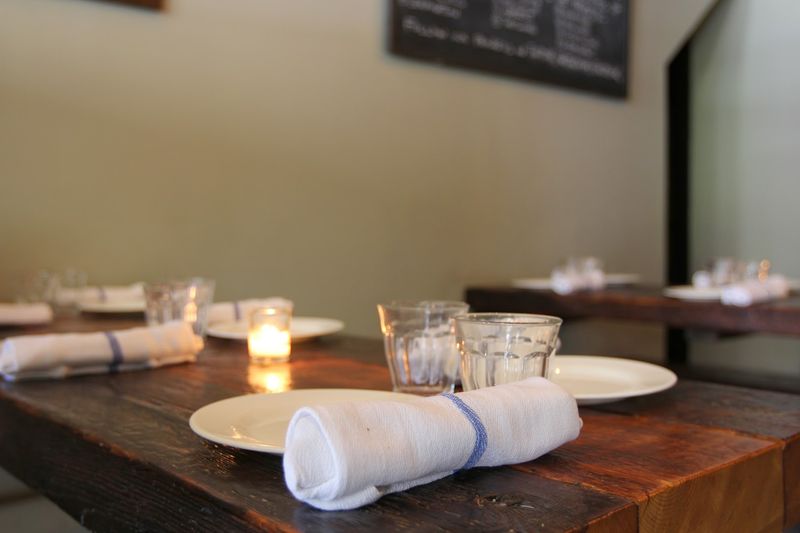
Calling Razza a pizza destination is not some blogger-in-a-rush exaggeration. This place was named the top pizzeria in North America by 50 Top Pizza in 2019, and its reputation has only made it harder to score a convenient table since then.
The funny part is that all that acclaim sets up the bread and butter to feel minor by comparison. Instead, it somehow gets more impressive.
In a room where people absolutely came to eat pizza, the starter still manages to spark that low-level table panic that happens when everyone realizes they want the last piece. That is rare.
Great starters are common enough. Starters that hijack the conversation at one of the continent’s most decorated pizzerias are not.
Razza pulls it off because the opening course does not feel like a warm-up. It feels complete.
It has texture, flavor, aroma, and just enough indulgence to make the table feel suddenly cheerful and slightly competitive. Then the pizzas arrive and the restaurant somehow sustains that momentum instead of losing it.
Razza’s official description says the goal is to make and serve the best pizza possible from its woodburning oven, and the place has the hardware to support that ambition. But the bread-and-butter course does something strategically brilliant: it frames the whole meal as a craft experience rather than a one-hit wonder.
You are not just here for one famous dish. You are seeing what happens when a restaurant applies real seriousness to every stage of dinner.
That is why the starter steals the spotlight without making the rest of the meal feel smaller. It actually makes the pizzas more interesting, because now you are noticing the dough, the char, the ingredients, and the structure with a little more attention.
In other words, the bread does not undercut the main attraction. It teaches you how to appreciate it.
Still, let’s be honest. For plenty of people, that first bite remains the thing they keep replaying on the ride home.
The Jersey City restaurant that turns local ingredients into something memorable
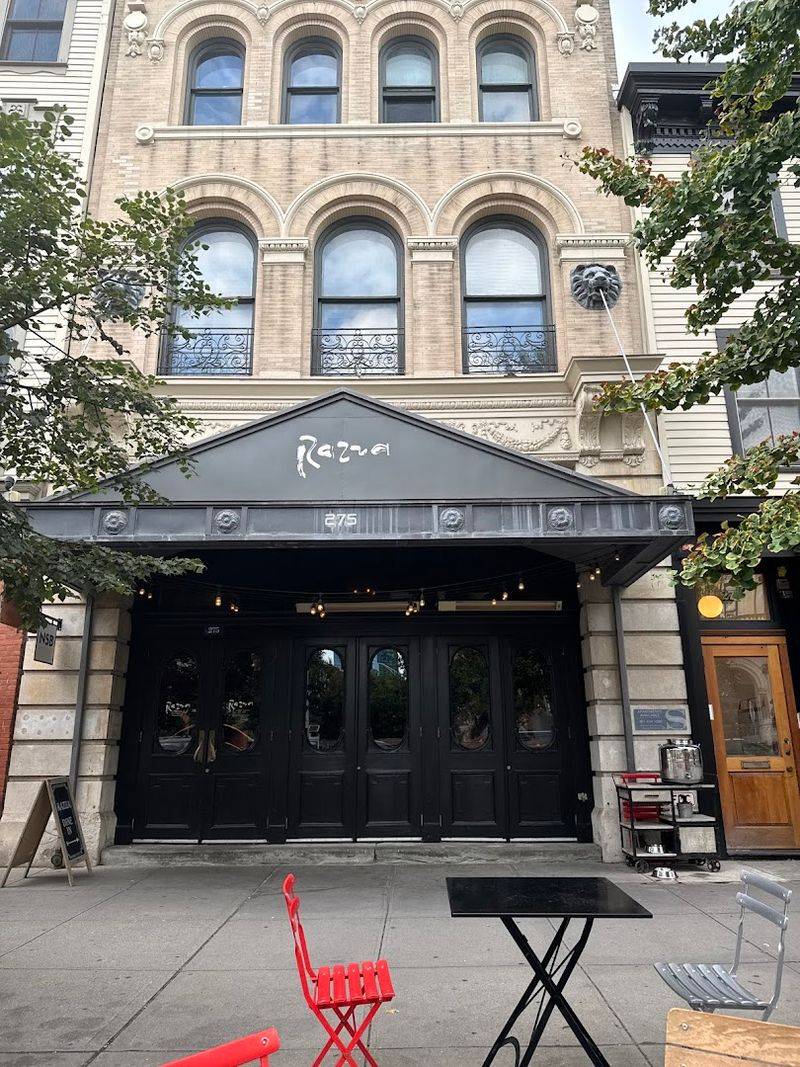
Part of Razza’s pull is that it feels deeply New Jersey without making a performance out of it. Jersey City gives the restaurant its energy, but the menu gives it character.
Razza’s own site emphasizes seasonally inspired food, and recent coverage notes that the menu changes regularly based on what is actually tasting good, not what sounds nice on paper. That approach shows up in obvious places like the pizzas and small plates, but it also shapes the bread-and-butter experience.
When a restaurant cares this much about fermentation, dairy, and sourcing, you can taste the difference in the simplest bites. Nothing feels random.
Even the side characters are doing real work. That kind of ingredient-first cooking lands especially well in New Jersey, where diners know the value of a tomato in season, a loaf with actual structure, and a restaurant that is more interested in flavor than theater.
Razza has the confidence to let the ingredients talk instead of piling on distractions. The result is food that feels vivid rather than overworked.
One night the pizza might pull in seasonal produce at its peak. Another night the dessert might shift with the time of year.
Through all of it, the bread stays like a thesis statement for the whole place: basic in concept, exacting in execution, and impossible to dismiss once you have had it. That is what memorable restaurants do.
They make you notice details you usually ignore. They reset your standards a little.
They ruin average bread for at least a few days. Razza has that effect.
It is rooted in Jersey City, praised far beyond it, and still smart enough to understand that a meal does not become special because someone says it is special. It becomes special when each component, even the humble ones, keeps proving the point bite after bite.
At Razza, local energy and careful sourcing are not branding language. They are the engine.
Why a meal at Razza feels like more than just another dinner out
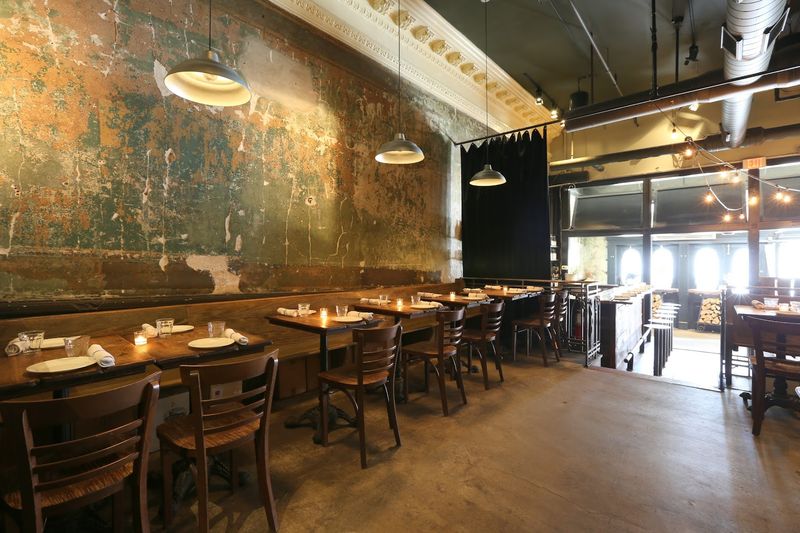
Some restaurants are good in a clean, efficient way. You eat, you nod, you leave, and within two days the whole thing blurs into every other decent meal you have had that month.
Razza is not built like that. The restaurant has the kind of momentum that starts before you sit down, because the table is usually one you planned for.
The current hours listed by the restaurant show evening service through the week and earlier starts on weekends, and the source story notes that reservations can require real advance planning for prime times.
That sounds annoying right up until the food arrives and you remember that not every place is supposed to be available on demand.
Inside, Razza has an intimate, warm setup shaped by the presence of the woodburning oven and the smell of bread and pizza moving through the room. The space is casual, but not careless.
It feels settled. Then the meal starts and the pacing does the rest.
Bread and butter come out swinging. Pizza follows with the kind of crust and char that earned national recognition.
Desserts keep the evening from fading out weakly, with recent ordering pages showing options like panna cotta and tiramisu that fit the restaurant’s polished-but-not-fussy style. That sequence is what makes dinner here feel like more than a stop for food.
It has rhythm. It has payoff. It feels composed without feeling scripted. And maybe that is the clearest sign that Razza knows exactly what it is doing.
The place does not need gimmicks, oversized portions, or a lecture about artisanal values.
It just sends out one sharply executed thing after another until you look up and realize you have had the kind of night people casually bring up weeks later with some version of, “No, really, the bread was absurd.” In New Jersey terms, that is basically a love letter.
Share this story