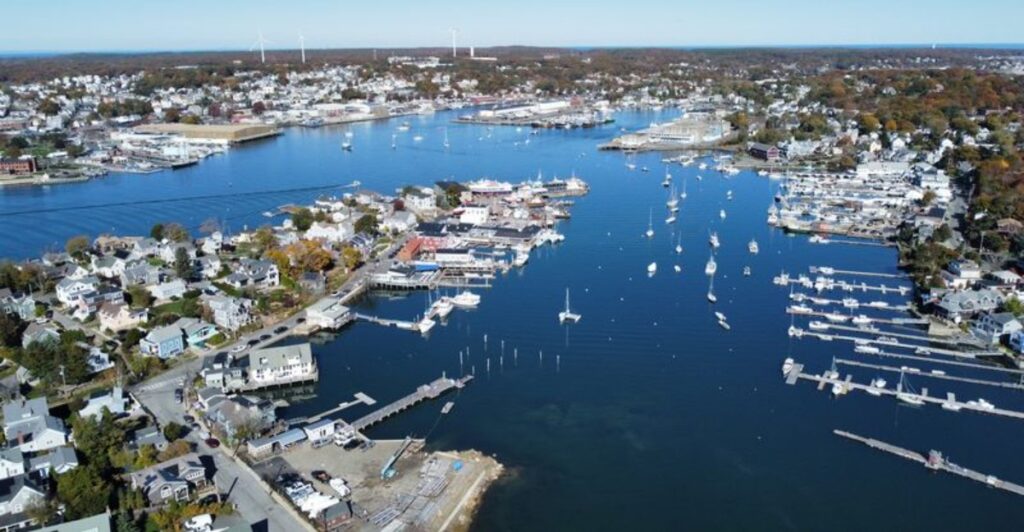
Massachusetts history is easier to appreciate when you can walk straight through the places where it happened. Across the state, harbor streets, village greens, old mills, and preserved neighborhoods connect famous moments with the ordinary people who lived through them.
Some stops bring you close to the Revolution, while others tell stories of industry, immigration, invention, and daily life in changing communities. The appeal comes from seeing how much history can fit into one short walk.
For anyone ready to explore beyond the textbook version of the past, these Massachusetts destinations make it easy to turn a day trip into a much bigger story.
1. New Bedford: Follow the Whaling Waterfront
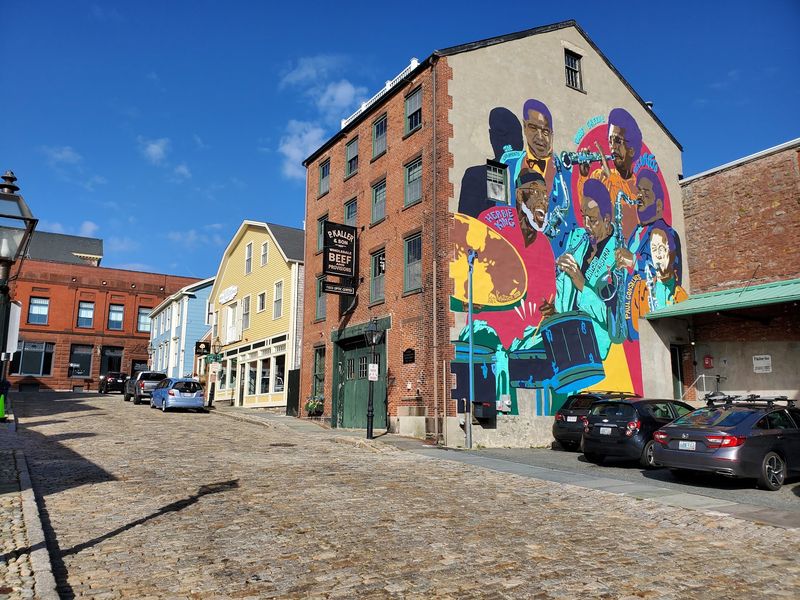
Salt air and cobblestones set the scene before you even reach a museum. Along New Bedford’s waterfront, the story of American whaling sits beside a working fishing port, making the past surprisingly easy to picture.
Start in New Bedford Whaling National Historical Park, which covers part of the downtown historic district. Its visitor center can help you choose a walking route and understand how merchants, sailors, shipbuilders, and immigrant families shaped the city.
The New Bedford Whaling Museum gives that story more detail, with ship models, maritime objects, and exhibits about life at sea. Look beyond the adventure tales, because whaling also involved dangerous labor, environmental damage, and wealth that was far from equally shared.
Frederick Douglass adds another essential chapter to your visit. After escaping slavery, he settled here with his wife, Anna, and worked in the city before becoming a leading voice for freedom and equal rights.
Head toward the Seamen’s Bethel, the chapel linked to the city’s maritime community and Herman Melville’s Moby-Dick. Check current access before going inside, then spend time noticing nearby storefronts, stone details, and narrow streets rather than rushing between landmarks.
Wear shoes with good grip, since uneven paving can turn a casual stroll into a small balancing act. A windproof layer helps near the water, even when downtown feels warm, and a weekday visit may make parking and museum browsing easier.
For lunch, look for local seafood or Portuguese food, both closely tied to the region’s communities. Keep your waterfront walk to public areas, since fishing docks are workplaces rather than open attractions.
Allow several hours for the district and museum instead of treating New Bedford as a quick photo stop. Before leaving, compare the quiet historic blocks with the active harbor, where today’s crews continue a very different kind of maritime work each day.
2. Concord: Cross the Bridge Into Revolutionary History
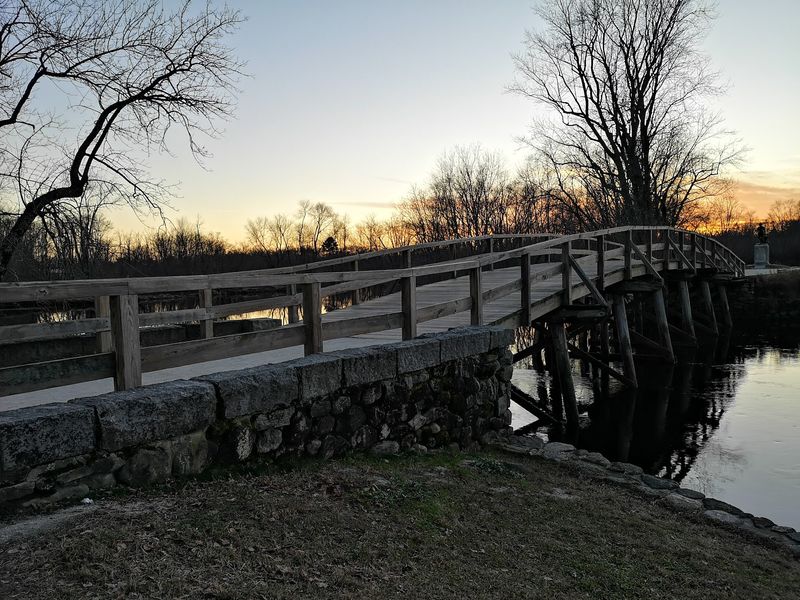
A small bridge carries a very large story in Concord. At the North Bridge, colonial militia and British soldiers exchanged fire on April 19, 1775, during the opening battles of the American Revolution.
Begin with the grounds around the bridge, where the river and open landscape help you understand the setting. Read the markers slowly, because the events here become clearer when you separate this encounter from the earlier fighting in Lexington.
Minute Man National Historical Park connects several Revolutionary sites across the area. Stop at an open visitor center for maps and current conditions, especially if you plan to explore the Battle Road Trail rather than stay near the bridge.
Concord also has a strong literary side, which makes it more than a battlefield destination. Louisa May Alcott’s Orchard House connects visitors with the author of Little Women, while the town’s other historic homes tell stories of writers and reformers.
House tours can require tickets or advance planning, so choose your main stop before arriving. Trying to squeeze every museum into one afternoon usually means spending more time watching the clock than enjoying the rooms.
Walden Pond offers a different pace and a connection to Henry David Thoreau. Check parking rules and seasonal conditions beforehand, and remember that a shoreline walk requires suitable shoes, drinking water, and respect for protected areas.
Downtown makes a practical lunch break between sites, with shops and places to eat near the town center. Distances between attractions are greater than they may appear on a map, so a car or carefully planned transport can help.
Give Concord a full day if both Revolutionary and literary history interest you. On busy spring weekends, arrive early and build in extra time for parking, then leave one open stretch for simply walking beside the river without a packed schedule or another reservation.
3. Gloucester: Read the Harbor’s Working History
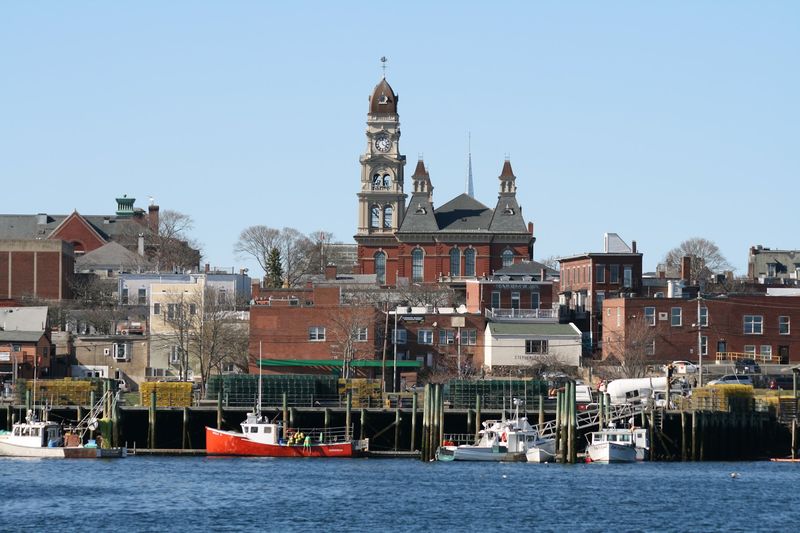
The boats in the harbor are not there just for your vacation photos. Gloucester’s long fishing history remains part of daily life, giving this coastal stop a grounded, hardworking character.
Make the Fishermen’s Memorial on Stacy Boulevard your first pause. The familiar figure at the wheel honors those lost at sea, and nearby memorial inscriptions give the waterfront a meaning that goes well beyond its views.
Walk along the public harbor edges and watch how the city meets the water. Keep clear of private docks and active work areas, where unloading gear and handling boats take priority over sightseeing.
For a closer look at local history, consider the Cape Ann Museum and check its current locations, exhibitions, and opening schedule. Its collections connect maritime life with regional art, showing how fishing communities also drew painters, sculptors, and other creative people.
The Gloucester Maritime Heritage Center offers another way to understand the port when its public programs are available. Before planning around any waterfront attraction, confirm seasonal hours, since coastal schedules can change outside the busiest months.
Leave room for a walk through the downtown streets, where shops and older buildings sit close to the harbor. You can pair that stroll with a seafood lunch, but check menus first if anyone in your group needs alternatives.
Wind is part of the package here, so bring a layer even on a sunny day. Comfortable shoes matter on harbor walks, and parking once before exploring on foot can save you from repeatedly circling busy streets.
Gloucester works especially well for travelers who want history without spending the entire day indoors. Balance a museum visit with time outside, then notice the practical details around you: sturdy ropes, working hulls, weathered docks, and the narrow gap between a beautiful harbor scene and a demanding job that depends on the sea.
4. Worcester: Meet the City That Made Things

Factories, railroads, and clever ideas helped put Worcester on the map. Rather than focusing on one famous battle, this city opens a window into the workers and inventions that changed everyday American life.
The Worcester Historical Museum is a useful starting point for understanding those connections. Check its current exhibitions before visiting, then look for the ways local manufacturing, neighborhood growth, and community life influenced one another.
Union Station makes a striking stop even during a short visit. Its restored exterior and tall towers recall the importance of rail travel, when moving people and goods helped inland cities grow into busy industrial centers.
For a different kind of history lesson, head to the American Antiquarian Society. It preserves early American printed materials, though access is not the same as walking into a general museum, so review public programs and visitor guidance before making plans.
Worcester also played a role in the movement for women’s rights. The first National Woman’s Rights Convention took place here in 1850, a reminder that industrial cities could be centers of political organizing as well as production.
Add the Worcester Art Museum if your group wants a broader cultural stop. Its collections can provide a welcome change of pace, particularly on a rainy day when outdoor wandering becomes less appealing.
Plan your route carefully because useful stops are spread across the city rather than gathered on one compact historic street. Driving, local buses, or rides between neighborhoods may be more practical than trying to walk everywhere.
For meals, explore the city’s varied neighborhood restaurants instead of expecting one signature tourist dish. Allow time for travel between attractions, check parking instructions for each venue, and choose two major stops rather than five rushed ones; Worcester’s history rewards attention to the smaller connections between machines, printed words, transportation, and people who pushed for lasting change.
5. Salem: Look Beyond the Witch Hats
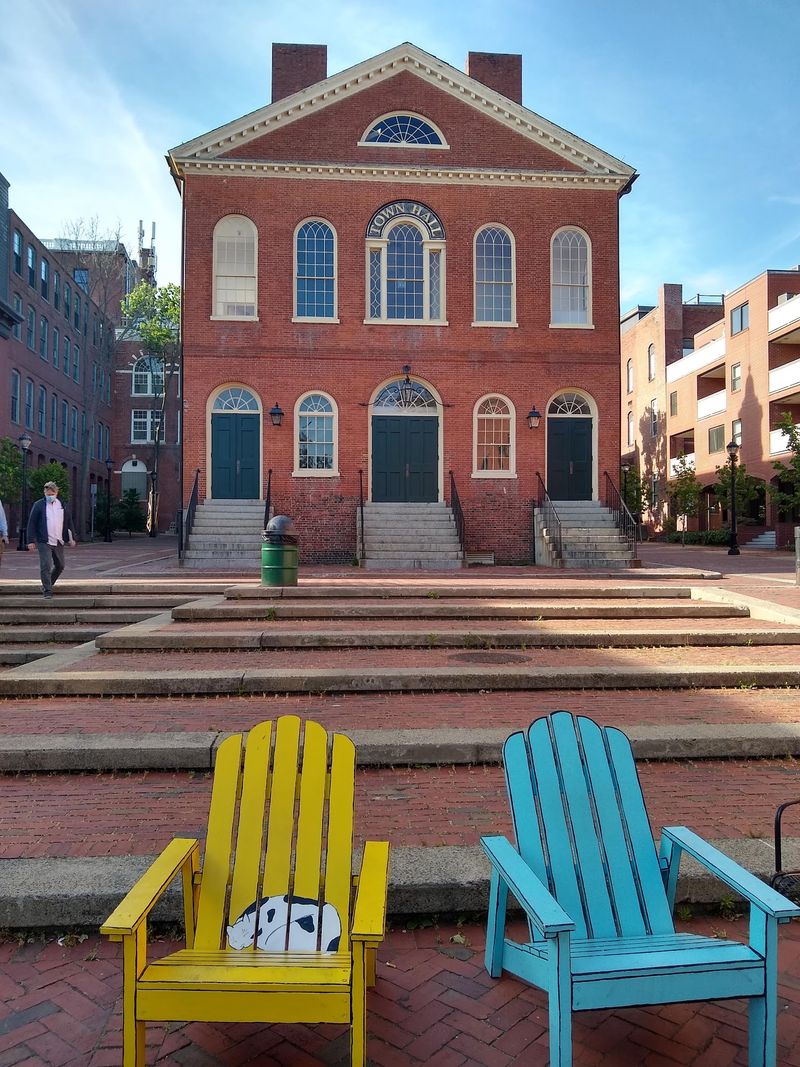
Put the plastic witch hat aside for a minute. Salem’s most useful history lesson begins with real people, including those harmed by the witch trials and the sailors who connected this port to distant shores.
The Salem Witch Trials Memorial offers a quiet place to reflect on the people executed in 1692. Approach it respectfully, and remember that the accused were victims of a deadly legal crisis, not characters from a Halloween story.
Nearby historic sites and museums explain different parts of the trials, but their approaches vary. Read attraction descriptions before buying tickets so you know whether you are choosing research, theatrical storytelling, or entertainment.
Then shift toward Salem Maritime National Historic Site along the waterfront. Historic buildings, wharves, and harbor views reveal the city’s role in overseas trade and help explain how maritime wealth shaped its streets.
The Peabody Essex Museum adds depth through art and objects connected with many cultures. Check the current exhibition schedule and any separate reservation needs, especially if a particular gallery or historic property is your main reason for visiting.
A walk past older houses can be just as rewarding as another ticketed attraction. Notice changes in rooflines, doorway details, and building materials, while staying on public paths and giving residents space.
October brings large crowds and major transport challenges, so choose another month for a calmer history trip. If autumn festivities are your goal, reserve lodging early and check current city guidance for trains, parking, and road closures.
Downtown is compact enough for a day on foot, provided you wear comfortable shoes and take breaks. Keep a flexible lunch plan, since popular spots can fill quickly, and save time for the waterfront after your museum visits; that change of setting helps separate Salem’s documented past from the lively modern business of selling spooky stories to visitors.
6. Nantucket: Trace an Island’s Seafaring Past
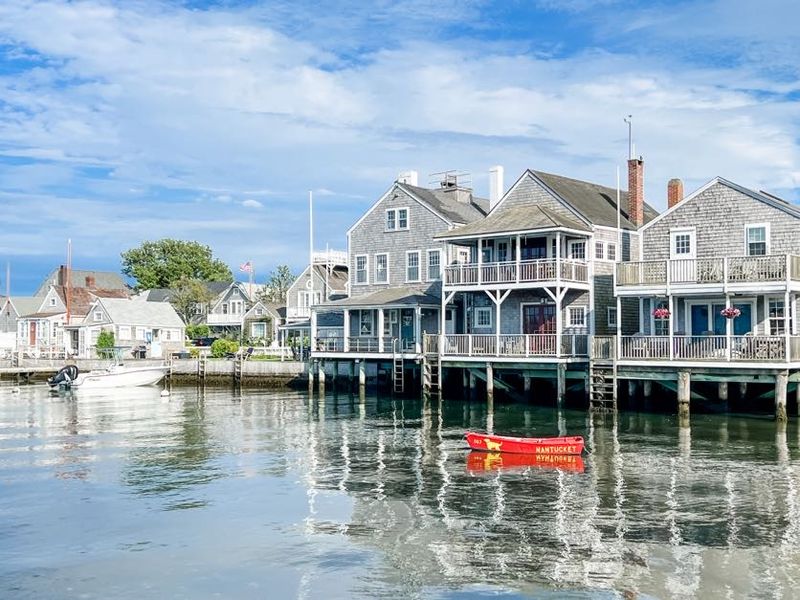
Cobblestones make you slow down, which suits Nantucket perfectly. In town, gray shingles, older houses, and harbor views preserve a setting closely tied to the island’s years as a major whaling center.
Start at the Whaling Museum for context before wandering the streets. Exhibits help explain the ships, crews, trade, and risks behind an industry that brought wealth to some island families while sending workers on long, dangerous voyages.
The museum also helps connect the island to stories far larger than its small size suggests. Look for the human side of maritime history, including family separation and the global routes that carried Nantucket sailors far from home.
Outside, build a walking route around the historic town center instead of trying to cover the whole island immediately. Uneven paving calls for sturdy footwear, and stopping to study a doorway is easier when you are not juggling luggage.
Older religious buildings and historic houses add layers beyond whaling. Check which properties currently offer tours, since opening days and access may differ, particularly outside the main travel season.
Getting here requires planning rather than a casual highway detour. Compare ferry routes, crossing times, luggage rules, and weather policies, and remember that bringing a vehicle can involve additional reservations and expense.
A car is often unnecessary for a visit focused on downtown, though beaches and farther sites require other transport. Local buses, bikes, and taxis may help, but choose routes that match your comfort level and the day’s conditions.
Book lodging early if you plan to stay overnight, and leave a sensible buffer before your return ferry. For a day trip, select one major museum and a relaxed town walk rather than racing across the island; the harbor, street patterns, and surviving buildings provide plenty to examine without turning every hour into another carefully timed connection or lengthy journey.
7. Springfield: Discover an Arsenal of American Stories
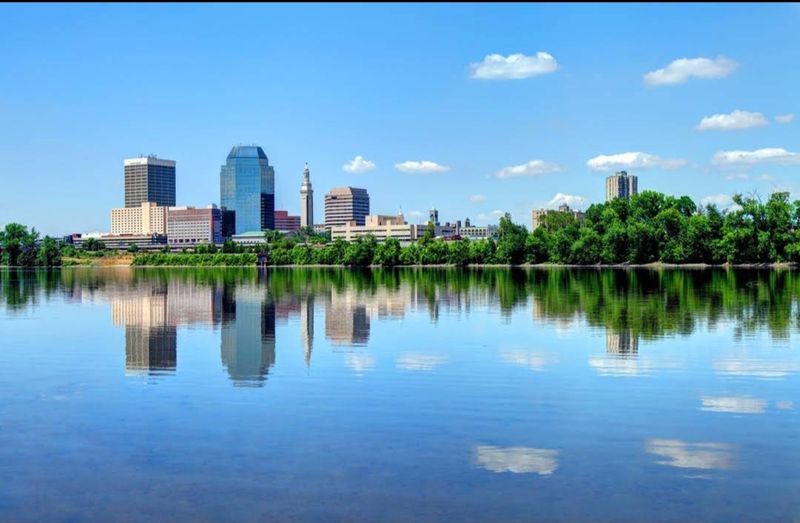
Precision tools changed the country as surely as famous speeches did. Springfield offers a close look at that story through its armory, where weapons production helped advance manufacturing methods and shape American industry.
Springfield Armory National Historic Site is the key stop for this side of the city’s past. Its museum explores military arms, factory work, and the systems used to produce large numbers of complex objects.
You do not need an interest in firearms to find useful connections here. Focus on interchangeable parts, skilled labor, and changing technology, then consider how those ideas later influenced products used far beyond the military.
Check operating hours and visitor instructions before setting out, since access may be limited to particular days. Give yourself enough time to read displays rather than treating the building as a quick exterior photo.
Across town, the Springfield Museums offer several subjects in one area, making them handy for groups with different interests. The Amazing World of Dr. Seuss Museum connects the city with Springfield native Theodor Seuss Geisel, while other museums broaden the visit.
Basketball belongs in Springfield’s story too, because James Naismith developed the game here in 1891. The Naismith Memorial Basketball Hall of Fame adds a lively stop, though it tells a wider sports history rather than focusing only on the city.
Choose your combination based on attention spans and available time. An armory visit followed by one museum works better for a short day than trying to absorb manufacturing, art, science, and basketball all at once.
Allow for travel between sites and review parking options separately for each location. Keep food and rest breaks in your plan, especially with children, and use Springfield’s varied attractions to compare different kinds of invention: a factory system, a new game, and a writer’s playful way of using words and pictures to reach young readers.
8. Plymouth: Give the Founding Story More Room
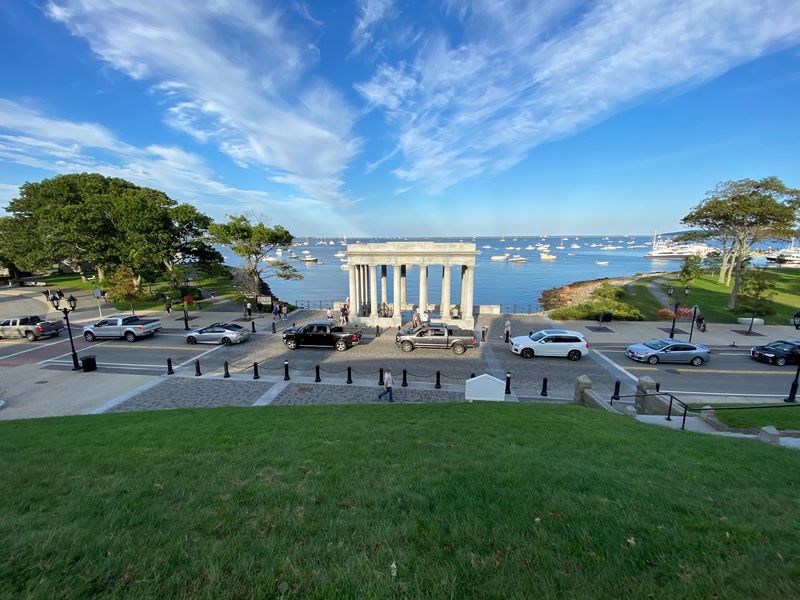
That famous rock is smaller than many travelers expect. Plymouth becomes much more interesting when you treat it as one piece of a larger story involving English settlers, the Wampanoag people, and a changing coastal world.
Begin along the waterfront, where Plymouth Rock sits beneath its protective structure. Nearby signs offer context, but the landmark alone cannot explain the settlement, its challenges, or the Native communities already living in the region.
Mayflower II provides a more physical sense of the sea journey, when open for visits. The vessel is a reproduction rather than the original ship, and its cramped spaces help turn an often repeated classroom story into something concrete.
Plimoth Patuxet Museums deserves a separate block of time because it is not simply another waterfront stop. Its living history settings explore English colonial life and Indigenous history, so read the current program descriptions before choosing your ticket.
Listen carefully to how different exhibits present different perspectives. Wampanoag history did not begin with the arrival of the Mayflower, and it continues long after the events usually squeezed into a Thanksgiving lesson.
Back in town, Burial Hill offers historic gravestones and views over the surrounding area. Paths can be uneven and sloped, so take your time, wear suitable shoes, and avoid touching or leaning against fragile stones.
You can organize the day around a morning waterfront walk and an afternoon museum visit, or reverse that order to match opening times. A car or planned ride helps connect attractions outside the compact center.
Reserve tours when needed and check whether outdoor programs change with weather. Between stops, choose a harbor lunch and leave room for questions rather than rushing toward a neat ending; Plymouth’s best lessons come from comparing familiar symbols with the fuller histories of settlement, cooperation, conflict, survival, and the people whose stories are still being told today.
9. Lowell: Hear the Story Behind the Mill Walls
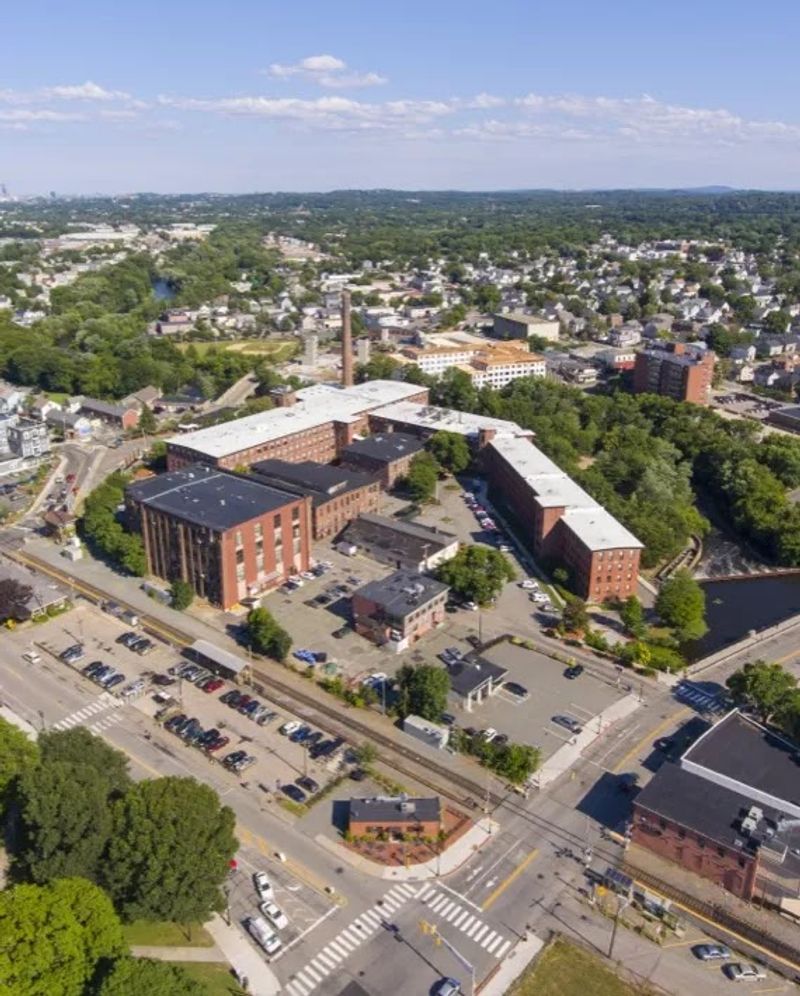
Brick mills stretch beside canals built to put water to work. Lowell makes the Industrial Revolution visible, replacing an abstract textbook phrase with large buildings, machinery, and the stories of people who kept production moving.
Begin at Lowell National Historical Park’s visitor center for a map and current tour information. The park connects downtown sites that explain textile manufacturing, waterpower, and the city’s planned growth as an industrial center.
The Boott Cotton Mills Museum is a strong choice for understanding how cloth was made. When operating demonstrations are available, the machinery can be loud, which gives visitors a small sense of the demanding conditions workers faced.
Pay attention to the lives behind the equipment. Young women from rural communities became an important early workforce, and later immigrant groups helped shape the mills, neighborhoods, businesses, and culture of the city.
Canal walks add useful breathing room between indoor exhibits. Stay on marked public routes and follow barriers near the water, since these are historic industrial channels rather than places for swimming or climbing.
Boat tours and other ranger programs may depend on the season and require reservations. Check the current schedule before promising anyone a canal ride, and keep an indoor alternative ready if weather changes your plans.
Downtown restaurants offer a chance to experience the city beyond its factory era. Lowell’s communities continue to shape local food and street life, so a lunch break can become part of the visit rather than just a pause between museums.
Wear comfortable walking shoes and allow several hours for the main park sites. Instead of photographing only the largest mill facade, look for smaller clues such as canal gates, rows of windows, and the distance between workplaces and housing; those details help explain how an entire city was arranged around production and why workers pushed for better conditions, shorter hours, and a stronger voice.
10. Lexington: Stand Where the Revolution’s Fighting Began
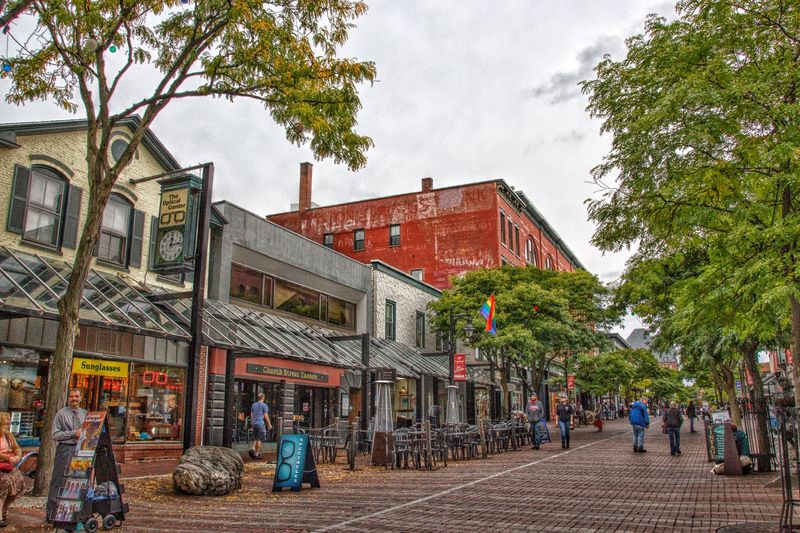
Before the museums and monuments, there was a town green and a tense morning. Lexington’s central historic landscape brings you close to the opening clash between colonial militia and British troops on April 19, 1775.
Start at Lexington Battle Green and take a moment to understand its size. The fighting happened in a real community, not on an isolated stage, and the surrounding streets help explain how everyday life and major events met.
A guided tour can clarify the sequence better than a quick walk past the statue. Check current offerings through local visitor services, and ask about accessible routes if anyone in your group needs a gentler walking plan.
Buckman Tavern connects the green with the preparations made before the British arrival. Tours and exhibits at local historic properties have their own schedules, so confirm opening times before building your day around going inside.
The Hancock-Clarke House and Munroe Tavern provide other viewpoints on the events and people involved. Choose one or two homes based on your interests rather than assuming every building tells the same story.
Lexington pairs naturally with Concord, but combining them requires more than a quick drive between photo stops. Allow time for the route, parking, and meals, especially when special events draw crowds to Revolutionary sites.
Patriots’ Day programs can be memorable, though reenactments and related activities require careful advance planning. Check the year’s official schedule and transport advice, because early starts, road closures, and busy viewing areas can affect your visit.
For a quieter outing, pick an ordinary weekday and walk the center at an unhurried pace. Treat memorials and burial places respectfully, keep off fragile features, and bring questions about how historians piece together conflicting accounts; even the uncertainty surrounding the first shot can help you understand why studying evidence matters more than accepting the simplest version of a familiar story.
11. Boston: Follow the Red Line, Then Look Beyond It
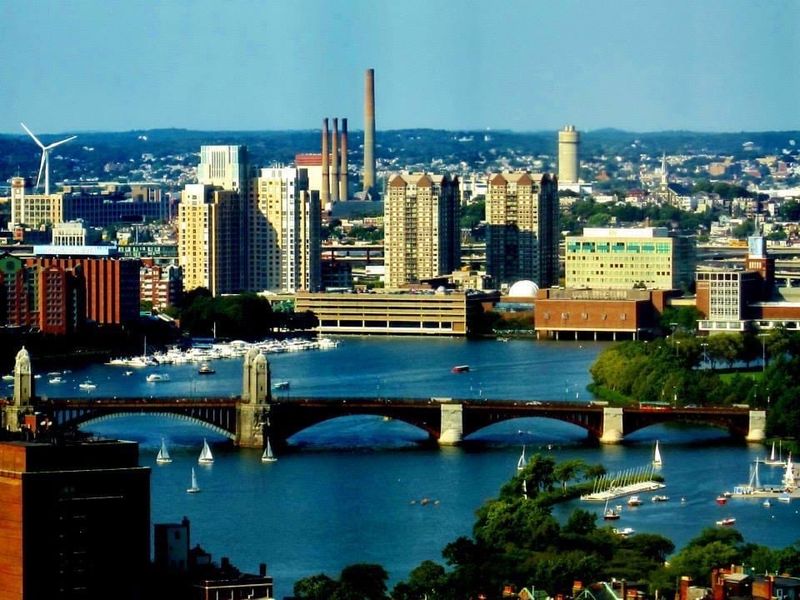
A red line on the pavement can guide your first visit, but Boston’s history never stays neatly inside it. The Freedom Trail links major landmarks while the surrounding streets reveal a city that kept building around its past.
Start on Boston Common and decide how much walking your group can comfortably manage. The full trail covers several miles, and museum visits, hills, crossings, and lunch breaks make it a longer outing than the map alone suggests.
The Old State House and Old South Meeting House help explain the arguments and gatherings that preceded the Revolution. Check admission details before entering, since following the outdoor route does not mean every interior stop is free.
In the North End, the Paul Revere House adds a domestic setting to a familiar name. Narrow sidewalks and busy streets call for patience, especially when tour groups gather near popular landmarks.
Continue toward Charlestown for Bunker Hill and USS Constitution if time allows. Ship access can involve security checks and changing schedules, so review official visitor guidance instead of assuming you can walk aboard whenever you arrive.
Give yourself another perspective through the Black Heritage Trail on Beacon Hill. Its sites tell stories of Boston’s Black community, education, organizing, and the struggle against slavery, broadening a trip that might otherwise focus only on Revolutionary leaders.
Public transit is usually more practical than moving a car between central attractions. Wear shoes suited to brick sidewalks, carry water, and check weather before choosing an all day outdoor route.
Split Boston into two days if you want museum time without rushing every meal. One day can follow the Revolutionary landmarks, while another explores community histories and neighborhoods; along the way, watch how an old meeting house, a crowded restaurant block, and a modern office tower share the same street, each representing a different chapter in the city’s long development.