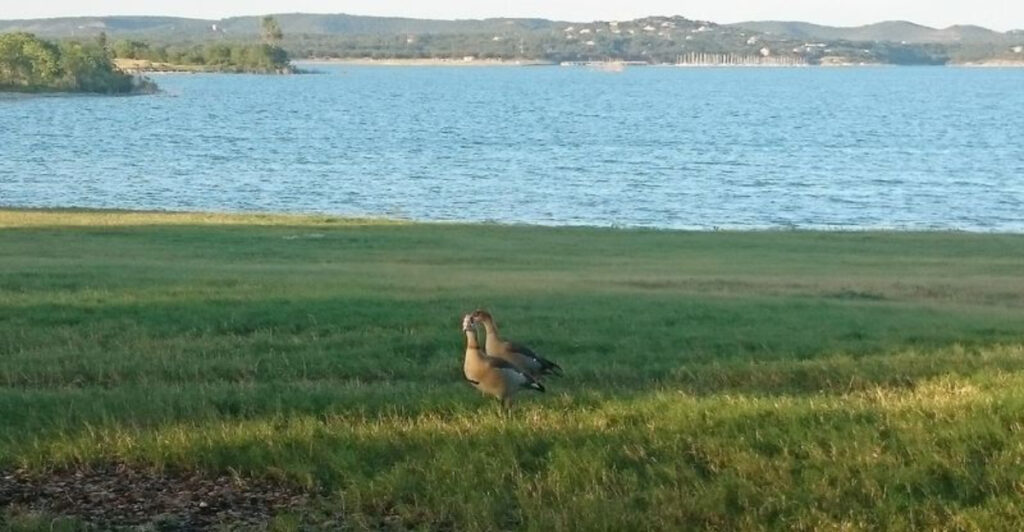
Texas stretches across 268,000 square miles of diverse landscapes, from coastal dunes to rocky canyons, and you don’t need a trust fund to explore them. Gas, a cooler full of snacks, and a sense of adventure are often all it takes to experience some of the most stunning natural wonders in the state. These ten road trips prove that unforgettable Texas getaways are within reach for just about any budget, whether you’re camping under the stars or just spending a day soaking up scenery that rivals any expensive vacation destination.
1. Padre Island National Seashore (Corpus Christi)
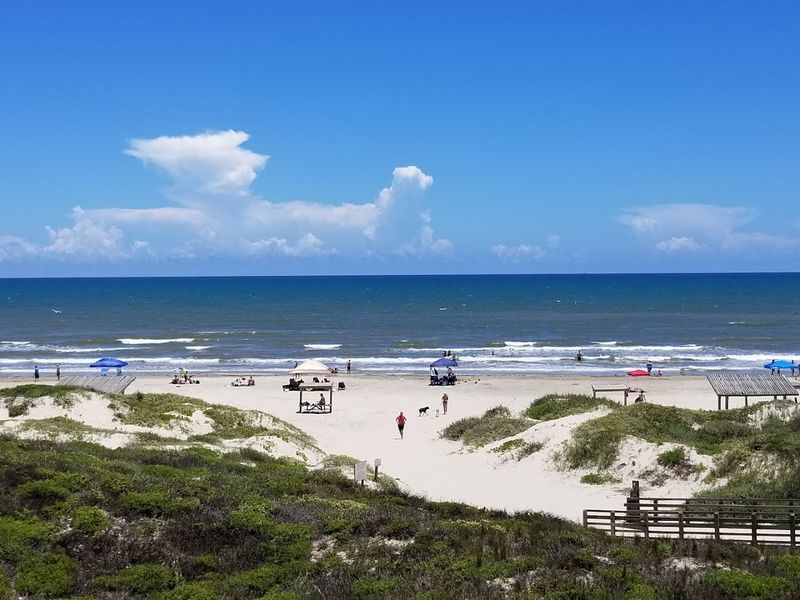
Miles of untouched beach wait for you at the longest undeveloped barrier island in the world, and the best part is that camping here costs less than most hotel parking fees. Padre Island National Seashore gives you 70 miles of coastline where you can pitch a tent right on the sand, wake up to sunrise over the Gulf, and spend your days beachcombing without fighting crowds. Entry fees run about $10 per vehicle for a week, and primitive beach camping adds just $5 per night.
Bring your own food and water since services are limited once you drive past the visitor center. The island’s wild character means you’ll see more ghost crabs and shorebirds than souvenir shops, which keeps costs down naturally. Pack plenty of sunscreen, because shade is scarce on these windswept dunes.
Spring and fall offer the mildest weather and the chance to witness sea turtle releases if you time it right. Summer brings heat and humidity, but also warm water perfect for swimming and kayaking. Winter can surprise you with comfortable temperatures and practically empty beaches.
Four-wheel drive opens up more of the island for exploration, but two-wheel drive vehicles can access the first five miles of beach without trouble. Fishing from the surf requires just a Texas fishing license and whatever tackle you already own. Shell collecting costs nothing but time, and the variety of shells here rivals any expensive resort destination.
The drive from Corpus Christi takes under an hour, making this an easy day trip or weekend escape. Stock up on groceries in town before heading out, and you’ll have everything needed for a beach adventure that barely dents your wallet while delivering memories worth far more than the minimal investment required.
2. Mount Bonnell (Austin)
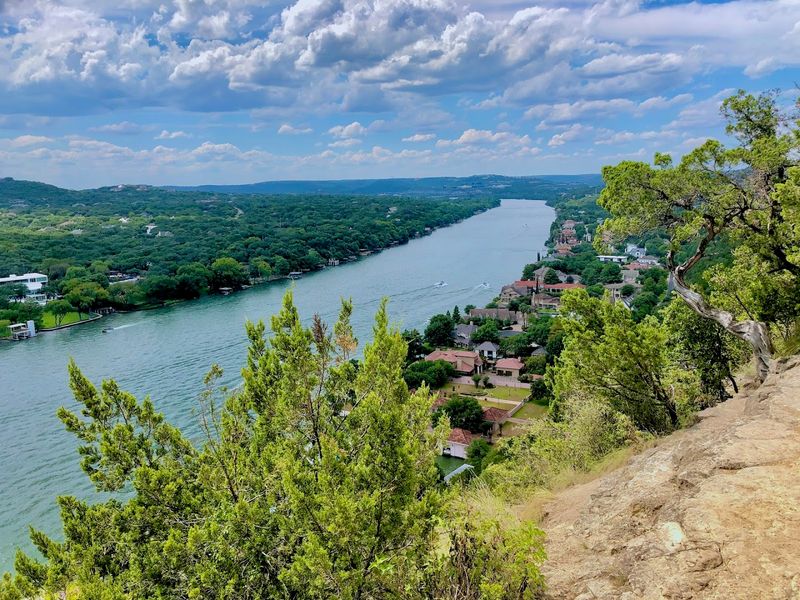
Climbing 102 stone steps to one of Austin’s highest points costs absolutely nothing, yet the panoramic views from the top rival anything you’d pay admission to see. Mount Bonnell has been Austin’s romantic lookout spot since the 1850s, and today it remains one of the best free attractions in the city. The short but steep climb gets your heart pumping, but most people make it to the summit in under ten minutes.
Lake Austin spreads out below in a shimmering ribbon of blue-green water, framed by expensive hillside homes that prove you don’t need to own lakefront property to enjoy the view. Bring a picnic breakfast or sunset snacks, claim a spot on the limestone ledges, and watch boats cruise by hundreds of feet below. Early morning visits beat the heat and the crowds, especially during summer months.
Parking fills up quickly on weekends, but the small lot means you won’t circle endlessly like at more commercial attractions. Street parking nearby provides overflow options when the main lot is full. The whole experience takes maybe an hour unless you linger to soak up the scenery, making it perfect for budget travelers who want maximum impact with minimal time investment.
Photographers love the golden hour light that paints the Hill Country in warm tones. Proposal seekers favor the romantic atmosphere at sunset. Fitness enthusiasts use the stairs as a quick workout spot, sometimes doing multiple rounds for exercise.
The location in West Austin puts you close to other free or cheap attractions like the 360 Bridge overlook and various greenbelt trails. Combine Mount Bonnell with a few other no-cost stops, and you’ve built yourself a full day of Austin exploration without spending more than gas money and maybe a taco or two from a food truck.
3. Palo Duro Canyon State Park (Canyon)
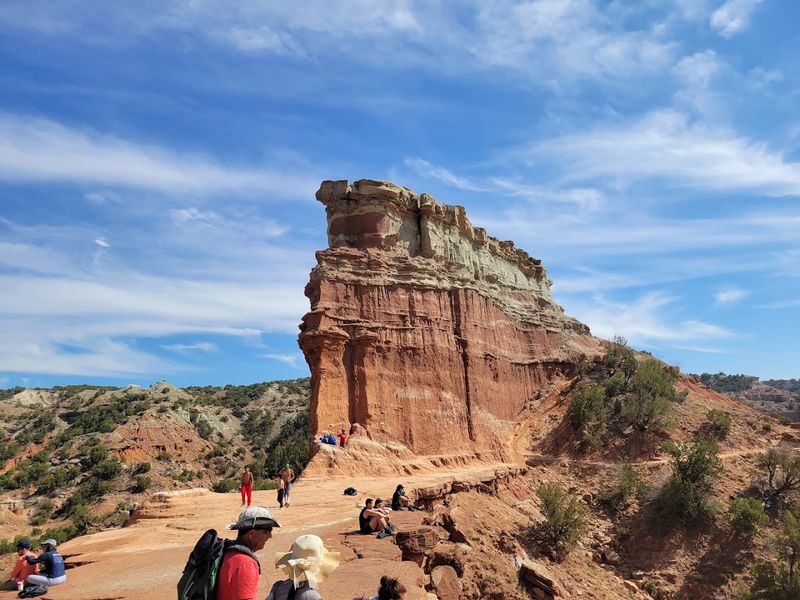
Often called the Grand Canyon of Texas, Palo Duro Canyon drops 800 feet below the flat Panhandle plains and stretches 120 miles long, offering drama that surprises first-time visitors who expect nothing but wheat fields this far north. State park entry fees run just $8 per adult, and camping starts at $12 for basic sites, making this one of the most affordable multi-day adventures in Texas. The canyon’s striped walls glow in shades of red, orange, and purple depending on the light, creating a photographer’s paradise that costs practically nothing to enjoy.
More than 30 miles of trails crisscross the canyon floor and climb the rim, ranging from easy nature walks to challenging scrambles. The Lighthouse Trail ranks as the most popular, leading 6 miles roundtrip to a distinctive rock formation that serves as the park’s signature landmark. Summer heat can be intense, so spring and fall provide the most comfortable hiking conditions.
Mountain biking trails offer another way to explore without additional fees beyond the park entry. Horseback riding is available through the park’s livery if you want to splurge a bit, but most visitors find plenty to do on foot. Wildlife watching includes roadrunners, mule deer, and various raptors that patrol the canyon thermals.
The tiny town of Canyon sits just 12 miles away, providing affordable dining and lodging options if camping isn’t your style. Amarillo lies 20 miles north with more services and attractions. Combining Palo Duro with a stop at Cadillac Ranch creates a full Panhandle experience.
Budget camping here means waking up surrounded by ancient geology and spending days exploring terrain that feels worlds away from typical Texas landscapes, all for less than you’d spend on a single night in most hotels.
4. Big Bend National Park (Far West Texas)
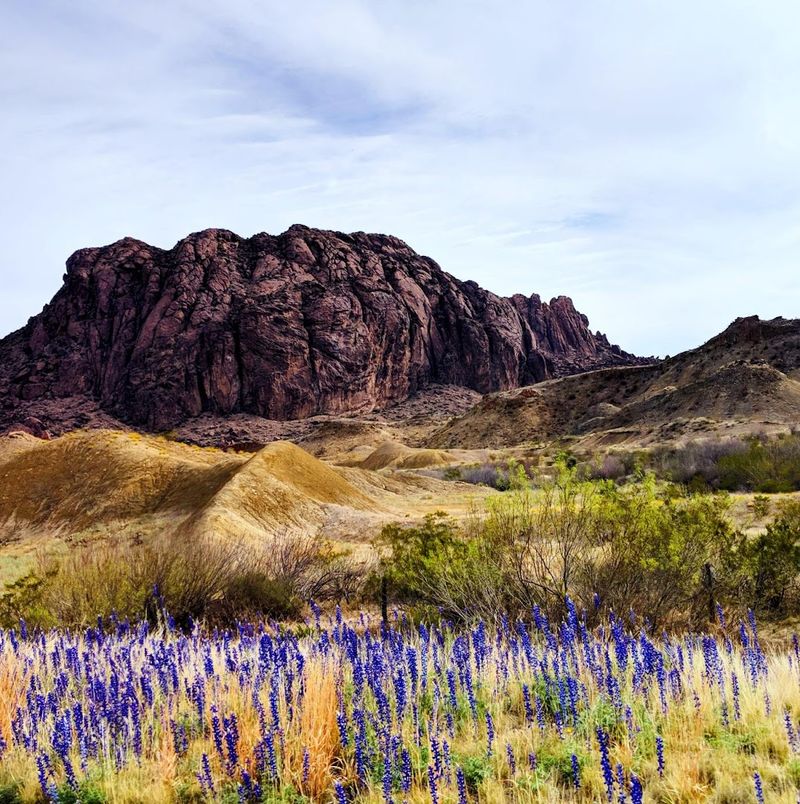
Remote doesn’t have to mean expensive, and Big Bend proves it by offering some of the most spectacular wilderness in America for just the $30 weekly vehicle entrance fee. This massive park covers 801,163 acres of Chihuahuan Desert, mountain ranges, and river canyons along the Mexican border, providing endless exploration opportunities without the crowds and commercialization of more famous national parks. Camping costs $14-$36 per night depending on the campground, and primitive backcountry sites are free with a permit.
The drive itself becomes part of the adventure, with the nearest major city (El Paso or San Antonio) sitting roughly 400 miles away. Gas stations are few and far between, so planning fuel stops matters, but the isolation contributes to the park’s pristine dark skies and sense of genuine wilderness. Pack all your food before arriving, as services inside the park are limited and pricier than outside.
Hiking options range from short desert nature trails to challenging mountain climbs like the South Rim Trail. The Rio Grande offers paddling opportunities, though you’ll need to rent or bring your own kayak or canoe. Hot springs accessible by short hikes provide free natural soaking pools right along the river.
Spring wildflower blooms transform the desert into a carpet of color when winter rains cooperate. Fall and winter offer the most comfortable temperatures, while summer heat can be dangerous in the lowlands. November through April sees the majority of visitors, though the park never feels truly crowded given its enormous size.
Terlingua and Study Butte just outside the park provide basic services and quirky character. Marathon offers the closest substantial town amenities. Budget-conscious travelers who plan ahead with camping reservations and packed coolers can spend a week here for less than a weekend in most beach towns.
5. Hamilton Pool Preserve (Dripping Springs)
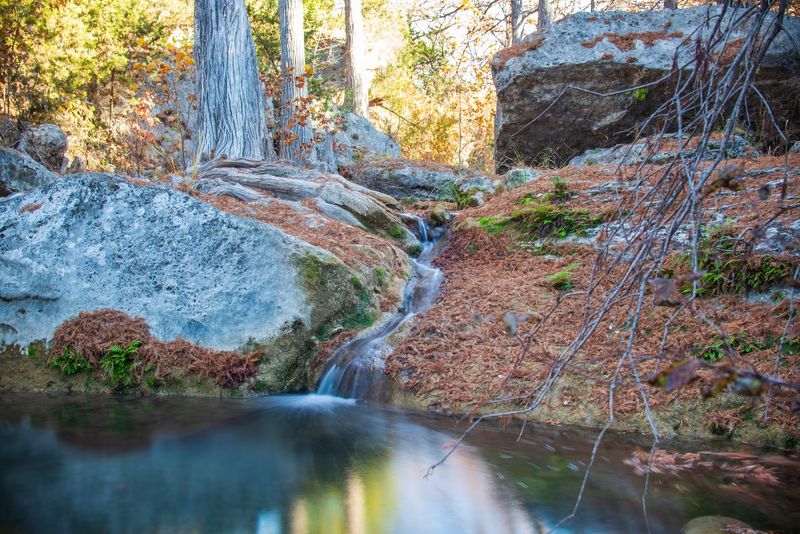
A collapsed grotto ceiling thousands of years ago created one of the most photographed swimming holes in Texas, and visiting costs just $15 per vehicle with reservations required to protect this fragile natural wonder. Hamilton Pool sits on a creek that tumbles 50 feet over a limestone overhang into an emerald pool surrounded by ferns, moss, and dripping stalactites. The short quarter-mile trail down to the pool is steep but manageable for most fitness levels.
Swimming is allowed when bacteria levels are safe, though the pool closes periodically for testing or after heavy rains. Even when swimming is prohibited, the scenery alone justifies the modest entrance fee and short drive from Austin. The preserve’s limited daily capacity means you must book online in advance, especially for weekend visits during summer months.
Bring water shoes because the creek bed is rocky, and the pool bottom can be slippery. The water stays cool year-round, fed by underground springs that maintain temperatures in the 50s and 60s regardless of air temperature. Shade from the overhang provides relief on hot days, making this a natural air-conditioned escape.
Photography restrictions aim to preserve the experience for everyone, so tripods and professional equipment require special permits. Regular cameras and phones work fine for capturing memories of this geological marvel. The preserve also includes additional hiking trails through the Hill Country landscape if you want to extend your visit.
Plan for about 2-3 hours total including the hike down and back, swimming time, and exploration. The location just 30 minutes west of Austin makes this an easy day trip that feels much more exotic than the short distance suggests. Pack a picnic to enjoy in the designated areas, and you’ve created an affordable adventure that rivals any expensive tourist attraction.
6. San Antonio River Walk (San Antonio)
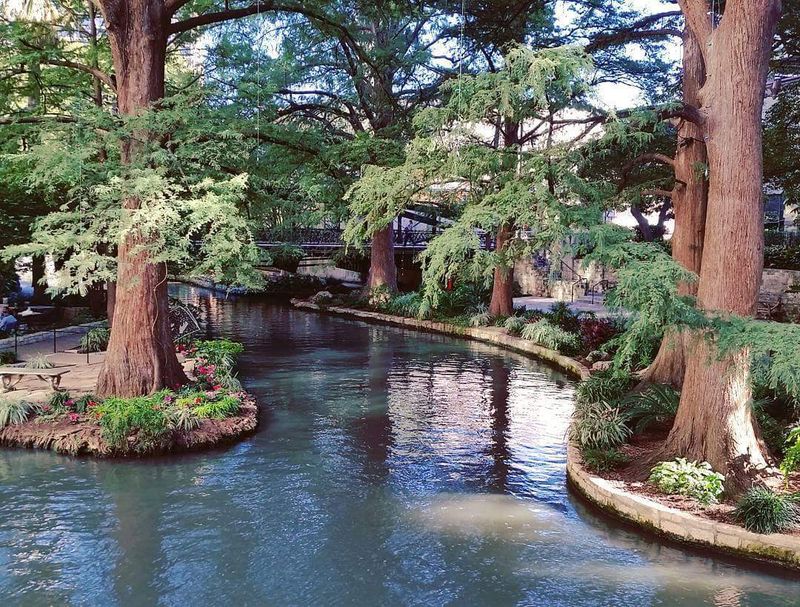
Walking the winding pathways along the San Antonio River costs nothing, yet delivers one of the most distinctive urban experiences in Texas with restaurants, shops, and historic sites lining the banks one story below street level. The River Walk stretches for miles through downtown, connecting major attractions like the Alamo, Pearl Brewery district, and various museums. Street performers, public art, and people-watching provide free entertainment as you stroll beneath shade trees and arched bridges.
Skip the expensive river cruise boats and explore on foot to save money while seeing more at your own pace. Many museums offer free or discounted admission days, and the Alamo itself charges no entrance fee for the historic church and grounds. The Pearl area features a farmers market on weekends with free samples and local flavor without the tourist markup of the main River Walk restaurant district.
Budget dining options exist if you venture slightly off the main tourist corridor. Taco stands, bakeries, and local spots just blocks away serve authentic San Antonio cuisine at fraction of River Walk prices. Bring your own snacks and drinks to enjoy at the many benches and shaded spots along the water.
Evening walks offer cooler temperatures and romantic lighting as thousands of small lights illuminate the trees and walkways. Holiday seasons bring special decorations and events, many of which are free to view. Spring and fall provide the most pleasant weather, while summer heat and humidity can be oppressive during midday hours.
Parking downtown can be pricey, but city lots and garages away from the main tourist zone offer cheaper rates. Better yet, many hotels include parking or sit within walking distance. The entire River Walk system is accessible, making it easy for strollers, wheelchairs, and anyone who prefers level pathways to stairs and hills.
7. Enchanted Rock State Natural Area (Fredericksburg)
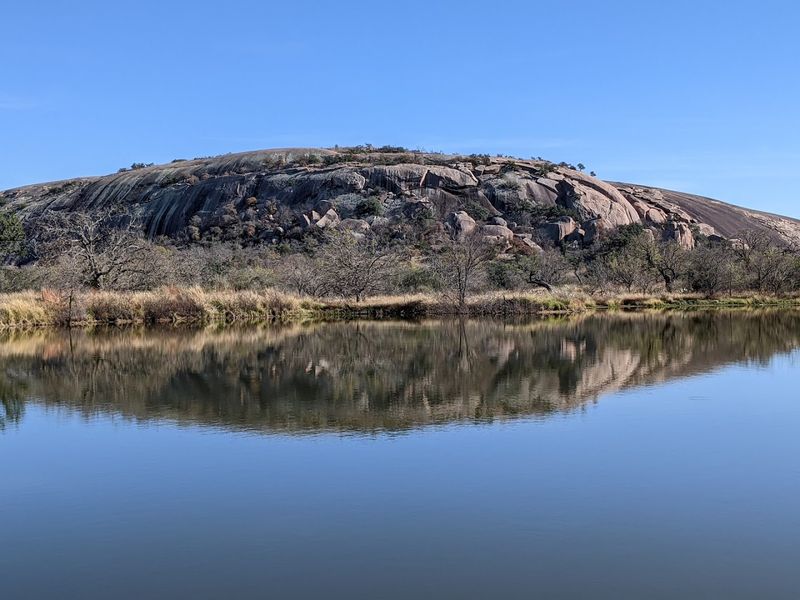
A giant pink granite dome rises 425 feet above the surrounding Hill Country, and climbing to the summit costs just $8 per adult for day use of this natural landmark that’s been sacred to various cultures for thousands of years. Enchanted Rock’s smooth granite face challenges hikers with a steep but straightforward climb that most people complete in 30-45 minutes, rewarding the effort with 360-degree views across miles of rolling hills and valleys. The rock itself spans 640 acres, making it one of the largest granite formations in the United States.
Early morning starts are essential on weekends and holidays when the park hits capacity and closes the gates to new arrivals. Reservations are now required, so book online before making the drive. The summit can be 10-15 degrees hotter than the base, and shade is nonexistent on the dome, so bring plenty of water and sun protection.
Beyond the main dome, the park includes several smaller rock formations, caves, and nearly 11 miles of trails that see far fewer visitors. Rock climbing routes attract technical climbers, though the main tourist route requires no special equipment or skills. Wildflower season in spring paints the surrounding landscape in bluebonnets, Indian paintbrush, and other native blooms.
Primitive camping is available for $15 per night if you want to experience the rock’s famous nighttime phenomenon of creaking and groaning as it cools and contracts. The dark sky designation makes this an excellent stargazing location. Full moon hikes offer a unique perspective, though spots fill quickly for these popular events.
Fredericksburg sits just 18 miles north, providing wine tasting rooms, German bakeries, and antique shopping if you want to extend your trip. Combining Enchanted Rock with the nearby Willow City Loop during wildflower season creates an unbeatable budget-friendly Hill Country experience.
8. Guadalupe River (New Braunfels)
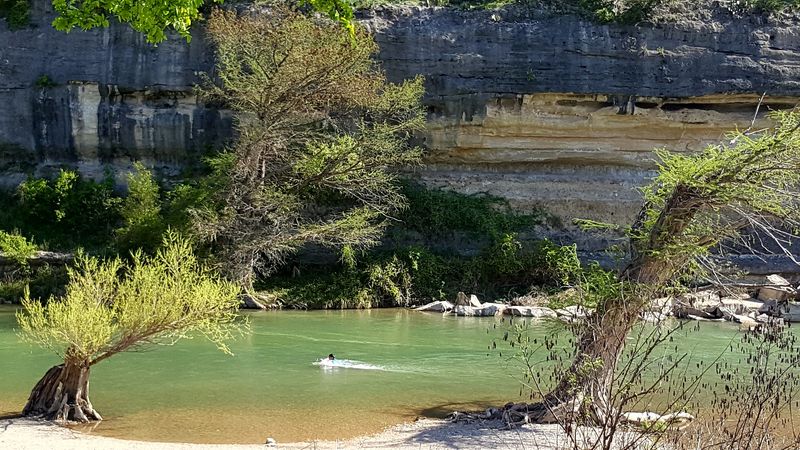
Cool spring-fed water flowing through the Hill Country creates one of Texas’s most popular tubing destinations, and you can float for hours while spending almost nothing if you bring your own tube and cooler. The Guadalupe River between Canyon Lake and New Braunfels offers several public access points where you can launch for free or minimal parking fees, avoiding the $20-$30 per person charges at commercial outfitters. Water temperatures stay in the 60s and 70s year-round, providing refreshing relief during brutal Texas summers.
Tube rental outfitters serve a purpose by providing shuttles back to your car, but groups with multiple vehicles can easily create their own shuttle system and save significant money. Bring a cheap inflatable tube from a discount store, pack drinks and snacks in a floating cooler, and you’ve got everything needed for a full day on the water. State law requires life jackets for children under 13, and everyone should consider wearing one given the river’s swift current in some sections.
Memorial Day through Labor Day weekends see massive crowds, with thousands of tubers creating a party atmosphere that’s not for everyone. Weekdays and shoulder seasons offer a calmer experience with the same beautiful scenery and cool water. Fall foliage along the cypress-lined banks adds color to autumn floats.
Guadalupe River State Park provides official access with camping, hiking, and day-use areas for the standard state park fees. Several smaller parks and access points dot the river, each with different characteristics and crowd levels. Research your launch and take-out points ahead of time to ensure a smooth trip.
The drive from San Antonio takes under an hour, and Austin sits just slightly farther. New Braunfels offers German heritage, Schlitterbahn waterpark, and various other attractions if you want to build a longer trip around your river day.
9. Willow City Loop (Fredericksburg)
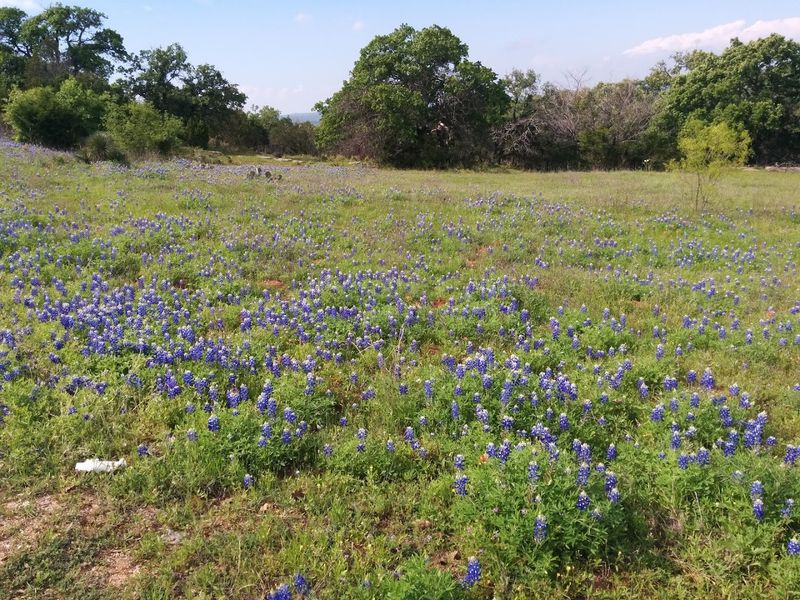
Thirteen miles of narrow ranch road wind through some of the most reliable wildflower displays in Texas, and driving the Willow City Loop costs nothing but gas and the time to stop every few hundred yards for photos. This scenic backroad between Fredericksburg and Llano crosses private ranches where landowners graciously allow roadside viewing, creating a natural gallery that changes weekly as different species bloom from March through May. Bluebonnets steal the show in most years, carpeting entire hillsides in purple-blue waves.
Peak bloom timing varies by winter rainfall and spring temperatures, so checking recent reports on social media or wildflower hotlines helps you time your visit. Late March through mid-April hits the sweet spot most years, though early or late seasons happen regularly. The loop can be driven in under an hour without stops, but plan for at least two hours to truly enjoy the scenery.
Respect private property by staying on the road or in designated parking areas. The narrow road and limited shoulders mean pulling completely off the pavement when stopping for photos. Weekends bring heavy traffic during peak season, with cars crawling bumper-to-bumper in some sections.
Weekday mornings offer better flow and softer light for photography.
Combine the loop with nearby Enchanted Rock, Fredericksburg’s Main Street shopping and dining, or one of the area’s many wineries for a full Hill Country day. Pack a picnic to enjoy at one of the roadside parks or scenic overlooks. The lack of commercial development along the route preserves its rural character and keeps costs down naturally.
Wildflower season brings the biggest crowds, but fall foliage and spring greenery make the drive worthwhile year-round. The rolling hills, old stone fences, and working ranches provide quintessential Texas Hill Country scenery regardless of what’s blooming, all accessible for the price of a tank of gas.
10. Caddo Lake State Park (East Texas)
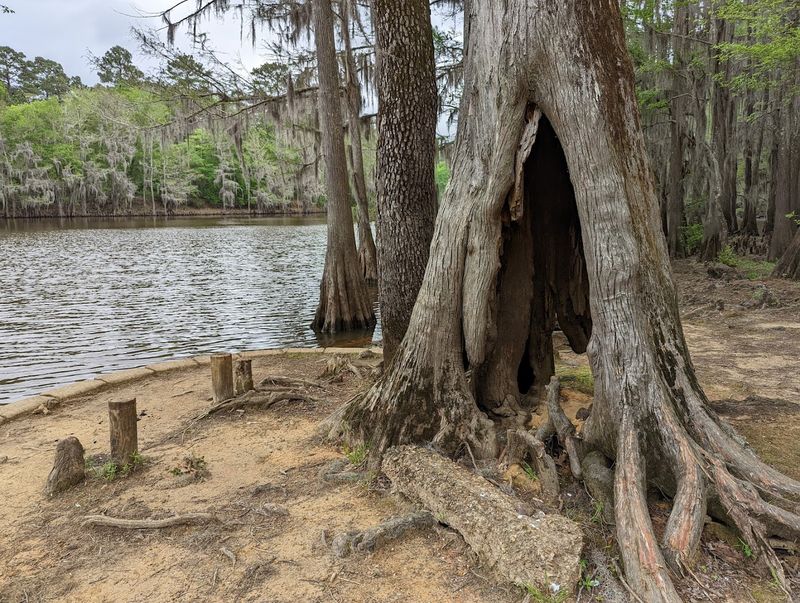
Bald cypress trees draped in Spanish moss rise from dark water in a landscape that looks more like Louisiana than Texas, and exploring this mysterious wetland costs just $5 per adult for day use at Caddo Lake State Park. The only natural lake in Texas spreads across 26,810 acres on the Texas-Louisiana border, creating a maze of sloughs, channels, and open water perfect for kayaking and canoeing. Renting a canoe or kayak from the park runs about $15-$20, or bring your own to paddle for free beyond the entrance fee.
Navigation can be tricky in the maze of cypress trees and floating vegetation, so staying on marked paddling trails makes sense for first-timers. Fishing for bass, crappie, and catfish requires just a Texas fishing license. The park’s relatively remote location in East Texas means fewer crowds than more famous state parks, even on summer weekends.
Camping options range from $15 primitive sites to $25 sites with water and electricity, all significantly cheaper than area hotels. Screened shelters provide middle-ground options for those who want some protection from mosquitoes without full RV hookups. Spring and fall offer the most comfortable temperatures and lower bug populations, though summer brings its own beauty with lotus blooms covering portions of the lake.
Wildlife watching includes alligators, various wading birds, and occasional river otters. Early morning and late evening provide the best light and animal activity. Photography opportunities abound in the atmospheric swamp setting, especially when morning fog drifts through the cypress trees.
The nearby town of Uncertain (yes, that’s its real name) adds quirky character and a few local restaurants. Marshall and Jefferson sit within 30 miles, offering more substantial services and historic downtown districts worth exploring. Budget travelers can easily spend two or three days here for less than $100 total including camping, food, and activities.