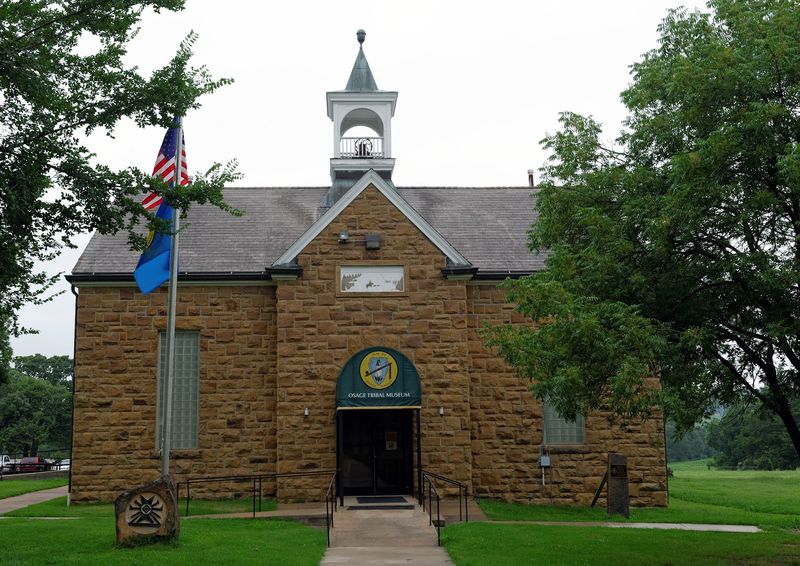
Pawhuska draws plenty of road trippers, but one of its most meaningful stops sits quietly on a hill above downtown. Inside a stone building with only two rooms, the Osage people tell their own story in their own words.
It has been doing that since 1938, which makes it the oldest tribally owned museum in the country. Admission is free, and the staff treat every guest like someone worth talking to.
Some folks plan to stay ten minutes and end up staying an hour or more. There are walls covered in family photos, a section on the Osage language, and a veterans memorial outside that many call one of the best anywhere.
Keep reading to learn what makes this small museum such a big deal, what to expect inside, and how to plan a free family day trip to Osage County.
A Stone Chapel on Grandview Avenue
High on a hill in Osage County, a sturdy stone building holds more than a century and a half of history. The Osage Nation Museum sits at 819 Grandview Ave, Pawhuska, OK 74056, in northeastern Oklahoma.
The building itself is a large stone chapel that dates to 1872. Today it serves as a home for exhibits and artifacts that share the history and customs of the Osage people.
The museum is part of the wider Osage Nation campus. Nearby buildings include the Tribal Council building, Bureau of Indian Affairs offices, a medical center, and other tribal offices.
That setting matters. This is not a roadside attraction built for tourists, but a cultural space inside a working tribal government campus.
For Oklahoma families, Pawhuska makes an easy day trip from Tulsa, and the museum fits neatly into a stroll around town. The grounds are tidy and open, with shade trees that come in handy during a hot Oklahoma summer.
Small building, big address book of stories, and the next section explains why its founding year is such a point of pride.
The Oldest Tribally Owned Museum in America
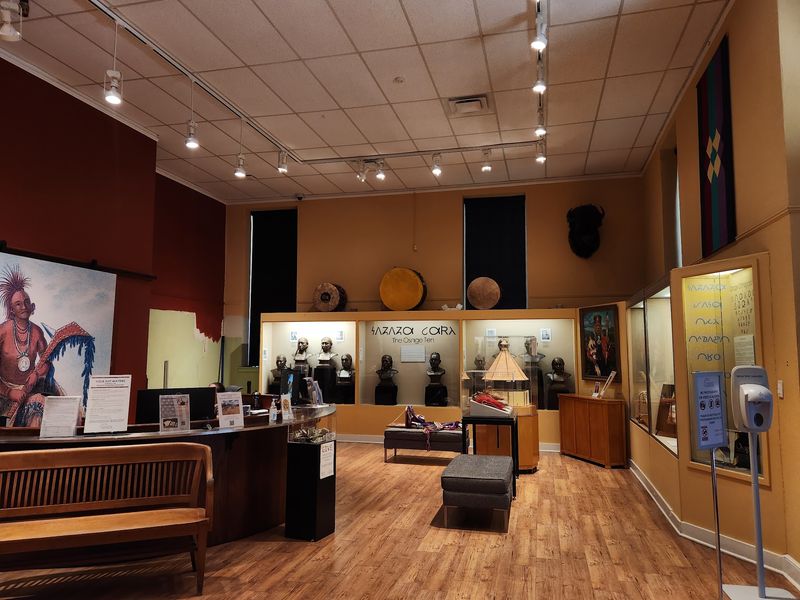
Here is a fact worth bringing up at the next family dinner. The Osage Nation Museum was founded in 1938, and it holds the title of the oldest tribally owned museum in the United States.
That detail changes how the whole place reads. The stories inside are told by the Osage Nation about the Osage Nation, rather than by an outside institution.
Many guests point out that the museum presents a part of history rarely covered in American history classes. For students and curious adults alike, that makes it a valuable stop.
Others note that the museum matches the history found in the well-known book and film about Osage County. The staff take clear pride in sharing that history accurately.
Some guests even recommend it over other regional attractions for authentic tribal history. The items on display are genuine, and the information comes straight from the community it describes.
Nearly nine decades of open doors is quite a run, and the collection inside shows how much care went into every one of those years.
Two Rooms, Plenty of History
Do not let the floor plan fool you. The museum has just two rooms, yet it packs in a surprising amount of material.
The tour is self-guided, with plenty of signs, facts, and artifacts to read through at your own pace. Many people find themselves reading every placard because the subject is so absorbing.
Time spent here varies a lot. Some groups move through in 15 to 20 minutes, while others stay an hour or two.
Some guests wish the museum were larger. Good news on that front: there have been plans to expand so more exhibits can go on display.
One room has featured a full exhibit on unique Osage wedding traditions, which has caught many people off guard in the best way. Other displays show how the Osage people have changed over time.
A short warning for the camera crowd: photos and video are not allowed inside. So bring your attention span instead of your phone, and get ready to meet the faces on the walls next.
Four Walls of Allotment Photos
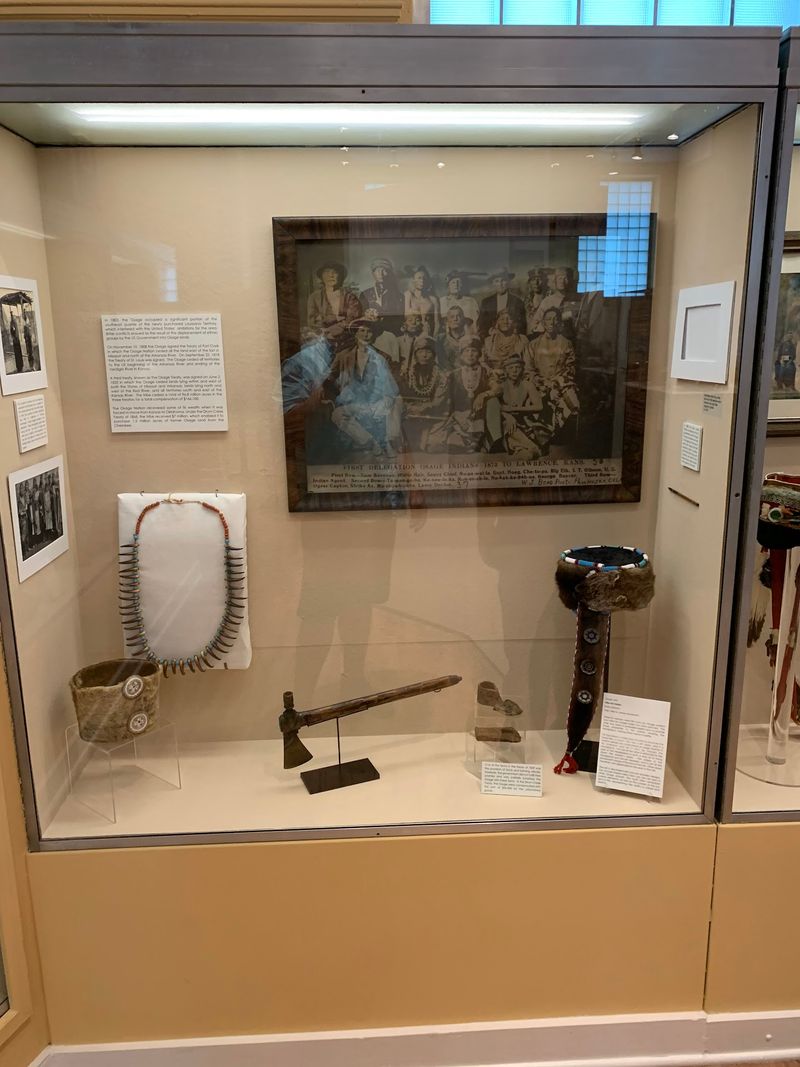
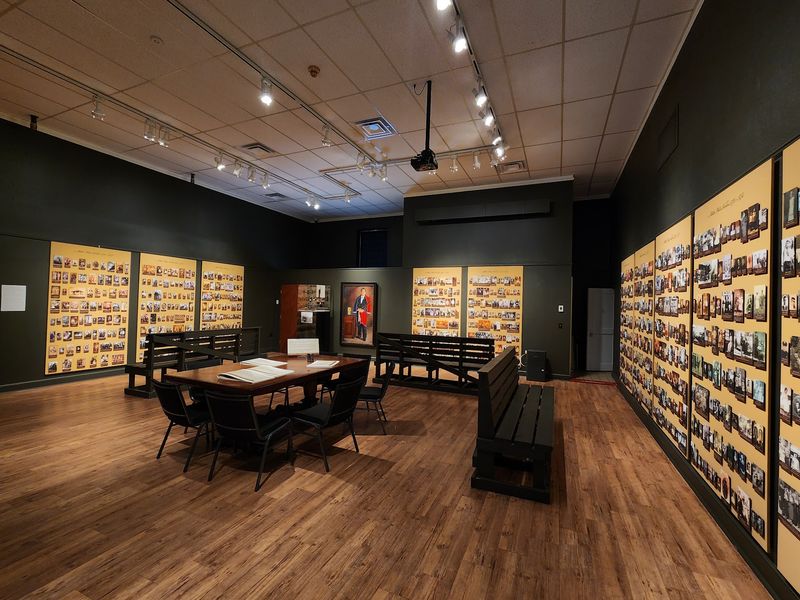
Faces fill the second room from corner to corner. The museum displays an expansive photo exhibit covering four walls, drawn from a collection tied to Osage allotments.
These are pictures of people who received allotments, and each image connects the present day to a specific person and family.
The Allotment photo and stories project is widely praised as visionary and well executed. For people with Osage roots, it can be a deeply personal experience.
There is also a book of photos showing people who have not yet been identified. Guests who recognize someone, or who are related to them, can add information.
That turns a museum visit into a kind of community effort. A history buff from Tulsa and a great-grandchild of someone pictured can both contribute to the same project.
Plenty of museums ask you to look. This one sometimes asks you to help, and the people who run it are a story of their own.
Staff Who Turn a Stop Into a Story
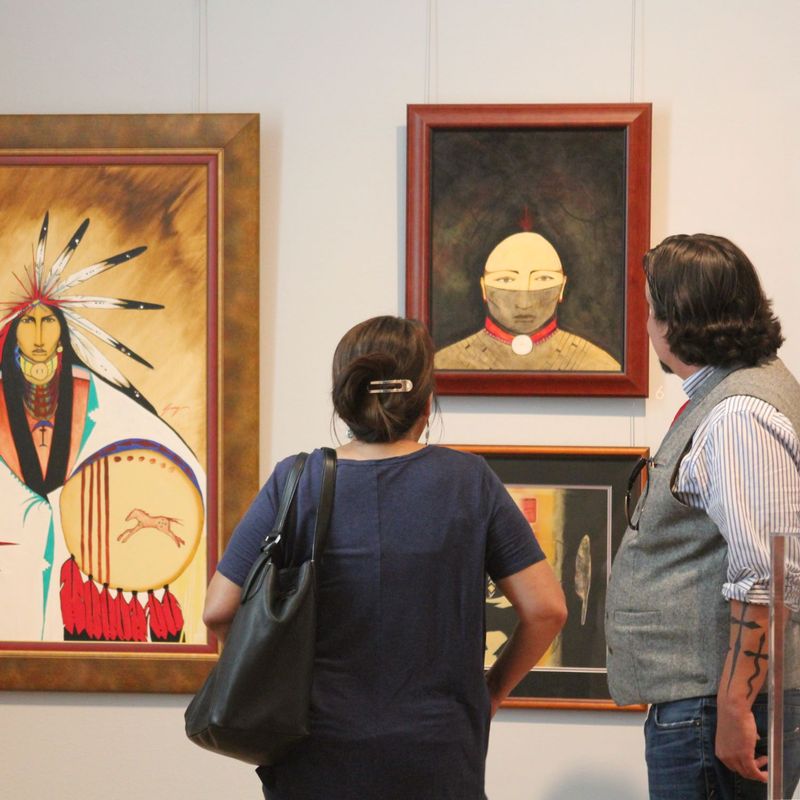
Ask almost anyone who has been here, and the staff come up first. Friendly and informative are the two words that follow the museum around.
Julia Lookout, great-granddaughter of Chief Fred Lookout, is often mentioned by name. She has spent close to an hour with guests answering questions and sharing stories about Osage culture.
In some cases she has spent several hours helping families with Osage ancestry search for relatives. That kind of attention is rare at any museum, free or otherwise.
Her stories cover both the remarkable and the heartbreaking chapters of Osage history. Guests often leave with a fuller picture than any sign could provide.
Other staff members earn praise too. They are described as dedicated, helpful, and proud of their heritage, and they work hard to preserve the exhibits.
Some guests have even arrived just as a private tour started and were invited to join. Luck like that cannot be scheduled, but it does happen here, so keep your questions handy.
Words Worth Keeping: The Osage Language
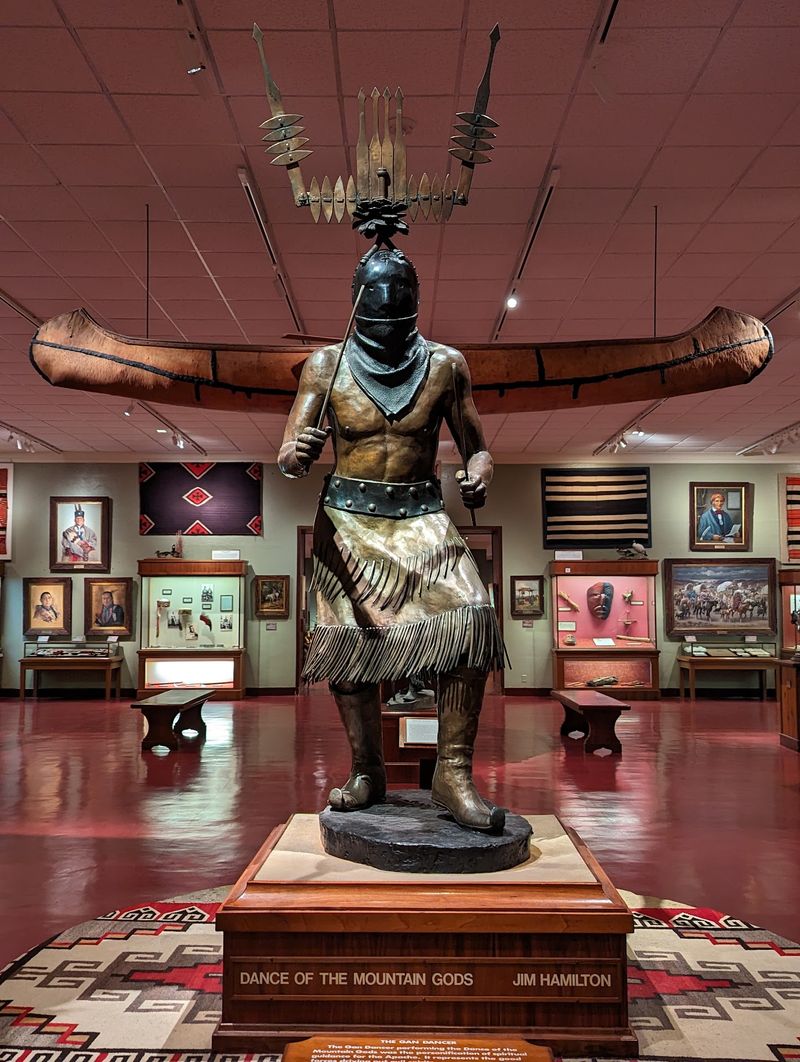
Language carries a culture, and the museum gives it real space. A presentation on the Osage language is one of the features guests mention most.
For many people, this is their first exposure to the language at all. Seeing it presented in a museum setting helps show that it is a living part of Osage identity, not just a historical footnote.
Families with school-age kids may find this section especially useful. It offers a simple starting point for conversations about how communities keep their languages strong.
The display fits into the larger theme of the museum. Customs, history, and language are all presented together as parts of one connected story.
It is a short stop inside a short building. Still, it is the kind of exhibit that tends to spark questions on the drive home, and the next room raises even bigger ones.
The Reign of Terror, Told From Home
Many people first hear about Osage County through a bestselling book and a major film. The museum includes a presentation on the events described in Killers of the Flower Moon.
Hearing that story from the Osage Nation itself adds weight that a movie screen cannot. Guests note that the book and film follow the history closely, and the museum helps fill in the context.
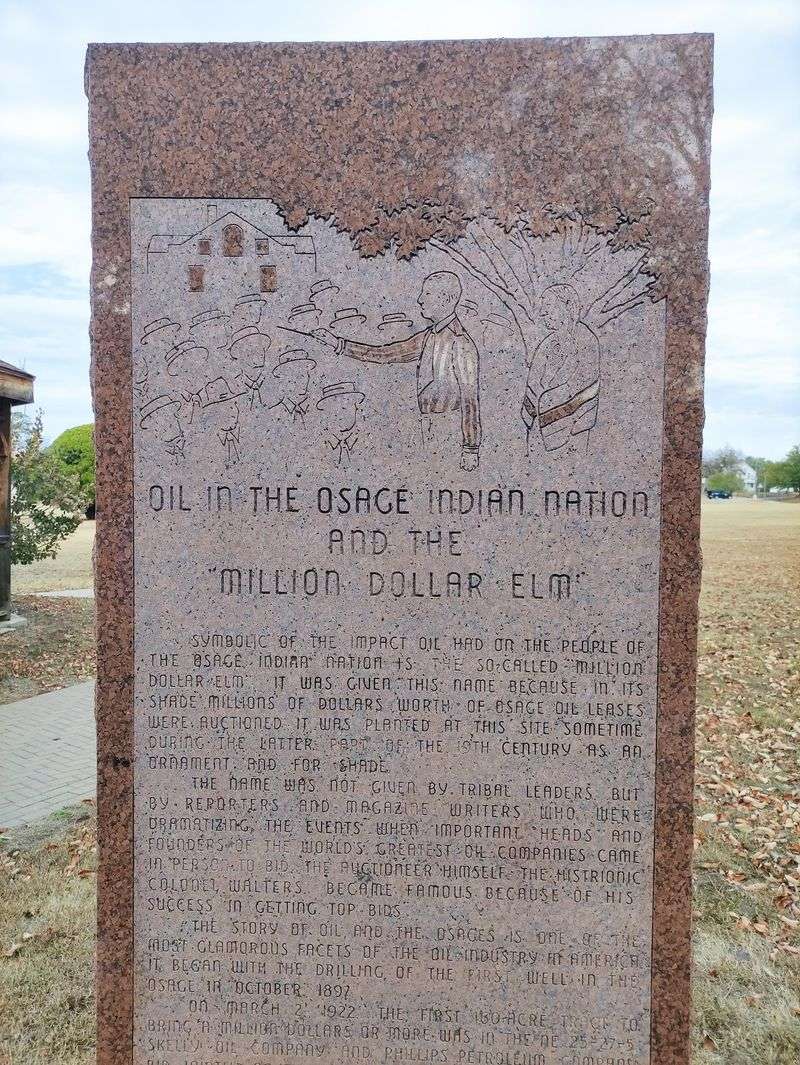
Outside, a stone placard explains the connection between the Osage Nation and oil. The tribe ended up on land rich in oil, which shaped its history in complicated ways.
This section of the museum handles difficult material with care. It is suitable for older kids and teens, though parents may want to talk through it with younger children.
For anyone who watched the film and wanted to know more, this is the right place to start. And it pairs naturally with the faces of community leaders found in the next exhibit.
Busts of Influential Osage Leaders
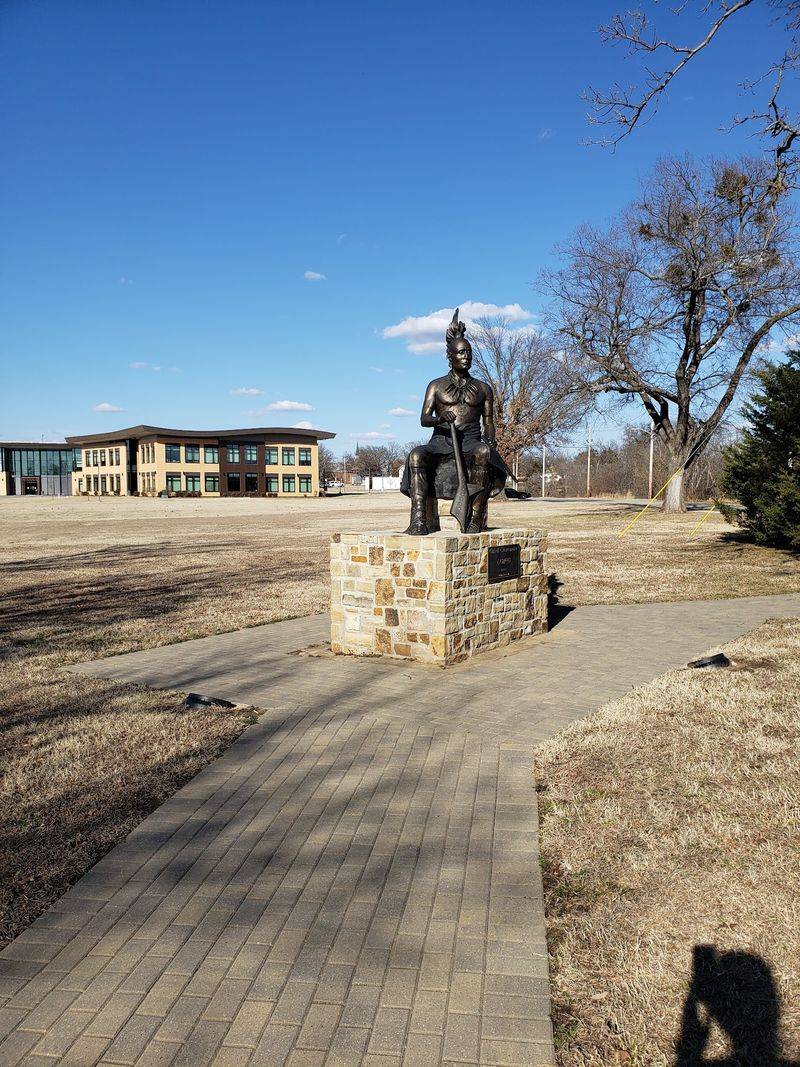
Some museum exhibits ask you to read. Others ask you to meet someone, and the busts here do exactly that.
The museum displays busts of influential Osage people, each paired with an explanation of the role they played. It is a straightforward way to put names and faces to the history.
Alongside these, historical artifacts fill the cases. Guests consistently describe them as authentic and carefully preserved.
Some displays show renditions of Osage life across different eras. Together they show a nation that adapted and endured through major changes.
For kids, the busts can be a good anchor. Pick one leader, read their story, and talk about what they accomplished.
Leadership is a theme that continues once you head back outside. A statue on the grounds carries it forward.
Chief Claremore Stands Watch Outside
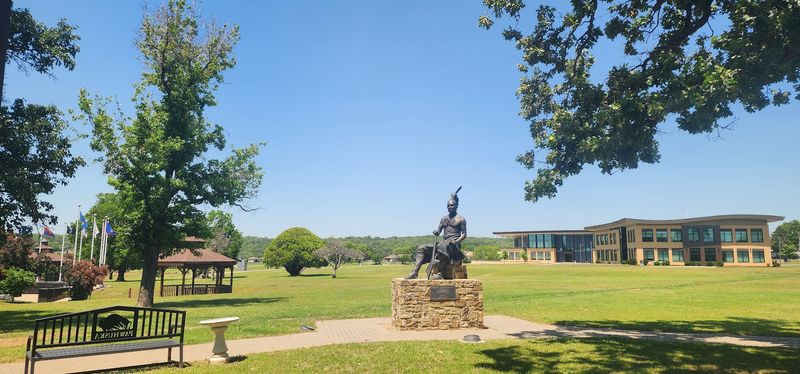
Leave the doors behind and the visit keeps going. The grounds are one of the most praised parts of the experience.
A statue of Chief Claremore stands outside, along with the stone placard on the Osage Nation and oil and a few other markers. Each adds another layer to what you saw indoors.
The campus is well kept and has plenty of shade. That makes it a welcome place to pause on a warm day.
Even when the museum itself happens to be closed, the grounds have been open for a walk around. That is handy for travelers who arrive on a Sunday or Monday.
Many people describe the campus as calm and peaceful from the moment they walk up. It is a fine spot for a quiet moment between exhibits.
Still, the most powerful outdoor feature sits just nearby, and it deserves its own section.
A Veterans Memorial Built With Honor
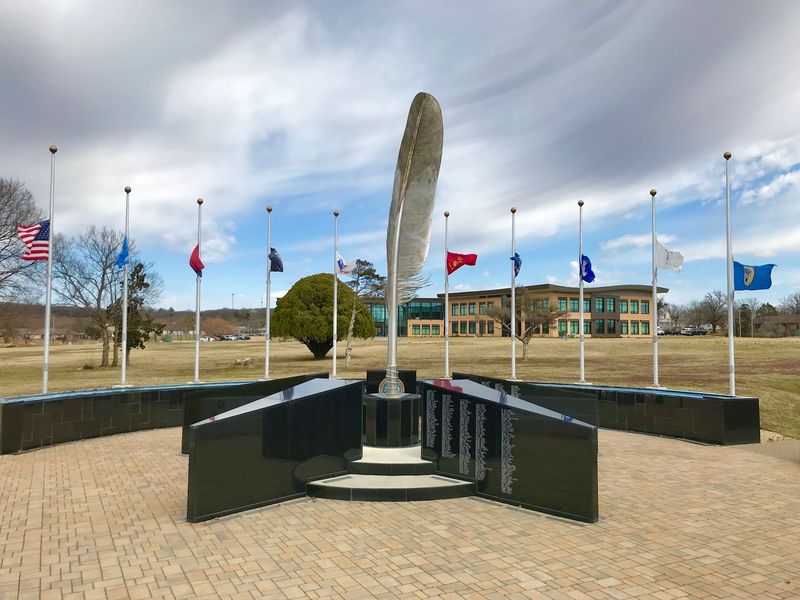
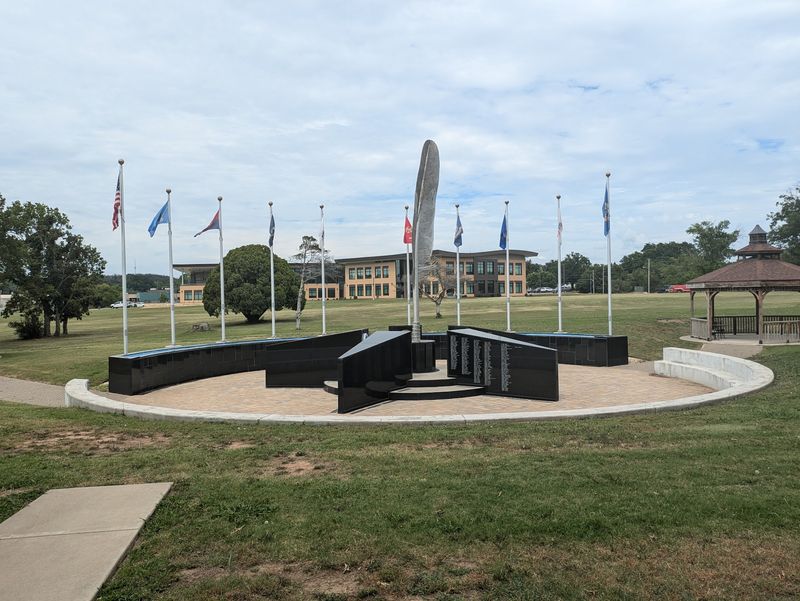
Honor is the word that comes up again and again. The Osage Nation Veterans Memorial is one of the most talked-about features of the whole campus.
Some guests call it one of the best veterans memorials in the United States. Others describe it as an excellent tribute to the tribe’s history and its veterans.
The memorial recognizes Osage service members who served the country, even though that same country took so much from them. That context gives it real depth.
For families with veterans of their own, this stop can be especially meaningful. It is a good place to slow down and talk with kids about service and sacrifice.
The memorial is newer than the museum building, adding a modern chapter to a historic site. Together they span many generations of Osage history.
Take your time here. The calm mood of the place is worth noting before you plan the practical side of your trip.
Free Entry and a Quiet Mood
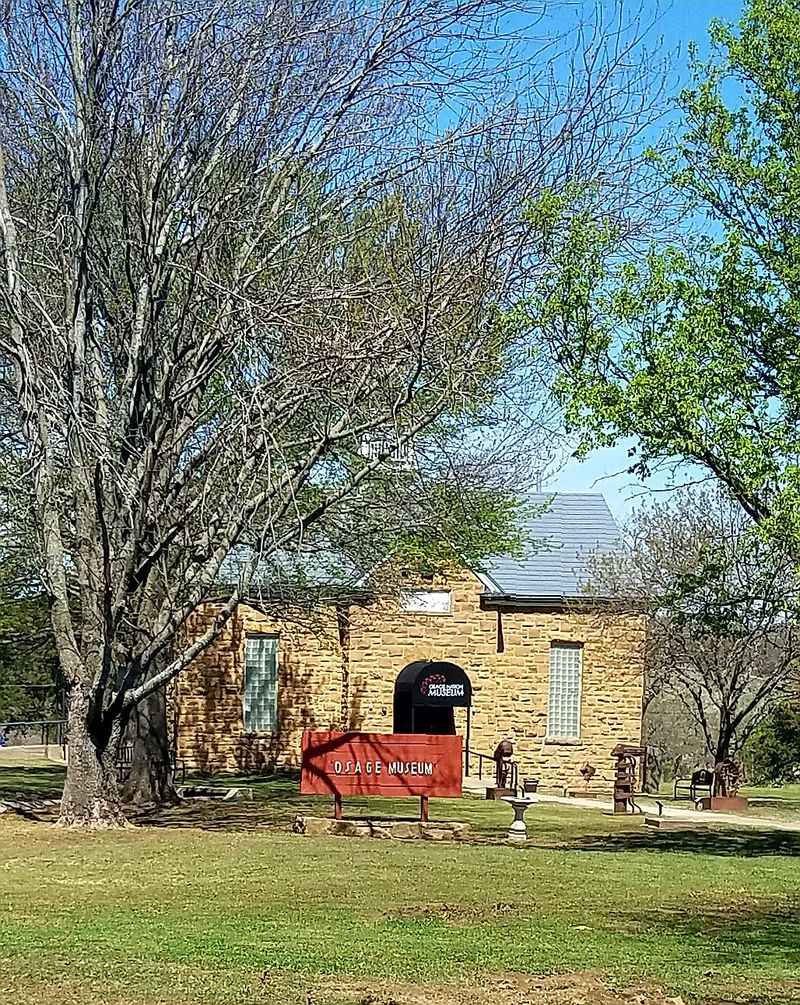
Free is the best price in Oklahoma travel, and this museum delivers it. Admission costs nothing, though donations are accepted and encouraged.
Plenty of guests suggest leaving a donation. It helps support the staff who preserve the collection and keep the doors open for everyone.
The atmosphere is quiet and respectful. It suits curious adults, history fans, students, and families with kids who can handle a slower pace.
People with Osage ancestry often find it especially meaningful. It is a place that acknowledges ties to Osage County and its people.
Business travelers have stopped in during work trips and come away glad they did. Even a short break here can be rewarding.
Toddlers who need to run may do better outside on the grounds. Older kids, though, often get pulled in by the photos and stories.
Now for the part that keeps the trip running smoothly: the schedule.
Planning the Trip to Pawhuska
Timing is everything, and here it is simple. The museum is open Tuesday through Saturday, 10 AM to 5 PM, and closed Sunday and Monday.
Hours can change, so check the Osage Nation culture website before you make the drive. That small step can save a disappointing trip.
Pawhuska is an easy outing from Tulsa, which makes a Saturday visit very doable for families. The museum pairs well with time in downtown Pawhuska.
Budget anywhere from 20 minutes to a couple of hours. If staff are available to share stories, you may want the longer option.
A cafe and gift shop have been listed for the campus, though their location is not always clear. Ask the staff when you arrive.
Remember that photos are not allowed inside, so plan to take pictures of the grounds and memorial instead.
Small rooms, free doors, and a story nearly 90 years in the telling. For a weekend that proves Oklahoma runs far deeper than prairie, this hilltop in Osage County makes a strong case.