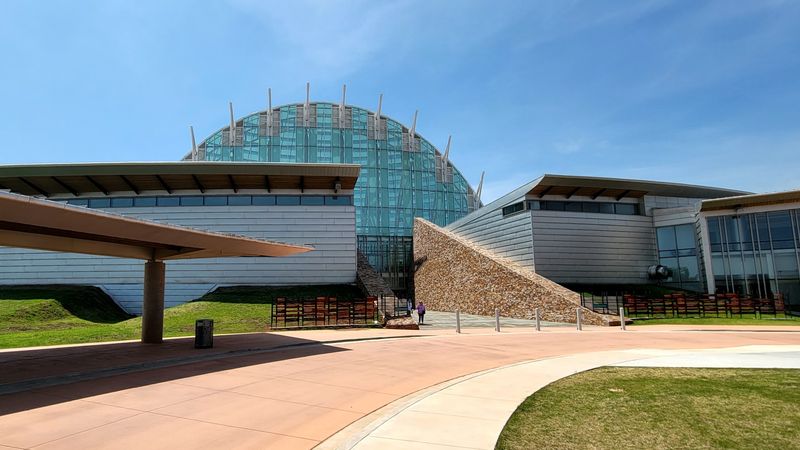
Most history books tell the story of Oklahoma’s Native nations from the outside looking in. One museum on the edge of Oklahoma City flips that script entirely.
Here, 39 tribal nations share their history, culture, and resilience in their own voices, and the result keeps people inside far longer than they planned. Many arrive expecting a quick two-hour stop and leave closer to four.
There is a grassy mound you can climb for a view of the downtown skyline, a hands-on discovery space where kids crawl through treetop tunnels, and galleries that rewrite much of what many of us learned in school. It sits right off I-40, with free parking, so getting there is the easy part.
Here is everything a family needs to know before making the drive.
A Riverside Landmark Just Off the Interstate
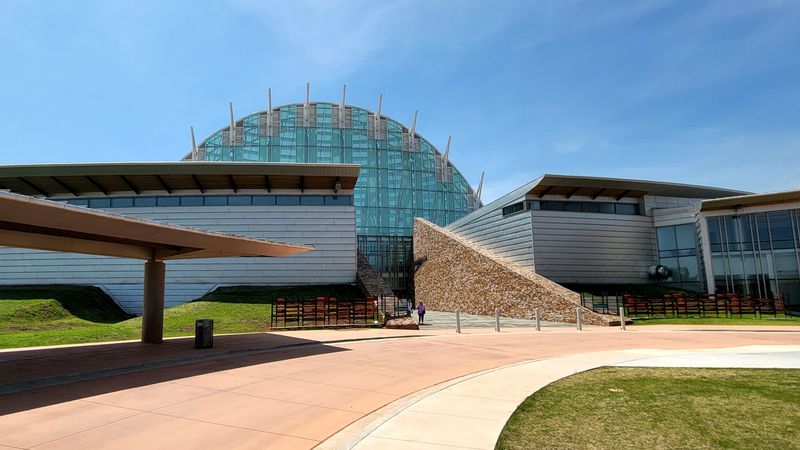
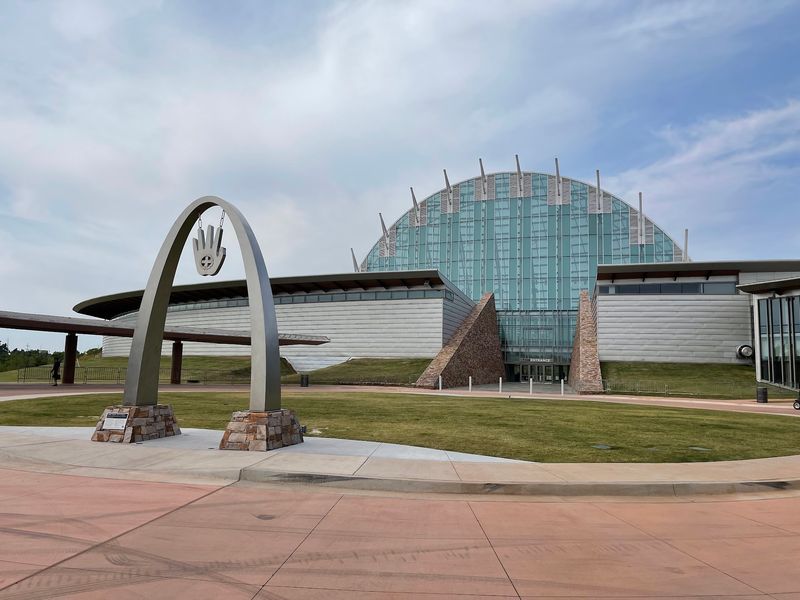
The building announces itself before the exit sign does. First Americans Museum sits at 659 First Americans Blvd, Oklahoma City, OK 73129, a short hop from I-40 on the city’s east side.
Getting there is refreshingly simple for anyone driving in from Tulsa, Norman, or the smaller towns around the metro. The interstate access means no winding back roads and no guessing at turns.
Parking is free, and the ticket office can validate a parking ticket, which takes one more small worry off the list. That matters when a minivan full of kids is already asking how much longer.
What waits inside is a museum dedicated to the First Americans of Oklahoma, specifically the 39 tribal nations connected to the state today. The focus is local and personal rather than a general overview of Native history across the continent.
That Oklahoma lens is the whole point. Many come away saying they finally learned about the nations whose stories are tied to their own hometowns, counties, and rivers.
For a state that sometimes gets dismissed as wide open prairie, this place makes a strong case that Oklahoma’s story runs far deeper than the landscape suggests.
Thirty-Nine Nations, One Shared Address
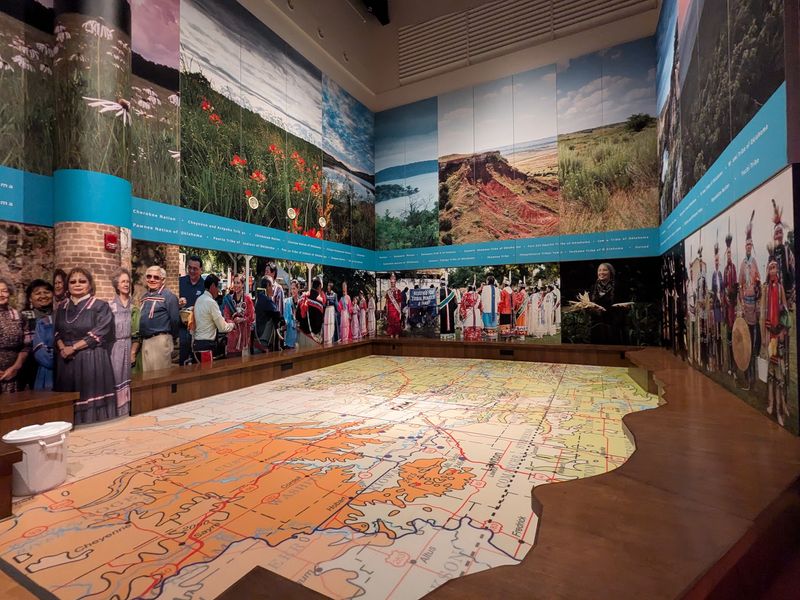
Few states can claim what Oklahoma can. Thirty-nine tribal nations have ties to this land, and this museum exists to tell their stories with their participation and perspective.
That approach changes the tone of everything on display. Exhibits here are framed around voice and identity, so the history feels told from within rather than narrated by an outsider.
The museum covers both past and present living. Clean, modern galleries balance historical artifacts with a look at Native life today, which helps younger guests understand these are living cultures, not chapters that closed long ago.
Plenty of people point out how much of their school education on Indigenous history turned out to be incomplete or simply wrong. Walking through these halls tends to fill in those gaps quickly.
It is also a rare chance to learn what distinguishes one nation from another. Oklahoma’s tribal communities are not one single group, and the museum treats that diversity with respect.
For Oklahoma families, the lesson lands close to home. The names on the walls often match the names of towns, schools, and roads they pass every week.
Curves, Light, and a Building With Purpose
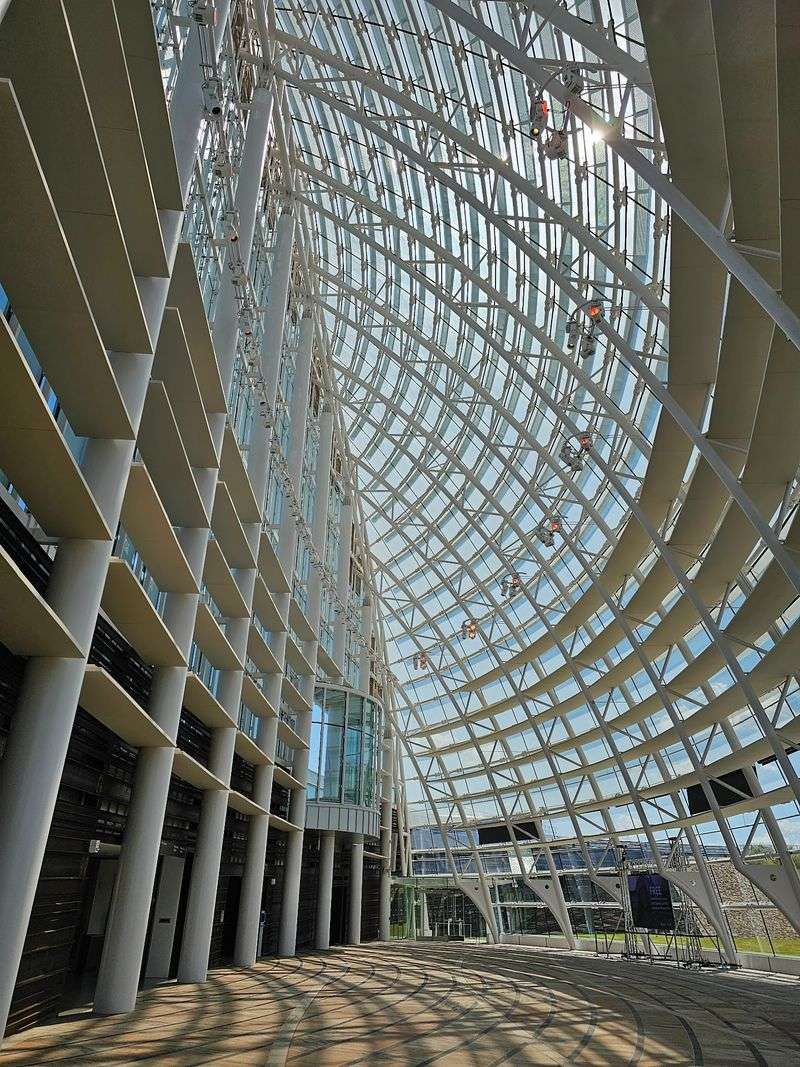
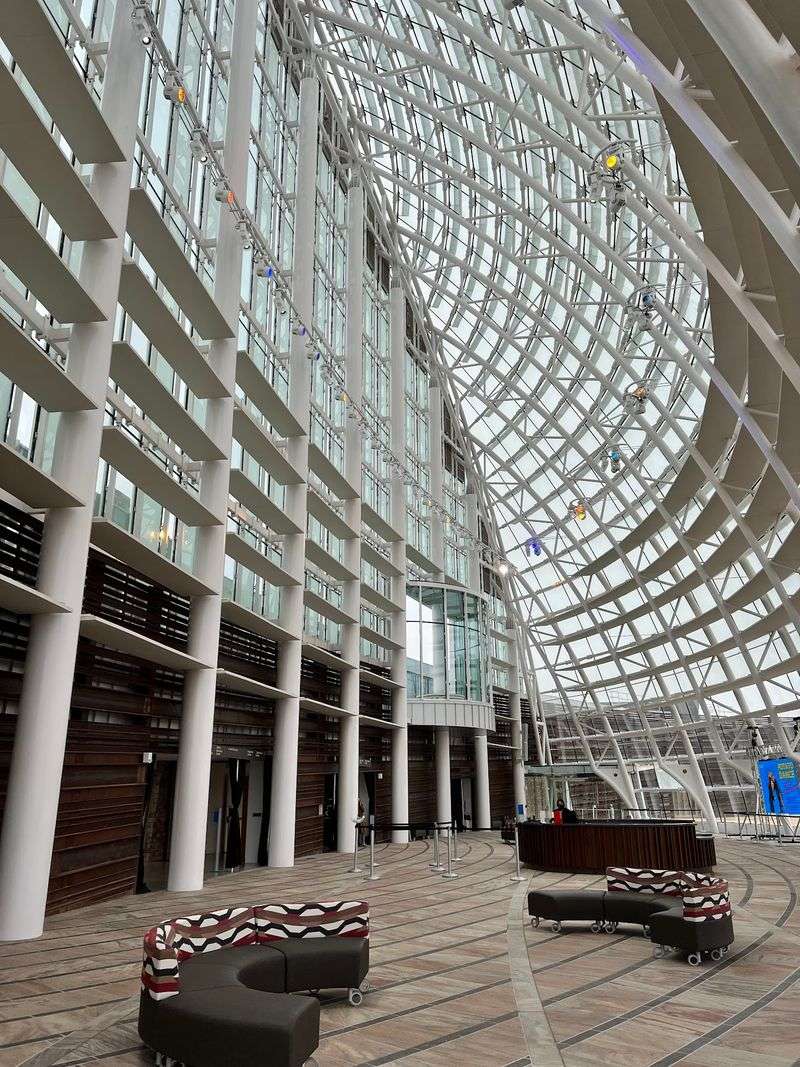
Architecture comes up again and again when people talk about this place, and for good reason. The building is shaped with sweeping curves rather than boxy corners.
Natural light pours into the interior through generous windows. It creates an open, airy feeling that sets it apart from older museums with dim hallways and fluorescent ceilings.
The design is unusual enough that many guests mention it before they mention a single exhibit. One family summed it up simply: the construction of the building is really unique.
Beyond the striking shapes, the facility is noticeably clean and well kept. Even the restrooms get praise, which is saying something for a busy public attraction.
Accessibility is another strong point. Wide spaces and thoughtful layouts make it easier for strollers, wheelchairs, and grandparents who prefer a steady pace.
The building works as more than a pretty shell. Its layout guides people through the story in a way many describe as thought provoking, so the architecture quietly becomes part of the lesson.
Budget a few extra minutes just to look up and around. The structure itself is one of the exhibits, even if it never gets a placard.
Artifacts That Carry the Story
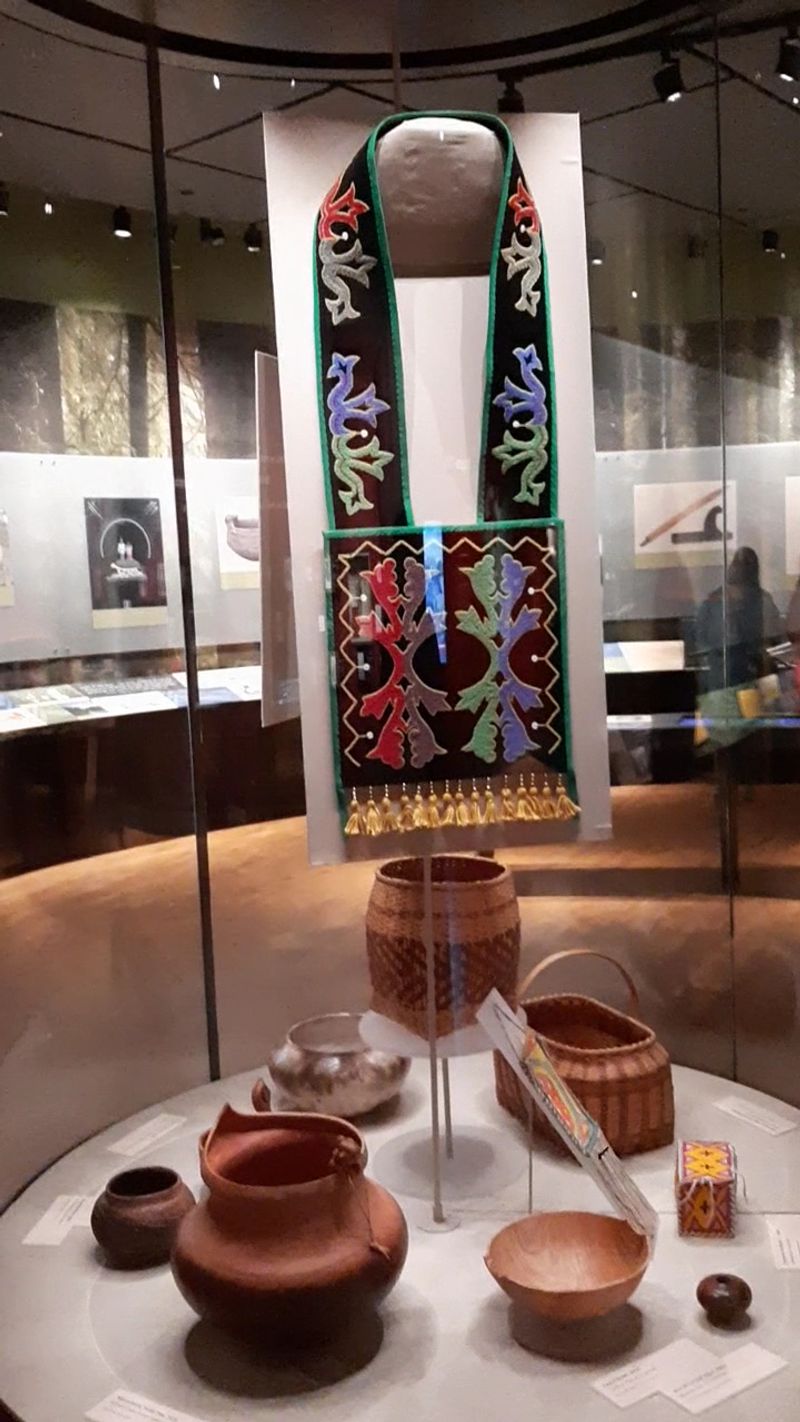
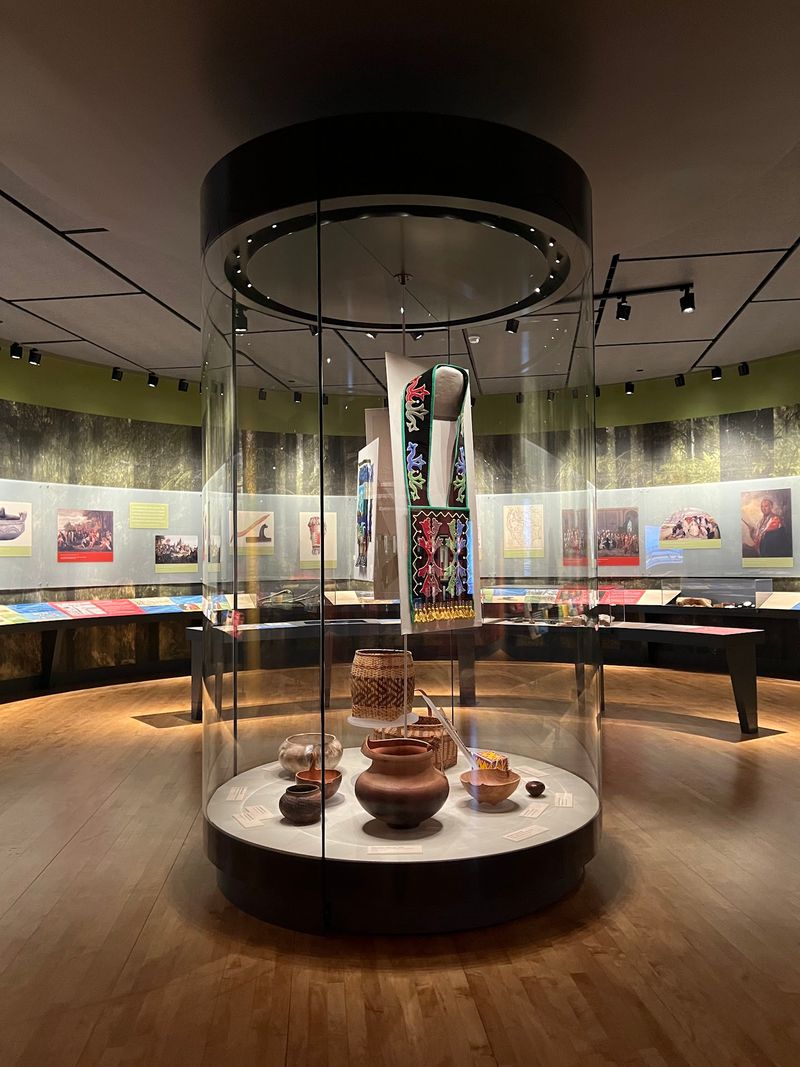
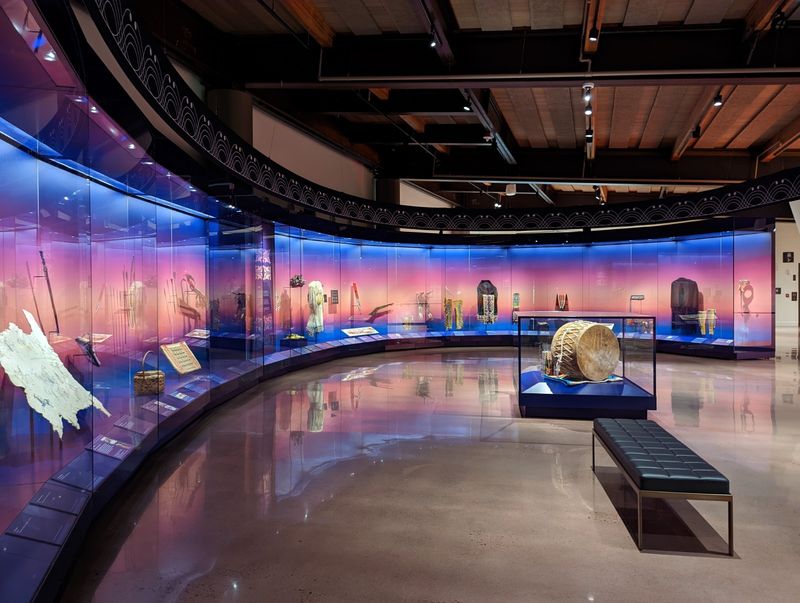
Artifacts are the single most talked about feature here, and the collection gives plenty to study. Beadwork, handcrafted objects, and items from daily and ceremonial life fill the cases.
Each piece is paired with context. Instead of a lonely label with a date, many displays connect objects to the people and nations who made them.
Guests often describe the artifacts as beautiful and well presented. The displays are clean and modern, which makes the details easy to study up close.
Not everyone finds exactly what they hoped for, though. A few history fans wish for more very old, well worn pieces from deep in the past, and others want more regalia showing changes over time.
That is worth knowing going in. The museum leans toward storytelling and context rather than packing every wall with objects.
For most families, the balance works well. Kids can connect a single beaded item to a story they just heard, which tends to stick longer than a room full of anonymous objects.
Take time with the cases rather than rushing to the next gallery, because the fine detail rewards patience.
The Harder Chapters, Told Honestly
History here does not tiptoe. The museum addresses forced removal, including the Trail of Tears, and the hardships Oklahoma’s tribal nations endured.
Many of these stories are heartbreaking, and the exhibits do not soften them. Grandparents who bring grandchildren often say these accounts are hard but important to share.
Alongside the difficult history, the museum highlights courage and resilience. The message is not only about what happened to these nations, but about how they carried on and kept their cultures alive.
Responses to this approach vary. Some feel the emphasis on hardship outweighs the celebration of craft and culture, while many others value the accuracy and honesty.
Parents with younger children may want to preview certain galleries or talk through the themes beforehand. The material is presented thoughtfully, but it carries weight.
For older kids and teens, it can be a powerful learning experience that textbooks rarely match. Some guests note that feeling a bit uncomfortable is part of the point.
Leave a little quiet time afterward, since these galleries tend to spark big questions on the drive home.
Stories on Screen and in Sound
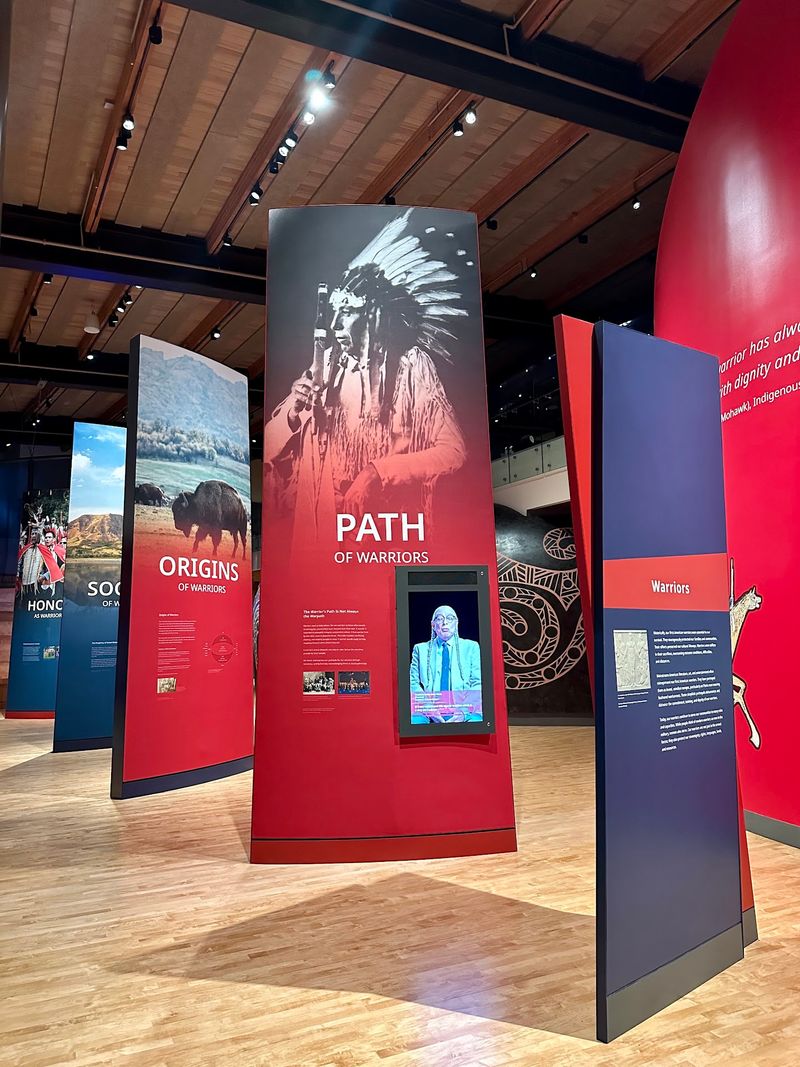
Reading every panel is optional, because a lot of the museum speaks for itself. Exceptional audio and visual elements carry much of the storytelling.
Videos about storytelling and the stories themselves are a standout for many guests. These segments let tribal voices share traditions directly, which fits the museum’s whole mission.
The experience is often described as immersive. Interactive exhibits invite people to listen, watch, and engage instead of simply walking past glass.
That said, the format is heavy on reading and listening. Families expecting buttons and gadgets in every room may find the pace slower than a science museum.
For curious minds, the depth is a gift. Plenty of people say a full day would be needed to read and watch everything.
Guided tours add another layer. Those who join one often say a knowledgeable guide brings the galleries to life and helps connect the dots between exhibits.
Staff knowledge gets strong praise in general, so asking questions is encouraged. The people working the floor can point out details easy to miss on a quick pass.
Treetop Tunnels and a Coyote Named Claudia
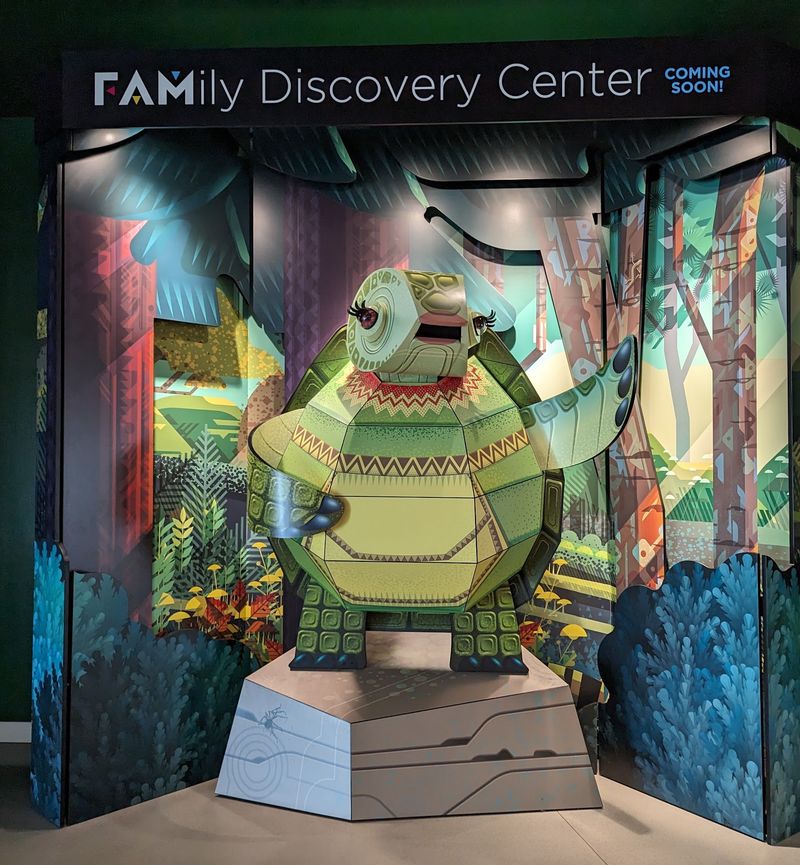
Kids get their own territory at this museum, and it is a big hit. The Family Discovery Room is a hands-on space built for younger explorers.
Treetop tunnels invite little climbers to crawl and explore. Some children take a moment to warm up before heading in, but most end up circling back for another round.
A character named Claudia the coyote has a den that small visitors love. At least one five-year-old was convinced she was a fox, which did not slow down the fun one bit.
Special effects and design in this area earn plenty of praise. Parents mention children staying happily busy for over an hour.
A waiver is required for everyone using the space. It is quick to complete, and it stays valid until 2028, so repeat trips are easy.
One caution for budget planners: some parents feel the full ticket price is steep if the discovery area is the only goal. Pairing it with the main galleries gives much better value.
For families with restless little ones, though, this room can make the whole outing work.
The Mound Walk and Its Skyline Reward
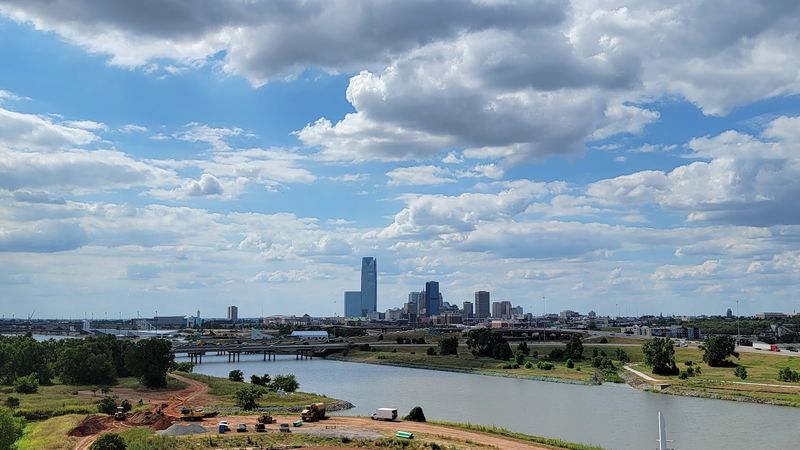
Outside the galleries, a grassy mound rises from the grounds, and climbing it is one of the best free bonuses of the trip. Hiking the mound is a favorite tip for first-timers.
At the top, the view of downtown Oklahoma City is the payoff. People regularly call the view breathtaking, and it makes a great spot for family photos.
The mound is a constructed feature on the museum grounds. Some guests who live near historic mound sites find its meaning less obvious, so asking staff about its design and purpose helps.
Weather matters here. On hot Oklahoma afternoons, the walk can feel like more than a stroll, so morning or cooler days are a smarter choice.
Bring water in summer and sturdy shoes any time of year. The climb is manageable for most families.
Kids who have been patient through the galleries often treat the mound like a well-earned victory lap. It is a nice way to burn off energy before the ride home.
Skip it, and you will miss one of the most memorable vantage points in the metro.
Shopping, a Café, and a Gallery Next Door
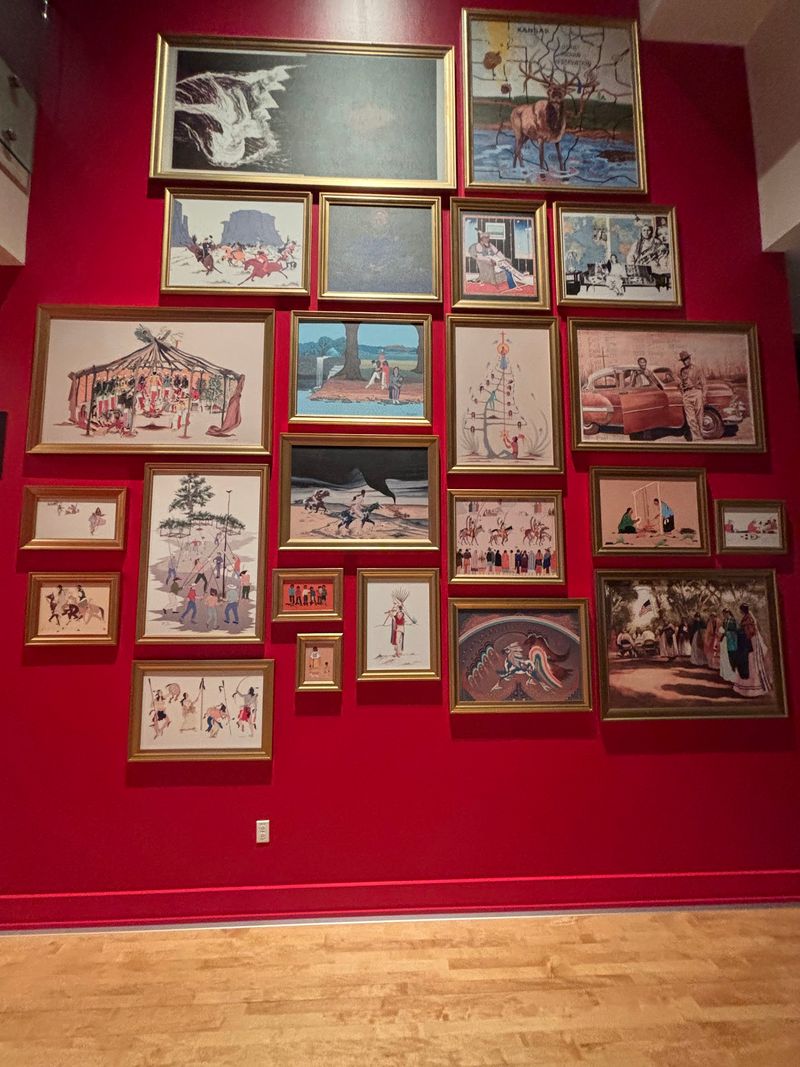
Few museum gift shops get talked about as much as this one. It is the second most mentioned feature after the artifacts.
The selection leans toward higher-end items. Shoppers looking for small souvenirs on a tight budget may find fewer options, while those after quality pieces will have plenty to browse.
A café on site makes it easier to stay for the long haul. Since so many people end up staying three or four hours, a mid-visit break is a real perk.
Do not miss the art gallery next door either. Guests who wander over often say the artwork there is well worth the extra few minutes.
There is also a free Hall of Fame on the property that some people miss entirely. Asking about it at the front desk early prevents finding out after it closes.
Multi museum tickets may be available too, so ask at the ticket counter. Staff are polite, but some guests note they had to ask directly to learn about these extras.
A quick question at arrival can unlock more of the day than the map suggests.
Who Gets the Most Out of a Visit
History lovers are the obvious fit, but the guest list runs much wider. Families, grandparents with grandkids, and mother-daughter duos all show up and leave impressed.
Patient readers and listeners will feel right at home. Those who enjoy taking their time often spend three hours or more and still want to return.
Oklahomans curious about their own state will find especially rich material. The focus on local nations makes the experience personal.
Kids under seven may lean most on the Family Discovery Room. Older children and teens tend to connect more with the videos, artifacts, and honest history.
Those wanting a fast-moving, gadget-heavy science museum may feel differently. A few people compare it unfavorably to science and natural history museums and find the price high for mostly reading and listening.
The place is also a popular event venue, and couples have even held weddings here. That event space is part of the larger complex, which some guests notice during their visit.
Know your crew’s style, and plan accordingly. The more curious the group, the bigger the reward.
Hours, Tickets, and Smart Timing
Timing can make or break a museum day, so a little planning goes a long way. The museum is open Monday and Wednesday through Friday from 10 AM to 5 PM.
Saturday and Sunday hours run from 11 AM to 5 PM. Tuesday is the day it closes, which catches some people off guard.
Admission has been around $20 per person for adults, though prices may change, so check the official website at famok.org before driving over.
Here is a budget-friendly tip worth knowing. Pioneer Library System offers Experience Passes that families have used for entry, making this a much cheaper outing.
Weekends can get crowded in some areas. Arriving right at opening helps, and quieter days are common outside peak times.
Plan for more time than you think. Many expect two hours and stay nearly four.
Occasionally, certain areas such as the upstairs gallery may be closed. Calling ahead or checking online can prevent disappointment.
Hours and openings may shift with seasons and events, so a quick check before leaving home is always a good habit.
Why the Drive Pays Off
Some museums fill an afternoon. This one tends to reshape how people think about the state they call home.
The First Americans Museum offers a rare combination: Oklahoma-focused history, voices from 39 tribal nations, a striking building, a kids’ discovery area, and a mound with a skyline view.
It is not a perfect fit for everyone. Those wanting fast-paced, hands-on science or rooms packed with ancient objects may find it less suited to their taste.
Still, a 4.7-star average across nearly two thousand opinions says plenty. Most people leave informed, moved, and already planning a return trip.
For families, the library pass option can turn a pricier ticket into an affordable outing. The free parking and easy I-40 access help too.
Bring curiosity, comfortable shoes, and a few hours to spare. Ask about the Hall of Fame, the gallery next door, and the mound before diving into the galleries.
Oklahoma has always had stories worth hearing. Here, the people who lived them finally get to tell them their own way, and that alone is worth the trip down the interstate.