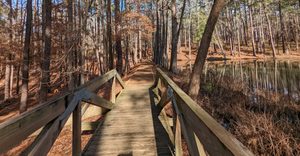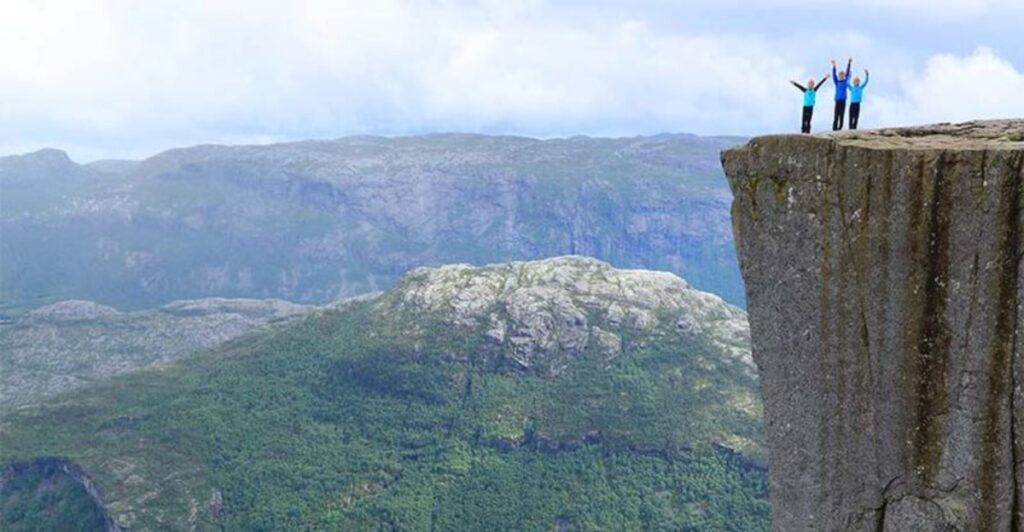
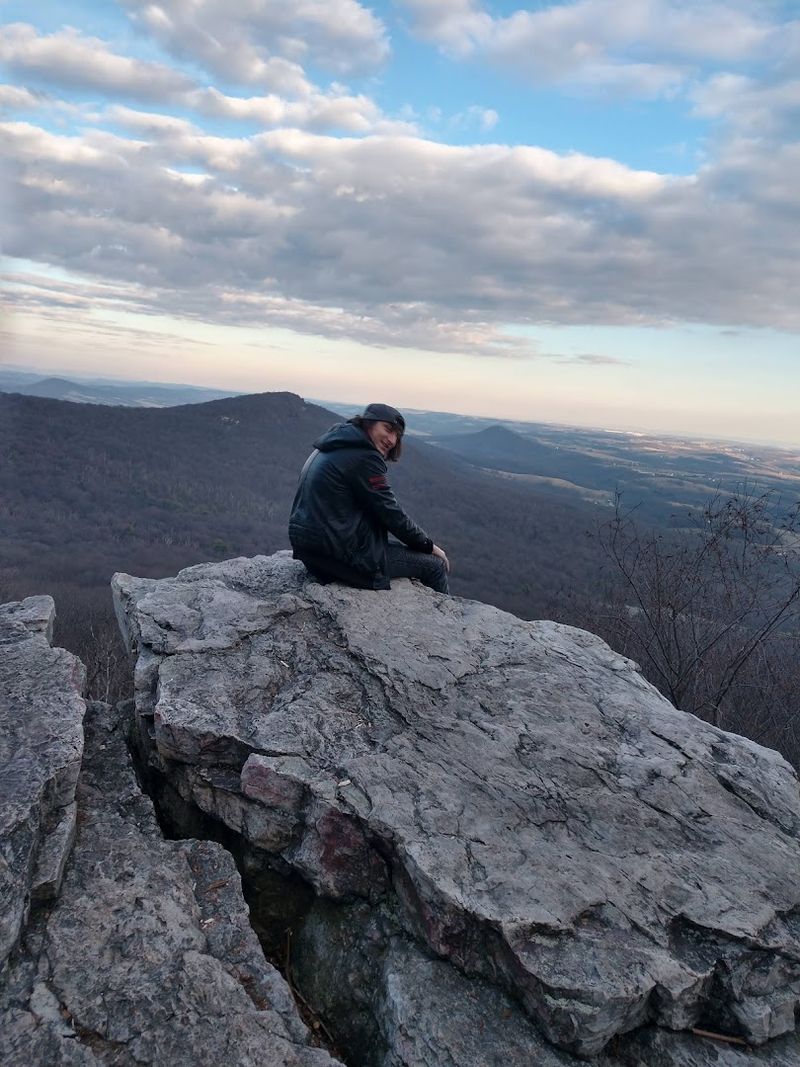
There is a reason hikers whisper about Pulpit Rock in Kempton long after legs stop burning, because that first glimpse over the edge looks like Pennsylvania rolled out a private balcony just for you, a place where farmland, forest, and blue distant ridges stack together in storybook layers, and the wind feels cleaner than anywhere you left behind, and even the parking lot chatter fades from memory the instant the valley opens, replaced by hawks circling in a calm spiral and the creek still murmuring somewhere below, steady as breath, reminding you that this overlook is both effort and gift, reachable by the Appalachian National Scenic Trail yet grand enough to feel secret, a 4.9 star vista point that somehow still surprises even lifelong hikers who thought they had already seen every beautiful mile.
You can hike a loop with the trail up and the access road down, or flip it if your knees prefer dirt over pavement. You can time it for sunrise when the valley blushes pink or for fall afternoons when the hills catch fire with color. Still, no matter how you stitch your route together, the math stays the same, because effort plus curiosity equals awe. Awe is why people come back season after season, bringing friends, kids, and dogs, sharing snacks on flat stones, laughing at puffy clouds that look like rowboats, and shaking their heads at how a two-mile push can feel like traveling a hundred peaceful miles from office lights, screen glare, and ever-ringing phones.
1. Getting to the Trailhead and Parking
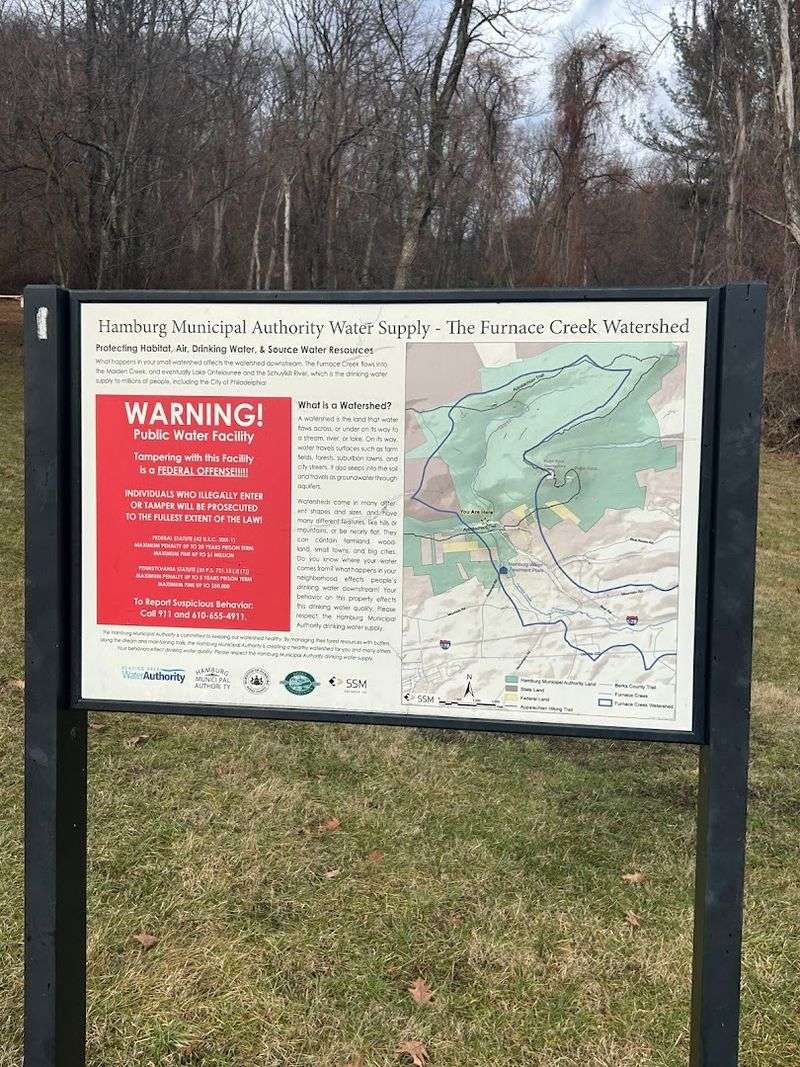
Start at the Appalachian Trailhead by Furnace Creek Watershed on Reservoir Road, where parking is limited and fills fast on fair weather weekends.
Arrive early or on weekdays to avoid circling, and never block gates or private drives.
Signs point you toward the white blazes, and the creek’s chatter sets the tone as you cross the first bridge and step beneath tall hardwoods.
The lot by Blue Rocks Campground and the Observatory access also serve hikers, but amenities are scarce, so bring water, snacks, and TP.
Expect a donation box or posted rules near kiosks, and review map boards before committing to your route.
If crowds spike, consider sunrise starts or shoulder season afternoons, when golden light pours through the trees and you find a quieter trailhead rhythm.
Official hours list 6 AM to 7 PM, and the overlook sits near 40.5967, -75.9313, so plan daylight accordingly for safety too.
2. Choosing Your Route: Trail vs Access Road
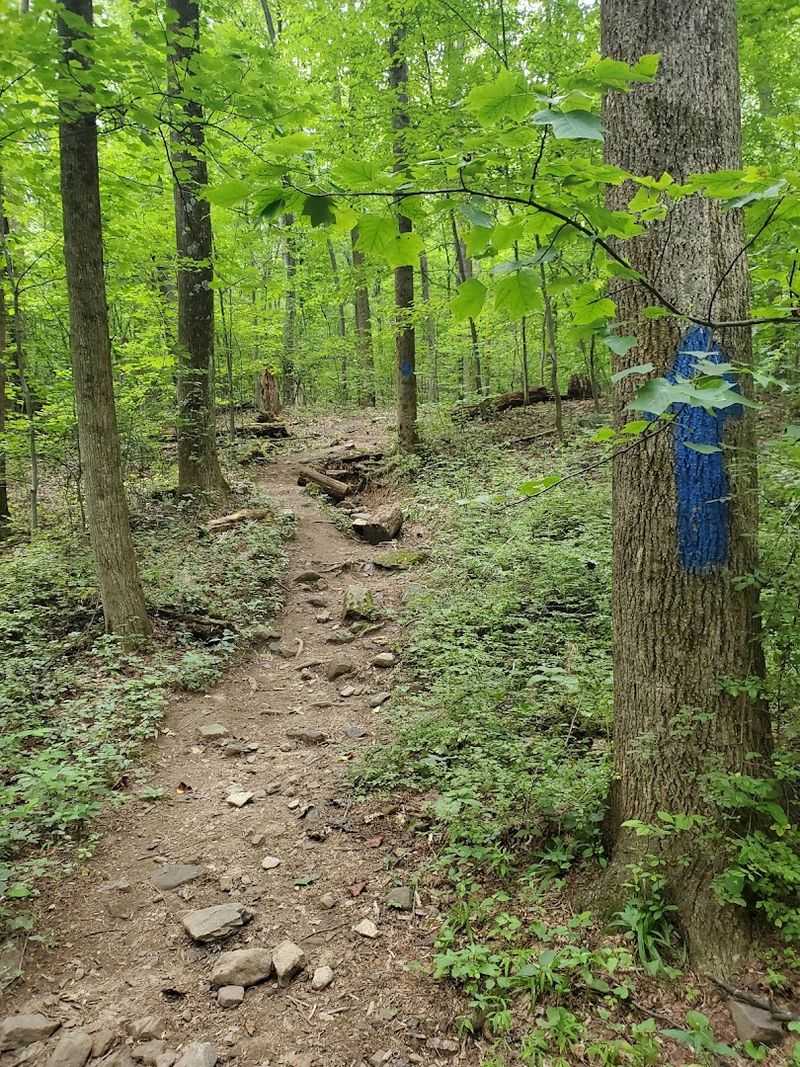
You can climb via the white-blazed Appalachian Trail or take the steep Observatory access road for a quicker but relentless grade.
The trail offers rocks, roots, and lively forest sounds, with switchbacks and short scrambles that feel adventurous without technical gear.
Many hikers create a loop, ascending the trail for variety and descending the road to spare knees and navigation.
Going up the road saves time but taxes calves and lungs, especially in humid summer air.
If you prefer softer footing and shade, the trail is kinder, though the final boulder field demands careful steps and three points of contact.
Markers are clear, yet a downloaded map helps when junctions branch near Blue Rocks or the Pinnacle turn, ensuring you keep momentum and confidence.
Either way, budget three to five hours round trip, factor in photo breaks, and give yourself grace to linger when the horizon finally opens wide.
3. What the Hike Feels Like
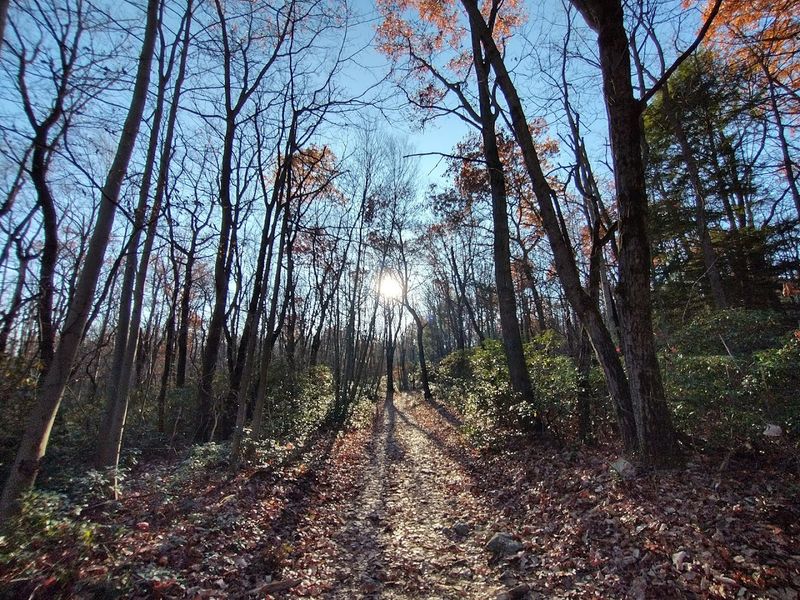
Expect a steady climb with roughly a thousand feet of gain across rocky tread, uneven ledges, and occasional water bars that feel like steps.
Pace with purpose, shorten your stride, and use trekking poles if knees get cranky.
As the canopy thins, the wind stiffens, and your heartbeat syncs with the rattle of pebbles underfoot.
The final approach turns into blocky boulders, where you place hands, test holds, and move deliberately.
Snakes sometimes warm on sunlit slabs, so look before reaching and give wildlife space.
When you top out, the space between effort and reward collapses, and you feel why locals return for sunrises, fall color, and crisp winter clarity.
Grab a seat on the flattest rock, breathe deep, sip water, and let your pulse settle while the valley spreads below like a living map.
You earned this pause, and those few quiet minutes will color the whole day beautifully.
4. The Overlook Experience
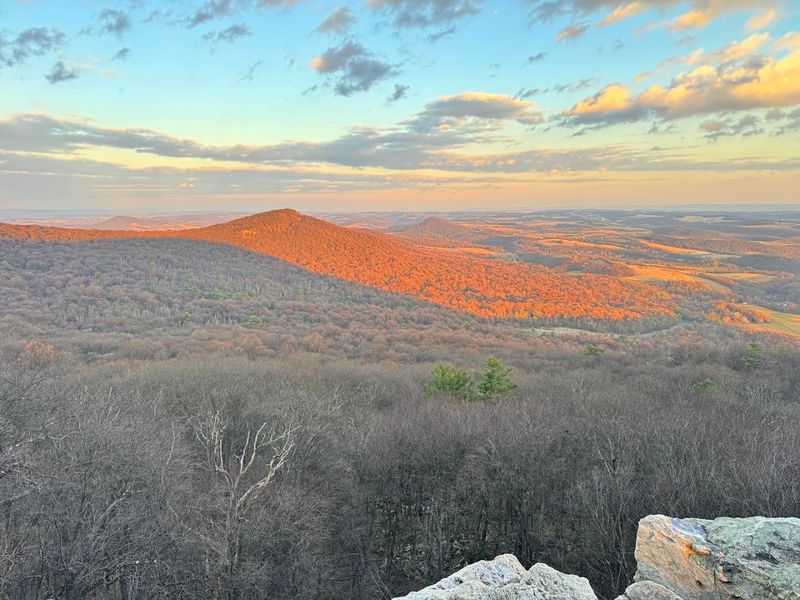
From Pulpit Rock, the panorama sweeps across farmland, rolling ridges, and distant towns, a quilt of greens and golds under fast-moving clouds.
On clear days, you can pick out hawks riding thermals, tiny cars winking on rural lanes, and harvest patterns etched into fields.
Sunrise paints the valley pink, then orange, and finally bright white as shadows retreat.
Midday views stay bold, but crowds peak, so share space kindly, rotate photo spots, and keep packs clear of edges.
Late afternoon light returns depth to the landscape, and sunset can glow electric if the forecast calls for passing clouds.
Bring a layer, even in summer, because a steady breeze funnels along the ridge and cools sweat fast.
Stay a few extra beats after golden hour, when town lights flicker on and the first stars appear near the observatory dome.
Then start down carefully as twilight fades toward true night slowly.
5. Safety, Wildlife, and Trail Etiquette
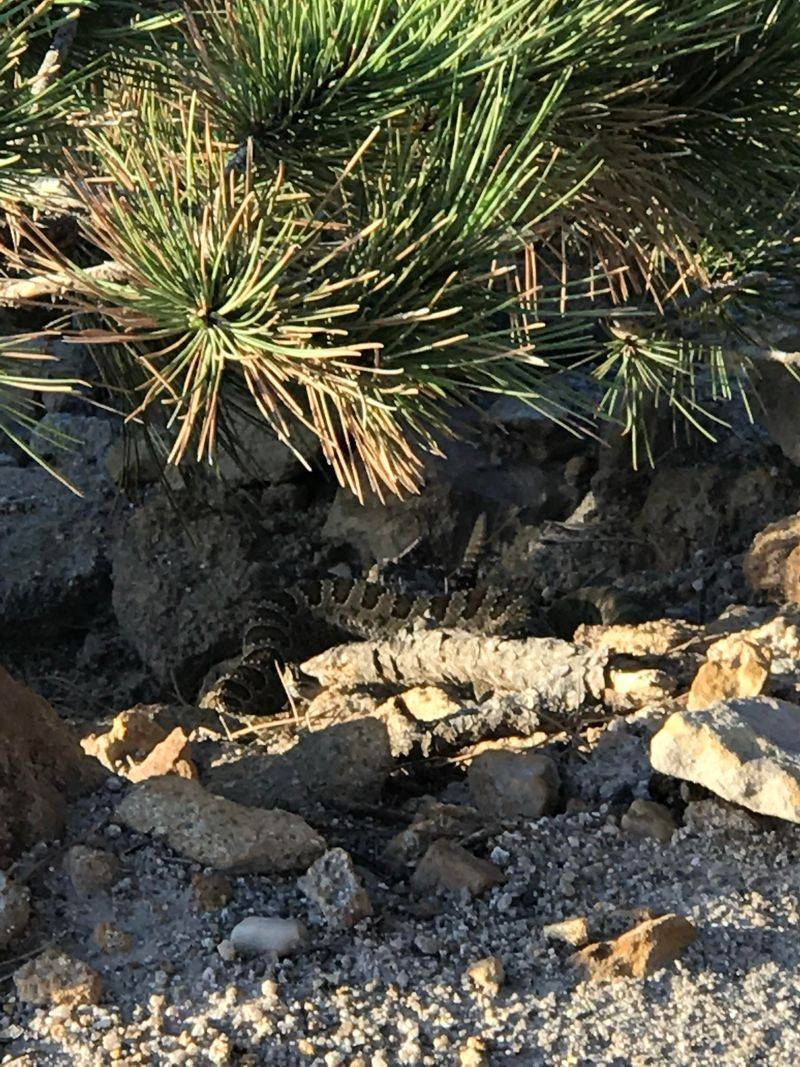
Rattlesnakes and copperheads live here, and they prefer rocky suntraps, crevices, and the edges of warm slabs.
Watch each handhold and foothold, give every snake a wide berth, and keep dogs leashed for their safety and yours.
In summer, start early to beat heat and crowds, carry extra water, and rest in shade as needed.
Footing can be loose on the descent, so bend knees, place heels gently, and avoid kicking rocks onto people below.
Thunderstorms build quickly along the ridge, so check radar, skip summits during lightning, and retreat to lower forest if rumbles begin.
Cell service is spotty, so leave a plan with a friend, bring a small first aid kit, and know your turnaround time.
Carry a paper map or downloaded offline layer, and a headlamp with fresh batteries, because mistakes multiply fast when daylight fades and junctions look confusing.
Whistles help partners relocate if separated quickly.
6. Best Times to Go and Beating Crowds
Pulpit Rock is open 6 AM to 7 PM daily, and mornings deliver the calmest miles, coolest air, and open parking.
Arrive before 9 to dodge the rush, especially in spring and fall when color and crisp skies draw everyone.
Winter gifts quiet trails and far-reaching views, but ice microspikes can be wise on shaded slabs.
Summer sunsets are magical, though humidity softens distance and storms pop up fast, so build flexibility into your plan.
Shoulder seasons shine brightest, with leaf out, brook song, and migrating raptors overhead, rewarding steady hikers who time weather windows.
Regardless of date, check the Lehigh Valley Amateur Astronomical Society schedule if you hope to peek at the observatory, and respect any posted closures.
Go early after rain if you love lively creeks, but expect slick stone steps, and always trade speed for balance when surfaces shine.
Crowds thin on chilly breezes near dusk.
7. Gear, Prep, and Nearby Perks

Wear real hiking shoes with grippy soles, and pack layers, because the ridge breeze cools sweat quickly.
Bring two liters of water per person, salty snacks, and sun protection, even for shaded routes.
Trekking poles help on loose rock, and gloves guard hands during the brief scramble where boulder edges can bite unprepared skin.
There are portable toilets near the top at times, but assume none and carry TP and sanitizer.
The observatory sits just beyond the overlook, and public programs occasionally align with clear nights, offering a bonus reason to plan a return trip.
Finally, stash a small first aid kit, a headlamp, and a printed map, because redundancy keeps minor hiccups from becoming major problems.
If you hike with kids, build in snack games, set turnaround times, and celebrate milestones, because joy multiplies when everyone feels prepared and heard.
Dogs need water, paws checks, and shade breaks too.
Share this story