Texas state parks offer more than stunning landscapes and challenging trails. Many feature surprisingly great food options that turn a simple hike into a full culinary adventure. Whether you’re craving post-hike barbecue, waterfront dining, or classic campfire meals with a twist, these parks prove that outdoor exploration and delicious eats make the perfect pairing.
1. Garner State Park
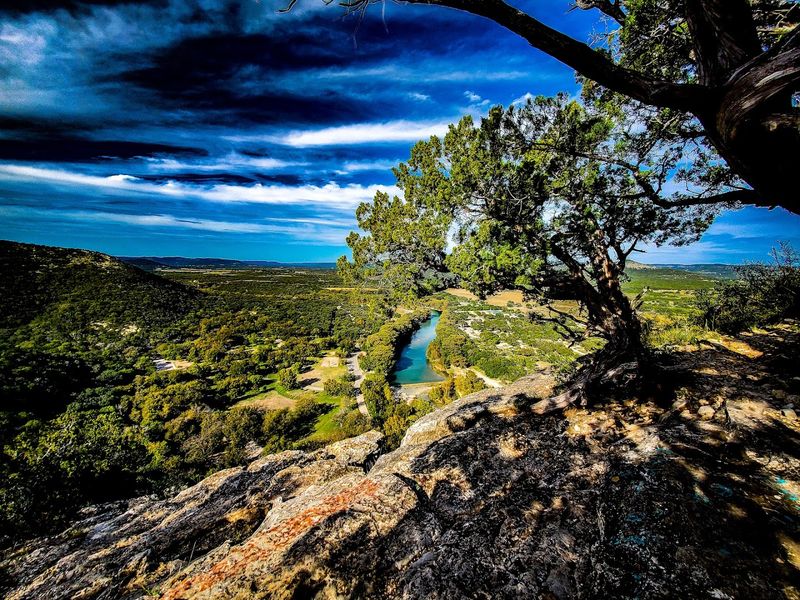
Picture this: you’ve just finished hiking the Old Baldy Trail, your legs are tired, and suddenly the smell of sizzling burgers hits you. Garner State Park’s legendary concession stand has been feeding hungry adventurers since the 1940s, and it’s become as much a part of the park experience as the Frio River itself. The menu isn’t fancy, but after a few miles on the trail, those cheeseburgers taste like they came from a five-star kitchen.
The park sits in the Texas Hill Country where the Frio River carves through limestone cliffs. Most visitors come for the water, but the smart ones know to time their hikes around meal hours. The concession area gets packed during summer weekends, with families claiming picnic tables under massive pecan trees.
You can grab breakfast tacos in the morning before hitting the trails or fuel up with nachos and hot dogs after an afternoon swim.
What makes the food experience special here isn’t just convenience. It’s the atmosphere of eating outdoors while still dripping from the river, sharing a table with strangers who just hiked the same path you did. The park also allows grilling at campsites, and the smell of fajitas cooking over mesquite fills the air most evenings.
Local families have been coming here for generations, passing down their favorite camping recipes.
Beyond the main concession stand, the park hosts occasional food events during peak season. The famous nightly dances even feature snack vendors. Whether you pack your own cooler or rely on park offerings, Garner proves that good food and good trails belong together in the Texas wilderness.
2. Pedernales Falls State Park
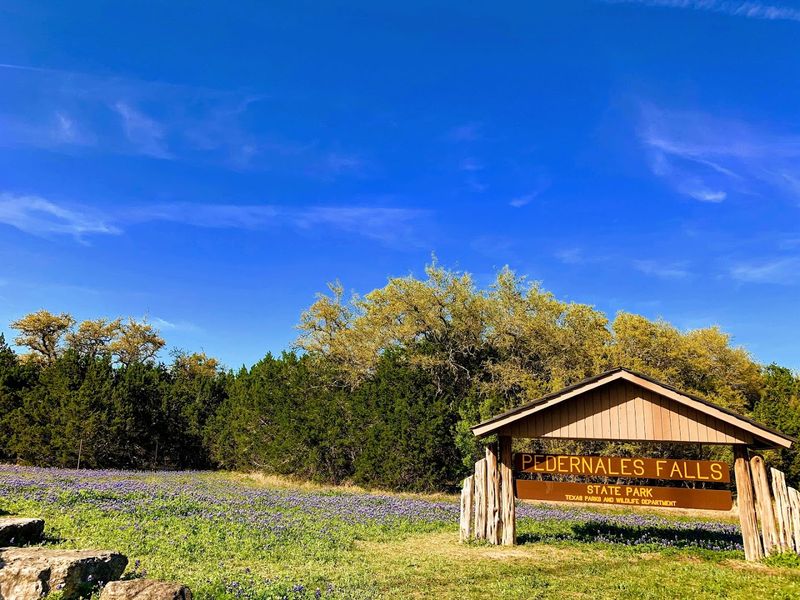
Pedernales Falls sits just an hour from Austin, making it a weekend favorite for city folks craving nature without the long drive. The falls themselves are stunning, but ask any regular visitor what they remember most and they’ll probably mention the epic picnic spreads. This park has some of the best-equipped picnic areas in the state system, with covered pavilions, grills, and tables positioned near the river where the sound of rushing water becomes your dining soundtrack.
The hiking here ranges from easy riverside strolls to more challenging backcountry trails. Either way, you’ll work up an appetite. Smart visitors pack coolers loaded with Hill Country favorites like smoked brisket, potato salad, and cold Shiner Bock.
The park’s design encourages leisurely meals, with shaded spots perfect for spreading out a feast after exploring the limestone riverbed.
What sets Pedernales apart is how it blends with the local food culture. You’re close enough to Fredericksburg and Johnson City to stop at farm stands or barbecue joints on your way in. Many families make it a tradition to grab kolaches from a Czech bakery in the morning, hike until lunch, then grill whatever they picked up from a local meat market.
The park doesn’t have a restaurant, which actually works in its favor since it pushes people to be more creative.
During spring and fall, when the weather’s perfect, the picnic areas become social hubs. You’ll see everything from simple sandwiches to full Tex-Mex spreads with homemade salsa. The combination of natural beauty and communal outdoor cooking creates an experience that feels authentically Texan, where the meal becomes as memorable as the waterfall.
3. Palo Duro Canyon State Park
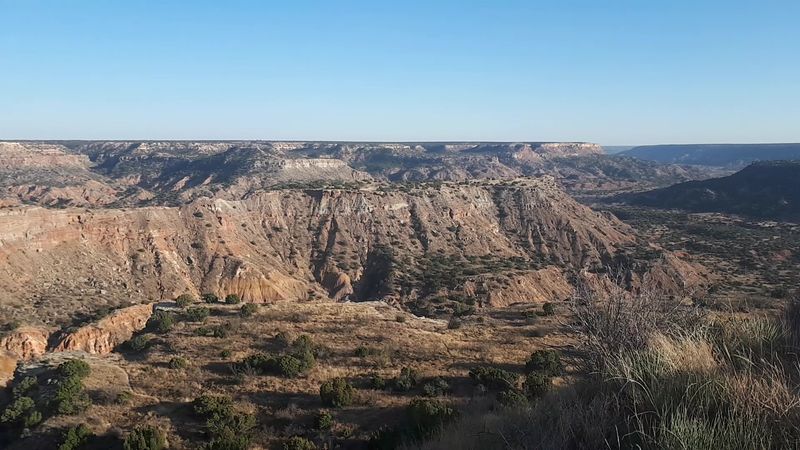
They call it the Grand Canyon of Texas, and while that might be stretching it a bit, Palo Duro Canyon definitely earns bragging rights. At 120 miles long and 800 feet deep, it’s the second-largest canyon in America. But here’s what the brochures don’t tell you: the food culture at this park rivals the geology.
Camping here means cowboy-style cooking, and visitors take it seriously.
The canyon’s remote Panhandle location means you won’t find food delivery or nearby restaurants. That isolation forces everyone to plan ahead, and the results are impressive. Campsites come equipped with fire rings and grills, and on any given evening you’ll smell everything from Dutch oven cobblers to cast-iron steaks.
The dry climate and clear skies make outdoor cooking almost foolproof, even for beginners.
Local ranching traditions influence what people cook here. Expect lots of beef, beans cooked low and slow, and cornbread made in well-seasoned skillets. Some campers bring smokers and spend all day preparing brisket while they hike shorter trails.
The park’s trading post stocks basic supplies, but the real pros stop in Amarillo beforehand to load up on provisions. You haven’t lived until you’ve eaten breakfast tacos while watching sunrise paint the canyon walls in shades of red and orange.
The musical drama “Texas” performs in the canyon during summer, and many attendees turn the show into a full weekend camping trip with elaborate meal plans. There’s something about eating under a massive sky filled with stars that makes even simple food taste extraordinary. The combination of dramatic landscape and hearty outdoor cooking creates memories that stick with you long after the trip ends.
4. Enchanted Rock State Natural Area
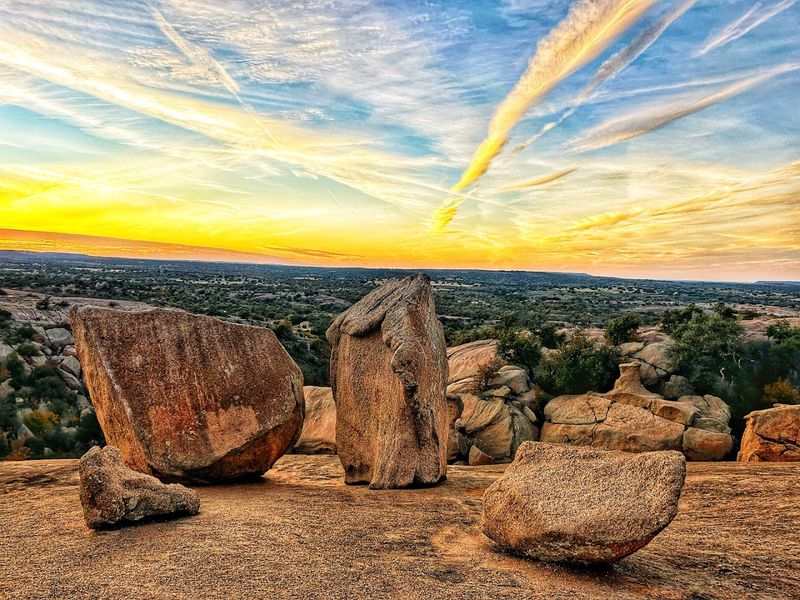
That massive pink granite dome rising 425 feet above ground isn’t just Instagram bait. Enchanted Rock challenges hikers with a steep climb that’ll have your calves burning and your heart pumping. The reward at the summit includes panoramic Hill Country views and the satisfaction of conquering one of Texas’s most iconic natural landmarks.
But the real reward? The food waiting for you back at base camp.
This park attracts serious hikers who understand that proper fuel matters. The picnic areas at the bottom fill up with people who’ve planned their post-climb meals like military operations. You’ll see everything from elaborate charcuterie boards to simple but perfect sandwiches made with bread from Fredericksburg bakeries.
The oak trees provide decent shade, and the massive rock formation creates a backdrop that makes every meal feel special.
Enchanted Rock sits in the heart of Texas wine country, and many visitors coordinate their hikes with stops at nearby wineries and farm-to-table restaurants. It’s common to see coolers packed with local cheeses, fresh fruit from roadside stands, and bottles of Hill Country wine. The park prohibits alcohol in certain areas, but designated spots allow responsible enjoyment, and there’s something magical about sipping Texas wine while that giant rock glows pink in the late afternoon sun.
The climb takes about an hour up and back for most people, which means you can easily fit in multiple hikes and meals during a day visit. Early birds catch breakfast at the summit, watching the sun rise over the Hill Country while munching on breakfast tacos. The park’s popularity means reservations are essential, but the food experience makes the planning worthwhile.
5. McKinney Falls State Park
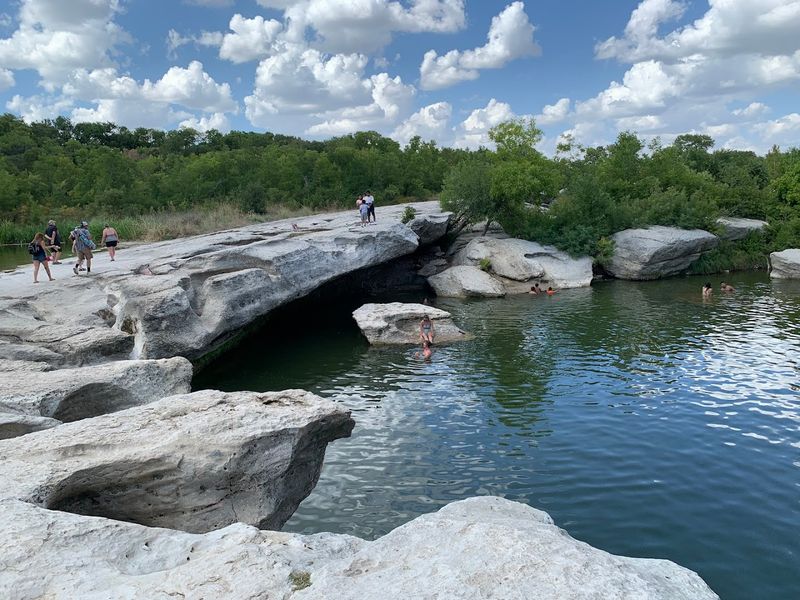
Austin’s backyard playground sits just 13 miles from downtown, making it ridiculously easy to escape the city for a few hours. McKinney Falls offers two waterfalls, swimming holes, and enough trails to justify calling it exercise. But the real draw for locals?
The park’s proximity to some of Austin’s best food means you can hike in the morning and hit up Franklin Barbecue or Veracruz All Natural on the way home.
The park itself has solid picnic facilities with grills and tables scattered throughout. Onion Creek flows through the property, and many visitors set up lunch spots right along the water. The falls aren’t dramatic enough to compete with Hill Country destinations, but they create pleasant background noise while you eat.
Weekend crowds can get intense, especially during summer, so smart visitors arrive early to claim the best picnic spots near the lower falls.
What makes McKinney special is how it fits into Austin’s outdoor food culture. You’ll see people bringing tacos from their favorite food trucks, breakfast from the farmers market, or ingredients for grilling that they picked up at Central Market. The park has become a testing ground for Austin’s endless supply of food enthusiasts who want to combine their two favorite activities: eating and being outside.
The camping area stays busy with both RVs and tent campers, many of whom treat their sites like outdoor kitchens. The smell of breakfast tacos and coffee fills the air most mornings. Some campers even bring portable pizza ovens or fancy camping stoves that could double as restaurant equipment.
For a park this close to a major city, it maintains a surprisingly wild feel, and the food culture reflects Austin’s obsession with doing everything just a little bit extra.
6. Brazos Bend State Park
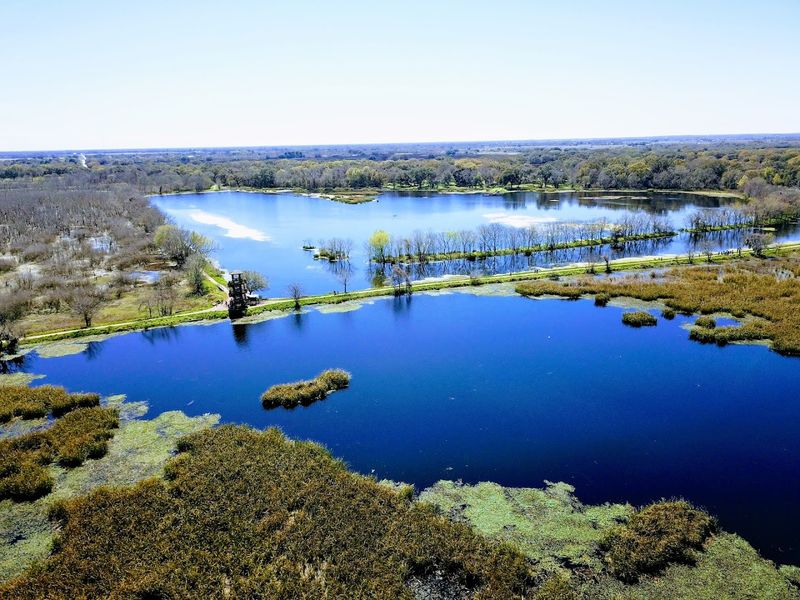
Alligators lounging on the banks while you eat lunch might sound unsettling, but at Brazos Bend it’s just part of the experience. This park 45 minutes from Houston specializes in wildlife viewing, with gators as the main attraction. The lakes and wetlands create a completely different vibe from Hill Country parks, and the food culture here adapts to the humid, swampy environment.
Cold drinks and foods that won’t spoil in the heat become essential.
The park’s covered pavilions protect picnickers from both sun and sudden rain showers that roll through the Gulf Coast region. Grilling remains popular despite the humidity, though you’ll see more seafood and lighter fare than the heavy barbecue common at western Texas parks. Some visitors bring crawfish boils or shrimp to grill, embracing the coastal influence.
The observation platforms offer prime spots for eating while watching birds and gators, assuming you don’t mind an audience of wildlife.
Brazos Bend’s camping area attracts a devoted following of regular visitors who’ve perfected their humid-weather cooking strategies. They know to bring lots of ice, avoid foods that attract bugs, and time their cooking for early morning or evening when temperatures drop slightly. The park stays open for stargazing, and the George Observatory on-site draws astronomy enthusiasts who often pack elaborate picnic dinners to enjoy before the night sky shows begin.
The proximity to Houston means easy access to the city’s incredible food scene. Many visitors stop at Vietnamese bakeries, Mexican markets, or barbecue joints on their way to the park. The combination of urban food diversity and wild swampland creates unique picnic spreads you won’t find anywhere else in the state park system.
7. Guadalupe River State Park
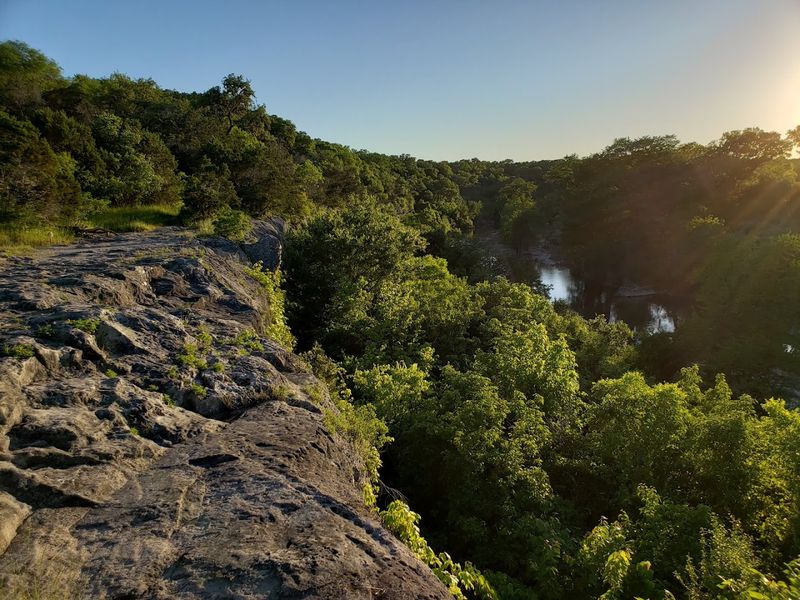
Cold, clear water rushing over limestone creates the soundtrack at Guadalupe River State Park. Located between San Antonio and Austin, this park attracts tubers, swimmers, and hikers who all share one thing in common: they get hungry. The river’s popularity means the park has developed excellent facilities for feeding crowds, with multiple picnic areas positioned along the water where you can literally dangle your feet in the current while eating.
The cypress-lined riverbanks provide natural shade, making this one of the more comfortable parks for summer picnicking. Many visitors bring tubes, coolers, and floating devices designed to keep drinks cold while drifting downstream. The park prohibits disposable containers on the river, which has led to creative solutions like reusable containers and mesh bags for transporting snacks.
Post-float meals often happen right at the river’s edge, with groups spreading out on the rocks to share chips, sandwiches, and whatever survived the journey downstream.
Nearby Gruene and New Braunfels offer food options that perfectly complement a park visit. Gruene Hall, Texas’s oldest dance hall, sits just minutes away, and many park visitors time their trips to include a meal at the Gristmill Restaurant overlooking the Guadalupe. Others stop at local German bakeries for kolaches and strudel before entering the park.
The area’s German heritage influences what people bring to picnics, with sausages, potato salad, and beer being common cooler contents.
The camping areas fill up fast during summer weekends, with families claiming their favorite spots months in advance. Evening cookouts become social events, with neighboring campers sharing food and stories. The park’s natural beauty combined with its proximity to Hill Country food culture creates an experience where the eating rivals the outdoor activities.
8. Lost Maples State Natural Area
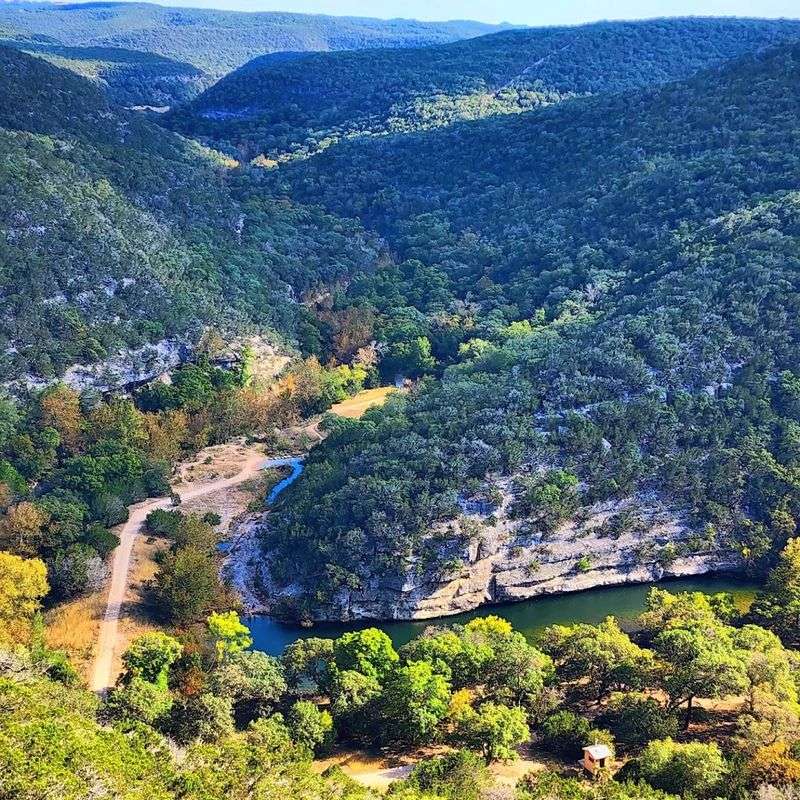
Fall in Texas doesn’t look like New England, except at Lost Maples. The bigtooth maples here put on a color show every autumn that draws crowds from across the state. Hiking the trails when the leaves turn gold, orange, and red creates an experience rare in Texas, and the park’s remote location in the Hill Country means you’ll need to pack serious provisions.
No convenience stores nearby means planning ahead or going hungry.
The park’s picnic areas sit nestled among the maples, creating postcard-perfect settings for outdoor meals. During peak fall color season, which usually hits late October through early November, every picnic table gets claimed early. Smart visitors pack elaborate lunches knowing they’ll spend the whole day exploring trails and taking photos.
The cooler weather makes this ideal for foods that might spoil in summer heat, so you’ll see more variety in what people bring.
Lost Maples attracts a different crowd than party-focused parks. Expect to see thermoses of coffee, homemade soups in insulated containers, and carefully prepared sandwiches with ingredients from specialty shops. The park’s natural beauty inspires people to elevate their picnic game, matching the food quality to the surroundings.
Some visitors coordinate their trips with stops at nearby Vanderpool for pie at the Lost Maples Cafe, creating a full culinary tour of the area.
The primitive camping here appeals to people who enjoy simple outdoor cooking. Campfires and basic grills mean meals lean toward classic camping fare, but the setting makes even hot dogs taste special. Morning coffee while watching fog lift from the maple-covered hills beats any restaurant experience.
The park’s limited development preserves its wild character, and the food experience reflects that back-to-basics approach while still delivering satisfaction.
9. Inks Lake State Park
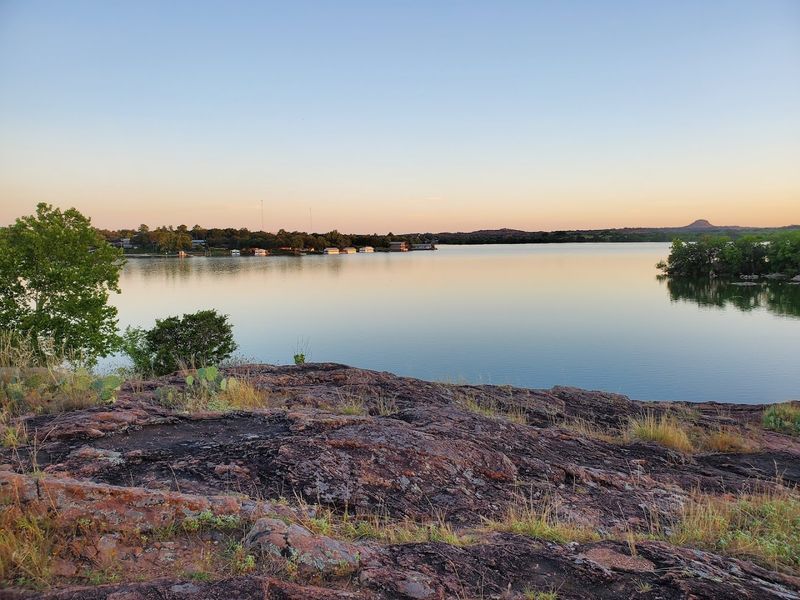
Unlike typical Texas lakes that rise and fall with rainfall, Inks Lake stays constant thanks to a dam system. That reliability makes it a favorite for water sports, camping, and cooking outdoors without worrying about changing conditions. The park wraps around the lake’s eastern shore, offering swimming, boating, and hiking with water views.
But ask regular visitors what keeps them coming back and they’ll mention the park’s exceptional picnic facilities and the culture of lakeside cooking that’s developed over decades.
The granite outcroppings around the lake create natural seating areas perfect for spreading out a meal. Many picnic spots sit right at the water’s edge, letting you swim before and after eating. The park’s popularity with families means you’ll see everything from simple packed lunches to full-scale cookouts with multiple courses.
Grills get heavy use, and the smell of burgers, fajitas, and grilled fish fills the air most weekends. Some groups bring portable smokers and spend all day preparing feasts while other family members play in the water.
Inks Lake sits in the Highland Lakes chain, with Buchanan Dam and Burnet nearby offering food shopping and restaurant options. Local grocery stores stock everything needed for serious outdoor cooking, and many campers stop to load up on fresh meat, produce, and ice. The park’s camping areas include both RV sites with full hookups and primitive spots, creating a range of cooking sophistication.
Some RV campers bring outdoor kitchens that rival home setups.
The park stays open year-round, and each season brings different food traditions. Summer means cold salads and grilled foods eaten in swimsuits. Winter camping attracts people who love cooking hearty stews and chili over campfires.
The consistent lake level and reliable facilities make planning easier, encouraging more ambitious meal preparation.
10. Caddo Lake State Park
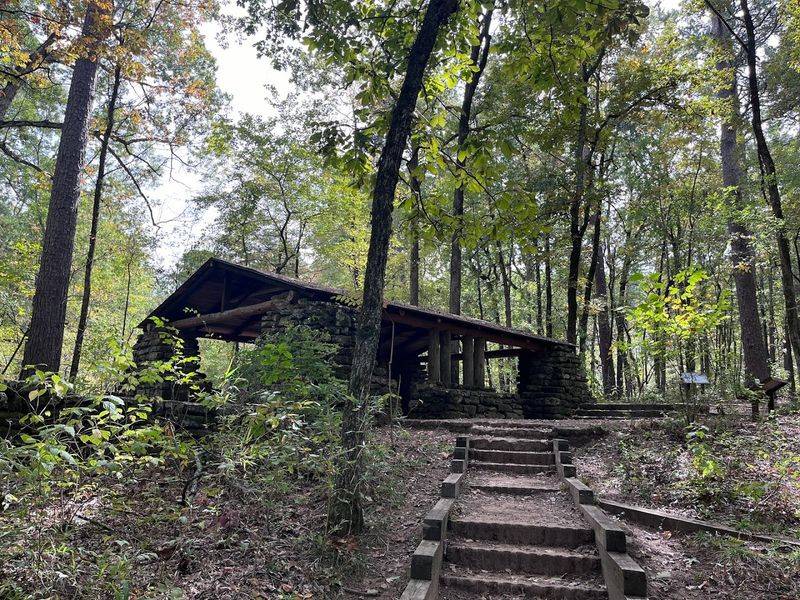
Spanish moss hanging from bald cypress trees creates an atmosphere more Louisiana than Texas. Caddo Lake straddles the Texas-Louisiana border, and the park reflects that cultural blend. The mysterious, swampy landscape attracts paddlers who navigate through the maze of waterways, and the food culture here draws heavily from both Texas and Cajun traditions.
Expect to see coolers packed with boudin, gumbo ingredients, and cornbread alongside traditional Texas barbecue.
The park’s screened shelters offer protection from the mosquitoes that thrive in the humid environment. These covered areas become essential for comfortable outdoor dining, especially during summer. Grilling remains popular despite the heat, though people tend to cook during cooler morning and evening hours.
The lake’s fish population means many visitors bring their catches back to camp for fresh fish fries. Catfish, crappie, and bass all make regular appearances on camp menus.
Caddo Lake’s remote location in far East Texas means the nearest significant town, Marshall, sits about 15 miles away. Visitors need to plan provisions carefully, though that isolation adds to the park’s appeal. The nearby town of Uncertain, Texas, offers a few restaurants where locals serve up Southern cooking and fish dinners.
Many park visitors make it a tradition to eat at least one meal in town, experiencing the regional food culture before returning to their campsites.
The park attracts photographers and nature lovers who appreciate the moody, atmospheric landscape. These visitors often bring carefully planned meals that can be prepared quickly, leaving more time for exploring. Morning coffee while watching mist rise from the lake becomes a ritual.
The combination of unique scenery and regional food traditions creates an experience distinct from other Texas parks, feeling like a trip to another state without crossing the border.
11. Galveston Island State Park
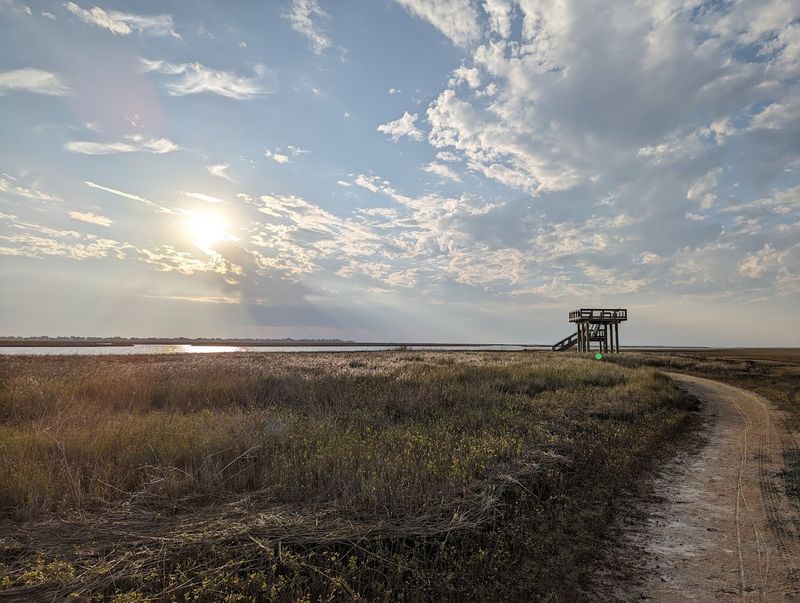
Beach camping and coastal cooking define the experience at Galveston Island State Park. Located on the West Bay side of the island, the park offers both Gulf beach access and calmer bay waters. The constant breeze, salt air, and sound of waves create the perfect setting for seafood-focused meals.
Many visitors bring fresh shrimp, fish, and crab to grill, embracing the coastal location with their food choices.
The park’s picnic areas face the bay, providing views of water and marsh grass while you eat. Covered pavilions offer shade and wind protection, essential on the sometimes-blustery coast. Grilling gets tricky in the wind, but experienced coastal campers know the tricks: windscreens, heavier grill grates, and timing cooking around weather conditions.
The proximity to Galveston means easy access to seafood markets where you can buy the day’s catch fresh off the boats.
Galveston’s food scene has exploded in recent years, with new restaurants joining old favorites. Many park visitors combine camping with eating tours of the island, stopping at places like Gaido’s for seafood or local taco trucks for breakfast before heading to the beach. The park’s location on the bay side means you avoid the worst of the tourist crowds while staying close enough to enjoy the island’s amenities.
Some campers bring kayaks to paddle the bay, working up appetites for evening cookouts.
The camping culture here leans casual and relaxed, matching the beach vibe. You’ll see people cooking in swimsuits, eating meals with sandy feet, and timing everything around tide schedules. Cold beer, fresh seafood, and simple sides like coleslaw and corn on the cob dominate most menus.
The park’s accessibility from Houston makes it a quick escape for city dwellers craving salt air and outdoor cooking without the long drive to more remote parks.
12. Mustang Island State Park
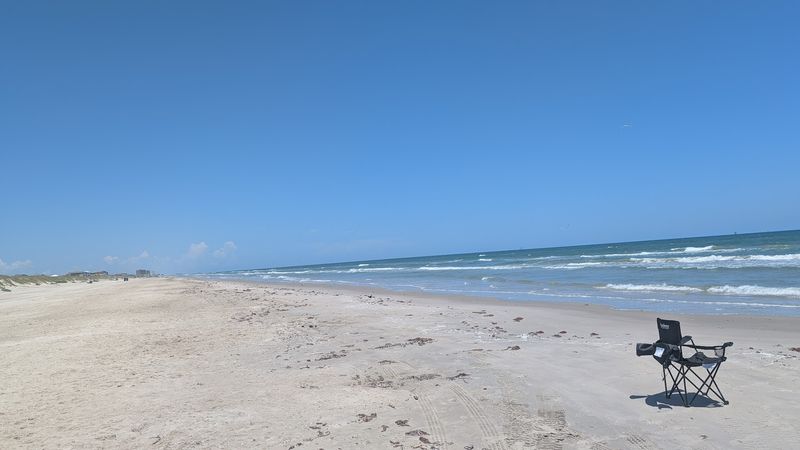
Five miles of unspoiled Gulf Coast beach stretch along Mustang Island State Park, offering the kind of coastal experience that’s becoming harder to find in Texas. Located near Corpus Christi, the park attracts beach campers, surf fishers, and anyone craving the sound of waves and the smell of salt air. The beachfront camping sites let you fall asleep to the ocean and wake up to sunrise over the Gulf, and the food experience here centers entirely around coastal living.
Grilling fresh-caught fish right on the beach defines the Mustang Island experience. Surf fishers pull in redfish, speckled trout, and flounder, then cook their catches within hours. The park allows beach fires in designated areas, and many campers use these for both warmth and cooking.
There’s something primal and satisfying about eating fish you caught yourself while sitting on the sand watching waves roll in. Even visitors who don’t fish often stop at Corpus Christi seafood markets to buy fresh shrimp or fish fillets for grilling.
The park’s location between Corpus Christi and Port Aransas means easy access to both cities’ food scenes. Port A offers casual beach restaurants and fish markets, while Corpus provides more variety including excellent Tex-Mex and barbecue. Many park visitors create traditions around stopping at specific restaurants before or after their camping trips.
The drive along the coast offers views of the Gulf and passes through areas where you can buy fresh oysters from roadside stands.
Coastal camping requires different strategies than inland parks. Salt air corrodes equipment, sand gets in everything, and the constant wind affects cooking. Experienced Mustang Island campers bring extra ice, seal food containers tightly, and cook foods that won’t blow away.
Despite these challenges, or maybe because of them, the beach camping experience creates memories that last. Nothing beats fresh seafood cooked over an open fire with your toes in the sand.
13. Davis Mountains State Park
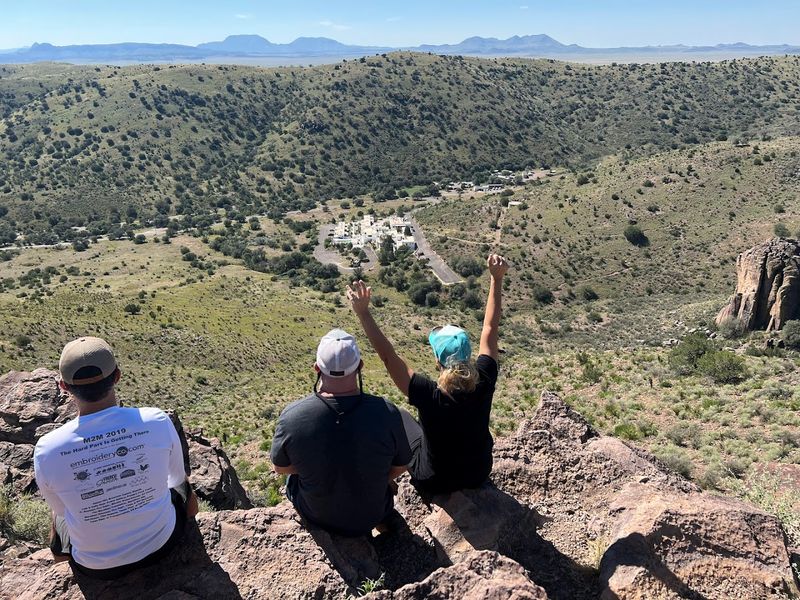
West Texas doesn’t get enough credit for natural beauty, but Davis Mountains State Park makes a strong case for the region. At elevations over 5,000 feet, the park offers cooler temperatures than most of Texas and landscapes that feel more like New Mexico than the Lone Star State. The mountains, desert vegetation, and big sky create a dramatic setting for outdoor adventures, and the remote location means visitors need to be self-sufficient when it comes to food.
The park’s Civilian Conservation Corps-built structures from the 1930s include beautiful stone picnic shelters that blend into the landscape. These provide shade and wind protection while maintaining the rugged character of the surroundings. Grilling at this elevation in the dry climate works beautifully, and many campers take advantage of the cool evenings to cook elaborate meals.
The nearby town of Fort Davis offers limited shopping, so most visitors stock up in Alpine or Marfa before arriving.
Speaking of Marfa, the art town’s food scene has become surprisingly sophisticated in recent years. Many park visitors coordinate their trips with meals at Marfa restaurants, creating a combination of wilderness camping and contemporary dining that feels uniquely West Texas. The McDonald Observatory sits nearby, and stargazing trips often include picnic dinners eaten while waiting for darkness.
The clear, dry air at this elevation makes both stargazing and outdoor cooking exceptional.
The park’s Indian Lodge offers rooms and a restaurant for visitors who want amenities beyond camping. But the real experience comes from cooking at your campsite while watching sunset paint the mountains in shades of purple and gold. The isolation and dramatic landscape encourage simple but satisfying meals.
Coffee tastes better at 5,000 feet. Steaks grilled over mesquite wood develop flavors you can’t replicate at lower elevations. Davis Mountains proves that sometimes the best food experiences happen in the most remote locations.
Share this story