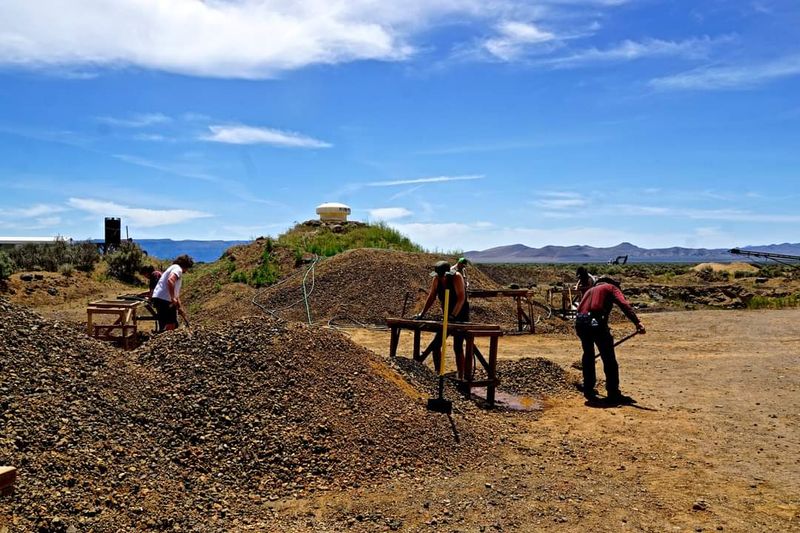
Far out in the high desert of southeast Oregon, past the tiny town of Plush, there is a place where people pay to get dirty on purpose. They shovel, sift and squint at piles of rock for hours. Their reward is a handful of glittering orange, pink, green and sometimes red stones they get to keep.
Oregon sunstone is the official state gemstone, and this remote mine is one of the few spots where regular folks can hunt for it themselves. The drive is long, the cell signal vanishes, and the gravel roads test every vehicle. Still, families come back year after year, and some even turn it into a yearly tradition.
Keep reading to learn what the digging options are, what to pack, how to find the place, and why so many rockhounds call it their favorite stop in the state.
A Mine at the Edge of Plush
Out where the pavement gives up, Spectrum Mines sits waiting for anyone stubborn enough to find it. The official address is Plush, OR 97637, in the high desert of Lake County, Oregon, United States.
Plush itself is a very small town. The mine lies beyond it, at the end of a long trek on gravel road through open, treeless country.
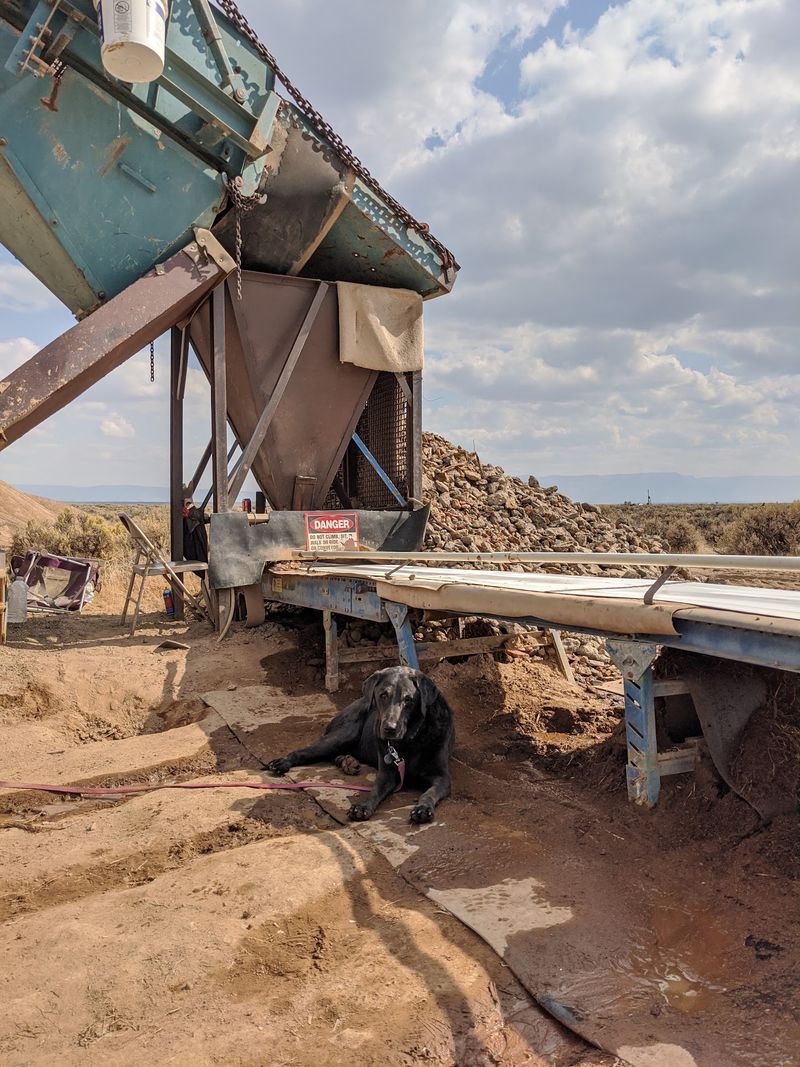
The place is a working sunstone mine, not a museum or a gift shop with a fake rock pile. Crews run equipment, move ore and operate a conveyor belt system that guests can use to hunt for stones.
Spectrum is run in connection with High Desert Gems and Minerals. Their website lays out the mining options, cabin details and basic rules, and it is worth reading before the trip.
The appeal is simple. People dig or sift through sunstone-bearing material, and whatever they find goes home with them.
That promise draws first-timers, families with young kids, RV travelers and serious rockhounds who cut their own stones. Some come for an afternoon, and some stay for several days.
Getting there takes planning, and staying takes a bit of grit. The payoff, though, can sit right in the palm of your hand.
Oregon’s Official State Gem
Few states can claim a gemstone found almost nowhere else, and Oregon happens to be one of them. Sunstone is the official state gemstone, and the high desert around Plush is famous for it.
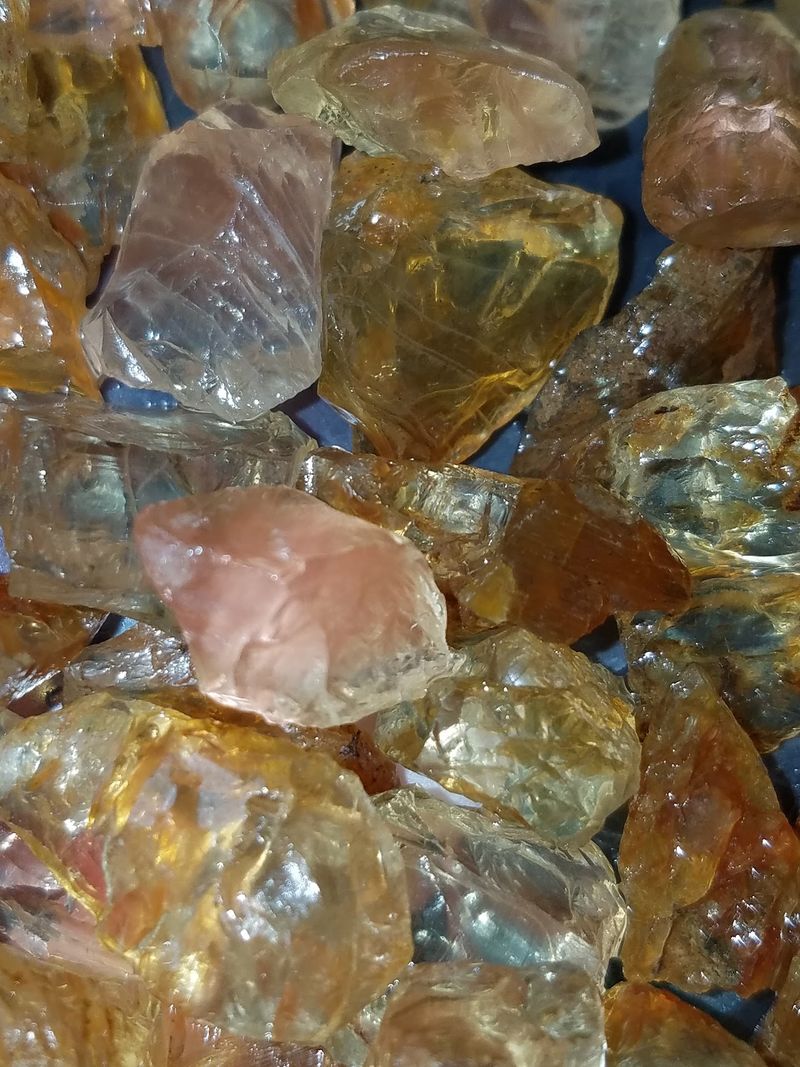
Hunters at Spectrum talk a lot about two things: color and schiller. Schiller is the metallic shimmer some stones show when light hits them at the right angle.
Colors pulled from this mine include clear and pale yellow stones, soft pinks, dark oranges and stones with a green tint. Some have little spots of red in the center.
Then there are the rare ones. Watermelon stones, tricolors, big greens and deep blood red pieces are the dream finds, and a blue sunstone is considered a big deal.
Not every pile hands over a showpiece. Many stones are small, and finding top grade color takes luck as much as effort.
Plenty of finds are facet grade, which means they are clean enough to be cut into gems. One lucky guest pulled a 98.30 carat sunstone off the conveyor belt.
Knowing what to look for makes the hunt more fun. The staff happily show cut examples so newcomers can see the potential hiding inside rough pieces.
Who Keeps the Place Running
Ask around about Spectrum and the conversation quickly turns to the people. Helpful staff are the most talked-about feature of the mine by a wide margin.
Names come up often. Bob and Denise are known for their knowledge and friendliness, Chris is praised as an expert on the backhoe, and a crew member called Little Chris gets warm thanks from many guests.
Most of the workers are rockhounds themselves. They share stories of their own finds and offer tips on spotting stones.
Lapidaries get extra help too. The crew will give advice on how to cut certain pieces based on their own experience.
One story stands out. When a group’s vehicle broke down on arrival, a staff member drove one person three hours each way for a part, installed it and got them back on the road.
Not every encounter has been smooth. A few guests have described the office as short with them, especially near season changes, and the crew is not known for being early birds at opening.
The best approach is patience and polite questions. Ask kindly, and the advice tends to flow freely.
The Conveyor Belt Rush
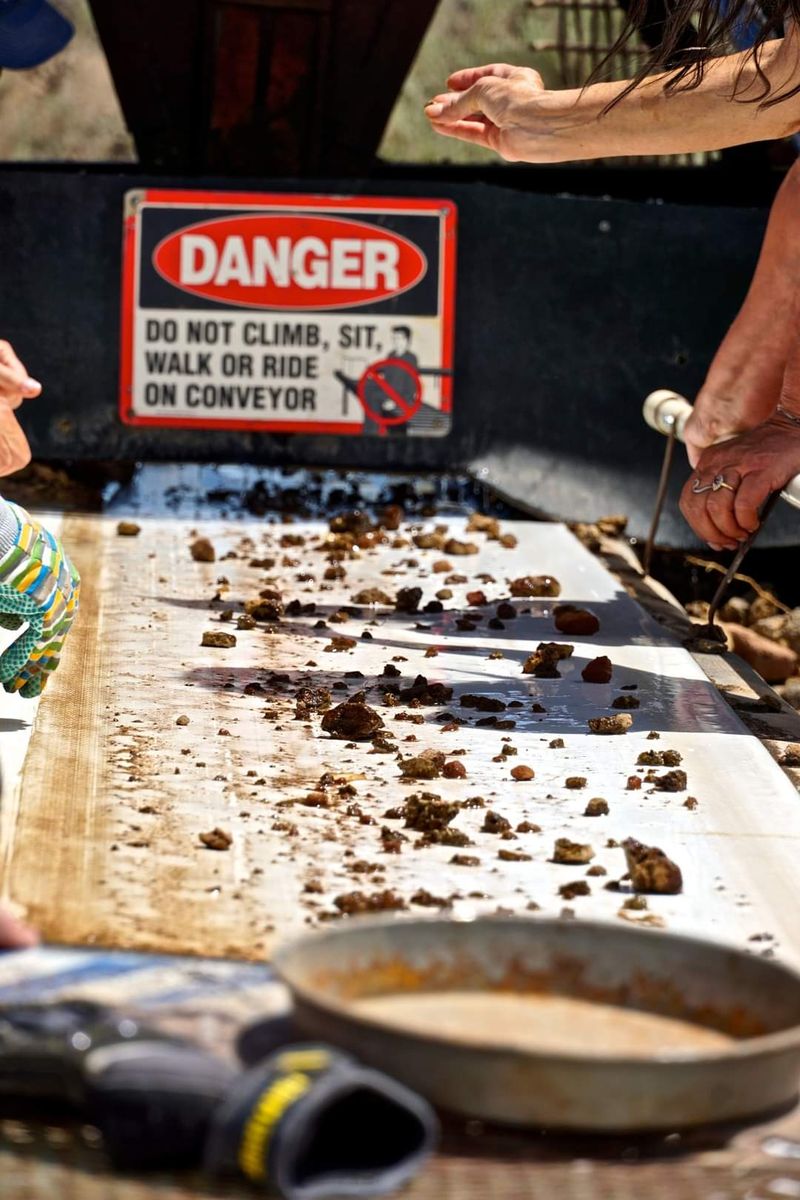
Think of a factory line, except the product is treasure and the workers are giggling. The conveyor belt run is one of the signature experiences at Spectrum.
Ore travels past on a moving belt while water washes it. Guests pick out sunstones as they roll by.
The pace can feel frantic at first. Newcomers usually catch on fast, and a staff member stationed at the end of the belt catches the stones that slip past, then hands them over.
Belt runs have been priced around $200 per hour in the past. Groups often split the cost, which makes the experience easier on the wallet.
Results can be impressive. Groups have walked away with hundreds of stones, mostly small, plus several larger pieces with real value and plenty of facetable material.
Timing matters. Running the belt right at opening can mean working in shadow before the sun climbs, which makes stones harder to spot.
The water near the belt also offers a little relief from the heat. Just know the belt is seasonal, and it has been shut down at the end of a long summer before.
Sifting Piles of Ore
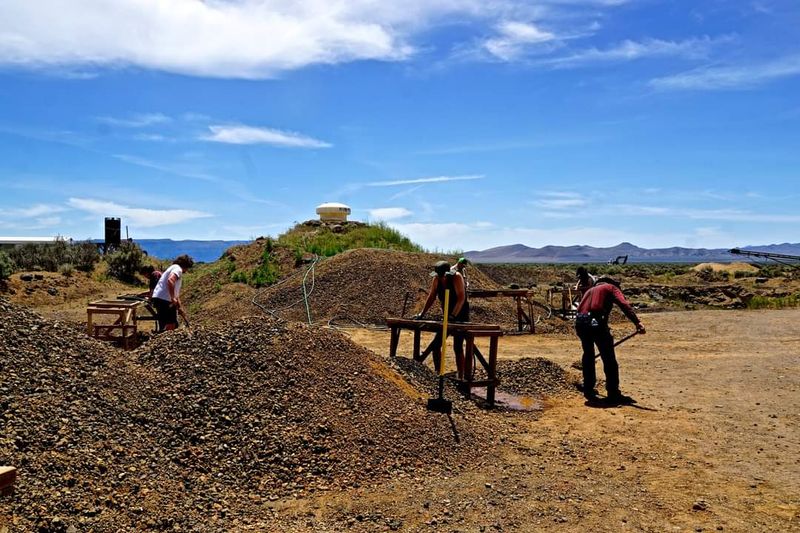
Slow and steady wins the sunstone race for many families. Buying a pile of ore to sift is a popular choice, especially for groups who want hours of hunting.
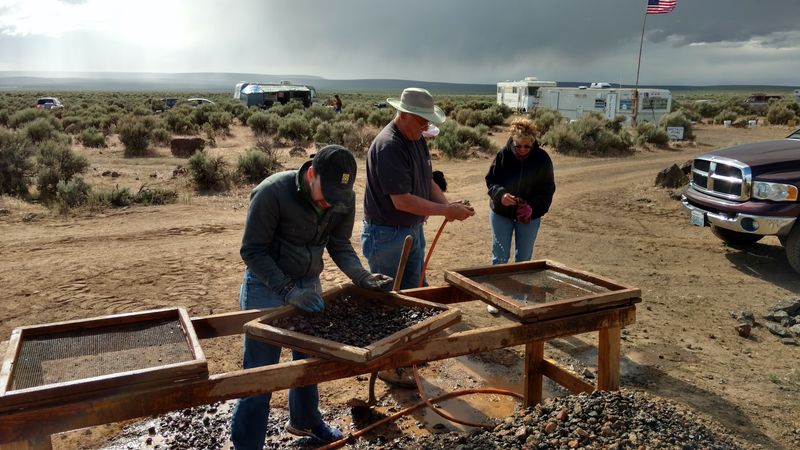
The process is straightforward. A pile is delivered, and guests shovel material onto screens, rinse it and pick out the stones.
Past prices have included a $175 pile, a $200 preprocessed ore option and a $225 high grade pile. Prices change, so checking the website or calling ahead is smart.
Effort is real. One group of four needed about four hours to sift a $175 pile, and another family spent the whole day on a large pile.
The haul can be big. One group came away with about six pounds of stones, including a few beautiful ones, and another reported earning their money back in pinks, oranges and greens.
Results do vary. At least one experienced pair felt their high grade pile gave little worth faceting, and there can be a wait while piles are delivered on busy days.
For bulk without swinging a pick all day, piles hit a sweet spot. A tip from regulars is to grab the bucket option early.
Open Pit Digging for Big Dreams
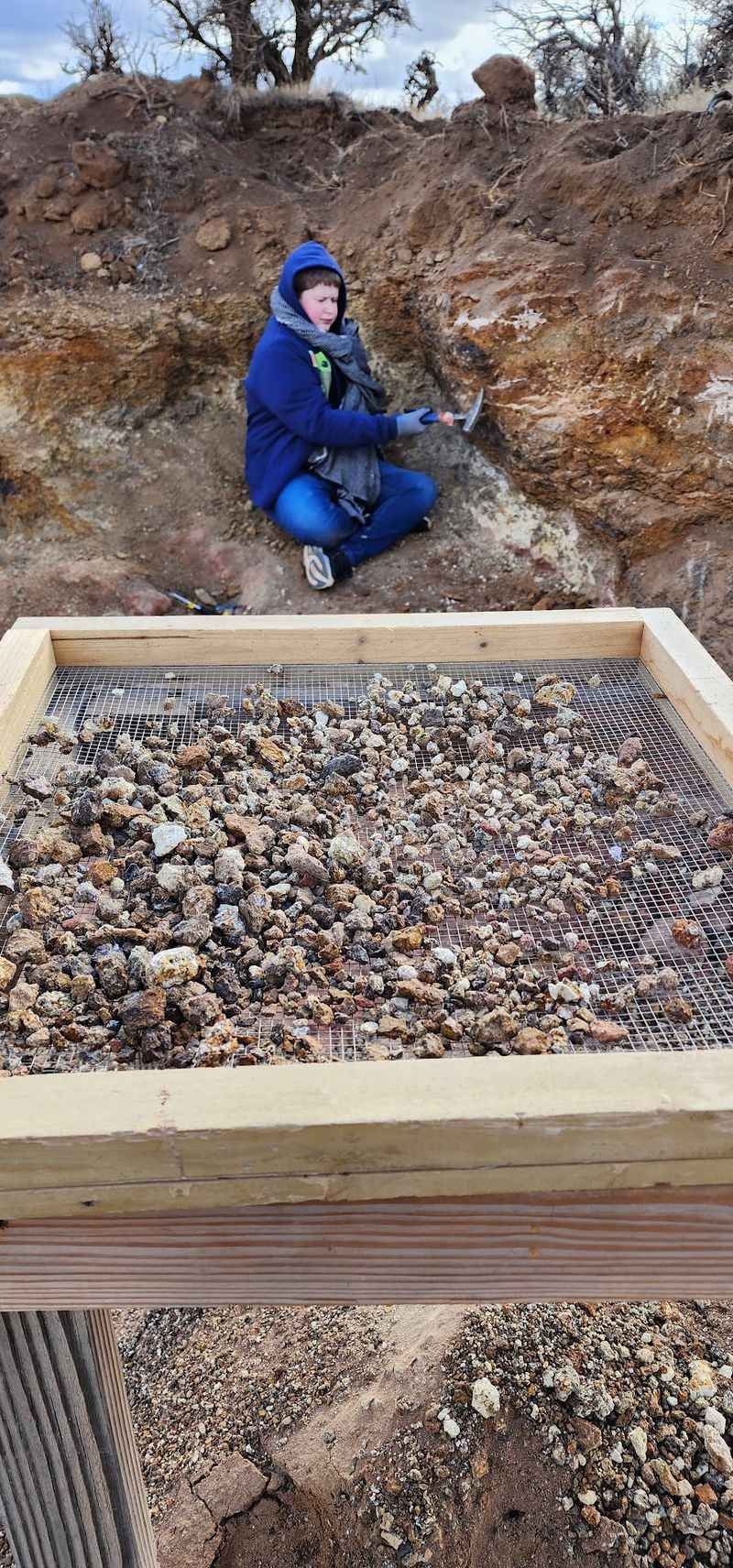
Pickaxes come out when hunters want a shot at the truly rare stuff. Open pit digging is the most talked-about option at Spectrum.
Here, guests work raw rock in the pit itself. It is hard, dusty labor, and the rewards are never guaranteed.
Some experienced hunters believe the pit gives the best chance at unusual stones such as watermelons and tricolors. One woman pulled very nice watermelons, big greens and even a blue out of the pits.
An all day dig is available for those with stamina. More than one guest has left planning to come back just for that.
Tools are provided, which makes things easier for beginners who did not pack mining gear. The crew can also explain where and how to dig.
All mining is a gamble, and the pit is no exception. The difference is that the gamble feels earned when a good stone finally shows itself.
Bring gloves, patience and realistic hopes. Then let the pickaxe do the talking.
The Free Pit Bonus
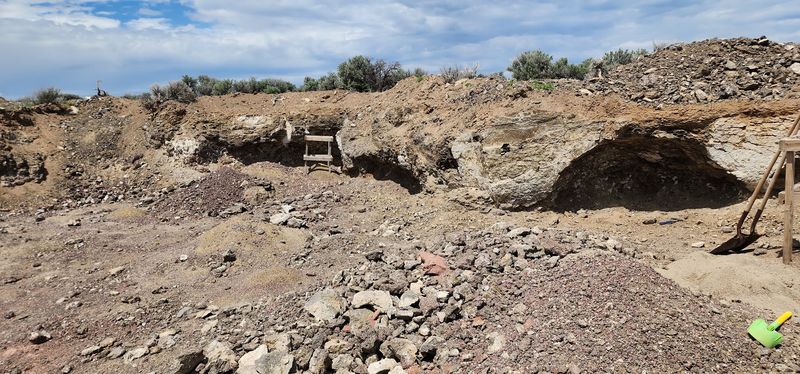
Free is a lovely word in a place this far from anywhere. Spectrum offers a free pit area where guests can dig without buying a package.
Many people use it to pass the time while waiting for a belt run or pile. Others use it to practice pickaxe skills before tackling a paid option.
It is not just filler. One digger pulled a nice batch of stones in about an hour of work there.
A popular strategy is to buy a pile, then spend the rest of the day in the free pit. That combo stretches a single trip into a full day of hunting.
Families like it because kids can join in without pressure. An eight-year-old can swing a little and still feel like part of the crew.
Sunstone chips also turn up on the grounds. Guests have found handfuls lying on the ground and in the road around camp at dawn, no digging needed.
So even on a tight budget, nobody has to leave empty-handed. A sharp eye might be all it takes.
Rough Stones and Ready Gems
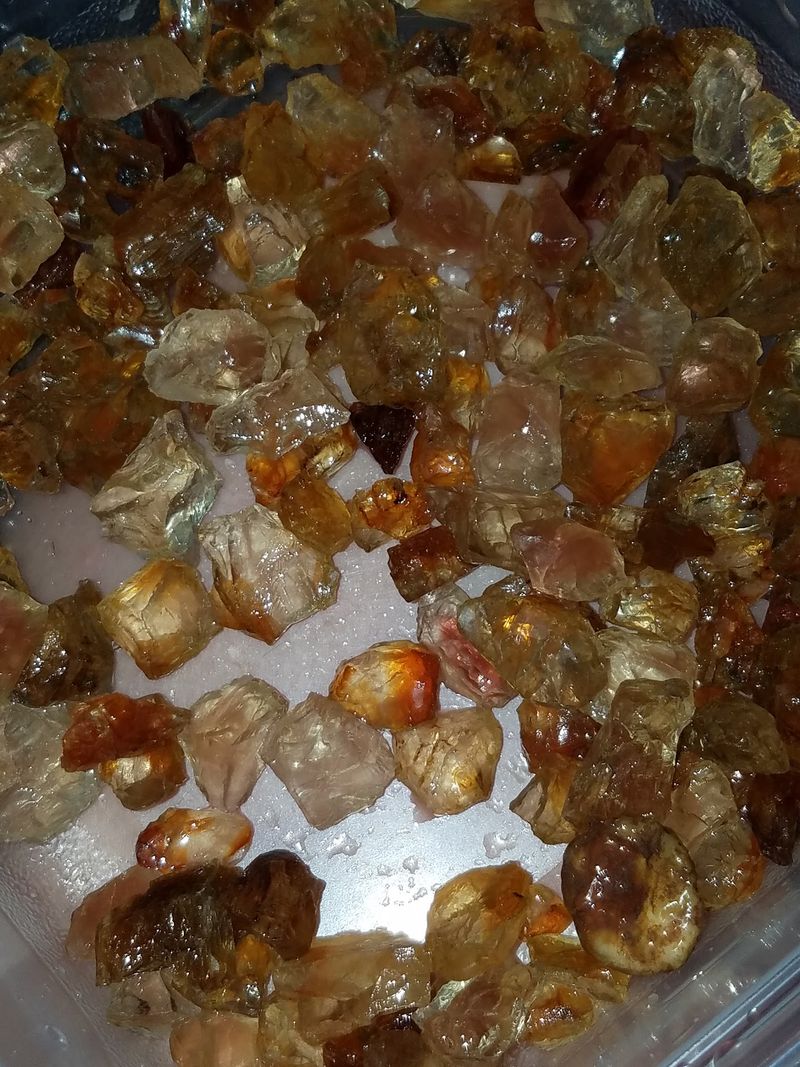
Some people want the thrill of the hunt, and some just want the stone. Spectrum covers both groups.
The on-site shop holds a good assortment of specimens. Guests can buy rough or cut stones the crew has already found.
For anyone set on the highest grade colors, buying directly is often the surest path. Deep red stones, for example, do not show up in every pile.
One couple came looking for the perfect center stone for a ring. They left with it, plus a new yearly tradition.
The office also shows cut examples in different sizes and shapes. Seeing them helps hunters understand how a rough chunk might look once faceted.
Advice comes with the browsing. Lapidaries and hobby cutters can ask about cutting strategies based on the crew’s own work.
Mixing a dig with a purchase is a smart way to go home with a range of colors. That way the trip ends with both a story and a showpiece.
Cabins and Dry Camping
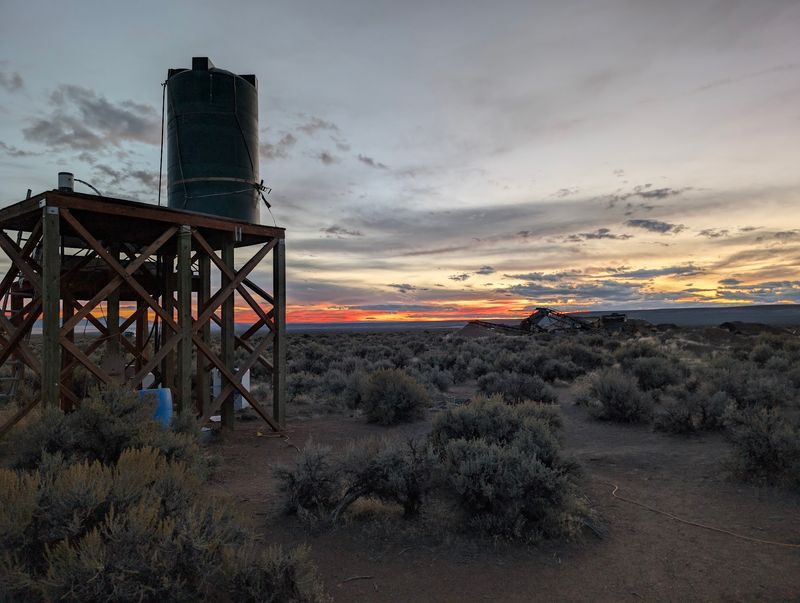
Sleeping at a mine sounds tough, and honestly, it can be. Still, Spectrum offers more overnight options than many nearby mines.
Small cabins can be booked in advance by phone. They are simple, one-room spaces, and some guests describe them as clean.
Others call them rough, so expectations should stay modest. Bring a sleeping bag, since beds come without bedding.
Nights can get cold. One group reported temperatures near 30 degrees Fahrenheit, yet their cabin kept them warm even without a heater.
Dry camping is available, and RV travelers make the trek too. One family has hauled a big RV out for several years running.
Fire restrictions may be in place, which can limit cooking choices. Pack food that works for roughing it.
The cabins also make a handy spot for an afternoon nap between digs. After a few hours of shoveling, that might be the best deal on site.
Restrooms, Water and Real Basics
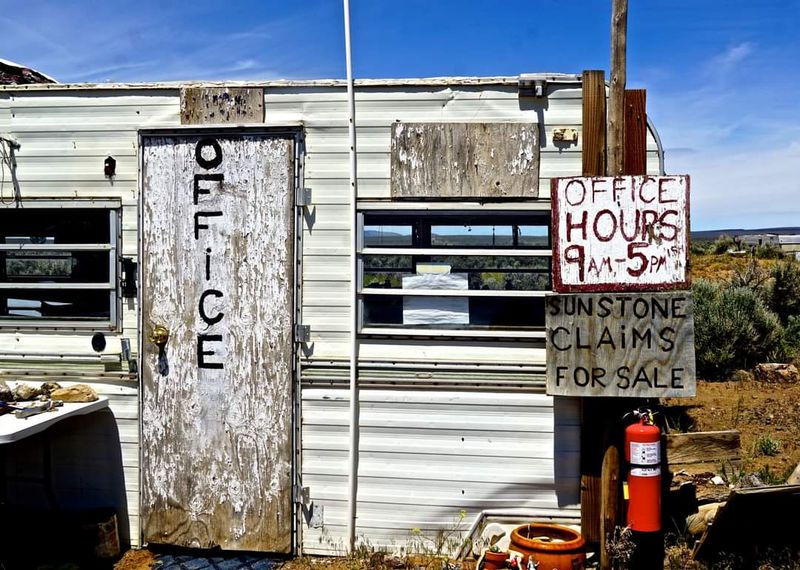
Out here, a flushing toilet counts as luxury. Spectrum has real restrooms on site, which guests mention with genuine gratitude.
The toilets are housed in a trailer. It is a dusty area, so packing hand sanitizer or soap is a good idea.
A pit toilet sits closer to the cabins, with the flushing toilets farther into camp. Arriving in daylight makes them easier to find.
Well water is available. Even so, crews may ask guests to be careful with water at the sifting stations.
Primitive parking handles cars, trucks and RVs. There are no fancy services beyond that.
Plenty of people describe the camp as clean and well kept. It is a legitimate mine, not a resort, and it does not pretend otherwise.
Knowing the basics ahead of time helps everyone relax. Pack for self-reliance, and the amenities become a pleasant bonus.
Off the Grid and Unplugged
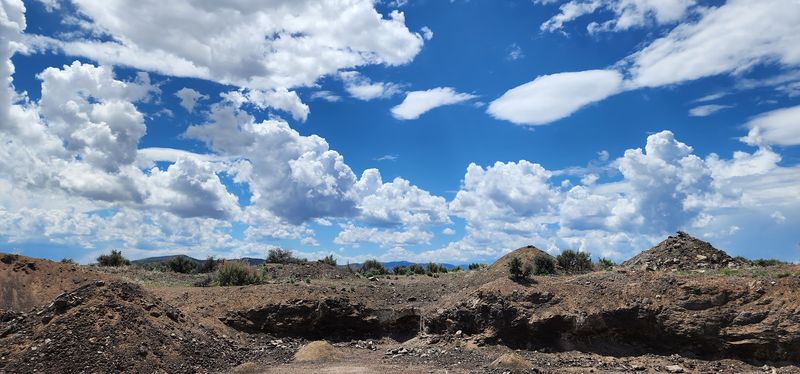
Phones become pocket rocks the moment travelers pass Plush. Cell reception and internet coverage are close to nonexistent near the mine.
For some, that is a feature. Families describe the remote location as relaxing and a rare chance to unplug.
The landscape is wide open high desert. There are no trees and no natural shade, just big sky and rolling country.
Many guests call the setting stunning. The isolation is part of the charm.
Wildlife is part of the picture too. Jackrabbits dart across the roads, and snakes are a possibility in the public digging areas.
Days can be hot and dry, while nights turn cold. Layers help handle the swing.
Fishing has even been part of the fun for at least one guest, with tips from the crew. The mine rewards anyone willing to slow down and look around.
The Road That Tests Everyone
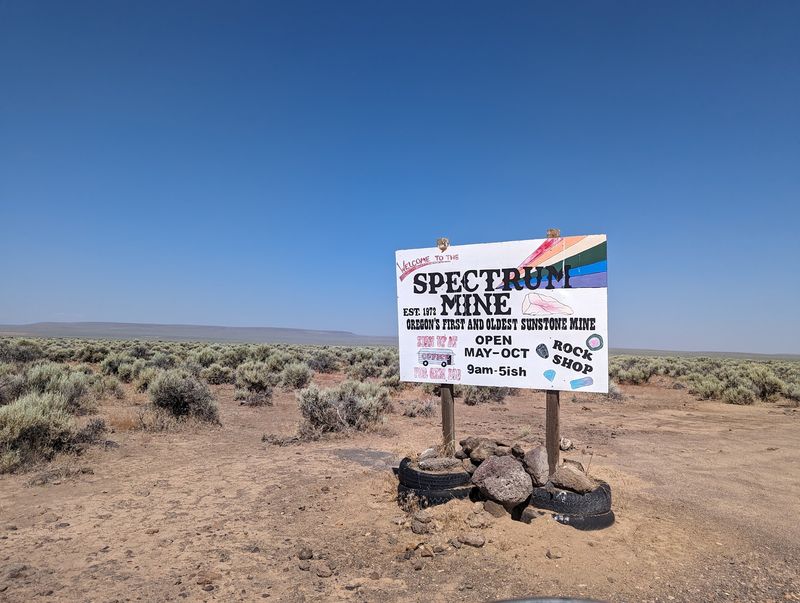
Getting lost is practically a rite of passage on the way to Spectrum. The drive beyond Plush follows long gravel roads with infrequent signs.
Some final signs have been faded and half hidden in brush. Groups have circled for hours trying to find the turn.
Online maps can be unreliable here. Download directions in advance or carry a printed copy, since the signal disappears.
The mine sits a bit north of the public collection area. Look for the dirt road with a gem sign just before the campground and restroom area.
A full tank of gas is essential. A pickup truck or high-clearance vehicle is strongly suggested for the rough sections.
Route choice matters as well. Some drivers recommend skipping Hogback Road and following Highway 395 a few miles farther to spare the vehicle.
The small store in Plush is a good final stop. After that, it is just you, the gravel and the jackrabbits.
Hours, Costs and a Packing List
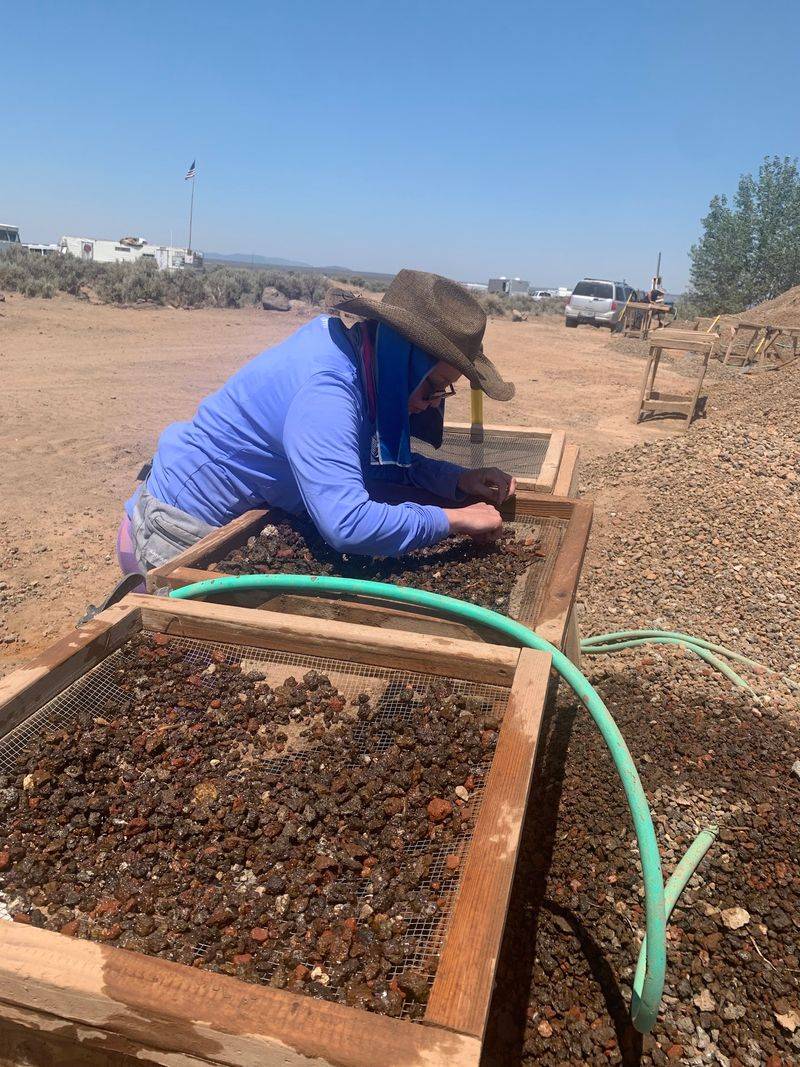
Smart planning separates a great dig from a sunburned slog. Spectrum lists hours of 9 AM to 5 PM, seven days a week, though operations are seasonal.
Calling ahead is wise. The conveyor belt has closed for the season before, and late arrivals may find fewer options.
Past costs give a rough idea. Belt runs ran about $200 per hour, and piles ranged from $175 to $225, with the free pit costing nothing.
Confirm current prices before going. At least one guest found website prices did not match the office.
Pack plenty of water, food and snacks. Add a hat, sunglasses, sunscreen and gloves.
Shade is a must, since there are no trees. A pop-up canopy and camp chairs make long sessions much easier.
Early June has been called just right for weather. Busy days can mean a wait for a table, so arriving early pays off.
Worth the Long Haul
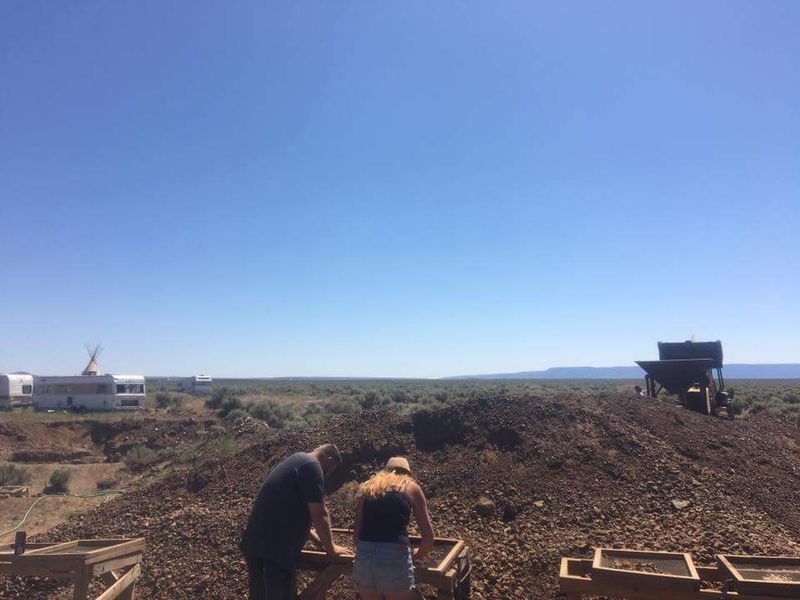
Finding treasure is a big promise, and Spectrum mostly keeps it. The mine earns a 4.1-star standing among the people who have made the trip.
Many see it as a strong middle ground. It offers more amenities than other area mines and fits budgets that cannot stretch to the priciest operations.
First-timers find it easy to learn. Experienced rockhounds find enough variety to keep coming back.
Not every visit lands perfectly. A few people left disappointed by small stones or curt exchanges, so flexible expectations help.
For most, though, the memories outweigh the dust. Groups talk about restored faith in people, family traditions and stones they will never sell.
Places like this are part of what makes rural Oregon special. Keeping a small, hands-on mine running in such a remote spot takes real work.
Fill the tank, print the map and bring the water. The rocks are waiting, and every find is yours to keep.