Tucked into a quiet corner of outer Southeast Portland, there is a garden where you can stroll on a steel walkway high among towering red cedars. It began with a couple, a creek, and a property bought in 1936 for just ten dollars. Today it holds more than 2,000 plant species, a stone cabin, and a manor house full of history.
Keep reading to learn how this Portland treasure came to be, what to see, and why locals are working hard to keep it thriving.
A Hidden Glade Along Johnson Creek
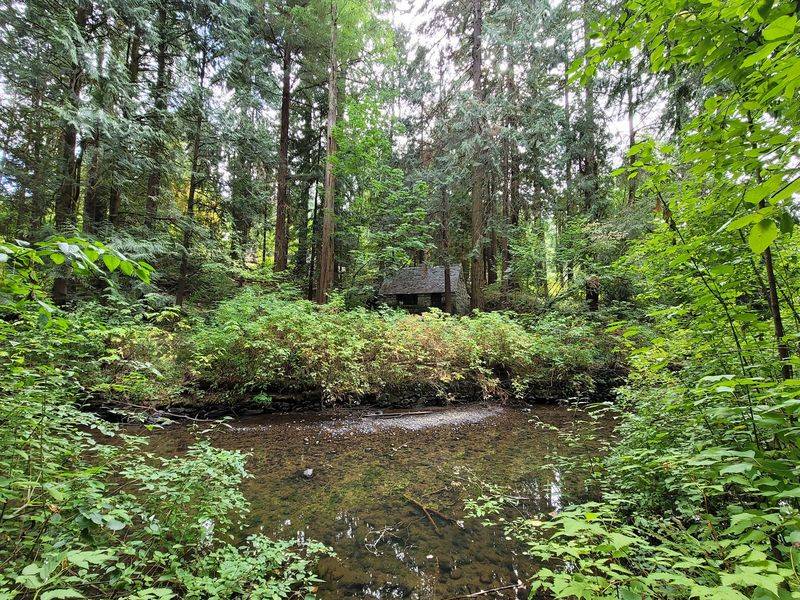
Some of the best places in Portland hide in plain sight, and this one sits just a short drive from the busy parts of town. Leach Botanical Garden is found at 6704 SE 122nd Ave, Portland, OR 97236, in the outer Southeast part of the city.
The garden follows the banks of Johnson Creek, a waterway many locals already know and love. Its wooded setting gives it a secret-garden quality, even though houses and streets are not far away.
At its heart, the property is a historic estate turned public botanical garden. You will find a manor house, a hand-built stone cabin, trails for nature walks, and a long list of classes throughout the year.
The plant count is impressive for a spot that feels so tucked away. More than 2,000 plant species grow here, spread between an upper garden and a lower garden that slopes down toward the creek.
Many Portlanders admit they lived in the city for years before discovering it. That surprise is part of the fun, since the garden rewards people who are willing to drive a little farther east.
So how did a quiet creekside property turn into one of the city’s most beloved green spaces? The answer starts with a remarkable bargain.
The Ten-Dollar Deal of 1936
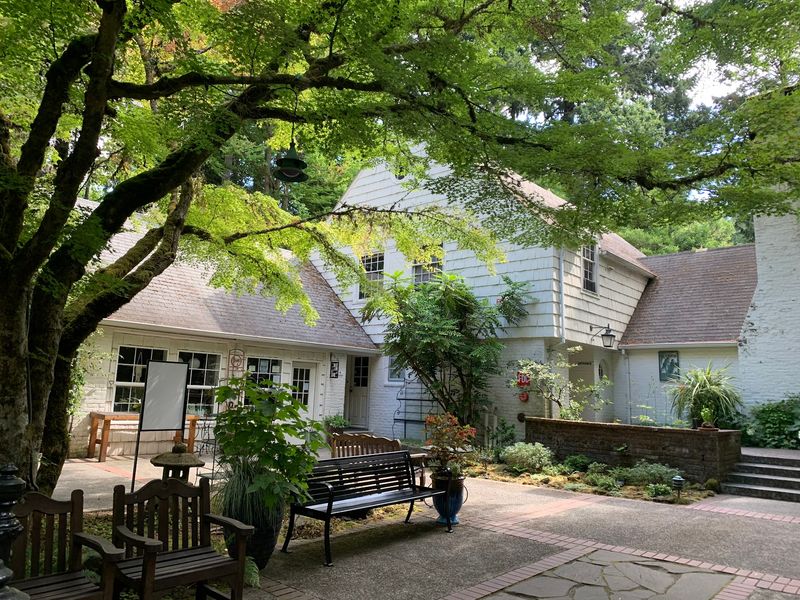
Ten dollars does not buy much today, but in 1936 it bought a couple a piece of Portland history. That year, the Leaches purchased a 4.17-acre property along Johnson Creek for that tiny sum.
Their names are woven into every corner of the garden. The couple shaped the land around their love of plants and nature, and they built much of it with their own hands.
Guided tours bring their story to life. Tour guides share details about the couple’s lives, their work, and the choices that turned a simple lot into a living collection.
Learning about the Leach legacy is one of the most rewarding parts of a trip here. Their home is often described as a testament to beauty and a deep respect for the natural world.
The history is not hidden away in a dusty corner either. It shows up in the buildings, the plantings, and the layout of the trails that wind between the upper and lower gardens.
Of course, a garden this special did not stay a private retreat forever. A generous decision decades later opened the gates to everyone.
From Private Retreat to Public Garden
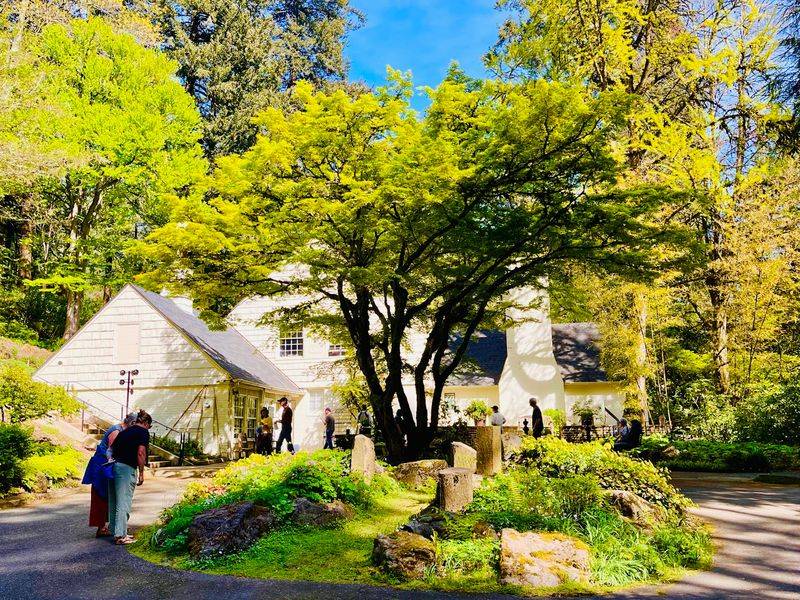
In 1980, the property changed hands in a way that still matters to Portlanders today. Leach Botanical Garden was donated to the city of Portland, turning a personal passion project into a shared public space.
That gift is a big reason the garden feels so connected to the surrounding community. It belongs to the city, but the people who visit, volunteer, and donate keep it running day to day.
Over the years, the garden has grown in thoughtful ways. An Upper Garden was added with its now-famous Aerial Tree Walk, and a new footbridge now crosses the creek to the south garden.
Staff have also hinted at a new trail opening soon. That kind of steady growth shows the garden is not frozen in time, even while it honors its past.
Classes and guided programs add another layer. Families, plant lovers, and curious beginners can all find something that fits their interests.
Still, the most talked-about addition sits high above the ground. To find it, you will need to head uphill and then look up.
Strolling Among the Red Cedars
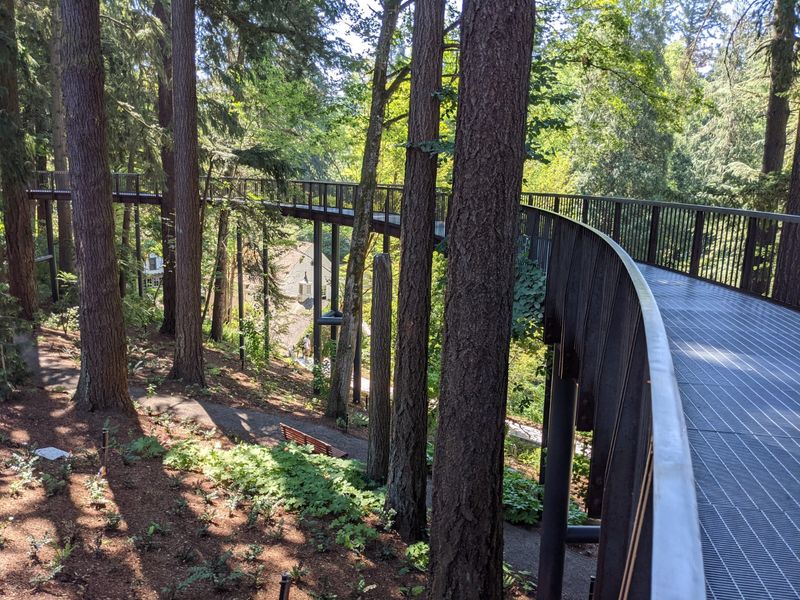
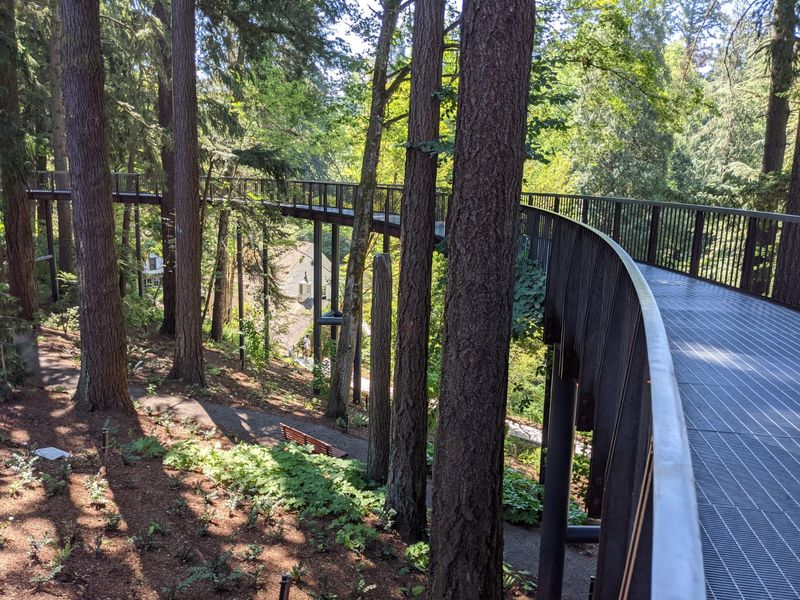
Most garden paths keep your feet firmly on the ground, but this one lifts you up into the canopy. The Aerial Tree Walk in the Upper Garden is the feature people mention again and again.
It is a steel walkway that travels through the trees, offering a completely different vantage point than any ground-level trail. Towering red cedars surround the structure, so you see their trunks and branches from an unusual height.
Here is the best part for many families. The tree walk is fully accessible, which makes the canopy view available to more people than a typical forest trail.
Photographers love it, too. The walkway frames the trees in a way that makes for memorable pictures in nearly every season.
Even guests who wished for more flowers often single out the tree walk as a highlight. It is the kind of feature that sticks in your memory long after the trip ends.
Once you come back down to earth, the trails begin their gentle descent. Waiting at the bottom is the home where the whole story began.
The Manor House and a Giant Ginkgo
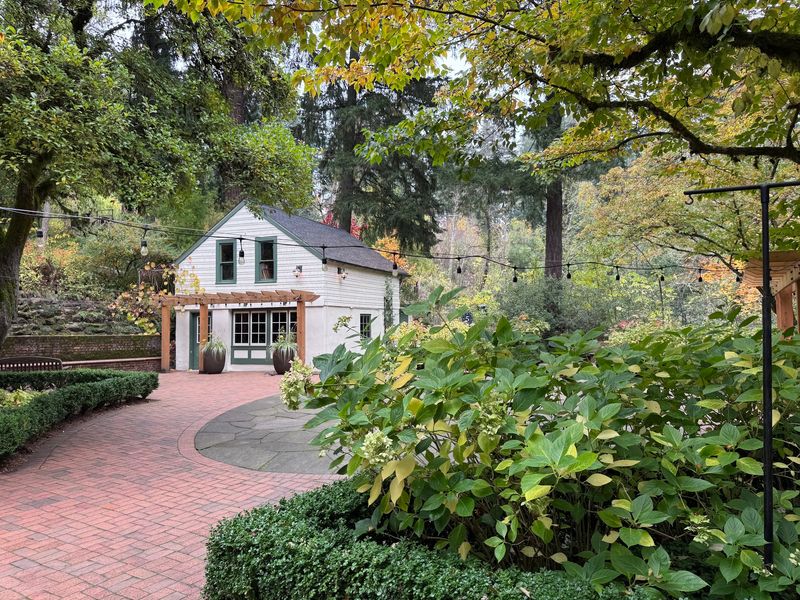
Trees usually play a supporting role next to historic homes. At the Leach manor house, one tree nearly steals the show.
A giant ginkgo stands by the house in the lower garden. Ginkgo trees of that size are rarely seen around Portland, and plenty of people stop in their tracks to look up at it.
The house itself is a big part of the Leach legacy. It reflects the couple’s lifestyle and their strong attachment to the land they tended for so many years.
A small gift shop is located on the lower level. It makes a handy stop for anyone who wants a keepsake or a little something to support the garden.
Around the house, the plantings mix native species with heritage plants. The combination gives the lower garden a lived-in, personal character that feels different from the newer upper section.
The manor is not the only building the Leaches left behind, though. A short walk away sits a smaller structure with an even more hands-on backstory.
A Cabin Built by Hand
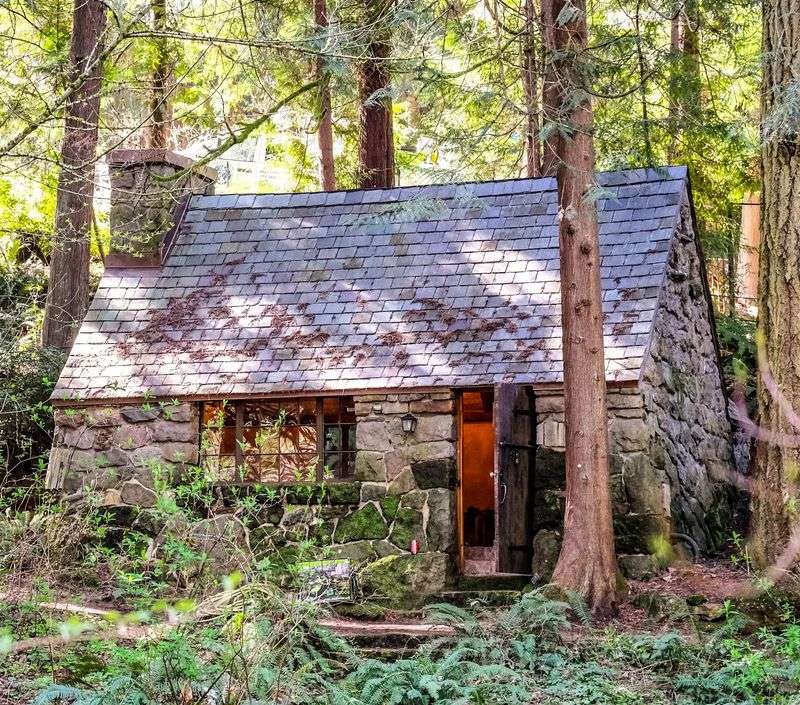
Plenty of couples dream about building a cabin together. The Leaches actually did it, stone by stone.
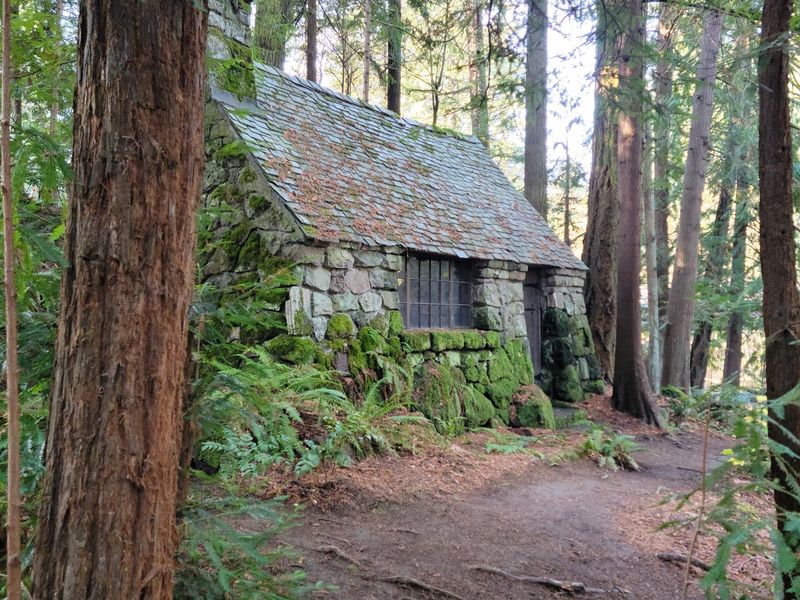
The stone cabin in the lower garden was built by the couple themselves. It stands as one of the most personal pieces of history on the property.
Inside, keep your eyes on the ground. A terrazzo floor is one of the loveliest details in the whole garden, and it is easy to miss if you hurry past.
The cabin sits near the trails that wind down toward Johnson Creek. That placement makes it a natural pause point on the way between the upper and lower areas.
Small details like this give the garden its charm. They turn a pleasant walk into a peek at how two people chose to live and create.
History lovers tend to linger here longer than they planned. Once you finally move on, the sound of running water will tell you the creek is close by.
Creekside Trails and a Brand-New Bridge
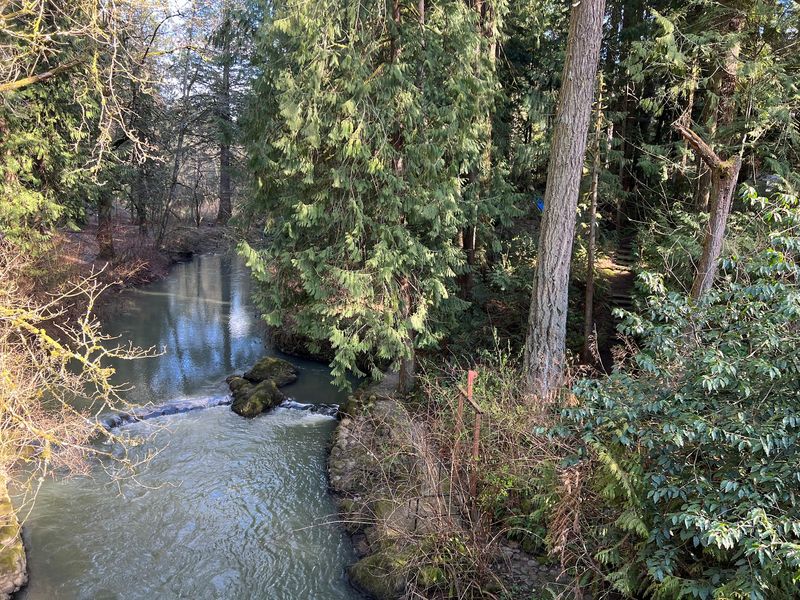
Johnson Creek is more than a backdrop here. It shapes the whole lower garden, and the trails follow its banks closely.
A short walk runs along the creek near the bottom of the property. Fans of Johnson Creek will be happy to find such an easy way to spend time beside it.
The newest addition is a footbridge that crosses the stream to the south garden. It has quickly become a favorite spot for photos and for anyone who simply enjoys a good bridge.
Trails are not especially long, but they connect in a way that lets you stretch out your walk. Hitting every path turns a short loop into a fuller outing.
Many people end up spending around two hours exploring. Others keep it brief and treat the creek trail as a calm break in a busy day.
Along the way, the plant life changes from section to section. That variety is no accident, and it reflects one of the largest collections in the city.
More Than 2,000 Species on the Grounds
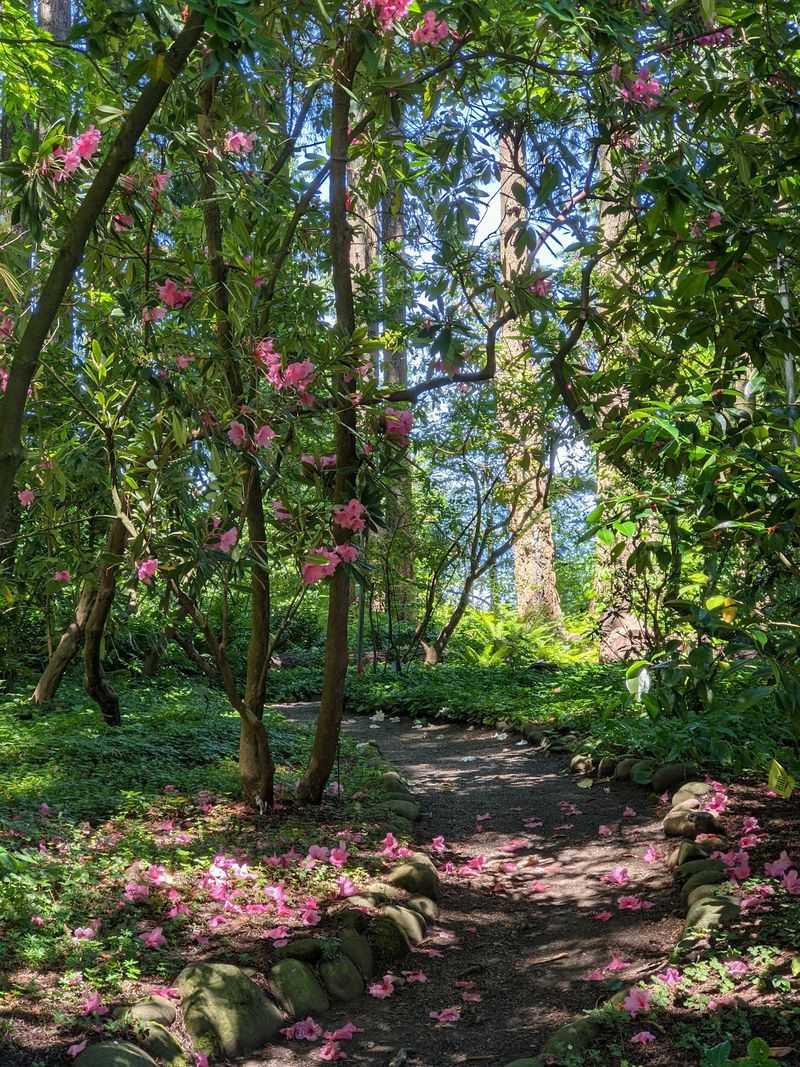
Two thousand is a big number for a garden that feels so cozy. Yet more than 2,000 plant species grow across the grounds.
The collection blends native Pacific Northwest plants with heritage varieties. That mix gives the garden a wild, forest-like feel in some spots and a cultivated look in others.
Trilliums are among the native plants that catch attention. Old growth trees also appear on the property, adding height and history to the woodland sections.
Dense evergreens shade many of the trails. The tree cover is so thick in places that the garden is sometimes described as a wild botanical forest.
The native plant collections are tended with obvious care. Staff work to keep them healthy, and the results show up in nearly every corner.
Want to take some of that native beauty home? Native plants are sold on-site, which is a practical bonus for local gardeners.
Of course, a collection this size needs helpers, and some of the hardest workers here are very small. They live in a special part of the garden built just for them.
Where Pollinators Get the Spotlight
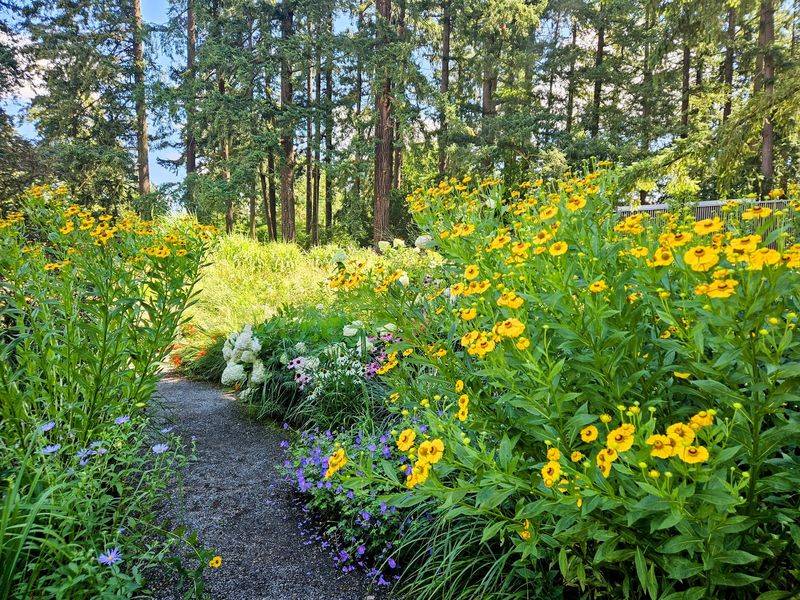
Bees and butterflies get their own dedicated space at this garden. The pollinator garden is one of the best-kept areas on the property.
It is planted with care to support the insects that keep gardens healthy. For curious kids and adults alike, it offers a simple lesson in how plants and pollinators depend on each other.
Something is usually in bloom no matter the season. That steady rotation keeps the garden interesting for repeat trips throughout the year.
A fair warning, though. The grounds lean heavily toward trees, so anyone expecting a garden packed with flower beds may find fewer blooms than hoped.
Staff encourage people to come back in different seasons. Each visit can bring a new set of plants into flower.
The pollinator garden pairs nicely with the native plant areas nearby. Together, they show how the garden balances beauty with a clear purpose.
Little visitors with big curiosity often linger in spots like this. Luckily, the garden has an entire program designed for them.
Tiny Explorers and Toddler Hikes
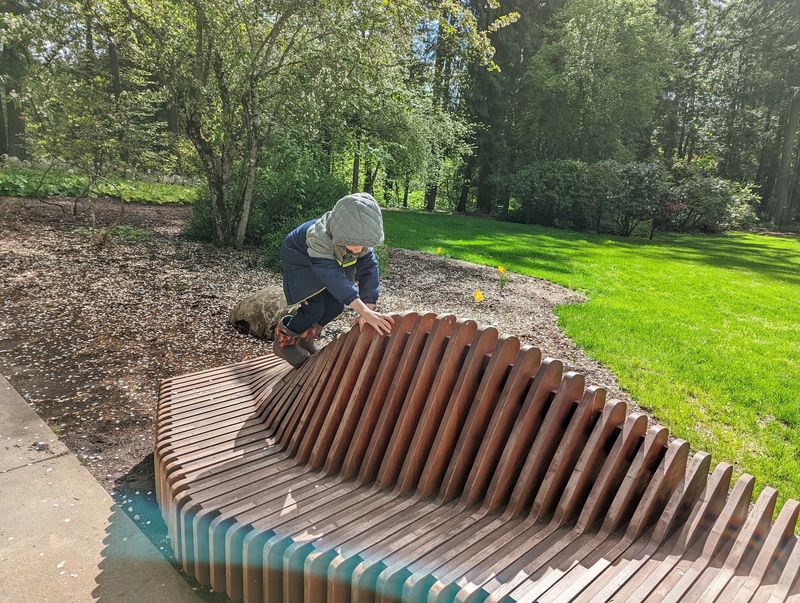
Kids with energy to burn have found their happy place. The garden has a dedicated children’s garden near the Claybourne entrance.
The Upper Garden works especially well for small children. Its short walks suit little legs, and the tree walk adds a dose of adventure.
One standout program is the toddler hike. Kids receive little backpacks filled with exploration tools to borrow during the walk.
Guides lead these hikes with friendly attitudes and plenty of patience. Parents often leave impressed by how well the outings hold young attention spans.
Grandparents bring grandchildren here, too. A four-year-old can easily treat the trails like a grand expedition.
The children’s garden and the toddler hikes turn nature into something hands-on. Kids learn by touching, looking, and asking a hundred questions along the way.
After all that exploring, everyone will want a place to sit down. The garden has thought about that as well.
Benches, Quiet Corners and Slow Afternoons
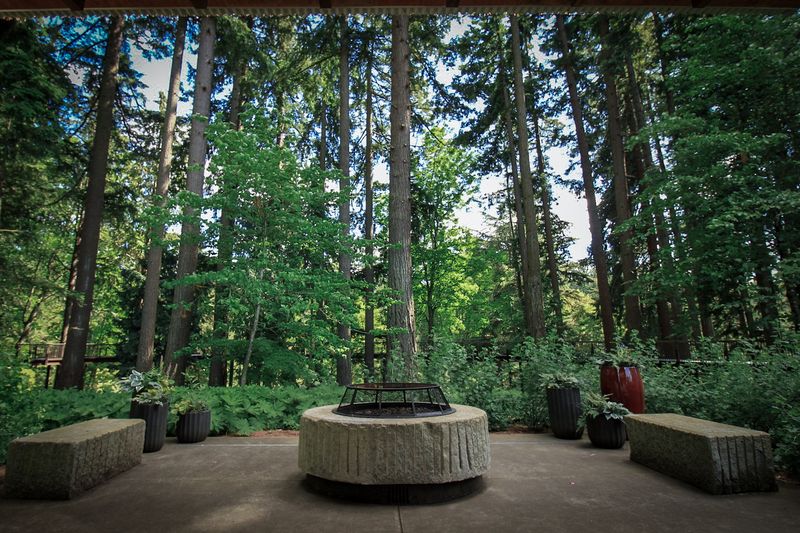
Peace and quiet are the garden’s calling cards. Even on a sunny Saturday, the grounds stay calm.
Benches and chairs are scattered throughout the property. Many sit in shaded spots, which makes them popular places to rest and watch nature go by.
The atmosphere suits a slow day. Reading a book, enjoying a picnic, or simply sitting for a while all feel right at home here.
The garden appeals to a wide mix of people. Families, friend groups, nature lovers, and solo walkers all find their own rhythm on the trails.
It also holds a special place in many personal stories. Weddings have taken place here, including one celebrated more than two decades ago.
Some people even end up here by happy accident. When parking fills up at nearby Crystal Springs, this garden makes a fine plan B that often becomes plan A next time.
Before you settle in, though, it helps to know what the terrain asks of your feet. Some paths are easier than others.
Stairs, Slopes and Accessibility Notes
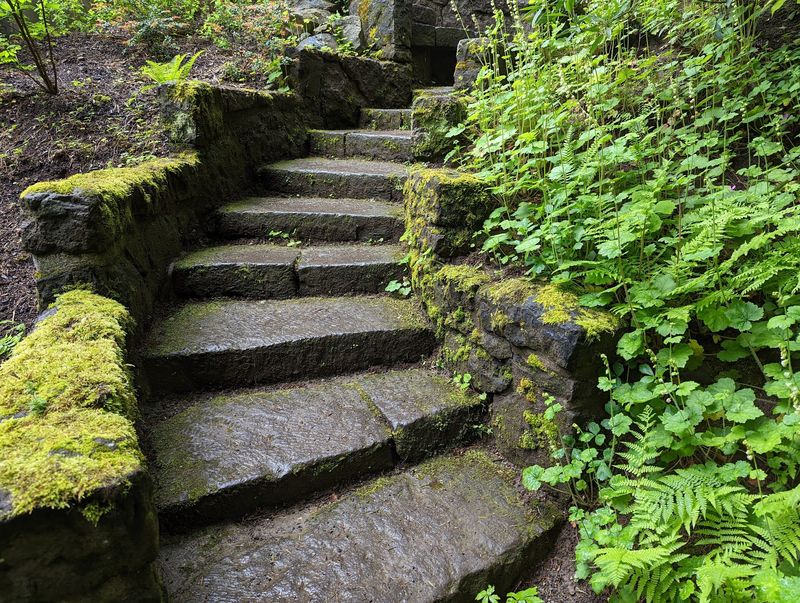
Good shoes are a smart choice for this garden. The trails head up and down hills, and several sections use stone steps.
Some areas have lots of stairs and no ramps. That means strollers and wheelchairs will have trouble reaching parts of the lower garden.
People with mobility issues should plan carefully. The flatter areas are pleasant, but certain trails require more effort.
There is good news, too. The Aerial Tree Walk in the Upper Garden is fully accessible, so the signature canopy view does not depend on climbing stairs.
The garden staff welcome feedback on accessibility. They have shared that they are working to improve the experience for everyone.
Paths are generally easy to follow. Even with the hills, getting lost is not much of a concern.
Planning ahead makes a big difference. Speaking of planning, the garden keeps a schedule that is worth checking before you head out.
Hours, Admission and the Gift Shop
Timing matters, since the garden is not open every day. Hours run from 10 AM to 4 PM on Thursday, Friday, Saturday, and Sunday.
The gates stay closed on Monday, Tuesday, and Wednesday. A quick check of the official website before heading out can save a wasted trip.
Admission costs $8, a price many people consider a strong value. Families with small kids find it especially worthwhile for a morning or afternoon outing.
Plan for about one to two hours. That is enough time to see the tree walk, the historic buildings, and the creek without rushing.
The small gift shop on the lower level is worth a peek. Native plants are also available for purchase, so local gardeners can take home a piece of the experience.
Staff are known for being friendly and helpful. They can point you toward trails, programs, and whatever is blooming that week.
An eight-dollar ticket goes a long way here. And as it turns out, every dollar matters more than ever right now.
A Portland Treasure Worth Keeping
Familiar places do not survive on charm alone. Leach Botanical Garden has faced serious funding challenges in recent years.
The city of Portland cut its funding, and rising costs hit the garden like they have hit everyone else. Staff and services have been trimmed to a bare minimum to keep things going.
That is where the community comes in. Memberships, monthly donations, and simple visits all help keep the gates open.
The garden itself has made it clear how much that support means. Community backing is the reason it can keep caring for the grounds and sharing them with the public.
For Oregonians who care about local landmarks, this is a concrete way to make a difference. An $8 ticket or a membership helps protect a place that has been shared with the city since 1980.
The tree walk, the stone cabin, the giant ginkgo, and the creekside trails all deserve another generation of fans. A short drive to outer Southeast Portland is all it takes to become one.
Some gardens are simply pretty. This one is pretty, historic, and ready for you to help write its next chapter.
Share this story