Two historic paintings incorporated into the wooden wall panels above the fireplaces are considered among the oldest surviving paintings in Tennessee. These historic painting date back to the mansion’s earliest years and are considered among the oldest surviving paintings in Tennessee.
The house around them is just as stunning. It went up between 1775 and 1780, and about 90 percent of its interior is still original. Hand-carved panels, crown molding, and chair rails still line the rooms.
I can’t imagine pulling off that kind of craftsmanship on the frontier. Most settlers back then were happy with a sturdy log cabin and a roof that didn’t leak. This family wanted glass windows, and they got them.
I like how the story keeps going once you get outside, too. There’s a family cemetery, a river out back, and a past that helped shape early government.
Meet One of Tennessee’s Oldest Surviving Frame Houses
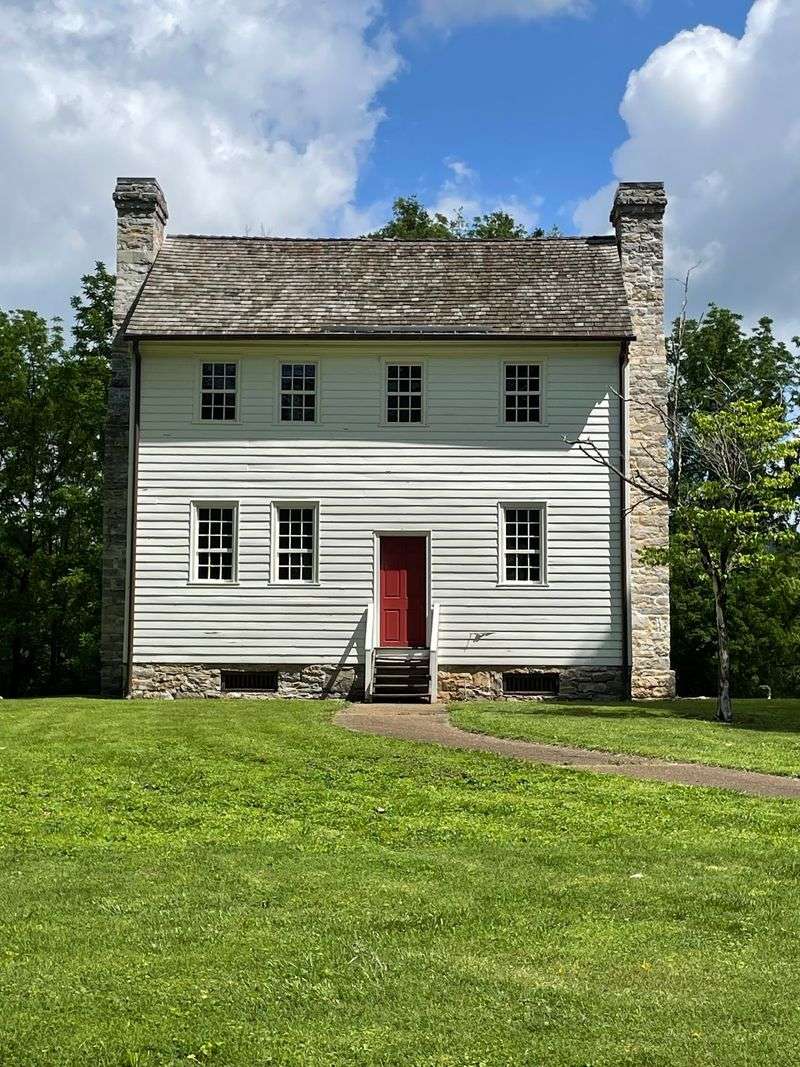
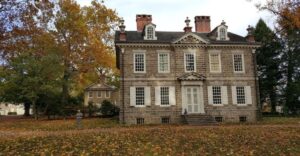
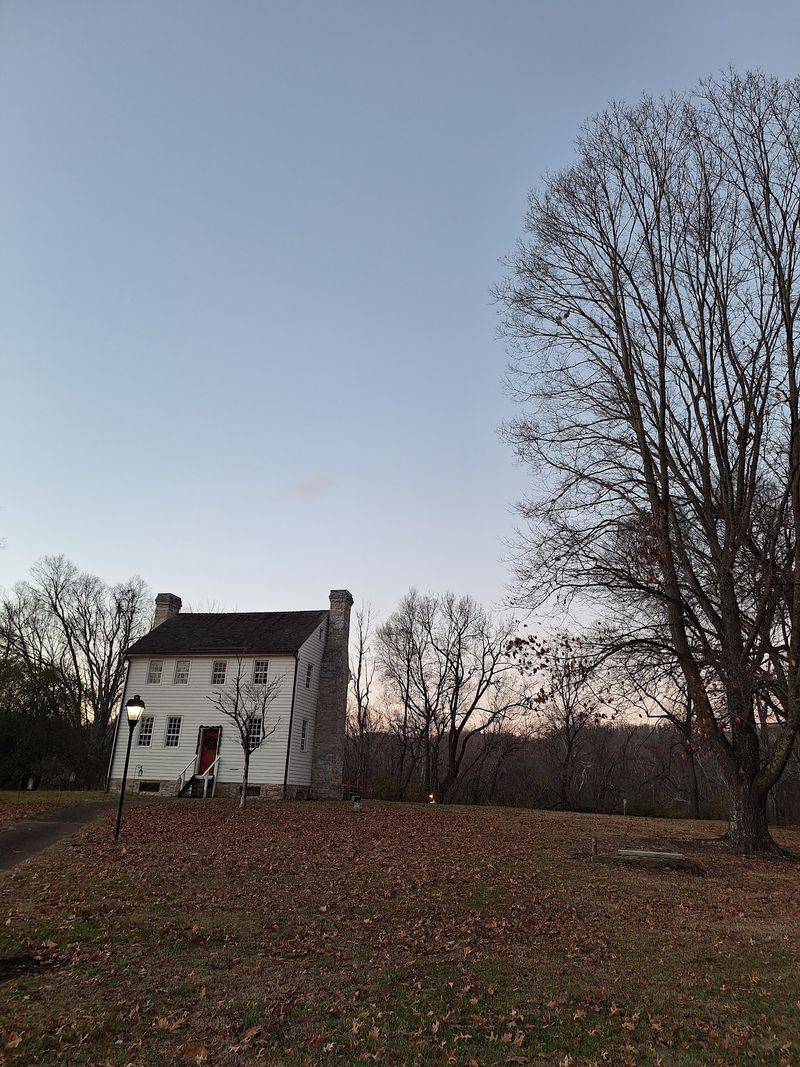
Log cabins were the normal choice on the 1770s frontier. The Carter Mansion went a fancier route with a sawn-timber frame.
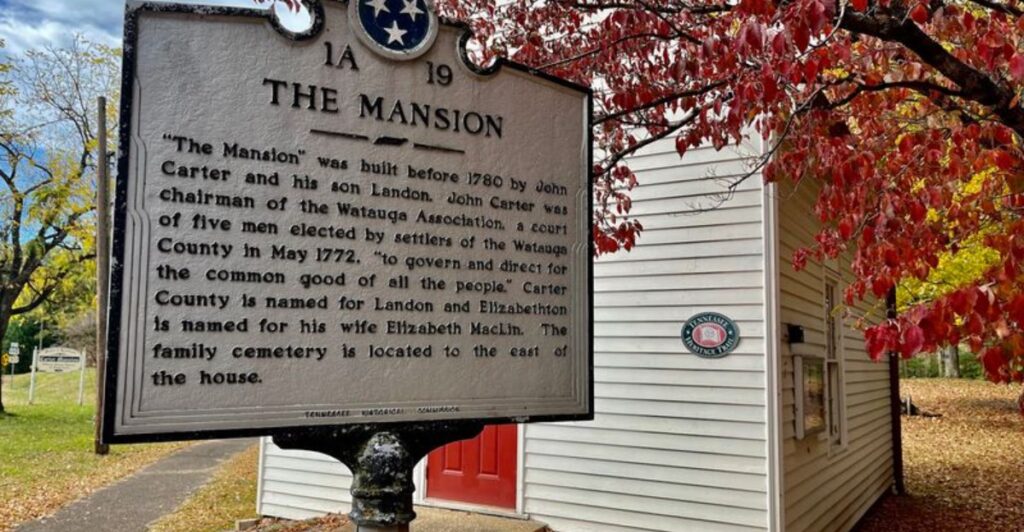
Built between 1775 and 1780 by John Carter and his son, Landon Carter, it’s considered the oldest frame house still standing in Tennessee. That’s nearly 250 years of weather, history, and change.
The house is also known as the John and Landon Carter Mansion. Today, it’s maintained and operated by Sycamore Shoals State Historic Park.
Frame construction took more skill, more tools, and more planning than stacking logs. On a remote frontier, that effort sent a clear message. The Carters were building something meant to last.
Spoiler alert, it worked. The building has stood long enough to see horses, trains, cars, and smartphones roll past.
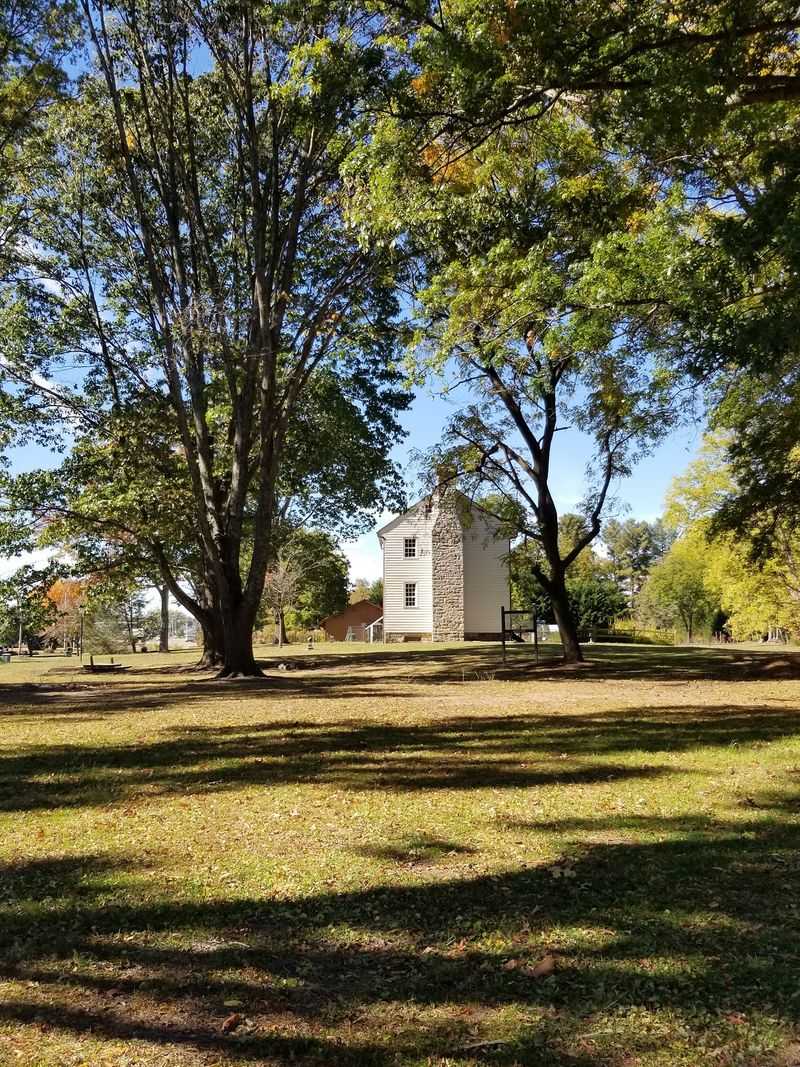
When you visit, take a moment to look at the house from the yard first. It helps to picture the house in its 18th-century frontier setting, long before the surrounding area developed into a modern town. Suddenly, those clean lines look pretty bold.
Few homes in America can claim this kind of age. Even fewer still have most of their original bones intact.
Those Glass Windows Were a Very Big Deal
Glass on the frontier was about as common as a flat-screen TV in a tent. That’s what makes the windows here so impressive.
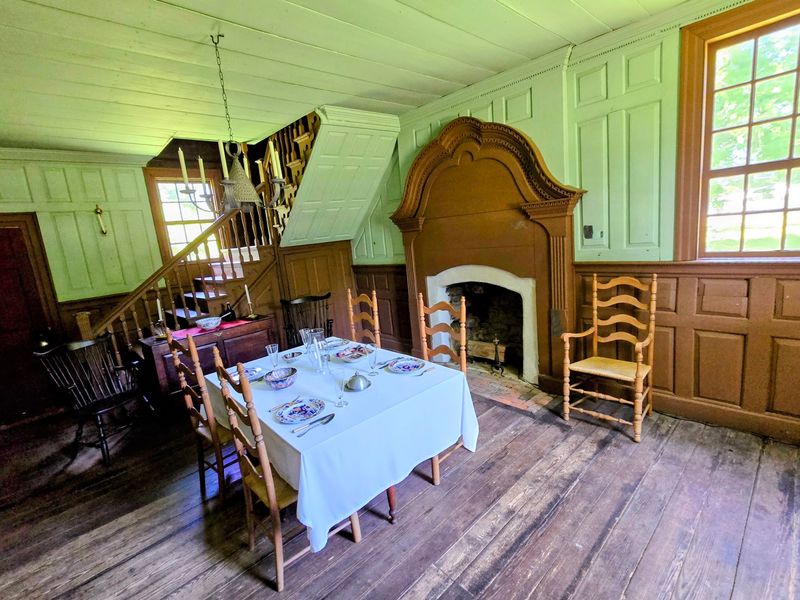
The Carter Mansion is believed to be the first house in Tennessee to have glass windows. Most frontier homes made do with wooden shutters or oiled paper. Hauling fragile glass over mountain trails took serious effort.
Think about what that meant for daily life. Windows let in sunlight while keeping out wind and rain. Rooms would have felt brighter and warmer than the cabins nearby.
It also tells you something about the Carters. They had money, connections, and big plans for this corner of the frontier. Glass windows were a quiet way of showing it.
Today, it’s easy to walk past a window without a second thought. Here, it’s worth stopping to appreciate one. Each pane represents a long and bumpy trip.
Kids especially tend to enjoy this fact. Ask them to guess how glass got across the mountains without breaking. It’s a fun way to make history feel real.
Woodwork This Fancy Belongs in a Colonial City Mansion
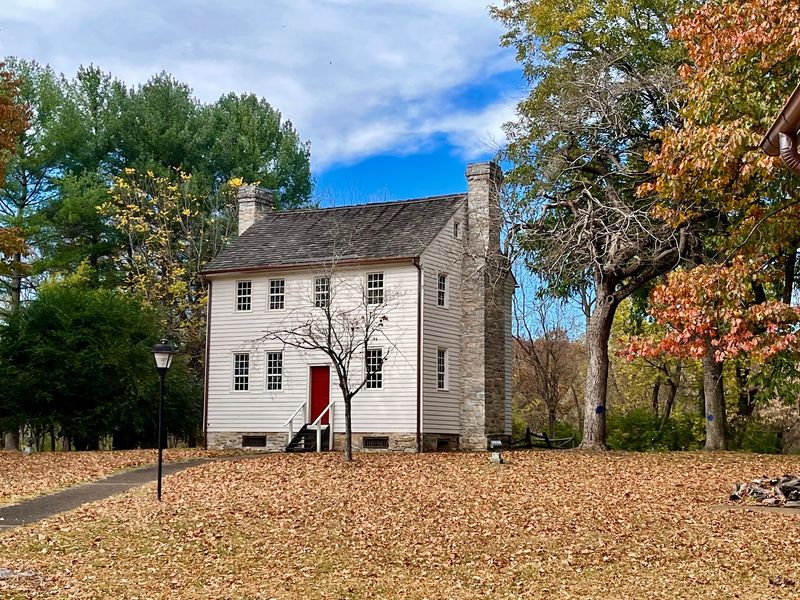
Hand-carved panels cover the walls inside. Add crown molding and chair rails, and the rooms start to look like they belong in Philadelphia.
Around 90 percent of the interior at the Carter Mansion is original. That includes many fixtures, not just the walls. You’re looking at the real thing, not a modern copy.
The wooden floors add to the effect. Under the house sits a limestone foundation, and an oak shake roof tops it off. For an 18th-century frontier home, that level of polish was exceptional.
Every carved line was shaped by hand. No power tools, no shortcuts, and no hardware store down the road. Patience was the main ingredient.
Here’s a tip for your tour. Look closely at corners and edges where the trim meets. Those small details show how much care went into the work.
It’s also fun to compare this home with log cabins you may have seen. The difference feels a bit like comparing a tuxedo to overalls. Both have their place, but one clearly dressed up for company.
Look Up to Find the Oldest Paintings in the State
Art lovers, this one’s for you. Two over-mantel paintings inside the house are considered the oldest paintings in Tennessee.
An over-mantel painting sits above a fireplace mantel. It’s built right into the wall’s design rather than hung on a nail. Think of it as the frontier version of a statement piece.
Finding original art in a home this old is rare. Paint fades, walls get redone, and owners change their tastes. Somehow, these survived it all.
Their location makes sense, too. The fireplace was the heart of any colonial room. Placing artwork there meant everyone would see it.
During a guided tour, ask your guide about them. You’ll get much more from the paintings with a little background. They’re easy to miss if you don’t know to look up.
Museums often hold art behind glass in quiet galleries. Here, the paintings still live in the exact rooms they were made for. That makes seeing them feel personal, like peeking into the family’s taste centuries ago.
A Frontier Family With Names Still on the Map
Ever wonder how a county gets its name? In this case, the answer lives inside the house.
John Carter served as chairman of the Watauga Association. That was an early democratic government formed by frontier settlers. It was one of the first attempts at self-rule west of the mountains.
His son, Landon Carter, later got a county named after him. Carter County, Tennessee, carries his name today. That’s quite a legacy for one family.
The story gets sweeter. The county seat, Elizabethton, is named for Landon’s wife, Elizabeth Maclin Carter. So the town around the mansion honors someone who once lived inside it.
Tours explain the family’s big role in early East Tennessee settlement. You’ll learn how their choices helped shape the region. It’s local history with real reach.
Next time you drive through Carter County, you’ll know exactly where the name came from. That’s a fun fact to share on any road trip. Your passengers may be impressed, or at least mildly amused.
Book a Guided Tour and Let the Rangers Do the Talking
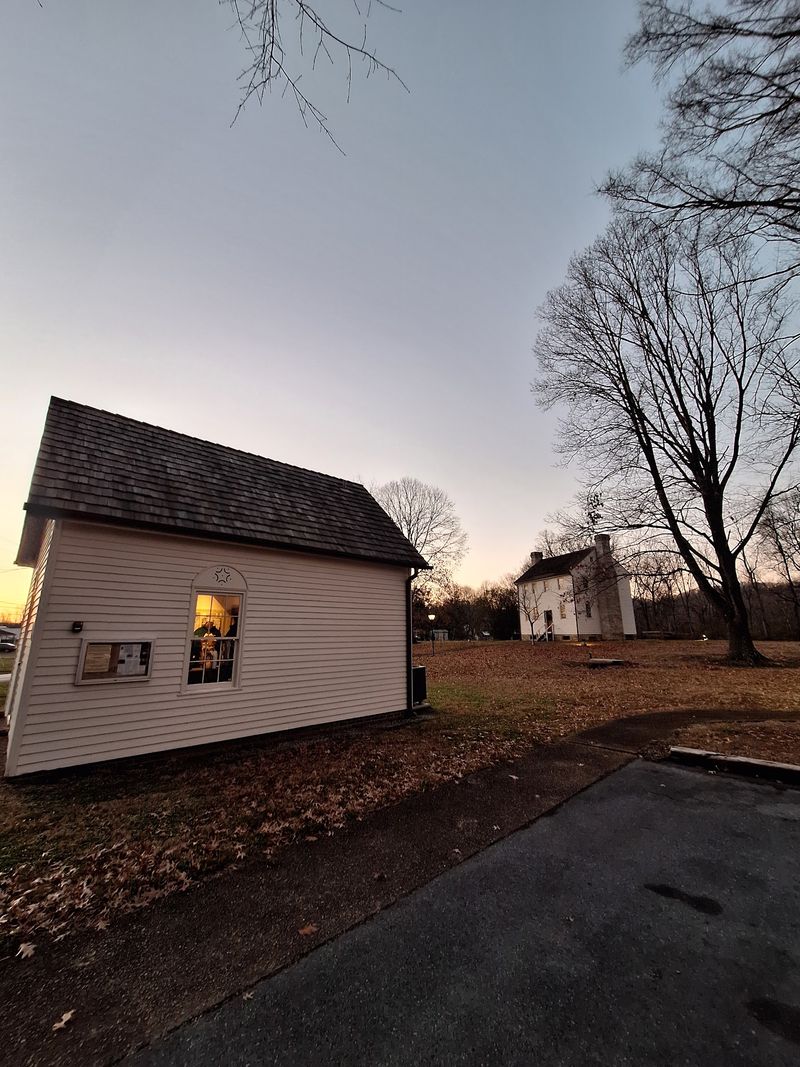
Peeking through windows only gets you so far. To see the rooms up close, you’ll want a guided tour.
Tours of the Carter Mansion are offered through Sycamore Shoals State Historic Park. Guides walk you through the elegant frontier home and share the Carter family story. It’s the best way to catch details you might miss alone.
Plan ahead before you go. Tours involve steps and an interior staircase, so keep accessibility in mind. Comfortable shoes are a smart choice.
Checking the schedule with the park first is also wise. The house isn’t always open for drop-in visits. A quick check can save you a disappointing drive.
Can’t make the trip right away? A virtual tour is available online. It’s a nice preview, or a handy option for anyone who can’t manage stairs.
Bring questions with you. Guides are there to share stories, and curious visitors often get the best ones. Ask about the paintings, the woodwork, or the family.
Christmas Here Feels Like a Trip Back in Time
Holiday decorations look different on a house built before the American Revolution ended. Somehow, they look even better.
Christmas at the Carter Mansion is a seasonal special event. It gives visitors a festive way to experience the historic home. The carved rooms make a fitting backdrop for holiday cheer.
Reservations are required for this event. Spots can be limited, so planning early is a good idea. Watch Sycamore Shoals State Historic Park announcements as the season approaches.
It makes a great family tradition. Kids get to see how the holidays might have felt long ago. Adults get a break from shopping malls and blinking inflatables.
Dress warmly if you go. East Tennessee winters can bring chilly evenings. A cozy coat makes the experience much more pleasant.
Pairing the event with other holiday outings in the area can fill a fun day. Still, this stop has a charm that’s hard to match. Few places let you celebrate inside nearly 250 years of history.
Stroll the Grounds, the Cemetery, and the River Out Back
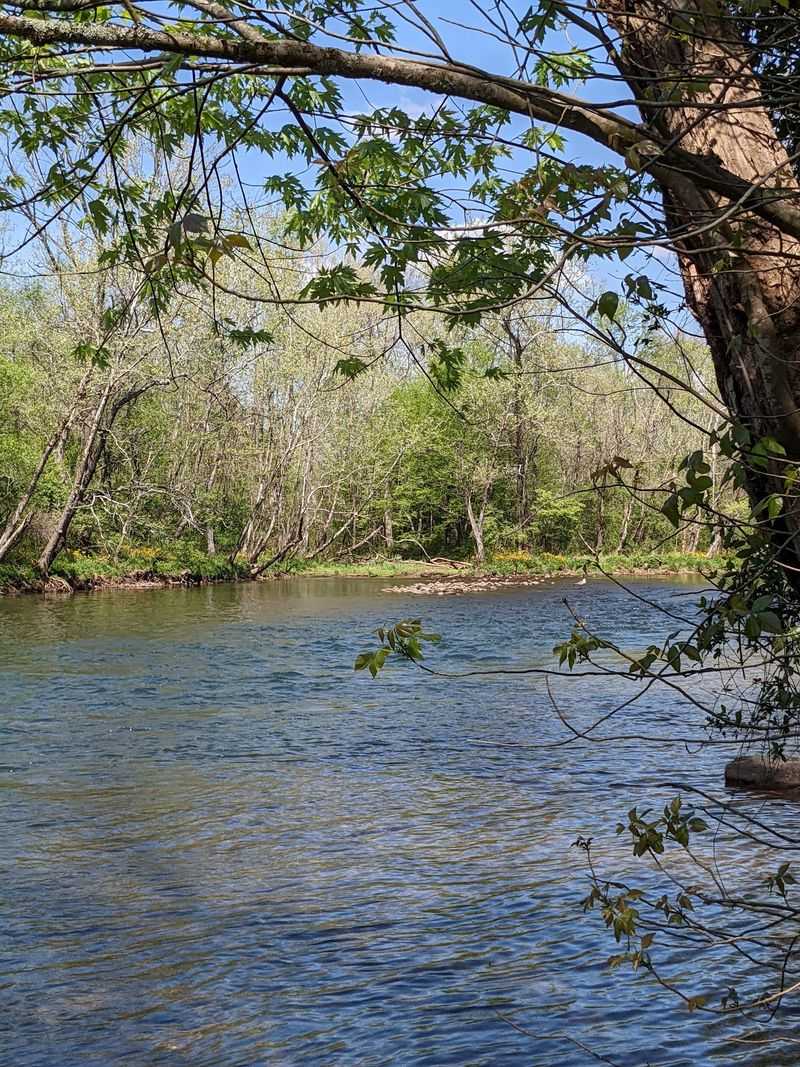
The fun doesn’t stop at the front door. The property outside has its own stories to tell.
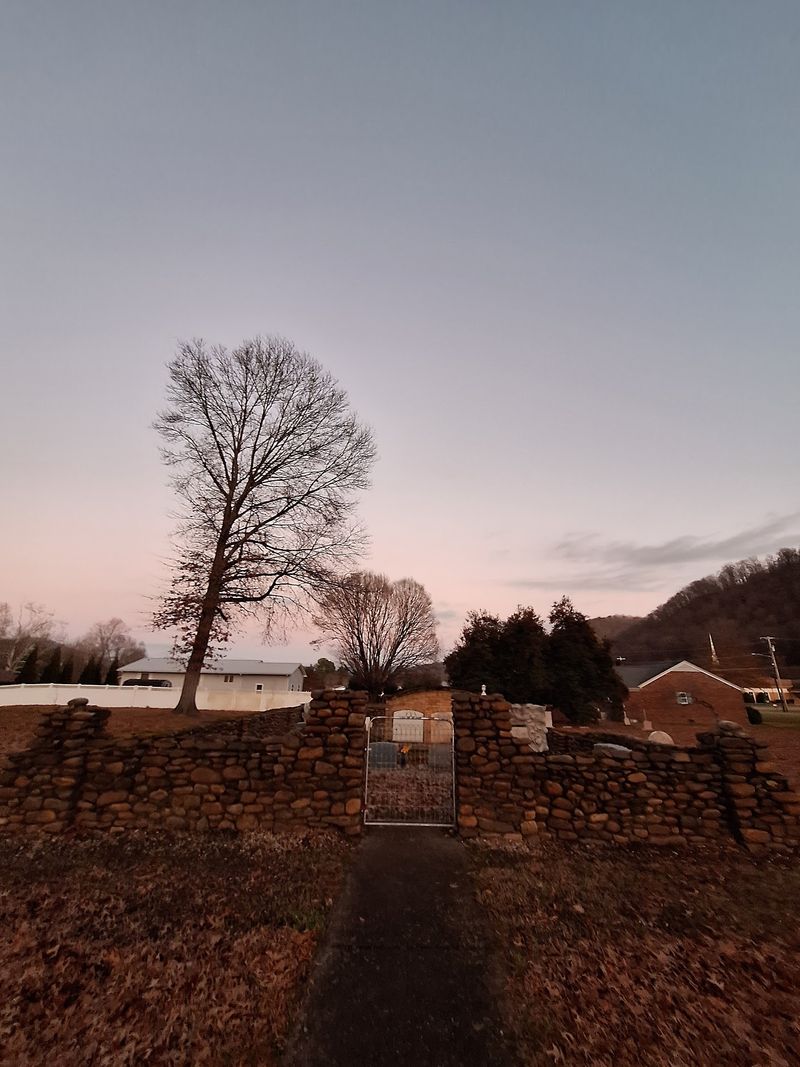
A family cemetery sits on the grounds. Its old markers connect visitors to the people who shaped early Carter County. Please walk respectfully and leave everything as you found it.
The land holds even older history. Archaeological assessments indicate the site was once home to a thriving native town. Long before the Carters arrived, people built lives right here.
The Watauga River flows nearby, too. It adds a peaceful feel to the whole visit. A slow walk toward the water is a nice way to end your stop.
Bring a camera for the grounds. The house looks lovely framed by trees and lawn. Spring and fall are especially pleasant times to wander.
Even if the house is closed, the outdoor spaces offer a meaningful visit. You can still admire the exterior and soak in the setting. It’s a calm, simple way to connect with an important chapter of Tennessee’s colonial-era history.
Make It a Full Day With Fort Watauga and Sabine Hill
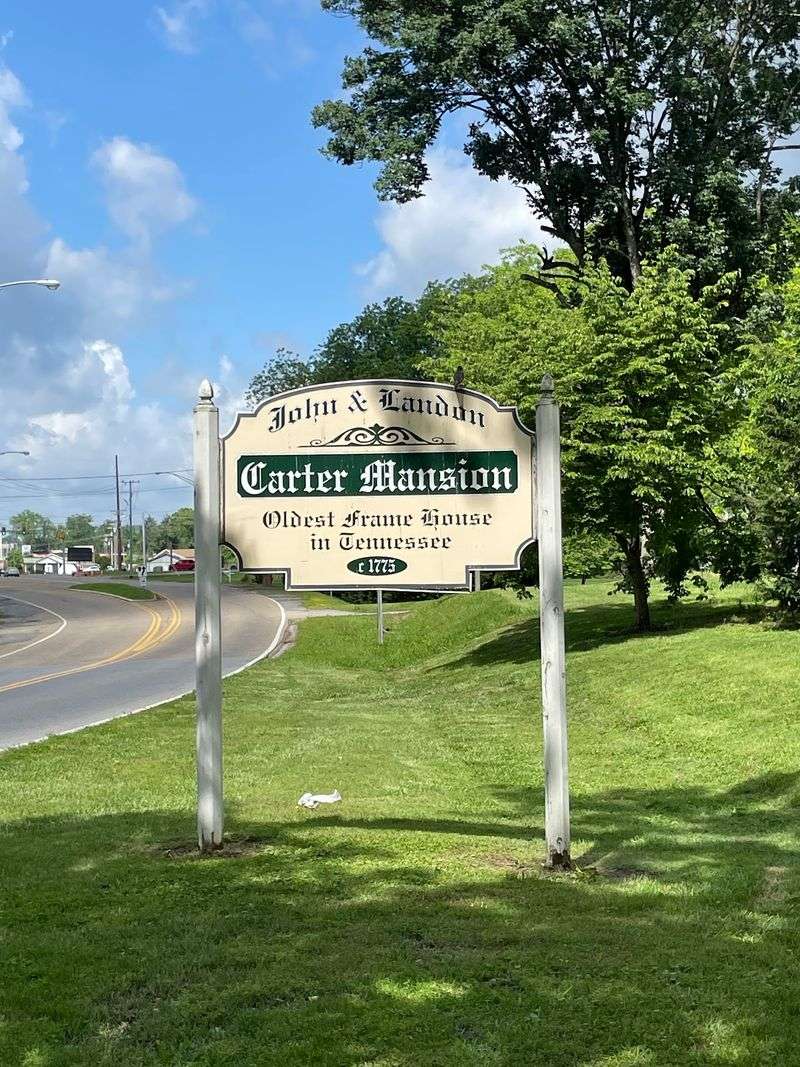
One historic stop is great. Three in the same town is even better.
You’ll find the Carter Mansion at 1031 Broad Street, Elizabethton, TN 37643. It’s part of Sycamore Shoals State Historic Park, which ties several sites together. That makes planning a history-packed day pretty easy.
Fort Watauga is one of those connected sites. It offers a look at frontier defense and early settler life. Seeing it helps the Carter story make even more sense.
Sabine Hill is another piece of the puzzle. It adds another historic home to your list. Together, these places paint a fuller picture of early East Tennessee.
Try visiting them in one trip if you can. Moving between sites feels a bit like turning pages in a living history book. Each one fills in details the others leave out.
Pack snacks, water, and a sense of curiosity. You’ll be covering a lot of ground, both on foot and through time. By sunset, you may know more Tennessee history than you expected.
Share this story