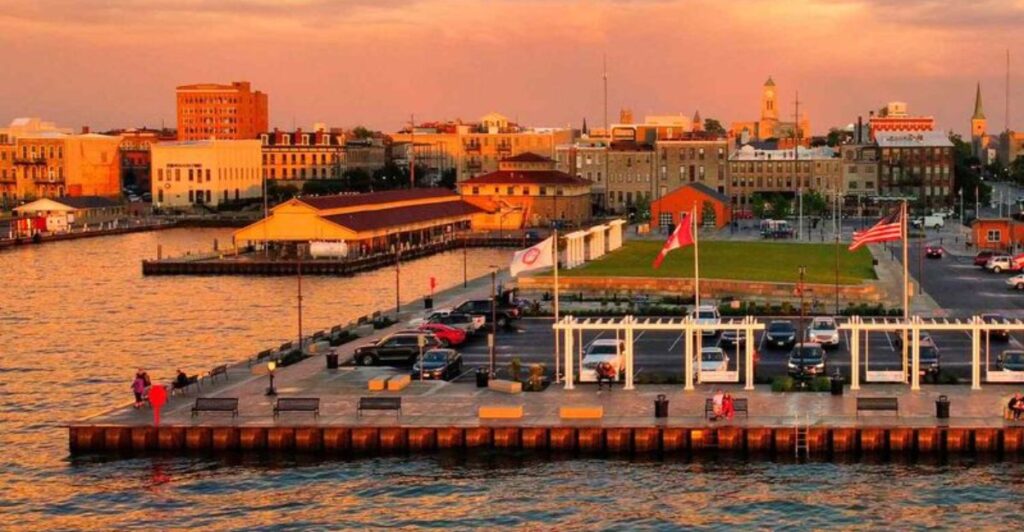
A 275-pound chunk of beach glass sits inside an old lighthouse keepers’ home on Lake Erie. It was found in October 2017, and it’s billed as the world’s largest. I love that a town most people drive past holds a record like that.
That’s the funny thing about the Ohio towns on this list. Between them, they once made half the country’s pottery, built early cars, and powered steel mills. Today, many are shrinking, and their residents are getting older.
Young adults have moved away for decades. Some counties now count more older adults than kids. Still, the museums, theaters, and quirky landmarks these places built never packed up and left.
I find that mix completely fascinating. Shrinking towns often guard the best stories, and the crowds are a little thinner. I’d happily spend a weekend wandering their old downtown streets and discovering the places that have stood the test of time.
1. Youngstown
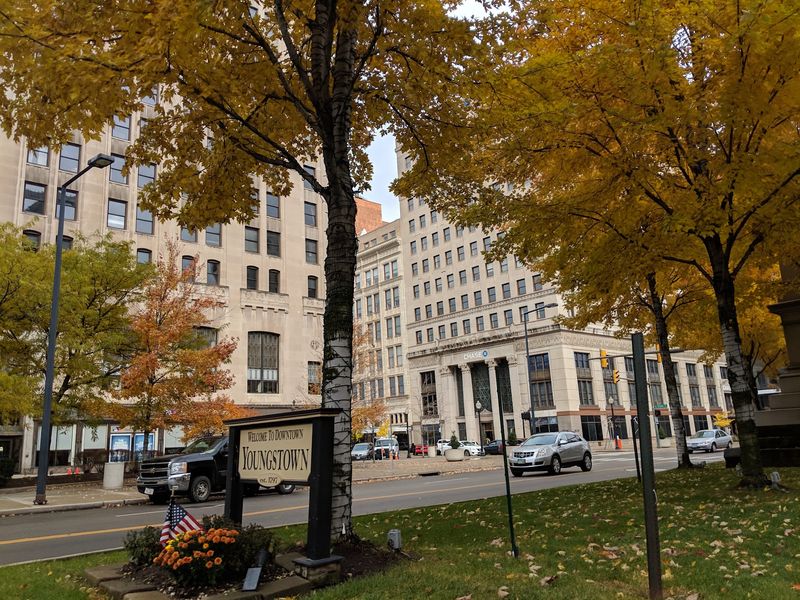
America’s first museum dedicated only to American art opened here in 1919, and admission is still free. That’s a pretty classy move for a city that has weathered some rough decades.
Youngstown once had around 170,000 residents. Today it’s closer to 59,000, a drop tied closely to the loss of its steel industry.
Mahoning County, which includes the city, reported more older adults than children back in 2017. You can feel that history in the stately buildings that once served a much bigger crowd.
The star of the cultural scene is The Butler Institute of American Art, often called America’s Museum. Its collection tops 22,000 pieces and spans four centuries of work.
You’ll find names like Winslow Homer, John Singer Sargent, Mary Cassatt, and Georgia O’Keeffe on the walls. Homer’s painting Snap the Whip shows kids playing, and fans sometimes call it America’s Mona Lisa.
The building deserves its own applause. Designed by McKim, Mead, and White in the Italian Renaissance Revival style, it sits on the National Register of Historic Places.
Want something more modern? The Beecher Center focuses on digital media, while the Butler North Gallery holds Americana and folk art, linked by a glass skywalk.
Accessibility gets real attention here too. The museum offers Aira Access, which helps blind and low-vision guests explore the galleries.
Plan a slow afternoon and let yourself wander between eras. Art from colonial portraits to digital screens makes a fine way to understand a city that keeps reinventing itself.
2. East Liverpool
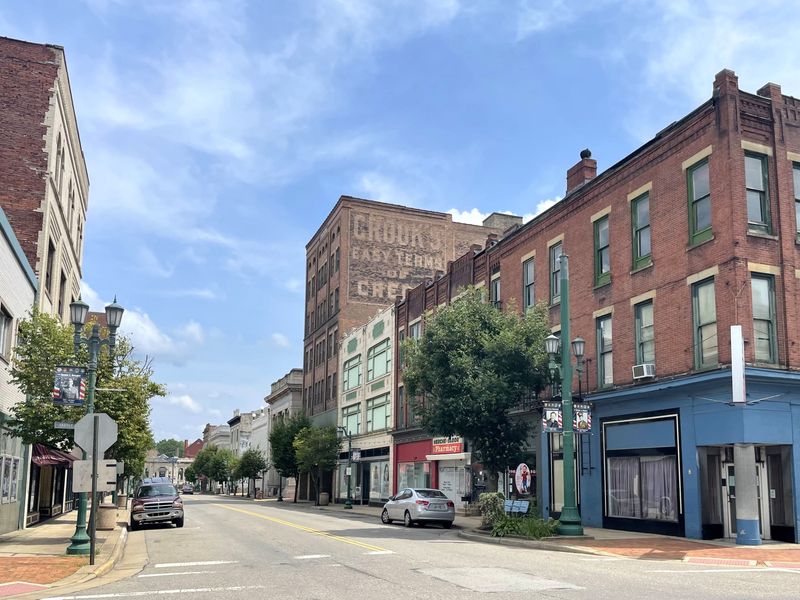
Between 1840 and 1930, one small river town produced more than half of the ceramics made in the United States. No wonder people nicknamed it America’s Crockery City.
East Liverpool has since lost nearly half of its residents. The kilns cooled, the jobs moved, and the population grew older and smaller.
Still, the town hasn’t forgotten its clay-covered glory days. The Museum of Ceramics tells that story in impressive detail.
Fittingly, the museum lives inside a 1909 U.S. Post Office building. That building now appears on the National Register of Historic Places, so you get bonus history before you even reach the exhibits.
Inside, life-size dioramas show a jigger shop, a kiln, and a decorating shop. You can see how workers shaped, fired, and painted pottery step by step.
Collectors should save time for the Lotus Ware. This delicate, detailed ceramic came out of East Liverpool in the 1890s, and it looks almost too fancy to touch.
Here’s a fun thought for your next family dinner. Somebody’s grandma in Ohio may still own a plate that started life in this town.
The museum keeps a Tuesday through Saturday schedule, so plan around that. Weekdays tend to work well for a calm, unhurried look.
Pair your visit with a stroll through the older downtown streets. Those blocks were built for a booming pottery town, and they still carry that big ambition today.
3. Ironton
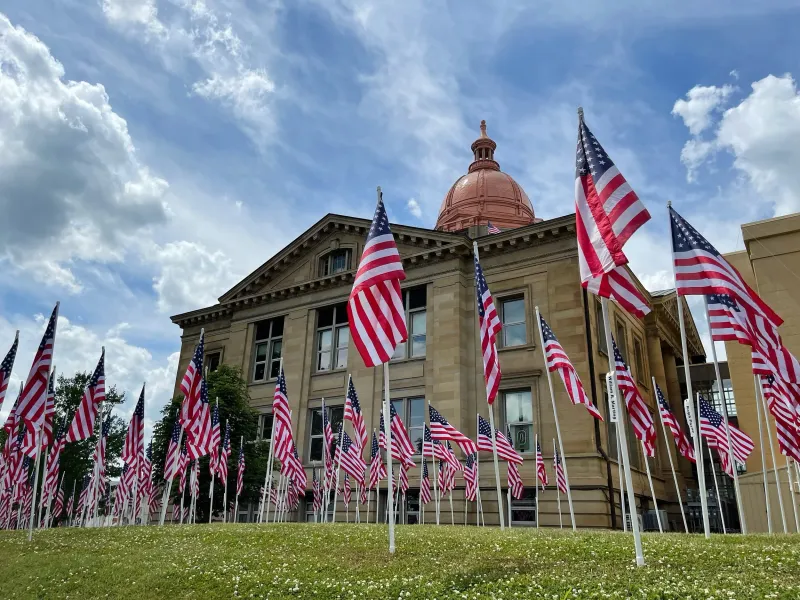
Few towns can say they’ve been throwing a Memorial Day parade since the late 1860s. Ironton can, and it’s among the oldest continuously running ones in the nation.
Founded in 1849, this Ohio River town grew up around iron production. Since 1980, its population has slipped by about 21.5 percent.
Shrinking towns often lose their old theaters first. Ironton went the other direction and fought to save its showpiece.
The Ro-Na Cultural Center, also called the Historic Ro-Na Theater, is a restored art deco movie house on the downtown main street. The community worked hard to bring it back to life.
Now it hosts performances and community events throughout the year. Live music and other scheduled shows give folks a reason to head downtown after dark.
Honestly, that’s a smart way for a small town to stay lively. A single good stage can pull neighbors together faster than any committee meeting.
The downtown area is walkable, so you can make an evening of it. Check the event calendar before you go, since shows depend on the schedule.
If you time your trip around Memorial Day, you’ll catch the famous parade too. Lining a street that’s hosted marchers for over 150 years feels like stepping into a living history book.
Ironton proves that a town can lose residents without losing its spirit. Grab a seat, wait for the lights to dim, and enjoy the show.
4. Steubenville
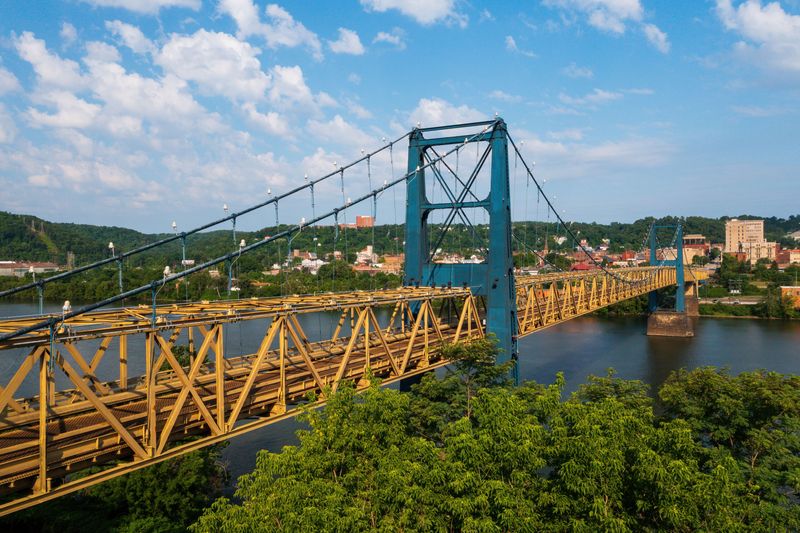
Dean Martin smiles down from a wall in his hometown, and he’s got plenty of company. Steubenville calls itself the City of Murals, with 24 giant paintings across town.
Those murals honor local and national history. One even salutes Dorothy Sloop, who inspired the song Hang On Sloopy.
The steel boom once made this place bustle. Population has fallen from around 36,000 to under 18,000, and Jefferson County reported more older adults than children in 2017.
History runs deep here, though, and not just on painted bricks. Historic Fort Steuben rebuilds life on the Ohio frontier during 1786 and 1787.
Inside the picket walls, ten buildings share the stories of soldiers, surveyors, and settlers. Those folks helped open the American West, one survey line at a time.
Right next door stands the First Federal Land Office. This log building handled land deeds between 1800 and 1835, which is basically the paperwork that built a region.
The fort offers tours and events throughout the year. It usually opens Monday through Saturday from 10 am to 4 pm, plus Sunday afternoons.
Make a day of it by pairing the fort with a mural hunt. Kids love spotting the faces, and you’ll pick up history lessons without noticing.
A town that paints its own story on its walls clearly cares about remembering. Bring comfortable shoes and a camera, because those murals are big.
5. Ashtabula
Somebody found a 275-pound piece of beach glass in October 2017. It’s now called the world’s largest, and you can see it in Ashtabula.
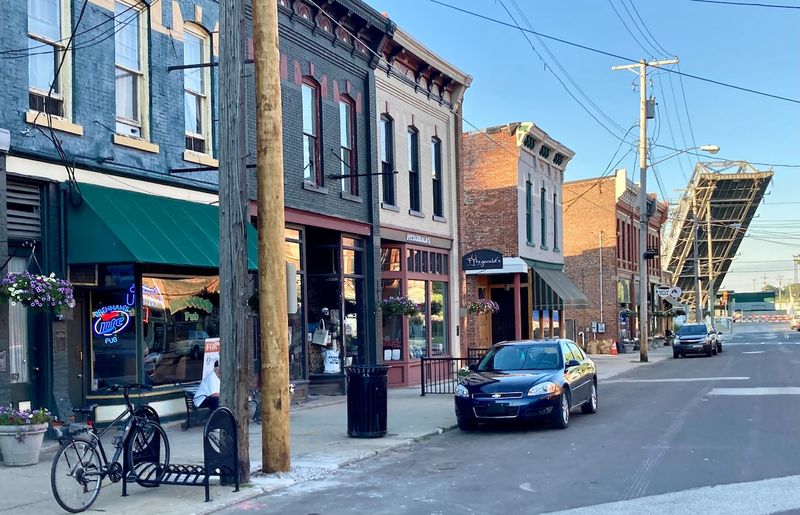
This Lake Erie city has lost about 14 percent of its people since 1980. The county is also projected to be one of Ohio’s hardest hit by 2050.
Yet the harbor still hums with stories. The Ashtabula Maritime and Surface Transportation Museum tells them from a front-row seat.
The museum sits in a building constructed in 1871. It once housed Ashtabula Lighthouse keepers and the Coast Guard chief.
From the grounds, you can see a working commercial coal dock. You’ll also spot the Ashtabula Lighthouse, an active light since 1836 that was last manned until 1973.
Railroad fans get plenty to enjoy here, too. Exhibits cover surface transportation and include a Hulett model plus Great Lakes artifacts.
Do you know what a Hulett is? These massive machines unloaded ore from ships, and the museum holds the last remaining Ashtabula Hulett bucket.
Timing matters for this stop. The museum opens from June through September, and days and hours shift by month.
Summer on the lake makes the trip extra pleasant. Watch the boats, admire that giant glass, and enjoy a town that still looks proudly toward the water.
6. Sandusky
Postage stamps launched a museum here, believe it or not. In 1988, the U.S. Postal Service released carousel stamps, and that idea sparked something special.
The Merry-Go-Round Museum opened in 1990 inside Sandusky’s former post office. It’s one of only two known round-front post offices in the country.
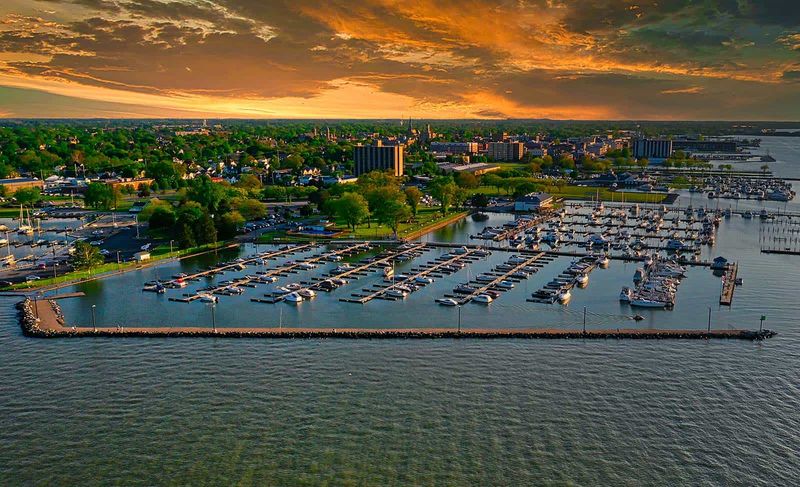
Sandusky sits beside a famous amusement park, so you’d expect a youthful crowd. Instead, the city faces a declining and aging population, which is a real head-scratcher.
Thankfully, the fun hasn’t moved out. At this museum, you can ride a vintage 1939 Allan Herschell carousel.
Listen for the classic band organ music while you go around. It sounds like a summer fair from your great-grandparents’ day.
More than 200 carousel figures fill the exhibits. They date from 1865 to 1935 and show off many different carving styles.
You can often catch woodcarvers at work, too. Watching a horse take shape from a block of wood is oddly mesmerizing.
The museum is accessible and opens from February through December. Hours change with the seasons, so check before you head out.
Grown-ups shouldn’t feel silly hopping on the carousel. Honestly, a town full of older residents seems like the perfect place to prove fun has no age limit.
7. Marion
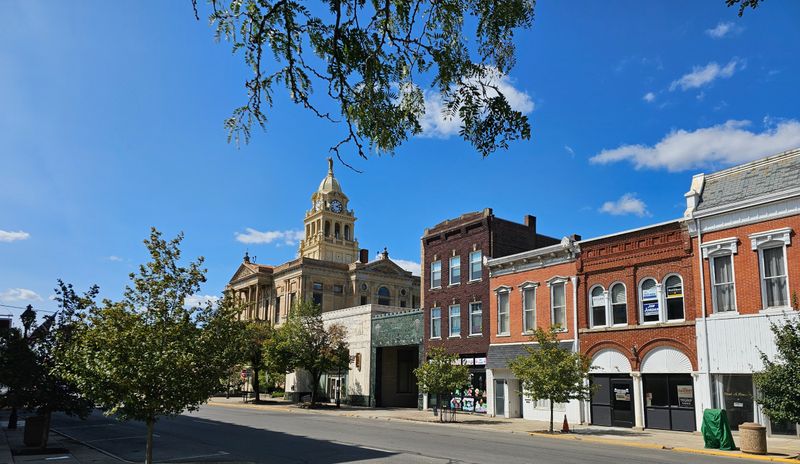
Popcorn and presidents make an odd pair, but Marion has both. The city proudly calls itself the popcorn capital of the world.
Behind the snack-time nickname is a tougher story. Marion has lost population for decades as its manufacturing base slowly faded.
Marion County is also projected to lose residents by 2050. Even so, the town holds onto one very famous front porch.
Warren G. Harding, the 29th President, lived here with Florence Harding from 1891 to 1921. In 1920, he ran his Front Porch Campaign right from that house.
Instead of touring the country, Harding let crowds come to him. Pretty clever, especially before airplanes made campaign trips easy.
The Harding Home Presidential Sites include the restored home and a newer Presidential Library and Museum. Most furnishings inside the house are original.
The museum covers the lives and legacies of both the president and first lady. Exhibits and artifacts help you picture politics in the early 1900s.
About 1.5 miles away, the Harding Memorial marks the couple’s final resting place. It’s a peaceful, impressive stop to add to your visit.
From March through November, the sites open Thursday through Saturday from 9 am to 5 pm, plus Sunday afternoons. Bring a bag of popcorn for the drive, since you’re in the right town for it.
8. Tiffin
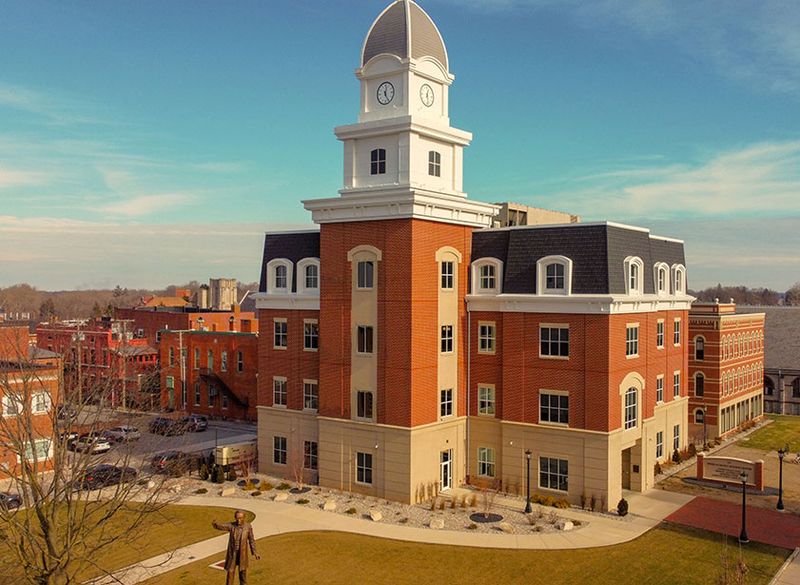
Nearly a century of sparkling stemware came out of one factory in this college town. The Tiffin Glass factory ran from 1889 until it closed in 1984.
Tiffin is home to two universities, which might make you think it’s booming. Even so, the town has seen its population decline.
The glass legacy, though, still shines bright. The Tiffin Glass Museum and Shoppe keeps those stories and pieces safe.
Inside, the museum teaches visitors about glassware made by artisans at the old factory. Memorabilia and historical documents fill in the details.
Love shopping as much as history? The attached Shoppe sells Tiffin Glassware alongside pieces from US Glass, Duncan and Miller, and Mosser.
You’ll spot stemware, tableware, and decorative items made between 1889 and 1980. Some pieces might look just like the ones in your grandma’s china cabinet.
Volunteers staff the museum, which says a lot about local pride. People here clearly want this craft remembered.
Hours run Wednesday through Saturday from 12 pm to 4 pm. You can also set up appointments for extra hours or tours.
A quick tip for collectors: bring careful packing materials in your car. Glass that survived this long deserves a safe ride home, and you might not leave empty-handed.
9. Massillon
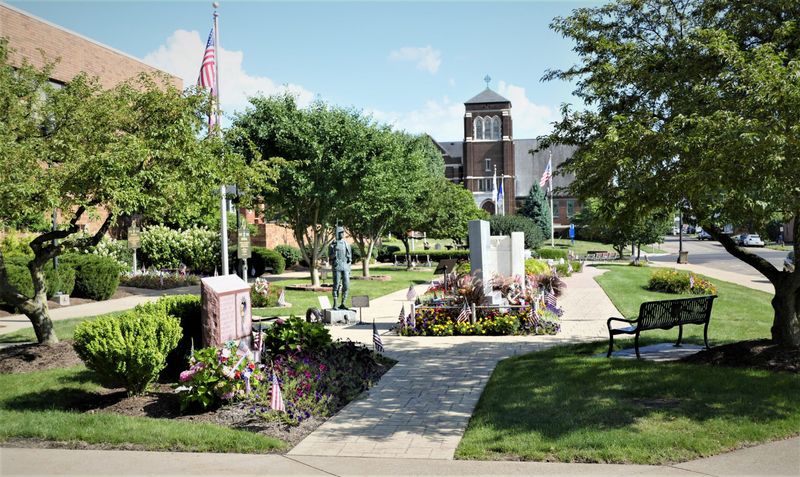
Circus memorabilia, vintage appliances, and a legendary football coach all share one roof here. That’s the kind of mix that keeps a museum visit interesting.
Massillon sits in Stark County, which faces projected population decline. Some areas of the county have already seen drops of around 15 percent.
Football runs deep in this town’s blood. The Massillon Tigers carry a long and proud history.
The Massillon Museum tells that story and plenty more. It’s a free art and history museum accredited by the American Alliance of Museums.
Its home is a 1931 art deco building downtown. Inside are more than 100,000 items, mostly donated by the community.
Collections cover photography, costumes and textiles, china, glass, pottery, and domestic appliances. Then there’s the circus memorabilia, which adds a dash of whimsy.
Sports fans should head for the Paul Brown Museum, a permanent exhibit about the famous coach. Original memorabilia, photos, and interactive videos document Massillon Tigers football history.
The museum also has a ceramics studio, an outdoor garden, and a Sensory Room. That room supports visitors with sensory challenges, which is a thoughtful touch.
Doors open Tuesday through Saturday from 9:30 am to 5 pm, plus Sunday afternoons. Since it’s free, you can pop in twice and nobody will judge.
10. Middletown
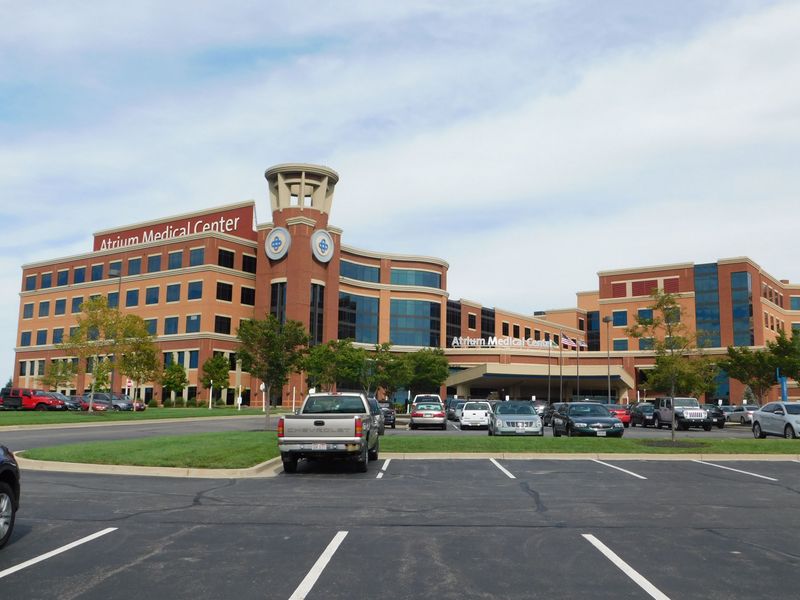
Old movie projectors still sit upstairs in a building first built for opera. That detail alone makes the Sorg Opera House worth a look.
Middletown lies in Butler County, roughly midway between Cincinnati and Dayton. It gained national attention as a Hillbilly Elegy town, and it has seen population loss.
Many towns like this in Ohio struggle to keep their downtowns lively. Middletown leans on a grand old stage to help.
The Sorg Opera House opened in 1891. Architect Samuel Hannaford designed it, and his work shows up across the region.
Look up when you arrive. Romanesque Revival style gives the building intricate stonework and stately towers.
Those details reflect Middletown’s Gilded Age, a time of innovation and elegance. Back then, fancy architecture was a way for a town to show it had arrived.
In the 1940s, the opera house became a cinema. Now it’s going through a major revitalization effort.
Today it hosts weekly performances across different genres, along with other events. It acts as a central spot for the city’s cultural life.
Catch a show and peek at the history above your head. A building that has switched from opera to movies to modern performances knows a thing or two about reinvention.
11. Canton
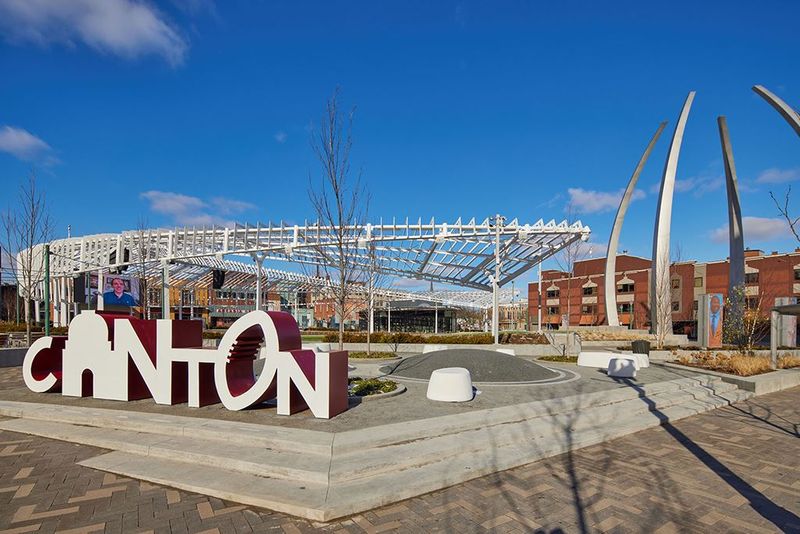
Football legends get bronze treatment in this city, and fans travel from far away to see them. Canton is home to the Pro Football Hall of Fame.
Behind the glitz, the city has faced population decline in recent years. It shares that challenge with many older industrial towns nearby.
Still, game day energy never seems to leave. The Hall honors players, coaches, and contributors who shaped the NFL.
You’ll find more than 83,000 square feet of interactive exhibits. They trace the story of pro football and celebrate courage, skill, and dedication.
One highlight is the Lamar Hunt Super Bowl Gallery. Its Super Bowl Theater rotates and uses a wide screen with surround sound.
That theater brings big moments from the season to life. Even casual fans may find themselves cheering in the dark.
Need a souvenir? A 4,000-square-foot store carries official NFL and Hall of Fame merchandise.
The Hall opens daily, usually from 9 am to 5 pm, with longer hours in summer. It’s wheelchair accessible and offers sensory-friendly options too.
Wear your team colors, but stay polite about rivals. Football fans of different ages share this space, and the Hall is big enough for friendly debates.
12. Warren
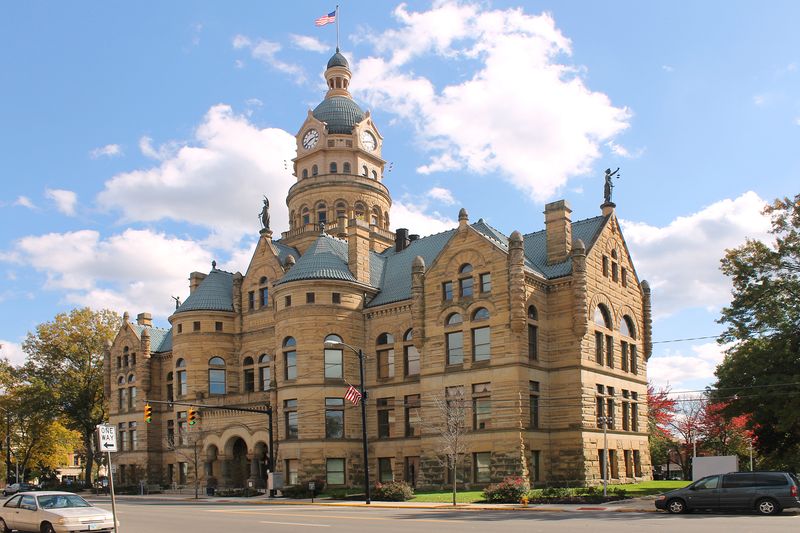
The first Packard automobile rolled out of Warren in 1899. Brothers James Ward Packard and William Doud Packard built it right here.
Packard went on to put a steering wheel in place of a tiller, a first for an American car company. It was also among the first to offer air-conditioning and sun visors in production cars.
So the next time you flip down your visor, thank Warren. Not bad for a town most people only know from a map.
Warren’s population has dropped nearly 40 percent since its 1970 peak. Trumbull County also reported more older adults than children in 2017.
The National Packard Museum keeps the town’s car history shining. Its 23,000-square-foot complex sits next to the W.D. Packard Music Hall in the historic district.
Original and restored Packard cars rotate through the displays. That means a return trip might show you something new.
Documents, photographs, and artifacts tell the story of the Packard family. Exhibits also cover the Packard Electric Company, another big chapter in local history.
Hours run Tuesday through Saturday from 12 pm to 5 pm, plus Sunday afternoons. The museum closes Mondays and major holidays.
Car lovers will want extra time near the chrome. Even if you can’t tell a carburetor from a cupcake, the elegant designs speak for themselves.
Share this story