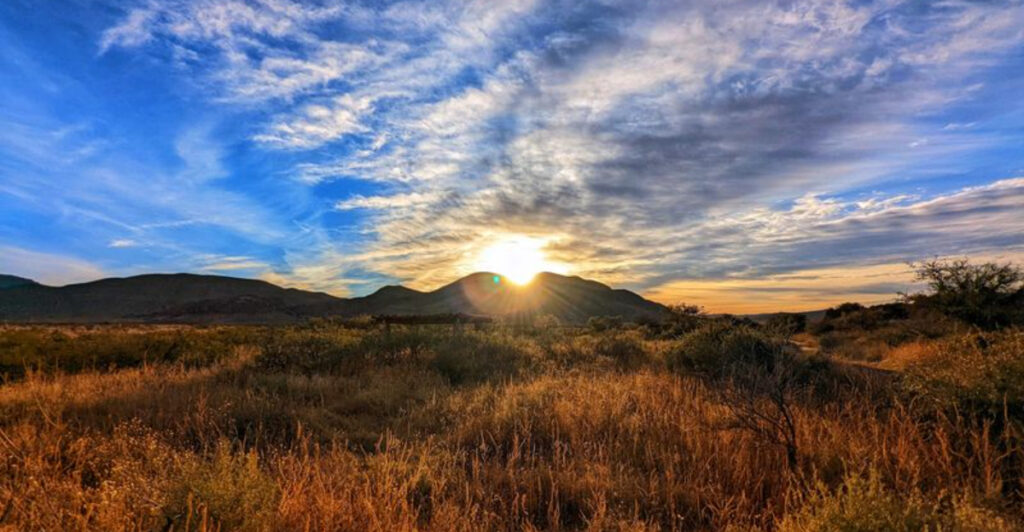
Texas is famous for its BBQ, rodeos, and wide-open spaces, but beneath the surface lies a collection of natural wonders that most visitors never see. Scattered across the state are jaw-dropping swimming holes, mysterious caves, and ancient rock art sites that rival anything you’d find in a national park. These hidden treasures offer adventure, beauty, and a chance to experience a side of Texas that feels worlds away from the busy highways and crowded tourist spots.
Whether you’re a local looking for your next weekend escape or a traveler seeking something truly unique, these eight spots will show you a Texas you never knew existed.
1. Jacob’s Well Natural Area (Wimberley)
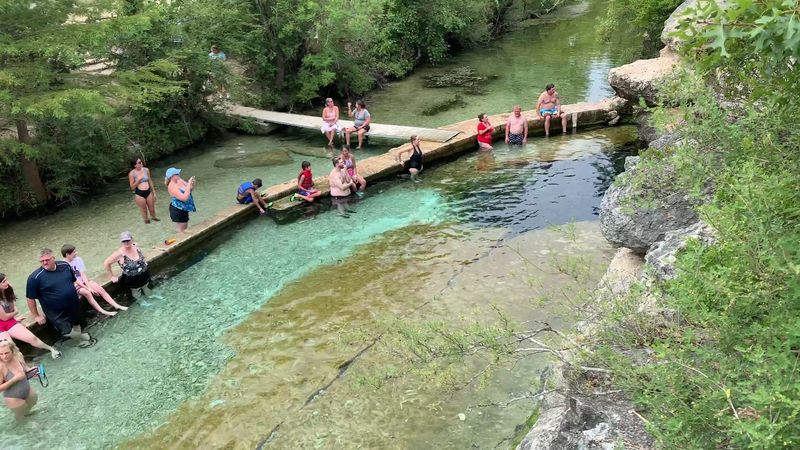
Picture a swimming hole so clear you can see straight down into an underwater cave that drops more than 100 feet below the surface. Jacob’s Well is an artesian spring that pumps out thousands of gallons of water every single minute, creating a pool that stays a refreshing 68 degrees year-round. The opening itself is only about 12 feet wide, but what lies beneath has drawn divers from around the world.
Getting a reservation here takes some planning since the natural area limits daily visitors to protect the fragile ecosystem. You’ll need to book online weeks in advance, especially during summer months when everyone wants to cool off. Once you’re there, the experience is worth every bit of effort—the water is so transparent it almost doesn’t look real.
Swimming is allowed in designated areas, but diving into the cave system requires special certification and permits. The underwater cavern has claimed several lives over the years, earning it a reputation as one of the most dangerous dive sites in Texas. For most visitors, though, floating in the pristine water and watching fish dart around limestone ledges provides plenty of thrills.
The surrounding natural area offers hiking trails through Hill Country terrain dotted with cypress trees and wildflowers. Bring water shoes since the rocks can be slippery, and pack out everything you bring in—this place stays beautiful because visitors respect it. On a hot Texas day, there’s hardly anything better than plunging into water this cold and clear.
Families love this spot, though young kids need close supervision near the deeper sections. The combination of natural beauty, geological wonder, and refreshing water makes Jacob’s Well a true Texas treasure that photographs could never quite capture.
2. Caverns of Sonora (Sonora)
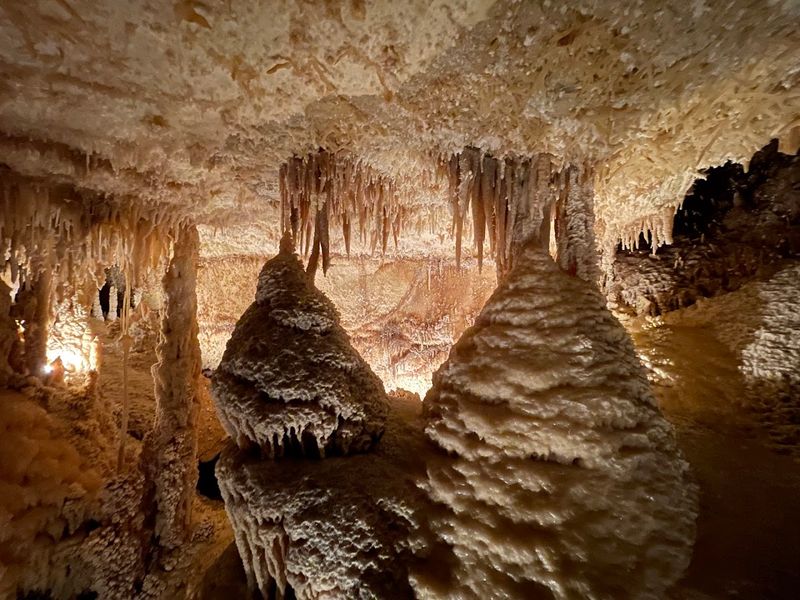
Most caves are impressive, but the Caverns of Sonora belong in a completely different category. Scientists and cave explorers have called this underground wonder one of the most beautiful cave systems in the entire world, and once you see the delicate crystal formations, you’ll understand why. The helictites here—fragile mineral structures that seem to defy gravity—are so rare and abundant that geologists travel from across the globe just to study them.
Located in West Texas ranch country, the caverns stay a constant 70 degrees inside, making them a perfect escape from scorching summer heat. The guided tour takes about two hours and covers nearly two miles of walking, including some steep sections and low clearances. You’ll need to be reasonably mobile, but the payoff is seeing formations that took millions of years to create.
Unlike commercialized tourist caves, Sonora has kept things relatively natural. The lighting is designed to showcase the formations without damaging them, and guides share fascinating details about cave ecology and geology. You’ll see butterfly-shaped calcite formations, soda straws hanging from ceilings, and clusters of crystals that sparkle like frozen fireworks.
The cave maintains strict rules about touching formations since even the oils from human skin can stop their growth forever. Photography is allowed, though capturing the true magic proves challenging without professional equipment. The tour guides are genuinely passionate about the cave and happy to answer questions about everything from bat populations to how limestone caves form.
Reservations are recommended, especially on weekends and holidays when tour groups fill up quickly. The drive to get here takes you through classic West Texas landscape—rolling hills, sparse vegetation, and big sky. Combining the caverns with a visit to nearby Sonora makes for an excellent day trip that shows off a completely different side of Texas geology.
3. Krause Springs (Spicewood)
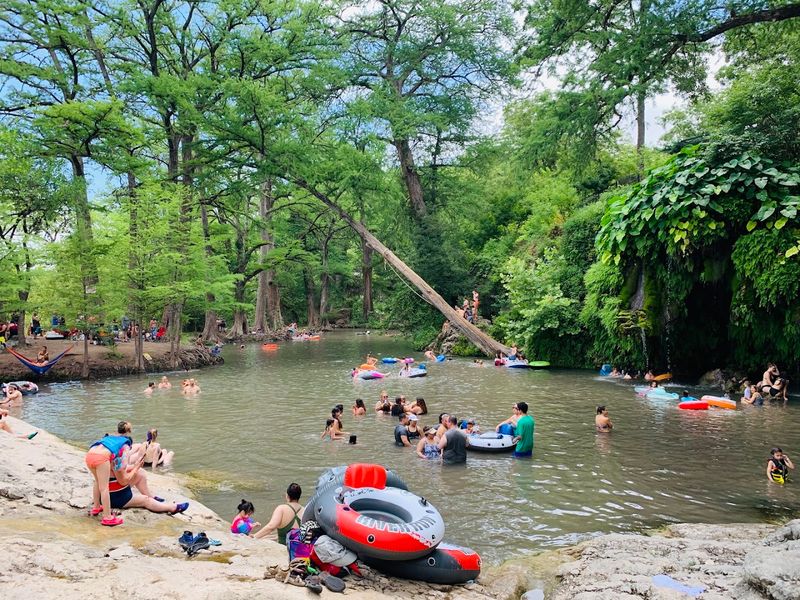
Privately owned and lovingly maintained by the same family for generations, Krause Springs feels like stumbling onto a secret paradise. Multiple spring-fed pools cascade down a hillside, creating natural swimming areas ranging from shallow wading spots perfect for toddlers to deeper pools where teenagers practice backflips off wooden platforms. The water stays cool enough to refresh you on the hottest days but warm enough that you won’t turn into an icicle after five minutes.
What sets Krause Springs apart from other swimming holes is the sheer variety of experiences packed into one property. You can swim under a small waterfall, explore the grotto area where the springs emerge from the hillside, or float lazily in the lower pools while dragonflies skim the surface. Massive cypress trees provide shade, and the grounds include camping areas for those who want to extend their visit.
The day-use fee is remarkably reasonable considering what you get access to, and the family keeps the facilities clean and well-maintained. Bathrooms, changing areas, and picnic tables are scattered throughout the property. You’re welcome to bring your own food and drinks, though glass containers aren’t allowed near the water.
Weekends get busy, so arriving early gives you first pick of shady spots and less crowded pools. The springs pump out water constantly, meaning the pools stay fresh and clear even with lots of swimmers. Locals have been coming here for decades, and you’ll often see multiple generations of families enjoying the water together.
The property also offers tent and RV camping if you want to make a weekend of it. Waking up to bird songs and taking an early morning dip before the day-trippers arrive ranks as one of the best Texas camping experiences. Whether you visit for a few hours or a few days, Krause Springs delivers that perfect blend of natural beauty and comfortable amenities.
4. Hueco Tanks State Park & Historic Site (El Paso)
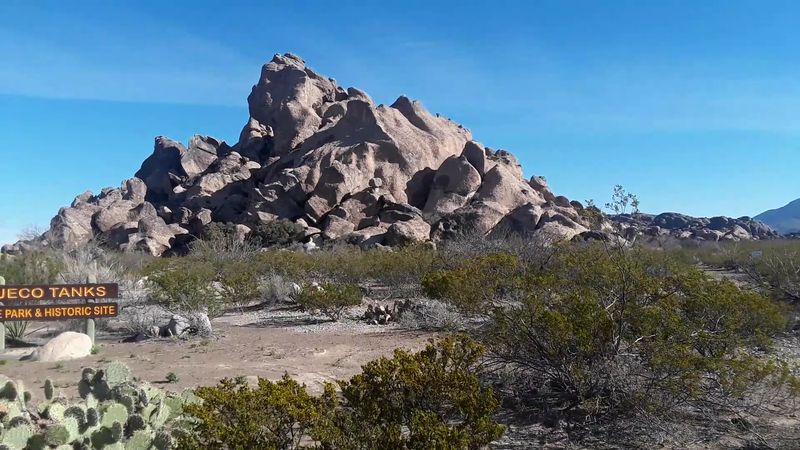
Rising from the Chihuahuan Desert floor, massive rock formations hold secrets painted by human hands more than 3,000 years ago. Hueco Tanks gets its name from the natural rock basins that collect rainwater—”hueco” means hollow in Spanish—but the real treasures here are the thousands of pictographs left by Native Americans, Spanish explorers, and early settlers. These aren’t faded marks you need imagination to see; many remain vibrant and detailed enough to make you feel like the artists just finished yesterday.
Access to the best rock art requires joining a guided tour since the park strictly limits visitor numbers to protect these irreplaceable cultural resources. The tours book up fast, sometimes weeks in advance, so planning ahead is essential. Guides share stories about the various cultures that used these rocks as shelter, ceremonial sites, and canvases for their artistic expressions.
World-class rock climbing also draws people here, with routes ranging from beginner-friendly to seriously challenging. The unique rock formations create natural problems that climbers travel internationally to attempt. If you’re not a climber, watching these athletes navigate the boulders provides its own entertainment.
Hiking trails wind through the formations, offering chances to spot desert wildlife and enjoy views of the surrounding landscape. The park sits in a unique transition zone where different desert ecosystems meet, creating unusual biodiversity. Bring plenty of water since the desert environment can be unforgiving, especially during summer months when temperatures regularly exceed 100 degrees.
The visitor center provides excellent context about the site’s history and the various cultures that left their mark here. Interactive exhibits help you understand what life was like for the people who depended on these water-collecting rocks for survival. Photography is restricted in areas with rock art to prevent damage, but the images you’re allowed to capture will still be stunning.
This park offers something genuinely rare—a direct connection to people who lived here thousands of years before Texas even existed.
5. Blue Hole Regional Park (Wimberley)
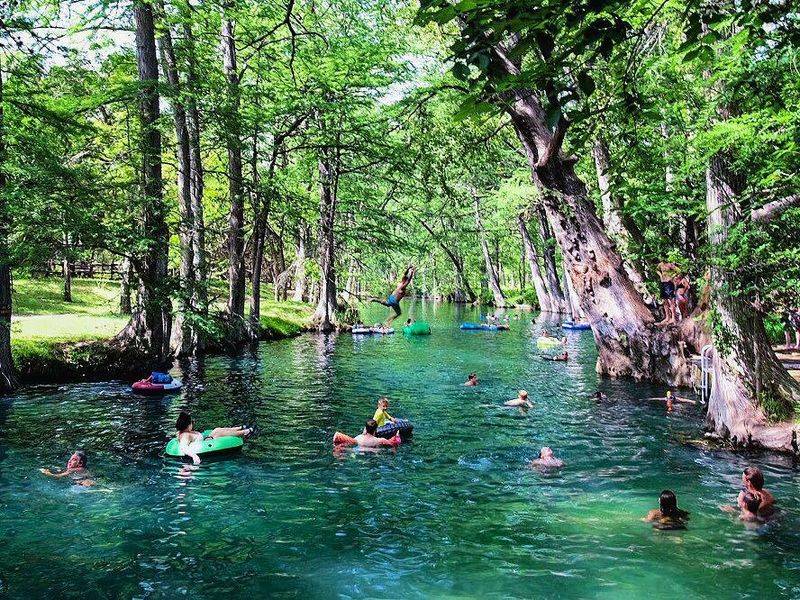
When locals want to beat the heat without dealing with tourist crowds, they head to Blue Hole. This swimming spot along Cypress Creek has been a Wimberley favorite for generations, though it’s only recently opened to the public through a timed reservation system. The water depth reaches about 25 feet in some spots, and the color really does live up to the name—a gorgeous blue-green that shifts depending on the light and time of day.
Unlike some swimming holes where you’re constantly dodging rocks, Blue Hole offers plenty of room to actually swim. The creek flows steadily enough to stay fresh but not so fast that you’re fighting current. Rope swings dangle from towering cypress trees, providing endless entertainment for kids and adults brave enough to launch themselves into the cool water below.
The park includes grassy areas perfect for spreading out a picnic blanket and spending the whole day. Shade is plentiful thanks to mature trees, and the facilities are clean and well-maintained. The reservation system means the park never feels overcrowded, preserving that peaceful, natural atmosphere that makes the place special.
Cypress Creek continues beyond the main swimming area, and you can follow trails along the water or even float downstream if conditions allow. The park has become quite popular with photographers since the combination of clear water, overhanging trees, and limestone banks creates postcard-worthy scenes. Early morning visits offer the best light and the most serene experience.
Admission fees help maintain the park and protect the natural resources, and the money is clearly being put to good use. The staff takes pride in keeping Blue Hole beautiful while making it accessible to more people. Parking can fill up on peak summer weekends, so booking your time slot early in the day gives you maximum flexibility.
Whether you’re swimming laps, jumping from rope swings, or just floating on your back watching clouds drift by, Blue Hole delivers exactly what a Texas swimming hole should be.
6. Boca Chica Wildlife Refuge (Brownsville)
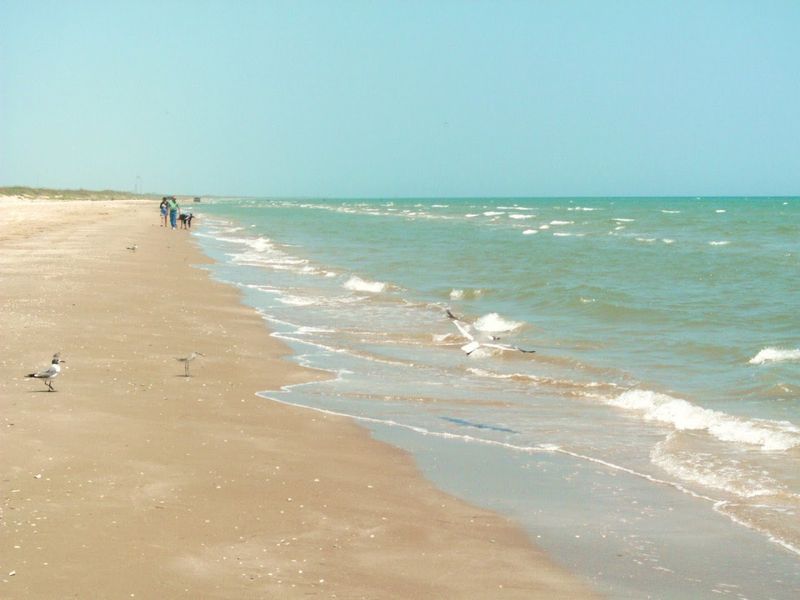
At the very southern tip of Texas, where the Rio Grande meets the Gulf of Mexico, stretches a wild coastline that feels completely removed from modern civilization. Boca Chica Beach and the surrounding wildlife refuge offer miles of undeveloped shoreline where you’re more likely to encounter sea turtles and migrating birds than other people. The beach itself is wide and flat, perfect for long walks where you can collect shells and watch dolphins cruise just beyond the waves.
Getting here requires driving a long, unpaved road that can be rough on low-clearance vehicles, but the journey is part of the adventure. The landscape transitions from scrubby coastal prairie to towering sand dunes, with the Gulf appearing suddenly on the horizon. There are no facilities, no lifeguards, and no vendors—just raw, natural coastline that hasn’t changed much in centuries.
Birdwatchers consider this area a premier destination since the refuge sits along major migration routes. Depending on the season, you might spot rare species that don’t appear anywhere else in the United States. The mixing of freshwater from the Rio Grande with saltwater from the Gulf creates unique habitat conditions that support incredible biodiversity.
Recent years have brought some complications since SpaceX built a launch facility nearby, occasionally closing beach access during tests and launches. Checking current access conditions before making the drive saves disappointment. When the beach is open, though, you can have massive stretches of coastline almost entirely to yourself.
Camping is allowed in designated areas, and spending a night here under stars unobscured by light pollution ranks as an unforgettable Texas experience. The sound of waves, the calls of night birds, and the absolute darkness create a sense of peace increasingly rare in our connected world. Sunrise at Boca Chica, with the Gulf waters turning gold and pink, reminds you why wild places matter.
Pack everything you need including water, food, and sun protection since you’re truly on your own out here.
7. Gorman Falls (Bend)
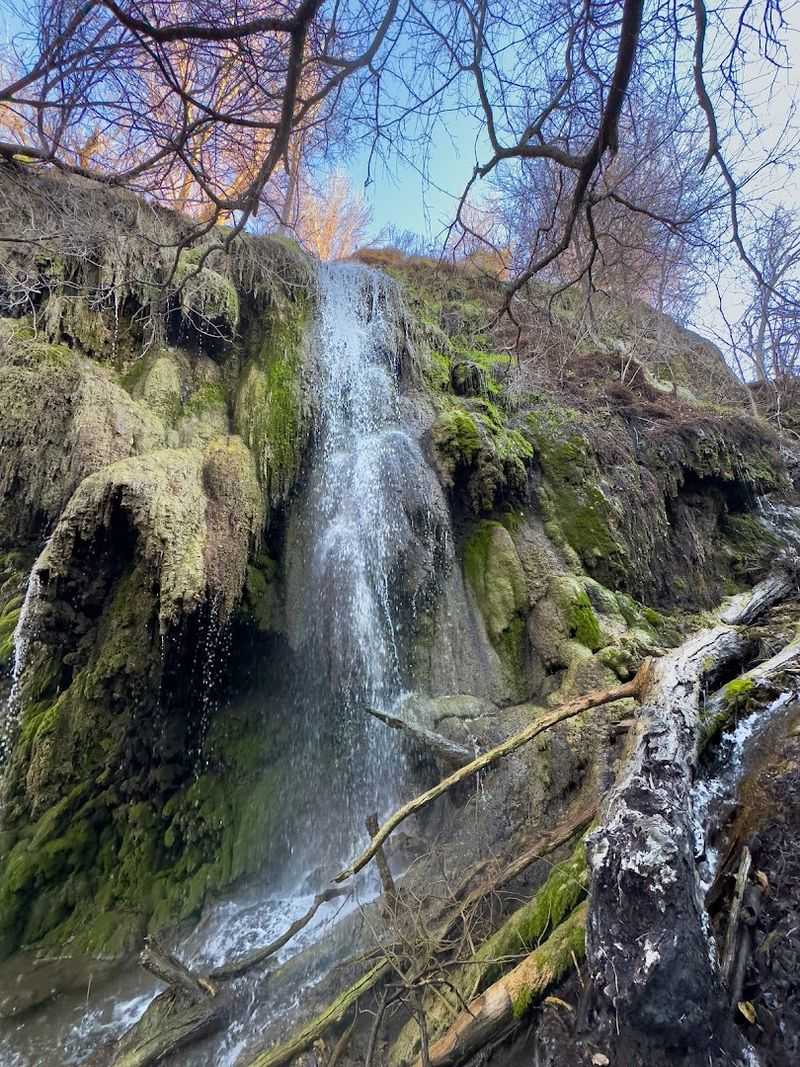
Hidden deep in Colorado Bend State Park, Gorman Falls might be the most stunning waterfall in Texas—which says a lot considering most people don’t associate Texas with waterfalls at all. Water flows over a 70-foot cliff covered in emerald green moss and ferns, creating a scene that looks more like a tropical rainforest than Central Texas. The constant moisture supports plant life you won’t find anywhere else in the region, and the travertine formations add an otherworldly quality to the whole experience.
Reaching the falls requires a moderately challenging hike of about three miles round trip, with some steep, rocky sections that demand attention. The trail crosses Gorman Creek multiple times, so water-resistant footwear is essential unless you enjoy hiking in soggy boots. Most of the path follows the creek through beautiful Hill Country terrain dotted with oak trees and limestone outcrops.
The falls are most impressive after good rains when water volume increases, but even during drier periods, the spring-fed flow keeps the vegetation lush and green. Swimming isn’t allowed directly at the falls to protect the fragile ecosystem, but pools downstream offer chances to cool off after your hike. The area around the falls stays noticeably cooler than the surrounding landscape thanks to the shade and constant water spray.
Photography enthusiasts love this spot, though capturing the full scale and beauty of the falls challenges even experienced shooters. The contrast between the bright limestone, deep green vegetation, and clear water creates natural color combinations that seem almost too vivid to be real. Weekday visits offer better chances of having the falls to yourself for photos and quiet contemplation.
The state park offers camping, hiking, and other activities beyond just the falls, making it worth spending a full day or weekend exploring. Cave tours, mountain biking trails, and river access provide plenty of options for adventure seekers. Gorman Falls alone justifies the trip, but discovering everything else the park offers turns a good outing into an exceptional one.
8. Hamilton Pool Preserve (Dripping Spring)
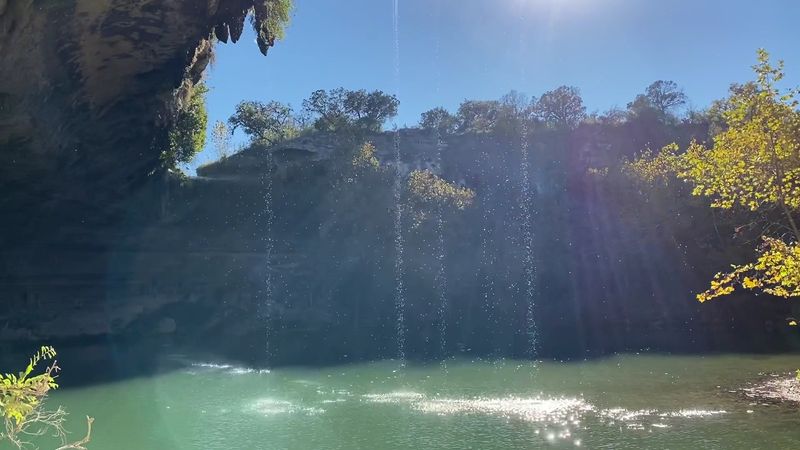
Thousands of years ago, the dome of an underground river collapsed, creating one of the most photogenic swimming holes in the entire state. Hamilton Pool sits beneath a massive limestone overhang, with a 50-foot waterfall spilling over the edge into a jade-green pool below. The grotto feels like something from a fantasy novel, with stalactites hanging from the ceiling and ferns growing from cracks in the rock walls.
This place has become so popular that reservations are now mandatory and often book solid weeks in advance, especially during summer months. The preserve limits daily visitors to prevent overcrowding and protect the sensitive environment. If you manage to snag a reservation, arrive during your scheduled time window and be prepared for the short but steep hike down to the pool.
Swimming is allowed when bacteria levels are safe, though the preserve sometimes closes the pool after heavy rains until water quality testing confirms it’s safe. Even when swimming is prohibited, the visual spectacle alone makes the visit worthwhile. The grotto’s unique acoustics amplify the sound of falling water, creating a soothing natural soundtrack.
The preserve includes hiking trails beyond just the pool area, winding through typical Hill Country landscape. Native plants, birds, and occasional wildlife sightings reward those who explore beyond the main attraction. Creek access points downstream from the pool offer additional spots to wade and cool off when the main pool is too crowded or closed.
Photography rules are strict—tripods require special permits, and drones are prohibited. The preserve takes these regulations seriously to minimize impact and ensure everyone can enjoy the space. The light filtering through the grotto opening creates magical effects, especially during midday when sun rays penetrate the canopy above.
Facilities are basic but adequate, with restrooms and a small visitor area near the parking lot. The preserve is managed by Travis County, and staff members are knowledgeable about the geology, ecology, and history of the area. Hamilton Pool proves that sometimes the most beautiful places are the ones nature sculpts over millennia, no human improvement necessary.