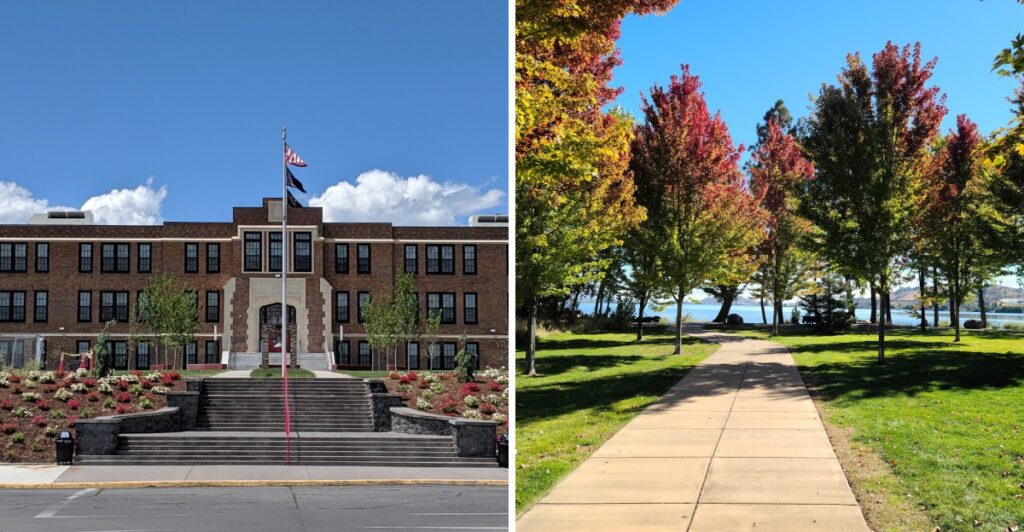
Most Oregon budget stories end with someone packing a moving truck, but this one starts with a city where the monthly math still has a chance. In the high desert of southern Oregon, there is a lakeside town with a name changed in 1893, a river with its own small falls, and household costs that have not kept pace with Portland or Bend. A budget of around $1,300 a month is the kind of number that sounds out of date in much of the state.
Keep reading to find out where that figure still stretches, why this place has held onto its everyday affordability, and what life there looks like beyond the spreadsheet.
A County Seat on Oregon’s Southern Edge
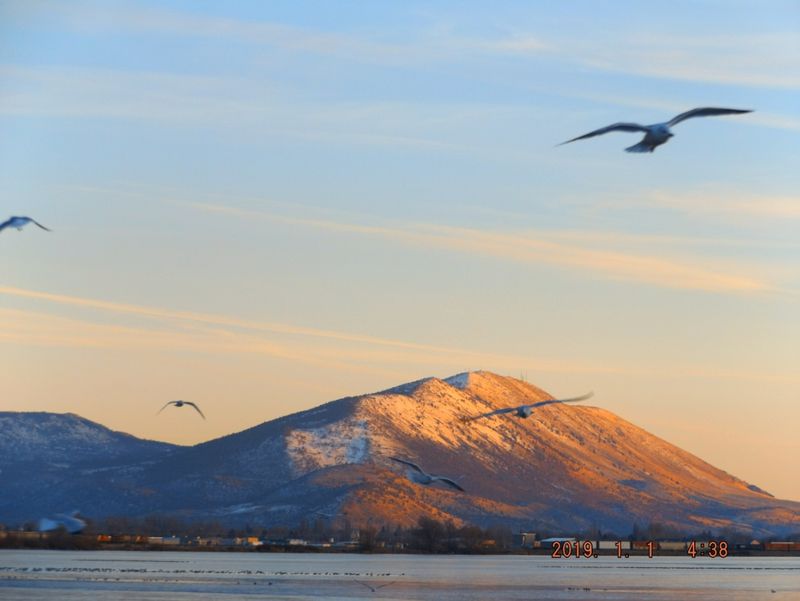
Klamath Falls, Oregon, USA, sits far from the crowded Willamette Valley, in the south-central part of the state. It serves as the county seat of Klamath County, which makes it the hub for local government, courts and many regional services.
That role matters more than it might seem at first. A county seat draws steady jobs, public offices and everyday businesses, so residents do not need to travel to a larger city for the basics.
The city keeps an official website at ci.klamath-falls.or.us, which is a handy starting point for anyone looking into city services, utilities or local news. It is the kind of practical resource that people weighing a move tend to bookmark early.
Geography also shapes the story here. The town lies well south of Bend and closer to the California line than most Oregonians ever travel, which helps explain why it rarely appears on lists of trendy Oregon destinations.
Being overlooked has a quiet upside. Places that skip the spotlight often skip the price spikes that follow it, and that pattern sits at the center of this whole budget conversation.
So before talking about rent and grocery bills, it helps to know how this city came to be in the first place.
Before It Had Its Name: The Linkville Years
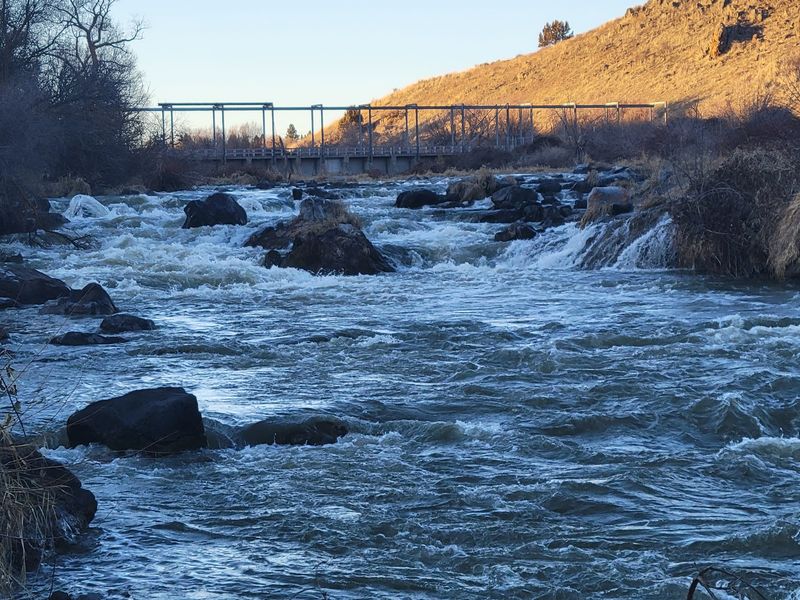
Long before anyone talked about cost of living here, there was Linkville. George Nurse founded the town in 1867, giving it a name tied directly to the river running beside it.
The Link River was the reason for the location. The settlement was sited on its falls, and the early name made that connection plain for anyone passing through.
Frontier towns in Oregon often started with one practical person and one useful spot on the map. Linkville fit that pattern well, growing from a riverside starting point into something more permanent.
There is a nice thread between that beginning and the present day. A town founded on simple, practical choices still appeals to people who want simple, practical budgets.
Plenty of Oregon cities have reinvented themselves so many times that their origins feel buried. Here, the founding story is short enough to remember and still visible in the landscape, since the river that inspired the first name continues to flow through town.
For newcomers, knowing the Linkville chapter adds a little local credibility at the coffee counter or the county office. Mentioning George Nurse is a fine way to show you did your homework.
Of course, Linkville did not stay Linkville forever, and the next chapter explains why.
The 1893 Rebrand That Stuck
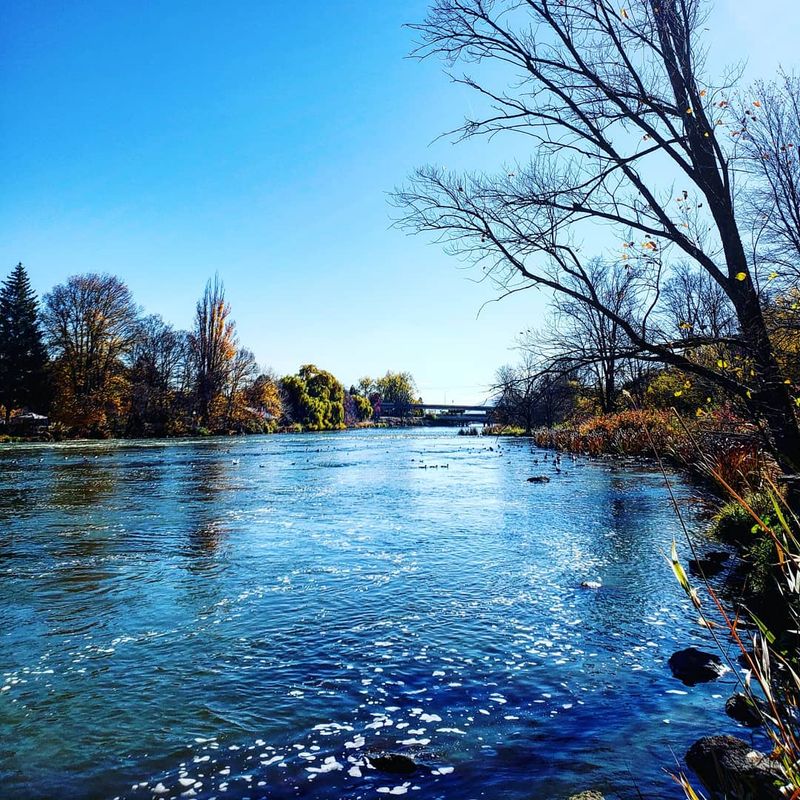
Some towns rename themselves for marketing reasons, and some do it to match the map. In 1893, Linkville officially became Klamath Falls.
The new name still pointed to the water. The city sits on the falls of the Link River, so the switch kept the geographic roots while connecting the town to the wider Klamath region around it.
More than a century later, the name has proven durable. It shows up on county documents, highway signs and the city’s own website, and nobody seems eager to change it again.
That kind of stability is a theme worth noticing. Residents here tend to value continuity, from the familiar name to the familiar places that have anchored the community for generations.
For people priced out of faster-changing parts of Oregon, that steadiness has real appeal. A town that has kept the same identity since 1893 is not usually a town chasing the latest boom.
The rename also offers a fun bit of trivia. Ask around and you may find that some longtime locals still enjoy mentioning the Linkville days, as if the old name were a family nickname.
With the history sorted, it is time to get to the part everyone actually came for: the monthly numbers.
Why a $1,300 Budget Is Even on the Table
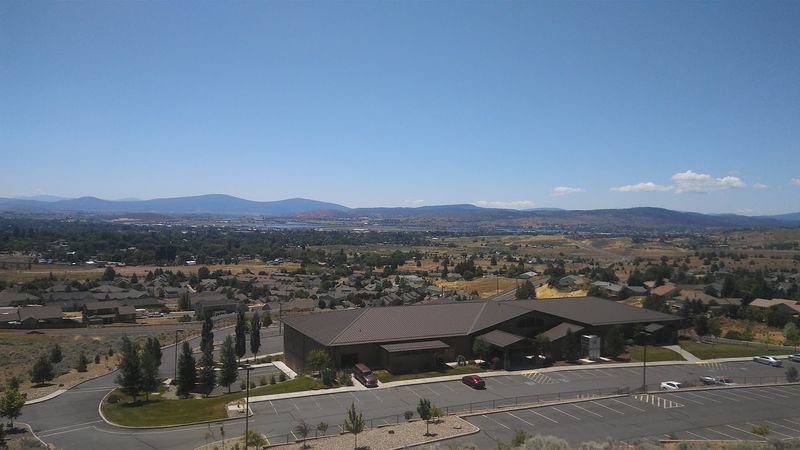
Here is the honest framing. A $1,300 monthly budget covering rent, utilities and groceries would be a stretch in many Oregon cities, and it still takes careful planning here too.
What makes it possible is a mix of factors rather than one magic trick. Klamath Falls is a smaller city, far from the state’s biggest job markets, and that distance has kept housing demand calmer than in Portland, Bend or the coastal towns.
Individual results will vary a lot. A single person in a modest rental, or someone sharing housing, has far better odds of hitting that number than a larger household.
Timing and choices matter as well. Rents change, utility use depends on the home and the season, and grocery bills depend on habits as much as prices.
The point is not that every household will land at exactly $1,300. It is that this is one of the Oregon places where that figure is still part of a realistic conversation rather than a punchline.
Anyone serious about testing the math should check current listings and contact local utility providers directly before signing anything. Real quotes beat guesses every time.
Next up is the biggest line item on nearly every budget.
The Rent Line on the Spreadsheet
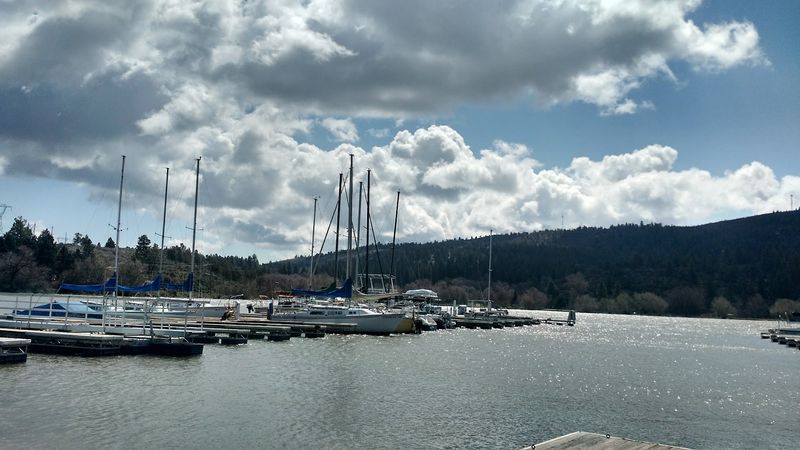
Housing usually decides whether a budget works or falls apart. In Klamath Falls, the housing picture is shaped by its size and location rather than by a flood of out-of-state buyers.
The city’s housing stock includes older neighborhoods, apartments and modest single-family homes. That variety gives renters more than one way to approach the problem.
Smart renters here tend to weigh a few trade-offs. A smaller unit, an older building or a shared home can free up a meaningful chunk of the monthly budget for everything else.
It also helps that the town is not tiny. As the county seat, it has enough rentals turning over that people are not stuck waiting months for a single opening, though availability always shifts.
Before committing, it pays to ask what a lease includes. Some rentals bundle water, sewer or trash, and that can make the difference between hitting a budget goal and missing it.
Comparing those details side by side is far more useful than looking at rent alone. Two apartments with similar rents can lead to very different monthly totals.
Once the rent is settled, the next question is what it costs to keep the lights on and the home warm through high desert winters.
Underground Heat and the Utility Bill
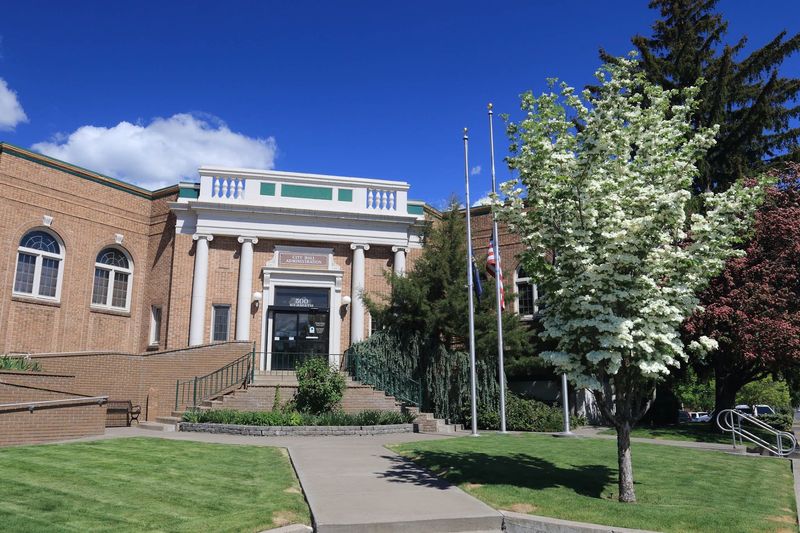
Few Oregon cities can claim heat rising from below their streets. Klamath Falls is well known for its geothermal resources, and the city has used that underground heat for public purposes, including warming some downtown sidewalks in winter.
That reputation makes the town a regional example of putting local resources to practical use. It is a point of local pride and a frequent talking point for curious newcomers.
For individual renters, though, utility costs still depend on the specific home. Insulation, heating type, unit size and personal habits all play a role in the monthly total.
Winters in the high desert can be cold, so heating deserves a spot in any honest budget. Asking a landlord about typical winter bills is a smart move before signing a lease.
Summer brings its own considerations. Some homes need cooling, while others manage fine without much help, depending on design and shade.
The city website is a good place to learn about local services, and utility providers can often share average usage for an address. Those figures turn a guess into a plan.
With housing and utilities mapped out, the remaining slice of the budget goes to the grocery cart.
Groceries Without the Sales Tax Surprise
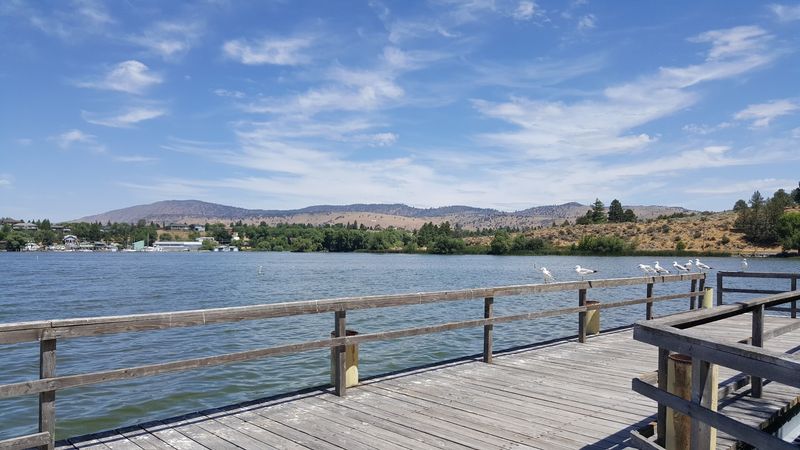
Oregon offers one budget advantage that residents sometimes forget to count. The state does not charge a general sales tax, so the price on the shelf is generally the price at checkout.
That matters for anyone tracking groceries closely. Every week of shopping adds up, and skipping a sales tax layer helps the total stay predictable.
Klamath Falls, as the county seat, functions as the main shopping center for a large surrounding area. Residents can usually handle routine grocery runs without leaving town.
Budget-minded households tend to rely on a few familiar habits. Planning meals, buying staples in bulk and comparing store circulars are simple steps that keep the grocery line in check.
Shoppers living near the California border also get an interesting perspective. Crossing into a state with sales tax for everyday purchases quickly shows how much Oregon’s approach can matter over a year.
None of that turns groceries into a free category. Prices still rise and fall, and households with special dietary needs may spend more.
Still, combining no sales tax with a careful shopping routine gives this part of the $1,300 plan a fighting chance. Now for the part of life here that costs nothing at all.
A Very Large Lake Next Door
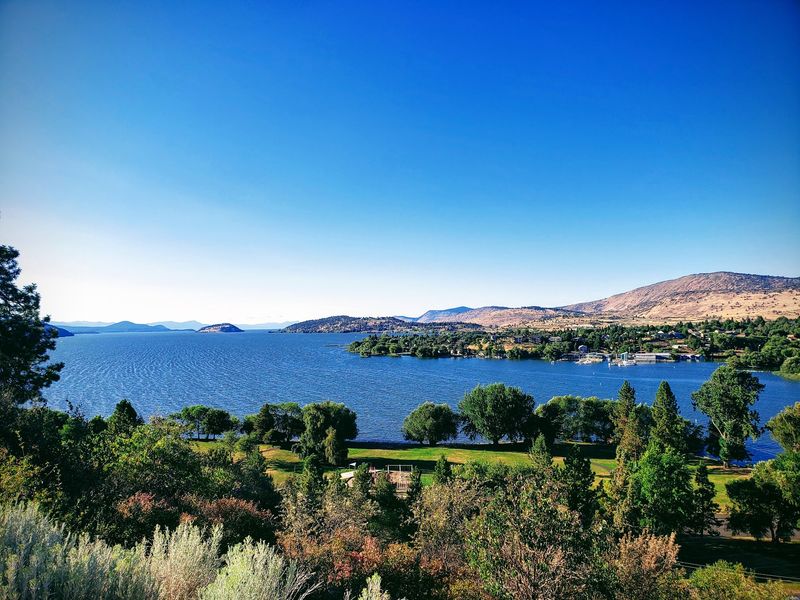
Some towns have a park, and some have a lake that stretches toward the horizon. Klamath Falls sits at the southern end of Upper Klamath Lake, one of the largest freshwater lakes in Oregon.
For residents watching every dollar, that setting is a genuine asset. Open water, shoreline views and wide skies do not come with a monthly fee.
The lake also connects to the city’s founding story. The Link River flows from the lake through town, which is the same river whose falls gave Linkville and later Klamath Falls their names.
Birdwatchers will feel right at home in the broader Klamath Basin. The region is known for wildlife and migrating birds, which gives nature fans a reason to keep binoculars in the car.
Free recreation has an outsized effect on a tight budget. When weekend fun means a trip to the shoreline instead of a ticketed attraction, the entertainment line on the spreadsheet can stay near zero.
It is also a reminder that affordable does not have to mean boring. Plenty of pricier Oregon towns would trade a lot for a lake this size on their doorstep.
And the river leaving that lake offers its own easygoing outing.
Following the River That Named the Town
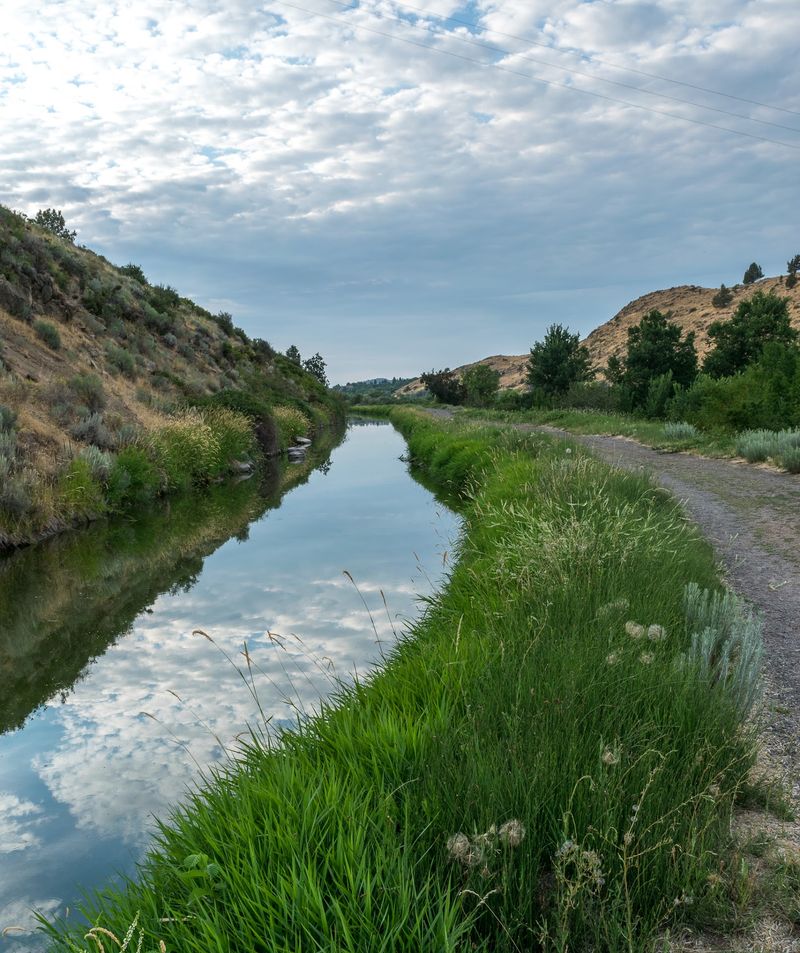
History buffs and walkers share common ground along the Link River. The short river runs between Upper Klamath Lake and Lake Ewauna, passing right through the city.
A trail along the river gives residents an easy way to get outside close to home. It is the sort of outing that fits into a lunch break or a slow Sunday.
There is something satisfying about walking beside the very falls that inspired the town’s original name. The Linkville story stops being trivia and becomes part of an ordinary afternoon.
Families on tight budgets often lean on outings like this. A riverside walk costs nothing, needs no special gear and works for many ages and fitness levels.
Wildlife fans may also enjoy keeping an eye on the water. The river corridor is part of the larger Klamath Basin environment, known for its bird life.
Practical tip: check current trail conditions before heading out, especially in winter, when weather can change plans quickly. The city and county websites are reasonable places to look.
Free outdoor time like this is one reason the low-budget lifestyle here feels less like sacrifice. Next comes a part of town that keeps the population younger than people might expect.
Campus Energy in a High Desert Town
Small city, big brains. Klamath Falls is home to the main campus of Oregon Institute of Technology, often called Oregon Tech.
A college presence changes the feel of a town. Students bring energy, campus events and a steady demand for practical, budget-friendly services.
It also affects housing. Rental markets near colleges tend to include smaller units and shared homes, which can suit anyone aiming for a lean monthly budget.
Oregon Tech has a reputation for applied, career-focused programs. For locals, that means a university option close to home, without relocating to a pricier part of the state.
Students themselves are often the best proof that a modest budget can work. Many live on limited funds, and a city that supports them tends to offer approachable everyday options.
The campus has also been tied to the area’s geothermal story, with the school known for using geothermal heat. That link between education and local resources fits neatly with the town’s practical personality.
Not everyone moving here is a student, of course. Still, sharing a city with a university adds jobs, culture and a younger crowd that helps keep things lively.
From campus, the natural next stop is the heart of the city itself.
Main Street Character and Everyday Errands
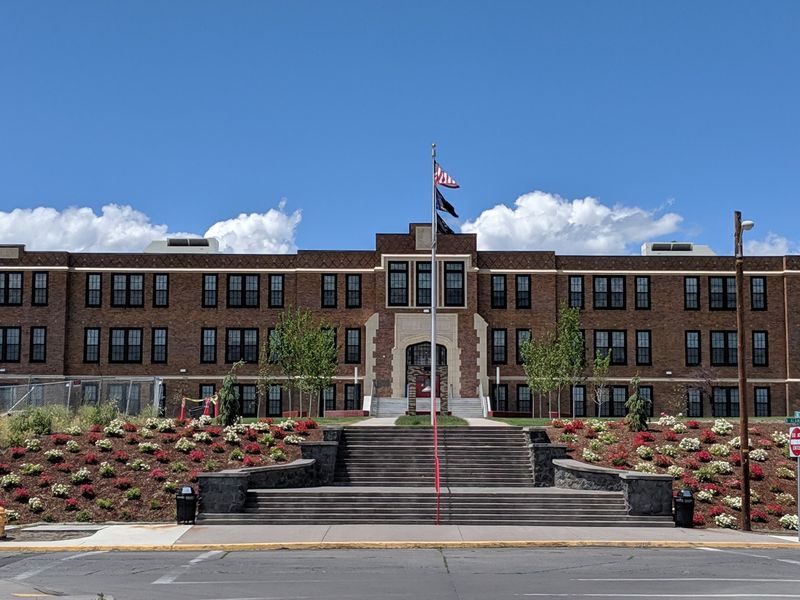
Downtown districts tell you a lot about a town’s priorities. In Klamath Falls, the historic core carries older buildings that link today’s residents to the city’s long history.
Being the county seat keeps downtown useful, not just decorative. Government offices and local services give people practical reasons to come into the center of town.
For budget planners, that convenience counts. Handling errands in one area saves time and fuel, which quietly protects the grocery and utility dollars elsewhere in the plan.
Local businesses also play a role in community identity. Oregonians often care deeply about familiar places surviving, and a downtown with longtime storefronts gives residents something worth supporting.
The geothermal sidewalk heating mentioned earlier fits into this picture too. Winter errands are easier when key walkways stay clearer.
Newcomers can learn a lot by spending a few hours downtown. Checking event listings on the city website is a simple way to find community happenings that cost little or nothing.
There is no need to treat downtown as a destination for big spending. Its real value lies in making daily life easier and more connected.
That brings up a fair question: who is this whole setup actually right for?
Who Fits Here and How to Get There
Not every town fits every person, and that is fine. Klamath Falls tends to suit people who value lower costs, outdoor access and a slower pace over big-city amenities.
Retirees on fixed incomes, remote workers, students and single adults testing a lean budget are natural matches. Larger households can make it work too, though the $1,300 figure becomes harder to reach.
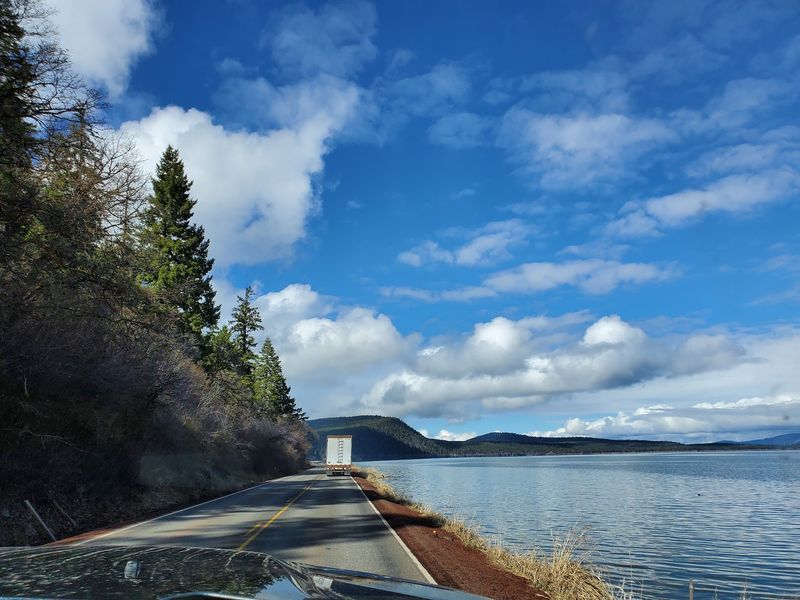
Getting there usually means driving. U.S. Route 97 is a key north-south corridor connecting the city with Bend to the north and California to the south.
Distance is part of the trade-off. Portland and the Willamette Valley are a long drive away, so people who need frequent trips to those areas should factor in travel time and fuel.
On the flip side, the location opens up regional adventures. Crater Lake National Park lies to the north and makes a popular day trip for residents.
Winter driving deserves respect in this part of Oregon. Checking road conditions before longer trips is a habit worth building early.
A scouting visit before moving is the smartest step of all. A few days spent checking rentals, utility estimates and grocery prices will reveal more than any article can.
The Verdict on a Budget That Still Works
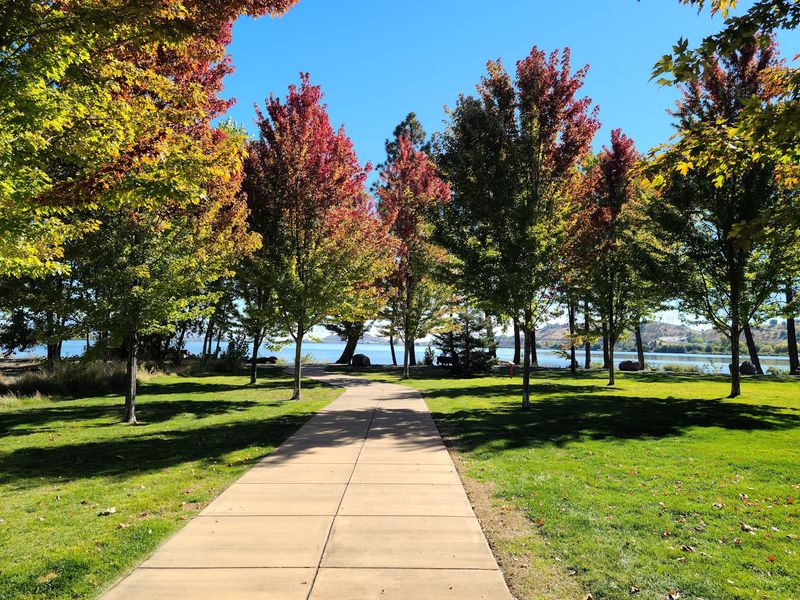
Oregon affordability stories often end in a moving truck heading out of state. This one ends in a different place, with a county seat on a lake where a modest budget still has room to breathe.
Klamath Falls is not a miracle. A $1,300 month for rent, utilities and groceries takes planning, smart housing choices and steady habits, and it will not fit every household.
What the city offers is a realistic shot. Calmer housing demand, Oregon’s lack of sales tax and a wealth of free outdoor options all push the numbers in the right direction.
The town also brings a sense of continuity that many Oregonians quietly crave. From the Linkville founding in 1867 to the 1893 name change, the place has kept its identity tied to the same river and the same lake.
Add a college campus, a practical downtown and geothermal heat beneath some sidewalks, and the picture becomes more interesting than a budget chart alone.
For anyone feeling squeezed elsewhere in the state, it is worth a closer look. Check current listings, call the utility providers and spend a weekend exploring before deciding.
Sometimes the most affordable corner of Oregon is simply the one that never stopped being itself.
Share this story