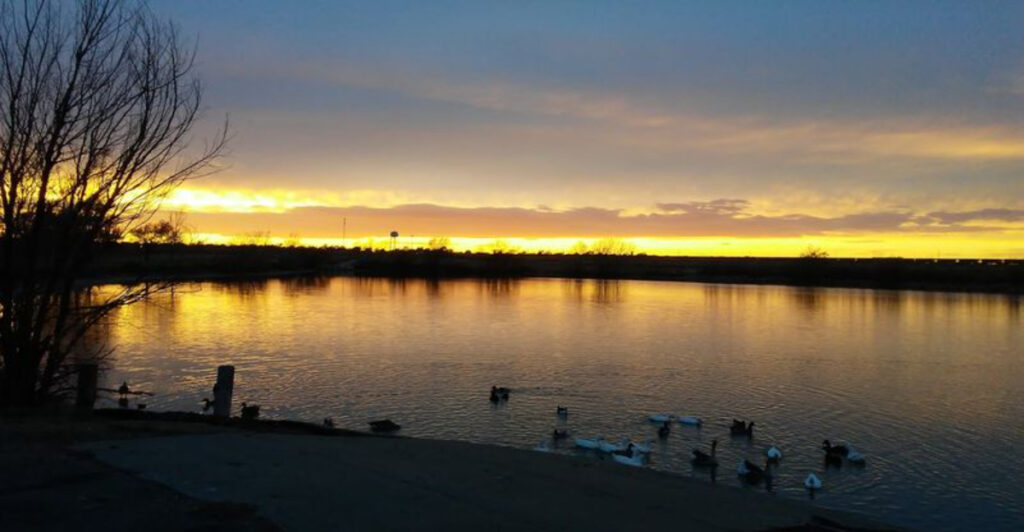
Pampa sits in the Texas Panhandle like a well-kept secret, a town where grain elevators pierce the sky and old storefronts whisper stories from decades past. With just under 17,000 residents, this Gray County seat has preserved its small-town character while harboring an unexpected claim to fame that reaches far beyond the prairie. Music history runs deep here, and the vintage downtown streets hold more surprises than you might expect from a quiet agricultural community.
1. Woody Guthrie’s Formative Years
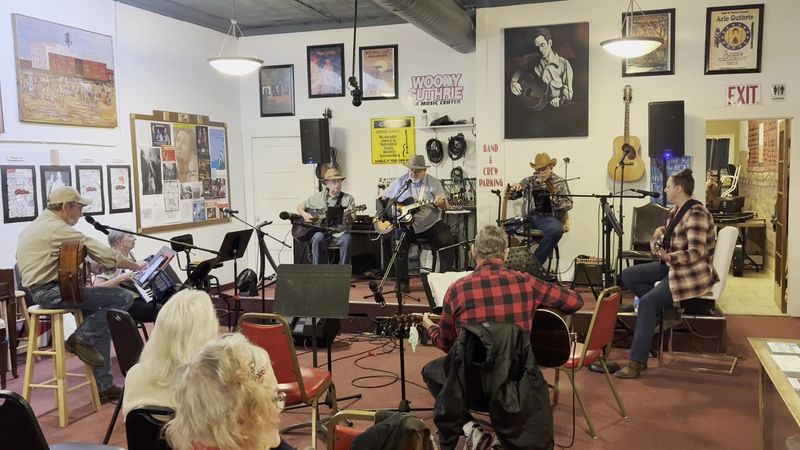
Folk music legend Woody Guthrie spent crucial teenage years in Pampa during the 1930s, and the experience shaped his artistic voice forever. He arrived as a restless young man and left as someone who understood the struggles of working people in the Dust Bowl era. The flat horizons and economic hardships he witnessed here would later inspire some of America’s most enduring protest songs.
Guthrie played harmonica on street corners, painted signs for local businesses, and soaked up the stories of oil workers and farmers. His time in Pampa coincided with the town’s oil boom, creating a fascinating contrast between sudden wealth and persistent poverty. These contradictions found their way into his songwriting, giving his work an authenticity that resonated with millions.
Today, you can walk the same downtown streets where Guthrie once performed, though the town doesn’t make a huge fuss about its connection to the folk icon. A few locals still remember family stories about the scruffy musician who would become famous for “This Land Is Your Land.” The quiet acknowledgment feels fitting for both Pampa’s understated nature and Guthrie’s own humble roots.
2. White Deer Land Museum
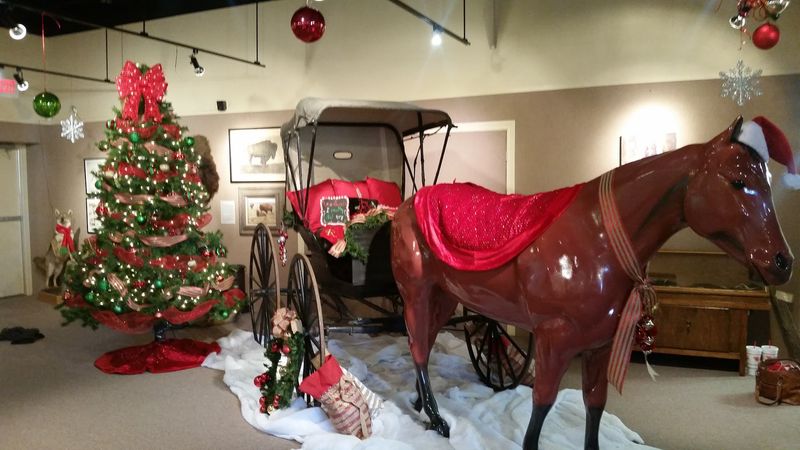
Housed in a former Masonic lodge built in 1916, this museum captures Gray County history through artifacts that actually matter to the people who lived here. You won’t find pretentious displays or overly academic explanations. Instead, the collections focus on ranching equipment, pioneer household items, and photographs of real families who broke the prairie.
The building itself deserves attention, with its classic early 20th-century architecture and solid construction that has weathered countless panhandle storms. Volunteers maintain the space with genuine pride, often sharing personal anecdotes about the items on display. One room recreates a typical homesteader’s dwelling, complete with the kinds of tools that made survival possible in this unforgiving climate.
Special exhibits rotate throughout the year, sometimes highlighting the oil industry’s impact or showcasing local artists. The museum also preserves documents and photographs related to Pampa’s development from cattle country to an oil boomtown. Admission costs next to nothing, and the staff genuinely enjoys answering questions about regional history.
It’s the kind of place where you might plan to spend twenty minutes and end up staying for two hours, especially if you catch a volunteer in storytelling mode.
3. Historic Downtown Architecture
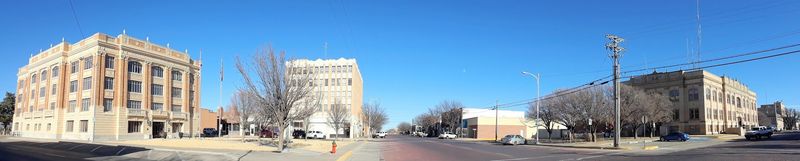
Pampa’s downtown core preserves an impressive collection of early 20th-century commercial buildings that haven’t been “improved” into blandness. Brick facades with original details still line the streets, showing off architectural styles from the 1920s and 1930s. Some buildings stand empty, which honestly adds to the time-capsule feeling rather than detracting from it.
The old movie theater marquee remains visible, though the venue itself no longer shows films. Walking these blocks feels like stepping onto a movie set, except everything is authentic. Several antique stores have set up shop in these vintage spaces, creating a perfect match between the merchandise and the setting.
Local business owners have resisted the urge to modernize their storefronts with aluminum siding or contemporary facades. This restraint has preserved a genuine sense of place that many Texas towns have lost. You’ll notice Art Deco touches, decorative cornices, and transom windows that speak to an era when even utilitarian buildings received thoughtful design.
Photography enthusiasts find endless subjects here, from weathered ghost signs painted on brick walls to ornate pressed-tin ceilings visible through storefront windows. The morning light hits these buildings beautifully, casting long shadows that emphasize their architectural bones. It’s not polished or restored to within an inch of its life, which makes it feel honest and real.
4. Recreation Park and Its Community Role
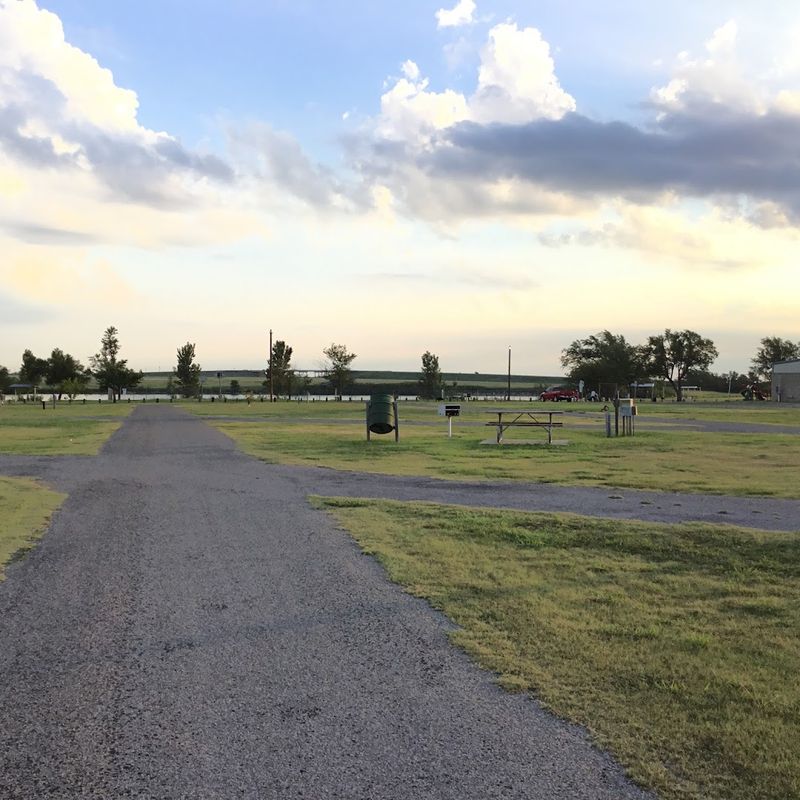
Recreation Park serves as Pampa’s central gathering spot, where generations of families have celebrated birthdays, held reunions, and simply escaped the summer heat under shade trees. The park features mature elms and cottonwoods that have grown substantial over decades, creating genuine respite from the relentless sun. Unlike some towns that neglect their public spaces, Pampa maintains this park with obvious care.
Kids still play on equipment that encourages actual physical activity rather than just brightly colored plastic structures. Baseball diamonds host youth leagues throughout spring and summer, continuing a tradition that dates back to when Woody Guthrie might have watched games here. Picnic pavilions accommodate everything from church potlucks to family barbecues, and they’re usually occupied on pleasant weekends.
The park reflects small-town values where public space actually serves the public rather than just existing as a checkbox on a city planner’s list. Local events often center here, from holiday celebrations to informal community gatherings. Walking paths loop through the grounds, popular with early morning exercisers and evening strollers alike.
What makes Recreation Park special isn’t elaborate amenities or expensive upgrades. It’s the sense that this space belongs to everyone, maintained through genuine community investment rather than flashy bond initiatives. You’ll see multiple generations using the park simultaneously, which speaks volumes about its role in Pampa’s social fabric.
5. The Oil Boom Legacy
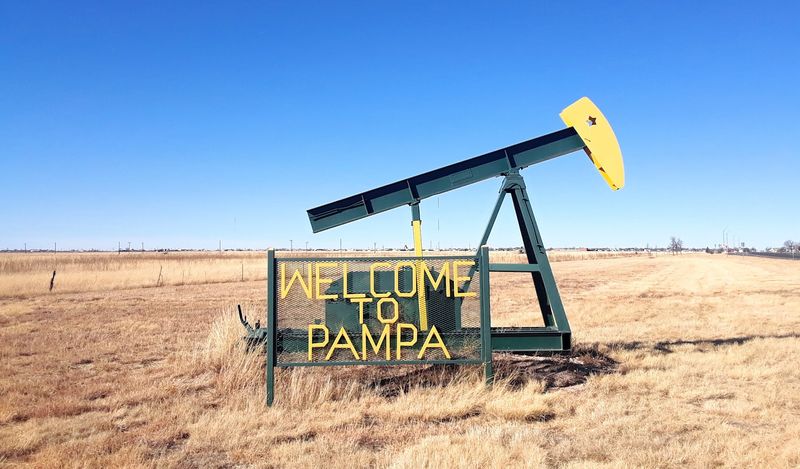
Black gold transformed Pampa from a sleepy cattle town into a bustling hub almost overnight during the 1920s. Derricks sprouted across Gray County like metal forests, and the population exploded as roughnecks, speculators, and support workers flooded in. That boom-and-bust cycle left permanent marks on the town’s character and infrastructure, visible even today in the oversized buildings constructed during flush times.
Drive around Pampa and you’ll still spot pumpjacks nodding rhythmically in fields, a reminder that oil remains part of the local economy. The industry brought wealth but also volatility, teaching residents to weather economic storms with the same stoicism they apply to actual weather. Some of the town’s most impressive structures date to the boom years, built with optimism that the good times would never end.
Old-timers remember when oil money flowed freely and downtown bustled with activity at all hours. Those stories get shared at coffee shops and barber shops, keeping the memory alive for younger generations. The petroleum industry shaped everything from local politics to family fortunes, creating a complex legacy that residents understand with nuance.
Today’s oil operations run leaner and more automated, employing fewer people than during peak years. But the cultural impact persists, influencing everything from high school mascots to community identity.
6. Pampa Country Club’s Surprising Hospitality
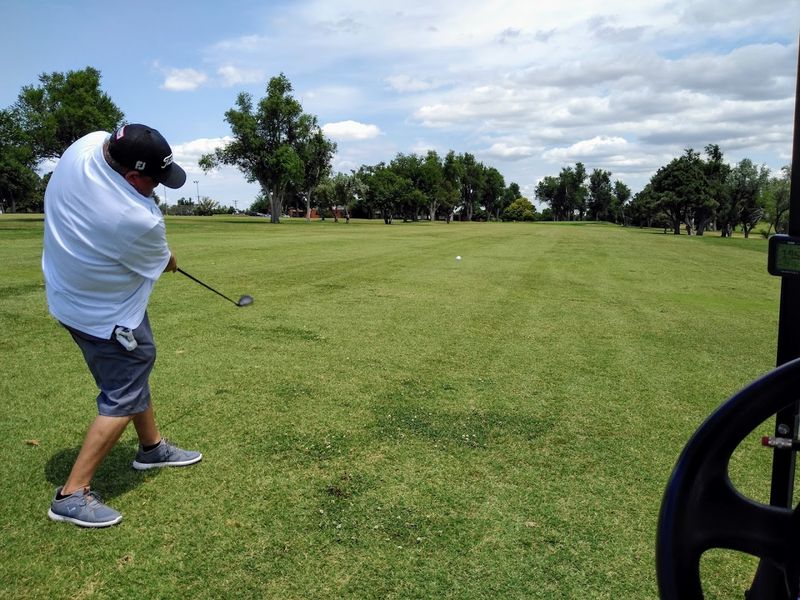
Unlike exclusive clubs in larger cities, Pampa Country Club operates with a welcoming attitude that reflects small-town values. The nine-hole golf course challenges players with prairie winds that can turn a simple approach shot into a strategic puzzle. Greens stay surprisingly well-maintained considering the harsh climate and limited resources compared to urban facilities.
Members include everyone from oil executives to school teachers, creating a genuinely diverse social environment. The clubhouse serves meals that won’t win culinary awards but deliver honest cooking at reasonable prices. Friday night fish fries draw both members and their guests, functioning as informal community gatherings where business gets discussed and friendships maintained.
Golf here means dealing with weather that can shift dramatically within a single round. Wind always factors into club selection, and summer heat tests endurance. But regulars wouldn’t trade it for a perfectly manicured resort course because the challenge feels authentic and the company genuine.
The club also hosts events throughout the year, from wedding receptions to anniversary parties, serving as one of Pampa’s primary event venues. Prices remain accessible by Texas standards, another reflection of the community’s practical approach to amenities. Visitors can often arrange guest rounds through member connections, experiencing prairie golf in its most straightforward form.
7. Top O’ Texas Rodeo Tradition
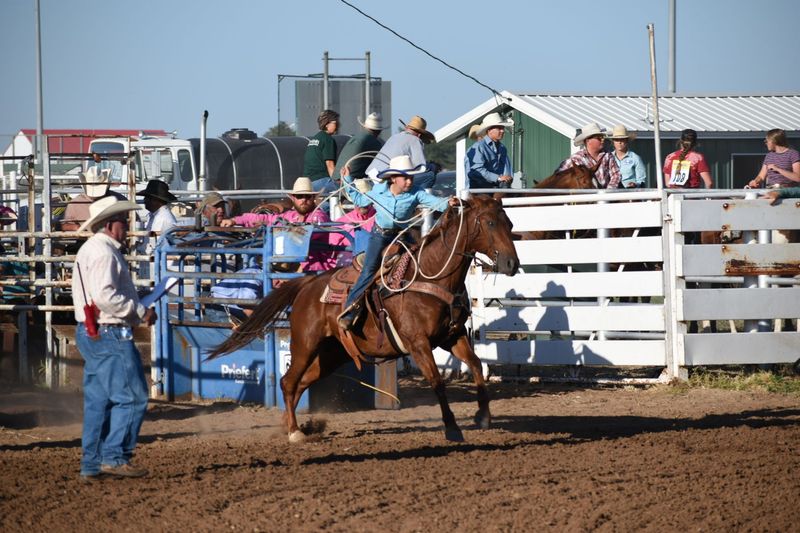
Every July, Pampa transforms into rodeo central for the Top O’ Texas celebration, a tradition stretching back decades. Professional cowboys and cowgirls compete for prize money while locals pack the grandstands to watch bull riding, barrel racing, and roping events. The rodeo represents more than entertainment; it connects Pampa to its ranching heritage and Western identity.
Carnival rides and vendor booths spring up around the rodeo grounds, creating a temporary festival atmosphere. Kids save allowance money for weeks to spend on rides and fair food. The whole production runs on volunteer labor, from arena preparation to concession stand operation, demonstrating the community cooperation that makes small-town events possible.
Unlike big-city rodeos with corporate sponsorships and slick production values, this event maintains a grassroots feel. Announcers crack jokes between events, and you might sit next to a competitor’s family members in the stands. The dust, the livestock smells, and the occasional equipment malfunction all contribute to the authentic experience.
Parade festivities kick off the celebration, with local businesses, school groups, and organizations creating floats and marching entries. Main Street fills with spectators who stake out prime viewing spots hours early. Former residents often time visits home to coincide with rodeo week, turning it into an unofficial reunion.
The tradition continues because enough people value maintaining this connection to Pampa’s past.
8. Coronado Healthcare System’s Regional Importance
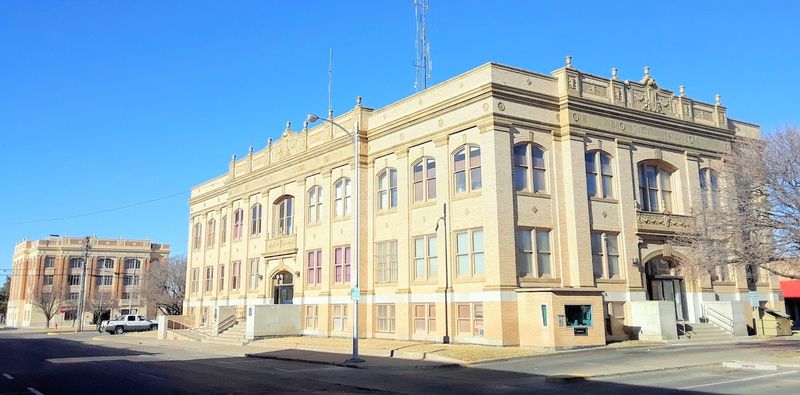
For a town of Pampa’s size, maintaining a full-service hospital represents a significant achievement and community priority. Coronado Healthcare System provides emergency services, surgical capabilities, and specialty care that prevents residents from making the long drive to Amarillo for routine medical needs. Rural healthcare faces constant challenges, but this facility has adapted and persisted through economic changes and industry consolidation.
The hospital employs a substantial portion of Pampa’s workforce, making it both a healthcare provider and major economic anchor. Doctors and nurses who could work in larger cities choose Pampa partly because of the close-knit community atmosphere and the meaningful patient relationships possible in a smaller setting. Emergency room staff know many patients by name, which creates both advantages and complications in providing care.
Recent expansions and equipment upgrades demonstrate ongoing investment in keeping services local. Telemedicine connections allow consultations with specialists in larger medical centers, extending capabilities beyond what physical size might suggest. The facility also provides health education programs and wellness initiatives tailored to community needs.
Having quality healthcare locally matters enormously for attracting and retaining residents, especially families and retirees. Coronado’s presence reassures people that serious medical situations won’t require immediate travel during emergencies. The hospital’s continued operation reflects community determination to maintain essential services despite the economic pressures facing rural healthcare nationwide.
9. Pampa’s Authentic Small-Town Atmosphere
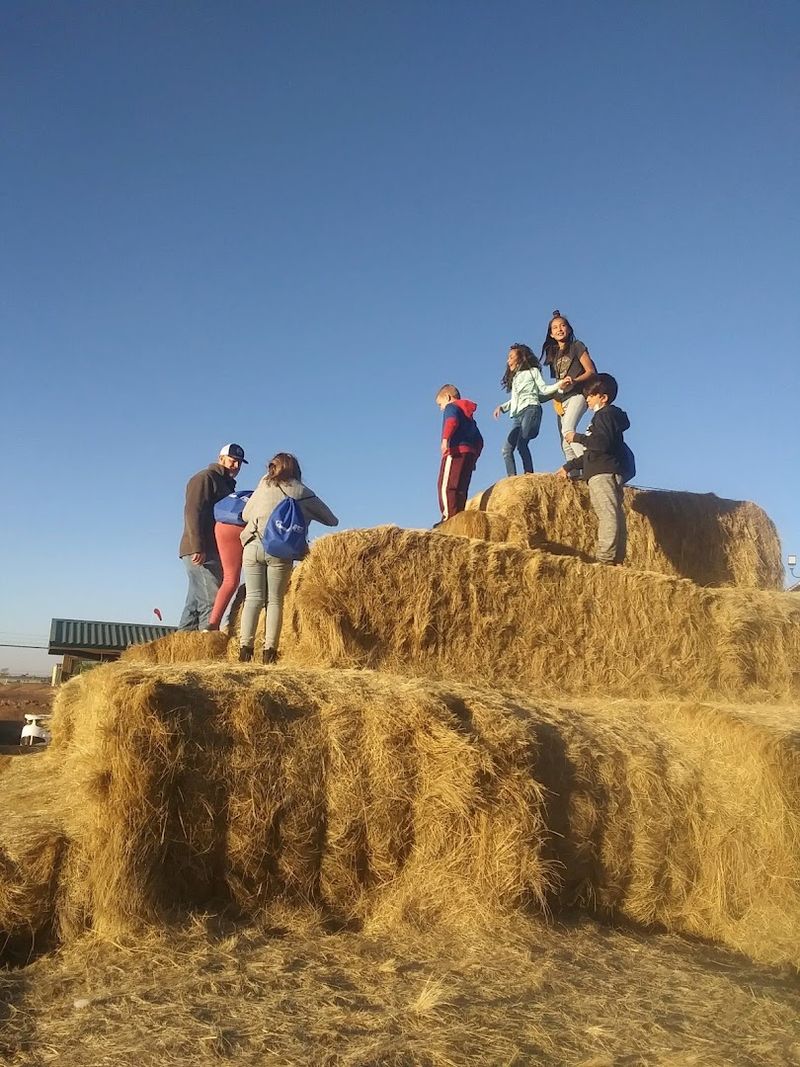
What makes Pampa genuinely special isn’t any single attraction but rather the accumulation of small-town qualities that have survived into an era of homogenization. People still wave at strangers, and conversations with cashiers extend beyond transaction efficiency. High school football games draw crowds that represent a significant percentage of the total population, and everyone has an opinion about the team’s prospects.
Coffee shops function as informal community centers where regulars occupy the same tables and newcomers get sized up through friendly questioning. Local newspaper coverage focuses on school honor rolls, church socials, and city council minutiae that would never make headlines elsewhere. This intense focus on local happenings creates strong community bonds but can feel claustrophobic to those accustomed to urban anonymity.
The pace of life moves slower here, not from laziness but from different priorities. Relationships matter more than rushing through transactions. Business owners remember customer preferences, and neighbors notice when someone’s routine changes.
This social fabric provides support during hardships but also means privacy requires more effort.
Pampa hasn’t been discovered by trend pieces or lifestyle magazines, which helps preserve its authentic character. The town doesn’t try to be something it’s not, whether that’s a tourist destination or a trendy relocation target. It simply continues being itself, which increasingly feels like a rare and valuable quality.
Share this story