Tennessee is packed with trails that twist through misty mountains, tumble past roaring waterfalls, and climb to overlooks that make your jaw drop. Whether you want a quick stroll to stretch your legs or a full-day adventure that tests your stamina, the Volunteer State delivers.
This guide ranks 11 incredible hikes from the easiest scenic walks to the gnarliest backcountry treks, so you can pick the perfect trail for your mood and fitness level.
1. Welch’s Point, Scott’s Gulf Wilderness State Park
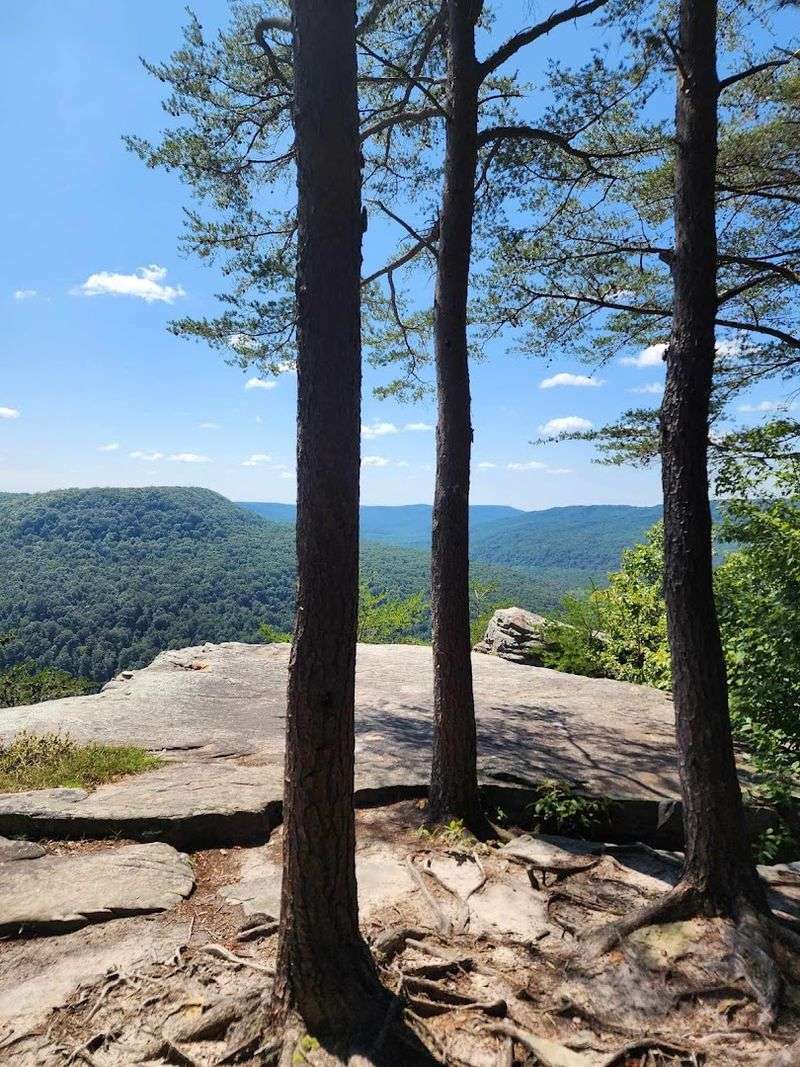
Sometimes the best views come without the sweat equity. Welch’s Point proves that point beautifully, offering a massive panoramic overlook after just a short, mellow walk through the woods. This is the kind of hike that makes your non-hiking friends actually want to come along.
The trail itself barely qualifies as exercise. You’ll wander through a quiet forest on a well-maintained path that rarely gets your heart rate up. Within minutes, you emerge at a rocky outcrop that opens up to sweeping views across the Cumberland Plateau.
What makes this spot special is how much visual bang you get for so little effort. The overlook stretches wide, giving you plenty of room to spread out and soak in the scenery without feeling crowded. It’s perfect for sunrise coffee, sunset photos, or just a midday breather when you need nature without the commitment.
Families with little kids love this trail because there’s no whining about tired legs. Older folks appreciate the accessibility. Even your friend who claims hiking isn’t their thing will admit this one’s worth it.
Pack a snack, take your time, and enjoy one of Tennessee’s easiest scenic payoffs. This is proof that not every great hike needs to leave you limping back to the car. Sometimes a short stroll to a killer view is exactly what the day calls for.
2. Kuwohi Observation Tower, Great Smoky Mountains National Park
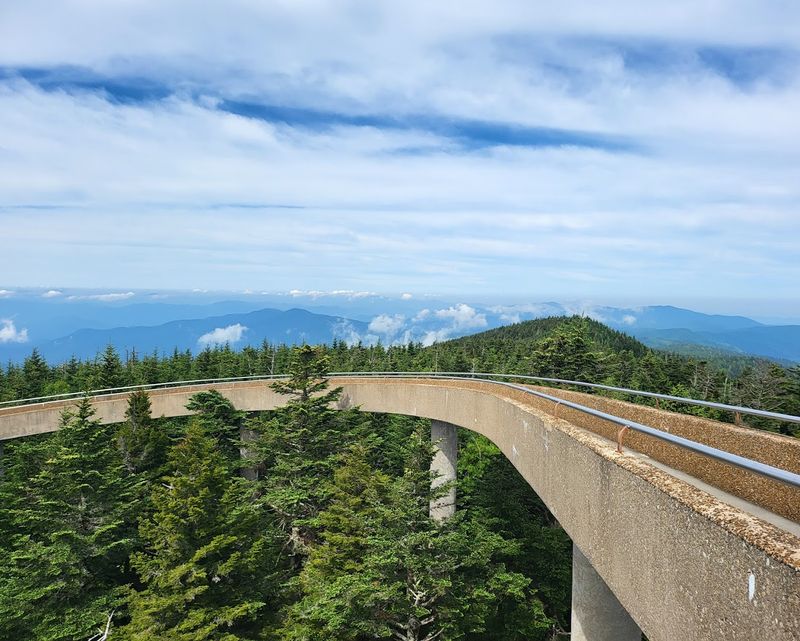
Standing at 6,643 feet, Kuwohi claims the title of the highest point in both the Smokies and all of Tennessee. The observation tower at the summit offers 360-degree views that stretch across multiple states on clear days. Getting there takes just a half-mile of uphill effort, though your calves might argue it feels longer.
The trail is paved and steep, climbing quickly from the parking area to the stone tower perched on top. It’s short enough that most people can push through the burn, but punchy enough that you’ll feel like you earned the view. The tower itself is a classic stone structure that adds to the iconic feel of reaching Tennessee’s rooftop.
Crowds can be thick here, especially during peak leaf season when everyone wants that fall color panorama. Early morning visits tend to be quieter and often reward you with those dreamy layers of fog rolling through the valleys below. Late afternoon light paints the ridges in warm gold that’s hard to beat.
Despite the brevity, this hike delivers an outsized sense of accomplishment. You’re standing on top of Tennessee, after all. The views span endless waves of blue-green mountains that fade into the distance like a watercolor painting.
Dress in layers because the summit is noticeably cooler and windier than the base.
3. Great Stone Door, Savage Gulf State Park
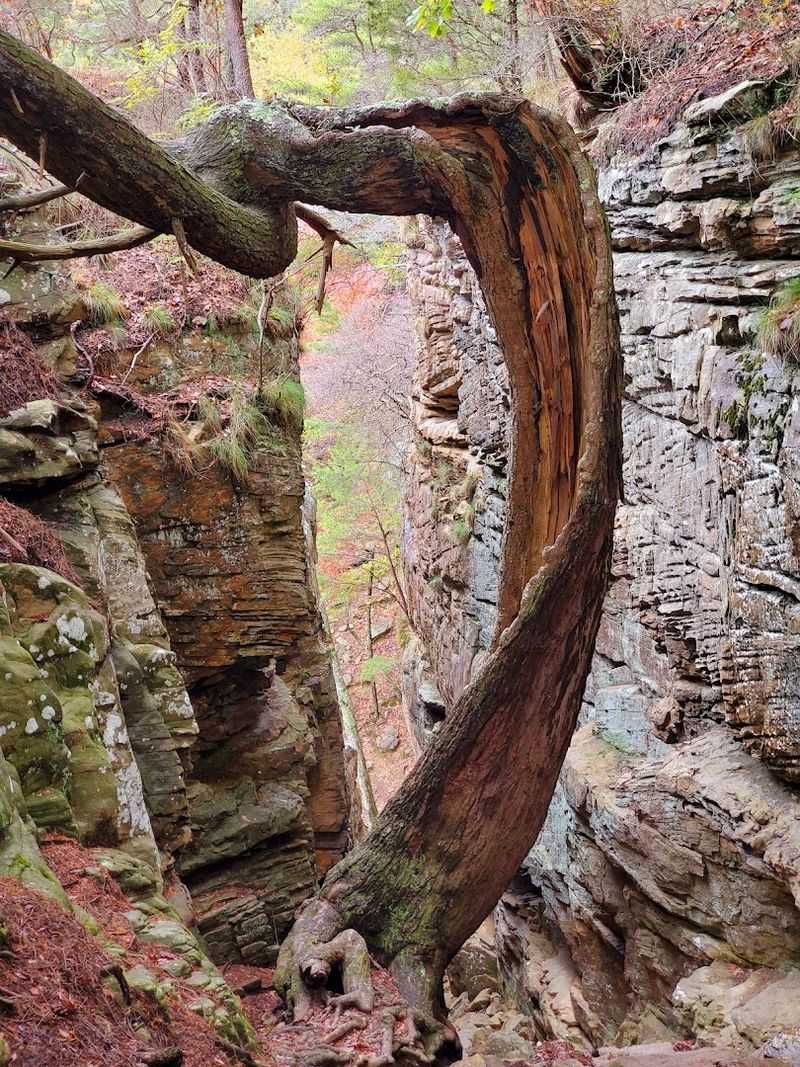
Imagine a giant stone doorway carved into the edge of a cliff, opening to a view that drops straight down into a forested gorge. That’s the Great Stone Door, and it’s exactly as dramatic as it sounds. This is one of those hikes where the destination photo does all the talking.
The trail to reach this geologic stunner is surprisingly gentle, making it accessible to most hikers without requiring serious fitness. You’ll walk through a hardwood forest on a well-worn path that gradually approaches the rim of Savage Gulf. The anticipation builds as you get closer, knowing something spectacular waits ahead.
When you reach the Stone Door, the scale hits you immediately. This natural rock arch serves as a gateway between the plateau and the deep gorge below, making it one of Tennessee’s most photographed natural features. The cliff edges here demand respect, so watch your footing and keep kids close.
The overlook extends beyond the Stone Door itself, offering multiple vantage points to peer into the gulf. On misty mornings, fog fills the valley below, making the cliffs seem to float above the clouds. It’s the kind of scene that makes you understand why people drive hours for a hike.
This trail sees steady traffic, especially on weekends, but the destination is spacious enough that it rarely feels overcrowded. Go early or late for the best light and fewer people sharing your view.
4. Burgess Falls River Trail, Burgess Falls State Park
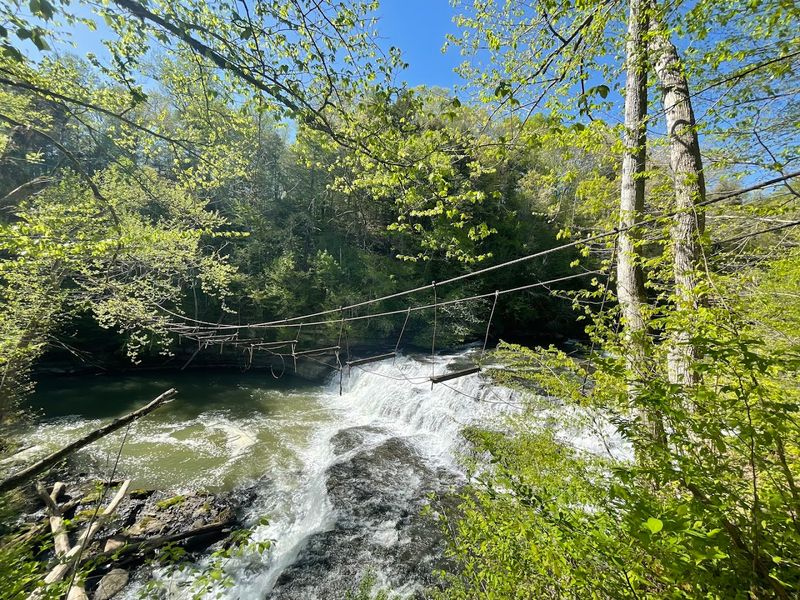
Four waterfalls in less than two miles? That’s the kind of math that makes this trail a favorite for anyone who wants maximum scenery with minimum mileage. Burgess Falls delivers a concentrated dose of rushing water, rocky cascades, and that satisfying roar that makes waterfall hikes so addictive.
The trail follows the Falling Water River as it tumbles downstream, revealing each waterfall in sequence. The first few are pleasant warm-ups, pretty cascades that hint at what’s coming. Then you round a bend and the main event appears: the lower falls, a 136-foot plunge that steals the show.
Getting to the base of the lower falls requires navigating stairs and some moderately steep sections, so this hike has a bit more teeth than the earlier entries on this list. It’s not grueling, but you’ll feel it in your legs, especially on the climb back up. The payoff is worth every step.
The observation deck at the lower falls gives you a front-row seat to the spectacle. Water volume varies with rainfall, so spring visits tend to be the most dramatic, with the falls roaring at full power. Even in drier months, the setting remains beautiful.
Pack water and snacks because you’ll want to linger at the falls.
5. Porters Creek Trail, Great Smoky Mountains National Park
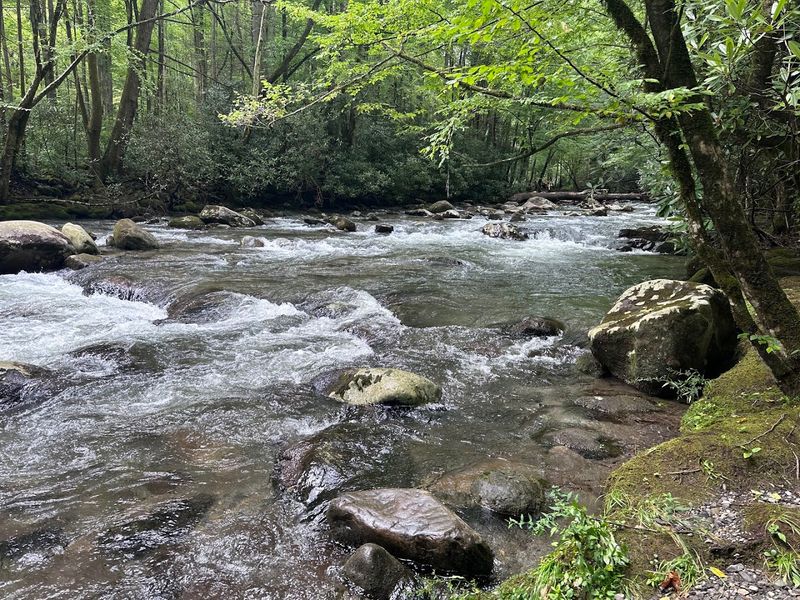
While most Smokies trails get mobbed with tourists, Porters Creek maintains a quieter, more peaceful vibe. This moderate hike combines natural beauty with human history, passing old homestead structures and leading to a delicate waterfall that feels like a secret even though it’s marked on maps.
Spring transforms this trail into something magical. Wildflowers carpet the forest floor in waves of color, from trillium to violets to wild geraniums. It’s one of the park’s premier wildflower destinations, drawing photographers and nature lovers who time their visits to catch peak bloom.
The trail follows an old roadbed for much of the way, making for easy walking as it parallels Porters Creek upstream. You’ll encounter remnants of old stone walls, crumbling chimneys, and a preserved cantilever barn that hints at the families who once called this valley home. These historical touches add depth to the hike beyond just pretty scenery.
Fern Branch Falls appears about two miles in, a slender cascade that tumbles down a mossy rock face. It’s not a thundering giant, but its delicate beauty fits the character of this trail perfectly.
The creek itself provides constant companionship, its babbling soundtrack following you through the forest. This is the kind of hike that rewards a slower pace, where stopping to notice details makes the experience richer than just rushing to the destination and back.
6. Abrams Falls Trail, Great Smoky Mountains National Park
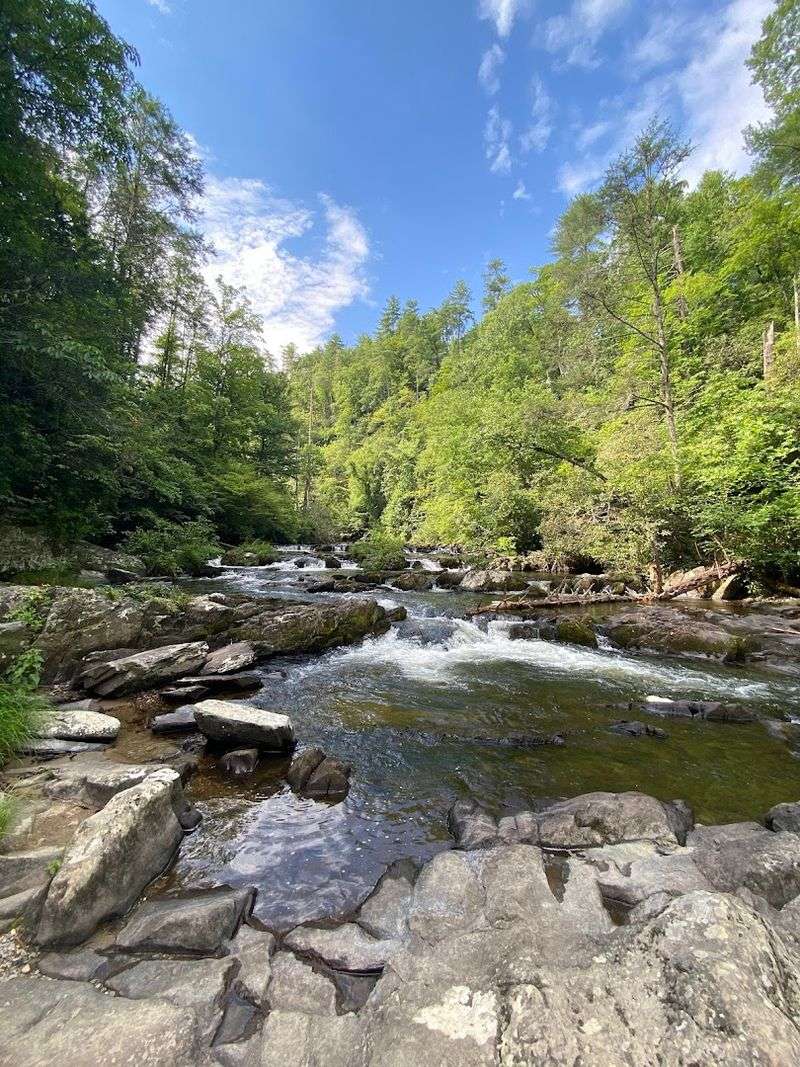
Don’t let the modest 25-foot height fool you. Abrams Falls punches way above its weight class in terms of sheer power and volume. This is the Smokies’ highest-volume waterfall, and when you see the water thundering over the ledge into that churning pool below, you understand why it’s considered one of the park’s must-see cascades.
The five-mile round-trip trail winds through diverse forest, crossing streams and hugging hillsides as it works toward the falls. It’s rated moderate, which means it’s not a beginner stroll but also won’t destroy you if you’re in decent shape. The trail has some ups and downs, a few rocky sections, and enough variety to keep things interesting.
What makes this hike feel more adventurous than the mileage suggests is the remoteness. Once you leave the trailhead behind, you’re committed to the journey. The forest closes in, the sounds of civilization fade, and you’re left with just the trail ahead and the anticipation of that waterfall roar growing louder.
When you finally reach Abrams Falls, the setting is spectacular. The falls pour over a wide ledge, creating a misty curtain that feeds a large, impossibly blue pool below. Swimming is technically not allowed due to dangerous currents and cold water, but the temptation is real on hot summer days.
7. Twin Arches Loop, Big South Fork National River and Recreation Area
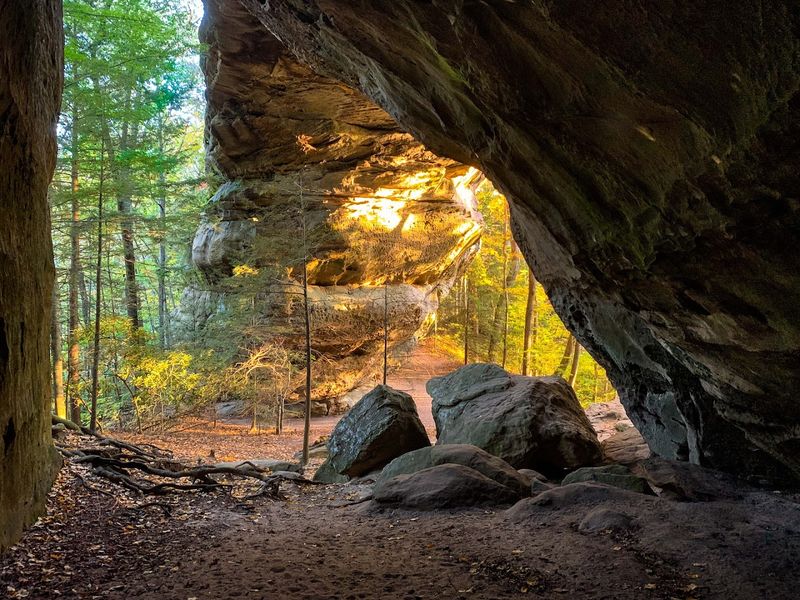
Tennessee has its share of impressive rock formations, but Twin Arches stands out as something truly special. These massive natural stone bridges rank among the largest in the eastern United States, and hiking the loop that visits both arches gives you a full tour of this unique landscape.
The 4.5-mile loop winds through a landscape that feels distinctly different from the Smokies. Instead of endless green ridges, you’re exploring sandstone cliffs, rock shelters, and exposed stone formations that create a more rugged, southwestern vibe. It’s a reminder that Tennessee’s geology is more diverse than many people realize.
The trail visits both the North and South Arches, each impressive in its own right. The North Arch is the larger of the two, a sweeping span of stone that creates a natural cathedral beneath. Standing under these arches, you can’t help but appreciate the millions of years of erosion that carved them from solid rock.
Beyond the arches themselves, the trail offers plenty of other visual rewards. Rock shelters provide shaded spots to rest, cliff overlooks give you views across the forested valleys, and the varied terrain keeps the hiking engaging throughout. This is a solid middle-distance hike that delivers consistent scenery.
The loop can be hiked in either direction, though many prefer counterclockwise to hit the South Arch first. Either way, wear sturdy shoes because the trail includes rocky sections that demand good traction. Bring plenty of water, especially in summer when the exposed areas can get warm.
8. Alum Cave Trail, Great Smoky Mountains National Park
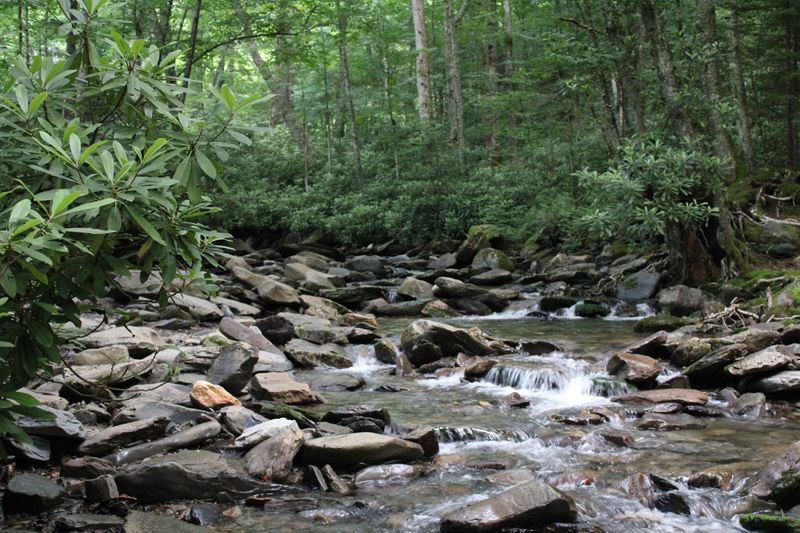
This trail packs an incredible variety of features into five miles, making it one of the Smokies’ most popular and rewarding hikes. You’ll encounter everything from creek crossings to an arched rock formation to exposed ridgeline scrambles with cable handrails. It’s like a greatest-hits collection of Smokies scenery compressed into one outing.
The trail starts gently, following Alum Cave Creek through old-growth forest. Early on, you’ll pass Arch Rock, a natural tunnel that the trail passes through, and Eye of the Needle, a narrow gap between massive boulders. These features add a sense of adventure even before you reach the namesake Alum Cave.
Despite its name, Alum Cave is actually a massive concave bluff, a huge rock shelter that offers protection from the elements and stunning views across the valley. This is where many casual hikers turn around, having gotten their photo and their taste of the trail’s highlights.
But if you continue beyond the cave, the trail gets more interesting and more challenging. The path narrows as it hugs steep slopes, with cable handrails bolted into the rock to help with the exposure. Views open up dramatically as you climb higher, with long sightlines across the mountains.
The full trail continues all the way to Mount LeConte, but even stopping at Alum Cave or pushing a bit beyond makes for a satisfying day. This is a hike that demands respect for weather and conditions, as the upper sections can be dangerous when wet or icy.
9. Virgin Falls Trail, Virgin Falls State Natural Area
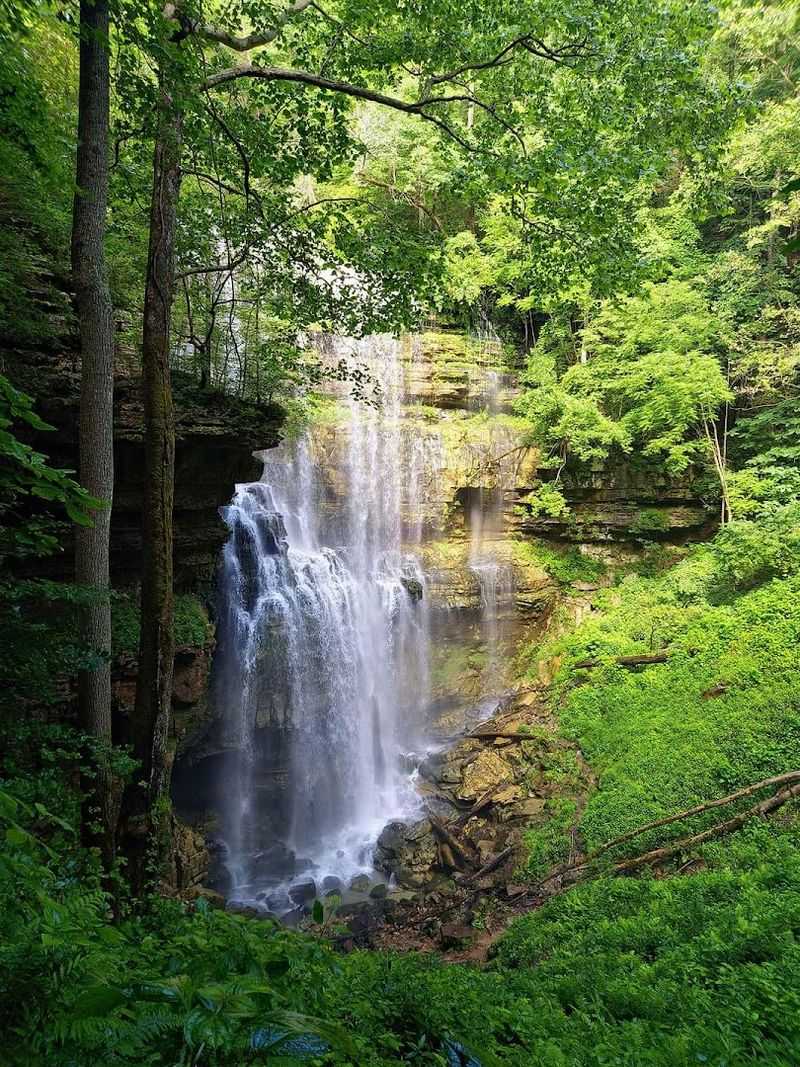
Here’s where things get serious. Virgin Falls is one of Tennessee’s most unique and spectacular waterfalls, and reaching it requires a legitimate commitment. The 8.6-mile round-trip journey involves significant elevation change, creek crossings, and enough distance that you’ll definitely feel it the next day.
But the destination is so unusual that it belongs on any serious Tennessee hiker’s bucket list.
The waterfall itself is a geological oddity. Water emerges from a cave, plunges 110 feet over a rock face, then disappears into another cave at the base. It’s the kind of natural feature that makes you stop and wonder at the underground hydrology that created such a thing.
Watching water appear from nowhere, fall through open air, then vanish again feels almost magical.
Getting there means hiking through diverse terrain that includes hardwood forest, creek valleys, and rocky sections that require careful footing. The trail isn’t technically difficult, but the distance and elevation change move this firmly into the strenuous category. You’ll cross streams, climb hills, and cover enough ground that pacing yourself matters.
The trail also passes other notable waterfalls along the way, including Big Branch Falls and Big Laurel Falls, both of which would be worthy destinations on their own. This abundance of water features makes the long hike feel rewarding throughout, not just at the final destination.
Start early because this hike takes time. Bring plenty of food and water, wear broken-in boots, and be prepared for a full day on the trail.
10. Ramsey Cascades Trail, Great Smoky Mountains National Park
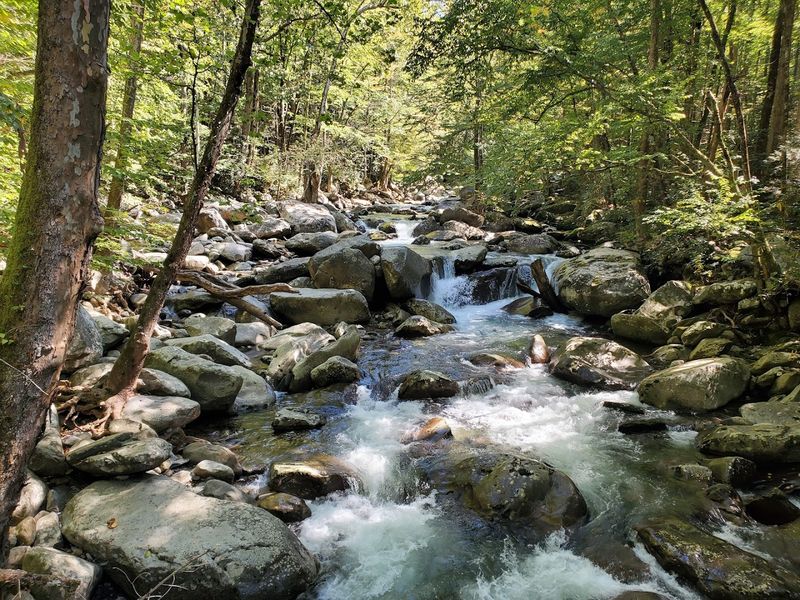
At 105 feet, Ramsey Cascades holds the title of tallest waterfall in the Smokies. That fact alone makes it a magnet for waterfall chasers, but the journey to reach it adds another layer of appeal. This is a legitimately challenging eight-mile roundtrip hike through old-growth forest, ending at a powerful cascade that feels earned.
The trail starts deceptively easy, following an old roadbed through beautiful forest. But don’t be fooled—the difficulty ramps up as you go. The final miles involve boulder hopping, stream crossings, and steady climbing that test your stamina.
By the time you reach the falls, you’ve definitely worked for it.
The old-growth forest along this trail deserves attention beyond just being scenery you pass through. Some of these trees are enormous, ancient giants that survived the logging era. Walking among them adds a sense of reverence to the hike, a reminder of what these mountains looked like before humans arrived.
The cascade itself is stunning, a multi-tiered tumble of water that spreads across a wide rock face. The volume varies with season, but even in drier months, the falls remain impressive. The pool at the base stays frigid year-round, fed by that icy mountain water.
This hike demands respect. The trail can be slippery, especially near the falls where mist keeps rocks perpetually wet. Good boots with solid traction are essential.
The length and difficulty mean you should be in good shape before attempting this one, and starting early helps you avoid rushing on the return.
11. Fiery Gizzard Trail, South Cumberland State Park
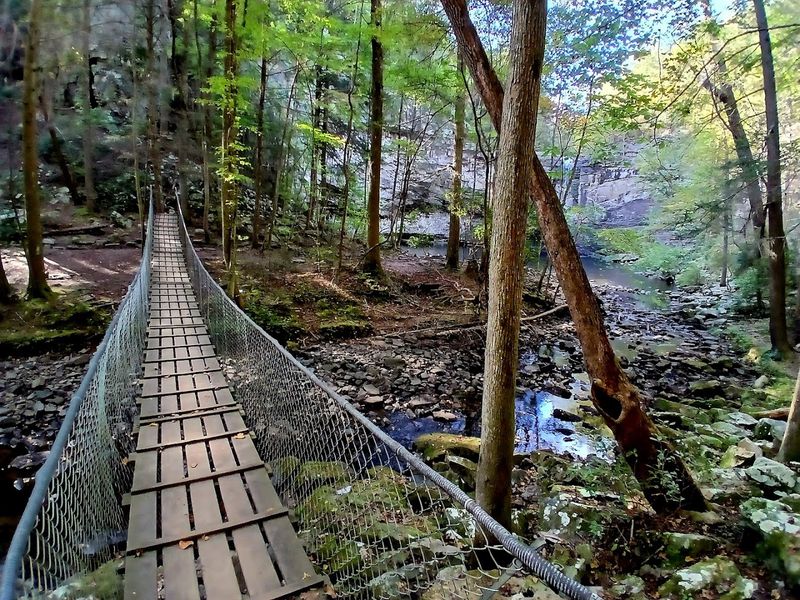
This is it—the wild backcountry finish that separates casual hikers from serious trail enthusiasts. The Fiery Gizzard Trail runs roughly 13 miles one-way through some of Tennessee’s most rugged and beautiful terrain. With waterfalls, rocky gorges, jaw-dropping overlooks, and backcountry camping options, this trail delivers a true wilderness experience that feels remote despite being relatively accessible.
The name alone hints at the challenge ahead. This isn’t a groomed park trail with gentle grades and easy footing. Expect steep descents into gorges, scrambles over boulders, creek crossings that might soak your boots, and sections where the trail demands both physical fitness and mental focus.
It’s the kind of hike that reminds you why good preparation matters.
Scenery-wise, Fiery Gizzard delivers nonstop. You’ll encounter multiple waterfalls, including some impressive cascades that would be destinations on their own. Rock formations create natural sculptures, overlooks provide sweeping views across the Cumberland Plateau, and the lush forest creates a green tunnel that feels worlds away from civilization.
Most hikers either tackle this as a long day hike with a car shuttle or break it into an overnight backpacking trip using the designated campsites. The overnight option lets you experience the trail at a more relaxed pace and adds the magic of sleeping under the stars in true backcountry.
This trail isn’t for beginners or anyone unprepared for serious hiking. But for those ready for the challenge, Fiery Gizzard represents Tennessee hiking at its wildest and most rewarding. It’s the perfect capstone to this list, proving that the Volunteer State can satisfy even the most adventurous trail appetites.