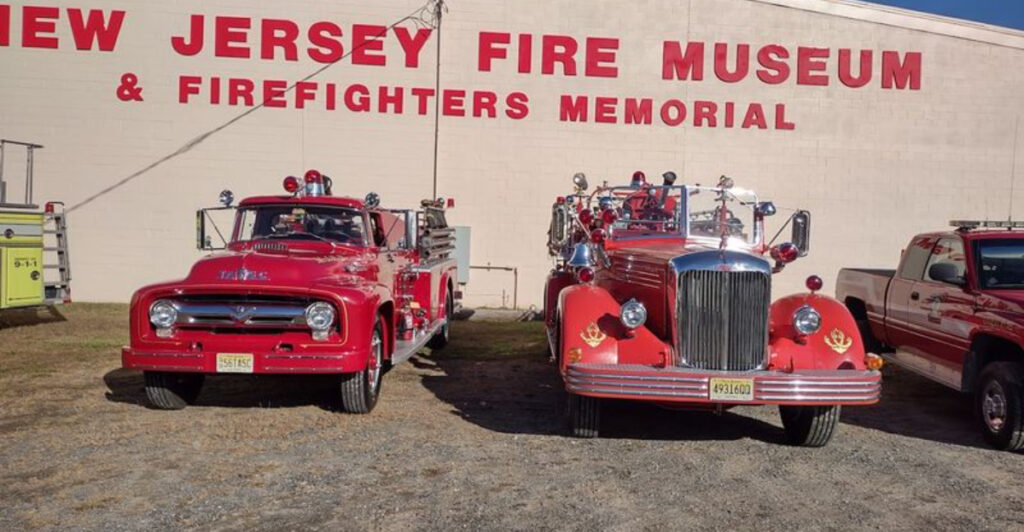
Some New Jersey attractions announce themselves with giant signs, packed parking lots, or a steady stream of social posts. This one does the opposite.
Tucked near Allentown, the New Jersey Fire Museum and Fallen Firefighters Memorial keeps a much lower profile, which makes the first visit even better.
You pull up expecting something modest, then walk into a 20,000-square-foot former Princeton Nursery warehouse now filled with historic apparatus, memorabilia, and firefighting artifacts from across the state.
The museum moved to the Polhemustown Road site in 2015, held its first public open house there in 2016, and has continued building out a collection that includes vintage engines, hand-pulled equipment, tools, and displays tied to New Jersey fire service history. What makes it memorable is not just the size of the place.
It is the mix of polished machinery, local stories, and genuine reverence for the people behind the wheel. That combination gives the museum real personality, and in a state full of quirky day trips, this one earns its spot.
Tucked Away in New Jersey Is a Warehouse Full of Firefighting History
Driving out to Allentown already feels like you are leaving the usual New Jersey pace behind. Then you arrive at the museum and realize the building itself is part of the story.
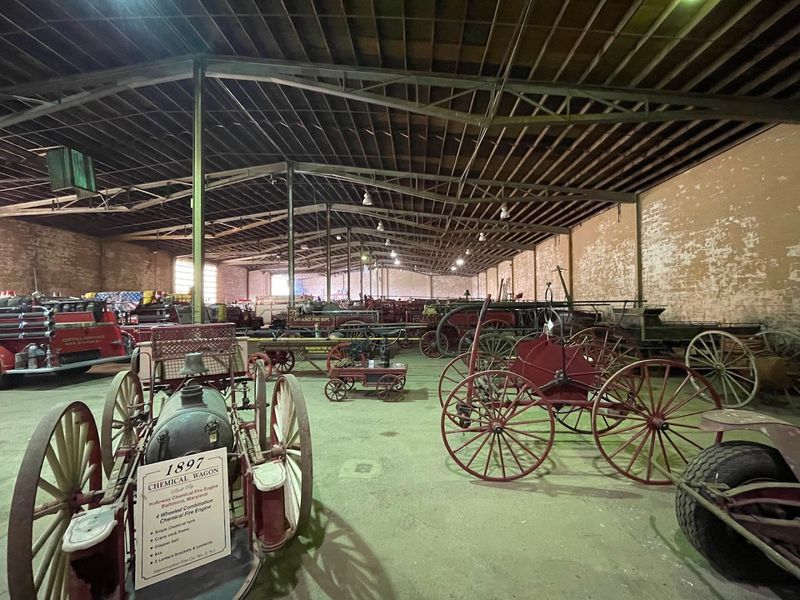
This is not some purpose-built showpiece with dramatic lighting and sleek ticket counters. It is a former agricultural warehouse on the old Princeton Nursery property, and that plainspoken setting actually works in its favor.
It feels practical, a little unexpected, and completely right for a collection built around hardworking machines and the people who used them. Once inside, the scale hits fast.
You are not easing into a tidy little display room. You are stepping into a huge indoor space filled with vintage fire engines, hand-pulled equipment, and artifacts that span generations of New Jersey firefighting history.
That setting gives the museum a personality that would be hard to fake. It is not polished into blandness.
It has grit, character, and a strong sense of place. There is also something deeply Jersey about the whole experience.
The museum grew through donations from individuals, fire agencies, retired firefighters, and families, so the collection feels rooted in real communities rather than assembled for show. That local texture matters.
Instead of coming across like a generic transportation museum, the place feels tied to actual towns, actual departments, and real stories of service across the state.
By the time you have taken in the first stretch of apparatus, the warehouse stops feeling like a simple building and starts feeling like a giant memory bank for New Jersey fire history.
The First Thing You Notice Is Just How Massive the Collection Feels
A lot of small museums use the word collection pretty generously. This one does not need to.
Here, the lineup is the point. The first impression is not one star exhibit or one carefully staged antique.
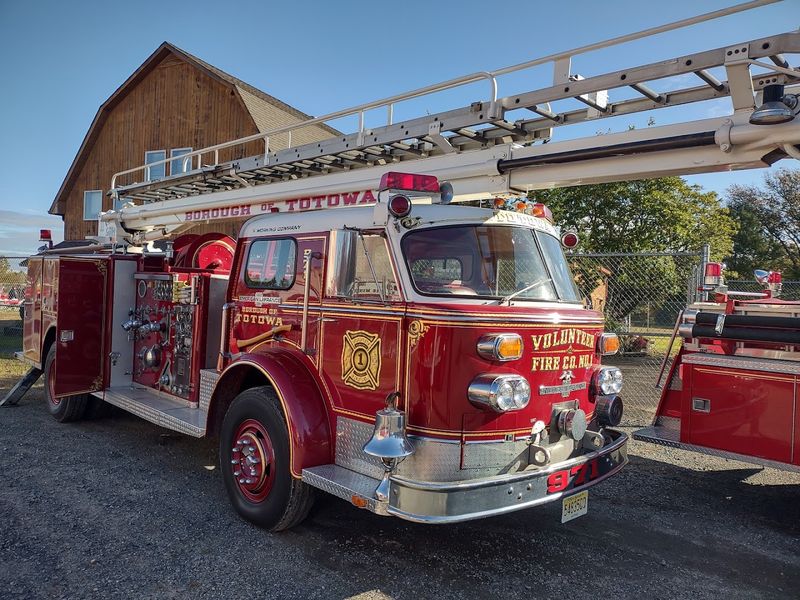
It is the sheer number of vehicles stretching through the warehouse and creating that wonderful moment where your eyes keep finding something new before you have finished taking in the last thing. That sense of scale changes the whole visit.
You are not just admiring a couple of preserved trucks. You are walking through an extended visual timeline of firefighting design.
Some rigs are tall and commanding, built with the kind of presence that can still dominate a room decades after retirement. Others are older, narrower, and more compact, which instantly shows how much the job and the machinery evolved over time.
The best part is that the collection does not feel cramped or overly staged. The vehicles have enough space to make an impression, and that lets you notice the differences in body style, wheel design, pump layout, ladders, cabs, and proportions without needing a placard to explain everything.
Even if you know nothing about fire apparatus, the contrasts are obvious. For people who do love old trucks, the closeness makes it even better.
These are not distant display pieces trapped behind glass. You can actually study the paint, the brass, the old lettering, and the physical heft of each machine.
The museum may be focused on firefighting history, but it also doubles as a surprisingly satisfying showcase of industrial design, craftsmanship, and the way working vehicles used to be built with a lot more personality.
These Vintage Fire Engines Show How Fast Firefighting Changed Over the Decades
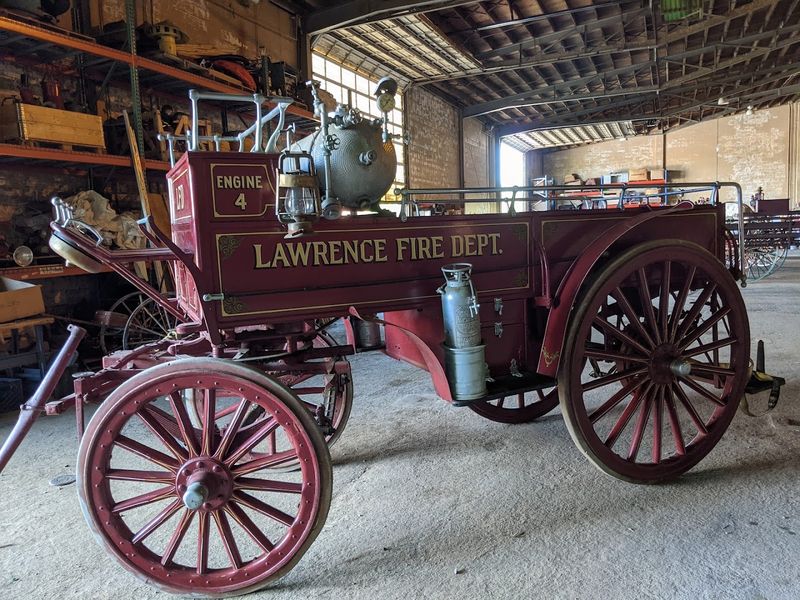
What makes the apparatus here especially interesting is not just that the trucks are old. It is how clearly they show change in motion.
Walk through the museum and you are not looking at one frozen chapter of history. You are looking at a progression from early fire service methods to later vehicles built for more specialized, motorized, and demanding work.
That is what gives the collection its real energy. Early equipment reflects a time when manpower and simpler mechanics did much of the heavy lifting.
Later rigs tell a different story. They get bigger, more capable, more complex, and more obviously tailored to the realities of twentieth-century emergencies.
That evolution is easy to spot even if you are not an expert. One truck may charm you with wooden wheels, exposed details, and a body that feels almost ceremonial by today’s standards.
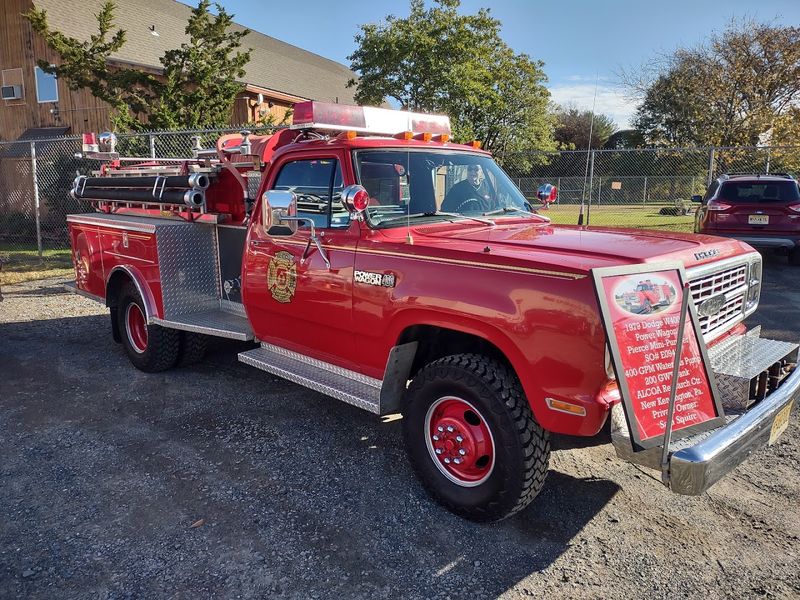
A later pumper looks broader and tougher, like it was designed with efficiency and force in mind. Then you see an aerial apparatus and the shift becomes even more obvious.
Suddenly the collection is not just about getting water to a fire. It is also about height, reach, rescue, access, and the changing needs of towns and cities.
The beauty of the museum is that it turns all of that into something physical and immediate. You do not have to read about technological progress in an abstract way.
You can stand a few feet away from it. Each truck shows a slightly different answer to the same basic problem of how to respond faster, work smarter, and protect more people.
That makes the collection feel less like a row of antiques and more like a living mechanical record of how firefighting kept adapting to the world around it.
The Old-School Details Make Every Truck Worth a Closer Look
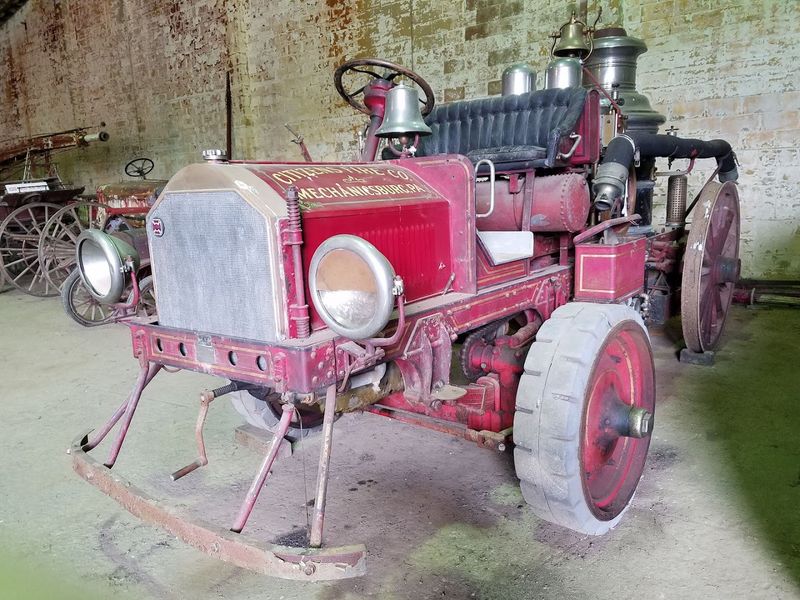
The big silhouettes grab your attention first, but the details are what make people linger. This museum rewards anyone willing to slow down and look closely.
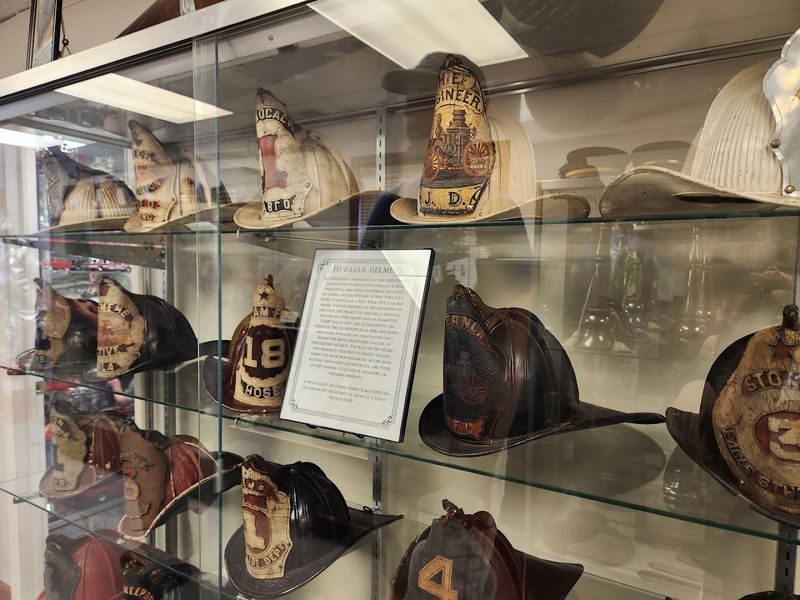
The obvious stars are the vintage rigs themselves, yet the smaller elements around them add just as much texture. Old helmets, hoses, nozzles, axes, alarms, communication devices, badges, and department memorabilia help fill in the world these trucks came from.
That supporting material matters because it turns the visit into more than a parade of impressive vehicles. It gives the machinery context.
You start to see not just what firefighters drove, but what they carried, how they communicated, and what their working environment looked like across different eras. The trucks themselves also reward a slower look.
Old apparatus has a level of craftsmanship that really lands when you are close enough to study it. Brass fittings catch the light in a way modern emergency vehicles usually do not.
Wooden spoke wheels, hand-painted lettering, polished trim, and distinctive pump designs all give these machines a style that feels both practical and oddly theatrical. Some have a kind of elegance that modern vehicles would never even attempt.
Others look rugged and no-nonsense, like they were built to muscle through anything. That variety keeps the eye moving.
Then there is the human element tucked into every lever, gauge, and worn piece of gear. These were not just beautiful machines.
They were part of a working system built around speed, judgment, and risk. Looking closely at the details makes that reality easier to grasp.
The museum lets visitors admire the hardware, sure, but it also quietly reveals the habits, pressures, and ingenuity of the people who relied on it.
This Museum Is About More Than Machines and Memorabilia
For all the visual appeal of the trucks, the museum never lets the visit drift into pure nostalgia. The institution is also deeply focused on honoring the people behind the equipment, and that changes the emotional tone in the best possible way.
The Fallen Firefighters Memorial gives the collection a deeper center of gravity. Suddenly the gleaming rigs and polished brass are not just cool artifacts.
They are reminders of a profession built on service, danger, and sacrifice. That framing matters.
It keeps the museum from feeling like a place that celebrates machinery for its own sake. Instead, the apparatus becomes part of a much bigger story about courage, duty, and the communities these firefighters served.
That perspective gives even the most striking truck a little more weight. You start seeing the vehicles less as objects and more as tools tied to urgent decisions, hard conditions, and the expectation that someone would answer the call no matter what.
The museum’s emphasis on remembrance also makes it feel more grounded and sincere. There is real respect in the way the collection is presented.
It is not loud about it, and it does not need to be. The message comes through clearly enough in the memorial focus and in the care taken to preserve the history itself.
That combination of machinery and meaning is what makes the place memorable. Plenty of museums can show you old things.
Fewer can make those old things feel connected to real people in such a direct way. Here, the past is not treated like a decorative backdrop.
It is treated like something earned, something lived, and something still worth honoring in the present.
Why This Allentown Stop Belongs on Any New Jersey Day Trip List
Not every great day trip in New Jersey has to be huge, trendy, or endlessly hyped online. Sometimes the best ones are the places that feel specific, a little unexpected, and completely confident in what they are.
This museum fits that description perfectly. It is rooted in one subject, one state, and one very tangible kind of history, which makes it much more memorable than a generic stop trying to please everybody.
The Allentown setting only adds to the appeal. Getting there feels like a small escape from the louder, more predictable parts of the state, and once you arrive, the experience feels refreshingly focused.
You are there to see beautifully preserved fire apparatus, absorb some local history, and spend time in a place that clearly means something to the people who run it. That volunteer-driven energy makes a real difference.
Museums like this work because people care enough to keep them going, preserve the equipment, welcome visitors, and protect the stories attached to the collection. You can feel that kind of dedication when you walk through the space.
It does not feel corporate or overly polished. It feels loved.
That is part of the charm. For New Jersey folks, the museum also offers a satisfying reminder that some of the state’s most interesting attractions are the ones hiding in plain sight.
This is local history with horsepower, craftsmanship, and genuine heart. Even visitors who do not show up obsessed with old fire trucks usually leave with a favorite rig and a new appreciation for the state’s firefighting legacy.
That is more than enough to justify a Saturday drive.
Share this story