Nestled in the quiet town of Cowan, Tennessee, you’ll find a charming little museum that pays tribute to the golden age of railroading. The Cowan Railroad Museum isn’t flashy, oversized, or packed with crowds, and that’s part of its appeal. It feels personal, welcoming, and full of character in a way bigger attractions often don’t.
Whether you’re a lifelong train enthusiast, a history lover, or simply searching for a fun family outing, this hidden gem offers a nostalgic step back in time that can spark curiosity and wonder in visitors of all ages.
This Hidden Railroad Museum in Tennessee Feels Like Stepping Back in Time
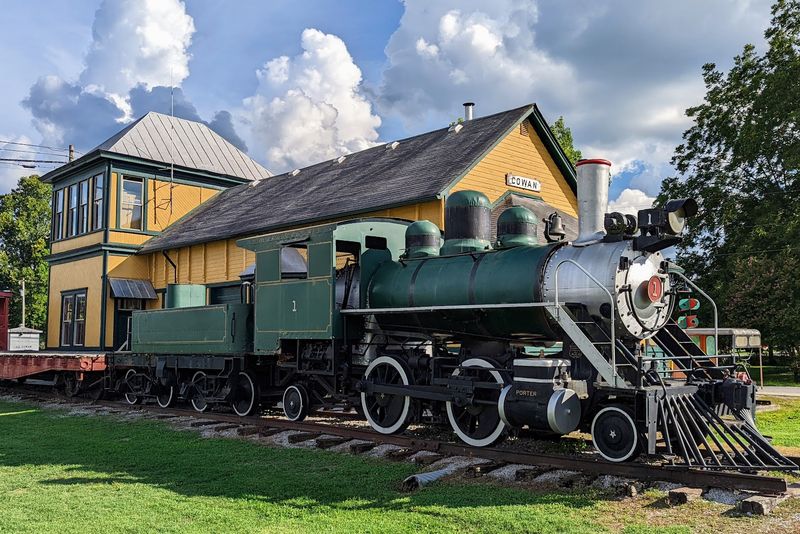
Walking up to the Cowan Railroad Museum feels like entering a different era. The building itself tells a story—locals actually banded together in the 1970s to purchase it and have the entire structure moved to preserve this piece of history. That kind of community dedication gives the place a special warmth you won’t find in bigger, fancier museums.
Inside, you’ll find yourself surrounded by artifacts that transport you straight to the days when trains were the heartbeat of American transportation. Old photographs line the walls, showing Cowan in its heyday when the railroad was everything to this community. The displays aren’t behind fancy glass cases or roped off—they’re presented in a way that feels personal and authentic.
What really sets this museum apart is how it captures a specific moment in Tennessee history. You’re not just looking at random train stuff thrown together. Every item has a connection to Cowan and the railroad workers who lived here.
The volunteers who run the place add another layer of authenticity. They’re not reading from scripts—they’re sharing stories they genuinely care about. Their passion makes the experience feel less like a formal museum visit and more like hearing tales from a knowledgeable neighbor.
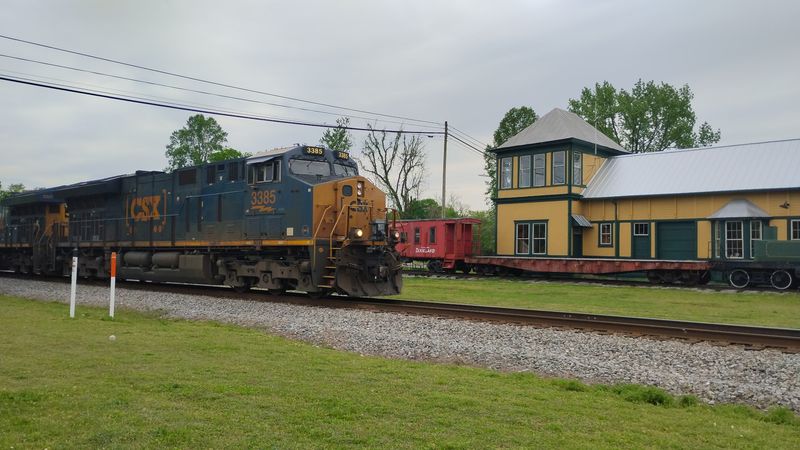
Even the location contributes to the time-travel vibe. An active CSX line runs right behind the museum, so you might catch a modern freight train rumbling past while you’re exploring vintage locomotives. That contrast between past and present creates a magical moment that reminds you how railroads continue shaping our world.
Why the Cowan Railroad Museum Is Such a Special Small-Town Find
Small-town museums have a different energy than their big-city counterparts, and Cowan Railroad Museum embodies that perfectly. There’s no pretense here, no overwhelming crowds, and definitely no corporate polish. What you get instead is a genuine slice of local pride that welcomes you like family.
The admission price alone tells you this place exists for the right reasons—just a couple of dollars gets you in. They’re not trying to make a fortune. They’re trying to share something meaningful with anyone curious enough to stop by.
Volunteers staff the museum, and their enthusiasm is contagious. These aren’t professional tour guides reading rehearsed lines. They’re locals who genuinely love their town’s history and want you to appreciate it too.
One visitor mentioned how the guide offered a shorter tour for her young son but happily gave the full experience when she wanted to hear everything.
The museum strikes a perfect balance between educational and entertaining. You’ll learn real history about how railroads shaped Tennessee, but it never feels like a boring lecture. The information is presented in digestible chunks that keep both kids and adults engaged.
Location matters too. Cowan isn’t a tourist trap town where everything feels manufactured for visitors. It’s a real community where the museum serves as a proud reminder of local heritage.
That authenticity shines through in every corner of the building.
Perhaps the best part? The museum doesn’t try to be something it’s not. It embraces its small-town charm and uses that intimacy to create an experience that larger institutions simply can’t replicate.
The Fascinating Railroad History That Put Cowan on the Map
Cowan’s story is inseparable from the railroad that runs through it. This wasn’t just another stop along the line—Cowan became a crucial hub because of the challenging mountain terrain surrounding it. The steep grades and dramatic elevation changes made this location essential for railroad operations in ways that transformed a small settlement into a thriving railroad town.
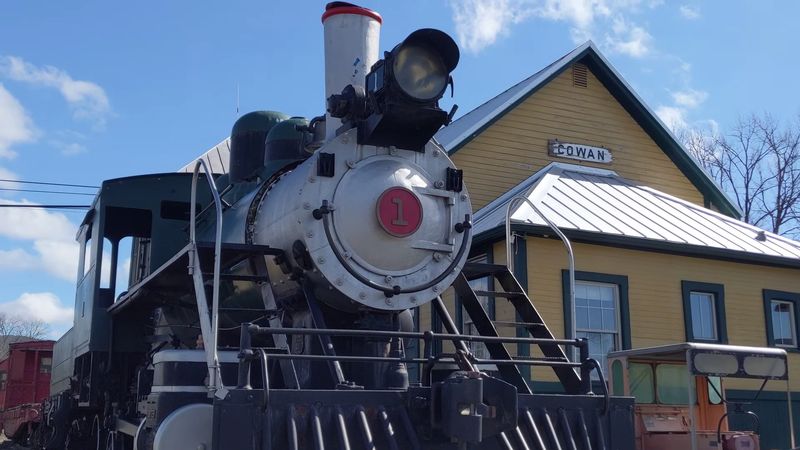
The museum does an excellent job explaining why Cowan mattered so much to Tennessee’s transportation network. You’ll discover how different types of locomotives were needed to handle the mountainous routes. Engineers and railroad workers made this town their home because the work here required special expertise and constant attention.
Photographs throughout the museum show Cowan during its peak railroad years. These aren’t just random old pictures—they document real people and real moments that shaped the community. You can see the bustling station, the workers who kept everything running, and the families who built their lives around the railroad schedule.
The displays explain technical aspects of railroad operations without getting too complicated. You’ll understand why certain equipment was necessary and how the geography of this specific location created unique challenges. It’s the kind of information that makes you appreciate the ingenuity of railroad engineers.
Learning about Cowan’s railroad heritage also reveals broader patterns about how transportation shaped American communities. Small towns across the country rose and fell based on their railroad connections. Cowan’s story represents thousands of similar communities where the railroad was the economic lifeline, the social center, and the connection to the wider world.
What You’ll See Inside the Cowan Railroad Museum
Step through the door and you’ll find a thoughtfully arranged collection that packs a lot into a relatively compact space. The museum isn’t enormous, but every square foot is used to showcase something interesting.
Railroad artifacts fill the display areas—tools, equipment, documents, and personal items that belonged to workers and their families. These objects tell human stories, not just technical ones. You’ll see things that railroad employees actually used in their daily work, making the history feel tangible and real.
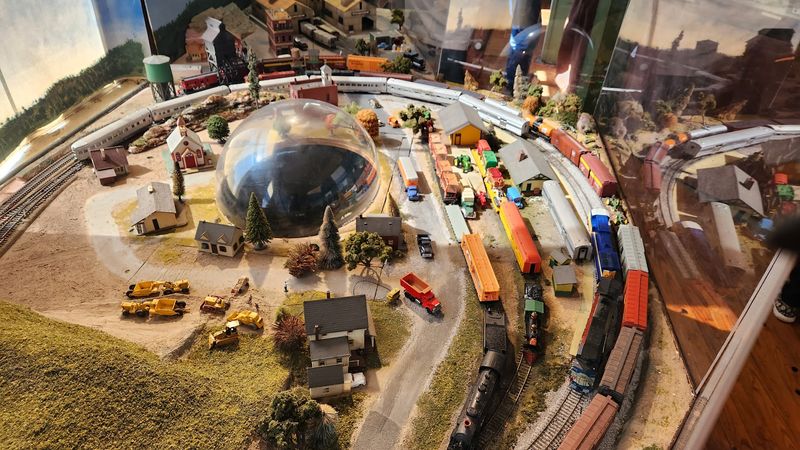
One of the highlights sits in the back room: a detailed model train layout depicting Cowan and the surrounding mountain landscape. This isn’t a simple toy train setup. It’s a carefully crafted miniature recreation of the local area, complete with tiny buildings and geographical features that help you understand the terrain challenges railroads faced here.
The model train runs on a loop, and there’s even a special viewing spot where smaller children can crawl inside to watch from a unique perspective. Kids absolutely love this feature, and honestly, adults find it pretty captivating too. You can watch the train disappear into mountain tunnels and emerge on the other side, demonstrating how railroads conquered difficult topography.
The museum also houses informational displays explaining different locomotive types and how the railroad system evolved over time. Everything is presented clearly enough that you don’t need to be a train expert to understand and appreciate what you’re seeing.
The Vintage Train Memorabilia That Makes It So Fun to Explore
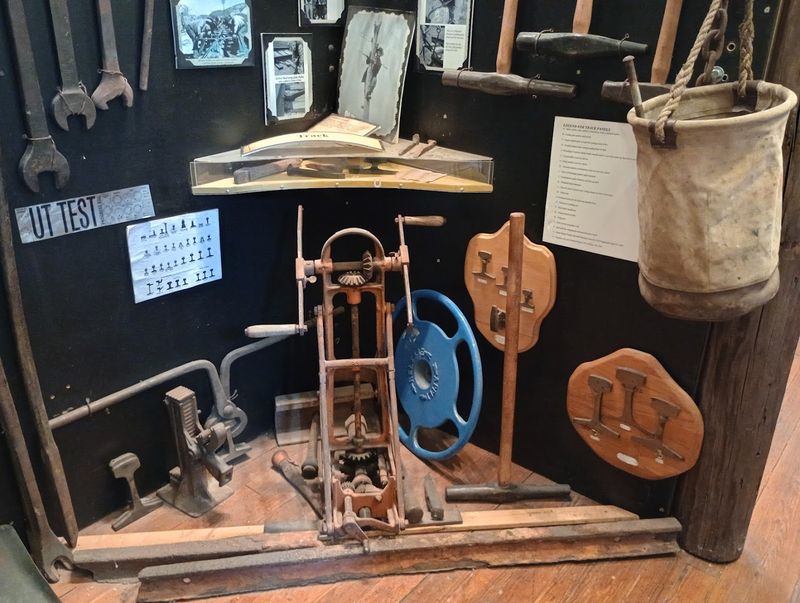
Museums can sometimes feel stuffy and untouchable, but the Cowan Railroad Museum takes a different approach with its memorabilia. The collection includes authentic pieces from Tennessee’s railroad history, displayed in ways that invite curiosity rather than demanding reverence. You’ll find conductor’s tools, old lanterns, uniforms, and equipment that railroad workers depended on daily.
What makes these items special isn’t just their age—it’s their connection to real stories. The volunteers can often share specific details about where certain pieces came from or who used them. That personal context transforms ordinary objects into meaningful artifacts that help you understand what railroad life was actually like.
The photographs deserve special mention because they’re not just decorative. They document specific moments in Cowan’s history and show the town during its railroad heyday. You’ll see images of workers, families, station activities, and trains that once traveled these routes regularly.
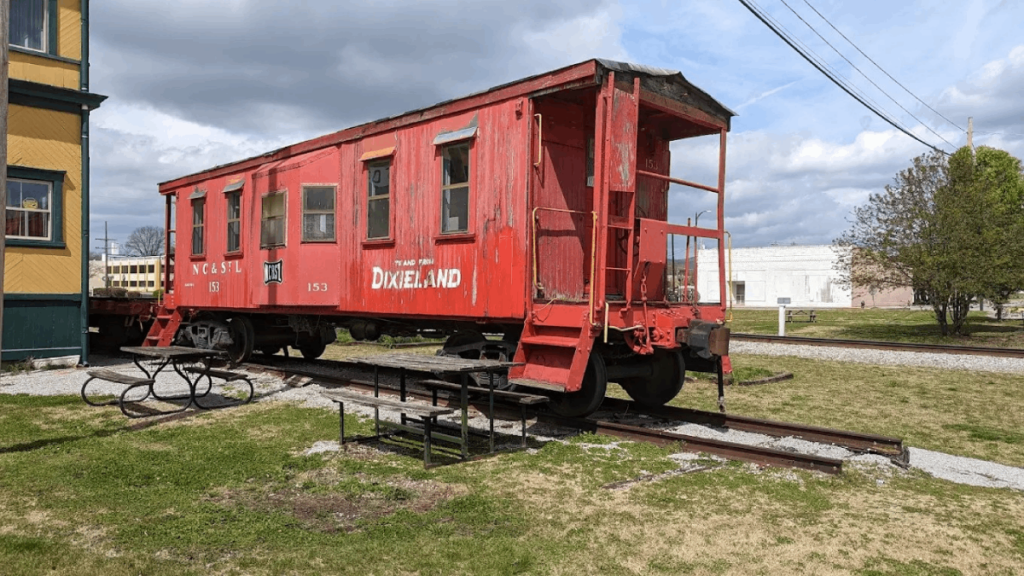
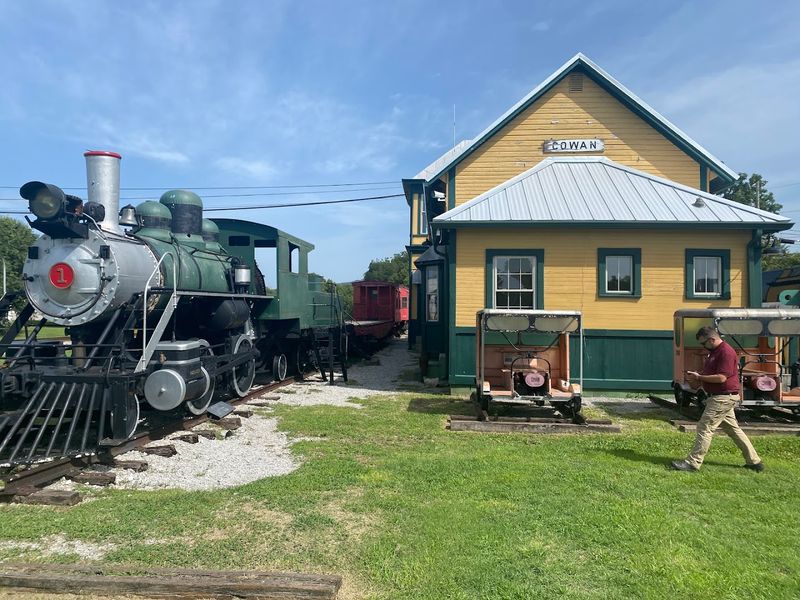
Outside the main building, the museum grounds feature full-sized railroad equipment you can actually climb on and explore. There’s a steam engine, caboose, boxcar, and other rolling stock that let visitors experience the scale and construction of real railroad vehicles.
The combination of indoor memorabilia and outdoor equipment creates a complete experience. You’re not just reading about trains or looking at pictures—you’re seeing actual machinery and touching real history.
Why Visiting Feels Nostalgic for Kids and Adults Alike
There’s something universally appealing about trains that transcends generations. Maybe it’s the power and size of the locomotives, or perhaps it’s the romance of travel and adventure that railroads represent. Whatever the reason, the Cowan Railroad Museum taps into that appeal beautifully, creating experiences that resonate with visitors regardless of age.
For adults, especially those who grew up in or around railroad communities, the museum triggers genuine nostalgia. The sounds, smells, and sights of the equipment bring back memories of a different era. Even if you don’t have personal railroad connections, there’s something deeply American about train history that feels familiar and important.
Kids respond to the museum differently but just as enthusiastically. They love the hands-on elements—climbing on the outdoor trains, watching the model railroad loop endlessly, and exploring the caboose.
That kind of engagement is rare and special.
The museum strikes a perfect balance between education and entertainment. Parents appreciate that their kids are learning real history while having genuine fun. Children enjoy the experience without realizing how much they’re absorbing about transportation, engineering, and community development.
Active trains still run on the CSX line behind the museum, and catching one during your visit adds an extra thrill. Kids wave at passing conductors, who often wave back, creating magical moments that cement the experience in young memories.
The nostalgic appeal isn’t manufactured or forced. It emerges naturally from authentic artifacts, passionate volunteers, and the simple joy of exploring something that once played such a vital role in American life.
What to Know Before You Go

Planning your visit requires knowing a few key details. The museum operates on limited hours—it’s only open Thursday through Saturday from 10 AM to 4 PM, and Sundays from 1 PM to 4 PM. It’s closed Monday through Wednesday, so definitely check the schedule before making the trip.
Some reviews mention the museum operates seasonally from May to October, so confirm current hours before visiting during other months.
Admission is incredibly affordable at just two dollars per adult, making this one of the best entertainment values you’ll find anywhere. Bring cash, though—they don’t accept cards. The low price reflects the museum’s mission to share history rather than turn a profit.
The museum is located at 108 South Front Street in Cowan, which is easy to find in this small town. Parking is simple and convenient, so you won’t waste time circling blocks looking for a spot. The whole experience is refreshingly straightforward and stress-free.
Tours are led by knowledgeable volunteers who tailor the experience to your group. If you have young children, they’ll adjust the information accordingly, but don’t hesitate to ask for the full tour if you want all the details. The guides are genuinely happy to share their knowledge.
Plan to spend anywhere from thirty minutes to an hour exploring, depending on your interest level and how much time kids want to spend on the outdoor equipment. There’s enough to see that you won’t feel rushed, but it’s not so overwhelming that little ones lose interest.