A roofless brick shell in the Pine Barrens, a village street that looks like everyone left five minutes ago, a hospital where the walls still seem to hold their breath—New Jersey does abandoned places with an oddly theatrical flair.
This state is so often reduced to shore weekends, diners, and the Turnpike that people forget how much ghostly history is tucked behind the trees, along old rail lines, and out past the last useful GPS signal.
Some of these spots are true ruins. Some are preserved enough to visit without feeling like you’re starring in your own bad idea.
All of them come with that specific Garden State tension: part local legend, part real history, part “maybe don’t wander off the trail.” What makes them memorable isn’t just decay. It’s the sense that each one still has a pulse under the dust—industrial ambition, resort dreams, wartime urgency, immigrant stories, all frozen in place.
These are the creepy abandoned places in New Jersey locals never quite forgot.
1. Brooksbrae Brick Factory
Deep in the pines near Manchester Township, Brooksbrae looks like the kind of place your friend swears they “accidentally found once,” and then never quite explains how.
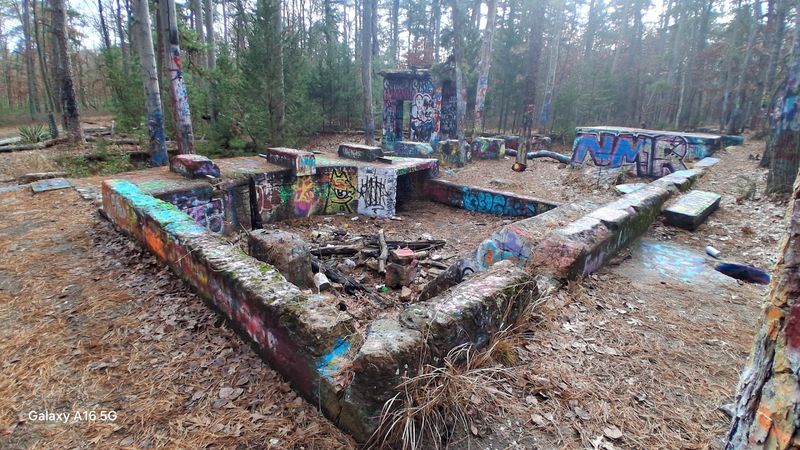
What’s left today is a sprawling ruin of brick walls and open sky, the remains of an early-20th-century terra-cotta and brickworks that never got a real chance to become what it was supposed to be.
The owner, William J. Kelly, died before the operation fully hit its stride, and the site’s history has been tangled ever since with stories of labor unrest, fire, and plain old bad luck.
This one is less polished historic attraction and more eerie relic, which is exactly why it sticks in people’s heads. You come for the scale of it: the long runs of crumbling brick, the way pine trees crowd the edges, the strange quiet that settles once you step away from the road.
It sits in Pine Barrens forest territory, so the smart move is to treat it like a forest ruin, not a free-for-all adventure course. Wear real shoes, expect uneven ground, and resist any temptation to climb where the structure is clearly losing its argument with gravity.
The site is best appreciated in daylight, with enough time to walk slowly and let your eyes adjust to how huge it once was. It earned its place on this list because few New Jersey ruins feel so cinematic while also feeling completely, unmistakably local.
2. The Deserted Village of Feltville
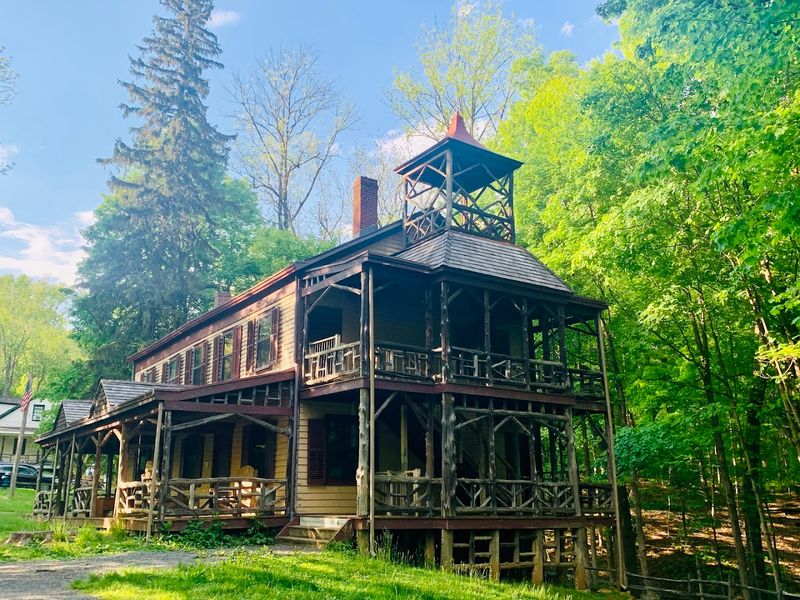
Not many places can truthfully say they’ve been a mill town, a failed experiment, a summer resort, and a preserved near-ghost village, but Feltville can.
Tucked inside the Watchung Reservation in Union County, this is one of the easiest eerie day trips in North Jersey because the grounds are open and the village is set up for self-guided wandering rather than whispered rumor alone.
David Felt bought the land in 1845, built a printing mill and a full company village, and by 1850 about 175 people were living there. After later ventures fizzled, the place went quiet, then reinvented itself as Glenside Park, a resort that eventually faded too.
What makes Feltville so good is the contrast. You’re not bushwhacking to some hidden pile of stone.
You’re walking past standing buildings, interpretive panels, and enough preserved structure to imagine daily life without much effort. Some houses are stabilized, and the site has seen serious preservation work, which means you can actually visit responsibly without feeling like you’ve stumbled someplace you shouldn’t be.
Just follow the rules, stay where visitors are supposed to stay, and let the emptiness do the work. It belongs here because Feltville manages to be accessible, historically rich, and just unsettling enough to make even a sunny afternoon feel slightly haunted.
3. Van Slyke Castle Ruins
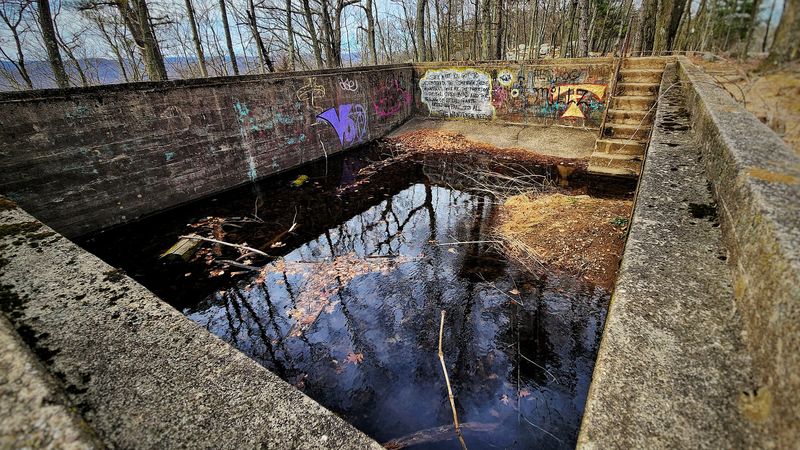
The climb is part of the mood here. Van Slyke Castle sits above Ramapo Lake in Ramapo Mountain State Forest, and by the time you reach the stone remains, you’ve already earned a little drama.
The mansion, originally known as Foxcroft, was built in 1910, and what survives today includes striking stone ruins, a water tower remnant, and traces of the estate that once looked out over the mountains with real swagger. Later fire and abandonment reduced it to the skeletal silhouette hikers know now.
This is one of those places where the approach matters as much as the ruin. Popular loop hikes run a few miles depending on your route, and the appeal is the combination: lake views, rocky sections, sudden outlooks, and then the castle itself appearing like New Jersey briefly forgot it wasn’t Scotland.
It’s a legitimate hike, not a roadside stop, so bring water, wear shoes with grip, and don’t underestimate the terrain just because the destination sounds whimsical. The best version of this trip is crisp weather, an early start, fewer crowds, and enough patience to look beyond the obvious photo angle.
Van Slyke earns its spot because it turns a ruin into a reveal, and that slow build makes the final view feel deliciously eerie instead of merely old.
4. Walpack Center Historic District
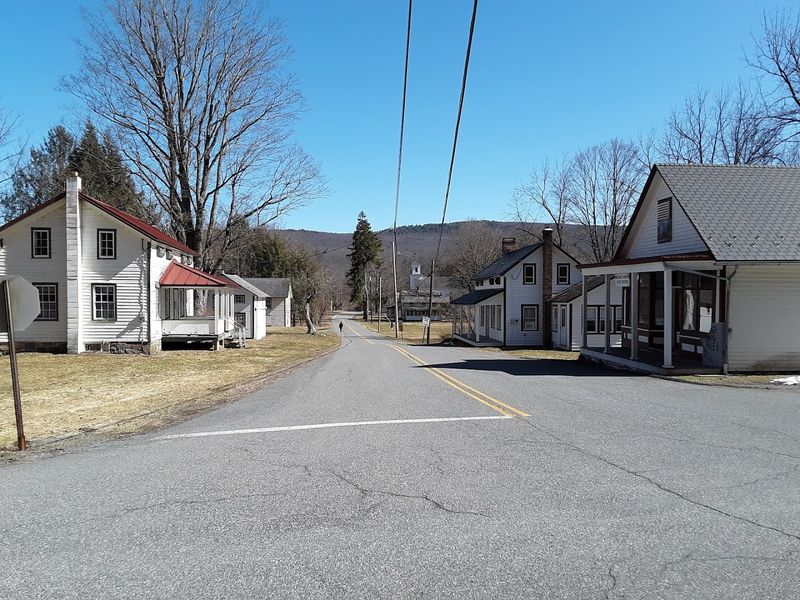
Walpack Center feels less like a ruin and more like a town paused mid-sentence. Inside Delaware Water Gap National Recreation Area, this former rural service center still has its church, school, homes, and old post office character intact enough to make the emptiness do the heavy lifting.
It was once a functioning community hub, and now the stillness is the story. There’s something especially unnerving about how orderly it all looks.
No dramatic collapse, no giant industrial carcass—just a historic hamlet with the volume turned way down. That makes it a great pick for people who like eerie places but not dangerous ones.
If you go, pair it with a Delaware Water Gap drive or hike so the stop feels like part of a larger day outdoors. Because access to certain buildings or museum spaces can vary, it’s smart to check ahead rather than assume every structure will be open when you arrive.
Walpack lands on this list because it proves New Jersey can do quiet unease just as well as crumbling spectacle.
5. Central Railroad of New Jersey Terminal
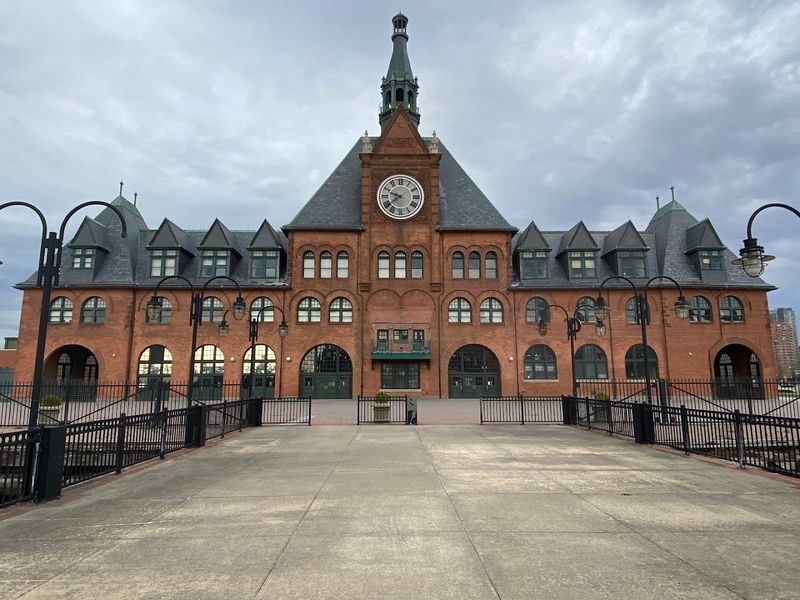
Abandoned grandeur hits differently when it’s sitting right on the Jersey City waterfront. The Central Railroad of New Jersey Terminal at Liberty State Park opened in 1889 and once served as one of the great gateways for passengers moving through the region, especially in the Ellis Island era.
Even with preservation work and public access, it still carries the lonely majesty of a place built for crowds that no longer come the same way. This is the rare entry on the list where the practical details are wonderfully easy.
It’s part of Liberty State Park, making it simple to reach and easy to combine with a larger waterfront outing. The big move here is not rushing it.
Stand back and take in the architecture first, then imagine the scale of migration, commuting, and departures that once moved through these halls. Because it’s in a managed park setting rather than hidden woodland, it works especially well for readers who want abandoned atmosphere without the usual access headaches.
Pair it with skyline views and a long walk, and the whole thing becomes less “urban ruin” and more “history that never fully left.” It made the list because few New Jersey sites blend faded romance, immigrant-era history, and waterfront melancholy this well.
6. Harrisville Ghost Town
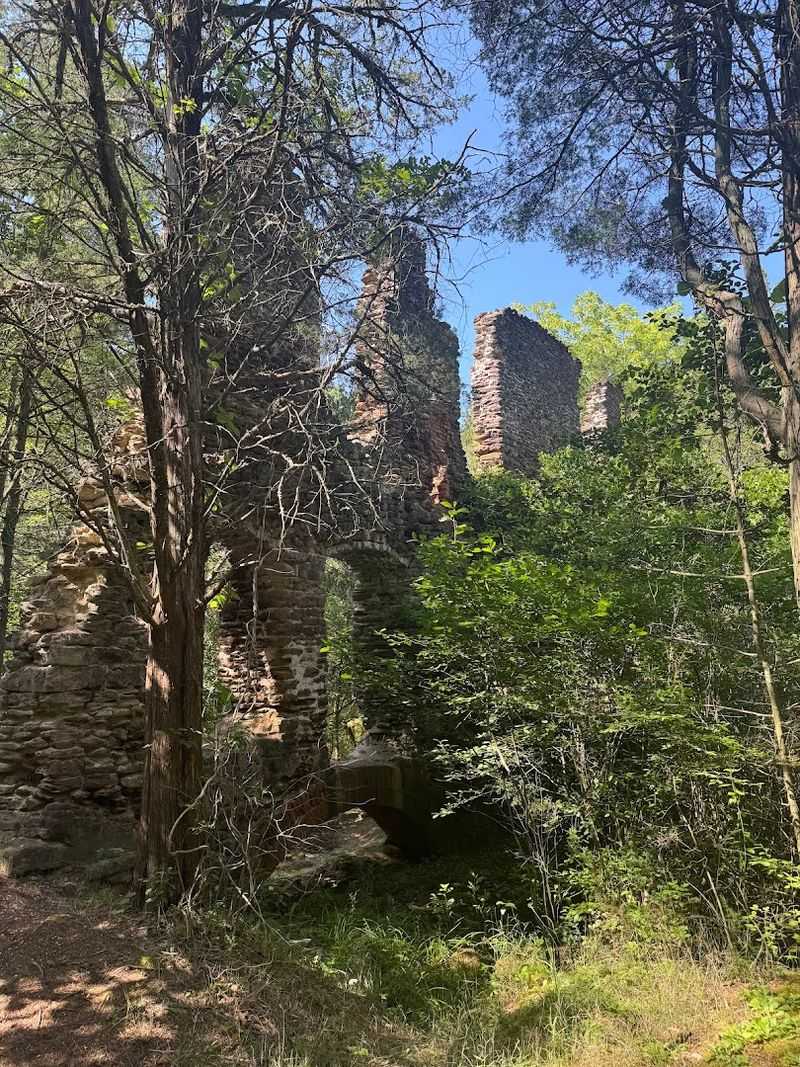
Out in the Pinelands, Harrisville is the real deal: a genuine ghost town, not just a spooky nickname someone slapped on a half-empty block. It was once a thriving industrial village centered on a paper mill, then was abandoned in the late 19th century after that business collapsed.
What remains today are ruins, landscape traces, and the kind of silence that makes you instinctively lower your voice. Part of Harrisville’s power is its isolation.
You feel the distance from modern life before you even get there. The remaining mill ruins are visible, but this is not a climb-around-and-see-what-happens site.
The better plan is to treat it like a landscape of evidence: foundations, water, old industrial bones, and the surrounding hush of Wharton State Forest. If you’re already exploring the Pine Barrens, Harrisville pairs naturally with a longer scenic drive or another historic stop nearby.
Start early, bring water, and don’t count on cell service to behave like a loyal friend. Harrisville earned its whisper-status because it feels exactly like what people mean when they say “ghost town,” only this time they’re not exaggerating.
7. Friendship Ruins
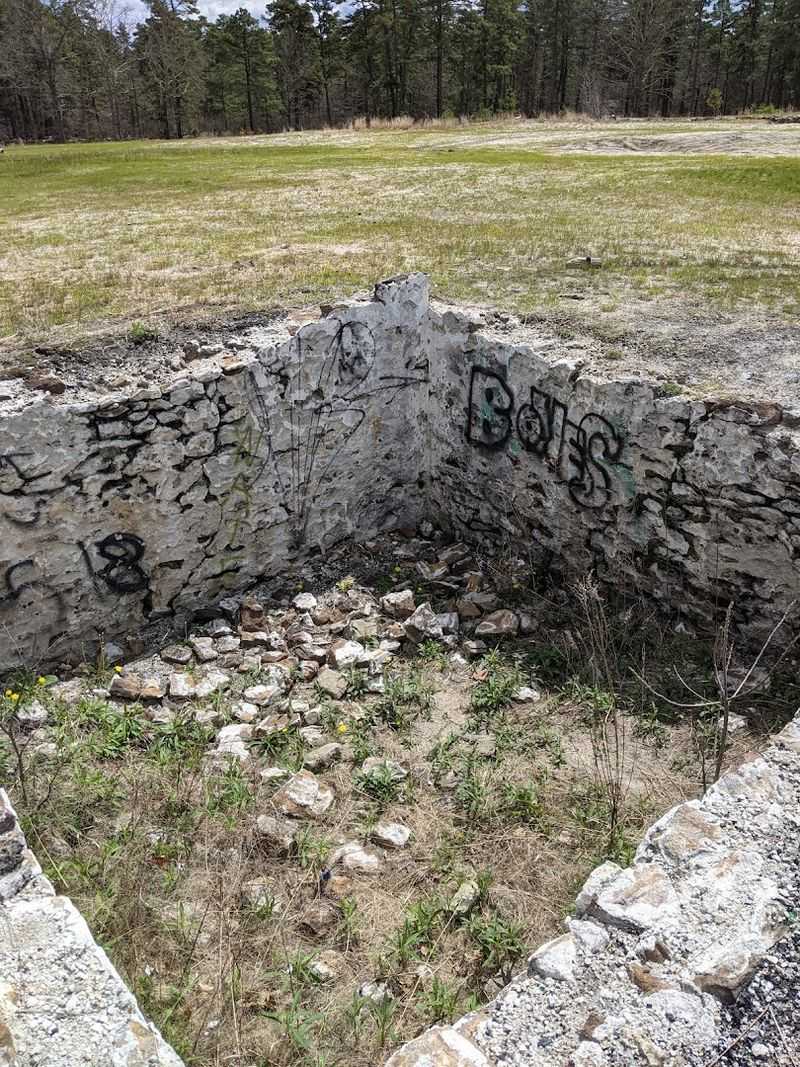
The name is almost annoyingly cheerful for a place this lonesome. Friendship was once the center of a large cranberry operation in the Pine Barrens, and today what remains are foundation ruins near a quiet crossroads, with meadow, woods, and cedar stream scenery doing half the storytelling for you.
It’s less theatrical than some other entries, which is exactly what gives it staying power. Unlike the more dramatic ruins on this list, Friendship is a study in subtlety.
You’re not coming for towering walls or giant machinery. You’re coming for the feeling of a community erased almost back into the land.
That makes it a strong pick for people who like their creepy spots quieter and more reflective. Because it sits within Wharton State Forest, it works best as part of a Pine Barrens loop rather than a standalone destination unless you’re already the kind of person who gets excited about old cranberry history, in which case, honestly, you’re in the right place.
Keep expectations tuned to foundations and landscape rather than architecture, and you’ll probably enjoy it more. It deserves its place because Friendship shows how an abandoned town can haunt you without much left standing at all.
8. Martha Furnace Site
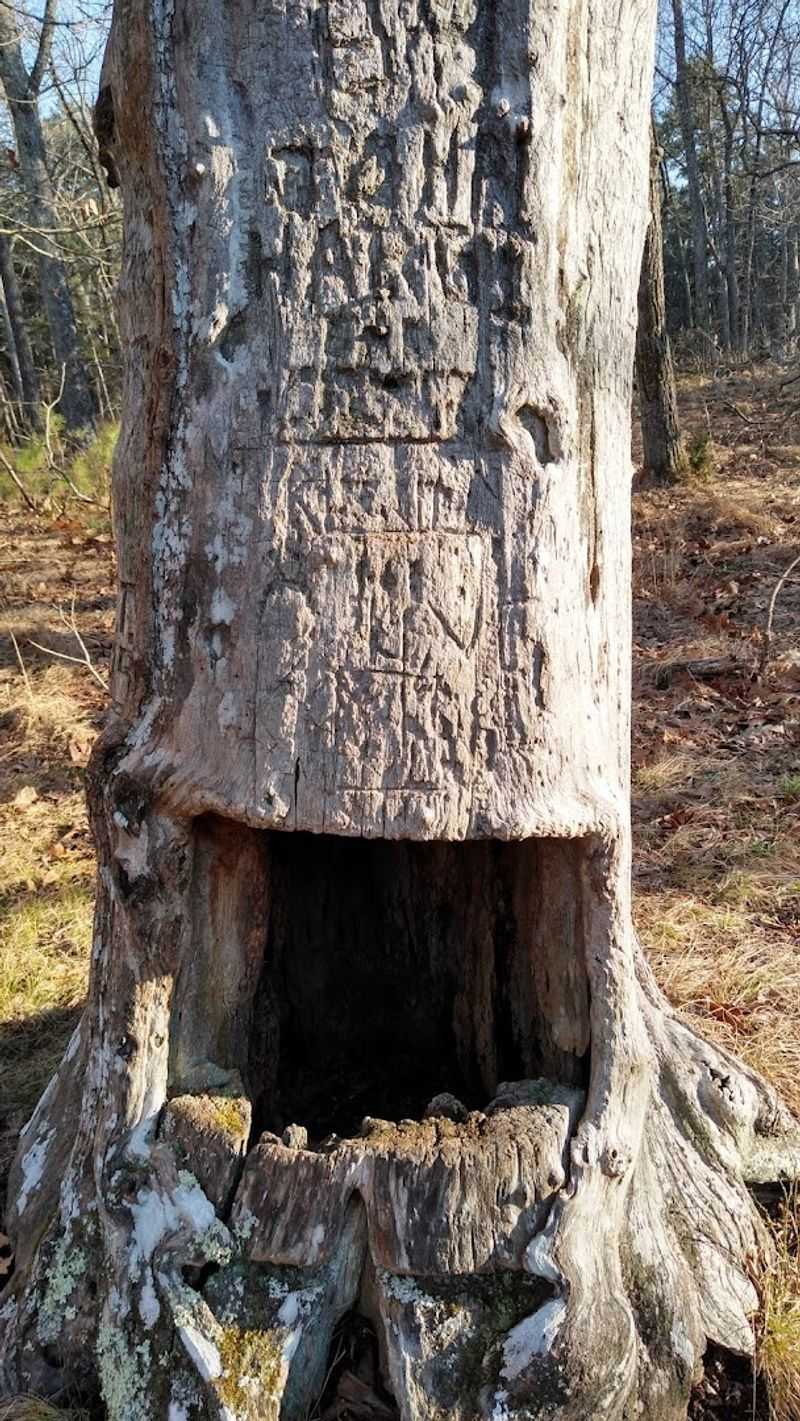
Here the ruins are partly hidden, which somehow makes them creepier. Martha Furnace flourished from the late 18th century into the mid-19th century, and the village around it once included mills, shops, houses, and the supporting pieces of a real industrial settlement deep in the Pines.
Today, the remains are restrained, protected, and easier to sense than fully see, which gives the site a different kind of pull. This is one for readers who like a little imagination mixed into their outing.
Martha does not hand everything to you. You have to appreciate the terrain, the nearby river corridor, and the knowledge that an entire working community once functioned here in what now feels like deep woods.
Because it sits along a trail route in Wharton State Forest, it makes sense for hikers more than casual drive-by explorers. Expect a quiet natural setting rather than museum-style interpretation, and treat anything fenced or protected with respect.
The place is valuable precisely because it hasn’t been overworked into something too tidy. Martha Furnace belongs on this list because it turns the Pine Barrens into a history book with some of the most haunting pages missing.
9. Atsion Village
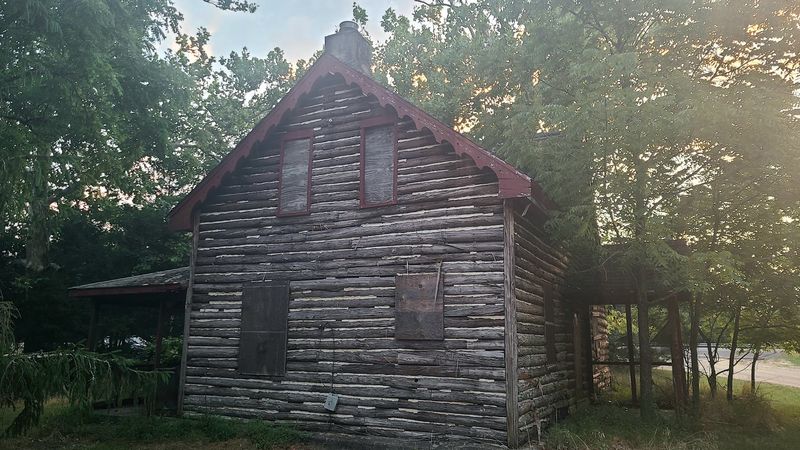
Atsion is the sneaky overachiever of the bunch because it gives you eerie history and an easy day trip at the same time. Located in Shamong at the northern end of Wharton State Forest, the area is now known for picnicking, swimming, paddling, and mansion tours.
But underneath that recreational polish is the story of an old bog-iron village and industrial site that still carries Pine Barrens ghost-town energy. This is the place to send readers who like their creepy with amenities.
There’s proper parking, seasonal activity, and a mansion that feels stark in a way overly decorated historic houses rarely do. The structure’s simplicity works in its favor.
Instead of getting distracted by staged rooms and too many props, you notice the bones of the building and the slightly lonely feeling that comes with them. If you go, don’t treat the mansion as the only attraction.
Walk the grounds, take in the surrounding landscape, and let the contrast between present-day recreation and the site’s industrial past do its thing. It earns its spot because Atsion lets you brush right up against Pine Barrens unease without giving up the comforts of an actual day-trip destination.
10. Asbury Park Casino and Carousel House
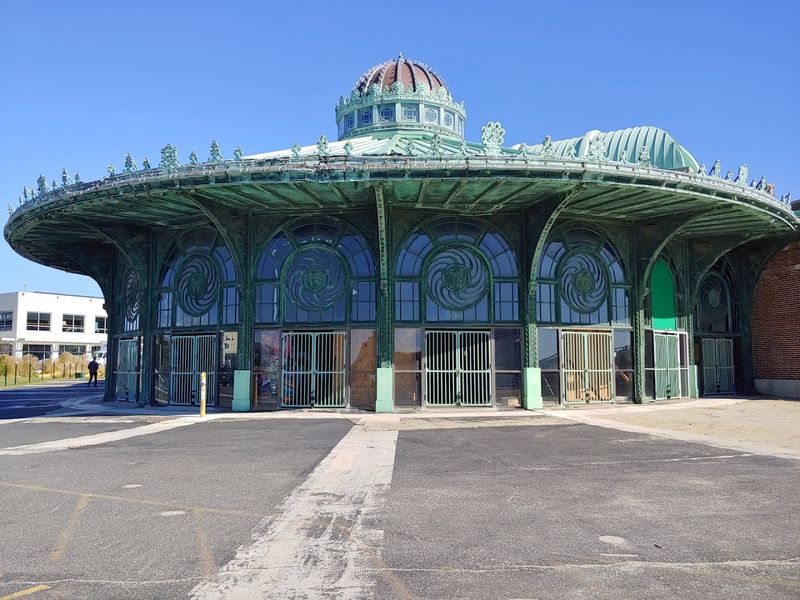
There’s abandoned, and then there’s grand old Shore weirdness with a side of artistic afterlife.
The Asbury Park Casino and Carousel House has been part of the boardwalk’s story for generations, and even with ongoing interest in preservation and reuse, the place still radiates that faded-amusement melancholy people can’t resist.
The ocean is right there, the city around it keeps reinventing itself, and then suddenly this cavernous relic reminds you that revival never fully scrubs away the ghosts. What keeps it lodged in people’s memory is the mix of architecture and emotional residue.
This isn’t a ruin hidden in the woods. It’s out in plain sight, shaped by salt air, public memory, and decades of changing plans.
The best way to approach it is as part of a slow walk through Asbury Park rather than a quick photo stop. Give yourself time to notice the scale, the weathering, the odd beauty of a space built for delight that now feels more reflective than festive.
Conditions and access points can shift, so this is a place to appreciate with current realities in mind rather than assuming every old route is open. It made the list because nowhere else in New Jersey mixes shoreline glamour, faded grandeur, and ghostly boardwalk vibes quite so perfectly.
11. Amatol Ghost Town
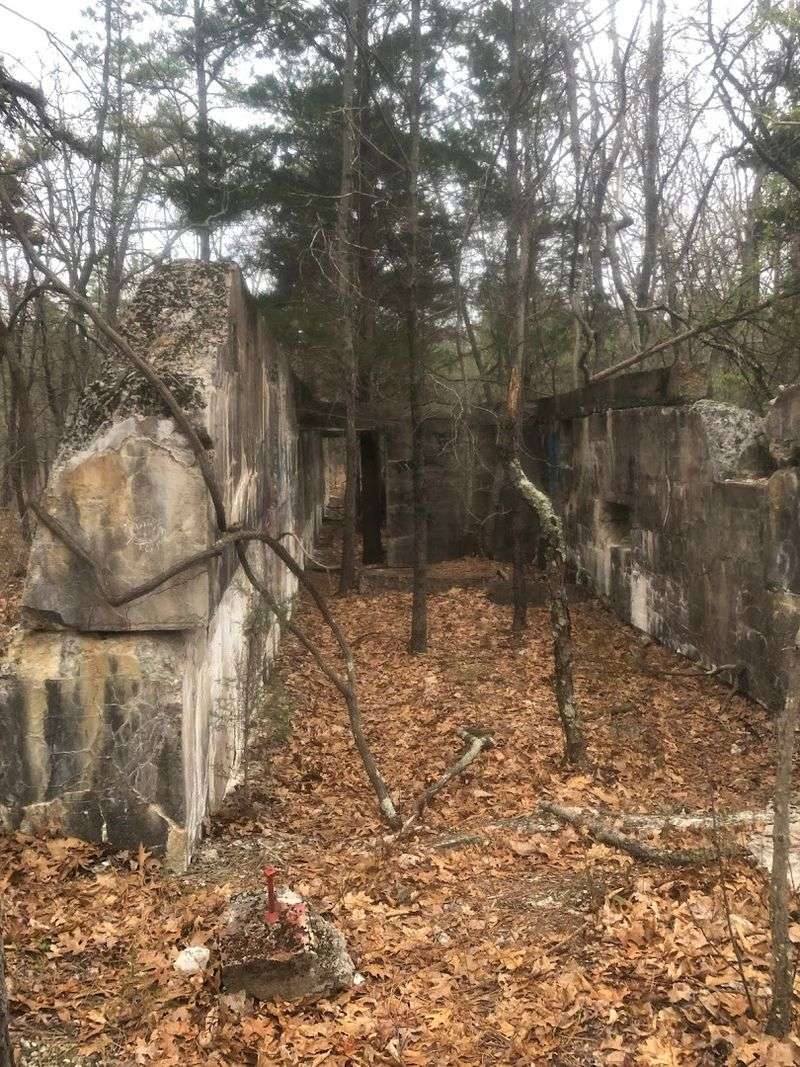
Amatol sounds invented, which only adds to the appeal, but it was very real: a World War I munitions town built in the Pine Barrens to serve a sudden, urgent industrial purpose. For a brief moment, it was a functioning company town shaped by war demands and explosive production.
Then the moment passed, and the place slipped back toward absence almost as quickly as it had appeared. That rise-and-fall arc is what makes Amatol stick.
Many abandoned places feel like long declines; this one feels like history slamming on the brakes. For visitors today, the draw is less polished interpretation and more the thrill of standing in an area where wartime urgency once built an entire community out of pine forest.
Because remnants are scattered and the story is easier to appreciate with a little context, this works best for readers who enjoy doing a bit of homework before they go or folding the stop into a broader Pine Barrens ramble.
Think less “walkable historic village” and more “landscape of vanished purpose.” Amatol earns its place because a ghost town born from wartime explosives and swallowed back by the woods is just about as Jersey-creepy as it gets.
12. Ellis Island Immigrant Hospital
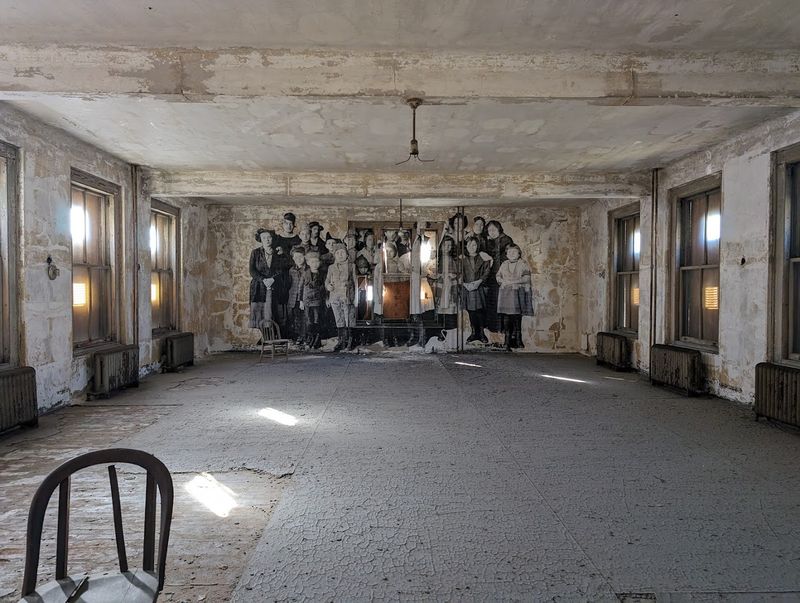
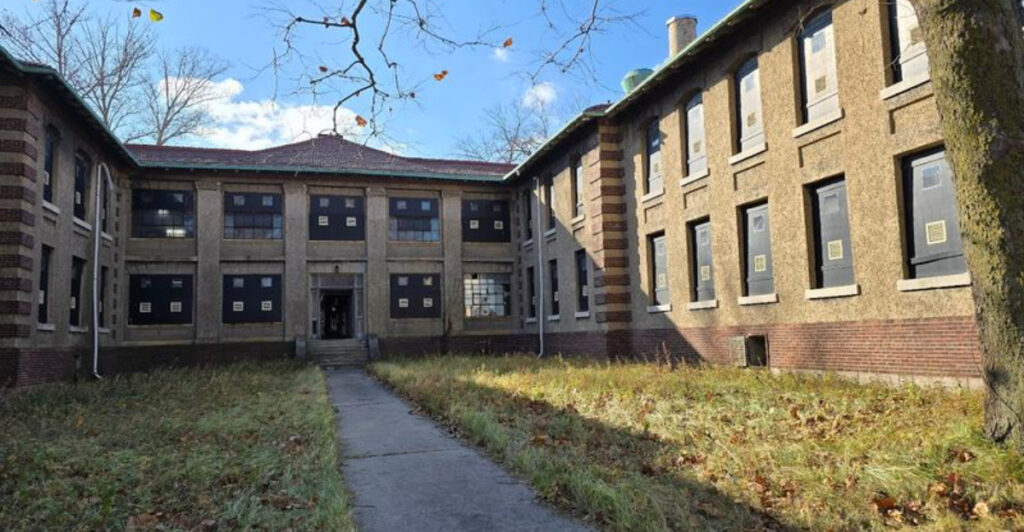
This one unsettles people for a very different reason. Ellis Island’s abandoned hospital complex is not creepy because it’s hidden or hard to find; it’s creepy because the human stories feel uncomfortably close.
Long before it became the subject of fascinated tours and striking photos, this was a place where immigrants were treated, held, and sometimes stopped short of the new lives they had crossed an ocean to begin. The emotional weight never really leaves the walls.
Unlike most entries here, this one comes with structure. You visit on a guided tour, which actually helps, because the complex is the kind of place that benefits from context rather than random wandering.
You’re there for the wards, the institutional details, the uneasy contrast between hope and interruption. Expect a more controlled experience than a typical ruin, with practical rules about footwear, movement, and group access.
That order doesn’t lessen the effect. If anything, it sharpens it.
The place asks you to pay attention, not just gawk. It belongs here because the hospital’s decay isn’t merely atmospheric—it still carries the ache of thousands of interrupted beginnings.
Share this story