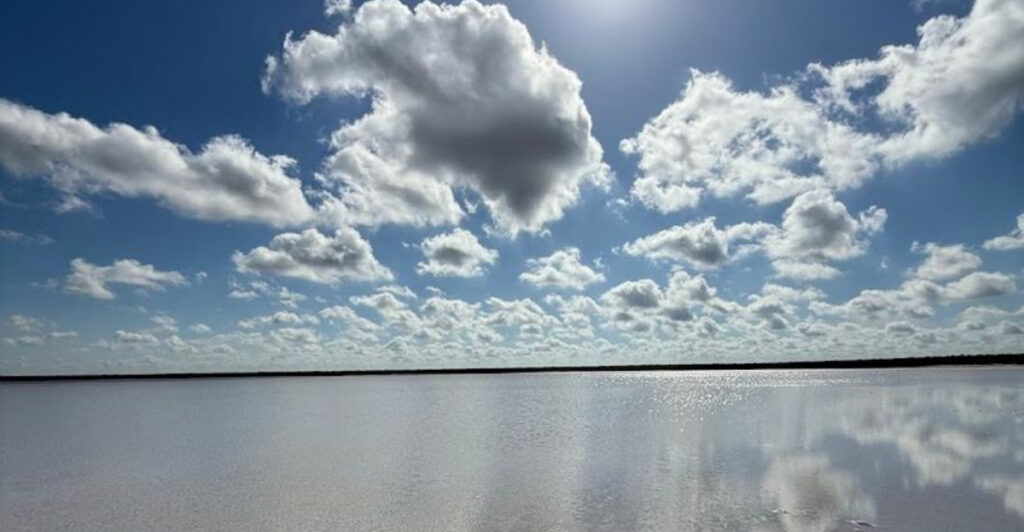
Deep in the heart of the Rio Grande Valley lies a natural wonder that looks like something out of a dream. La Sal del Rey is a massive salt lake where you can literally walk across water that reflects the sky like a giant mirror. With over 4 million tons of salt beneath your feet and a history stretching back centuries, this hidden gem near Edinburg offers one of the most unusual outdoor experiences in all of Texas.
1. A Lake With Roots in Spanish Colonial Times
Long before Texas became a state, Spanish colonists discovered this massive salt deposit and named it “La Sal del Rey,” which translates to “The King’s Salt.” Back in the 1700s, salt was incredibly valuable for preserving food, and this lake became a crucial resource for settlements throughout the region. The Spanish crown actually claimed ownership of the salt, making it royal property.
The lake continued to play an important role through Mexican independence and into the early days of Texas statehood. Local communities harvested salt here for generations, and the area witnessed disputes over mining rights that sometimes turned violent. Today, the site is protected as part of the Lower Rio Grande Valley National Wildlife Refuge, preserving both its natural beauty and historical significance.
Walking across the same salt flats where colonial workers once labored gives you a tangible connection to Texas history. The lake serves as a reminder of how natural resources shaped the development of South Texas. When you visit, you’re literally following in the footsteps of people who lived centuries ago, all while experiencing a landscape that has remained remarkably unchanged despite the passage of time.
2. The Science Behind Walking on Water
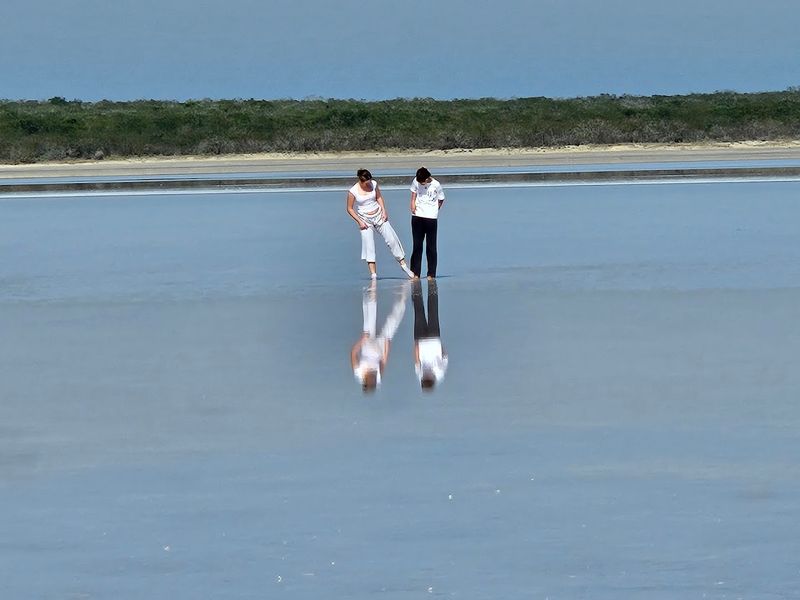
The seemingly magical experience of walking on water at La Sal del Rey isn’t actually magic at all, but rather fascinating geology at work. The lake sits atop an enormous underground salt dome that has been pushing upward for millions of years. When rainwater seeps through the ground, it dissolves the salt and carries it to the surface, creating a supersaturated brine that eventually forms the shallow lake you see today.
What makes the experience so surreal is the combination of extremely shallow water, typically only one to two inches deep, spread across a vast area. The white salt crystals beneath the water create a brilliant reflective surface that mirrors the sky perfectly on calm days. Your feet rest on a solid salt crust while you appear to be standing on clouds.
The salt concentration is so high that very little can live in the water itself, which keeps it remarkably clear. During dry periods, the water evaporates completely, leaving behind stunning salt flats that sparkle in the sunlight like a field of diamonds. The lake naturally refills with rain, creating a constantly changing landscape that looks different with each visit throughout the year.
3. Getting There Without Getting Lost
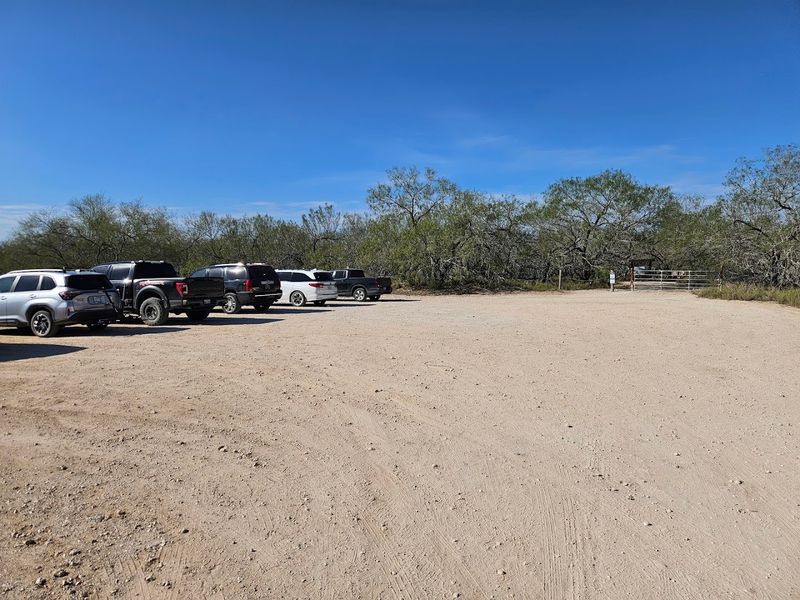
Finding La Sal del Rey can be tricky since it’s tucked away in a wildlife refuge accessible only by unpaved roads. The correct entrance is off Brushline Road near Edinburg, but here’s where many visitors get confused: Google Maps sometimes directs people to a blocked entrance. You’ll want to look for the first entrance sign on Brushline Road, not the second one that appears later.
The road leading to the parking area is unpaved but manageable in any regular car if you drive slowly and carefully. Expect some bumps and take your time navigating the dirt path. There are actually two parking options available once you arrive at the site.
The first parking area is right off Brushline Road and requires about a 1.5-mile walk to reach the lake. The second parking option involves driving down a dirt access road that originates at the first lot, which gets you much closer to the lake with only about a 10-minute walk remaining. Both routes are flat and easy to navigate, so choose based on how much hiking you’re up for.
The shorter route is perfect if you’re visiting during hot weather or traveling with young children who might struggle with the longer trek.
4. Best Times to Visit for Stunning Photos
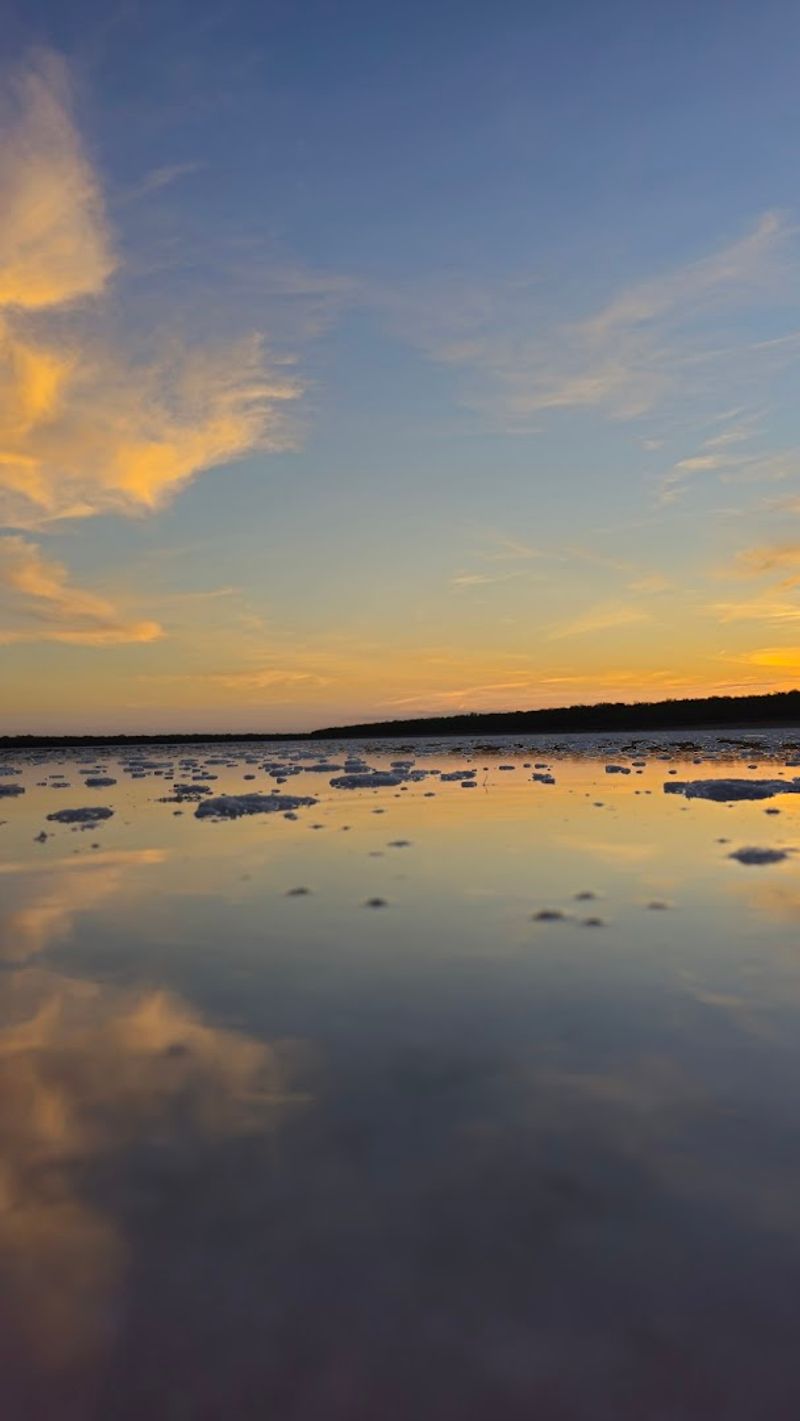
Timing your visit to La Sal del Rey makes all the difference between good photos and absolutely spectacular ones. The lake transforms into a photographer’s paradise during the golden hours around sunrise and sunset when the light is softer and the colors explode across the sky. Many visitors who arrive at midday report that the bright sunlight washes out the reflections and makes the heat nearly unbearable.
Early morning visits before 8 AM offer the best combination of comfortable temperatures and stunning visuals. The air is cooler, wildlife is more active, and you might catch the lake at its calmest, creating those perfect mirror-like reflections that make your photos look otherworldly. Plus, you’ll have the place mostly to yourself since most tourists arrive later in the day.
Sunset visits provide equally gorgeous lighting with dramatic orange and pink hues painting both the sky and the water below. The temperature drops as evening approaches, making the walk much more pleasant than midday excursions. Plan to arrive at least an hour before sunset so you have plenty of time to walk to the lake and set up for those magical moments when the sun dips toward the horizon.
5. What to Bring for a Safe Adventure
Preparing properly for your La Sal del Rey adventure ensures you’ll have a comfortable and safe experience rather than a miserable one. Water is absolutely essential since there’s zero shade along the trail and at the lake itself. Bring more than you think you’ll need, especially during warmer months when the Texas sun beats down relentlessly.
Several visitors have reported underestimating the heat and regretting not packing extra hydration.
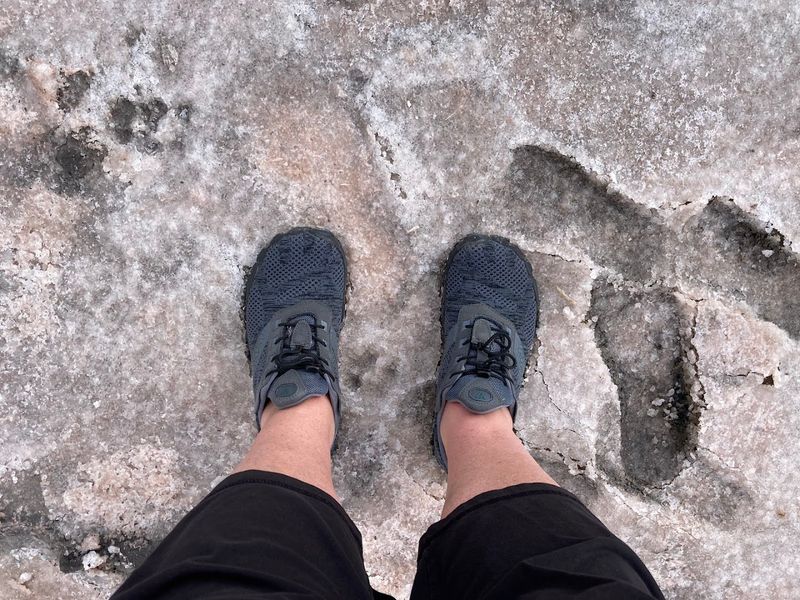
Water shoes are highly recommended if you plan to wade into the lake. The salt crystallizes into sharp, rough formations that can cut your feet or at minimum feel extremely uncomfortable. The salt crust near the edges can be slippery too, making sturdy footwear a smart safety choice.
Regular sneakers work fine for the walk but won’t protect your feet in the water.
Don’t forget sun protection including sunscreen, a wide-brimmed hat, and sunglasses since the reflective salt surface intensifies the sun’s rays. Bug spray can be helpful during certain times of year when small insects become bothersome. The vault toilets at the parking area lack paper products and soap, so pack hand sanitizer and tissues.
Cell service is spotty or nonexistent, so download offline maps before you arrive and let someone know your plans.
6. Wildlife Encounters on the Salt Flats
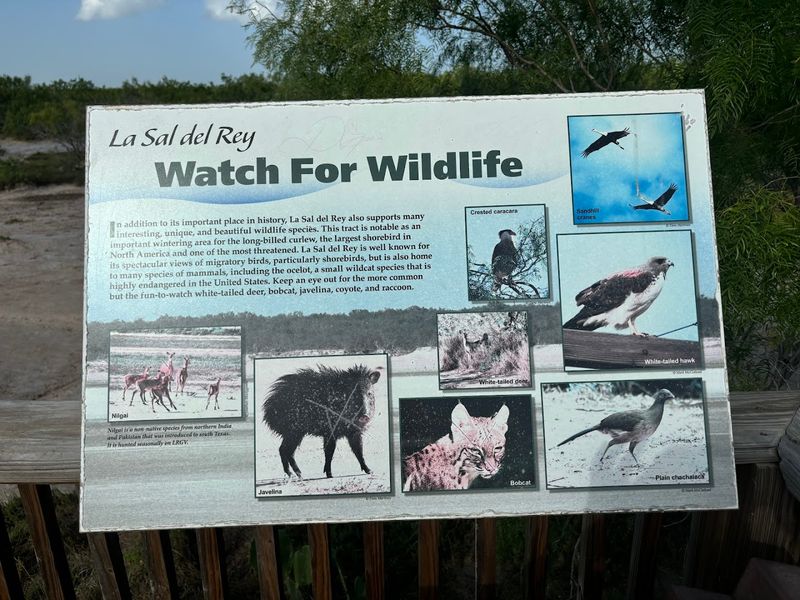
La Sal del Rey sits within a wildlife refuge, which means you’re sharing the space with all sorts of Texas critters. The trails leading to the lake are decorated with tracks from various animals including wild boars, deer, coyotes, and countless bird species. Lizards dart across the path constantly, and if you’re lucky, you might spot some of the area’s diverse birdlife including herons, egrets, and other waterfowl that visit the lake.
Wild boars deserve special mention since several visitors have reported close encounters with these animals. While most wildlife keeps its distance, boars can be unpredictable, especially mothers with young. If you spot one, give it plenty of space and back away slowly.
Making noise as you walk helps alert animals to your presence so they can move away before you get too close.
The lack of human development around the lake means wildlife thrives here in ways you won’t see in more populated areas. Early morning and late evening visits offer the best chances for animal sightings since many species are most active during cooler parts of the day. Bring binoculars if you’re interested in birdwatching, and always observe animals from a respectful distance without attempting to approach or feed them.
7. The Sparkling Salt Crystals Up Close
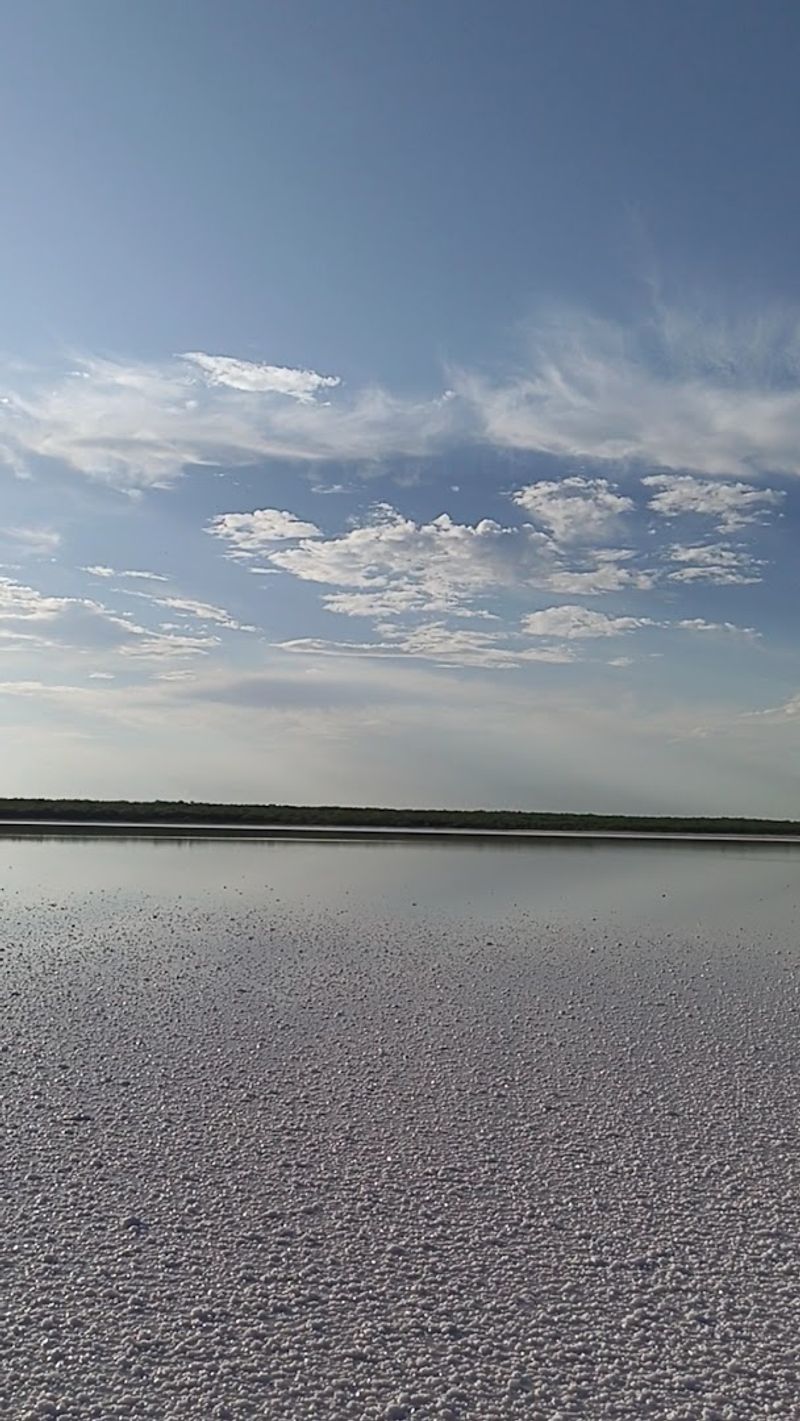
One of the most mesmerizing aspects of La Sal del Rey is the salt itself, which forms intricate crystal patterns that sparkle like diamonds under the Texas sun. When the water is shallow or has partially evaporated, you can see thick layers of salt crystallized into geometric shapes that crunch satisfyingly under your feet. The formations range from fine powder to chunky crystals that look like they belong in a geology museum.
The salt here is the real deal, pure enough that people historically harvested it for cooking and preservation. Some visitors still collect small amounts as souvenirs, though remember this is now protected federal land within a wildlife refuge. The pink tinge that sometimes appears in the salt comes from microorganisms that thrive in the high-salinity environment, adding another layer of visual interest to an already stunning landscape.
Photographers love capturing the way light plays across the salt crystals, creating an almost glittery effect that’s difficult to fully capture on camera but absolutely breathtaking in person. The texture contrasts beautifully with the smooth water surface, and the white salt against blue sky creates a color palette that feels almost surreal. Walking across this sparkling expanse feels like exploring another planet right here in South Texas.
8. The Perfect Mirror Effect on Calm Days
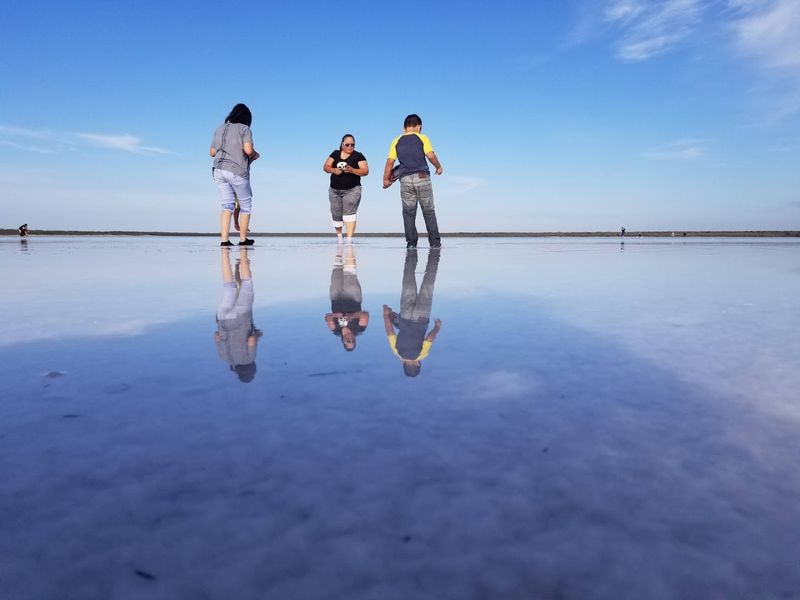
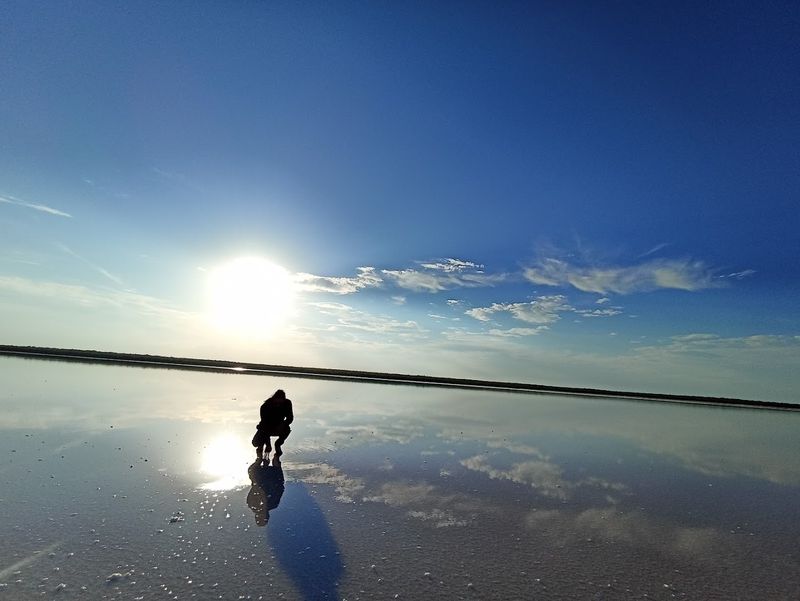
When conditions align perfectly at La Sal del Rey, you witness something truly extraordinary: a flawless mirror effect that makes it impossible to tell where the earth ends and the sky begins. On completely calm days without wind, the shallow water becomes so still that it reflects every cloud, every color, and every detail of the sky above with perfect clarity. Walking across this creates the optical illusion that you’re floating through the clouds themselves.
This mirror effect is what makes La Sal del Rey famous on social media, with photos that look heavily edited but are actually just nature showing off. The key ingredients are shallow water, minimal wind, and clear skies, which don’t always happen simultaneously. That’s why checking the weather forecast before your visit matters so much.
Windy days still offer beauty but with ripples across the surface that break up the reflection. Some visitors actually prefer slightly rippled conditions because they create interesting patterns and textures in photos. Either way, the experience of standing in the middle of this vast expanse with sky surrounding you in every direction feels meditative and otherworldly.
It’s the kind of natural phenomenon that reminds you how amazing Texas landscapes can be when you venture off the beaten path.
9. Practical Tips From Seasoned Visitors
Veterans of La Sal del Rey have learned some valuable lessons through trial and error that can make your visit much more enjoyable. First, visit during the cooler months between October and March if possible, when temperatures are comfortable and you won’t feel like you’re melting during the walk. If you must go in summer, aim for very early morning or late evening to avoid the worst heat.
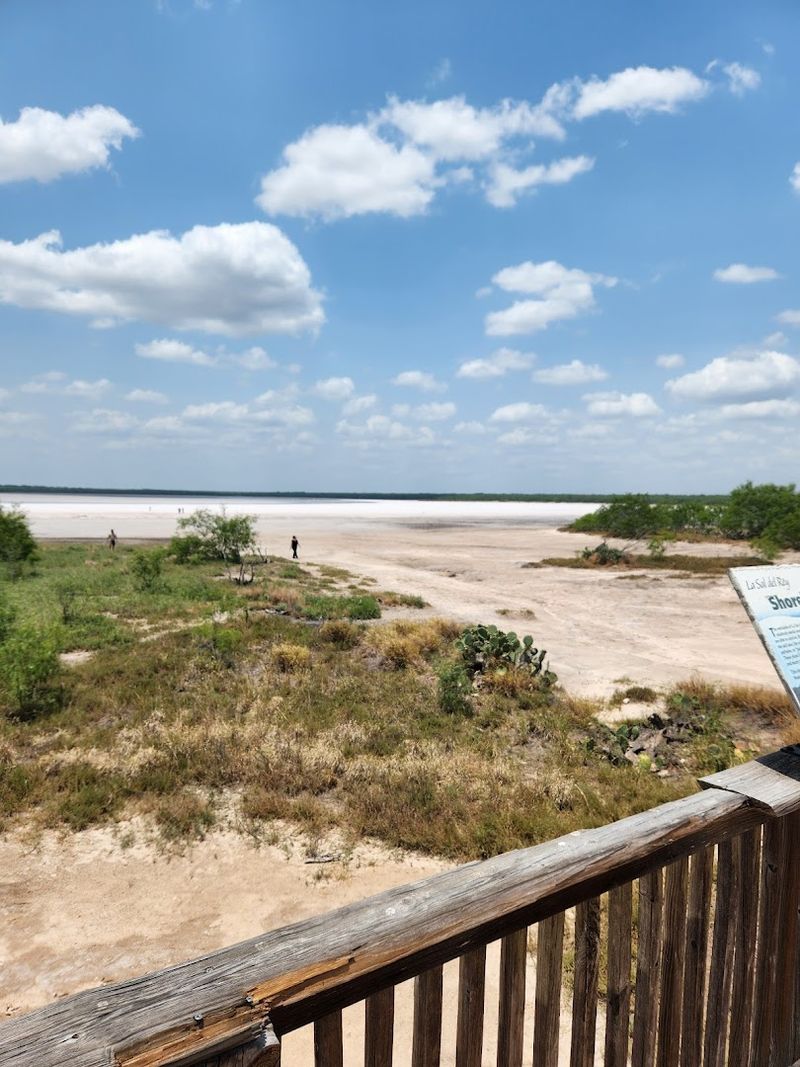
The elevated wooden observation deck near the lake provides an excellent vantage point for taking in the entire scene and snapping wide-angle photos. It’s also a good spot to rest and catch your breath after the walk. Many visitors recommend bringing a change of shoes since the salt and water can ruin footwear, especially canvas sneakers or anything with fabric.
Don’t expect to spend hours at the lake itself since there’s limited shade and the heat can become oppressive quickly. Most people find that 30 to 45 minutes at the lake is plenty of time to explore, take photos, and soak in the experience. The no cell service situation is actually a blessing in disguise, forcing you to disconnect and be present in the moment.
Finally, respect the wildlife refuge rules, pack out everything you bring in, and leave this special place as pristine as you found it for future visitors to enjoy.
Share this story