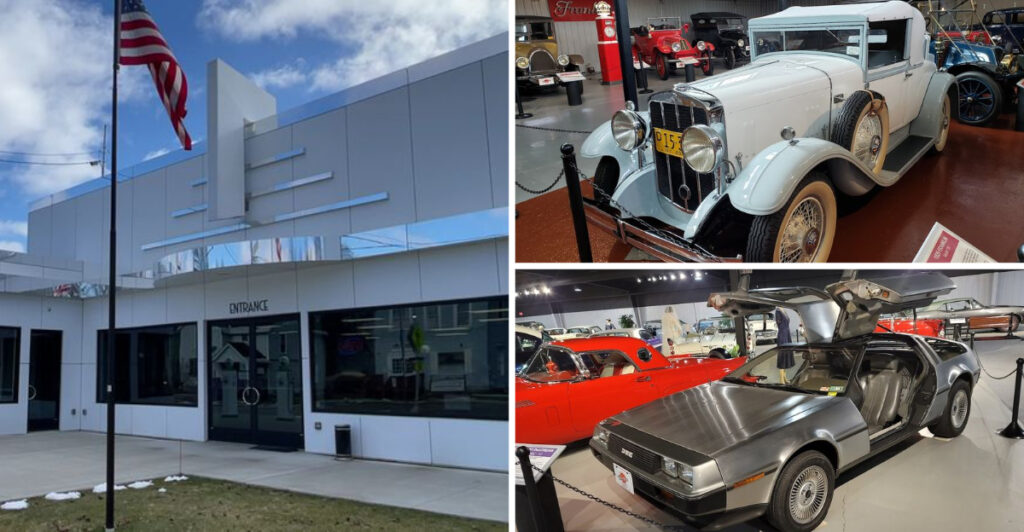
Nestled in Norwich, the Northeast Classic Car Museum feels like a well-kept secret you’ll be excited to share. With over 160 gleaming vehicles, it showcases a century of automotive design—from early innovators to road-trip legends. The atmosphere exudes pure enthusiast joy, yet it’s welcoming even for casual car-curious visitors.
Spend a couple of hours exploring the stunning displays, and you’ll leave inspired to plan your next visit. Whether you’re a car buff or simply looking for a unique, nostalgic experience, this museum offers an engaging journey through automotive history in a charming, inviting setting.
The Five-Building Walkthrough Experience
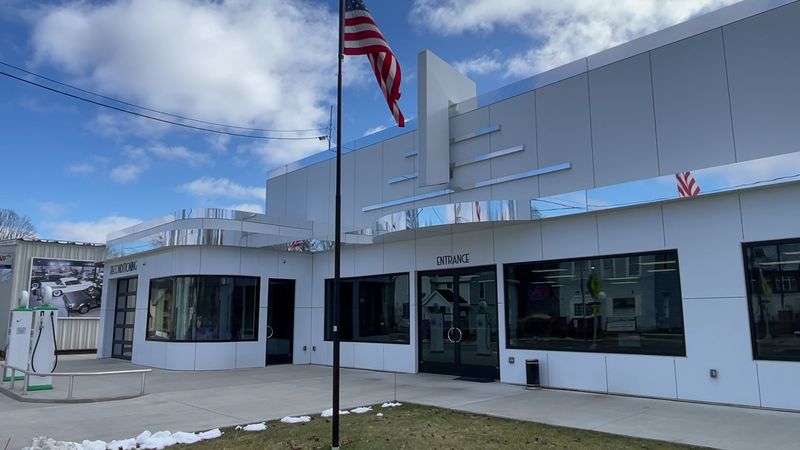
Start with the surprise factor. The Northeast Classic Car Museum spreads across multiple buildings, so your visit becomes a journey rather than a lap. Rooms unfold by era, and each transition nudges you forward with a new sound, color, or silhouette.
It feels curated by someone who understands how people naturally explore. You drift from horseless carriages to jet-age fins without feeling rushed, pausing wherever a detail grabs your eye. Even seasoned enthusiasts find something unexpected around the next corner.
The signage is crisp and concise, giving you just enough context to appreciate what you are seeing. You learn how engineering and style leapfrogged each decade, yet it stays approachable if technical jargon makes you glaze over.
There is a rhythm to the layout that helps you compare shapes, gauges, and materials across time. You notice how dashboards grew playful, how grilles sharpened, how paint colors mirrored cultural moods. The museum effectively turns design history into a living timeline.
What makes this walk especially satisfying is the breathing room. The cars are spotless and generously spaced, encouraging full walkarounds and photos without awkward maneuvering. Volunteers float nearby like friendly pit-crew, ready with a story when you want one.
You are never smothered with information, but when you ask a question, you get an answer that lands. Plan on two hours if you skim, more if you linger. By the exit, you will swear the place got bigger as you explored.
Home of the Franklin Automobiles
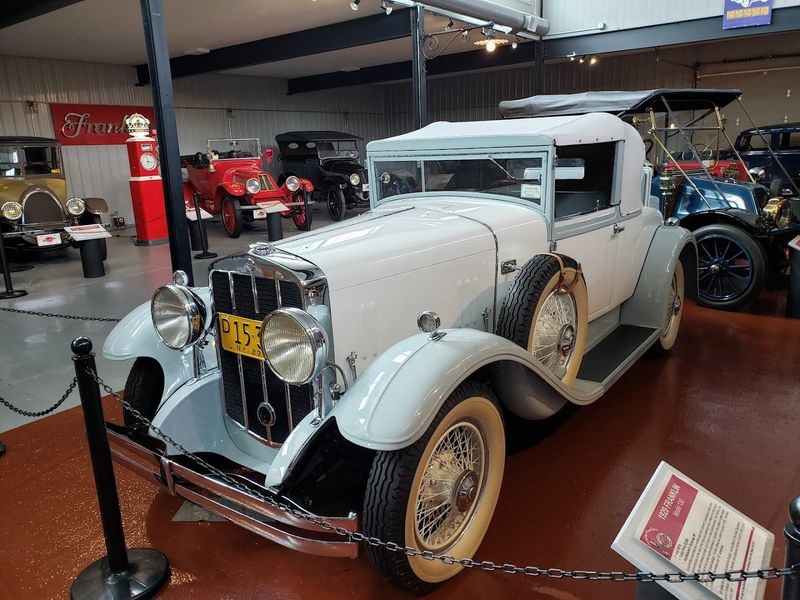
Here is the headline attraction for many visitors. The museum is known for its extensive Franklin automobiles, a deep dive into a brand that experimented boldly and left a lasting technical imprint. You get to trace design evolution while learning why air-cooled engines stood apart.
The display feels like a patient teacher, generous with insight but never preachy. Even if you came for muscle cars, this gallery has a way of pulling you in. Stand next to a Franklin and you see the craftsmanship everywhere.
Woodwork, upholstery, and metalwork are presented in a way that underscores how cars once blended engineering with furniture-grade finesse. The placards highlight clever solutions to reliability and comfort, putting the air-cooled decision into clear perspective.
What could feel like a niche history lesson instead reads like an origin story for modern problem-solving. You come away respecting a company that punched well above its weight. The best part is the curation balance.
A mix of body styles and years shows how Franklin served different drivers, from stately touring to smart urban motoring. Lighting helps textures pop, so photos turn out great without flash. If you love underdog innovation, this is your room. Take your time, read the small details, and do a slow lap for a second look. It might be the most quietly impressive slice of the entire museum.
From Horseless Carriages to Early Speed
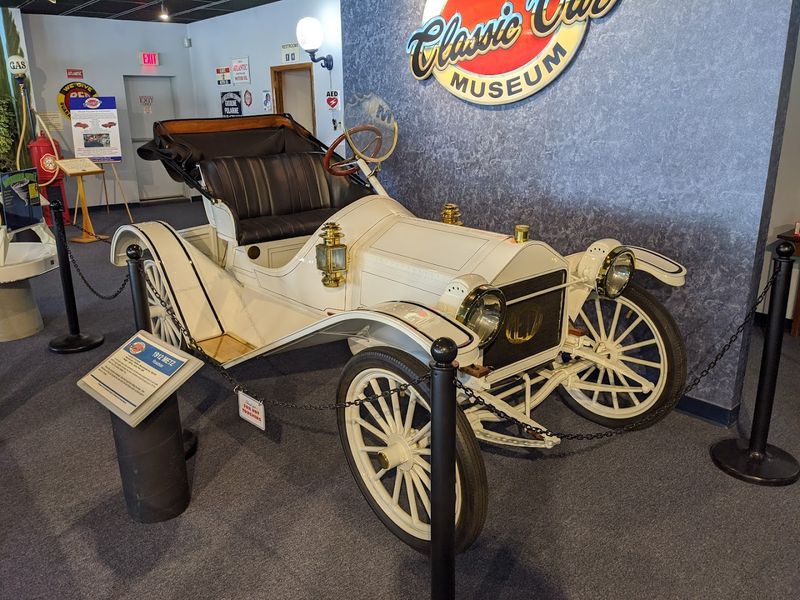
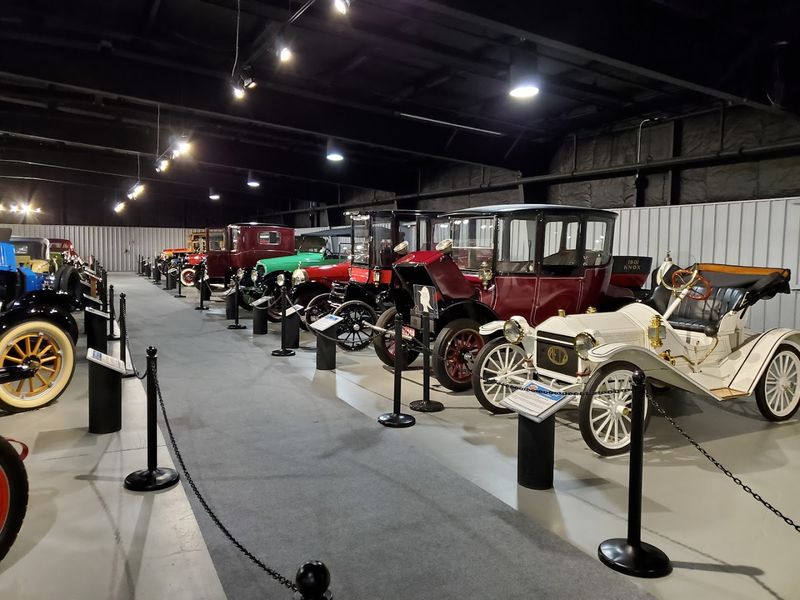
Begin at the roots and you feel the thrill of invention. The early gallery pairs horseless carriages and brass-era marvels that look part workshop and part sculpture. You see hand-built solutions to problems no one had solved yet, from lighting to steering to stopping.
Every lever and lamp tells a small story about trial, error, and patience. Even the tires feel tentative, as if the road still needed to be invented alongside the car. What lands hardest is the material honesty. Leather, wood, and brass are not hidden behind plastics. You sense the craftspeople who shaped them and the owners who had to coax them along.
The museum leans into context without overwhelming you, explaining how fuel quality, road conditions, and climate shaped early engineering choices. That background makes the subsequent decades feel like rocket speed. You appreciate each incremental gain because you have seen the starting line.
Take a slow circuit to catch the details others miss. Hinges, coach joints, horn bulbs, and toolkits are small but revealing. If you are traveling with kids, this is a fun spot to ask how you would start or steer one of these.
Suddenly, push-button convenience in modern cars feels luxurious. You leave with a new respect for the pioneers who trusted these machines on rough roads, and for the museum that keeps their stories crisp and accessible.
Chrome, Fins, and Midcentury Cool
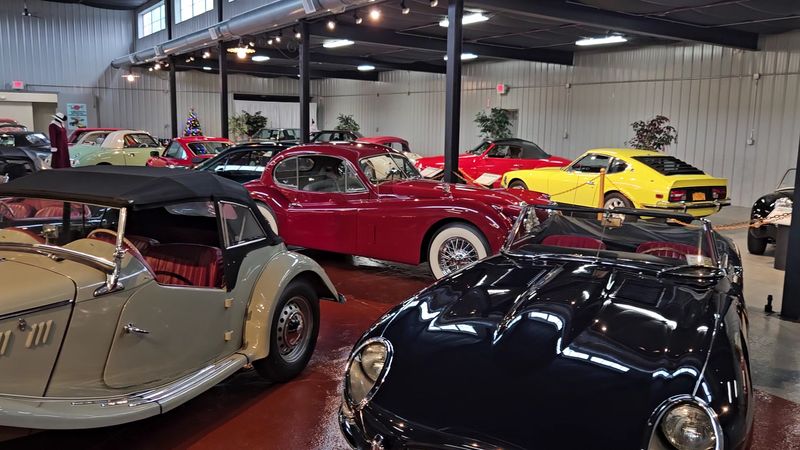
Shift into the midcentury rooms and the mood changes instantly. Colors pop, chrome dazzles, and design gets playful without apology. These cars were built to turn heads at the diner and dominate Sunday drives.
The museum arranges them so your eyes hop from fins to rooflines to rocket-inspired trim. It is a style parade that doubles as a snapshot of American optimism. You can almost hear a jukebox somewhere between the polished reflections.
The educational bite remains strong, which I love. Short labels explain why tailfins grew, how automatic transmissions spread, and where safety started to matter. You begin recognizing how marketing, culture, and engineering learned to dance.
That context keeps the glam grounded in real progress. You are not just admiring shine. You are connecting the dots between bold design and the mechanics underneath. For photographers, this section is candy.
The spacing favors wide shots and close-ups, and the lighting flatters chrome without harsh glare. If there is a rotating corner featuring later decades, peek there too for contrast. A boxy eighties hero next to a sleek fifties cruiser shows how tastes pivot. Before moving on, take one last look at those fins. They are not subtle, but that is exactly the fun, and the museum lets them sing.
The Hog Pen and Two-Wheeled Icons
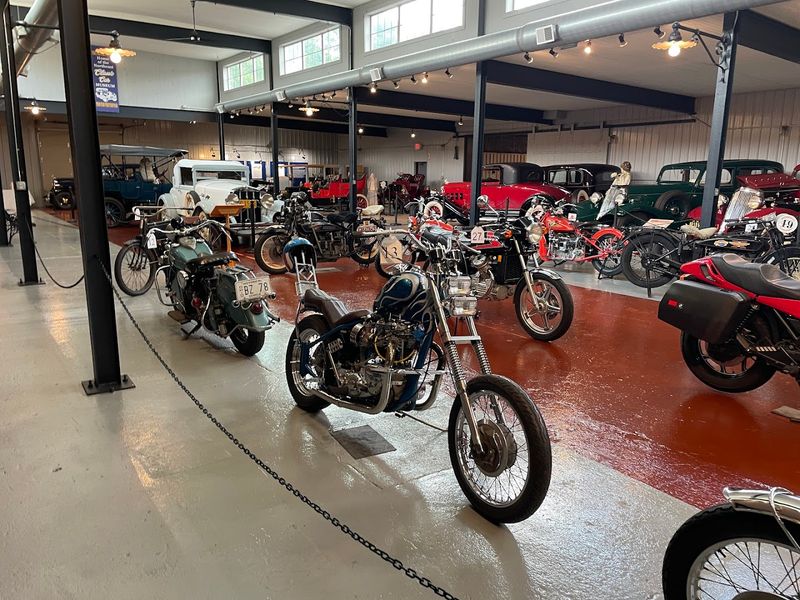
Do not skip the motorcycle corner. The museum’s two-wheeled lineup packs personality into a tight footprint, and it gives the car stories fresh contrast. Tanks gleam, badges feel heroic, and the silhouettes range from lithe commuters to brawny cruisers.
If you are more car than bike, this is still a shot of espresso. It is all about motion distilled to essentials, and the display embraces that energy. The presentation favors close inspection. You can study instrumentation, frames, and the logic of packaging when engineers fight for every inch.
The text panels give helpful context on eras, materials, and riding culture, so newcomers feel included. Veterans will appreciate the authenticity and the nods to regional riding history. It is a smart breather between larger car galleries without losing the throughline of transportation innovation.
What I enjoy most is how the museum draws connections. You will spot design echoes between bikes and cars from the same decade, whether in paint palettes or aerodynamic thinking. That cross talk is a subtle teaching trick.
It reminds you that automotive history is not siloed. It is a conversation among engineers and artists chasing speed, reliability, and style. Give this area a careful wander, take a couple detail photos, and then reenter the car world with fresh eyes.
Rotating Exhibits That Keep You Curious
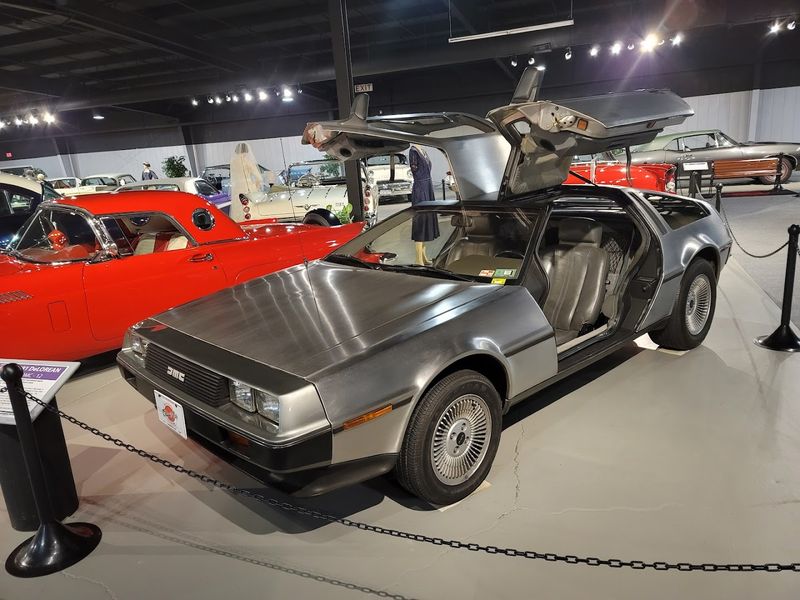
One visit will not show you everything, and that is the point. The museum refreshes areas with rotating displays, which keeps the experience lively for repeat guests. You might catch a themed set of imports one season and a lineup of era-specific favorites another.
It is a smart way to spotlight loans and community contributions. You feel the institution breathing, not sitting still behind velvet ropes. These changes are well signposted, so you know when you are stepping into something temporary.
I like asking staff what just arrived or what is moving on soon. You get great backstories that never fit on a placard. The rotation also rearranges sightlines, which makes familiar rooms feel new. Photos from a previous trip will not match the angles you find now, and that makes return visits fun.
If you are planning a trip around a particular theme, peek at the museum’s official channels for current features. Even if you roll in without a plan, there is usually a highlight that sparks conversation. Rotations also reveal how diverse the collector community really is.
You see passion projects manifested in metal and paint, shared for everyone to enjoy. It adds a touch of urgency in the best way. You end up slowing down, savoring what is here today, and mentally bookmarking a future visit.
Smart Layout, Friendly People, Easy Pace
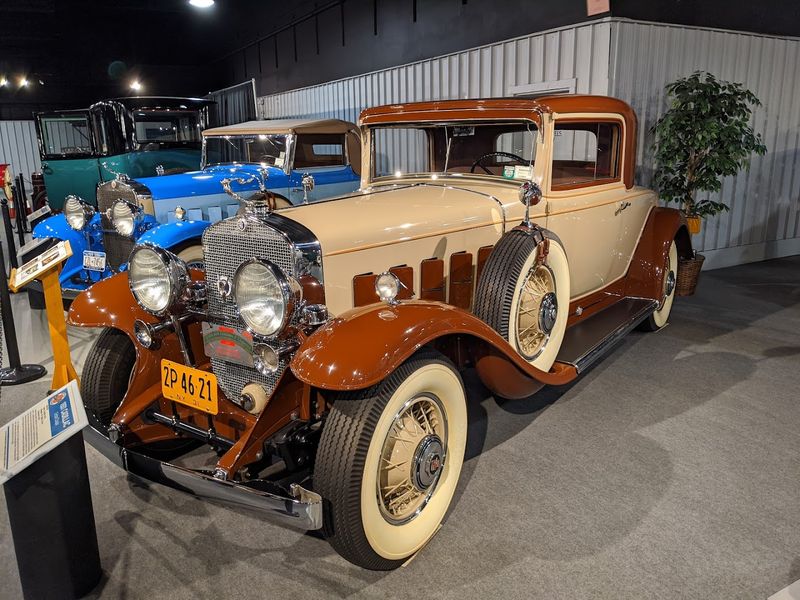
The first thing you notice is how comfortable the visit feels. Everything is on the ground floor, aisles are wide, and you can take a gentle pace without missing details. Cars sit at angles that invite walkarounds and photos.
Clear placards prevent that glazed-over feeling you get in overly dense museums. The result is a flow that lets you choose your own tempo, solo or with a group. Staff and volunteers deserve a shoutout. They are knowledgeable without hovering, and they read the room well. Ask a question and you get a thoughtful, human answer.
If you just want to wander, you are free to do that too. The vibe is confident and welcoming, like a well-tuned pit crew ready when you are. A tidy gift shop caps the loop with books, models, and tasteful souvenirs to extend the fun at home.
For families, couples, and road-trippers, this layout lowers the friction. You do not need an engineering degree to enjoy yourself, though aficionados can go deep on technical details. Plan on a couple of hours, longer if you get caught in conversation.
The museum makes it easy to reset your brain between eras, so nothing blurs together. That balance between polish and warmth is why people return and bring friends along the second time.
Photo Ops and Detail Hunting
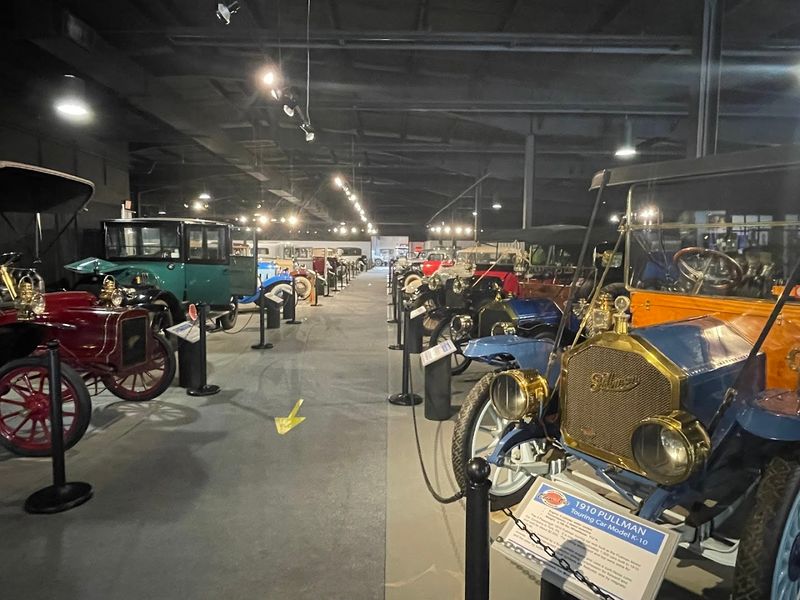
If you love photography, this museum rewards patience. Lighting is bright enough to capture chrome, yet soft enough to avoid harsh reflections. Cars have breathing space, so you can frame diagonals, hero shots, and small details without elbowing for position.
Try low angles for dramatic grilles and tailfins. Then switch to macro-like focus on badges, hood ornaments, and stitching. You will walk away with a mix of art shots and documentary keepers. Interiors deserve their own pass.
Peek through open windows to catch gauge clusters and wheel textures, or ask staff if a better angle is possible. Polished floors create subtle reflections that elevate wide shots. If you shoot on a phone, tap to expose for chrome and adjust slightly to keep highlights from blowing out.
Consistent tones throughout the galleries make editing easy later. You can build a cohesive set without heavy filters. Do not just chase the obvious stars. Hunt for the quiet craftsmanship that tells a deeper story. Look at wheel hubs, pedal shapes, shifters, hinges, and mirror brackets.
Those little components reveal how eras prioritized function and flair. When you leave, you will have photos that teach as well as dazzle. It is a perfect blend of eye candy and history lesson, and the museum seems purpose built for exactly that kind of exploring.
Planning Your Trip Like a Pro
Think of this as the upstate reset you did not know you needed. Norwich sits in calm country, so the drive sets a relaxed tone before you step inside. Aim for a morning arrival to avoid crowds and give yourself time to wander without rushing.
Two hours is a comfortable baseline, but plan for more if you like to read everything. Pair your visit with a low-key lunch nearby and you have a simple, satisfying day. Check the museum’s official site for current hours and any special exhibits before you go.
Rotating displays are a perk if you are scheduling a return trip. Parking is simple, and the ground-floor layout makes access straightforward. Bring a light layer because temperatures can feel cooler in large galleries. Comfortable shoes matter more than you think. You will rack up steps without noticing because the rooms flow so naturally.
If you are visiting with mixed-interest friends or family, this spot lands well. The history is clear, the visuals are sharp, and there is zero pressure to be an expert. Ask a volunteer for a quick must-see path if you are short on time. Otherwise, let curiosity lead. You will leave with fresh appreciation for classic engineering and a camera roll that proves it. Simple plan, big payoff, and a museum that overdelivers.
Share this story