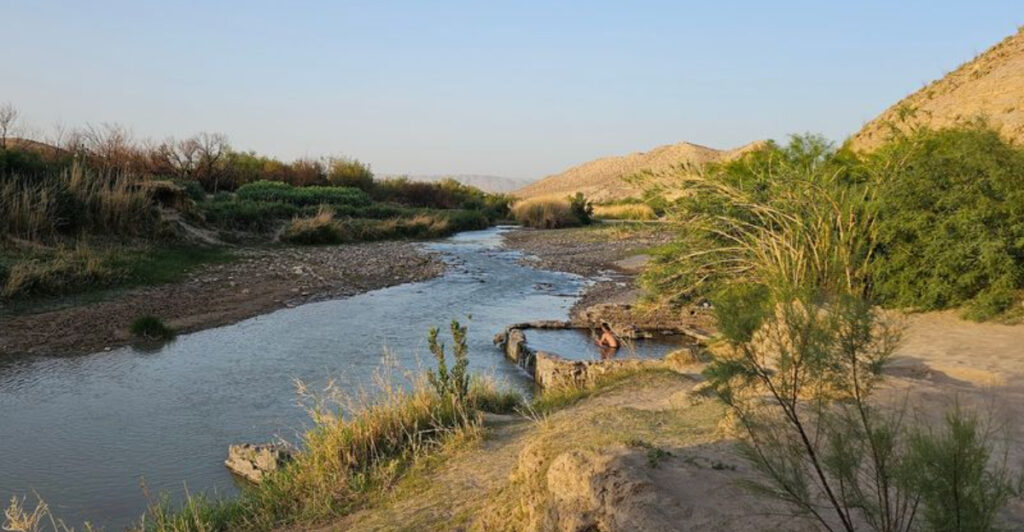
Set against the rugged beauty of Big Bend National Park, this short hike is one of Texas’s most rewarding. The Hot Springs Trail offers something truly special: a natural thermal pool right on the banks of the Rio Grande where you can soak tired muscles while gazing across the border into Mexico. At just over a mile round trip, this accessible path takes hikers past historic ruins and ancient petroglyphs before delivering them to warm, mineral-rich waters that have drawn visitors for over a century.
1. Actual Trail Distance Is Longer Than Advertised
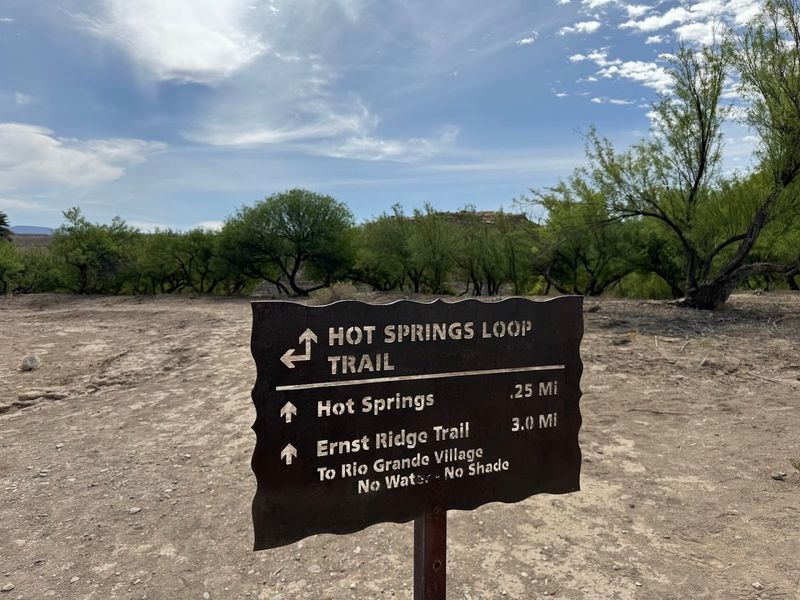
Here’s the real deal about getting to the hot springs: park officials say it’s a half-mile walk, but that’s only partially accurate. Road closures have extended the journey significantly, turning what was once a quick jaunt into a more substantial trek.
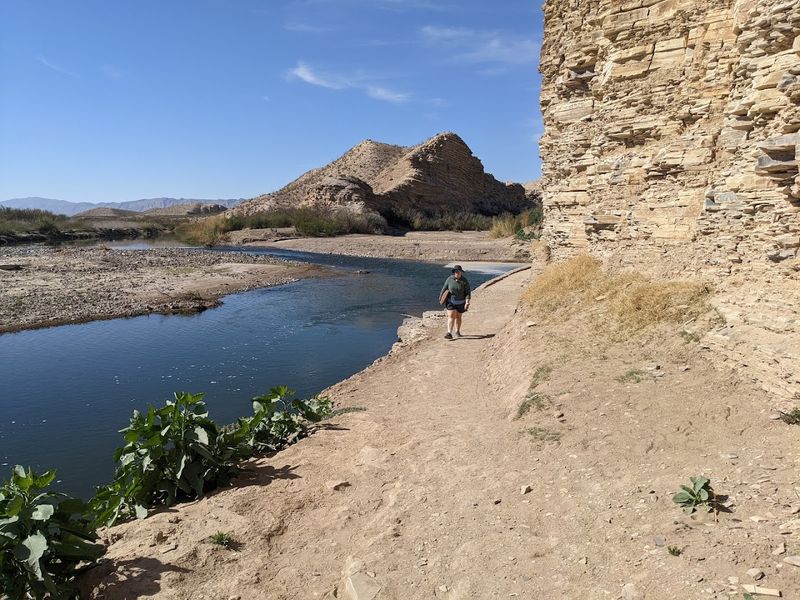
You’ll now park along the main paved road since the old parking lot sits closed off. From there, expect to walk a full mile just to reach what used to be the trailhead. Then you’ve got another 0.85 miles beyond the historic buildings to actually reach the active springs.
That makes your round trip closer to 3.7 miles total, not the advertised 1.2. Several visitors in early 2025 reported being caught off-guard by this, especially those who’d planned for an easy recovery hike after tackling Big Bend’s more challenging trails.
The path itself remains easy—mostly flat with a gentle downhill grade going in and a gradual uphill return. The surface is sandy and rocky but totally manageable. Still, on a hot day in the Chihuahuan Desert, that extra distance matters.
Pack more water than you think you’ll need, bring snacks, and wear real hiking shoes instead of flip-flops for the walk. Save the sandals for when you’re actually soaking. Knowing the true distance helps you plan better and enjoy the experience without feeling blindsided halfway through.
2. Getting There Requires Off-Road Driving Skills
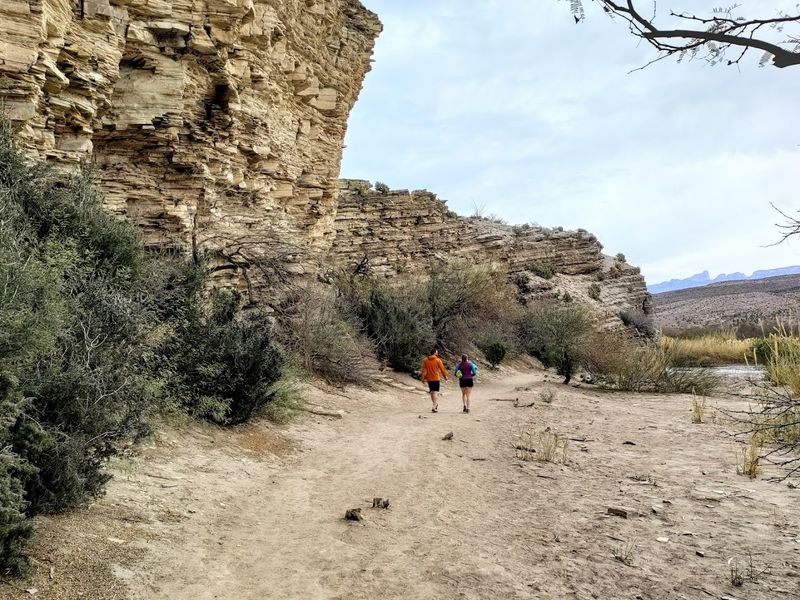
Before you even lace up your boots, you’ve got to navigate roughly two miles of unpaved road to reach the trailhead area. This isn’t your typical gravel driveway—it’s a legitimate dirt road that can test your vehicle’s capabilities and your driving confidence.
Sedans can technically make it, and several reviewers confirmed seeing a Honda Civic out there. But recent rains transform the route into something best left to high-clearance vehicles. The surface gets sandy, rocky, and uneven with ruts that can scrape low-hanging bumpers.
If you’re driving anything without decent ground clearance, check recent weather conditions before committing to the drive. After storms, you might want to skip it entirely or park further back and add the road distance to your hike.
The road splits off from the main paved park route, and while it’s marked, don’t expect smooth sailing. Take it slow, watch for larger rocks, and stay in existing tire tracks where the surface tends to be more packed down.
Despite the rough approach, most visitors agree it’s absolutely worth the effort. Just factor in extra time for cautious driving both directions, and maybe give your rental car company’s insurance policy a quick mental review before heading out.
3. Water Temperature Hits a Perfect 105 Degrees
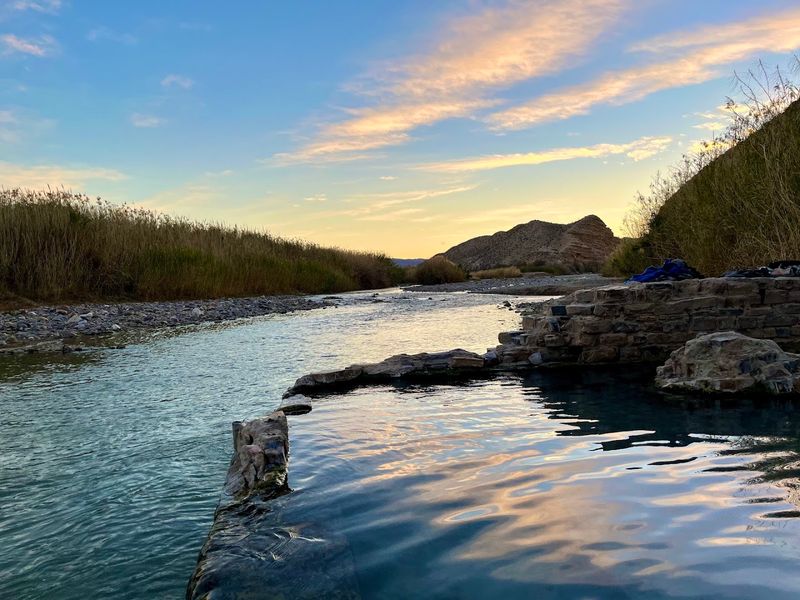
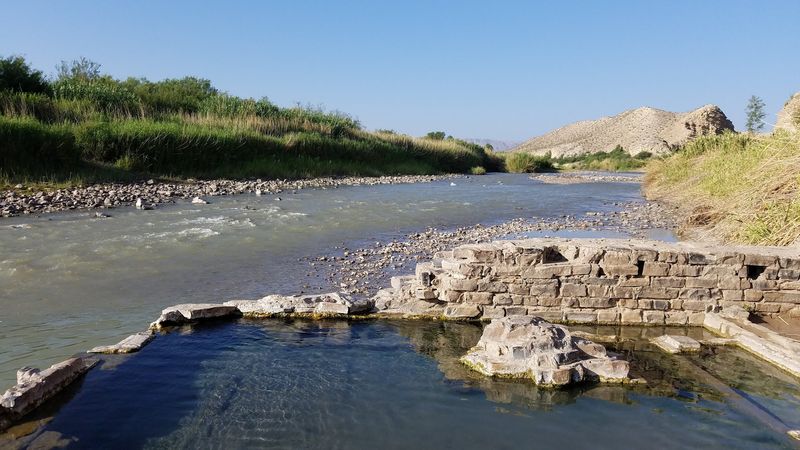
The springs maintain a consistent temperature around 105 degrees Fahrenheit year-round, which feels absolutely divine after a long hike through the desert. That warmth comes from deep underground geothermal activity, bubbling up through limestone rock to create this natural spa experience.
You can actually watch the hot water emerge from cracks in the rock at the source. The pool itself was constructed using old stone walls from a bathhouse built in the early 1900s, giving you a semi-contained soaking area rather than just a trickle.
On cooler days—say, a December or January afternoon—that 105-degree water feels like pure heaven. During summer visits when air temperatures climb past 90, it’s definitely hot, but the proximity to the Rio Grande provides instant relief whenever you need to cool down.
The depth stays relatively shallow, usually just a few feet at most, with a sandy bottom that can get silty depending on recent river conditions. Moss grows on the stone walls, making them slippery, so watch your footing when climbing in and out.
Water clarity varies with Rio Grande water levels. When the river runs high and muddy, the springs can get clouded with brown sediment. Check recent trip reports if pristine soaking is your priority, though most folks find the warm water enjoyable regardless of a little desert silt.
4. Historic Ruins Tell Stories From the 1900s
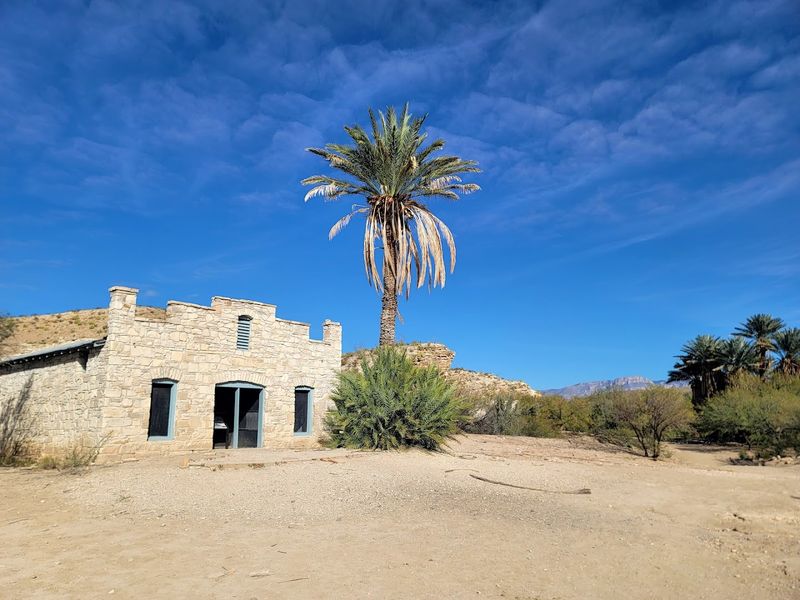
Scattered along the trail sit remnants of an early 20th-century resort that once capitalized on the springs’ supposed healing powers. Crumbling stone walls, doorways leading nowhere, and the skeletal remains of what was once a thriving bathhouse operation create an unexpectedly photogenic detour.
J.O. Langford developed the site in 1909, building a small resort and post office to serve visitors seeking relief from various ailments in the mineral-rich waters. People traveled considerable distances by wagon and horseback to experience what locals promoted as therapeutic springs.
The buildings fell into disrepair after the property became part of Big Bend National Park in the 1940s. Now they stand as atmospheric ruins that give the hike an extra layer of interest beyond just the destination.
Photography enthusiasts love these structures, especially in the golden hour light when shadows play across weathered stone. Kids enjoy exploring around (though not inside) the ruins, imagining what the place looked like during its heyday.
Interpretive signs along the route explain the site’s history, including details about the resort’s operation and eventual abandonment. One of the old buildings was itself a spring-fed bath that’s now completely silted in, which sometimes confuses first-time visitors into thinking that’s the only spring available.
Keep walking past all the structures—the active, usable hot spring sits a bit further downstream, closer to the river’s edge.
5. Ancient Petroglyphs Mark Indigenous History
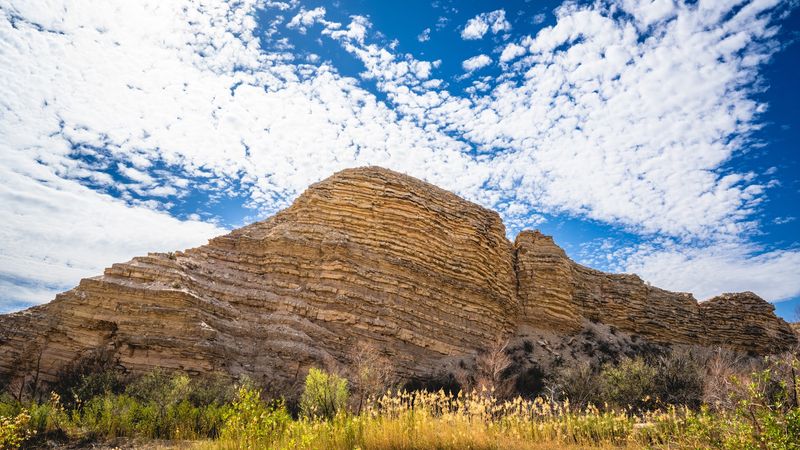
Carved into the limestone cliffs along the trail, you’ll find petroglyphs left by indigenous peoples who inhabited this region long before any bathhouse existed. These rock art panels offer a humbling reminder that humans have been drawn to this riverside location for thousands of years.
The carvings aren’t always immediately obvious, so keep your eyes scanning the rock faces as you walk. Some appear as simple geometric patterns while others depict recognizable shapes and symbols whose meanings remain subjects of archaeological study.
Unlike the historic ruins which represent relatively recent history, these petroglyphs connect you to the deep time of the Big Bend region. Multiple indigenous groups passed through or settled in this area, using the reliable water source and shelter provided by the canyon.
Please resist any temptation to touch or trace the carvings. Oils from human hands accelerate deterioration of these irreplaceable cultural artifacts. Photograph them respectfully from a slight distance instead.
The combination of ancient rock art, turn-of-the-century ruins, and natural hot springs creates an unusually rich historical experience for such a short trail. You’re literally walking through layers of human interaction with this landscape spanning millennia.
Park rangers occasionally offer guided walks that provide deeper context about both the petroglyphs and the more recent settlement history. Check the visitor center schedule if you’re interested in learning more than the trail signs reveal.
6. Rio Grande Provides Perfect Cooling Contrast
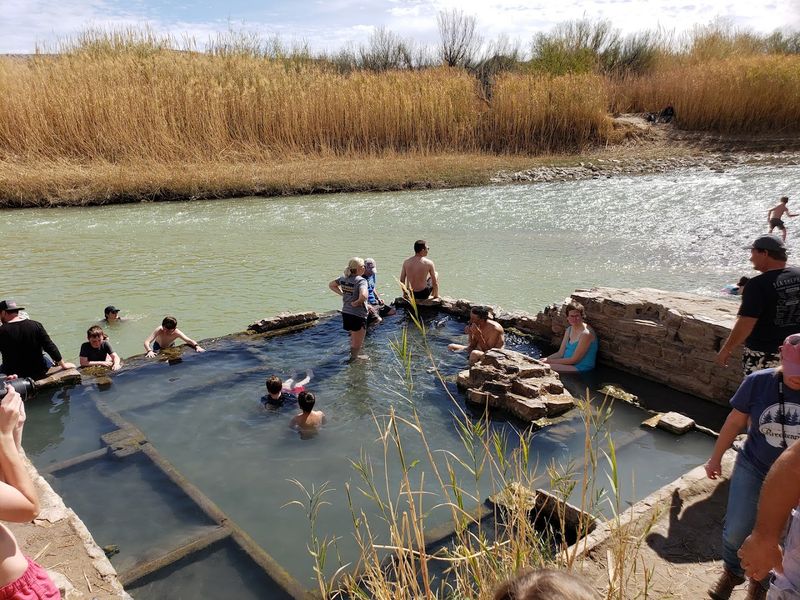
Right next to the hot spring pool flows the Rio Grande, typically running around 72 degrees even during summer months. This temperature contrast creates the real magic of the experience—you can alternate between hot and cold water without going anywhere.
Many visitors position themselves on the stone wall where hot spring water trickles over while they sit partially in the cooler river. Others do intervals, soaking in the springs until they’re overheated, then plunging into the Rio Grande for refreshing relief.
Kids especially love splashing in the river’s shallows, which tend to be calmer in this section compared to faster-flowing stretches elsewhere. The river bottom here is rocky but walkable, and the current usually stays gentle enough for wading.
Water levels fluctuate dramatically with seasonal rainfall and upstream releases. During high water events, the Rio Grande can actually flood over the hot spring walls entirely, mixing cold river water with the thermal flow and reducing both temperature and clarity.
One review from June 2024 described finding the springs completely inundated with brown river water, making them unusable. Checking recent trip reports or calling the park’s visitor center before your visit can save disappointment if you’re specifically planning around hot spring soaking.
Remember that the river forms the international border with Mexico. Don’t accidentally wade too far and cross into another country—it’s surprisingly easy to do when you’re relaxed and not paying attention to invisible lines.
7. Crowds Vary Wildly by Day and Season
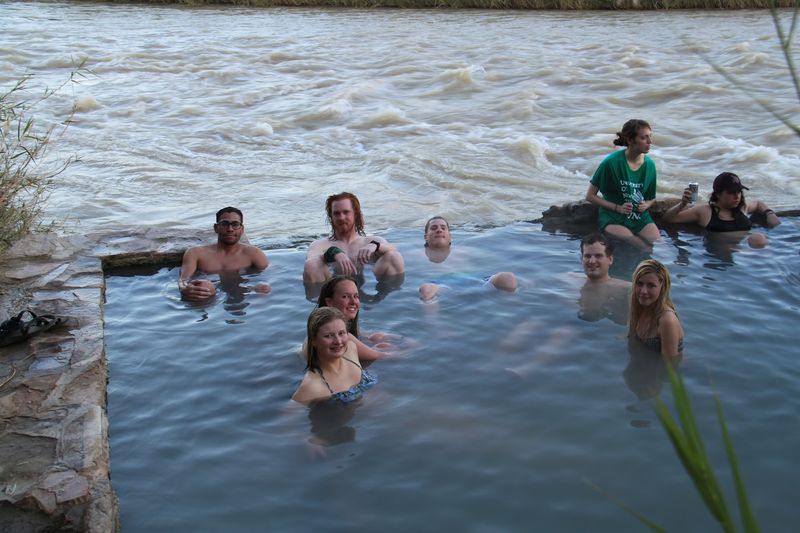
The hot spring pool itself measures pretty small—maybe eight to ten feet across at most. When multiple groups arrive simultaneously, things get cozy fast, and you might find yourself waiting for space to actually get in.
Weekend afternoons, especially during Big Bend’s peak season from November through March, can see the springs packed with visitors. One reviewer described arriving at 3 PM on a Sunday to find the pool constantly full with no room to enter.
Conversely, weekday mornings or visits during the hotter summer months often mean you’ll have the place nearly to yourself. Early birds who arrive shortly after sunrise frequently report blissful solo soaking sessions.
If you’re visiting during busy periods and find the springs crowded, consider hiking the extended loop trail that climbs above the canyon. It adds distance but provides excellent overlook views of the Rio Grande and the hot spring area from above, plus you can check crowd levels before committing to the descent.
Late February visitors reported virtually no crowds and low water levels that made for an intimate experience. The trade-off with quieter seasons often means hotter hiking conditions, so weigh your priorities.
The 24-hour access means you could theoretically visit at dawn or dusk to avoid crowds entirely. Sunrise soaks with the canyon walls catching first light reportedly offer an almost spiritual experience, though you’ll want headlamps for the pre-dawn walk in.
8. No Facilities Means Planning Ahead
A single vault toilet sits at what used to be the main parking area, and that’s the extent of facilities out here. No changing rooms, no showers, no running water, no shade structures—just desert, rocks, and that one bathroom.
The vault toilet does have a door that closes, which several reviewers mentioned using as an improvised changing room. It’s not glamorous, but it works if you’re modest about stripping down to your swimsuit outdoors.
Most visitors simply wear their swimsuit under their hiking clothes or change discreetly behind their vehicle before starting the walk. Bringing a towel and dry clothes for the return trip is essential unless you enjoy driving back to your campsite or lodging in damp swimwear.
There’s absolutely nowhere to buy forgotten items or refill water bottles, so triple-check your packing list before leaving your accommodation. Sunscreen, hat, plenty of water, snacks, and any medications should all come with you.
The lack of facilities also means no security for belongings. Don’t leave valuables visible in your vehicle—several reviews specifically warn about this. Bring a small dry bag to keep your car keys and phone with you at the springs rather than leaving them unattended.
Cell service is essentially nonexistent out here, so don’t count on your phone for emergencies or navigation. Download offline maps beforehand and let someone know your plans before heading out to this remote corner of the park.
9. Unique Border Experience Adds Unexpected Flavor
One of the most entertaining aspects reported by visitors involves enterprising Mexican vendors who wade across the shallow Rio Grande carrying plates of hot food to sell to Americans soaking in the springs. Yes, really.
This informal cross-border commerce happens regularly enough that multiple reviewers mentioned it. One family described a Mexican man and his relatives cooking on their side of the river, then literally walking through the water with prepared meals for paying customers on the Texas bank.
The food reportedly tastes great and adds an unexpectedly hilarious element to the experience. Where else can you soak in natural hot springs while negotiating a meal purchase with someone who just waded across an international border to reach you?
This phenomenon highlights the unique character of Big Bend’s river border, where the Rio Grande runs so low in many sections that it’s barely ankle-deep. The international boundary feels less like a hard line and more like a conversation happening across a narrow stream.
From the hot springs, you’ll have clear views into Mexico, often seeing homes, livestock, and people going about their daily lives just across the water. It’s a perspective on the border that feels remarkably different from the political rhetoric dominating national news.
Keep in mind that while vendors might cross to you, Americans shouldn’t casually wade into Mexico without proper documentation and border crossing procedures. Enjoy the cultural exchange that comes to you, but respect international law.
Share this story