The first thing you notice is how little room there is. Summit Diner is not one of those sprawling Jersey palaces with a parking lot full of SUVs and a menu the size of a phone book.
It is a compact old railcar sitting at 1 Union Place, right across from the Summit train station, opening before sunrise most days and still running on a cash-only system that feels almost rebellious in 2026.
The place has been serving customers since the late 1920s, and the diner car now in use has been there since 1939.
That means commuters, cops, contractors, parents, and half-awake breakfast hunters have all been squeezing into this same narrow slice of New Jersey history for generations.
Officially, the current family ownership dates to 1964, when the Greberis family bought it, and that long stewardship still shapes the place today.
Nothing about Summit Diner feels focus-grouped. It feels earned.
The kind of New Jersey diner that feels frozen in time
Some places try very hard to look vintage. Summit Diner does not have to try.
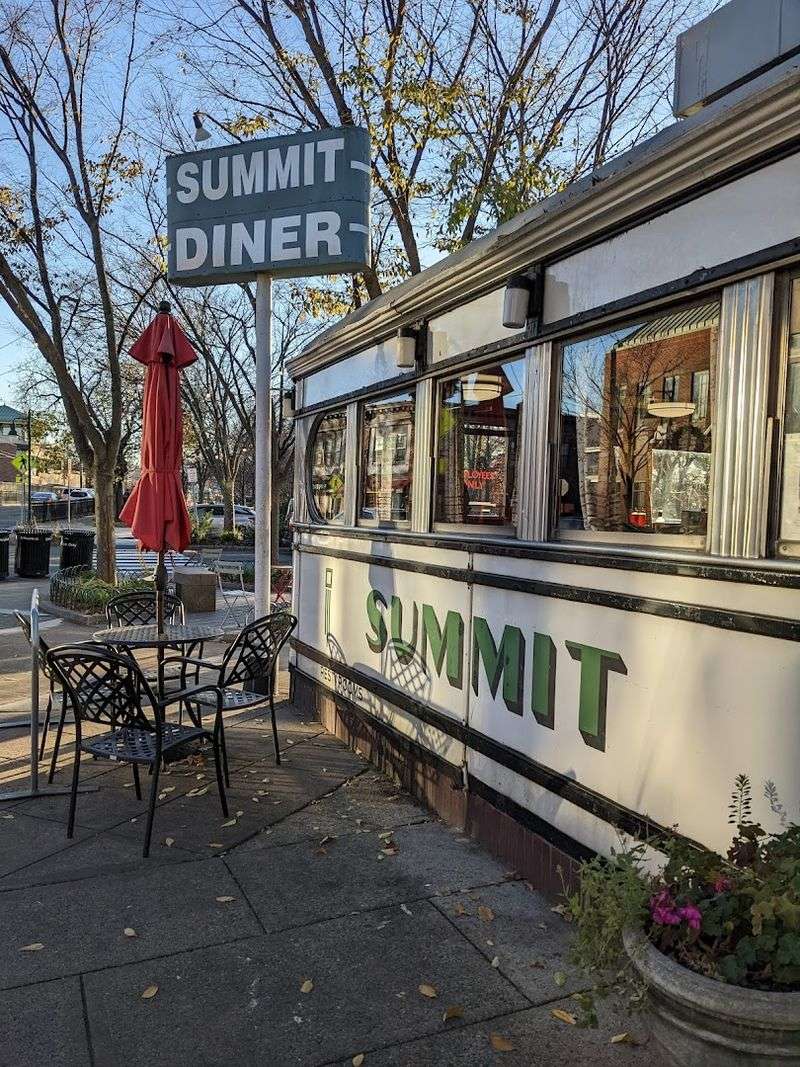
The diner’s current railcar was built in 1938 by the Jerry O’Mahony company and has been serving at this Summit location since 1939, which immediately puts it in rare air even in a state that treats diners like a birthright.
Walk in and you get the details that newer places cannot fake no matter how much chrome they buy online.
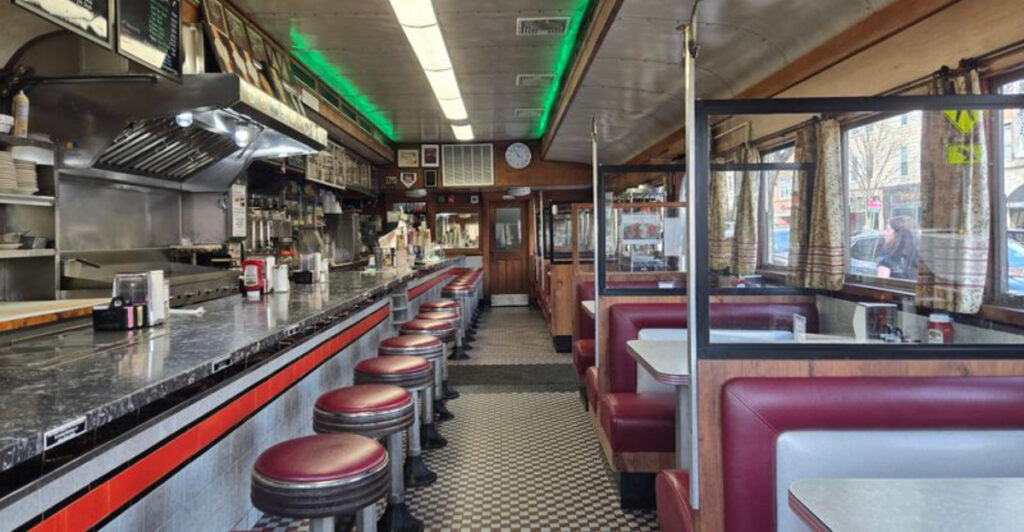
Jim Greberis has said the interior has stayed nearly the same since 1939, with original features like mahogany wood trim and Italian marble countertops still doing their job without any need for a dramatic reveal. That old-school look is not a themed makeover.
It is simply what the place still is. Even the physical scale feels like another era.
This is not a diner built for lingering with a laptop and three refillable flavored cold brews. It is built like a dining car, snug and efficient, where the sound of plates landing and coffee pouring becomes the soundtrack.
Then there is the location, which helps the whole thing feel even more rooted. Summit Diner sits diagonally across from Summit station, in a downtown that still moves with commuter traffic and morning routines.
That means the place is woven into the daily rhythm of town life, not parked out on some anonymous highway shoulder. It opens at 5:30 a.m.
Monday through Saturday and 6:30 a.m. Sunday, with cooking stopping a half hour before close, so it still keeps hours that belong to people who actually have somewhere to be.
In a state full of diners that have expanded, renovated, modernized, or disappeared, Summit Diner’s refusal to stop looking like itself is the whole magic trick.
Why generations of one family have kept this place going
Here is the part worth getting right: the diner itself predates World War II, but the current family’s story starts in 1964, when the Greberis family bought Summit Diner after immigrating from Greece.
Jim Greberis began working there in 1980, bought the diner from his father-in-law in 1985, and now runs it with his wife, Michele.
That is still an impressive run by any standard, especially in a restaurant business that burns through owners, concepts, and “rebrands” like they are disposable napkins. What they protected was not just a landmark name or a pretty old building.
They kept a working diner going. The food has stayed rooted in traditional recipes, and the menu has never been pushed into trend-chasing territory.
Greberis has even talked about refusing to jump on certain food fads because that is not what this tiny, deeply traditional place is built to do. That sounds stubborn until you realize it is also discipline.
A place this small does not survive by trying to be everything. It survives by knowing exactly what people come for.
There is also something deeply Jersey about the practical side of all this. Keeping an old diner alive is not just about sentiment.
It means dealing with rising food costs, labor issues, shortened post-pandemic hours, and the plain difficulty of maintaining an operation that is nearly a century old. Even succession is a real question, with Greberis acknowledging that the next generation may not want the job.
That uncertainty makes the place more affecting, not less. Summit Diner is still here because one family kept showing up, year after year, and kept making breakfast in a railcar across from the station while the rest of the world sped up around it.
What makes the old-school diner atmosphere so special
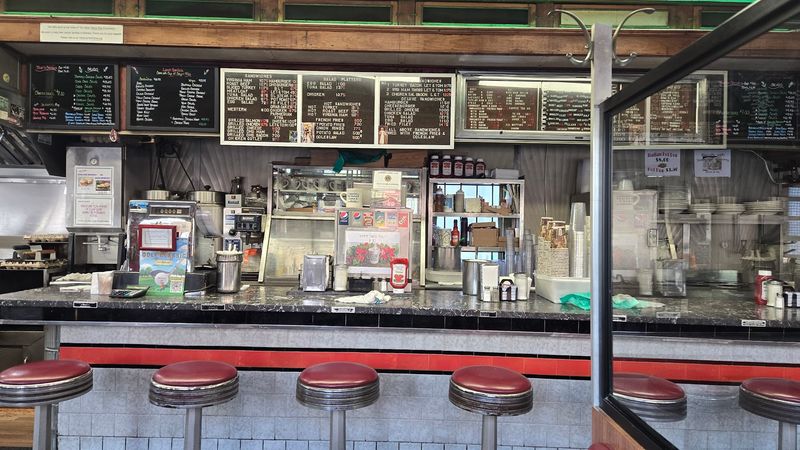
At Summit Diner, nostalgia is not decorative. It is functional.
The place still operates cash only, and that one little fact tells you almost everything about its personality. This diner is not interested in sanding down every rough edge until the experience feels generic.
It asks you to meet it where it is, and somehow that makes the meal better. A lot of diners talk about atmosphere when what they really mean is laminated menus and old license plates on the wall.
Summit is working with a stronger hand. The narrow railroad-car layout, the vintage woodwork, the marble counters, the early-morning crowd, the train-station setting just steps away, all of it creates the kind of lived-in rhythm that newer restaurants spend a fortune trying to imitate.
It does not feel quaint. It feels useful, familiar, and just a little bit noisy in the best way.
And because this is Summit, the crowd gives the room its spark. You get commuters grabbing breakfast before a train, regulars who already know where they like to sit, workers fueling up before the day starts, and locals who do not need a special occasion to stop in.
That mix is classic New Jersey diner energy. No velvet rope, no scene, no performance.
Just people on different schedules landing in the same room for coffee and eggs. Atmosphere, in a place like this, is not a design choice.
It is what happens when a restaurant becomes part of daily life long enough that the room starts to carry people’s habits. The old-school feeling does not come from the decor alone.
It comes from repetition, routine, and the quiet confidence of a place that never needed to reinvent itself to feel memorable.
The classic breakfast orders locals keep coming back for
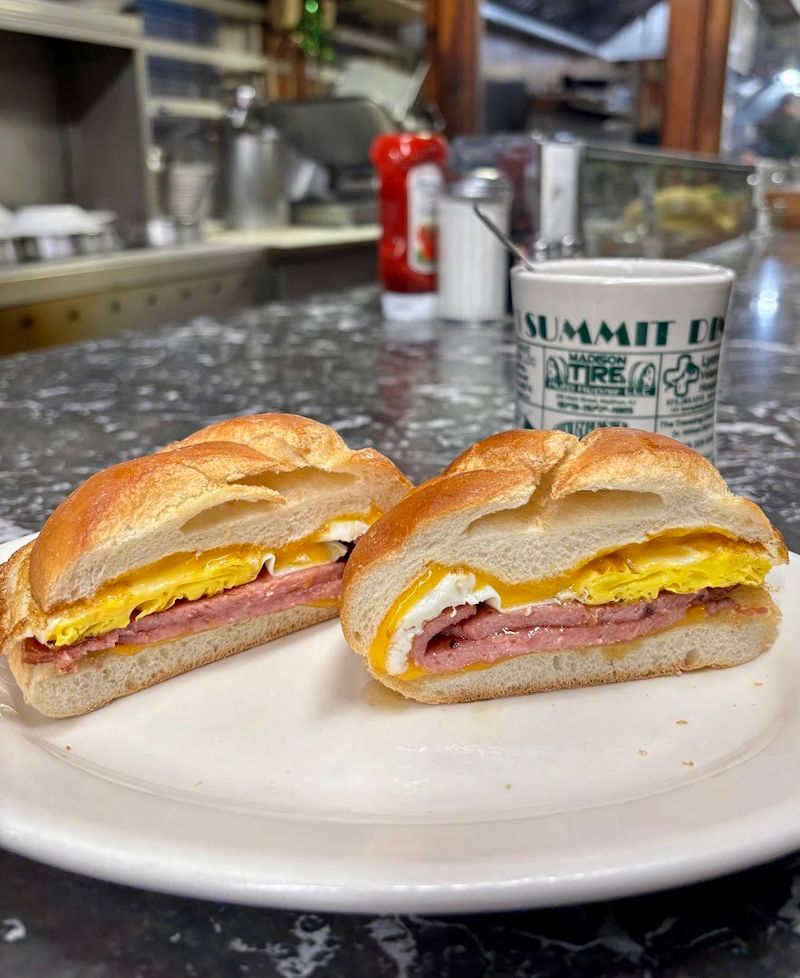
If you want to understand Summit Diner, start with the breakfast sandwiches.
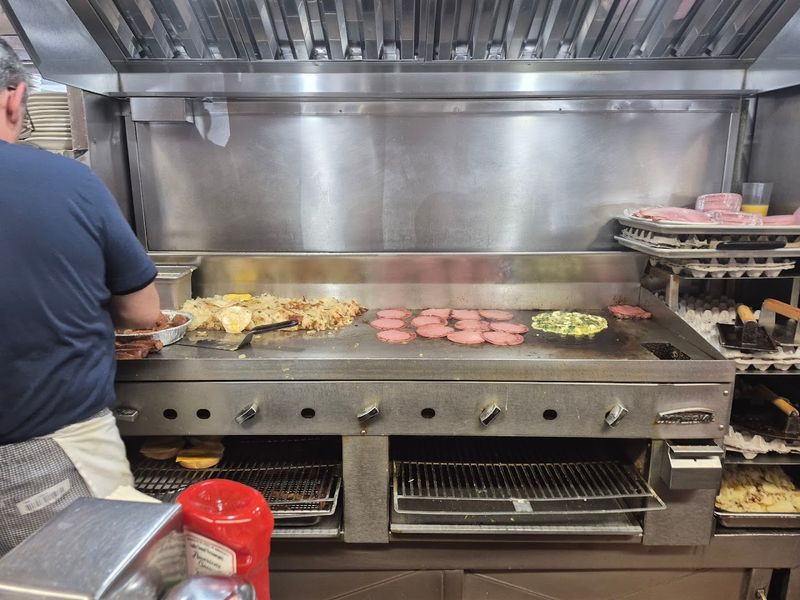
The menu sticks to the essentials with admirable lack of drama: bacon and egg, sausage and egg, Taylor ham and egg, ham and egg, a Western, and a plain egg on a roll, with cheese or potatoes added if you want to make it a little more substantial.
That lineup tells you everything you need to know about where the kitchen stands in the New Jersey breakfast universe. The star, predictably and correctly, is the Taylor ham and egg.
Some places call it pork roll. Some people are willing to turn that into a blood sport before coffee.
At Summit Diner, the debate matters less than the sandwich itself. It belongs here.
It is the perfect meal for this room because it is compact, hot, salty, fast, and deeply local without needing any explanation. You can eat it at the counter, or carry the smell of it onto the platform across the street and make every other commuter jealous.
But the breakfast story is bigger than one sandwich. Summit Diner’s corned beef hash has built a serious reputation over the years, and its spinach pie is another standout that hints at the Greek roots behind the place’s long family ownership.
Pancakes, steak and eggs, and other straightforward classics round things out without making the menu feel bloated. That range matters.
The food may be traditional, but it is not one-note. You can go full Jersey with Taylor ham, lean into the hash if you want something heartier, or order something with a little Greek-diner personality.
The common thread is that nothing sounds invented in a branding meeting. It sounds like breakfast, the kind that knows its job and does it well.
How this diner became part of everyday life in town
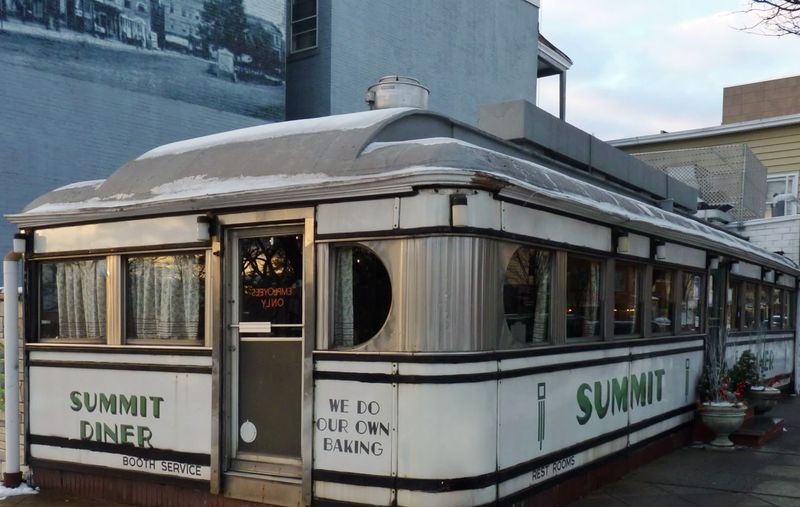
Across from the train station is exactly where a diner like this belongs. Summit Diner sits at 1 Union Place, diagonally across from Summit station, right in the middle of a downtown that still balances small-city charm with full-speed commuter traffic.
That geography shaped the place as much as the menu ever could. It is not somewhere you have to plan a day around.
It is somewhere that slips naturally into real life. Think about the timing.
The diner opens at 5:30 a.m. most days, which means it is already awake when half the town is still fumbling for keys and coffee. The station is right there.
Downtown is right there. Schools, offices, errands, appointments, all of it flows around this one little railcar.
Summit Diner makes perfect sense because it catches people in the exact windows when they need it most: before the train, after a school drop-off, between stops downtown, after a shift, or on a morning when nobody feels like cooking. Over time, that kind of usefulness turns into attachment.
Places like this become informal civic space without ever announcing themselves that way. People trade neighborhood news there.
They see familiar faces there. They sit at the counter and feel anchored for twenty minutes before going back out into the day.
That is how a diner becomes part of a town instead of just a business in it. Summit Diner feels bigger than its footprint because it carries more than meals.
It carries routine, memory, and a kind of local continuity that is easy to overlook until it disappears. A tiny railcar diner should not be able to hold that much town life, and yet this one clearly does.
Why places like this still matter in New Jersey
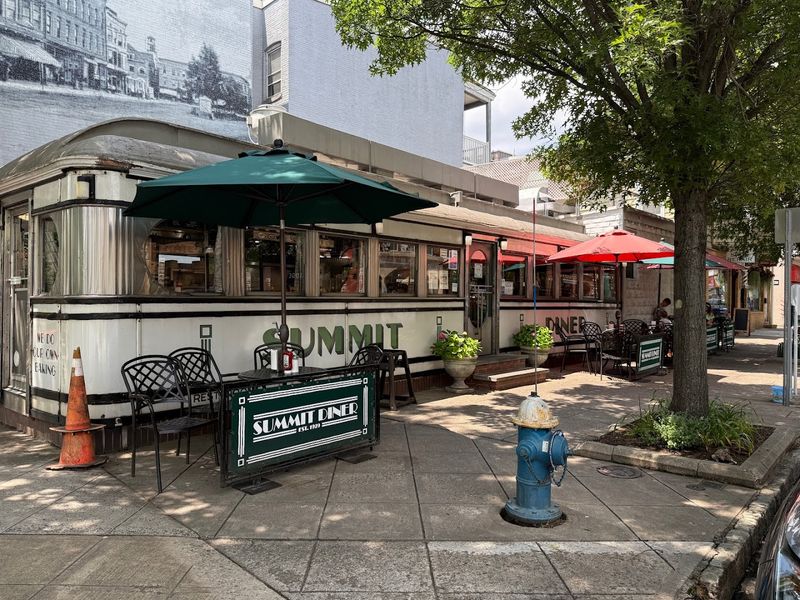
New Jersey has long been called the diner capital of the country, but that title means less if the old places vanish one by one. Summit Diner matters because it shows what New Jersey diner culture originally was before the mega-menus, oversized buildings, and endless renovations.
It is modest in size, heavy on routine, and built around a few things done very well. It still uses a railroad car. It still closes in the afternoon. It still makes you bring cash.
It still serves breakfast sandwiches that feel inseparable from the state itself. In other words, it has not confused relevance with reinvention.
That matters more than people think. The old-fashioned way is not automatically better, but sometimes it is the exact reason a place still feels human.
Summit Diner also stands for something larger than its menu. It is a surviving piece of the factory-built diner tradition that helped define the region, and every year that kind of place gets rarer.
What people actually love about New Jersey diners is not chrome for chrome’s sake. It is continuity.
It is knowing that a place across from the station is still cracking eggs before dawn, still sliding coffee across the counter, still looking like itself when everything else on the block has changed. Summit Diner has been there since the late 1920s, in its current car since 1939, under the Greberis family since 1964.
That is not frozen nostalgia. That is endurance, served with home fries.
Share this story