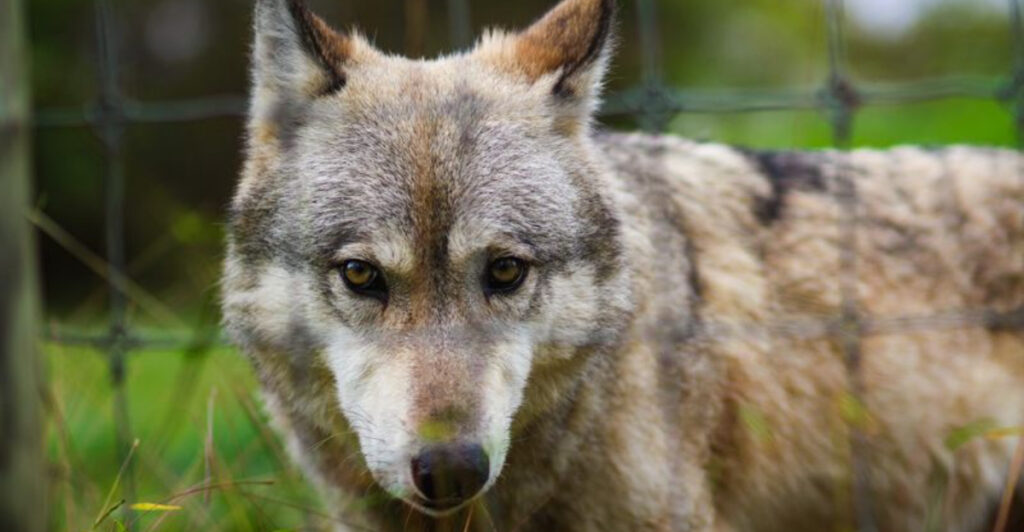
Imagine standing just feet from a wolf as it glides through the trees, its eyes catching the light and your breath catching with it. At the Wolf Sanctuary of PA in Lititz, you are invited into a quiet, profoundly respectful encounter that feels unlike anything else in Pennsylvania.
Every step is guided by experts who know each animal’s story and read their moods in real time. If you are curious about wolves and crave a meaningful, ethical experience, this is where you want to be.
1. Guided Tours: What To Expect
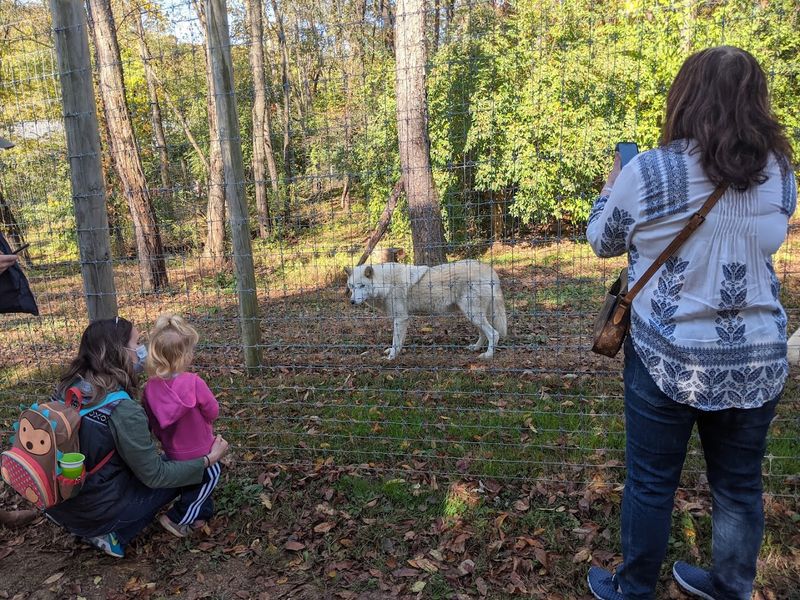
Step through the gates at the Wolf Sanctuary of PA and you feel the world slow down.
Guided tours lead you past spacious, wooded enclosures where resident packs patrol, nap, and occasionally break into a breathtaking group howl.
Along the way, trained volunteers share each animal’s history, explain wolf behavior myths, and point out subtleties you might miss alone.
Tours are intentionally paced, allowing time for questions and respectful observation at the fence line.
You are close enough to study amber eyes and hear the soft thud of paws, yet rules keep both you and the wolves safe.
It is part wildlife lesson, part meditation, and entirely unforgettable.
Expect a 60 to 90 minute experience that covers sanctuary history, husbandry practices, photography etiquette, and how your ticket supports long term care.
Check the website for public, private, and family friendly options before you go.
Advance reservations are strongly recommended year round.
2. How Close You Get, And How Safety Works
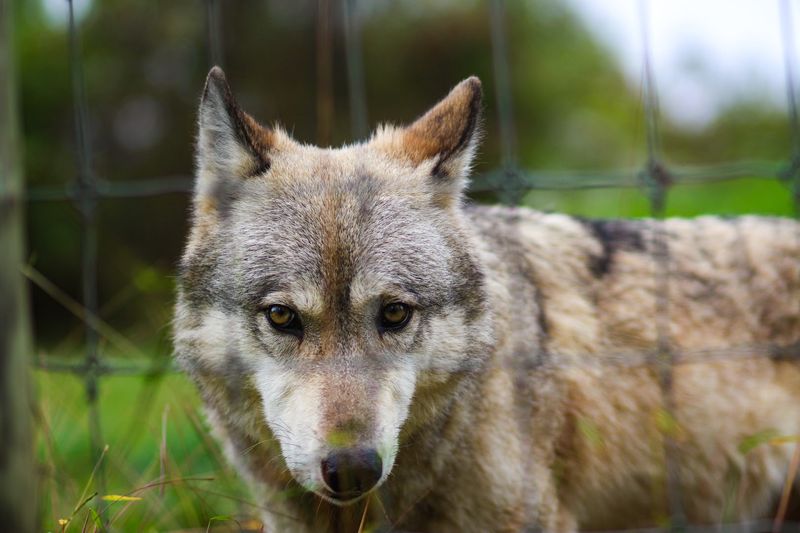
Getting close here means proximity without contact, a respectful encounter on the wolves’ terms.
You will stand a few feet from secure fencing as a pair trots by, noses lifted to test your scent.
It is thrilling, but the staff keeps everyone focused, calm, and safe.
Rules are simple recital only, no touching, no food, and voices kept low so the wolves decide whether to approach or retreat.
Guides read body language, point out ear flicks, tail positions, and pacing that signal curiosity versus stress.
You will learn why eye contact can feel rude, and how wind direction shapes every introduction.
By the end, you feel trusted by creatures that owe humans nothing, which is the most unforgettable gift.
Bring a steady camera, dress for standing still, and let your patience be the bridge between species.
That quiet respect is why the sanctuary allows such astonishingly close viewing for guests.
3. Full Moon Nights: After-Dark Magic
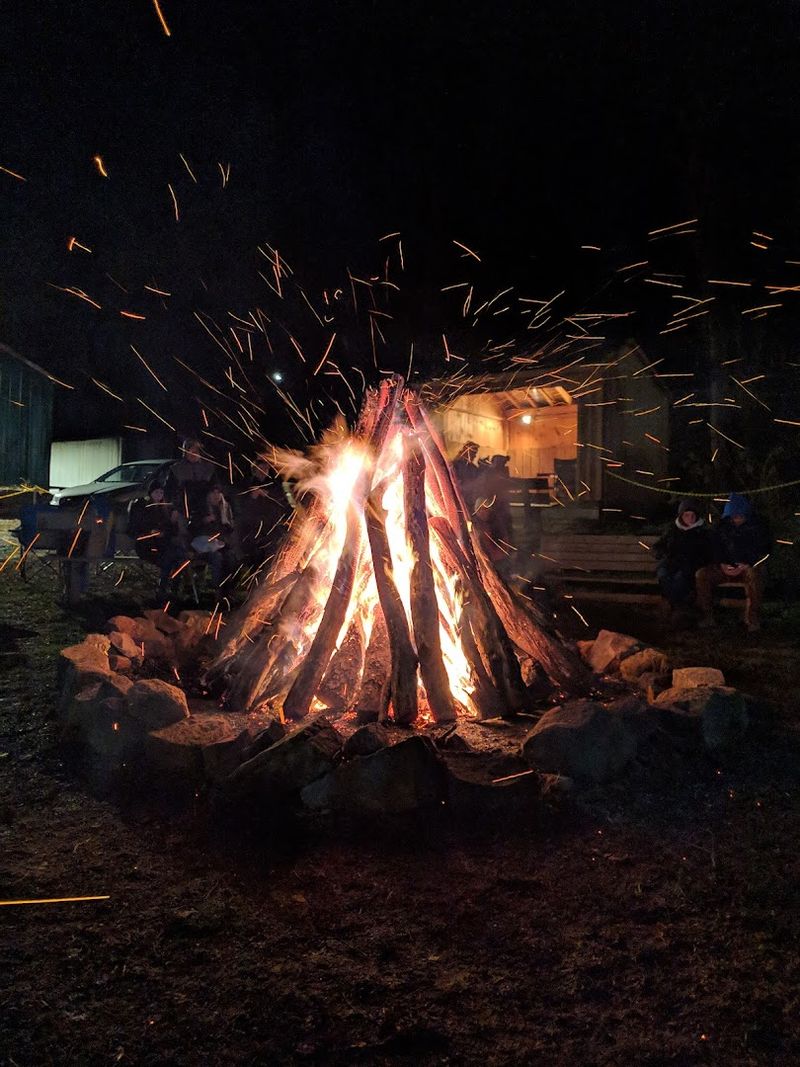
Once a month, the sanctuary opens after dark for Full Moon nights, a tradition locals plan entire weekends around.
You wander by lantern glow to several packs while guides share stories, science, and lore.
Sometimes musicians or poets perform by the bonfire, creating a cozy hub between circuit stops.
Cold nights often spark activity, and hearing a chorus roll across Speedwell Forge is goosebump magic.
Expect uneven gravel paths, limited lighting, and larger groups than daytime tours, so arrive early and wear solid shoes.
Ages are restricted, photography etiquette is stricter, and chairs are unnecessary since benches ring the fire.
Check the calendar, because entertainment varies, tickets sell fast, and weather can shift vibes quickly.
If you want deeper learning, book a smaller private tour another day to meet more residents.
Bring layers, hand warmers, and patience, then let the night teach you how to listen to wild neighbors nearby.
4. Stay Overnight: The Paymaster’s Office Cottage
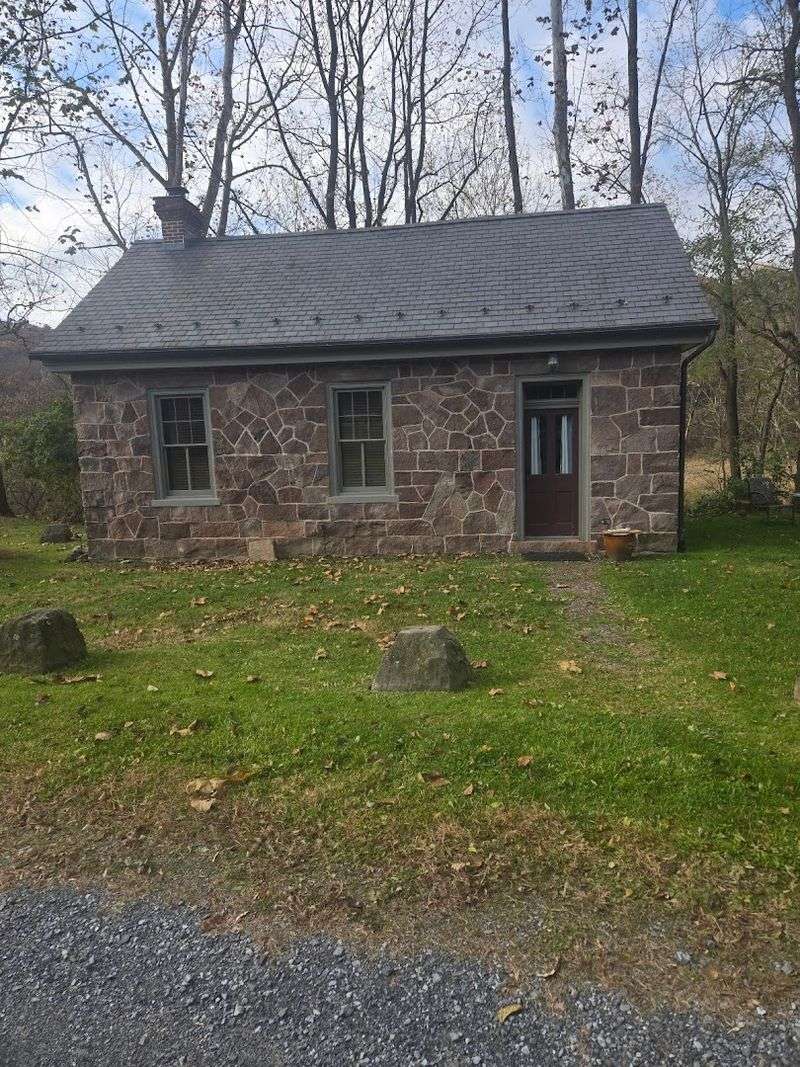
For an immersive escape, book one of the historic Speedwell Forge Bed and Breakfast cottages on the property.
The Paymaster’s Office feels tucked away, with a gas fireplace, soaking tub, and kitchenette that turns a visit into a retreat.
Morning delivery brings breakfast to your door, and a tour is included with your stay.
Wake to a chorus drifting across the trees, sip coffee on the porch, and plan your day with the tour schedule.
Cottages offer privacy, quick sanctuary access, and a perfect base for exploring Lititz after your wolf time.
Book early during fall and winter when wolves are often more active in the cool air.
Respect quiet hours and the wildlife refuge setting, and you will leave restored.
Find details and availability through the Speedwell Forge website, and match your stay to tour types you prefer.
It turns a good visit into an unforgettable weekend in wolf country.
5. Best Time To Visit, Weather, And Photos
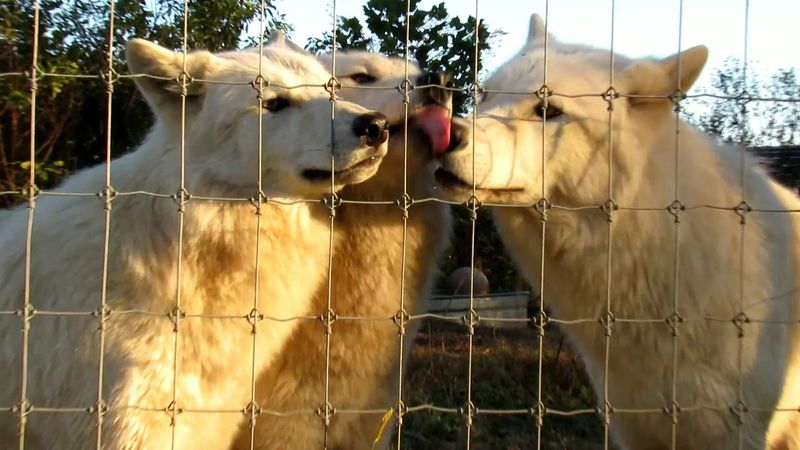
Wolves thrive in chill, so cooler months often deliver livelier tours with trotting, play bows, and misty howls.
Do not worry if it snows, volunteers coordinate parking and the wolves light up in fresh powder.
In summer, shade and pacing behaviors dominate, making patience and quiet even more important.
Arrive early for public tours on busy weekends, hydrate, wear layers, and choose shoes that handle gravel trails.
Bring a camera with a zoom, skip flash, and steady it against a fence post for crisp low light shots.
Check the website for weather policies, seasonal hours, and special events like Full Moon nights.
No matter when you come, let the pace slow and the soundscape surround you.
Cool temperatures mean thicker coats and brighter eyes, details you will notice when you simply stand and watch.
Fall color makes photographs pop, while winter snow turns every track into a story you remember.
6. Accessibility, Footing, And Group Size Tips
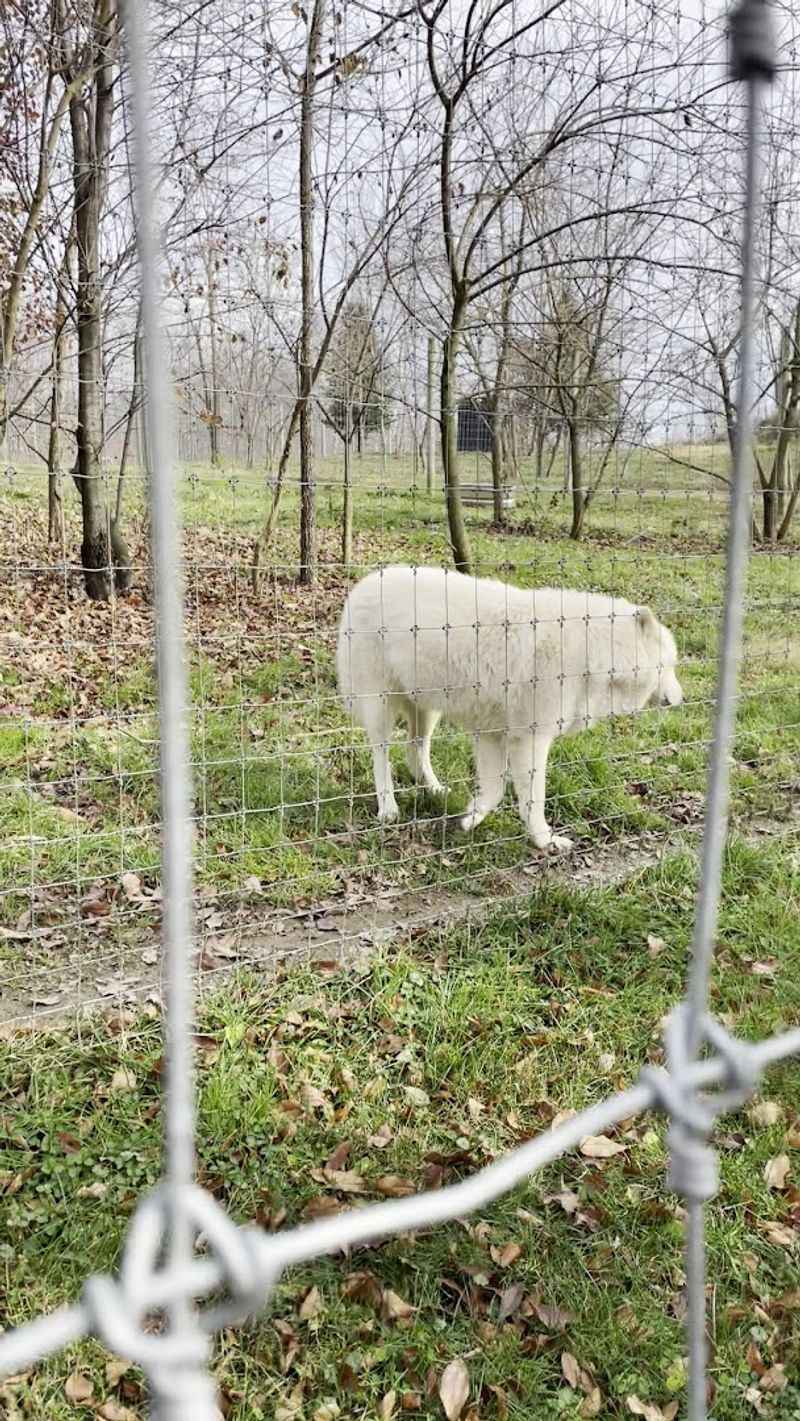
Trails are mostly gravel and gently hilly, so folks with mobility concerns should plan time and footwear accordingly.
Public tours can feel crowded on holidays, which makes hearing the guide harder if you drift back.
Private or small group options fix that, putting you near the front and tailoring the pace.
Ask about visual lines in leaf season versus winter, and request stops with flatter footing if needed.
Guides project well, but move closer during howls so you catch every note of interpretation.
There are benches near the gift shop and fire pit where you can rest before or after.
If accessibility is a priority, call ahead at 717-626-4617 to discuss options and timing.
Smaller groups also dial down chatter, creating the calm that lets shy wolves emerge from brush.
That quiet space is a gift to you, the guides, and the animals who live here, every single day together.
7. Education And Conservation: What You Learn
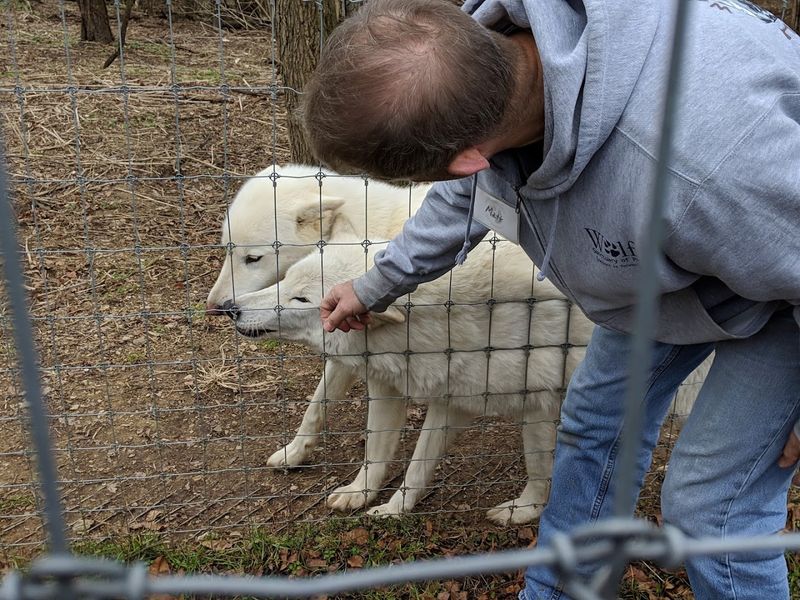
This is a forever home, not a breeding center, and certainly not a petting zoo.
Many residents are rescues or wolf dog hybrids surrendered when owners realized wild genetics do not make cuddly companions.
Tours unpack myths, from alpha dominance misunderstandings to the ecological role of apex predators.
You will hear about diet, enrichment, medical care, and why some wolves prefer fewer visitors.
Education here aims to replace fear with respect, helping you recognize the difference between wild wolves and domestic dogs.
Every ticket supports food, winter straw, vet bills, and secure, wooded habitats that honor natural behaviors.
When you leave, you carry that stewardship home to your neighborhood trails and conversations.
It is how a single afternoon can ripple outward, changing choices about wildlife, pets, and the places we hike.
You become an advocate simply by listening closely and sharing what you learned with friends and family, back home.
8. Meet The Volunteers And Guides
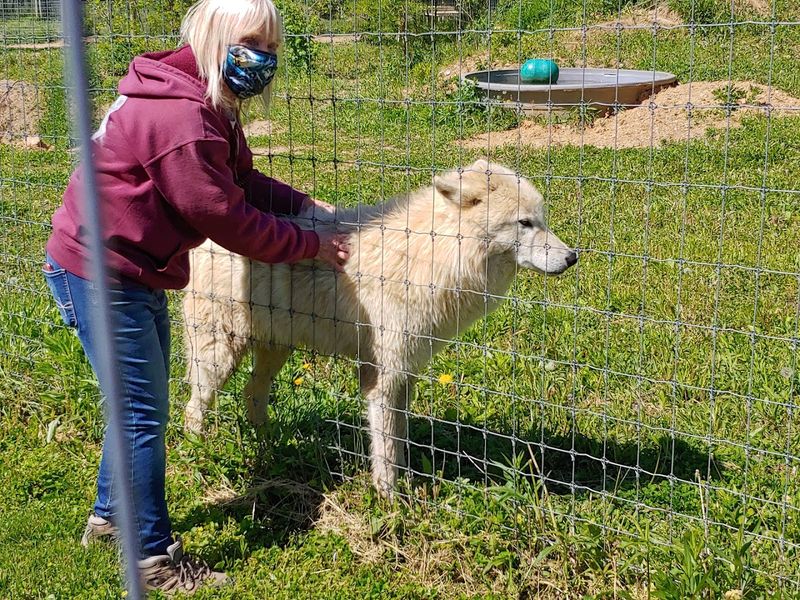
Volunteers are the heart of the experience, greeting you with warmth and remarkable expertise.
Some have served for decades, and they know every backstory, rivalry, and nickname across the sanctuary.
Names like Mandy, Kristen, Denny, Russ, and Starr pop up in glowing reviews for good reason.
They pace tours to weather and wolf moods, answer endless questions, and model the calm that earns animal trust.
If the ground is slick, they watch footing and help guests navigate safely, never rushing the group.
You will leave with stories that belong to specific wolves, not generic trivia.
Tip them with your attention, patience, and gratitude, because their devotion powers this place.
Consider supporting the volunteer program through donations or wish list items that keep daily care running smoothly.
They make your close view possible, and they deserve every kind word you can share afterward, with friends, family, and future visitors online, everywhere.
9. Plan Your Visit: Address, Booking, And Logistics
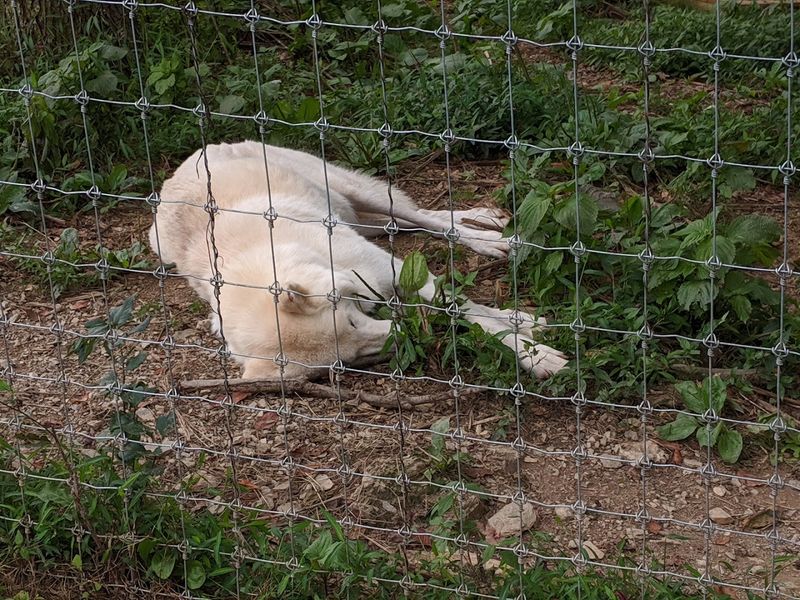
Set your GPS to 465 Speedwell Forge Road, Lititz, Pennsylvania, and give yourself extra time on rural lanes.
Public tours, private tours, and Full Moon nights are listed on the website at wolfsanctuarypa.org.
Reserve ahead, because timing and capacity vary with season and animal needs.
Call 717-626-4617 with accessibility questions, and check policies on age limits, photography, and weather.
There is a small gift shop for souvenirs, and nearby Lititz offers food and coffee before or after.
Parking is organized by volunteers, but winter conditions can slow arrival, so bring patience.
Most importantly, dress for standing still, not hiking, and let curiosity guide your pace.
If you crave photos, aim for morning light or overcast skies that flatter fur and reduce harsh shadows.
Afterward, explore Speedwell Forge County Park trails to stay in the mood, keeping pets leashed and wildlife respected, on every path you wander back toward town, happily.
10. Ethics And Respect: Not A Zoo
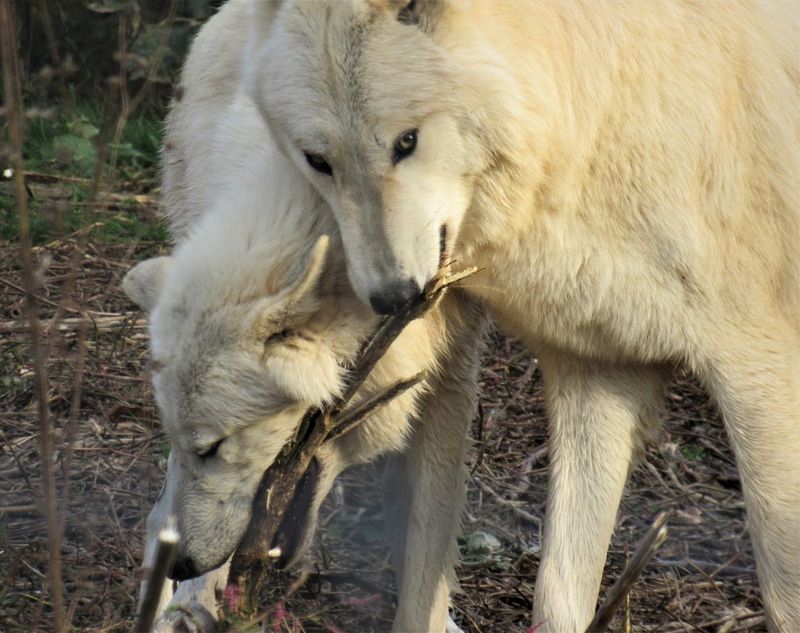
The sanctuary’s promise is simple: keep wolves wild in spirit while giving them safe, lifelong care.
That means no petting, no howling at them, and no treating them like performers.
Your role is to observe, learn, and support, which is more intimate than any selfie.
You will see personalities bloom, from cautious wallflowers to bold sentinels, and you will honor each boundary.
Photography should never lure an animal closer, so skip treats, sounds, and flashes that change behavior.
If a wolf turns away, let it go, and thank it for the glimpse.
This ethic is why reviews glow, why residents look content, and why your visit matters.
Carry that respect home, where it can shape how you hike, garden, and coexist with the wild edges of town.
The sanctuary gives you a new compass, one that points toward patience, humility, and practical care for living neighbors, in every season ahead.
Share this story