Thirteen works were stolen from this museum in 1990, and their empty frames still hang on the walls. The case remains unsolved, and the reward for information sits at ten million dollars.
That alone would make me curious. Then you learn the founder left strict instructions that her galleries stay arranged exactly as she set them.
No reshuffling, no swapping, just her vision frozen in place.
I have a feeling I’d walk into this place and forget what I came to see first. There’s art from all over the world, beautiful rooms full of surprises, and a flower-filled courtyard that might make me want to sit down and stay awhile.
Honestly, I’d probably need a second visit just to catch everything I missed.
But what really gets me is the woman behind it all. She didn’t just collect beautiful things.
She created an entire world around them and even left instructions for how it should be kept. I’d love to know what made her so determined to have everything her way.
Something tells me her story is anything but boring.
A Venetian Palace Somehow Landed In The Middle Of Boston
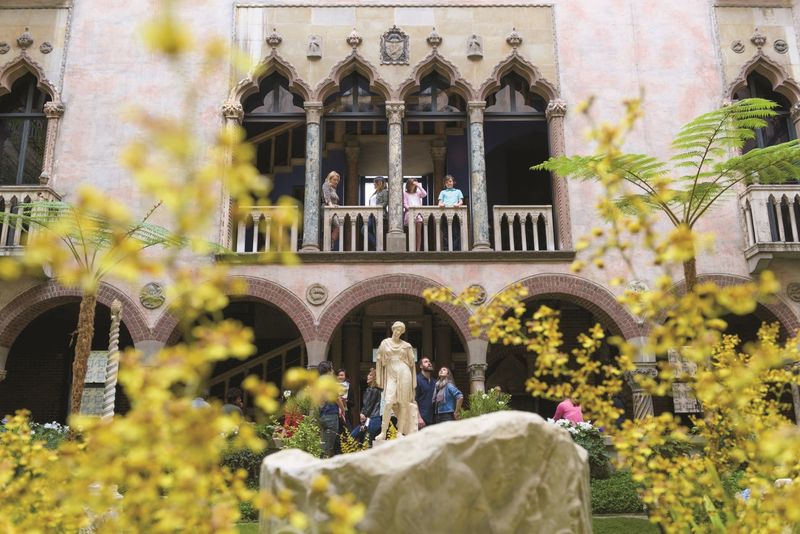
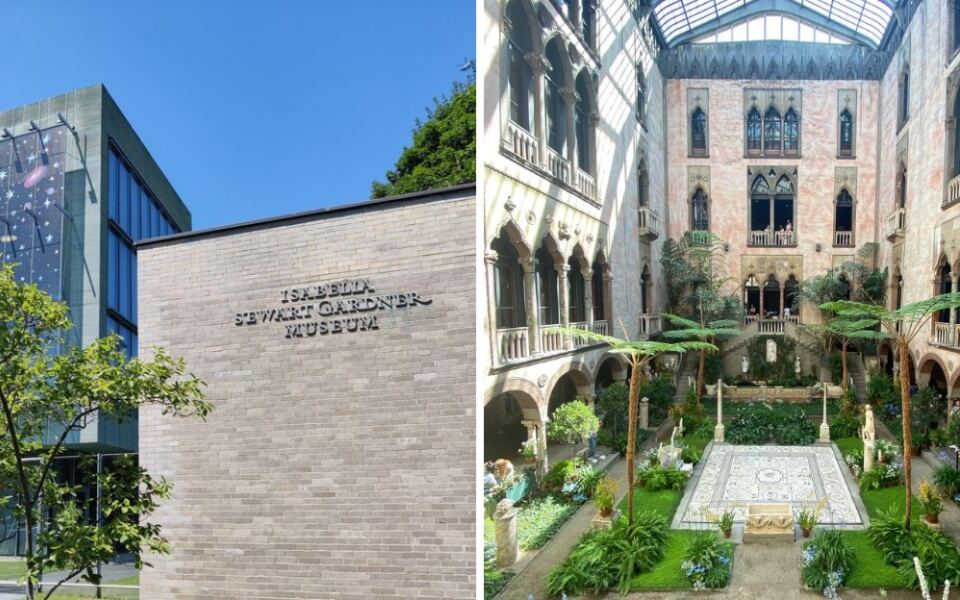
Isabella Stewart Gardner had big dreams and the means to make them real. The Isabella Stewart Gardner Museum opened in 1903, and she designed it to look like a Venetian palace from the 1400s.
She didn’t just copy the style, either. The building includes real architectural pieces from Europe, such as columns, balconies, and carved details she collected on her travels.
That means the house itself is part of the collection. You’re not simply looking at art inside a building, because the walls and windows tell stories too.
Isabella actually lived on the top floor of the museum after it opened. Talk about taking your work home with you.
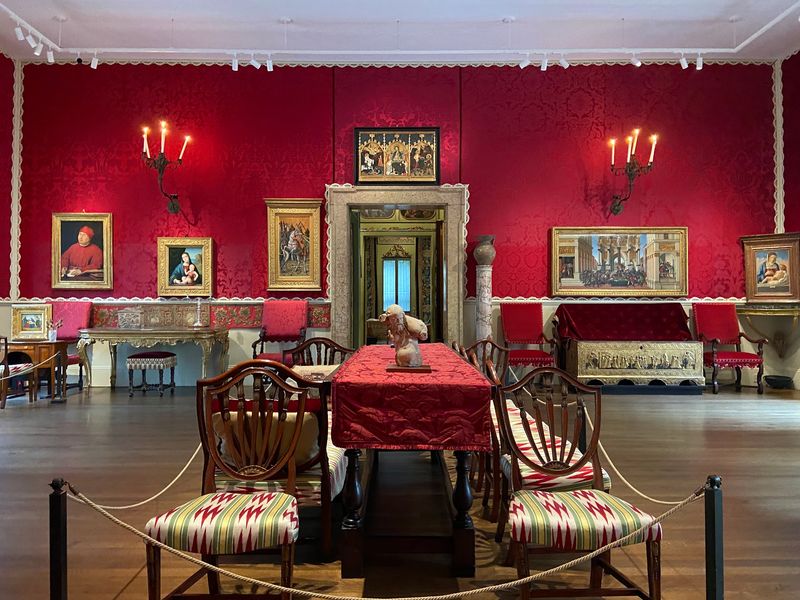
Her goal was to share beauty with the public, and she wanted visitors to feel something rather than just read labels. That’s why many rooms have very little text on the walls.
Plan to go slow and let your eyes wander. The museum has three floors of galleries, and each room has its own mood and personality.
Watching the short intro video near the start helps a lot. It gives you the backstory before the wonder fully kicks in.
Good Luck Walking Past This Courtyard Without Stopping
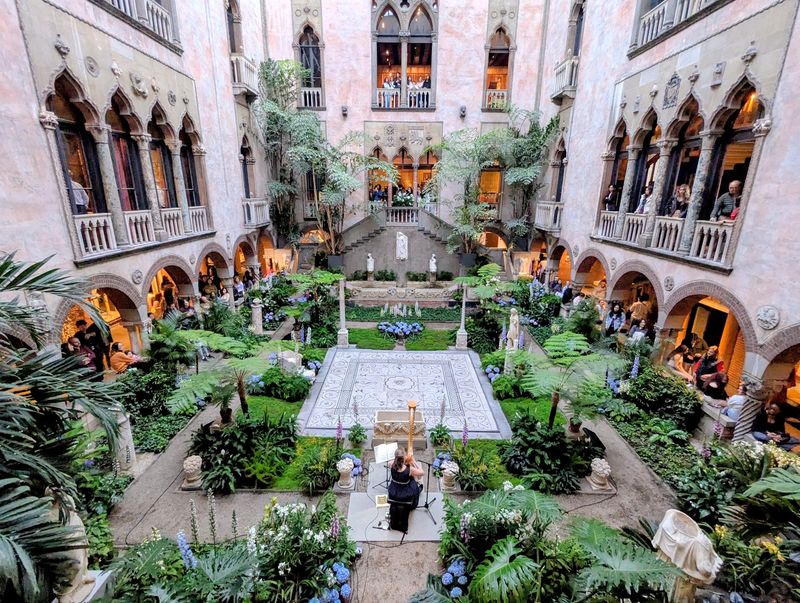
Sunlight pours through a glass roof onto flowers, statues, and an ancient Roman mosaic floor. The courtyard sits at the heart of the building, and every floor looks down on it.
It changes with the seasons, which keeps things fresh. Museum horticulturists grow the plants in greenhouses and rotate displays throughout the year, so no two visits look quite the same.
The mosaic in the center comes from ancient Rome. Yes, a floor that old is just hanging out in Massachusetts, surrounded by orchids and greenery.
You can’t walk into the courtyard itself. Instead, you view it from the cloisters and windows that wrap around it, which actually makes every angle feel like a framed painting.
Want a photo without a crowd? Try heading up to the third floor early in your visit and looking down.
Many people pause here to sketch or simply sit and breathe. Honestly, it’s hard to blame them, because this space feels calm in a way few city spots do.
It’s also a nice reset between galleries. Art overload is real, and a few minutes with these plants can work wonders.
Spring Brings A Waterfall Of Orange Flowers
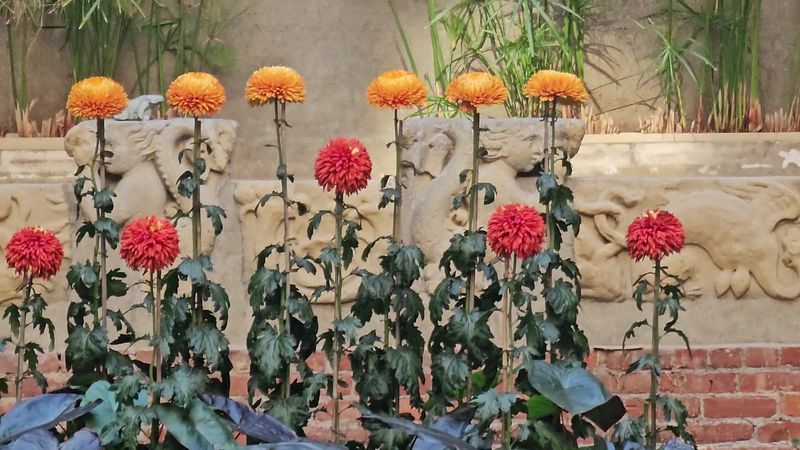
Some vines grow up to about 20 feet long, and they hang from the courtyard balconies like bright orange curtains. These are the famous Hanging Nasturtiums, a tradition that goes back to Isabella herself.
She loved this display and celebrated it each spring. The museum keeps that tradition going today, usually around her birthday in April.
Growing them is no small task. The plants take many months of careful work in the museum greenhouses before they’re ready to make their big debut.
Once they’re up, the effect is wild. Orange blooms tumble down the stone walls, and the whole courtyard suddenly feels like a celebration.
The display only lasts a few weeks each year. If you want to catch it, keep an eye on the museum’s announcements in early spring and book your timed ticket soon.
It’s the kind of sight that makes even non-flower people stop in their tracks. Spring in New England can be moody, but these blooms don’t care about gray skies.
Bring patience for a busy crowd during this season. Arriving early helps you enjoy the vines with a little more elbow room.
Empty Frames Hold The Biggest Mystery In The Building
Early on March 18, 1990, two men dressed as police officers talked their way inside. They left with 13 works of art, and none have been recovered.
The stolen pieces include works by Rembrandt, Vermeer, Degas, and Manet. Rembrandt’s only seascape, The Storm on the Sea of Galilee, is among them.
It remains the largest unsolved property theft in history. The museum still offers a reward of ten million dollars for information leading to the art’s return.
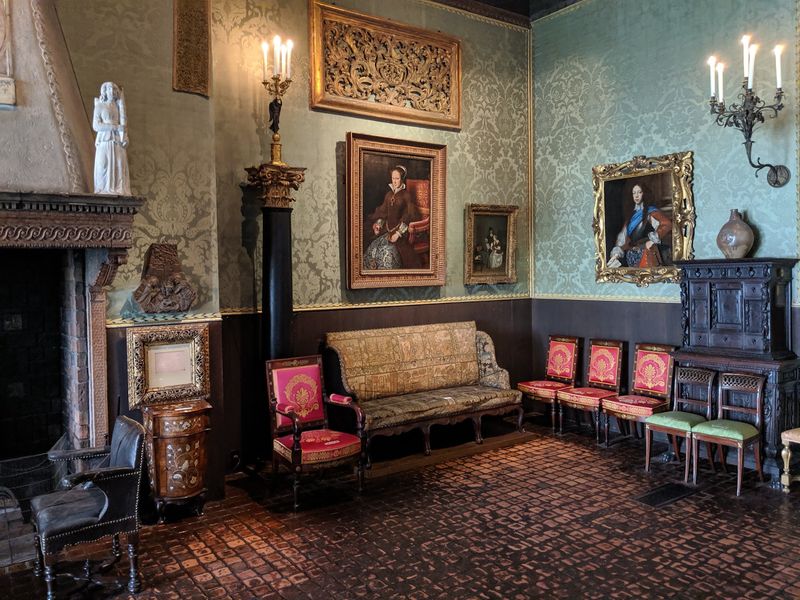
Why are the frames still on the walls? Isabella’s will required her galleries to stay as she arranged them, so the empty frames mark the spots where the art belongs.
Seeing them in person feels strange and a little haunting. They turn a gap into a story you can’t stop thinking about.
Look for them in the Dutch Room and other galleries as you explore. A quick read on the theft before your trip makes those empty spaces hit even harder.
Who knows? Maybe one day the paintings will come home, and the frames will finally have company again.
Your Passport Gets A Workout Without Leaving Massachusetts
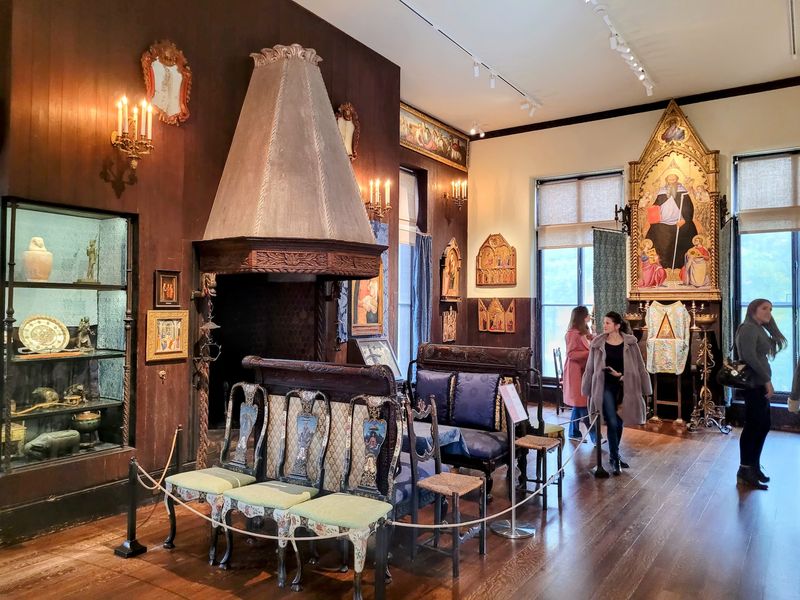
Europe, Asia, and Africa all meet under one roof here. The collection covers more than 30 centuries, which is a lot of history for one house.
Isabella traveled widely, from Japan and China to Egypt and across Europe. She brought home treasures and ideas from each trip.
So one room might show Italian Renaissance paintings beside old furniture and textiles. Another might mix Asian objects with European works in a way that feels personal rather than organized by textbook rules.
That mix surprises people who expect neat sections. It’s more like browsing the collection of a very curious, very well-traveled friend.
You’ll also find rare books, letters, and manuscripts throughout. Isabella kept notes from famous writers and artists, which adds a human side to the art.
A good tip is to notice the windows. Isabella often placed favorite pieces in natural light, so those corners reward a closer look.
Don’t rush to see everything. Pick a few rooms, slow down, and let the surprising pairings spark your own questions about how cultures connect across time and distance.
A Few Masterpieces Here Will Stop You Cold
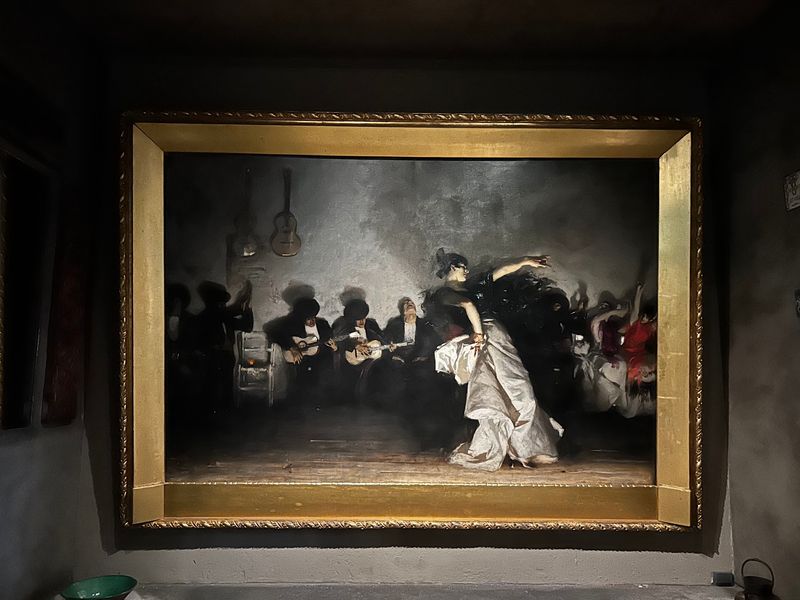
John Singer Sargent’s El Jaleo is enormous, roughly 7 feet tall and 11 feet wide. It shows a flamenco dancer mid-motion, and it fills the end of the Spanish Cloister like a stage.
Isabella built that space partly to show this painting off. The arch and lighting make the dancer seem to step right out of the shadows.
Sargent was a close friend of Isabella’s. He also painted her portrait, which hangs in the Gothic Room and caused quite a stir in its day.
Titian’s Europa is another big draw. Many art lovers call it one of the most important Italian paintings in America, and it sits in the Titian Room.
Rembrandt fans aren’t left out either. A self-portrait by the Dutch master still hangs in the museum, painted when he was a young man.
It’s fun to hunt these down like a scavenger list. Grab a map at the start so you know which rooms to find.
An audio guide is available too. It adds stories behind the paintings that make each one feel even more alive.
Fresh Ideas Live In The Glassy New Wing
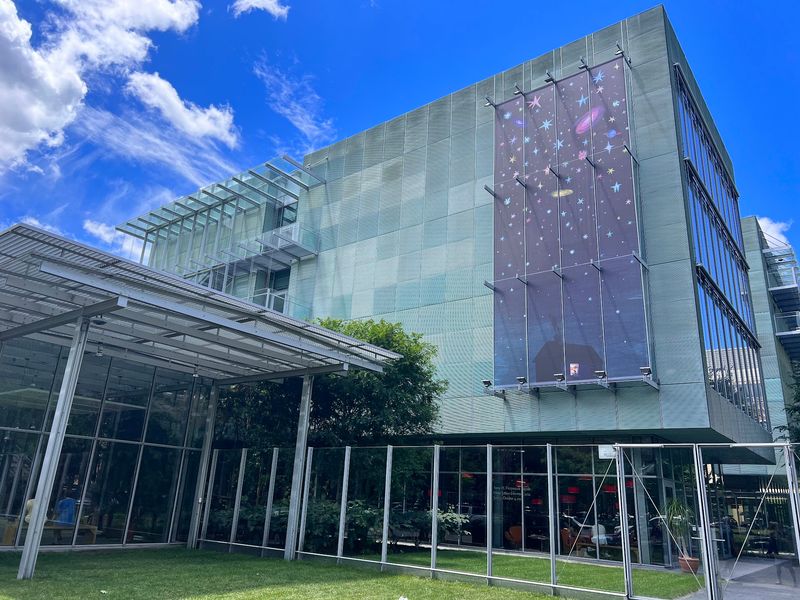
Modern meets historic in a big way at the Isabella Stewart Gardner Museum. In 2012, a new wing designed by architect Renzo Piano opened next to the original palace.
Its clean lines and glass walls feel very different from the old building. That contrast is part of the fun.
The wing holds space for special exhibitions, so there’s often something new to see. It also includes a concert hall, a greenhouse area, and classrooms.
Music has always mattered here. Isabella hosted performances in her home, and the museum still offers concerts in its intimate Calderwood Hall, where seats surround the stage on several levels.
There’s also an artist-in-residence program. Contemporary artists come to create work inspired by the museum, keeping Isabella’s love of living artists going strong.
Check the calendar before you visit. Exhibitions and events rotate, and you might catch a talk, a performance, or a show that fits your interests perfectly.
This wing is where you’ll enter the museum. So your visit actually begins in the present before stepping back centuries into the palace galleries.
Save Room For Lunch And A Little Shopping
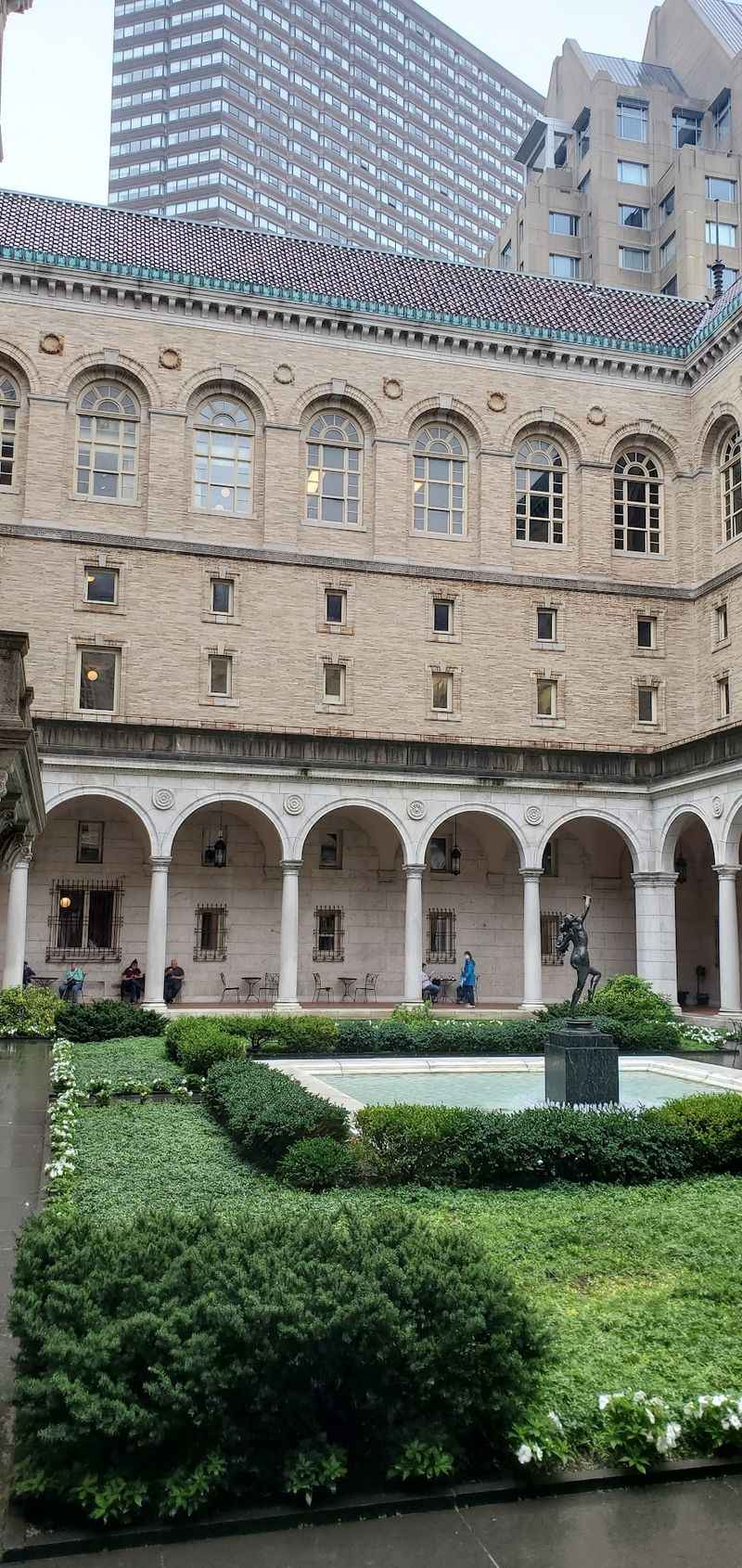
All that art makes a person hungry. Cafe G sits inside the museum, so you can grab a bite without leaving.
The cafe has a bright setting with garden views when weather allows. It’s a pleasant spot to recharge and talk about your favorite rooms.
Food and drinks aren’t allowed in the galleries, which makes sense with so many treasures around. Free lockers and a coat check help you stash bags before exploring.
Then there’s the gift shop. You’ll find art books, cards, prints, and clever little keepsakes inspired by the collection.
It’s easy to lose track of time browsing. Fans of the heist story might enjoy the books about the mystery.
The museum also has gardens around the building to enjoy in warmer months. They’re a nice extra touch after the indoor rooms.
Here’s a fun one for name lovers. If your first name is Isabella, you get free admission for life, but you’ll need to reserve through the box office at least 24 hours ahead and bring a valid ID.
Visitors on their birthday get in free as well. That’s a pretty great present for art fans.
A Little Planning Makes This Visit Even Sweeter
Timed tickets are the name of the game here. The museum asks visitors to book a time slot, which keeps rooms comfortable and crowds in check.
You’ll find the museum at 25 Evans Way, Boston, MA 02115. It sits in the Fenway area, close to the Museum of Fine Arts and the green paths of the Back Bay Fens.
Hours run from 11 AM to 5 PM Monday, Wednesday, and Friday. Weekends open at 10 AM, and Thursdays stay open until 9 PM, with free general admission from 5 PM to 9 PM.
The museum is closed on Tuesdays. Plenty of travelers forget that, so don’t be one of them.
Public transit makes things easy, since the Green Line stops nearby. Driving works too, though onsite parking isn’t available and nearby garages fill the gap.
A smart move is starting on the top floor and working down. It often helps you dodge the busiest rooms.
Most people need around two hours to explore. Pair it with a stroll in the Fens, and you’ve got a full day of Massachusetts culture that feels like a trip around the globe.
Share this story