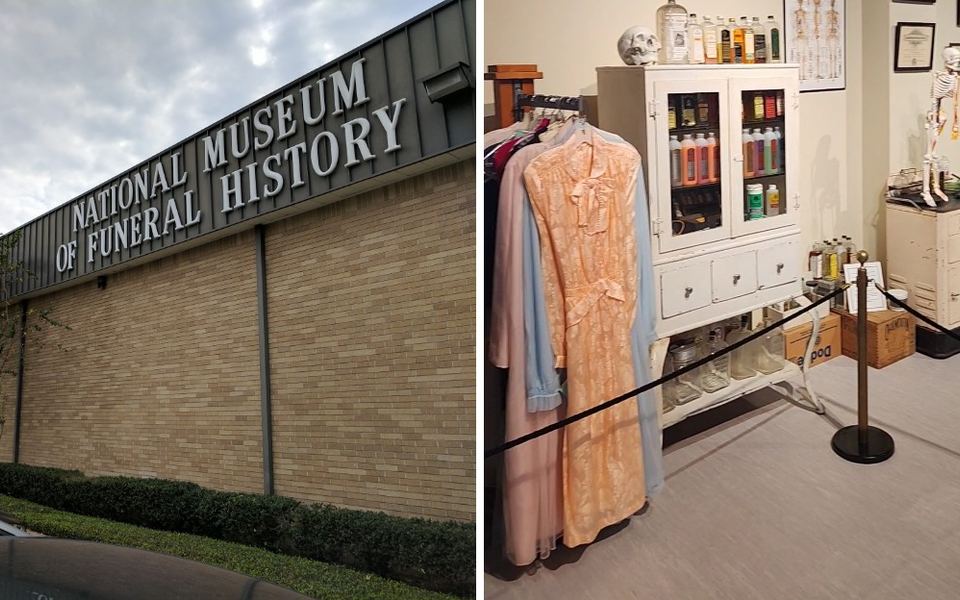
A museum in Texas has a whole gallery of real hearses and horse-drawn carriages. It also has a full exhibit about how popes are honored and laid to rest. Yes, this is a real place, and it’s a lot more fun than it sounds.
The collection covers embalming history, unusual caskets, and presidential funeral items. You can also see memorial items tied to famous names in music and Hollywood. I like how it treats a heavy subject with care and real curiosity.
I believe most people avoid thinking about this topic. Here, you get to explore it like a history buff, not a mourner. That’s a pretty unusual way to spend an afternoon.
Kids can even join a scavenger hunt through the exhibits. So how strange does a Texas museum have to get before you plan a visit?
1. Yes, A Whole Museum Exists Just For Saying Goodbye
Funerals usually get whispered about, not celebrated in a museum. The National Museum of Funeral History in Houston flips that idea around with real enthusiasm.
It’s one of the largest collections of funeral history in the country. The museum focuses on how people honor loved ones, mostly through Western traditions with some global touches.
The mission is education, not shock value. Exhibits explain why customs started and how they changed over time.
That makes the visit feel surprisingly thoughtful. You’ll leave knowing far more than you expected about a topic everyone eventually faces.
The museum’s motto is famous among fans of quirky attractions. It reads, “Any day above ground is a good one,” which sets the tone nicely.
Humor shows up, but respect never leaves the room. Both feelings sit side by side throughout the galleries.
Plan for more time than you think you need. The space is bigger inside than most people expect.
Readers who stop at every sign could easily spend two hours or more. Fast walkers might wrap up quicker, but they’ll miss plenty of fascinating stories along the way.
2. The Hearse Collection Might Be The Coolest Garage In Texas
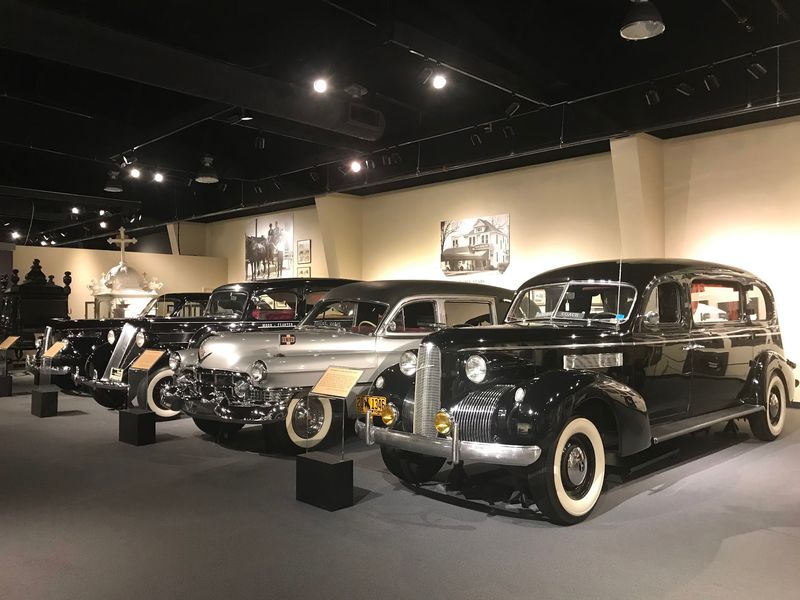
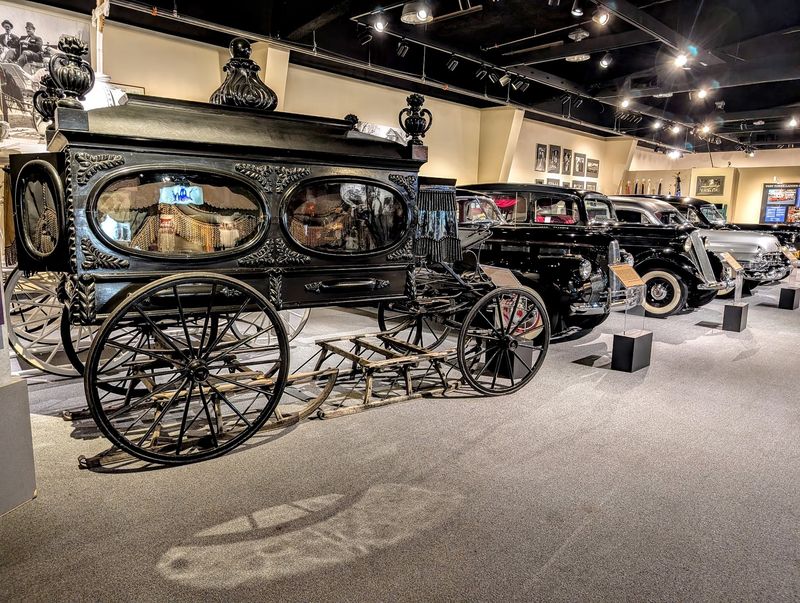
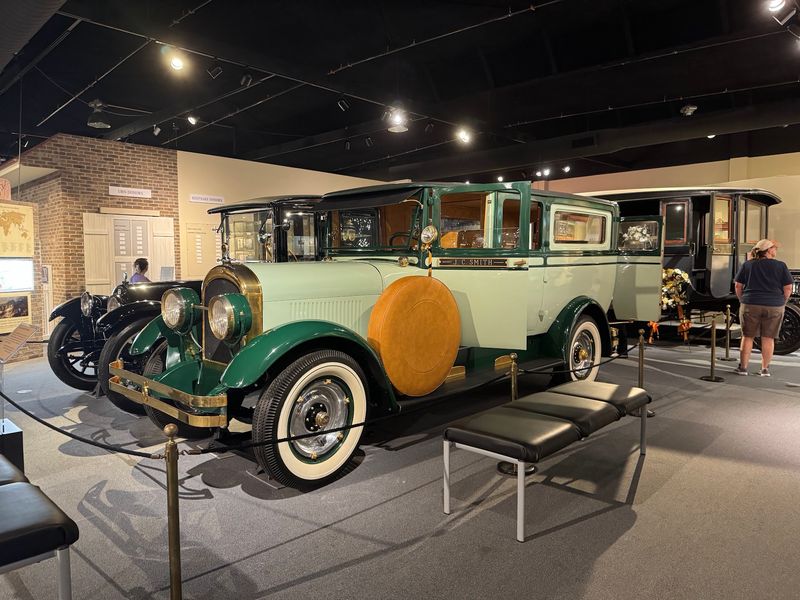
Car lovers, this one’s for you. The museum’s vehicle gallery holds a remarkable lineup of historic hearses and funeral carriages.
Some are horse-drawn carriages with carved wood and glass panels. Others are motorized hearses from different eras of the twentieth century.
Each one shows how funeral transportation changed as technology moved forward. You can trace the shift from horses to engines right in front of you.
The collection includes some truly unusual pieces. One standout is a funeral bus built to carry a casket, pallbearers, and mourners all at once.
That idea didn’t catch on, and the reasons make a fun story. The museum displays it anyway, which feels like a win for odd history.
Photography is allowed, so bring a charged phone. The shiny details on these vehicles practically beg for close-up shots.
Take a moment to compare the designs side by side. Small changes in style reveal a lot about each decade’s taste.
Even people who never cared about cars tend to linger here. Big, gleaming, and slightly spooky is a strong combination.
3. Papal Funerals Get A Surprisingly Grand Spotlight
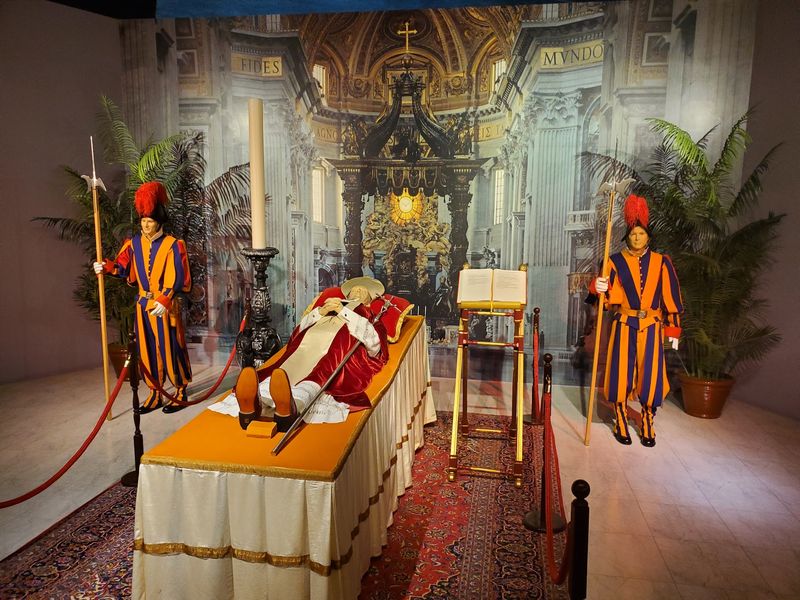
Few people expect to find the Vatican in north Houston. Then they reach the Celebrating the Lives and Legacies of the Popes exhibit.
The display explains the traditions used when a pope is laid to rest. It also covers how a new pope is chosen afterward.
Life-size figures recreate scenes from papal ceremonies. There’s even a replica of the casket style used for popes, along with detailed vestments.
The exhibit was created with cooperation from the Vatican. That connection helps explain the careful attention to detail throughout the space.
You’ll learn about centuries-old rituals that most people never see up close. Some of them are surprisingly specific and symbolic.
History fans will love the depth here. Catholic visitors may find it especially meaningful, but anyone can appreciate the craftsmanship.
Give this area extra time. There’s a lot of reading, and the information rewards patience.
It’s easily one of the most talked-about parts of the museum. Once you see the scale of it, the attention makes complete sense.
4. Presidents Get Their Own Corner Of History
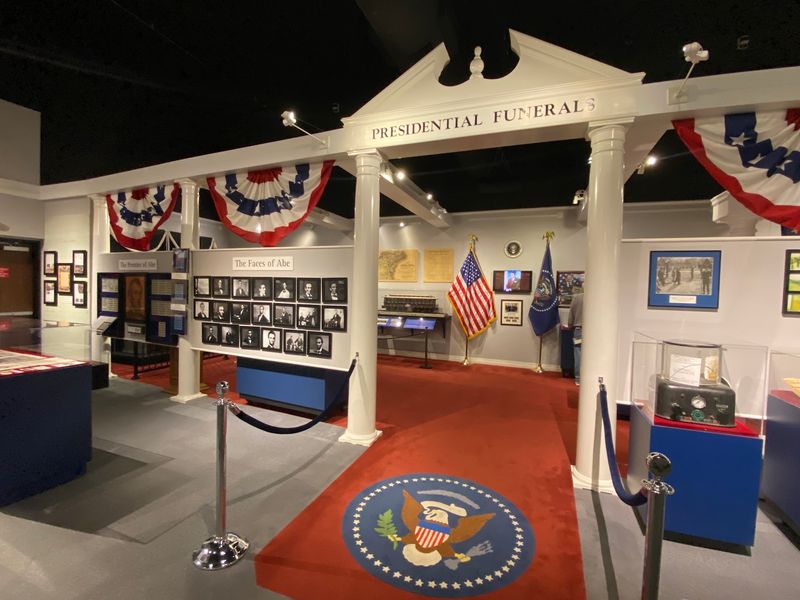
American presidents leave behind more than speeches and policies. Their farewells become national moments, and this museum tracks many of them.
The presidential exhibit covers state funerals and memorial traditions for U.S. leaders. Photos, programs, and artifacts help tell those stories.
Abraham Lincoln’s funeral receives notable attention. His long funeral train journey changed how the country publicly honored its leaders.
Texas connections show up too. Items related to George H.W. Bush, who called Houston home, are part of the collection.
That local link adds a personal layer for many visitors. It’s history that feels close to home.
You’ll notice how ceremonies evolved over the decades. Military honors, public viewings, and processions all developed their own customs.
Students working on history projects could pick up great details here. Adults will likely discover facts they never learned in school.
Slow down and read the small captions. Some of the most interesting tidbits hide in the fine print, waiting for curious eyes.
5. Embalming History Is Weirder And Smarter Than Expected
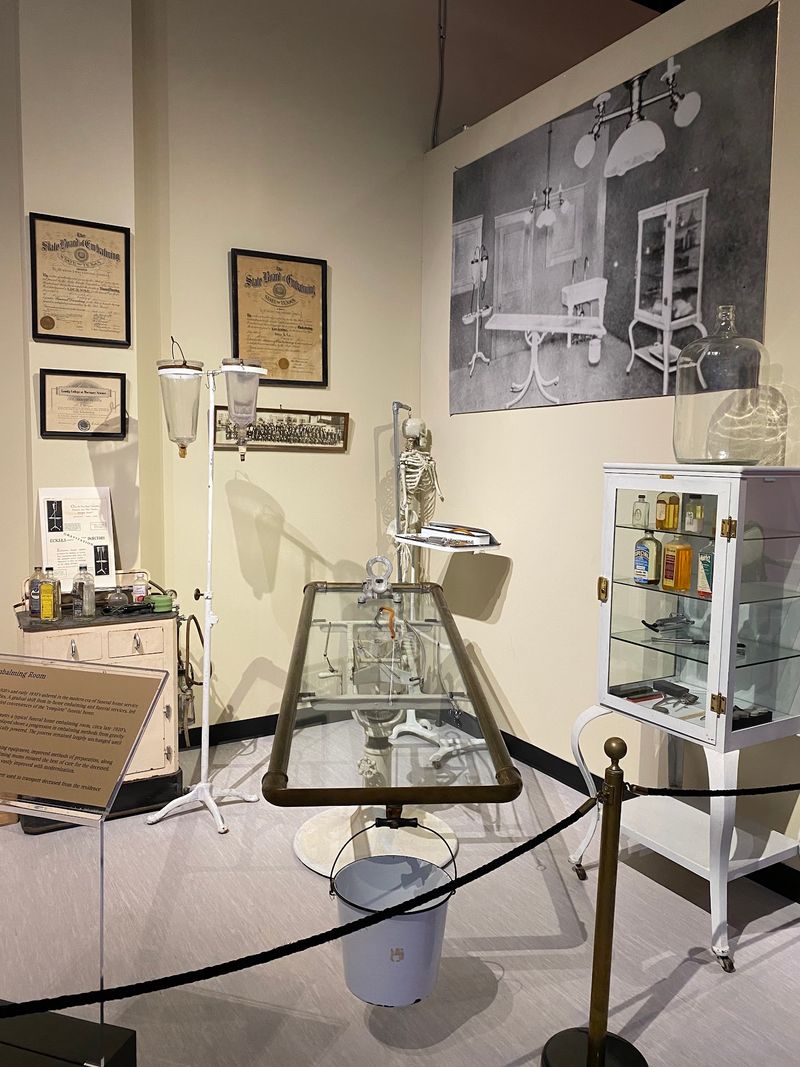
Ancient Egyptians weren’t the only ones who cared about preservation. The museum’s embalming exhibit follows this practice through centuries of change.
You’ll see how methods developed from early techniques to modern professional care. Vintage tools and equipment show how the work looked in earlier eras.
The Civil War era plays a big part in the story. Embalming grew in America during that time so families could bring soldiers home.
A display covers Egyptian mummification as well. It’s a natural starting point for understanding why people wanted to preserve the body.
The exhibit stays educational rather than graphic. Still, squeamish visitors might want a friend nearby for moral support.
Funeral professionals often find this section especially impressive. Seeing how their field evolved adds real appreciation for modern training.
Curious teens tend to enjoy it too. Science, history, and a dash of spookiness make a winning mix.
Cremation history gets attention nearby as well. Together, these displays answer questions most people feel too shy to ask out loud.
6. Some Of These Caskets Will Make You Do A Double Take
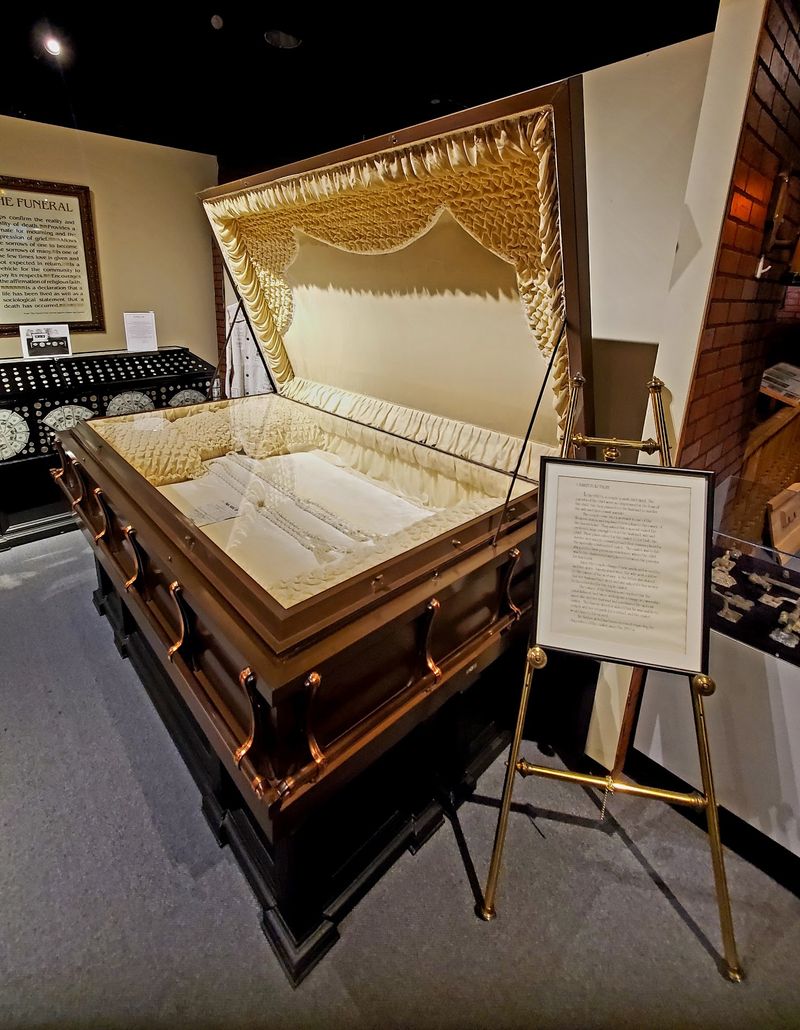
Ever seen a casket built for three? The museum has one, and it comes with a story you won’t forget.
The unusual casket was reportedly commissioned by grieving parents who planned to die and be buried alongside their deceased child. They ultimately abandoned the plan, and the casket eventually became part of the museum’s collection.
That’s just one highlight in a varied casket collection. Styles range from simple wooden designs to fancy, decorated pieces.
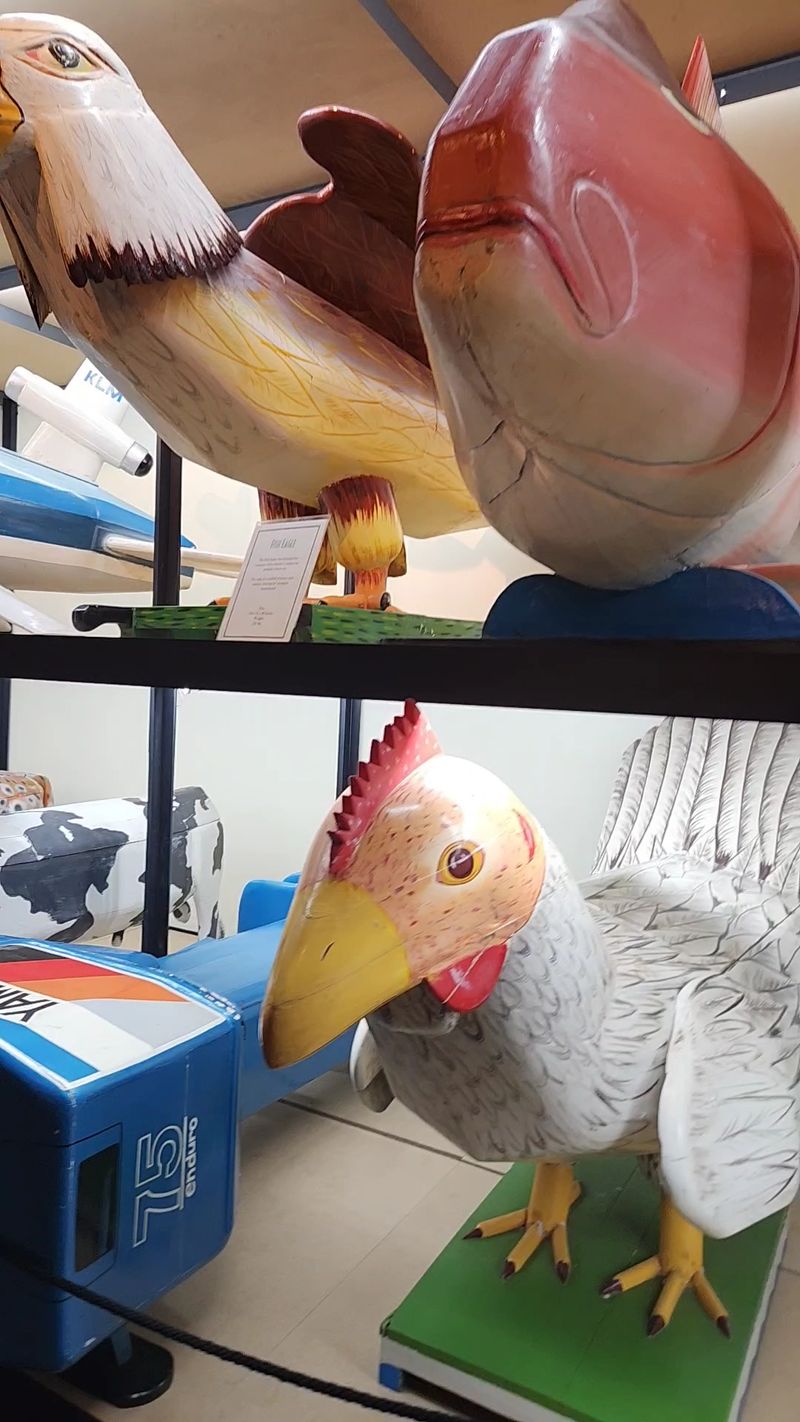
Fantasy coffins from Ghana add a burst of color. These hand-carved works can look like animals, objects, or symbols tied to the person’s life.
They show how other cultures celebrate a life in bold, cheerful ways. Honestly, they look more like art than anything else.
Historic American caskets sit nearby for comparison. You’ll notice how materials and shapes shifted across generations.
The contrast between styles is the best part. Some feel solemn, while others feel almost playful.
Bring questions for yourself as you go. Which design would fit your personality? It’s an oddly fun conversation starter with friends.
7. Famous Farewells From Music And Hollywood Live Here
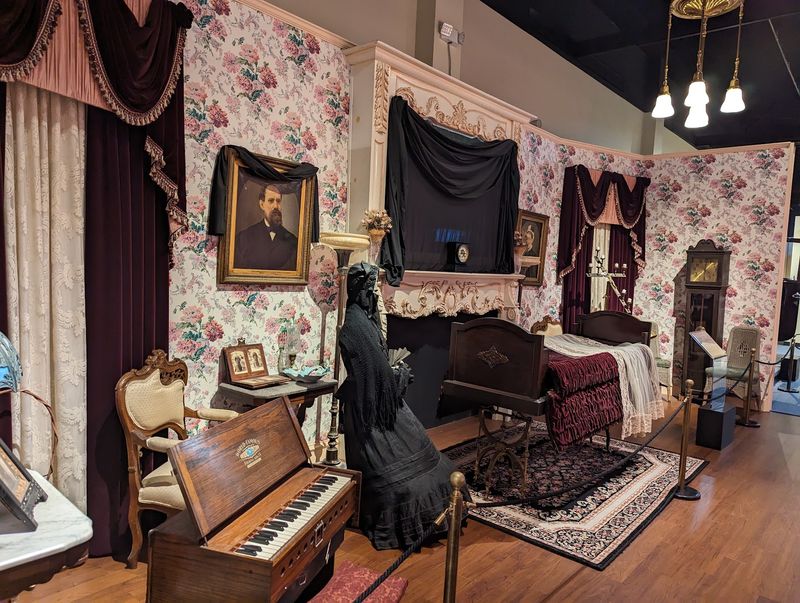
Celebrity fans, prepare for a surprise. The museum’s Thanks for the Memories exhibit features memorial items connected to famous entertainers.
Funeral programs and keepsakes from well-known names fill the displays. Stars like Michael Jackson, Marilyn Monroe, Frank Sinatra, and Whitney Houston appear among the collection.
It’s a different way to remember beloved performers. Instead of concert posters, you see how fans and families said goodbye.
The museum also holds a large collection of memorial cards. Some visitors could spend a long time just browsing those alone.
Each card reflects its era, from fonts to photos to poems. Together, they form a quiet record of countless lives.
Pop culture buffs should budget extra time here. Recognizing familiar names makes the history feel instantly personal.
Younger visitors may connect with this area more easily too. Famous faces make tough topics feel approachable.
It’s a gentle reminder that even legends share the same final chapter. The displays handle that idea with warmth instead of gloom.
8. Kids Can Hunt For Clues While Adults Read Every Sign
A scavenger hunt at a funeral museum sounds wild. It’s real, though, and it’s one of the smartest features here.
The hunt asks kids to find and count items throughout the galleries. It keeps young explorers busy while grown-ups read the longer displays.
Finishing the tasks can earn a discount in the gift shop. That’s a pretty sweet reward for some sharp detective work.
Older children tend to get the most out of the visit. Very young kids may lose interest faster, so plan accordingly.
Families should talk about the theme beforehand. A quick chat helps kids feel curious instead of nervous.
Tweens and teens often love the spooky angle. Add history, cool cars, and a challenge, and you’ve got a solid outing.
Discounts are offered for seniors, military members, and veterans. School groups and large parties can also ask about group options.
Bring snacks for afterward rather than during the tour. The surrounding area has plenty of food choices for a post-museum refuel.
9. Plan Your Visit, Then Hit The Most Delightfully Odd Gift Shop
Souvenir shopping gets strange in the best way here. The gift shop sells funeral-themed items you’d struggle to find anywhere else.
Think shirts, mugs, and novelty gifts with a dark sense of humor. It’s perfect for that friend who loves all things spooky.
Finding the National Museum of Funeral History is simple. It sits at 415 Barren Springs Dr in Houston, Texas, north of downtown near Spring.
The drive from central Houston takes a bit of time. Pairing it with other north Houston errands makes the trip feel easy.
The museum opens daily, with Sunday hours starting at noon. Saturdays and Sundays stay open until 5 p.m., while weekdays close at 4 p.m.
Arrive early enough to explore without rushing. Most people find they need more time than planned.
Restrooms are located near the museum entrance. The parking lot offers plenty of space for typical crowds.
Leave with a souvenir and a head full of trivia. Your next dinner conversation just got a lot more interesting.
Share this story