A bald eagle has a wingspan wider than most people are tall, and in one small Mississippi River town you can stand just a few feet from one. Nobody needs binoculars, a boat, or a lucky break to make it happen.
Southeastern Minnesota has a riverside spot where rescued eagles live full time, staff members happily answer questions all day, and wild eagles often cruise right past the windows. Families, curious kids, history fans, and anyone who simply loves birds tend to leave with a head full of new facts.
This story covers where it is, who lives there, what the programs offer, and how to plan a smooth day trip. Keep reading, because the best part of the visit might be the one waiting outside after you leave.
A Riverside Home for America’s Bird
Some towns are known for a famous restaurant or a big festival. Wabasha is known for eagles.
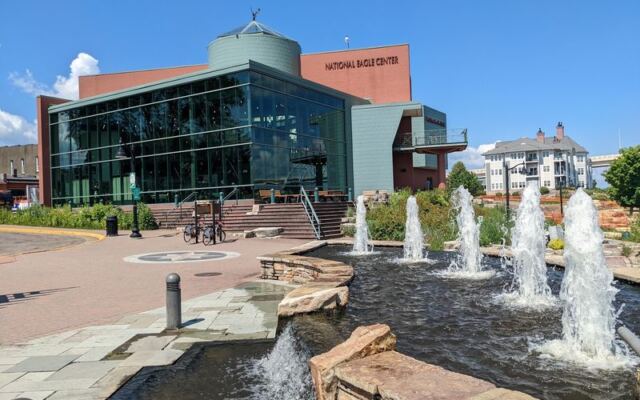
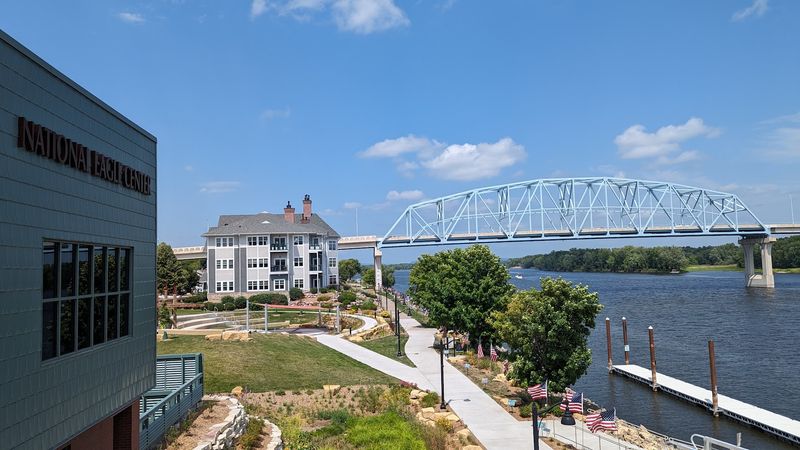
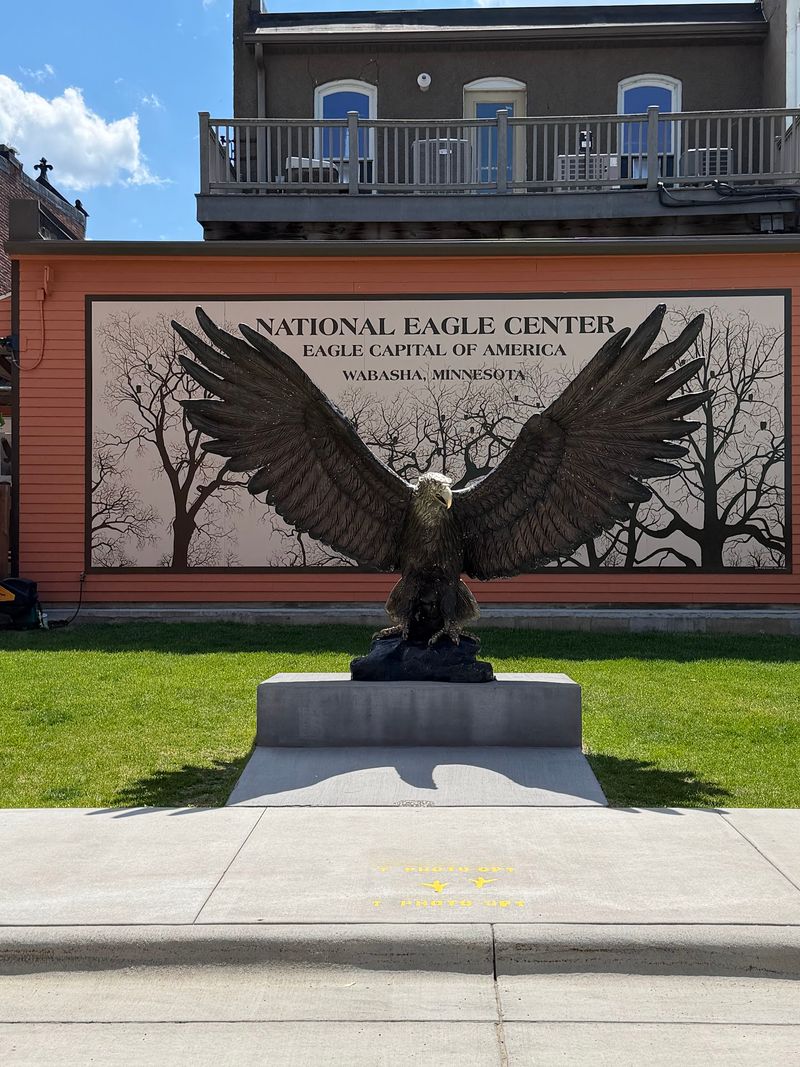
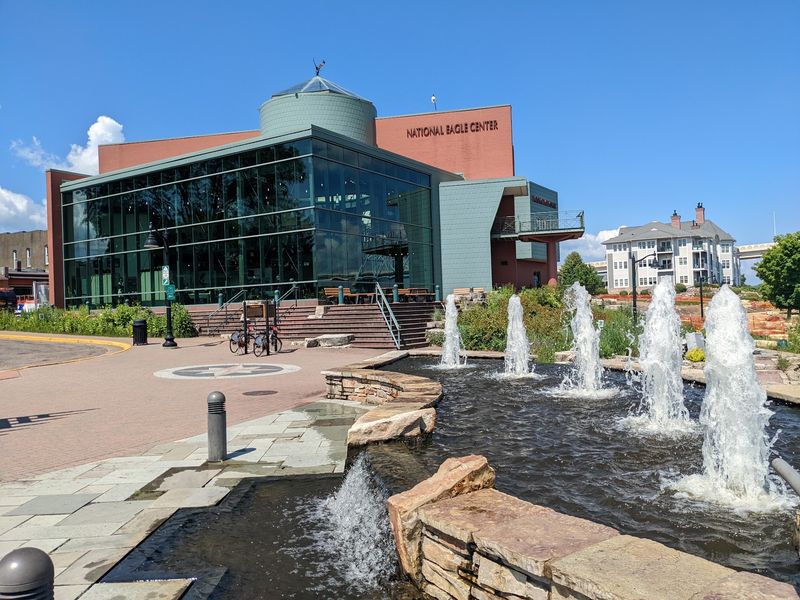
The National Eagle Center sits at 50 Pembroke Ave, Wabasha, MN 55981, right on the Mississippi River in southeastern Minnesota. It is a non-profit organization built around one clear goal: helping people learn about eagles and other raptors.
The location matters. The building faces the water, and wild bald eagles are often spotted soaring over the river near the center.
Inside, the center spreads across a couple of buildings, along with outdoor areas to explore. There are live eagles, museum displays, interactive exhibits, and two gift shops.
The facility is also within walking distance of downtown Wabasha. That makes it easy to pair a visit with a stroll through the historic river town.
Many people describe it as small but packed with things to learn. The center itself has called its size small but mighty, and that phrase fits.
For a day trip from Rochester, the drive takes about an hour. That short ride brings you face to face with the national bird, so the next question is simple: who exactly lives here?
The Resident Eagle Ambassadors
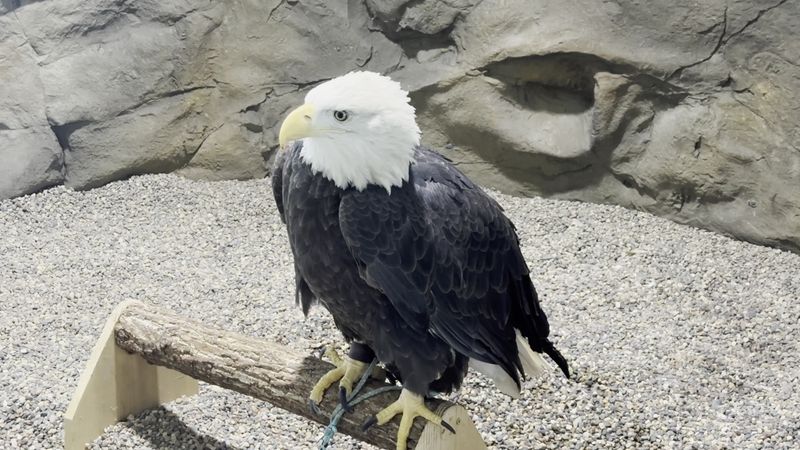
Every bird inside has a backstory. The resident eagles at the center are permanent ambassadors that can no longer survive in the wild.
Many of them carry permanent injuries. Without the care they receive here, they would not be able to live on their own.
Now they serve a different purpose. They help people understand why eagles matter and why their habitat deserves protection.
The eagle room lets guests get close while keeping everyone safe. The birds are behind glass, so kids and adults can watch without worry.
Staff and volunteers in the room share each eagle’s story. They explain how the bird arrived, what happened to it, and how it is cared for today.
That personal angle sticks with people. A bird stops being a symbol and becomes an individual with a name and a history.
Many guests mention that seeing the eagles this close is the highlight of the whole trip. It is a rare chance to study the size and shape of a bald eagle in person.
Once you meet the ambassadors, it becomes clear that the people caring for them are just as memorable.
Staff Who Could Talk Eagles All Day
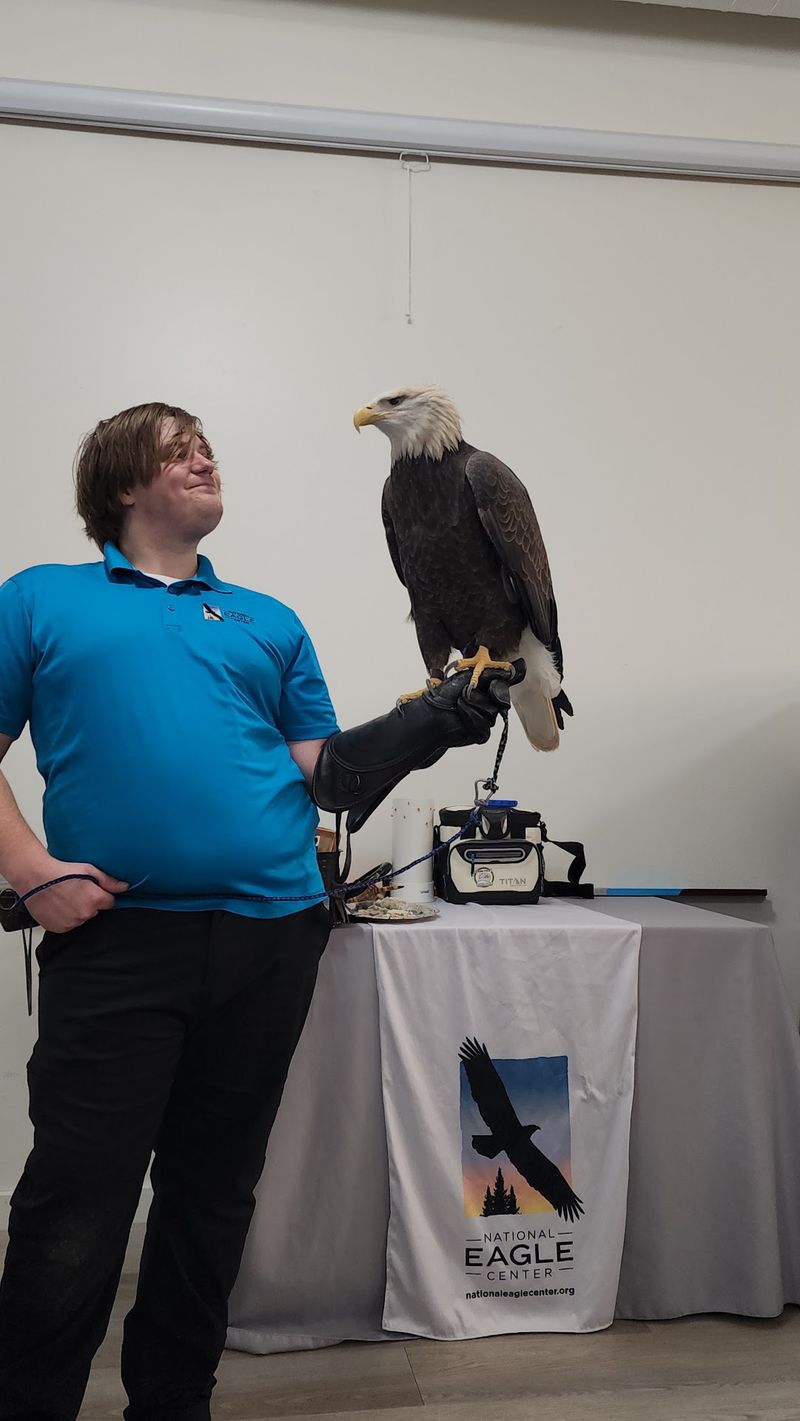
Ask one question here, and you might get a fascinating ten-minute answer. Knowledgeable staff is one of the most talked-about parts of the center.
Naturalists, staff members, and volunteers clearly enjoy their work. They are friendly, patient, and happy to keep going as long as the curiosity lasts.
The presenters also bring humor. Several naturalists are known for comedy routines and well-timed dad jokes that keep kids and grown-ups laughing.
That mix of fun and facts works well. The information never feels like too much, because it is shared in a way that makes sense to young listeners.
Staff members also explain the reason behind each fact. A bald eagle nest is roughly six feet wide, for example, because the parents are planning ahead for fast-growing young.
Those little explanations are what make lessons stay put. You leave knowing not just what eagles do, but why they do it.
Parents often appreciate another bonus. Kids get to see adults who care deeply about animals and the environment, which is a good example to follow.
Of course, the best place to catch these naturalists in action is during a live program.
The Live Eagle Program Worth the Extra Five Dollars
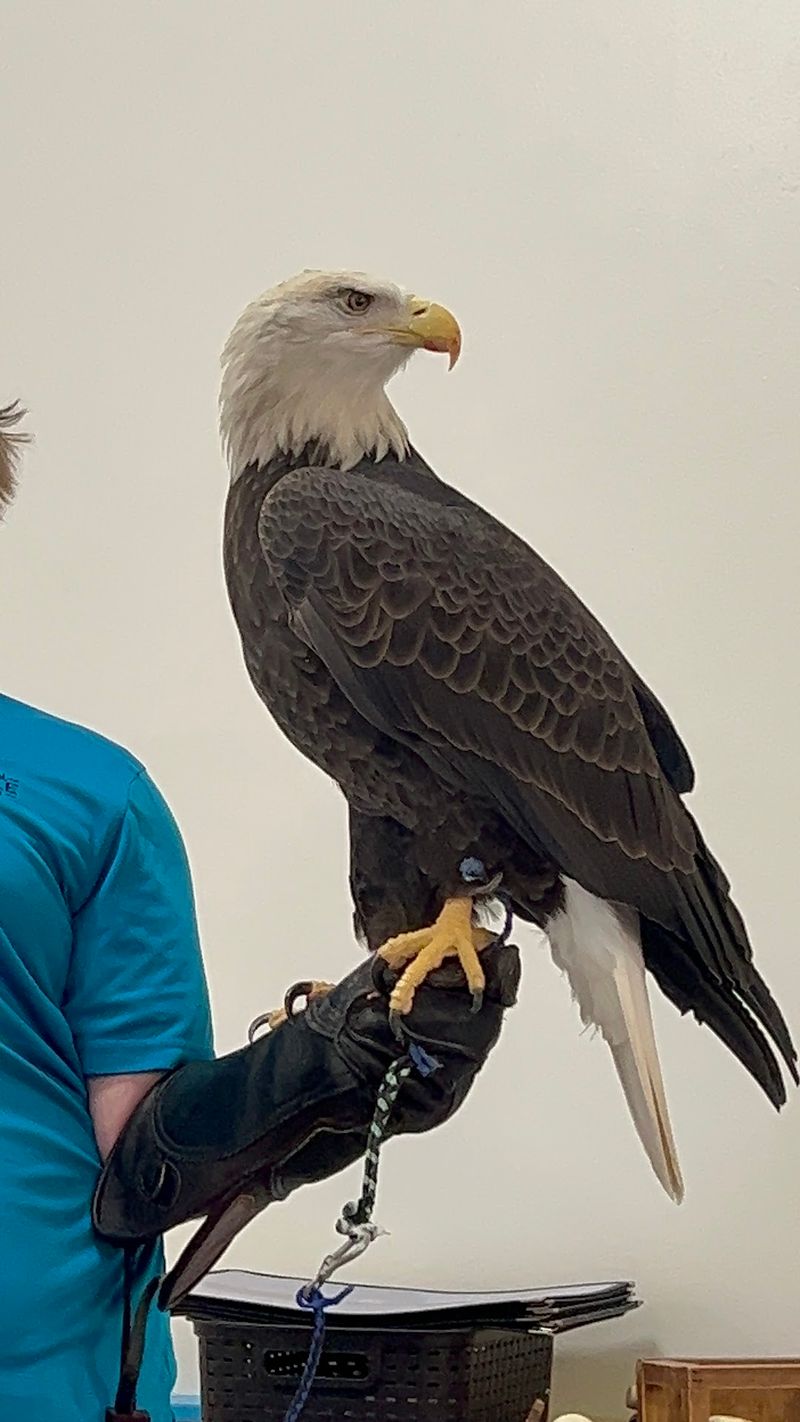
Five dollars rarely buys this much excitement. The live eagle program costs about $5 per person on top of admission, and it is one of the most recommended add-ons at the center.
The presentation runs around 45 minutes. A naturalist brings out a featured eagle and shares facts while the bird is right there with the audience.
For many people, it is the closest they have ever been to an eagle. That moment alone makes the program worth it for plenty of guests.
Programs may take place in an outdoor amphitheater. One popular time slot has been the 1:00 program, though schedules can change.
The format is friendly for families. Presenters take a few questions, wrap up the show, and then stay around for anyone with more to ask.
That setup is thoughtful. People who are ready to move on can leave, and curious minds can keep chatting.
The fee also helps support the center’s work. As a non-profit, it relies on admissions and donations to care for its eagle ambassadors.
A good presentation sparks curiosity, and the upstairs exhibits are ready to feed it.
Grip Strength, Wingspans, and Hands-On Learning
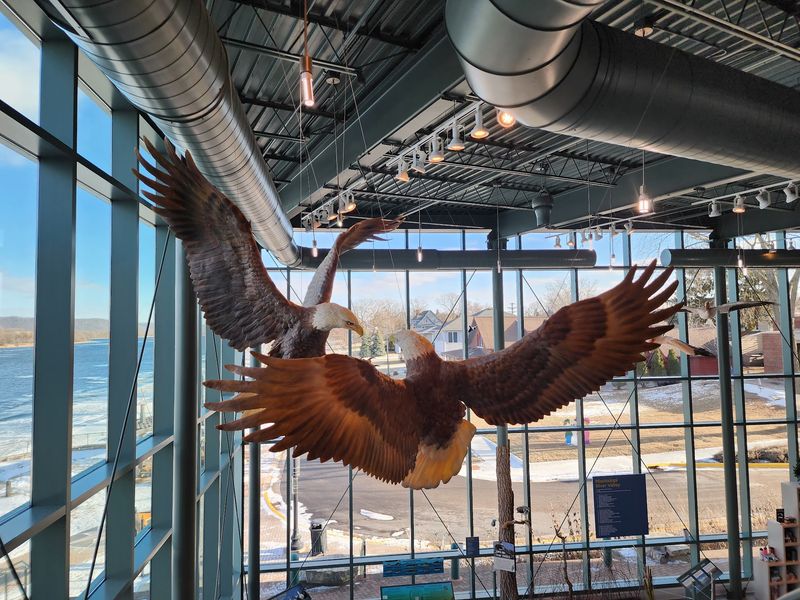
How strong is your grip compared to an eagle’s? Upstairs, you can find out.
The interactive exhibits are a favorite for both kids and adults. One lets you test your grip strength against an eagle’s.
Another shows what your wingspan would need to be to match a bald eagle. It is a quick way to understand just how big these birds really are.
The displays are laid out well, with plenty of clever ways to learn. Some are geared toward children, while others offer deeper facts for adults.
One exhibit walks through the life of an eagle family. It covers incubation, hatchlings, growth in the nest, leaving the nest, and survival afterward.
There are also examples of other wildlife on display. These are not live animals, but they help show the wider environment eagles depend on.
The exhibits also explain how people can help protect eagle habitat. That message ties the fun activities back to the center’s mission.
Hands-on learning is only part of the story, though. The next set of displays turns toward culture and history.
Indigenous Heritage and the Eagle
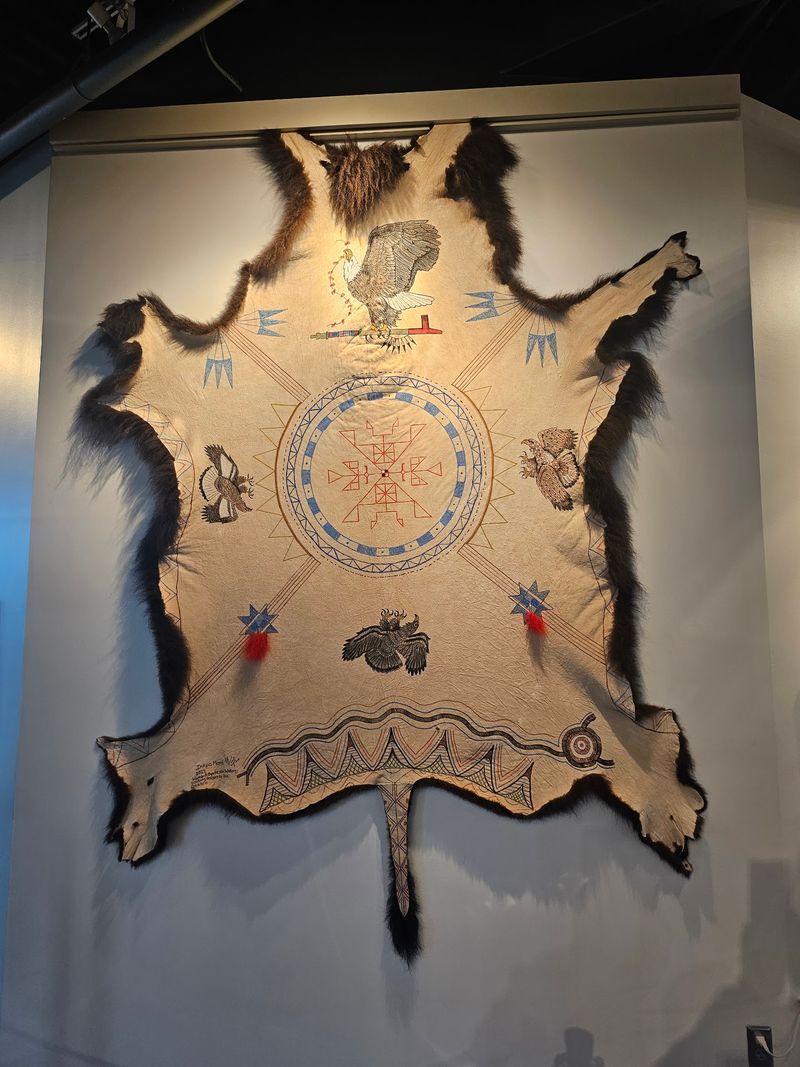
Long before eagles appeared on coins and flags, they held deep meaning for Native peoples. The center includes a display on Native American culture and the role eagles play in it.
Many guests point to this section as a standout. The Native American pieces on display are thoughtfully presented.
The exhibits also share information about the Native people who once called the Wabasha area home. It connects the bird to the land and the people tied to it.
That local angle adds a layer many people do not expect. A trip to see eagles becomes a lesson in regional history too.
The center pays respect to these traditions instead of treating them as a side note. It is one of the sections people tend to linger in.
Nearby, another area highlights eagle conservationists. These displays explore the people who worked to protect eagles over the years.
Together, these sections give the center more depth than a typical wildlife stop. They show that eagles matter to people in many different ways.
And if you thought that covered it, wait until you see how many everyday objects feature an eagle.
A Treasure Trove of Eagle Collectibles
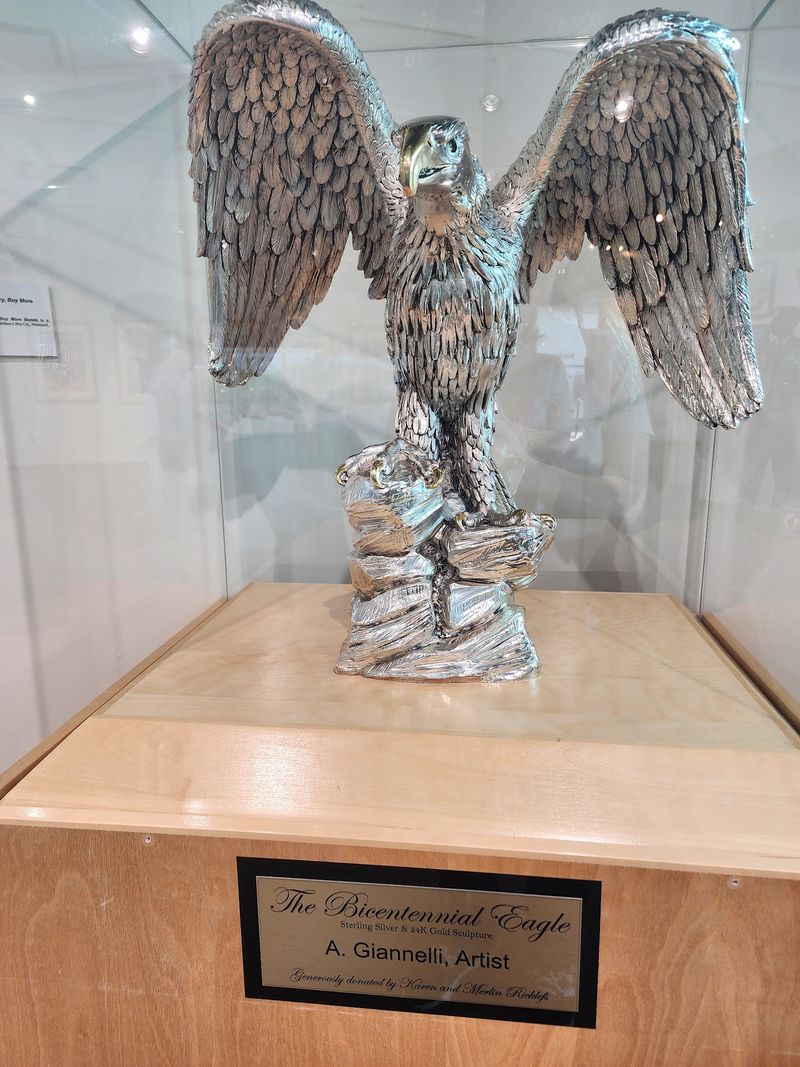
Vintage collectors, this part is for you. The museum displays gather almost anything even remotely tied to eagles.
The collection includes art, comic books, cars, military items, and popular culture pieces. There are also hair combs, china, government items, and movie posters.
Seeing them together is surprisingly impressive. It shows just how often the eagle has popped up in American design and daily life.
For anyone who enjoys browsing antique shops, this section offers a similar thrill. Each case holds something unexpected.
The exhibits also touch on American history in broader ways. One area highlights how women contributed to the military, tied in with eagle symbolism.
That connection between the bird and the country feels natural here. The bald eagle is the national bird, after all.
This mix of collectibles and history helps the center appeal beyond bird fans. History lovers and collectors can easily spend a long stretch here.
After browsing this many eagle-themed objects, the urge to bring one home is strong, which leads nicely to the shops.
Two Gift Shops Full of Finds
One gift shop is nice. Two is a bonus.
The National Eagle Center has two gift shops, and they are well stocked with nice treasures. Families often find something for everyone.
Crafters and collectors may enjoy hunting for eagle-themed pieces after seeing the museum displays. The shops make a fitting final stop on a learning-filled day.
There is also a practical reason to shop here. As a non-profit, the center relies on income like admissions and donations to care for its eagles.
That means a souvenir does more than fill a shelf at home. It helps support the work happening behind the scenes.
Kids especially tend to leave with a reminder of the eagles they met. That small keepsake can keep the curiosity going long after the drive home.
Give yourself a few extra minutes for browsing. It is easy to underestimate how long the shops will hold your attention.
With bags in hand, many people head outside, where the river delivers a show of its own.
Scopes, Decks, and Wild Eagles on the River
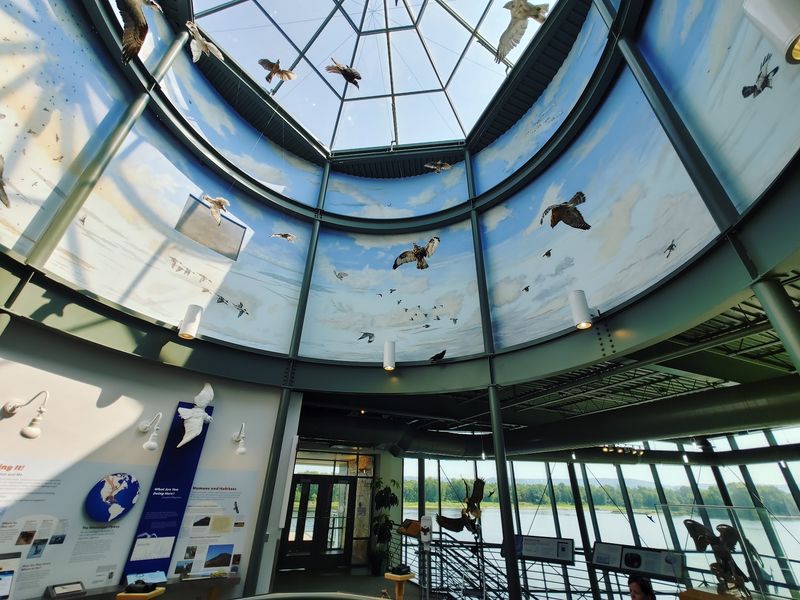
The resident eagles are not the only ones around. Wild bald eagles often fly right over the Mississippi near the center.
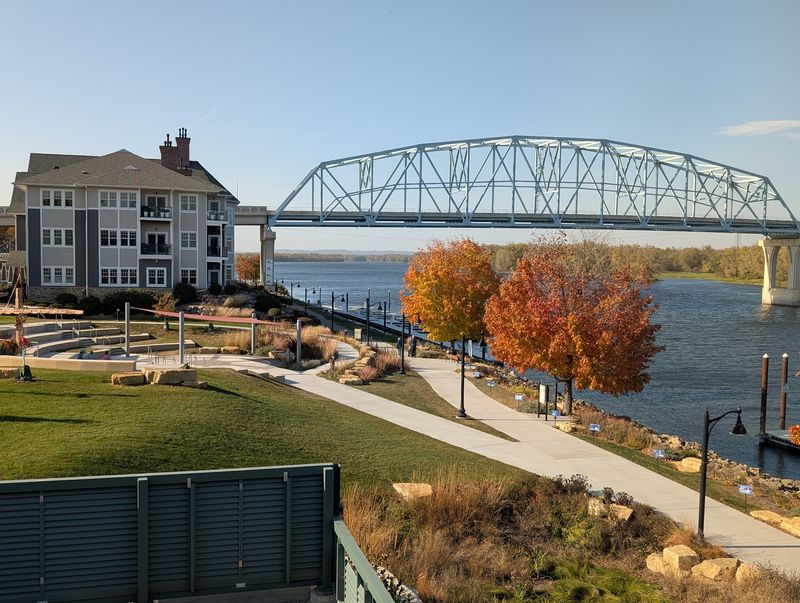
Viewing decks overlook the river, giving guests a clear look at the water and the trees. River views are one of the things people mention most.
Scopes are available to help spot eagles perched in trees across the way. It turns a quick glance into a real search.
Outside, paths and statues line the river. They make a pleasant walk before or after exploring the exhibits.
Many people say the perfect ending to their visit came when a wild eagle soared overhead. After learning so much inside, seeing one free in the sky feels like a fitting finale.
The setting is also peaceful. It is a nice place to slow down and watch the river for a while.
There are also tours where you can see eagles in the wild, and a river cruise has been offered, though it can sell out. Checking ahead is a smart move.
For those who want even more access, the center has a few special experiences worth knowing about.
Behind the Scenes and Feeding Time
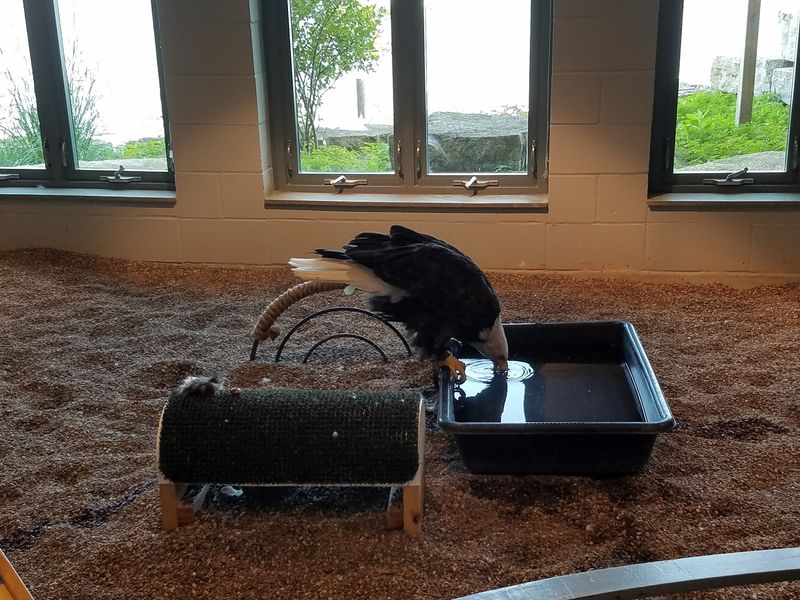
Curious about what happens when the doors close to the public? A behind-the-scenes tour offers a peek.
Guests who manage to book it highly recommend the experience. It gives a closer look at how the center operates and how the eagles are cared for.
There is also an informational feeding time. People who attend often say it is well worth it.
Watching a feeding session explains a lot about eagle behavior. It also shows how much daily care goes into keeping the ambassadors healthy.
These experiences can fill up, so planning ahead helps. Spots like these are not always available on short notice.
One honest heads-up from guests: the eagle building can carry a strong smell upon entry. It comes with the territory of caring for live birds.
Most people move past it quickly once the eagles have their attention. It is a small detail compared to the payoff.
These extras make the center work well for many types of guests, which raises the question of who will enjoy it most.
Who Gets the Most From a Visit
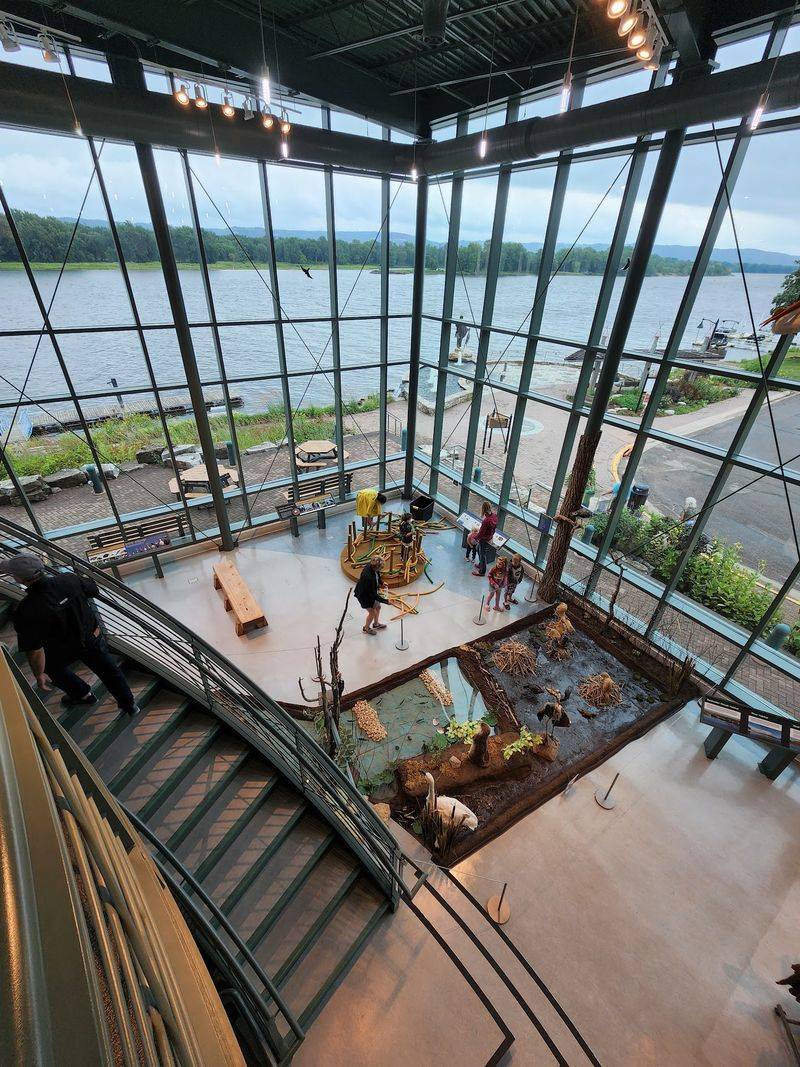
Families top the list. The displays work for all ages, and the presenters know how to keep kids engaged.
Grandparents planning outings with grandchildren will find plenty to share. The mix of live birds and hands-on exhibits keeps different ages busy.
Wildlife fans will feel right at home. The amount of detail about eagles and raptors goes far beyond a basic overview.
History lovers and vintage collectors get their own reward in the museum displays. The eagle-themed objects and cultural sections add real depth.
Veterans have noted that the center feels safe and friendly. The military-related exhibits may hold special interest too.
Accessibility is another plus. There are elevators, benches for resting, restrooms on both floors, and ramps into both buildings.
People who simply enjoy learning will likely love it most. The educational side comes up again and again as the center’s biggest strength.
Some guests feel the admission is a bit pricey for the amount of content. Others see it as support for a worthy mission, so expectations matter.
Once you know it suits your group, a few practical details will help the day go smoothly.
Hours, Costs, and Planning Tips
Good news for flexible planners: the center keeps the same hours every day. It is open from 10 AM to 4 PM, Monday through Sunday.
That steady schedule makes it easy to fit into a winter day trip. Just keep the 4 PM closing time in mind.
The live eagle program costs about $5 per person beyond general admission. Many guests call it the best add-on of the visit.
Plan for more time than you think. Some families with two hours found they did not get to see everything.
Arriving earlier gives you room to catch a program, browse exhibits, and spend time on the viewing decks. Rushing tends to leave people wishing they had come sooner.
The center is about an hour’s drive from Rochester. That makes it a popular side trip for people visiting the city.
Some travelers pair it with the International Owl Center in the region. It makes for a full day of birds.
Since the river cruise and special tours can sell out, check the center’s website before you go. With the details sorted, all that remains is deciding whether the trip is worth it.
Why Wabasha Deserves a Spot on Your Calendar
Plenty of places promise a close encounter with nature. Few deliver it as reliably as this riverside center.
With a 4.7-star average from more than 2,300 people, the National Eagle Center has earned strong praise. The educational focus and passionate staff are the reasons people keep recommending it.
The resident eagles give their stories to help others learn. Each one turns a symbol into something personal.
The museum displays reward collectors and history fans. The interactive exhibits keep kids busy and curious.
Then there is the river. Wild eagles flying overhead turn a museum visit into something bigger.
It is not a giant attraction, and some may wish it had more content. Still, the quality of the programs and the care for the birds stand out.
A walk into historic downtown Wabasha rounds out the day nicely. The town and the center fit together well.
Go for the eagles, stay for the stories, and keep your eyes on the sky on the way out. The best eagle sighting might happen after you leave the building.
Share this story