Twin Falls Trail is the kind of quick Washington hike that overdelivers in all the right ways, combining roaring water, lush mossy forest, and just enough effort to feel rewarding. The route stays relatively short, but the scenery feels expansive, with the South Fork Snoqualmie River providing a constant, soothing soundtrack.
Along the way, you’ll shift from easy riverside paths to striking viewpoints overlooking cascading waterfalls. It’s the kind of hike that feels both accessible and memorable in one go. Take your time, soak it in, and don’t be surprised if you’re already planning a return trip by the time you reach the parking lot.
Trail Snapshot: What You Are Getting Into
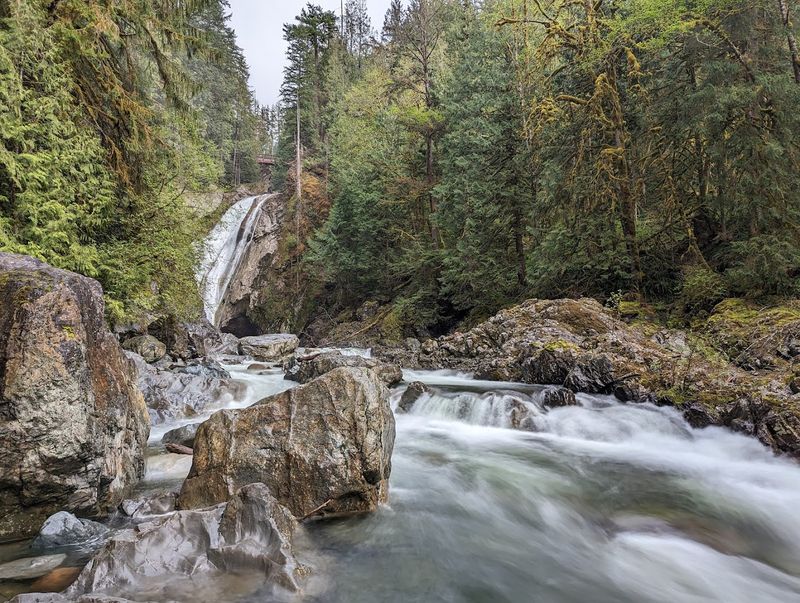
This out and back packs a lot into 2.6 miles, and it starts mellow. You will trace the South Fork Snoqualmie River beneath Douglas fir and hemlock. The air smells like wet cedar and cold stone. Gradual elevation gain sneaks in after the first half mile. Nothing punishing, just steady steps and a few short stair sections.
Footing is usually firm, with patches of roots after rain. Lower Twin Falls announces itself first with a thunder you can feel. A railed overlook gives you a safe, head on view of foaming chutes. Mist drifts up and sprays your cheeks.
Keep moving and the trail climbs to a higher vantage. Here the river tightens into a gorge before unspooling over Upper Twin Falls. The contrast between dark rock and milky water is mesmerizing. Expect families, dogs on leash, and plenty of cameras on weekends.
Early starts or late afternoons buy you quieter moments. Shoulder seasons serve the best drama when flows are strong. You will not need technical skills, just basic fitness and curiosity. Bring layers for shade and spray, plus shoes with grip. Save a final minute to exhale by the river before heading back.
Getting There And Parking Like A Pro
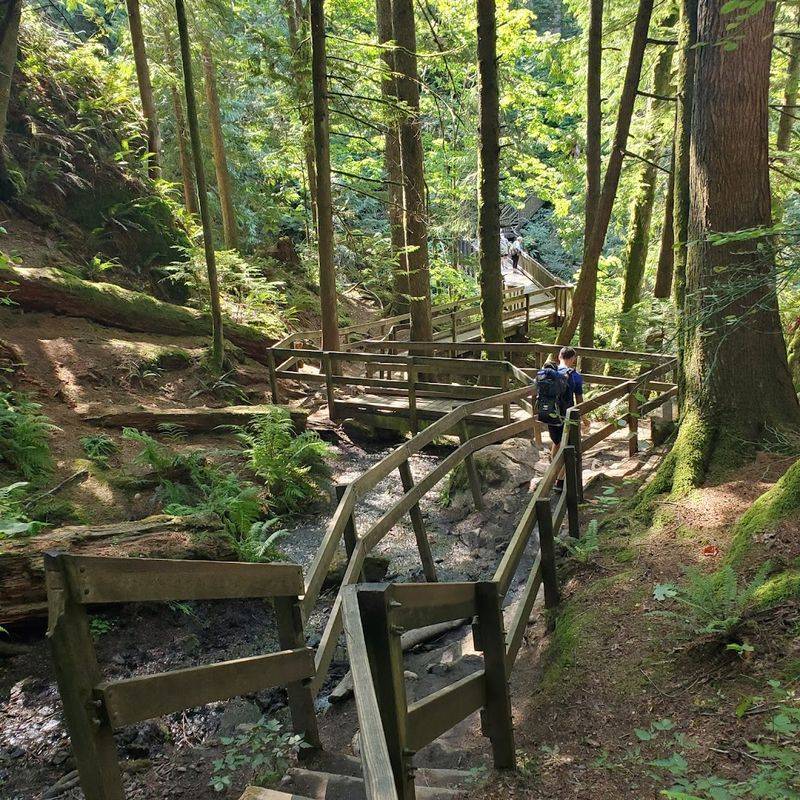
Nail the arrival and Twin Falls Trail feels smooth before you even start walking. From I-90, take Exit 34 and follow the winding route toward SE 159th Street, keeping your speed in check as signage stays fairly subtle near the end.
It’s an easy drive overall, but that final turn can sneak past you if you’re not paying attention. Once you arrive, you’ll quickly see why timing matters. The parking lot is smaller than you might expect for such a popular trail, which means weekends fill up fast.
Cars often line the shoulder when things peak, so arriving early or later in the day makes a noticeable difference. You’ll need a Discover Pass to park legally, and grabbing one ahead of time saves unnecessary hassle. Rangers do check, and it’s better to handle that detail in advance.
Cell service tends to drop near the trailhead, so download maps before you go and confirm you’ve pinned the correct location. Facilities are minimal—restrooms are typically available, but lines can form during busy hours. If the lot looks full, take a breath and circle once. Spots often open up quickly, and waiting a few minutes beats squeezing into a risky roadside space.
First Stretch: Riverside Warmup And Forest Calm
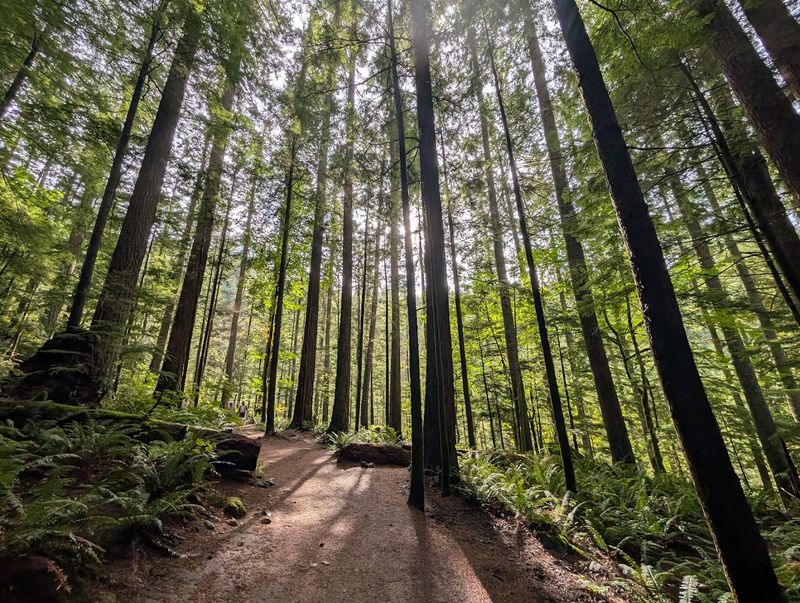
Ease into Twin Falls Trail with a stretch that feels more like a reset than a workout. The first section follows the river closely, where the steady rush of water naturally drowns out chatter and sets a calm, steady rhythm.
Towering evergreens arch overhead, creating a cool, shaded corridor, while the forest floor shows off details you might otherwise miss—moss glowing bright against old logs and damp earth. It’s the kind of start that invites you to slow down without thinking about it.
As the path winds forward, small footbridges appear where the river bends inward. Stop for a moment and watch the current shift, curling into tight eddies before smoothing out again. The water runs clear and cold, with subtle changes depending on the season.
During drier weeks, stones break the surface like scattered stepping points, while after rainfall, the entire scene feels louder and more alive. The trail stays forgiving here, with only slight elevation changes, though roots and rounded rocks still require a bit of attention, especially when damp. Good footing goes a long way, and trekking poles can add confidence if you’re easing into hiking.
Lower Twin Falls: The Roaring Reveal
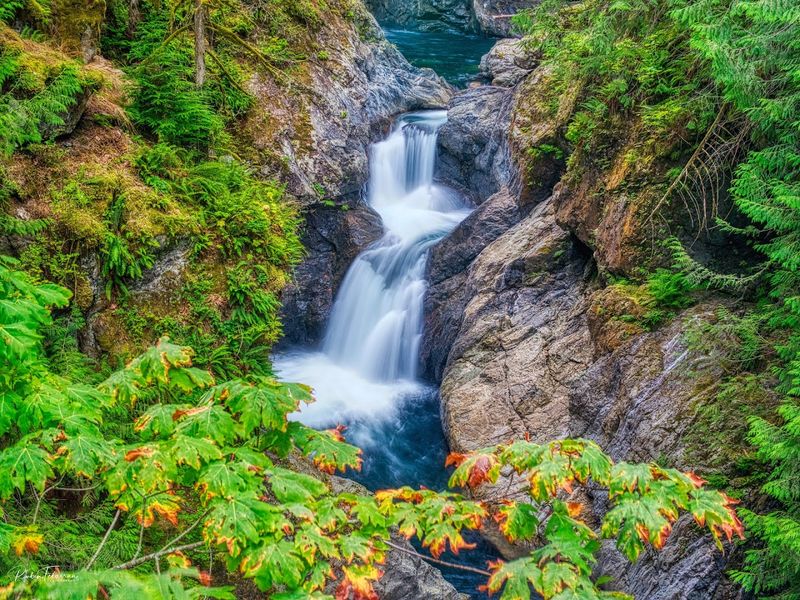
Hear it first—that steady, rolling roar building through the trees—before Lower Twin Falls finally reveals itself in a rush of white water against dark, rugged rock. The overlook delivers a clean, front-facing view, and the mist in the air adds a cool edge that makes you reach for a layer.
It’s an immediate stop-you-in-your-tracks moment, the kind that earns a pause without needing explanation. Position yourself along the railing and give it a second. When the breeze settles, the water sharpens into distinct textures, each surge carving its own pattern.
Look beyond the main drop and you’ll notice canyon walls etched with years of movement, their ledges catching light in subtle shifts. Overcast skies actually help here, softening glare and pulling out contrast you might otherwise miss.
Crowds gather, but they tend to rotate quickly, so a little patience goes a long way. Take your moment, then step aside and let someone else have theirs. The sound carries differently depending on conditions—deep and resonant after rain, lighter and more rhythmic on calmer days. When you’re ready, move on. The trail continues with a gentle climb, and the next stretch rewards the effort.
Upper Twin Falls And The Gorge Bridge
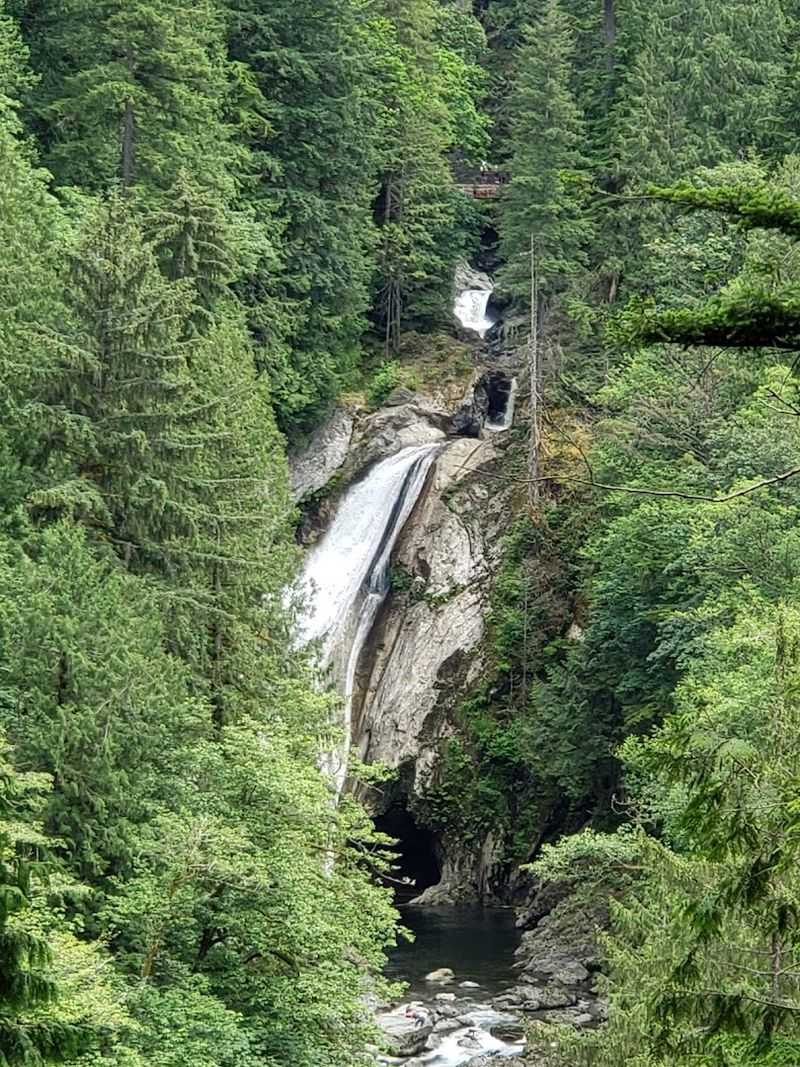
Keep going past the lower overlook and the trail starts to feel more intimate, with the river tightening and the sound sharpening into a steady, focused rush. The forest breaks open in small patches, giving you glimpses of movement below, and while the grade ticks up, it stays comfortably manageable.
It’s just enough of a climb to feel like you’re earning what comes next without slowing your momentum. The gorge bridge arrives with perfect timing, framing Upper Twin Falls in a way that invites you to pause. Step onto it and take your time.
The midpoint offers a clean, straight-on view of water threading down through dark rock, while either end reveals more depth and layered texture. Walk slowly, shift your angle, and then step aside so others can do the same.
Light changes everything here. On brighter days, mist can catch the sun and hint at faint rainbows, while cloud cover leans into that moody, saturated look the region does so well. Either way, the scene holds your attention longer than expected.
Watch your footing on the bridge, especially when it’s damp, and keep movements steady if there’s a breeze. Beyond it, small viewpoints appear between trees. Explore briefly, then turn back when your legs suggest it.
Timing Your Visit For Quiet Trails And Big Water
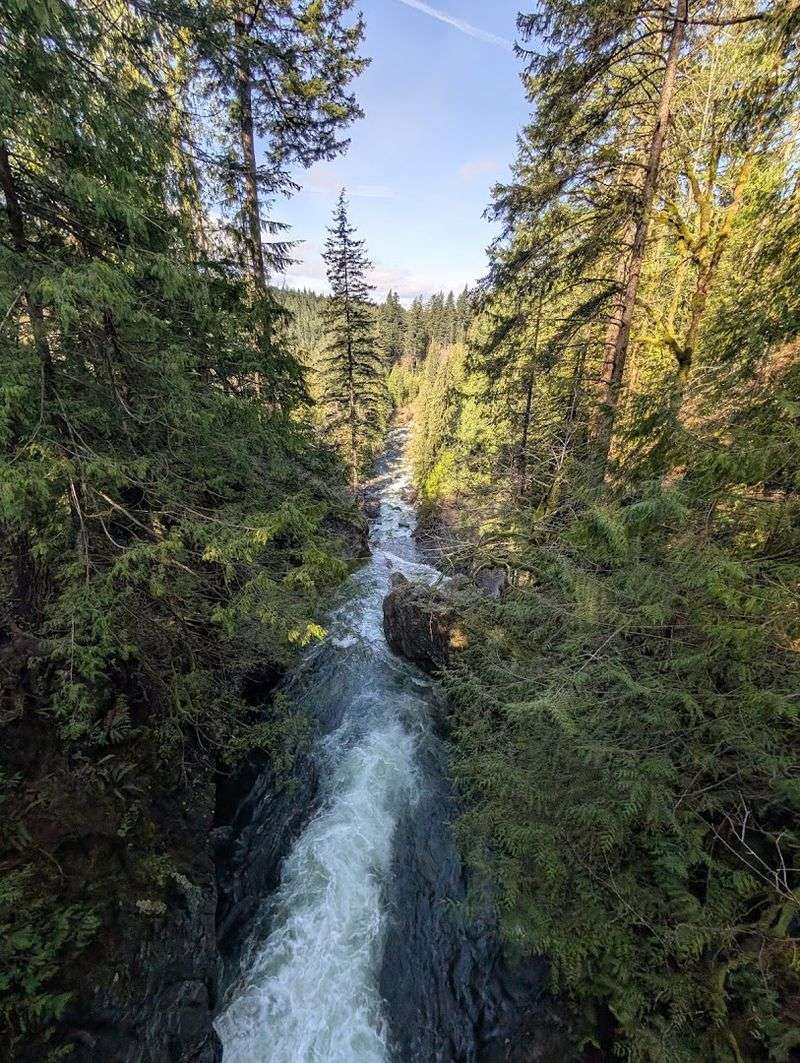
Plan your timing well and Twin Falls Trail feels like two completely different hikes depending on when you go. Spring usually delivers the biggest payoff, with recent rain and snowmelt pushing the falls into a louder, more powerful flow, while fresh greens brighten every stretch of forest.
Summer softens the intensity but trades it for warmth and long evenings that make it easy to linger without watching the clock. Autumn slips in with touches of color that never overpower the evergreens, and cooler air makes the gradual climb more comfortable.
Once school schedules resume, the trail often feels quieter, giving you more space to settle into the rhythm of the river. Winter brings a moodier version of the hike, sometimes edged with fog or light snow, though slick spots can show up in shaded sections.
For fewer crowds, early mornings or weekday afternoons are your best window. Mid-morning through early afternoon tends to draw the biggest groups, especially on weekends. Cloudy days can be a hidden advantage, often thinning the crowd while adding depth to the scenery.
If waterfalls are your focus, check recent rainfall. Even a couple of wet days can transform the flow, making the entire hike feel more dynamic from start to finish.
Safety, Etiquette, And Trail Confidence
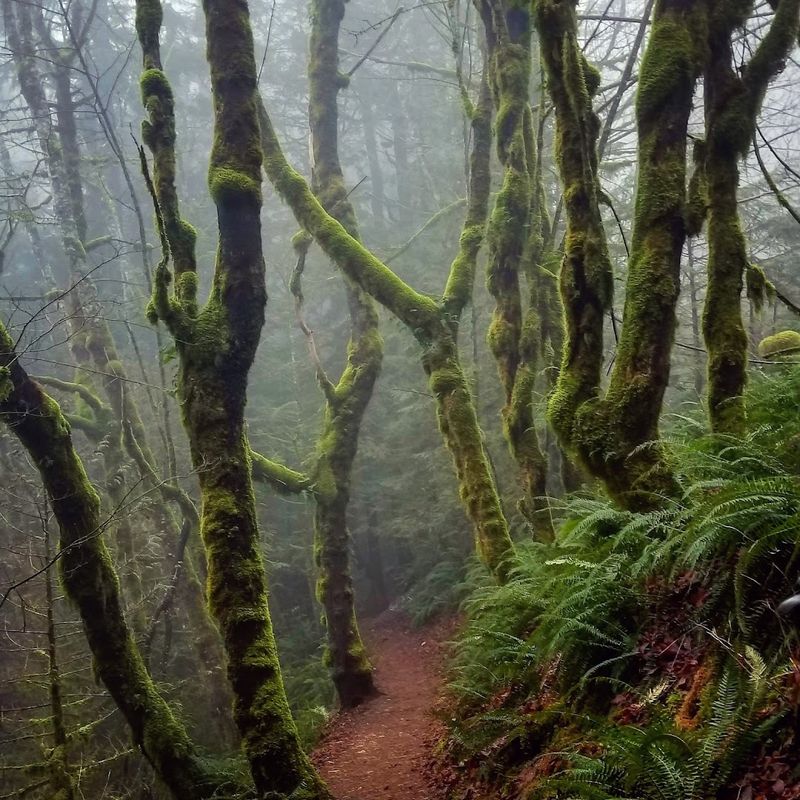
Stay aware on Twin Falls Trail and you’ll find it’s more about attention than difficulty. The path includes roots that blend into the dirt and rounded rocks that can shift underfoot, especially after rain. Keep your eyes up near overlooks and your hands free when moving through tighter sections. Railings are there for a reason, and using them keeps things simple and steady.
Dogs are welcome but should stay leashed at all times. Even the friendliest pup can slip on damp bridge planks or get a little too curious near edges. Bringing extra waste bags is an easy way to keep the trail clean and respectful for others.
Small habits like that make a noticeable difference on busy days. When the trail narrows, yield to uphill hikers. A quick step aside helps them keep their rhythm, and the flow stays smooth for everyone. If you stop for a snack, move off the main path and store food securely.
Wildlife can pick up on easy opportunities quickly, and it’s better not to encourage that behavior. Pack out everything you bring, even small bits of trash. Know your limits, turn around when needed, and you’ll enjoy the hike with confidence from start to finish.
What To Pack For A Happy 2.6 Miles
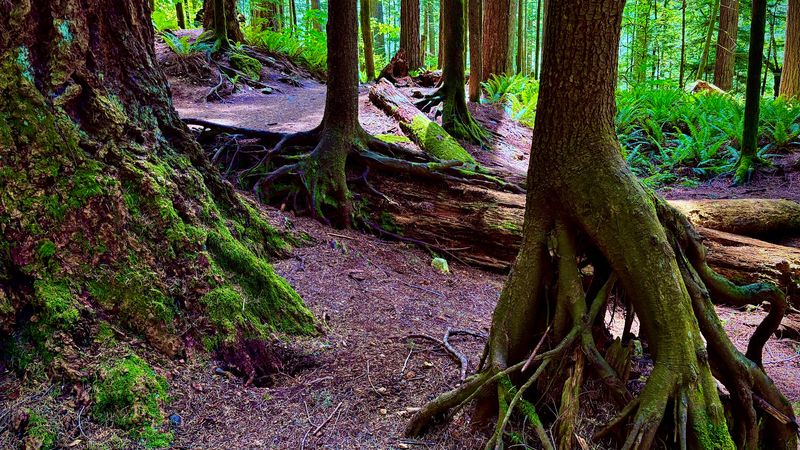
Keep your pack simple. Start with comfortable shoes that can handle damp roots and slick bridge planks, because traction makes all the difference here. A light, breathable layer is worth bringing along too, since shaded sections and waterfall mist can cool things down faster than expected.
It’s a short hike, but small comforts go a long way. One bottle of water is usually enough for the round trip, though adding a second isn’t a bad idea if you plan to linger at viewpoints. Staying hydrated keeps your energy steady, especially on the return stretch.
Snacks don’t need to be elaborate—something easy to carry, like trail mix or a pastry, feels surprisingly satisfying when you stop near the river. Just make sure everything is packed securely so nothing gets left behind. A compact first aid kit is a smart addition, covering basics like bandages and blister care.
Trekking poles are optional, but they can help on damp or uneven sections. Your phone can handle photos and navigation if you download maps ahead of time, and a small power bank adds peace of mind. Finish with a few extras like a beanie, light gloves, or spare socks. Dry, comfortable feet can make or break the experience.
Photo Tips Without Slowing The Line
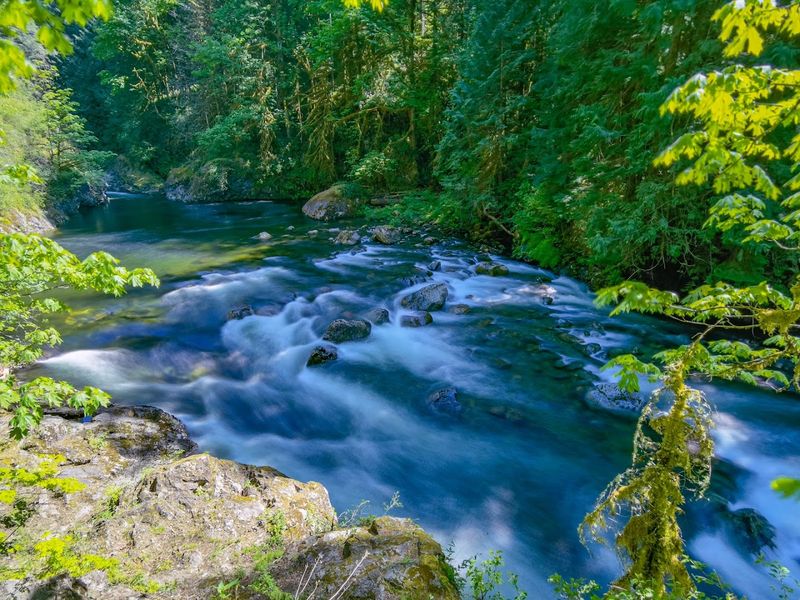
Focus less on gear and more on timing, and Twin Falls Trail starts giving you better photos almost immediately. Light plays a huge role here, and overcast skies act like a natural filter, softening glare and bringing out detail in both water and rock.
If the sun is strong, pause for a moment and wait for a cloud to pass—it can make a noticeable difference in your shots. At the lower overlook, keep your setup simple. Use the railing for stability instead of spreading out with a tripod, and stay aware of others moving through.
A couple of well-timed frames will serve you better than rushing through a dozen. For that smooth, flowing water look, slow your shutter speed and steady yourself—using a jacket or bag as support can help reduce movement. On the bridge, take your shot and then step aside so traffic keeps flowing.
Changing your angle slightly can add depth, especially if you include canyon walls or foreground elements. Don’t overlook smaller details. Mist on leaves, patterns in stone, and shifting ripples often tell the story just as well. Keep a cloth handy to wipe your lens, since spray builds up quickly, and secure your pockets before moving on.
Share this story