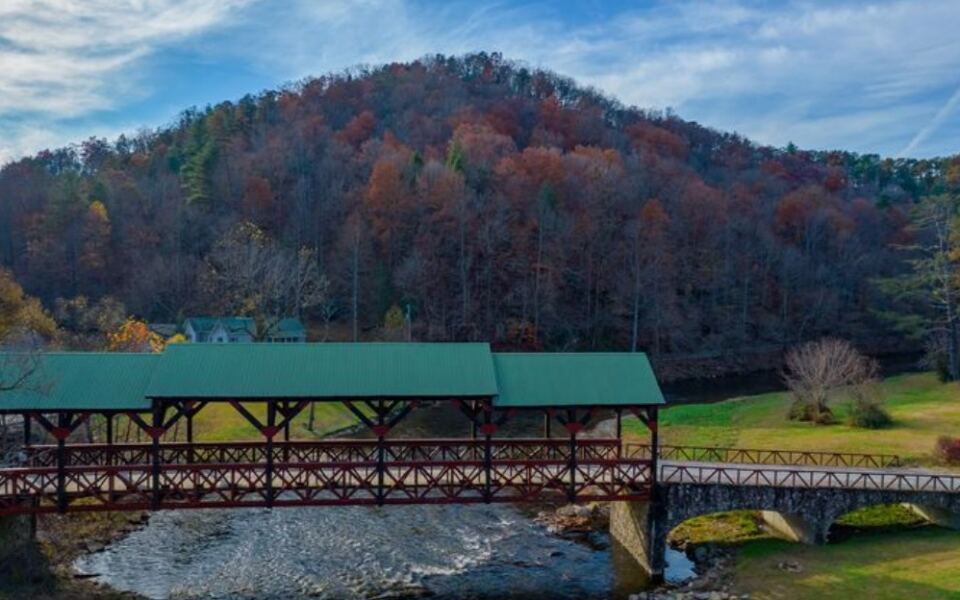
Tennessee’s very first newspaper rolled off a press in 1791, and the town where it happened still has a courthouse that’s been in use since the 1830s. I love that kind of detail. It feels like history never got the memo to leave.
Another small town holds a festival built around a soft drink and a marshmallow snack. A different one was planned by a famous British author as a fresh start for young gentlemen. Their old buildings still stand today.
I keep hearing people say the old version of Tennessee has faded into strip malls and traffic. These places politely disagree. They still have courthouse squares, railroad depots, general stores, and front porches that look ready for a slow afternoon.
So grab a map and a little patience for two-lane roads.
1. Jonesborough
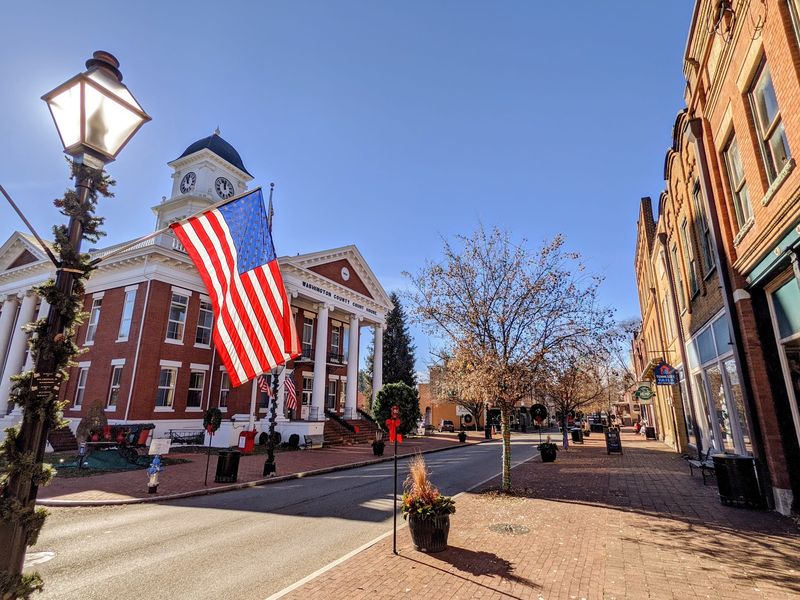
Founded in 1779, this little place was a town before Tennessee was even a state. That makes it the oldest town in Tennessee, and it wears the title proudly.
Main Street feels like a page from a schoolbook that somebody forgot to close. Brick buildings line the sidewalks, and many date back to the early 1800s.
Jonesborough is also famous for stories. The National Storytelling Festival started here in 1973, and it still draws crowds to town each October.
Not a festival person? The International Storytelling Center sits right downtown and keeps the tradition going through the year. You can catch tellers sharing tall tales, family stories, and mountain legends.
History fans should look for the Chester Inn, one of the oldest buildings in town. It now serves as a state historic site and museum, so you can learn about the travelers who once stopped there.
The Jonesborough-Washington County History Museum is another smart stop. Exhibits there help explain how this frontier town grew and why it mattered so much to the region.
Here’s a tip for your visit. Park once and walk, since the historic district is compact and easy to explore on foot.
Take your time looking up, too. Old rooflines, painted signs, and tall windows tell their own quiet stories if you slow down enough to notice.
Shops and small eateries fill many of the storefronts, so wandering never feels like a museum chore. It feels more like a stroll with a bonus history lesson tucked inside.
The town also sits close to Johnson City, which makes it an easy add to an East Tennessee road trip. You get small-town charm without a long detour into the hills.
Bring comfortable shoes and a curious mind. If anybody says old Tennessee is gone, this town just smiles and points at its calendar.
2. Bell Buckle
A soft drink and a marshmallow cookie walk into a small town, and the town throws them a party. That’s not a joke; it’s the RC Cola-MoonPie Festival, held in Bell Buckle each June.
Fewer than 500 people live here, so the festival can feel like the whole county showed up. There’s usually a parade, music, games, and a giant MoonPie for sharing.
Of course, the town has more going for it than one fun weekend. Bell Buckle grew up as a railroad village in the 1800s, and the tracks still run right past downtown.
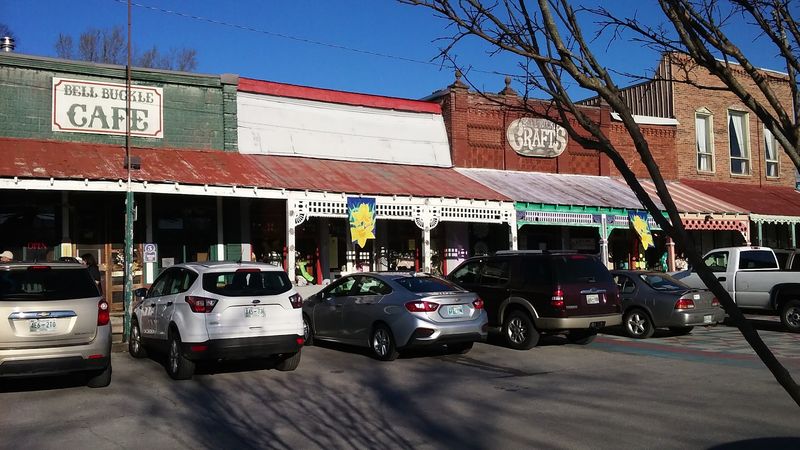
Across from those tracks, a row of old storefronts holds antique shops, gift stores, and a cafe. The whole setup looks like it was built for slow browsing and long chats.
Do you love school history? The Webb School has been part of Bell Buckle since 1886, and its campus adds a bookish feel to the area.
That school has turned out writers, leaders, and scholars over the years. It’s a big name for such a small spot on the map.
When you visit, plan to linger instead of rushing. The best part of a town this size is noticing small things, like a hand-painted sign or a porch bench in the shade.
Bell Buckle is in Bedford County, not far from Shelbyville and Murfreesboro. That makes it an easy half-day trip from Middle Tennessee’s busier cities.
Bring cash in case a small vendor prefers it during festival time. Also, check the date of the June event, because downtown fills up fast when the MoonPies come out.
Going on a quiet weekday can be just as fun in a different way. You’ll trade crowds for calm sidewalks and a better look at the old buildings.
Either way, this town proves you don’t need a big population to have a big personality. It just needs a railroad, a sense of humor, and a sweet tooth.
3. Granville
Steamboats once pulled up to this riverside town to load goods and passengers. Today, Granville sits quietly beside Cordell Hull Lake, but its old river-town bones are still easy to spot.
This is a tiny place in Jackson County, and that’s a big part of the appeal. You won’t find traffic jams here, just a short main street and plenty of history.
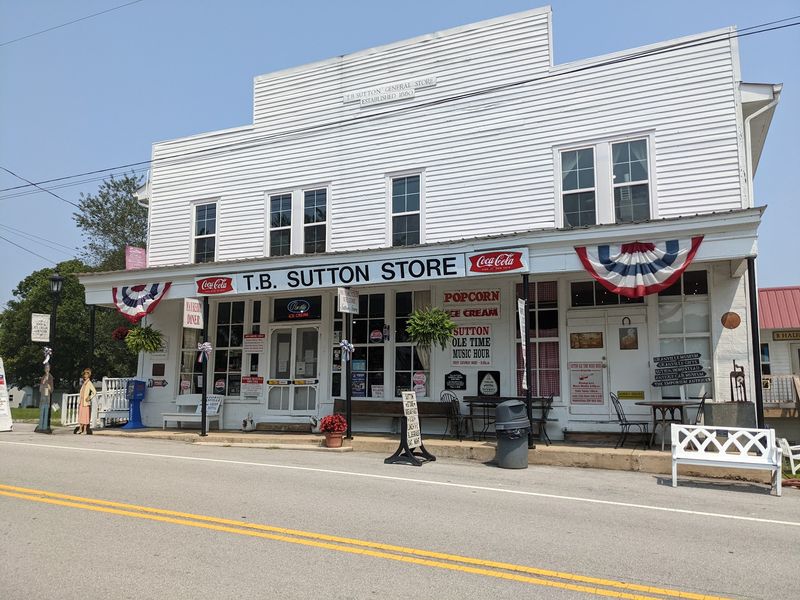
The star of the show is the historic Sutton General Store. It dates back to the late 1800s and still keeps that old country-store look with wooden floors and shelves.
Music lovers should pay extra attention. The store hosts the Sutton Ole Time Music Hour, which brings bluegrass and old-time tunes to this little corner of Tennessee.
Granville also has a local museum that shares stories about the river days and the families who lived here. It’s a great way to understand why the town once mattered so much.
Many of the buildings have been carefully saved and restored. Walking past them feels a bit like stepping onto an old movie set, except the town is real and people actually live there.
Plan your trip around a music night if you can. The town changes mood once the instruments come out and folks gather to listen.
On a regular day, enjoy the slower pace. Stroll the streets, peek in windows, and head toward the water for pretty lake views.
Getting here takes some winding country driving. That’s part of the fun, since the roads roll past farms, hills, and stretches of woods.
Granville makes a good stop if you’re exploring the Upper Cumberland region. Cookeville and Carthage are both within reach for a longer day trip.
Small towns like this don’t shout for attention. They simply keep their lights on, tune their banjos, and wait for curious travelers to find them.
4. Historic Rugby
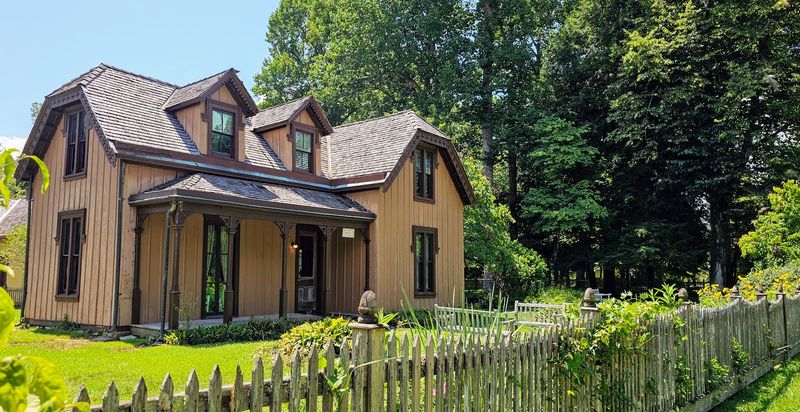
An English author started a village in the Tennessee woods in 1880, and it’s still standing. Thomas Hughes, who wrote Tom Brown’s School Days, dreamed up Rugby as a fresh start for young British men.
Today, Historic Rugby is a living village and museum on the Cumberland Plateau. Its preserved Victorian buildings make it feel like a British-American time capsule.
Start at the visitor center to get your bearings. From there, you can join a tour and learn how this unusual colony came together.
The buildings are the main attraction, and they’re a treat for anyone who loves old architecture. Steep roofs, wooden trim, and tidy porches give the village a storybook look.
Bookworms, take note. The Thomas Hughes Free Public Library opened in 1882 and still holds a large collection of Victorian-era books.
There’s also a print shop to explore, plus a gift shop for souvenirs. Hungry visitors can find a cafe and restaurant on site, and a cup of tea fits the English theme nicely.
Like the outdoors more than old shelves? Scenic walking trails wind around the village, so you can trade history for fresh air whenever you want.
The village also has a theater that hosts live performances. Check the schedule before you go, since a show can turn a day trip into a memorable evening.
Timing matters here. The visitor center generally operates Thursday through Sunday, though hours vary by facility and season. Check the current schedule before visiting.
Kids usually enjoy the open space and old-fashioned buildings. Parking is on site, which makes the visit simple for families.
The setting is peaceful, so slow down and soak it in. It’s not every day you can sip tea in a Victorian village in the middle of East Tennessee.
5. Lynchburg
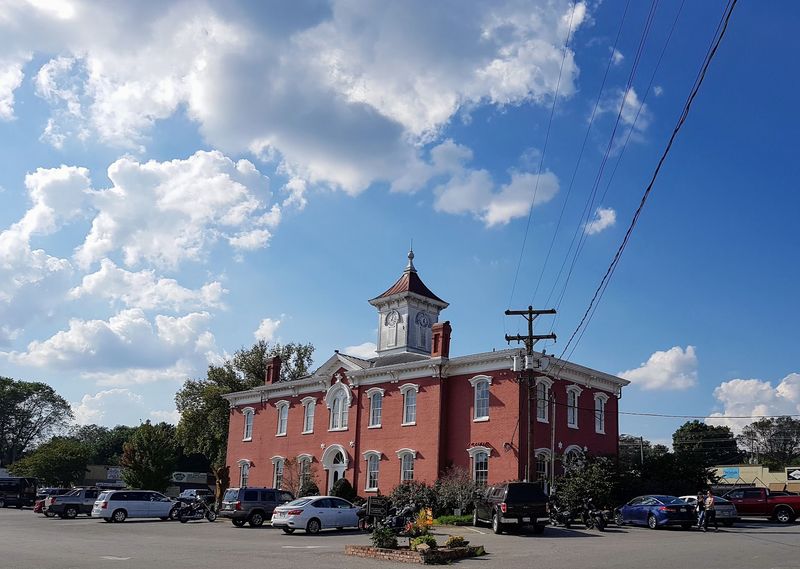
Red brick wraps around Lynchburg’s town square like a hug from the 1800s. Right in the middle stands the Moore County Courthouse, the anchor of this classic small Southern town.
Lynchburg is the seat of Moore County, one of the smallest counties in Tennessee. That small size helps it keep a quiet, old-fashioned feel.
The square is the place to start. Historic storefronts face the courthouse on each side, and many now hold gift shops, antique stores, and spots to grab a bite.
Shopping here feels more like a treasure hunt than a mall trip. You can find local crafts, kitchen goods, and Tennessee souvenirs without fighting crowds for a parking space.
For a peek at the town’s past, visit the Moore County Old Jail Museum. The old brick jail dates back to the late 1800s and now shares local history instead of holding prisoners.
Kids often get a kick out of seeing the old cells. Adults tend to enjoy the small details that show how life worked in a rural county long ago.
The town sits among rolling hills and farmland in southern Middle Tennessee. The drive in is part of the charm, with plenty of green views along the way.
Give yourself time to walk slowly around the square. Benches, shade trees, and the courthouse lawn make it easy to take a break and people-watch.
Lynchburg is about an hour and a half from Nashville. That makes it a smart pick for a relaxed day trip when the city starts feeling too loud.
Visit during a weekday if you prefer a calmer stroll. Weekends can be busier, especially in warmer months when road-trippers roll through.
Big things can come from small places, and this town shows that well. It keeps its history front and center, right there on the square.
6. Leipers Fork
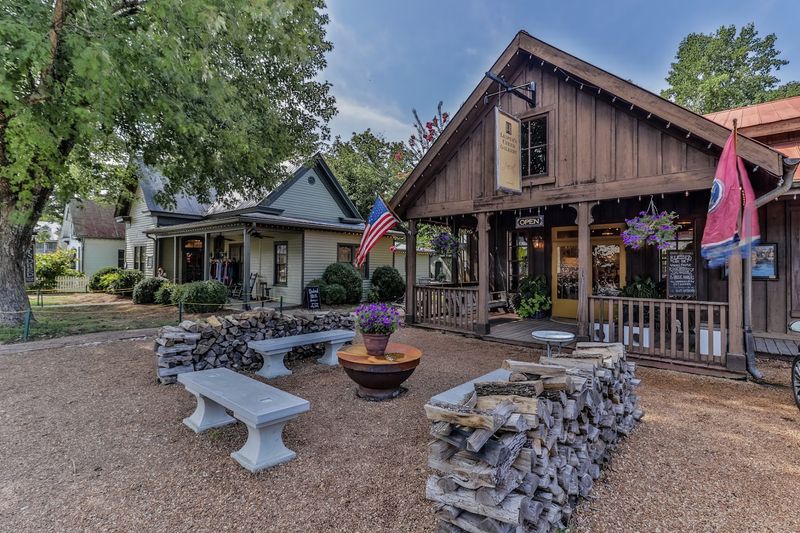
Leipers Fork isn’t technically a town at all. It’s an unincorporated village, which sounds fancy but mostly means it has kept its small, rural spirit.
The village sits in Williamson County, close to the famous Natchez Trace Parkway. That old route has carried travelers through this part of Tennessee for a very long time.
Main street is short and sweet. Rustic clapboard buildings line the road, and many date back to around the turn of the last century.
Those old buildings now hold art galleries, antique shops, and small stores. Art fans can easily spend an afternoon popping from one gallery to the next.
Food is part of the fun, too. Puckett’s has a location here, and its country store setup fits right in with the village’s old-time look.
The whole village is listed as a historic district. That status helps protect the buildings and keeps the place from turning into another busy suburb.
Want a scenic drive? Hop onto the Natchez Trace Parkway nearby and enjoy a road with no billboards and plenty of trees.
Biking and leaf-peeping are popular along the parkway, especially in fall. Just be ready for slower speeds, since the Trace is meant for cruising, not racing.
Leipers Fork is only a short drive from Franklin. You can pair a morning of downtown Franklin shopping with an afternoon of country quiet.
Wear shoes you can walk in and leave room in your schedule. Rushing through a place like this would be like gulping a glass of sweet tea in one swallow.
The village proves that country charm can live right next to a fast-growing area. It’s a little pocket of the past that still feels lively and creative.
7. Rogersville
News traveled slowly in 1791, but it started traveling from here. Tennessee’s first newspaper, the Knoxville Gazette, was first printed in Rogersville before moving to Knoxville.
The town’s roots go back to 1775, making it one of the oldest settlements in the state. Davy Crockett’s grandparents were among its early settlers.
Today, about 4,400 people live here. Yet the downtown historic district is surprisingly large for a town this size.
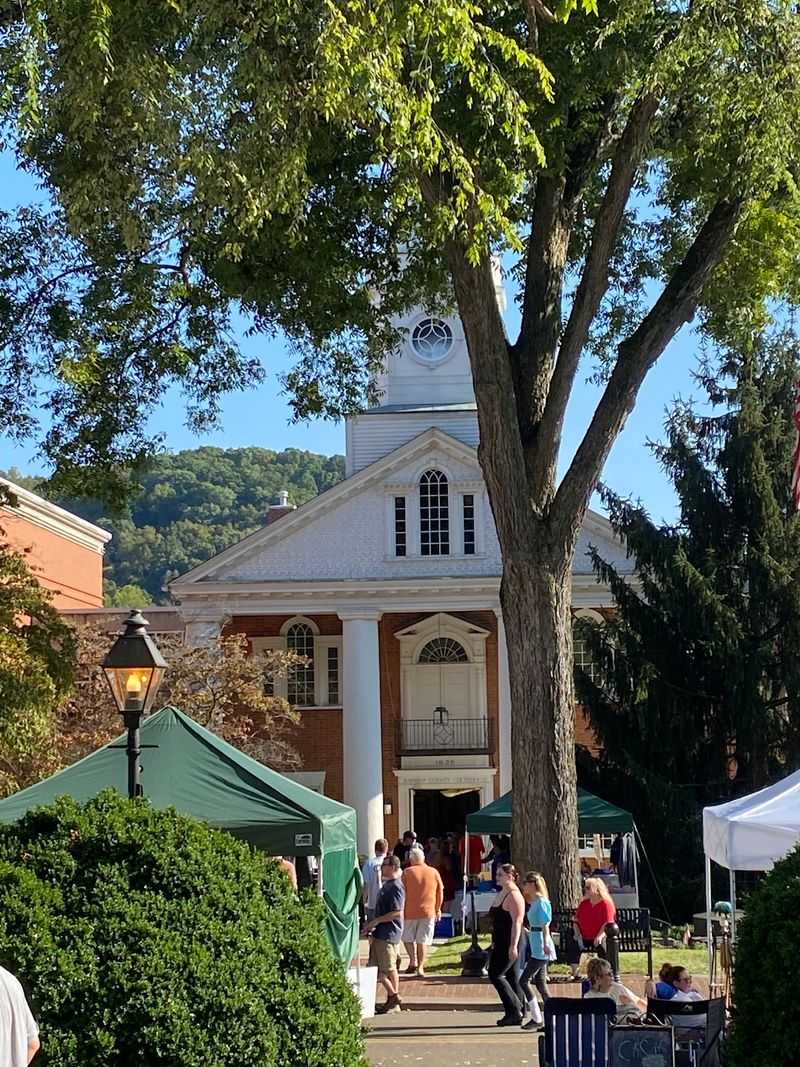
Federal-style and Victorian buildings line the streets. Brick fronts, tall windows, and old trim give downtown a look that history buffs will love.
The Hawkins County Courthouse is the big landmark. Built in 1836, it’s one of the oldest courthouses in Tennessee that’s still in use.
That’s worth a moment of respect. Picture nearly two centuries of court days happening in the same building, and it starts to feel pretty special.
Another landmark is the Hale Springs Inn, which dates to the 1820s. Its brick front adds even more character to the main drag.
Walking is the best way to see Rogersville. Grab a downtown map and follow the old streets at your own pace.
The town also holds events through the year, so check the local calendar before you go. Downtown takes on extra energy when the community gathers.
Rogersville sits in Hawkins County, between Kingsport and Morristown. It works well as a stop on a longer drive through upper East Tennessee.
Bring a camera, because the old streetscapes look great in morning or late afternoon light. You’ll want photos of the courthouse and those rows of historic brick.
Not many towns can claim a first newspaper and an old working courthouse. This one wears both badges with quiet pride.
8. Dandridge
Martha Washington never visited, but she got a town anyway. Dandridge was named for her, using her maiden name, Martha Dandridge.
Founded in the 1780s, it’s known as the second-oldest town in Tennessee. Only Jonesborough has it beat.
Around 3,300 people call Dandridge home today. That small size helps keep the historic downtown feeling calm and close-knit.
The Jefferson County Courthouse is the centerpiece. This brick building dates to the 1840s and still stands proudly over the town square.
Inside, there’s a fun bit of frontier history. The courthouse keeps the marriage bond of Davy Crockett and Polly Finley from 1806.
Isn’t that a great surprise? It’s not every day you can see paperwork tied to a frontier legend.
Main Street keeps plenty of its old buildings. Shops and restaurants fill several of them, making downtown a pleasant place for a stroll.
Water is a big part of the scene here. Douglas Lake sits right next to town, and its shoreline brings boaters, anglers, and anyone who likes a pretty view.
That mix of old buildings and lake scenery gives Dandridge a nice balance. You can learn some history in the morning and relax by the water later.
The town is also close to Interstate 40. That makes it an easy detour if you’re heading toward the Smoky Mountains.
Many travelers zip past on their way to busier spots. Pulling off the highway here is an easy way to slow the trip down.
A town named for a first lady, with a frontier hero’s paperwork? That’s a pretty strong history résumé for such a small place.
9. Wartrace
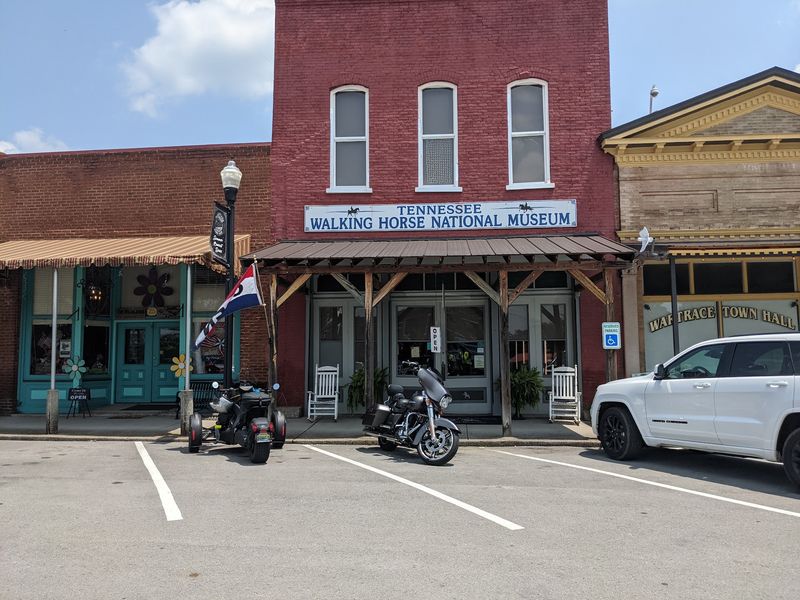
Horses made this tiny town famous long before road trips did. Wartrace calls itself the Cradle of the Tennessee Walking Horse, and it has a good reason.
Strolling Jim, the first world grand champion Tennessee Walking Horse, was trained here. He won that title in 1939.
Fewer than 700 people live in Wartrace today. Still, the town carries a big place in Tennessee horse history.
The railroad shaped Wartrace, too. It grew as a train stop, and the historic depot still stands as a reminder of those busy rail days.
Main street is short and easy to walk. Old brick buildings give it a classic small-town look without any fuss.
Look for the historic Walking Horse Hotel downtown. It’s tied to the town’s horse story and adds plenty of character to the strip.
Runners may already know the name Strolling Jim. A long-distance race named after the famous horse starts and ends here each year.
That race covers about 40 miles of country roads. Watching it might be more your speed than running it, and nobody would blame you.
The area around town is full of farmland and rolling hills. The views alone make the drive worthwhile, especially in spring and fall.
Wartrace sits in Bedford County, near Shelbyville and Bell Buckle. You could easily visit both small towns in one relaxed day.
Bring patience for slow, curvy roads. They’re part of the charm and keep the town feeling far away from busy highways.
A town this small could have faded quietly. Instead, it keeps its depot, its horse legacy, and its old main street ready for visitors.
10. Tellico Plains
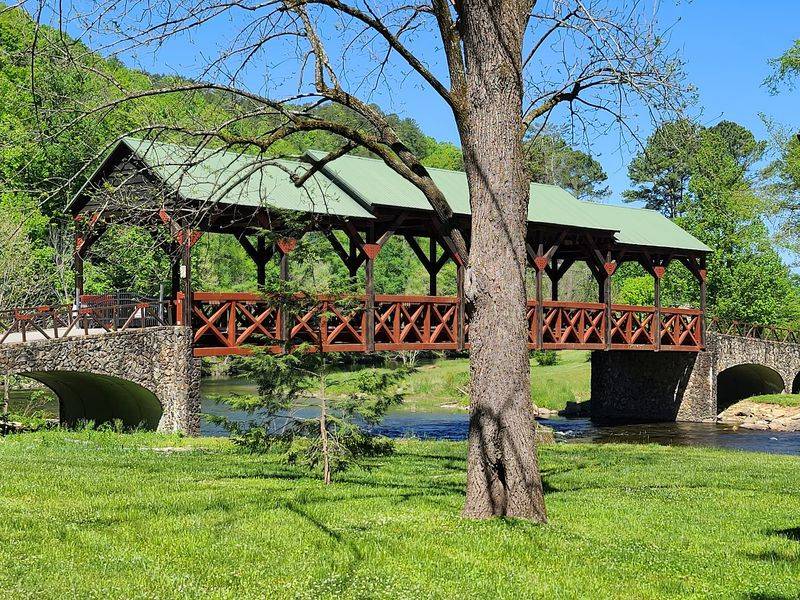
One of the prettiest drives in the South begins at the edge of a town with fewer than 1,000 people. Tellico Plains is the Tennessee starting point of the Cherohala Skyway.
That scenic road opened in 1996. It climbs into the mountains and links Tellico Plains with Robbinsville, North Carolina.
Before you head uphill, spend some time in town. Tellico Plains has a small downtown area with shops and places to eat.
The square feels relaxed and unhurried. It’s a good place to stretch your legs, grab supplies, and get ready for mountain views.
History lovers should check out the Charles Hall Museum. It holds a large collection of local items, from old tools to photos and everyday objects.
The museum gives a clear picture of how mountain families lived and worked. It’s a fun stop for kids and adults who like hands-on history.
Tellico Plains sits at the base of the Cherokee National Forest. That means hiking, fishing, and waterfalls are close by.
Bald River Falls is a favorite nearby sight. The waterfall sits right beside the road, so you can enjoy it without a long hike.
Fall color season is a great time to visit. The Skyway and forest roads light up with reds, oranges, and golds.
Spring and summer have their own rewards, like green hills and rushing streams. Just pack layers, since mountain weather can change quickly.
Cell service can be spotty once you leave town. Download maps ahead of time so you don’t end up guessing at forks in the road.
Tellico Plains shows how a small town can be both a gateway and a destination. Old Tennessee isn’t gone here; it’s just waiting at the foot of the mountains.
Share this story