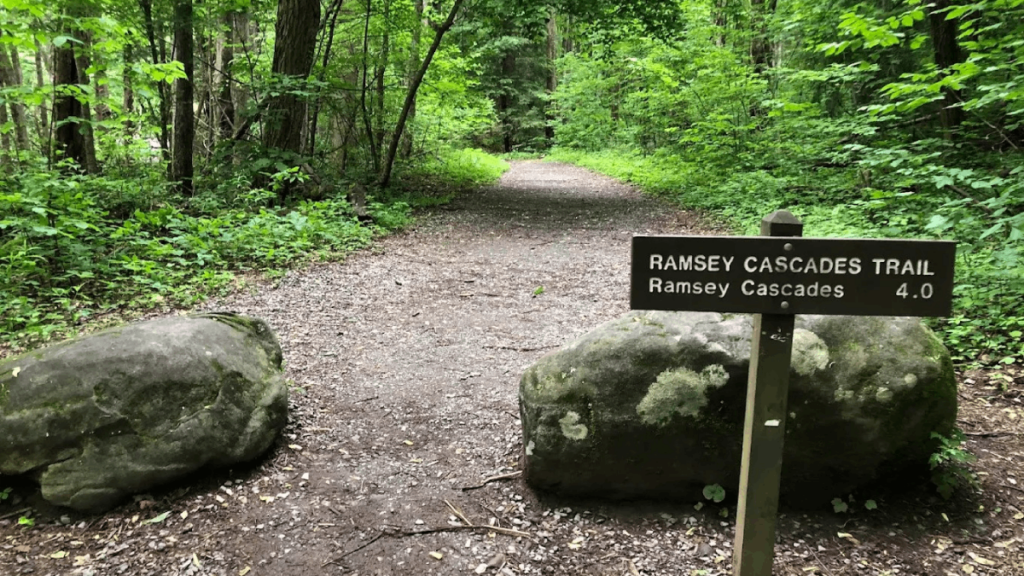
Tucked away in the Smoky Mountains near Gatlinburg sits a trail that separates the casual walkers from the serious hikers. Ramsey Cascades is an 8-mile round-trip challenge that climbs relentlessly upward, testing your endurance with every step.
But those who push through the burn in their legs and the doubt in their minds get something special: a front-row seat to one of Tennessee’s tallest and most stunning waterfalls, a 100-foot cascade that feels like nature’s way of saying you earned it.
Ramsey Cascades Isn’t Easy but That’s Part of the Appeal
Right from the start, this trail makes its intentions clear. The first mile and a half rolls along an old fire road, wide and manageable, lulling you into thinking maybe the hype was overblown. Then the path narrows, the incline sharpens, and suddenly you’re climbing over roots, hopping rocks, and wondering if your calves have a personal vendetta against you.
What keeps people coming back isn’t just the waterfall waiting at the end. It’s the fact that this hike demands something from you. There’s no shortcut, no easy way around the elevation gain that keeps stacking up mile after mile.
You earn every inch of progress, and that’s exactly what makes reaching the falls feel so satisfying.
Hikers who’ve tackled Ramsey Cascades often describe it as a mental game as much as a physical one. Around mile three, when your lungs are burning and the trail still climbs, you have to dig a little deeper. But crossing that finish line, standing at the base of a roaring 100-foot waterfall, makes every tough moment worth it.
This isn’t a trail for everyone, and honestly, that’s part of its charm. It filters out the crowds and rewards those willing to work for it. If you want a hike that challenges you and leaves you feeling accomplished, Ramsey Cascades delivers exactly that kind of experience.
Why This Tennessee Trail Has a Reputation for Being So Challenging
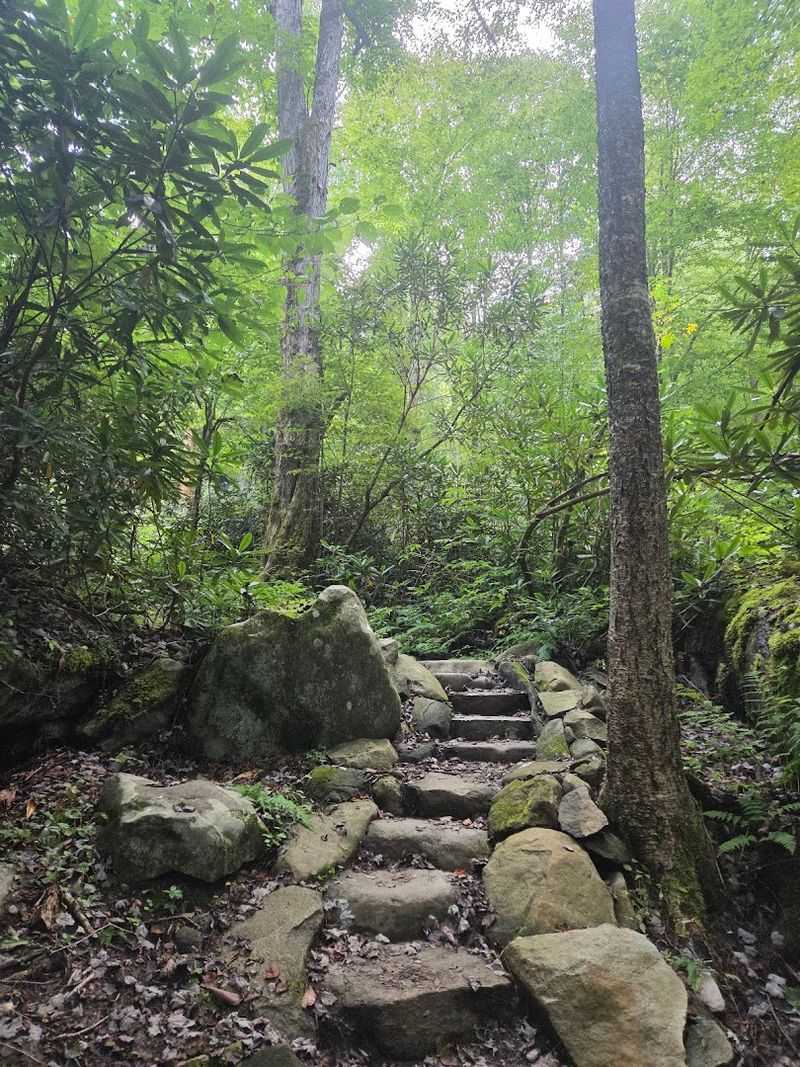
Most trails give you a break now and then, a flat stretch where you can catch your breath and reset. Ramsey Cascades doesn’t believe in breaks. From the moment the old fire road ends, you’re climbing almost nonstop for the next two and a half miles, gaining over 2,000 feet in elevation along the way.
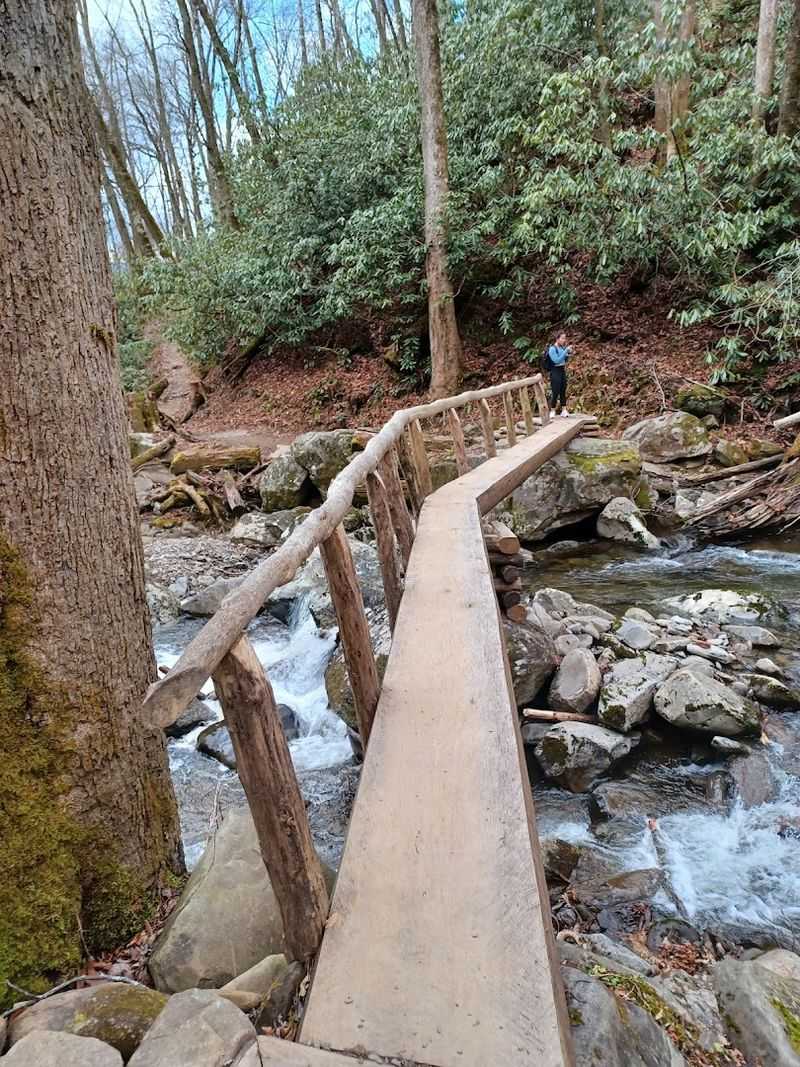
The trail itself throws everything at you: slick rocks, creek crossings, log steps that seem to go on forever, and roots that grab at your boots like they’re trying to trip you. Reviewers consistently mention how the mileage feels deceptive—what’s marked as four miles one way can feel more like six when you’re hauling yourself uphill the entire time.
Weather adds another layer of difficulty. Rain turns those rocks into skating rinks, and even seasoned hikers admit to slipping on wet surfaces near the falls. Snow transforms the trail into a true test of endurance, requiring extra caution and gear that not everyone thinks to bring.
Then there’s the sheer length. Eight miles might not sound extreme on paper, but when nearly half of it is steep climbing, your legs start sending very loud complaints. Families with young kids often turn back, and even fit adults find themselves taking more rest stops than expected.
But here’s the thing: the difficulty is what keeps this trail less crowded than spots like Grotto Falls. You won’t fight for parking or elbow through selfie-takers at the waterfall. The challenge acts as a natural filter, preserving the peaceful, rewarding experience that makes this hike legendary.
The Long Hike That Leads to One of the State’s Best Waterfall Views
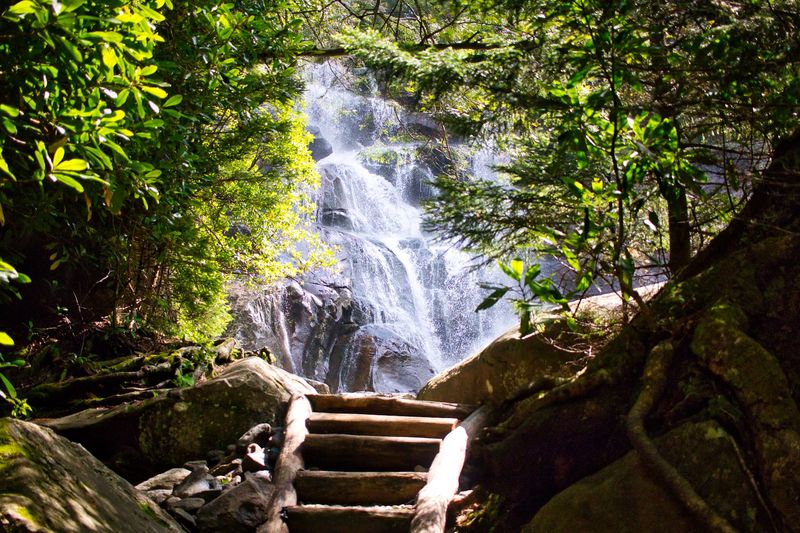
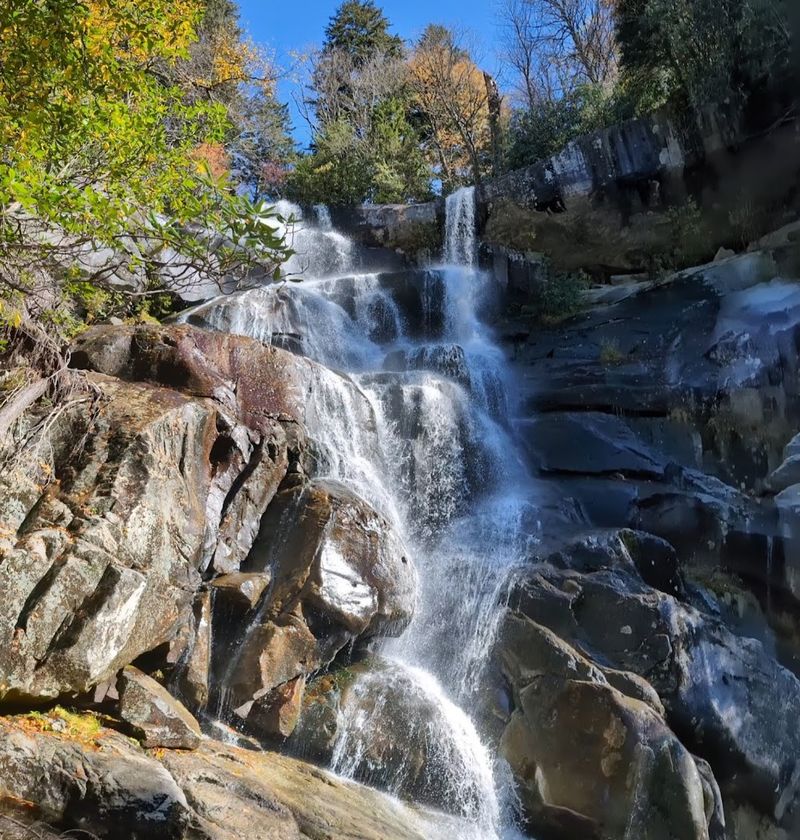
Standing at 100 feet tall, Ramsey Cascades holds the title of the tallest waterfall in Great Smoky Mountains National Park. Water tumbles down a rugged rock face in multiple tiers, crashing into a cold, clear pool that reflects the surrounding forest. The sound alone is worth the trek—a constant roar that drowns out everything else and makes you feel tiny in the best possible way.
What sets this waterfall apart isn’t just its height. The setting feels untouched, almost primeval, with massive old-growth trees framing the scene. These are some of the few giants that logging companies missed decades ago, and their presence adds a sense of timelessness that you won’t find on more developed trails.
Unlike some waterfalls where you snap a quick photo from a distant viewing platform, Ramsey Cascades invites you to stay awhile. Hikers spread out on the boulders near the base, soaking in the mist, munching snacks, and letting their tired muscles recover.
The waterfall’s flow varies with the seasons. Spring runoff turns it into a thundering powerhouse, while late summer might dial things back to a more modest cascade. Either way, the view justifies the effort, giving you something spectacular to focus on during those final exhausting steps.
This isn’t a waterfall you stumble upon by accident. You have to want it, work for it, and commit to the journey. That’s what makes finally seeing it feel less like checking a box and more like claiming a hard-won prize.
What Makes the Journey to Ramsey Cascades So Memorable
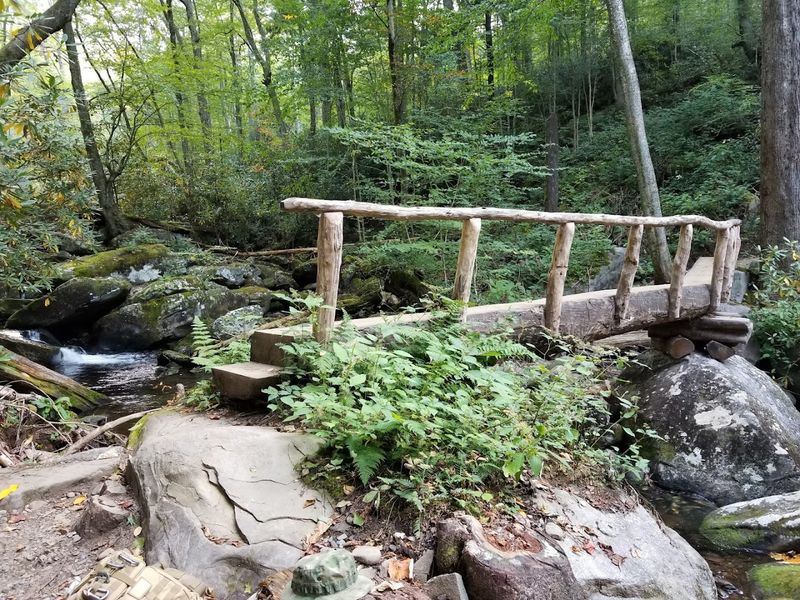
Sure, the waterfall is the headline act, but the trail itself offers plenty of moments worth remembering. For the first couple of miles, you walk alongside the Middle Prong of the Little Pigeon River, a clear mountain stream that gurgles and splashes over rocks. The sound of moving water becomes your constant companion, and there’s something calming about it even when your legs are screaming.
The forest here feels different from more trafficked areas of the park. Old-growth trees tower overhead, their trunks thick and gnarled with age. Moss blankets the rocks, ferns crowd the trail edges, and if you hike in spring, wildflowers add bursts of color to the green canopy.
It’s the kind of scenery that makes you stop and actually look around instead of just powering through.
Wildlife sightings aren’t guaranteed, but they happen. Deer, salamanders, and an impressive variety of birds call this area home. Some hikers report spotting black bears, which serves as a good reminder to make noise and stay alert, especially in the early morning or late afternoon.
Then there’s the community aspect. Even though this trail is less crowded than others, the people you do meet tend to be friendly and encouraging. There’s a shared understanding that everyone out here is working hard, and a quick “you’ve got this” from a passing hiker can be surprisingly motivating when you’re wondering if you can make it another mile.
The journey becomes memorable because it’s not just about reaching the end. It’s about the quiet moments, the small victories, and the beauty that surrounds you even when you’re too tired to fully appreciate it until later.
Why the 100-Foot Waterfall Feels Like a Reward You Earn
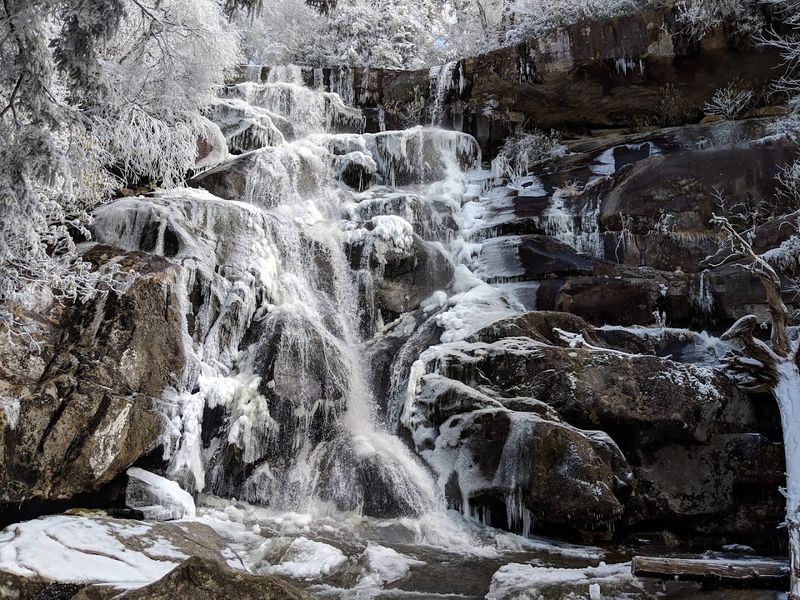
There’s a difference between seeing something beautiful and earning the right to see it. Ramsey Cascades falls firmly in the second category. After four miles of relentless climbing, sore muscles, and mental pep talks, that first glimpse of the waterfall hits different than any roadside attraction ever could.
Hikers describe a rush of emotion when they finally round the last bend and hear the falls before they see them. The roar builds, the mist cools your face, and then there it is—100 feet of cascading water that suddenly makes every tough step worth it.
The physical exhaustion actually enhances the experience. Your body is tired, your water bottle might be empty, and you’re probably debating whether your legs will cooperate on the way back down. But in that moment, sitting on a boulder with the falls thundering in front of you, there’s a sense of accomplishment that no easy hike could ever provide.
It’s the same reason people climb mountains or run marathons. The challenge transforms the destination into something more meaningful. You didn’t just visit a waterfall; you conquered a trail that’s known for breaking people.
You pushed through doubt and discomfort and came out the other side with proof that you’re tougher than you thought.
That feeling stays with you long after your legs stop aching. It’s why hikers who swear they’ll never do it again often find themselves back on the trail a year later, ready to earn that view one more time.
How This Gatlinburg Hike Delivers One of Tennessee’s Biggest Payoffs
Tennessee has no shortage of beautiful trails, but few combine challenge and payoff quite like Ramsey Cascades. This isn’t a quick nature walk with a pretty view tacked on at the end. It’s a full-day commitment that tests your limits and rewards you with something genuinely spectacular—the kind of experience that makes you understand why people get obsessed with hiking.
The payoff starts with the waterfall itself, the tallest in the park and one of the most impressive in the state. But it extends beyond that. You get solitude that’s increasingly rare in the Smokies, a trail that doesn’t feel overrun with tourists, and a sense of wilderness that more accessible spots have lost.
There’s also the personal payoff. Completing this hike builds confidence. If you can handle Ramsey Cascades, you can handle a lot of other challenging trails.
It becomes a benchmark, a measuring stick for future adventures, and a story you’ll tell anyone who asks about your favorite hikes in Tennessee.
The combination of old-growth forest, rushing streams, and that final waterfall creates an experience that feels complete. You’re not left wishing you’d seen more or done something else. The trail delivers exactly what it promises and then some, leaving you tired, satisfied, and already planning your next big adventure.
For locals and visitors willing to put in the work, Ramsey Cascades represents Tennessee hiking at its finest—challenging, beautiful, and absolutely worth every step.
Everything to Know Before You Go
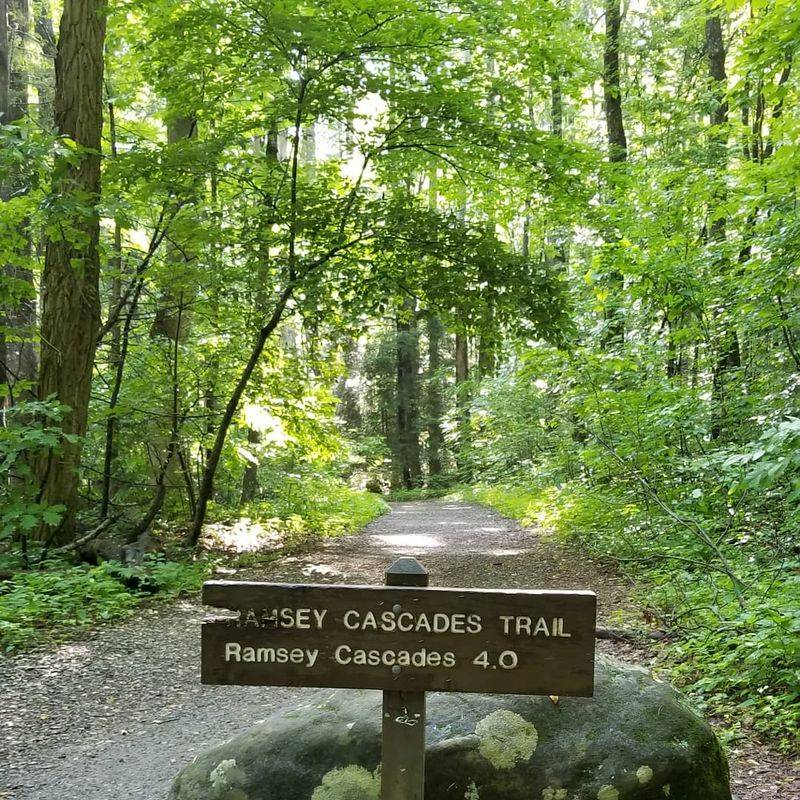
Planning makes the difference between a great hike and a miserable one, especially on a trail this demanding. Start with timing: aim to arrive early, ideally before 8:30 AM, to snag parking. The lot fills up quickly, and while you can park along the road, that adds extra walking before you even hit the trail.
Plus, starting early gives you plenty of daylight for the 5-6 hour round trip most hikers need.
Gear matters more than you might think. Sturdy hiking boots with good ankle support and traction are non-negotiable—the rocks get slick, and the terrain is rough. Bring more water than you think you’ll need, at least two liters per person, and pack snacks or a lunch.
You’ll want fuel for the climb and something to enjoy while resting at the falls.
Be aware of the parking fee. The park now requires a $5 day pass, purchased at a machine near the entrance. Display it on your dashboard to avoid any issues.
Also, the access road is gravel and full of potholes, so take it slow to protect your vehicle.
Check the weather before you go. Rain makes the trail significantly harder and more dangerous, particularly near the waterfall where rocks turn into slip hazards. Winter snow adds another level of difficulty that requires experience and proper gear.
Spring and fall offer the most comfortable conditions, though summer brings fuller water flow at the falls.
Know your limits. This trail humbles experienced hikers, so there’s no shame in turning back if it’s too much. Bring a first aid kit, let someone know your plans, and pace yourself. The waterfall will still be there whether you reach it in three hours or five.