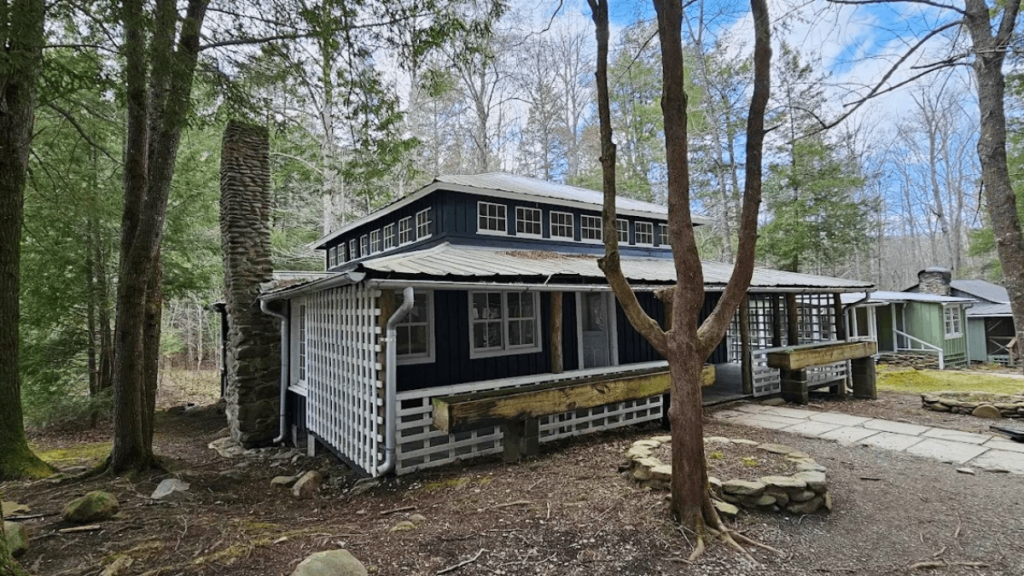
Deep in the Great Smoky Mountains, there’s a place where time seems to have stopped completely. Elkmont Historic District sits quietly among the trees, with old cabins and forgotten buildings that tell stories of a different era. Once a thriving vacation spot for wealthy families and a busy logging town, Elkmont now stands empty but incredibly well-preserved, offering visitors a rare glimpse into Tennessee’s mountain history.
Walking through this eerie yet beautiful place feels like stepping into a black-and-white photograph that somehow came to life.
Why Elkmont Historic District Is One of Tennessee’s Most Fascinating Hidden Gems
Not many people realize that tucked away in the Smokies lies a completely preserved piece of Tennessee history that most tourists drive right past. Unlike typical tourist traps, this place offers authentic history without the crowds or commercialization.
What makes Elkmont stand out is how it combines three different experiences in one location. You get the natural beauty of the Great Smoky Mountains National Park, the fascinating history of early 1900s vacation culture, and the slightly spooky atmosphere of abandoned buildings. The district is open from 8 AM to 7 PM daily, giving you plenty of daylight to explore safely.
Families love bringing kids here because it sparks imagination in ways that museums can’t match. Grandchildren run between cabins claiming which house would be theirs, while adults appreciate reading the detailed displays that explain each building’s story. Park rangers often hang around to share tales about the people who once called these cabins home.
The location near the famous synchronous firefly viewing area adds another layer of appeal. Visiting during late spring or early summer means you might catch one of nature’s most incredible light shows. Even without fireflies, the peaceful setting and well-maintained trails make Elkmont worth the drive down the winding park roads past the campground, where wildlife sightings are common and cell service disappears completely.
The Story Behind This Once-Bustling Smoky Mountain Community
Back in 1910, the Little River Lumber Company built a town called Daisy Town right here to house workers who cut timber from these mountains. Loggers and their families lived in simple cabins while the company harvested the forest from 1901 until operations shut down in 1939. The sound of saws and trains filled the air, where now only birdsong echoes.
After logging slowed in the 1920s, something unexpected happened. Wealthy families from Knoxville discovered this mountain paradise and started building their own vacation cabins. They arrived by train to escape summer heat, creating two distinct communities: the Appalachian Club and the Wonderland Club, with 81 cabins total at the peak.
These weren’t rough camping shelters either. Millionaires constructed surprisingly comfortable retreats with multiple rooms, porches, and even some early plumbing. The Appalachian Club became the social center where affluent visitors gathered, though it now only opens for special events, disappointing some visitors who’d love to peek inside.
Everything changed when the federal government established the Great Smoky Mountains National Park in 1934. Families who’d built summer homes suddenly faced eviction from land they thought they’d enjoy forever. Some negotiated lifetime leases, but eventually everyone had to leave.
By the 1990s, Elkmont sat completely abandoned, its buildings slowly deteriorating until the Park Service finally stepped in to preserve what remained of this unique chapter in Tennessee mountain history.
Why Elkmont Became Known as the Abandoned Town of the Smokies
The name “abandoned town” might sound creepier than reality, but it’s not entirely wrong either. When you arrive early in the morning, around 8:30 AM like some visitors do, the complete silence and empty cabins definitely create an eerie vibe. One couple admitted feeling too frightened to explore alone at first, even though the place is perfectly safe.
What happened was simple: the Park Service took over the land about 90 years ago, and everyone eventually had to move out. No dramatic disaster or mysterious disappearance occurred. Families just packed up their vacation memories and left their cabins behind.
Still, walking through homes where people once laughed and relaxed does feel haunting in a gentle way.
The abandoned label stuck partly because of how the buildings looked before restoration work began. Photographers and urban explorers spread images of crumbling structures overtaken by vines and moss.
Truth is, this isn’t a creepy ghost town with boarded windows and danger signs. The Park Service has beautifully restored many cabins, and you can walk right through them, examining the architecture and imagining life in the mountains decades ago. Artists even set up easels here to paint the historic structures.
The “abandoned” part simply means nobody lives here anymore, not that the place is falling apart or off-limits to curious explorers seeking Tennessee’s hidden historical treasures.
What You’ll See Walking Through Elkmont Historic District Today
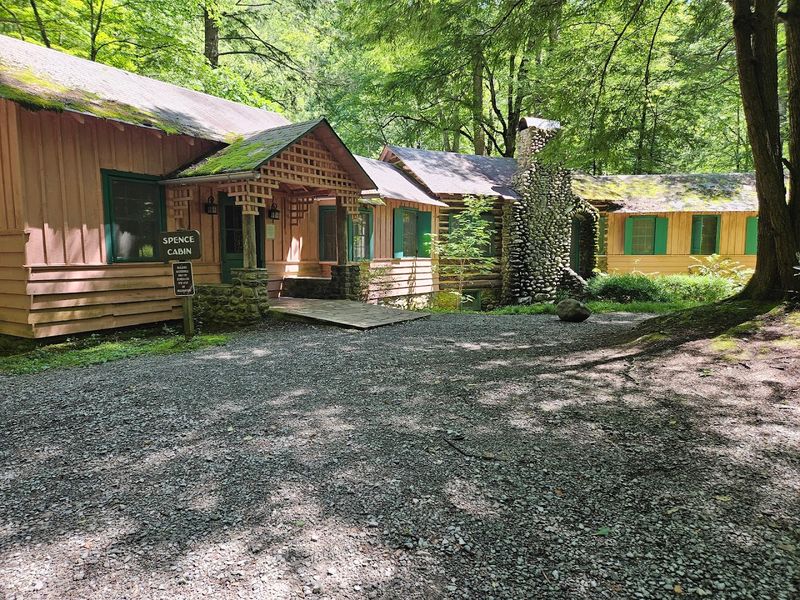
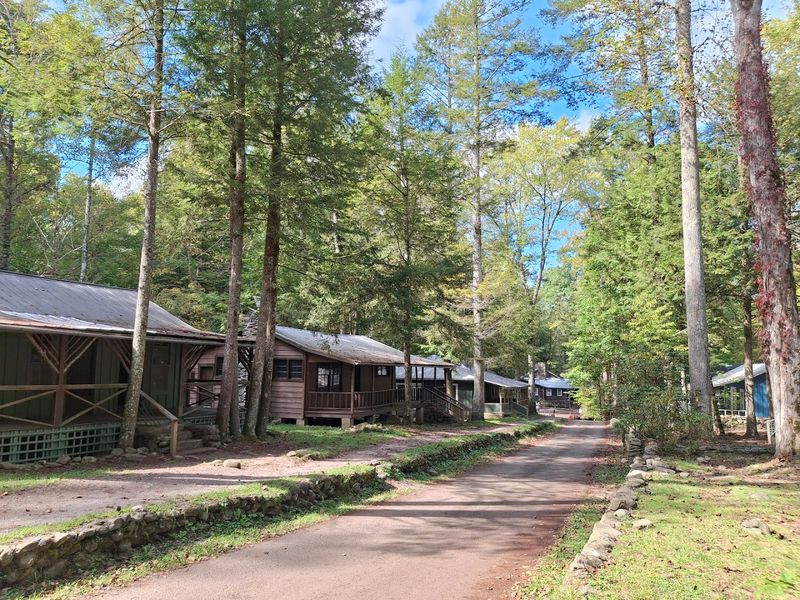
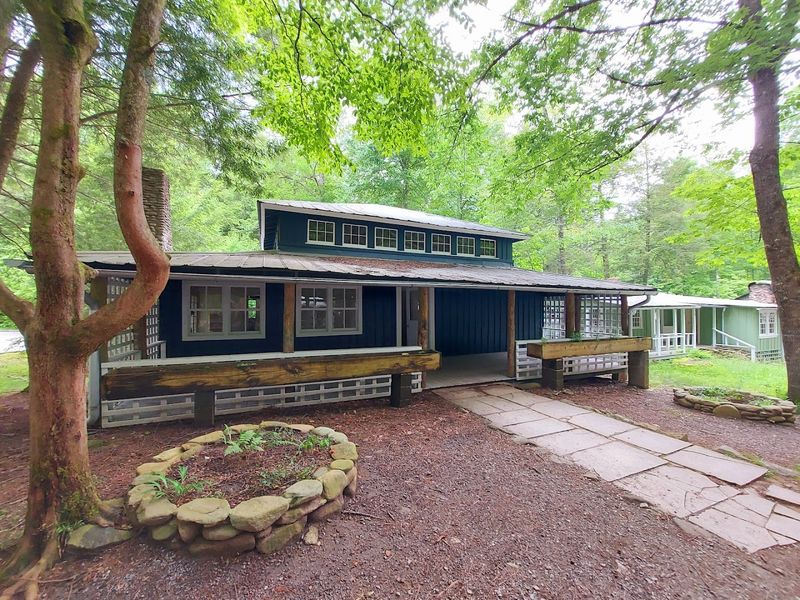
Prepare to spend more time here than you initially planned. Couples who thought they’d do a quick walkthrough ended up staying for hours once they started thoroughly exploring. The main area features a row of restored cabins you can enter and examine, each with informative displays explaining its history and the families who built it.
Inside these structures, you’ll find empty rooms with original architectural details still intact. Some cabins have ceiling fans, electrical outlets, and even non-operational bathrooms that show how surprisingly modern these 1930s and 1940s vacation homes were. The lack of furniture actually helps you focus on construction styles and imagine how families arranged their summer getaways.
Across the street and scattered throughout the district, additional cabins in various states of preservation create a walking tour that takes you deeper into the woods. Information signs at each building share specific stories about original owners and interesting historical facts. Reading everything adds educational value that kids and adults both appreciate.
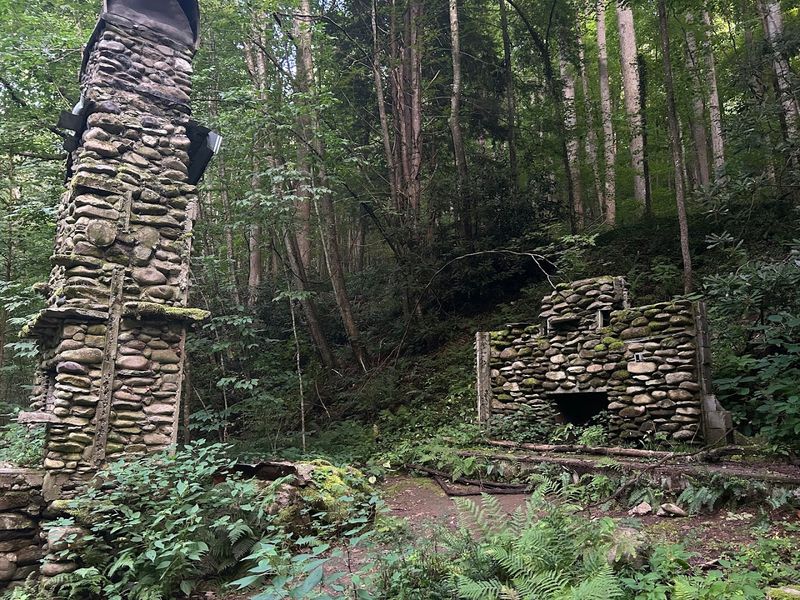
If you venture down “Millionaire Row,” you’ll discover something completely different: beautiful ruins where only stone fireplaces and foundations remain. These crumbling structures, overtaken by forest, create the most photogenic and atmospheric part of Elkmont. Retaining walls and chimney stacks stand as lonely monuments to vanished luxury.
The contrast between fully restored cabins and romantic ruins makes this hiking trail especially memorable for history lovers who enjoy exploring places where nature slowly reclaims human construction.
The Historic Cabins, Cottages, and Landmarks That Still Remain
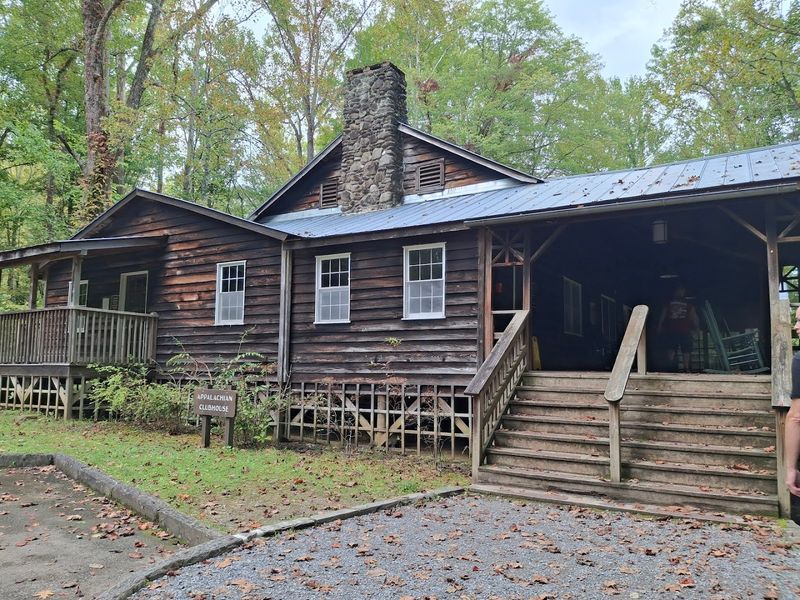
More than ten houses survive in various conditions, giving visitors plenty to explore without feeling rushed. The restored cabins showcase different architectural styles that wealthy families preferred for their mountain retreats. Each structure has its own personality, from simple one-room cottages to more elaborate multi-room vacation homes with distinctive porches and handcrafted details.
The crown jewel remains the historic Appalachian Club, though unfortunately, it’s closed to the public except during special events. Many visitors express disappointment about not seeing inside this social centerpiece where Knoxville’s elite once gathered. When it does open, the building offers glimpses into how the wealthy entertained themselves in the mountains before modern resorts existed.
Walking the old route where trains once carried vacationers from the city, you’ll pass cabin after cabin, each with unique features worth examining. Some still have their original stone foundations perfectly intact. Others display interesting window configurations or porch designs that reflected their owners’ tastes and the era’s construction methods.
The ruins along Millionaire Row provide the most dramatic landmarks. Stone fireplaces rise from the forest floor like ancient monuments, with crumbling foundations showing where walls once stood.
Park Service preservation efforts have stabilized the most important structures while letting nature artfully reclaim others, creating a perfect balance between maintained history and romantic decay that makes Elkmont visually stunning and historically significant.
Why This Tennessee Destination Feels Eerie, Peaceful, and Beautiful All at Once
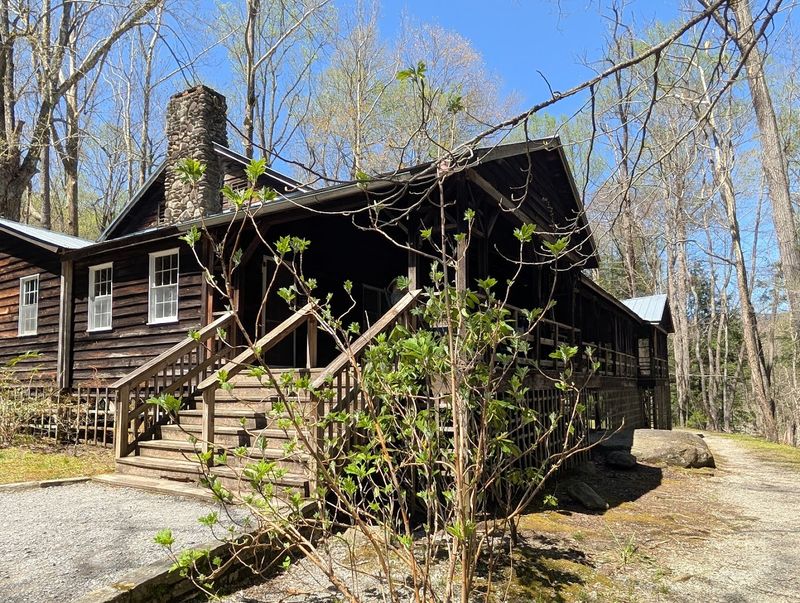
Few places manage to feel simultaneously creepy, calming, and gorgeous, but Elkmont pulls off this unusual combination perfectly. Early morning visitors describe an almost spiritual quietness broken only by rustling leaves and distant bird calls. The emptiness creates an eerie quality that’s not frightening but definitely makes you aware you’re walking through spaces where life once thrived.
The peaceful aspect comes from the stunning natural setting deep within the Smokies. Towering trees filter sunlight onto the cabins, creating beautiful dappled patterns on weathered wood. The lack of cell service forces you to disconnect from modern distractions and simply experience the moment.
Families find themselves actually talking to each other, kids exploring freely, and everyone moving at a slower, more relaxed pace.
Beauty reveals itself everywhere you look. The contrast between human craftsmanship and wild forest creates scenes that local artists can’t resist painting. Moss-covered stones, wildflowers growing through old foundations, and the play of light through cabin windows offer endless photographic opportunities.
The mountains themselves provide a dramatic backdrop that changes with weather and season.
What makes the experience truly special is how these three feelings blend together naturally. You might feel a slight chill walking through an empty cabin, then step outside to breathtaking mountain views that take your breath away for different reasons.
The tranquil setting encourages reflection about the families who vacationed here and how dramatically expectations of peace and relaxation have changed over the decades, making Elkmont both a historical lesson and a personal retreat.
What to Know Before Visiting Elkmont Historic District in Tennessee
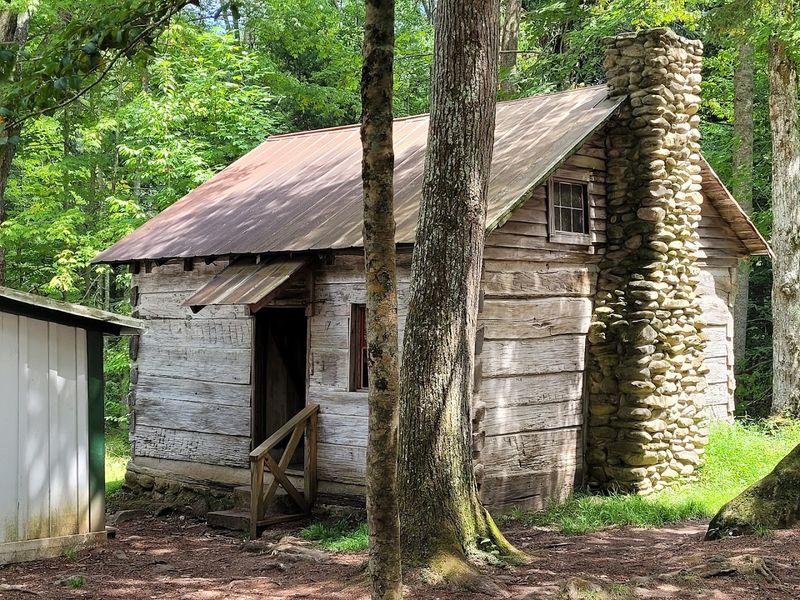
First and most important: you’ll need a parking pass to legally stay longer than 15 minutes. Purchase a daily or seasonal pass at any visitor center before arriving, or risk getting ticketed while exploring. Supporting the park through these passes helps maintain the cabins and trails you’ll enjoy.
Cell phone service disappears completely once you enter this area, so plan accordingly. Download offline maps and drop pins on everything you want to see before losing signal. Several visitors stressed this tip because getting lost without GPS can turn frustrating quickly.
Pack a picnic lunch since you won’t be ordering food delivery out here.
The district opens at 8 AM and closes at 7 PM daily, giving you plenty of daylight for exploration. Arriving early means fewer crowds and that special eerie atmosphere some people love. You can walk through most cabins freely, though dogs aren’t allowed inside to protect the historic floors from damage.
Access from the Townsend entrance involves less traffic than other park routes. The drive takes you past the campground where wildlife sightings are common, so keep your eyes open for deer, turkeys, and other animals. Budget several hours if you want to see everything properly, read all the informational displays, and walk down to the ruins.
If you’re visiting during late May or early June, you might catch the famous synchronous firefly event that draws huge crowds to this exact area. The combination of restored history and natural wonder makes Elkmont genuinely special among Tennessee destinations worth your time and the small parking fee.