Sure, the Alamo is historic and Big Bend is breathtaking, but Texas hides some spectacular spots that often steal the show from their famous counterparts. These lesser-known destinations offer fewer crowds, equally stunning scenery, and experiences that feel more authentic and personal. Whether you crave ancient rock art, crystal-clear swimming holes, or wildlife encounters that rival anything you’ve seen, these eight hidden gems prove that sometimes the best adventures happen off the beaten path.
1. Seminole Canyon State Park (Better than Palo Duro Canyon)
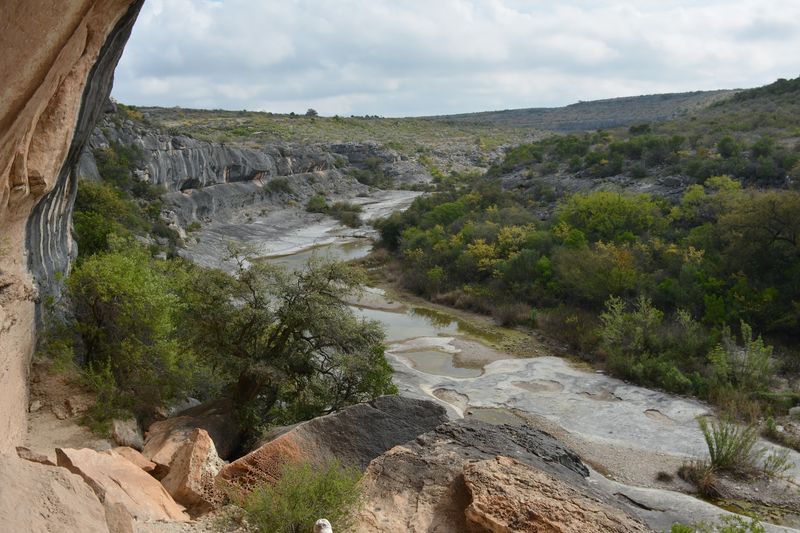
Ancient voices whisper from the canyon walls here, where some of North America’s oldest rock art has survived for thousands of years. Seminole Canyon sits in the rugged landscape near the Rio Grande, far from the tourist buses that crowd Palo Duro. The pictographs alone make this place magical—vivid reds, blacks, and yellows painted by people who lived here long before European contact.
Fate Bell Shelter holds some of the most stunning examples, accessible only through guided tours that wind down steep trails into the canyon. Rangers share stories about the artists and their world, making history feel immediate and real. The hike itself rewards you with sweeping views of the Pecos River confluence and desert wilderness that stretches endlessly.
Unlike Palo Duro’s developed trails and crowded overlooks, Seminole Canyon feels wild and untouched. You might spot roadrunners darting between cacti or hawks circling overhead in complete silence. The camping here puts you under some of the darkest, starriest skies in Texas, with zero light pollution to dull the Milky Way.
Spring and fall offer the best weather for exploring, though summer mornings work if you start early. Bring plenty of water and sun protection—shade is scarce on the trails. The park also offers excellent bird watching, with golden eagles and peregrine falcons nesting in the cliffs.
Photography enthusiasts go crazy for the dramatic lighting at sunrise and sunset, when the canyon walls glow orange and purple. The remote location means you’ll often have trails to yourself, creating an intimate connection with this ancient landscape. For anyone seeking solitude and genuine wonder, Seminole Canyon delivers an experience Palo Duro simply can’t match.
2. Port Bolivar Peninsula (Better than South Padre Island)
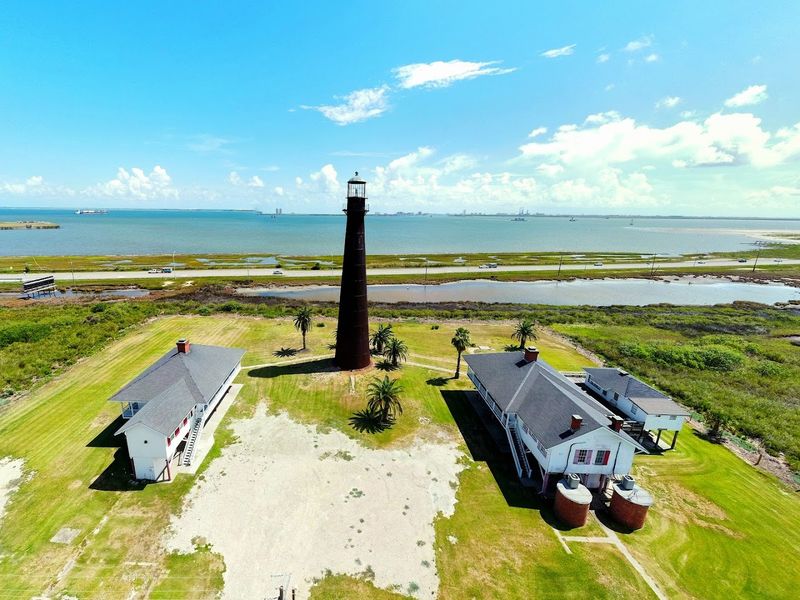
Standing quietly along the Bolivar Peninsula, this historic lighthouse has guided ships through the Gulf since the late 1800s, long before the area became a laid-back coastal escape. While you can’t climb to the top or step inside today, its towering presence still makes it one of the most recognizable landmarks on this stretch of the Texas coast.
Unlike polished tourist attractions, this lighthouse carries a more rugged, lived-in history. It survived the devastating 1900 Galveston hurricane and has weathered decades of coastal storms, salt air, and shifting tides. You can walk right up near the base and take it all in—the weathered brick, the height, and the quiet sense of history that surrounds it.
Even from a distance, it stands out against the sky, especially at sunrise or sunset.
For now, the lighthouse remains closed to regular visitors. It’s privately owned and currently undergoing ongoing restoration efforts aimed at preserving the structure for future generations. While there have been occasional limited open-house events, they’re rare and typically announced in advance, so most visitors will only experience it from the outside.
Still, that doesn’t take away from the appeal. In many ways, the fact that you can’t go inside adds to the mystery. It feels more like discovering a piece of history rather than visiting a commercialized attraction.
There are no crowds lining up for tours—just open space, coastal breeze, and a landmark that’s quietly stood the test of time.
If you’re exploring the Bolivar Peninsula, it’s an easy and worthwhile stop. Pair it with a beach day or a ferry ride from Galveston, and you’ve got a glimpse into a different side of the Texas coast—one where history isn’t packaged, just preserved.
3. Devil’s Sinkhole (Better than Natural Bridge Caverns)
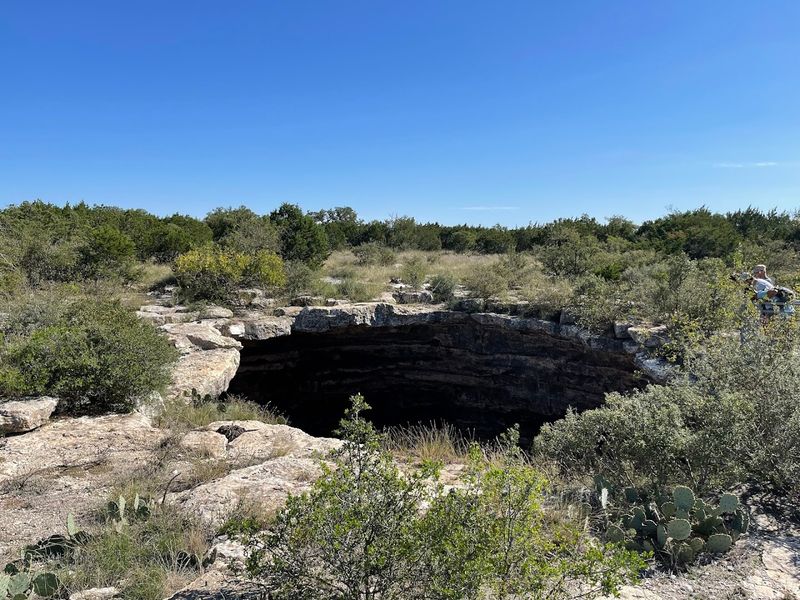
Imagine standing at the edge of a 140-foot vertical shaft that drops straight into darkness, where millions of bats emerge each evening like a living tornado. Devil’s Sinkhole makes Natural Bridge Caverns look like a tourist trap in comparison. This National Natural Landmark near Rocksprings protects one of the most spectacular karst features in Texas, and access is strictly controlled to preserve its wild character.
The sinkhole formed when an underground cavern’s ceiling collapsed thousands of years ago, creating a massive opening to a chamber below. Mexican free-tailed bats claim this as their summer nursery, with colonies numbering in the millions during peak season. Watching them spiral upward at dusk creates a wildlife spectacle that rivals anything in the state.
Tours here feel like genuine expeditions rather than commercial cave walks. Small groups mean you actually learn from knowledgeable guides instead of shuffling through with hundreds of other visitors. The approach hike through Hill Country wilderness adds adventure that paved parking lots can’t provide.
Because the sinkhole supports such an important bat colony, the Texas Parks and Wildlife Department manages access carefully. Reservations book up quickly, especially for the bat flight tours from May through October. The exclusivity makes the experience feel special and protected rather than exploited for profit.
Beyond the bats, the sinkhole ecosystem supports rare invertebrates found nowhere else on Earth. Scientists still study this unique habitat, discovering new species regularly. The surrounding Edwards Plateau landscape offers additional exploration opportunities, with limestone outcrops and spring-fed creeks dotting the countryside.
Photography from the observation deck captures incredible images, though the bat flight moves too fast for most amateur equipment. The remote location means dark skies and quiet nights if you camp nearby. For anyone who wants caves without commercialization, Devil’s Sinkhole represents Texas nature at its most authentic and awe-inspiring.
4. Franklin Mountains State Park (Better than Enchanted Rock)
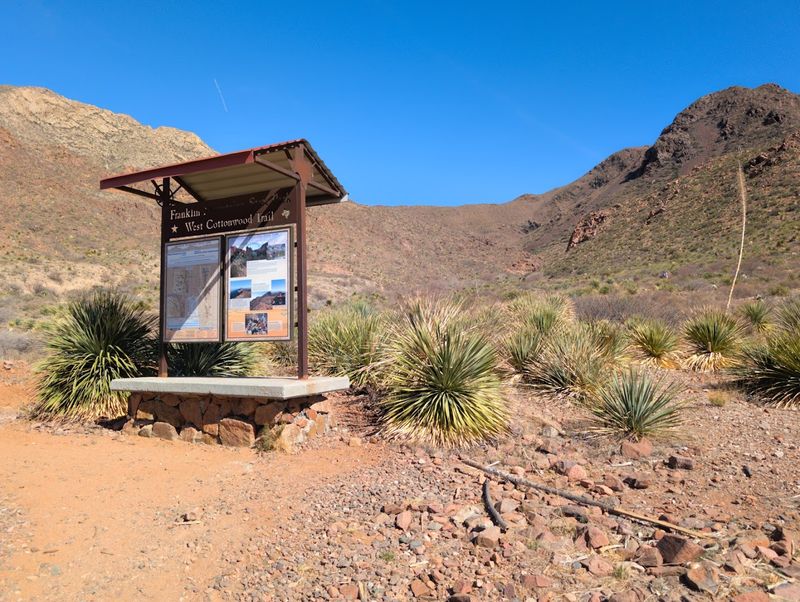
Rising dramatically from the El Paso desert floor, the Franklin Mountains create Texas’s largest urban wilderness park, yet somehow remain overlooked by hikers who flock to Enchanted Rock. These rugged peaks offer something Enchanted Rock can’t—genuine mountain terrain with elevation changes that actually challenge your lungs. The Chihuahuan Desert ecosystem here supports plants and animals you won’t find in the Hill Country.
Wyler Aerial Tramway whisks visitors to Ranger Peak’s summit, where views stretch across three states and two countries. On clear days, you can see into New Mexico and across the border to Mexico, with the Rio Grande valley spread below. Hiking trails range from easy nature walks to serious scrambles up rocky ridges that demand attention and proper footwear.
North Franklin Peak, the park’s highest point at 7,192 feet, rewards summit-seekers with panoramic desert vistas. The climb gains significant elevation, making it a real workout compared to Enchanted Rock’s relatively gentle dome. Desert bighorn sheep roam these mountains, reintroduced after being hunted to local extinction decades ago.
Rock climbers appreciate the limestone and igneous formations that provide technical challenges across various difficulty levels. Unlike Enchanted Rock’s crowds, you’ll often find yourself alone on Franklin Mountain trails, with only hawks and lizards for company. The solitude enhances the wilderness experience, letting you actually hear the desert’s subtle sounds.
Spring wildflowers transform the mountainsides into unexpected color displays, with ocotillo blooms creating red torches against gray rock. Summer heat demands early morning starts, but fall through spring offers perfect hiking weather. The park’s proximity to El Paso means you can grab authentic Mexican food after your hike, adding cultural flavor to outdoor adventure.
Sunset from the peaks paints the desert in impossible purples and golds that photographers dream about. The park’s size—over 24,000 acres—means endless exploration possibilities without ever feeling cramped or commercial. For mountain experiences with desert character, Franklin beats the Hill Country every time.
5. Caprock Canyons State Park (Better than Big Bend for wildlife)
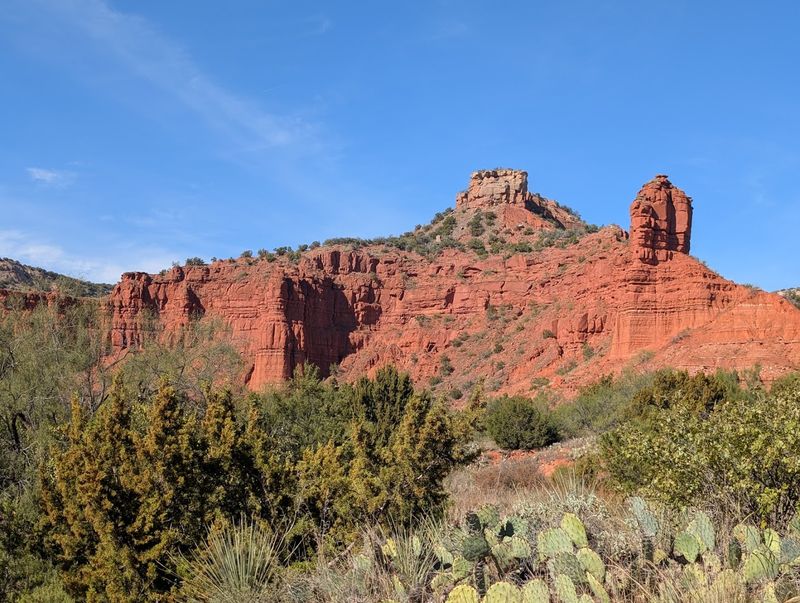
Where else in Texas can you watch wild bison herds roam red-rock canyons just like they did centuries ago? Caprock Canyons protects the official Texas State Bison Herd, descendants of the Southern Plains herds that once numbered in the millions. These magnificent animals graze the canyon floor and prairie grasslands, often approaching close enough for incredible photographs without telephoto lenses.
The canyon itself carves through the Caprock Escarpment, creating colorful geological layers that tell millions of years of history. Unlike Big Bend’s vast distances that require serious planning and endurance, Caprock offers accessible trails that still deliver stunning scenery. The 64-mile Caprock Canyons Trailway follows an old railroad bed, perfect for mountain biking or horseback riding through dramatic landscapes.
Wildlife viewing here surpasses Big Bend in variety and reliability. Besides bison, you’ll spot pronghorn antelope, wild turkeys, roadrunners, and Aoudad sheep on nearly every visit. The park’s smaller size concentrates animals in predictable areas, making encounters more likely.
Bird watchers count over 175 species, including golden eagles and prairie falcons.
Clarity Tunnel, carved through solid rock by railroad workers, creates a unique hiking destination that kids especially love. The formations called hoodoos—tall, mushroom-shaped rock pillars—dot the landscape like ancient sculptures. Fall colors surprise visitors when cottonwoods and sumac turn the canyon floor gold and crimson.
Camping here feels intimate rather than crowded, with sites tucked into canyon alcoves and beside seasonal creeks. Night skies explode with stars, undiminished by city lights for hundreds of miles. The morning ritual of coffee while watching bison graze nearby beats any resort breakfast.
Spring wildflowers carpet the prairies in bluebonnets, Indian paintbrush, and dozens of other species. The park’s location in the Panhandle means cooler summers than West Texas, making it comfortable when Big Bend bakes. For wildlife enthusiasts who want guaranteed encounters in spectacular settings, Caprock Canyons delivers without Big Bend’s harsh extremes.
6. Balmorhea State Park (Better than Barton Springs)
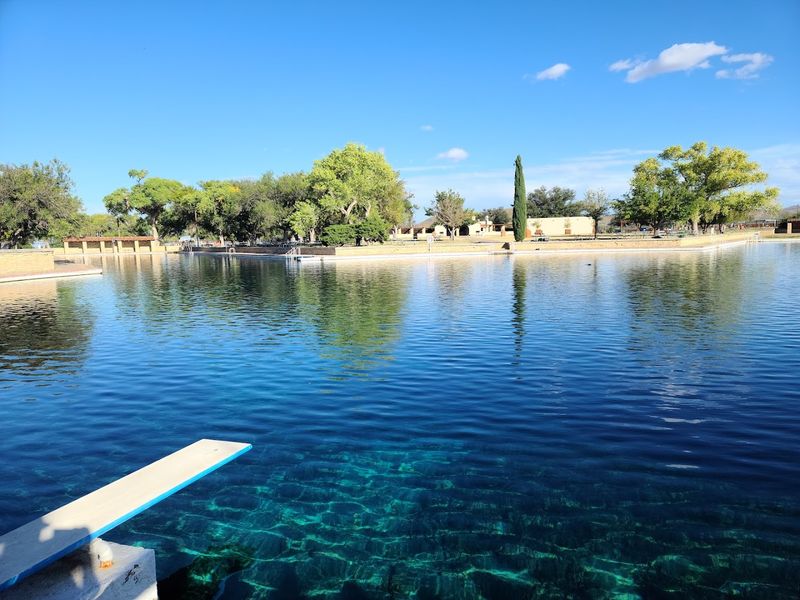
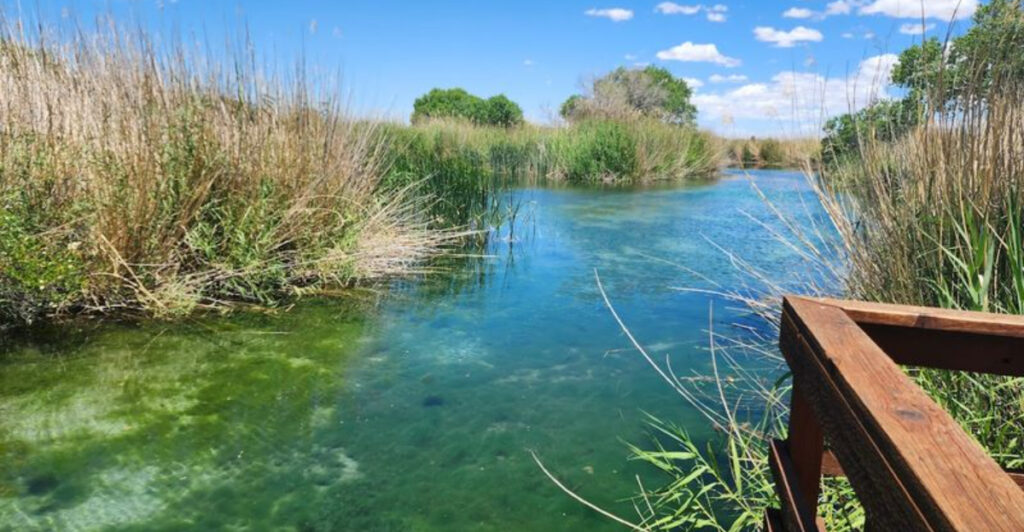
Picture swimming in water so clear you can count pebbles 25 feet below the surface, surrounded by West Texas desert where such abundance seems impossible. Balmorhea’s massive spring-fed pool pumps out 15 million gallons daily at a constant 72-76 degrees, creating an oasis that makes Barton Springs look murky by comparison. The 1.75-acre pool was built by the Civilian Conservation Corps in the 1930s, blending human engineering with natural wonder.
Underwater, you’re literally swimming with endangered species—the Comanche Springs pupfish and Pecos mosquitofish exist nowhere else on Earth. Scuba divers explore the main spring outlet, descending into crystalline depths that reveal limestone formations and aquatic plants. The visibility rivals tropical destinations, yet you’re in the middle of the Chihuahuan Desert.
Families spread across the pool’s gentle slopes, where kids wade safely in shallow areas while swimmers stroke through deeper sections. The size means you never feel crowded, even on busy summer weekends. Grassy areas surrounding the pool offer picnic spots under shady trees—another desert miracle worth appreciating.
Unlike Barton Springs’ Austin location with traffic and development pressing close, Balmorhea sits in genuine small-town Texas where life moves slower. The nearby town offers authentic West Texas character, with local diners serving home-cooked meals and friendly conversations. Toyahvale’s other springs feed irrigation canals where you can float on tubes through agricultural landscapes.
Camping at the park puts you steps from the pool, allowing sunrise swims before day visitors arrive. The desert sunsets paint mountains in the distance with colors that seem enhanced by the day’s heat. Stars emerge so bright and numerous that constellations become obvious without astronomy apps.
The water’s temperature makes year-round swimming possible, though winter visits offer the most solitude. Summer sees families enjoying relief from triple-digit heat, but the pool’s size prevents the overcrowding that plagues Barton Springs. For pure swimming pleasure in an unexpected setting, Balmorhea creates magic that urban springs simply cannot match.
7. Washington-on-the-Brazos (Better than The Alamo)
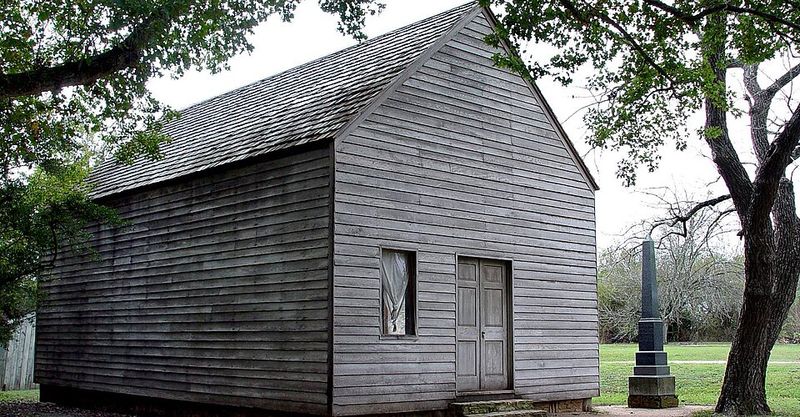
Texas declared its independence here on March 2, 1836, making this riverside settlement arguably more important to state history than the Alamo’s famous battle. Yet while San Antonio’s mission sees millions of visitors annually, Washington-on-the-Brazos remains peacefully uncrowded, offering a more thoughtful and educational experience. The actual birthplace of Texas as a republic deserves recognition beyond what it typically receives.
Independence Hall’s reconstruction stands where fifty-nine delegates signed the Texas Declaration of Independence, creating a new nation against overwhelming odds. Walking through the building, you can almost hear the debates and feel the tension those men faced. Unlike the Alamo’s urban setting surrounded by commercialization, this site preserves the rural character that defined early Texas.
Barrington Living History Farm recreates the home of Anson Jones, the last president of the Republic of Texas. Costumed interpreters demonstrate 1850s farm life, from cooking over open hearths to tending heritage livestock breeds. Kids actually learn history here through hands-on experiences rather than just reading plaques.
The Star of the Republic Museum presents Texas history through engaging exhibits that don’t sugarcoat the complexities and conflicts. Native American perspectives receive proper attention alongside settler stories, creating a more complete historical picture. The museum’s timeline helps visitors understand how everything connects—the revolution, statehood, and beyond.
Peaceful trails wind through bottomland forests along the Brazos River, where you might spot white-tailed deer or wild turkeys. Spring brings wildflowers that transform the grounds into living Texas flags of red, white, and blue blooms. The quiet allows for reflection and genuine appreciation of what happened here.
Special events throughout the year, including the Texas Independence Day celebration, bring history alive with reenactors and demonstrations. The lack of crowds means you can actually talk with interpreters and ask questions without rushing. For understanding Texas’s creation story in depth rather than just snapping photos of a famous building, Washington-on-the-Brazos provides the authentic educational experience the Alamo’s tourism circus cannot.
8. Gorman Falls (Better than Colorado Bend State Park)
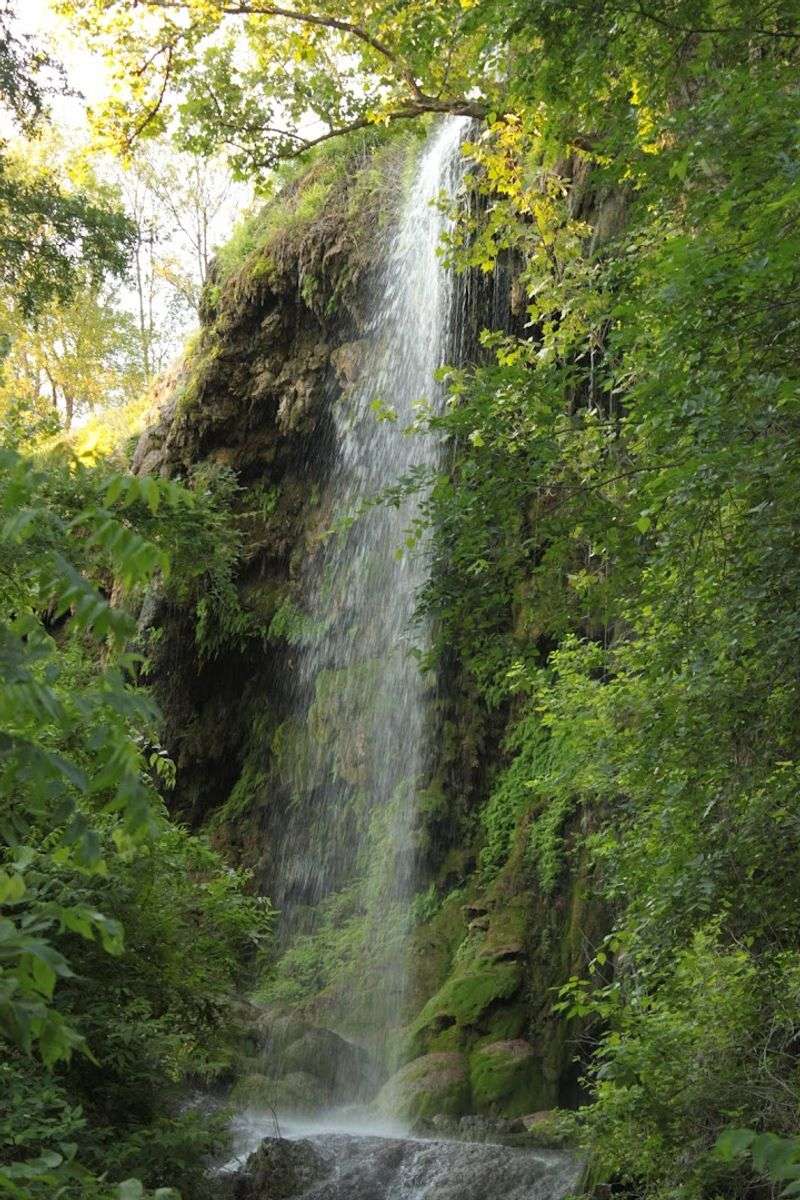
A 70-foot travertine waterfall draped in emerald moss and ferns seems impossible in the Texas Hill Country, yet Gorman Falls exists like a secret garden hidden in the rugged landscape. The hike to reach it—about three miles round trip—crosses rocky terrain and creek beds, keeping casual tourists away and preserving the falls’ pristine beauty. Colorado Bend State Park protects this gem along with caves, springs, and river access that outdoor enthusiasts cherish.
The falls themselves look transplanted from a tropical rainforest, with water cascading over layers of travertine formed by mineral deposits over thousands of years. Vegetation clings to every surface, creating a living wall of green that contrasts dramatically with surrounding limestone cliffs. The mist creates a microclimate supporting plants rarely found elsewhere in the region.
Getting there requires crossing Spicewood Springs Creek multiple times, so waterproof boots or willingness to get wet are essential. The trail isn’t technically difficult, but rocky sections demand attention to footing. Rangers recommend visiting after rains when water flow is strongest, though the falls run year-round from spring sources.
Photography here challenges even experienced shooters—the light, water movement, and lush growth create compositions that seem almost too perfect. Early morning or late afternoon provides the best lighting, when sun angles illuminate the falls without harsh shadows. Tripods help capture the silky water effect that makes waterfall photos so appealing.
The park offers additional adventures beyond Gorman Falls, including wild cave tours for those willing to crawl through tight passages. The Colorado River runs through the property, providing fishing, swimming, and kayaking opportunities. Primitive camping puts you deep in the Hill Country with minimal amenities but maximum nature connection.
Spring wildflower season adds another layer of beauty to the hike, with bluebonnets and Indian paintbrush coloring the trail. Summer heat makes the falls’ cool mist especially refreshing, though water levels may drop during drought. For a waterfall experience that feels completely unexpected in Texas, Gorman Falls rewards the effort required to reach it with scenery that rivals anywhere in the country.