Out in southwest Oklahoma, a small town holds a big story that most people drive right past. A tribal museum there puts Kiowa paintings, arts and crafts front and center, and the people telling the story are the Kiowa themselves.
It covers hardship, family, military service, and the fight to keep a language alive. The museum sits inside a working tribal complex, so the same building handles car tags, gatherings, and gift shop shopping.
That mix makes a visit feel less like a field trip and more like a doorway into a living community. Keep reading to learn where it is, what fills its rooms, when the doors are open, and how to plan a respectful weekday trip that proves Oklahoma has far more to offer than flat prairie.
1. A Museum Tucked Into Tribal Headquarters
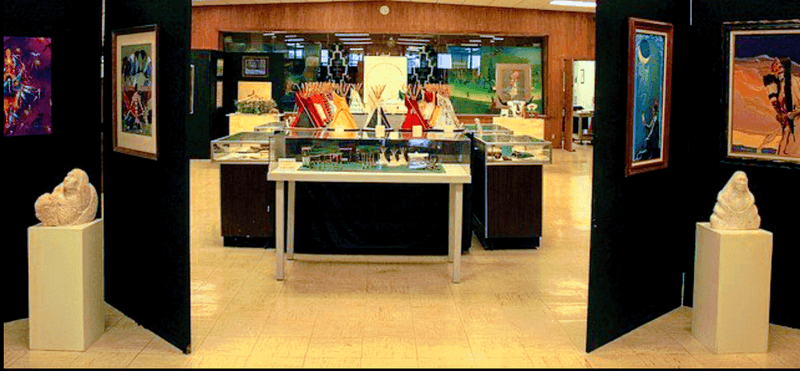
Some museums stand alone on a grand avenue. The Gáuihòñàun Museum lives inside the Kiowa Tribal Center at 100 OK-9, Carnegie, OK 73015, in southwest Oklahoma.
The building also serves as tribal headquarters for the Kiowa people. That means the museum shares space with offices, a tag agency, and a gift shop.
Carnegie is a very small town in Caddo County. Folks often joke that you come here either on business or because you know someone.
That small-town setting is part of the appeal. The museum is not a polished stop built for tourist crowds, but a place rooted in an active tribal community.
For Oklahoma families looking for a heritage outing, it offers something rare. The stories on display come straight from the nation whose home base surrounds them.
The museum is also known as the Kiowa Tribal Museum, so both names may pop up when searching for directions. Either way, the destination is the same building along State Highway 9.
Getting oriented is simple once inside. Staff in the complex can point the way toward the exhibits, and the rest of the visit unfolds from there.
2. Why The Name Matters
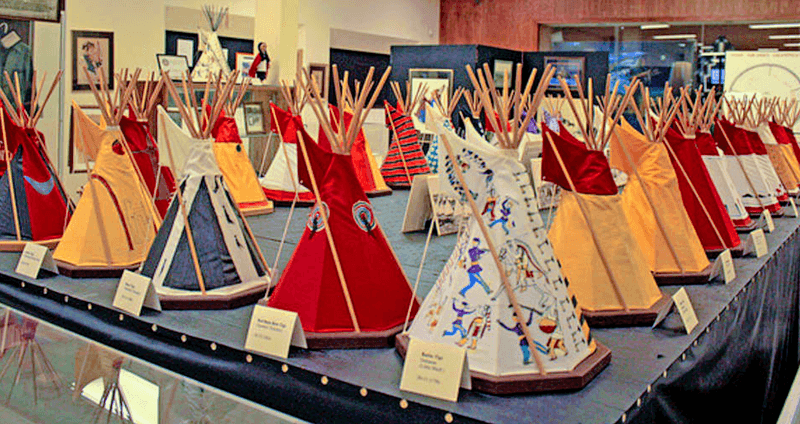
Gáuihòñàun is not a name most people can say on the first try. That is exactly the point.
The museum carries a name in the Kiowa language rather than an English label. It signals right away whose voice guides the exhibits.
Language protection is one of the big themes people take away from a visit. The effort the Kiowa have put into keeping their native language alive comes through as genuinely impressive.
Many tribal languages across the country have faced steep declines. Seeing one honored in the very name of a museum gives the place a quiet sense of purpose.
Guests who are not Kiowa often leave with a new appreciation for that work. Kiowa guests often leave with a feeling of seeing their own heritage reflected back at them.
It is a good conversation starter for families with kids, too. Asking staff about the name is a respectful way to open a deeper discussion.
Practicing the pronunciation on the drive home might become a fun family challenge. Just expect a few friendly corrections along the way.
3. Painted Walls And Kiowa Art
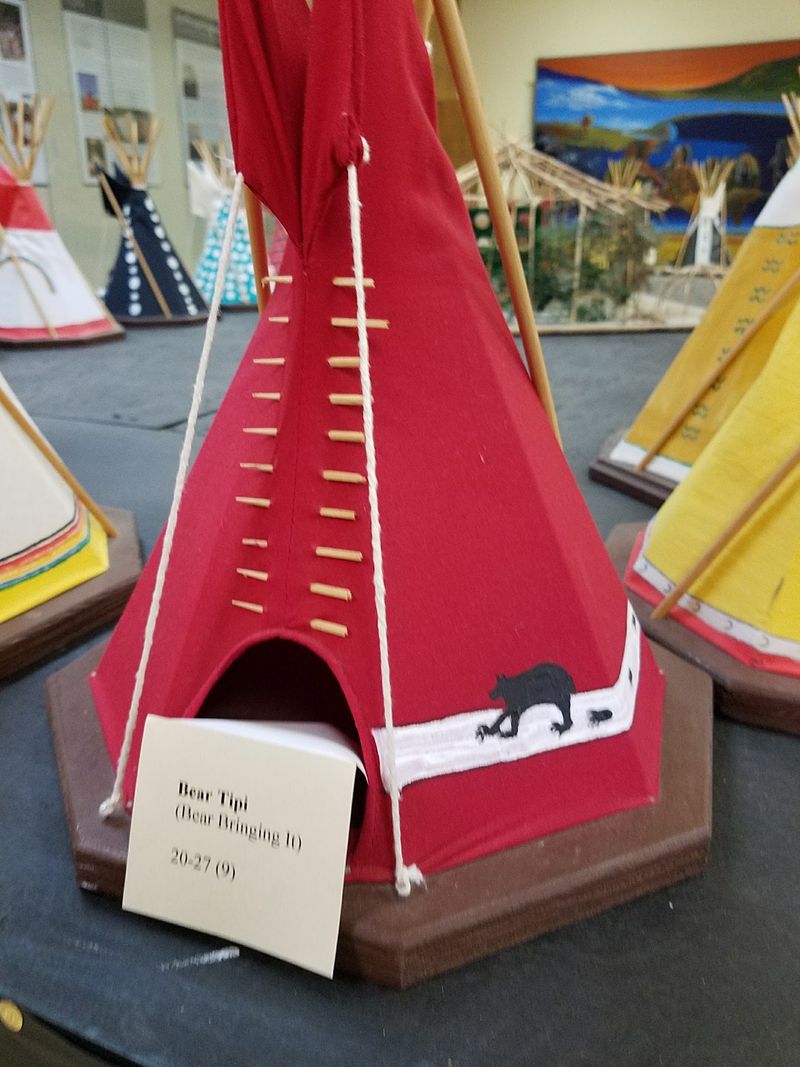
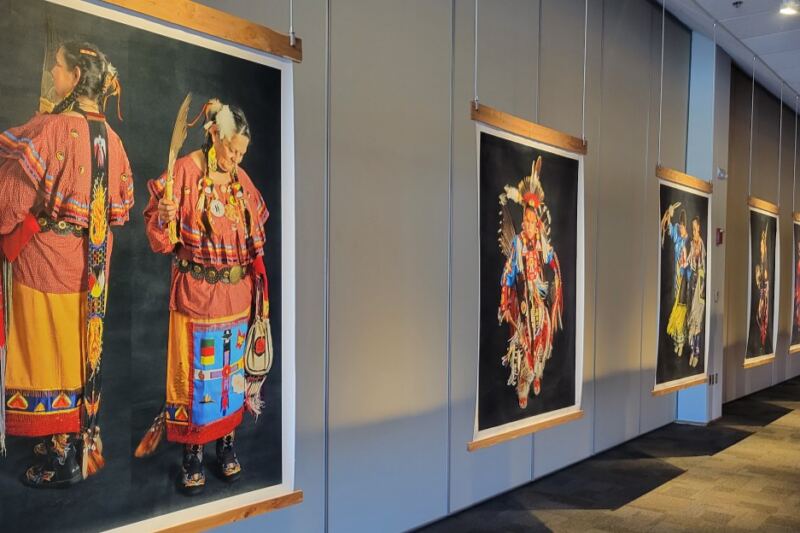
Art carries much of the storytelling load here. The museum has long been praised for an excellent display of Kiowa paintings, arts and crafts.
Kiowa artists have a celebrated place in Oklahoma art history. Their work often records ceremonies, family life, and historic events from a tribal point of view.
That perspective is what makes the walls worth slow attention. Instead of outsiders describing the Kiowa, the paintings let Kiowa artists frame their own past.
Art comes up again and again when people describe their time inside. Many call it an amazing legacy of art paired with a strong warrior spirit.
Kids who love drawing tend to connect fast. Encourage them to notice how artists show movement, clothing, and people in a scene.
Sketchbooks can make the visit more hands-on, as long as staff are fine with it. Asking first is always the polite move.
Paintings here are less about decoration and more about memory. Each one holds a piece of a story that the nation chose to keep and share.
4. Hardship, Family And Survival
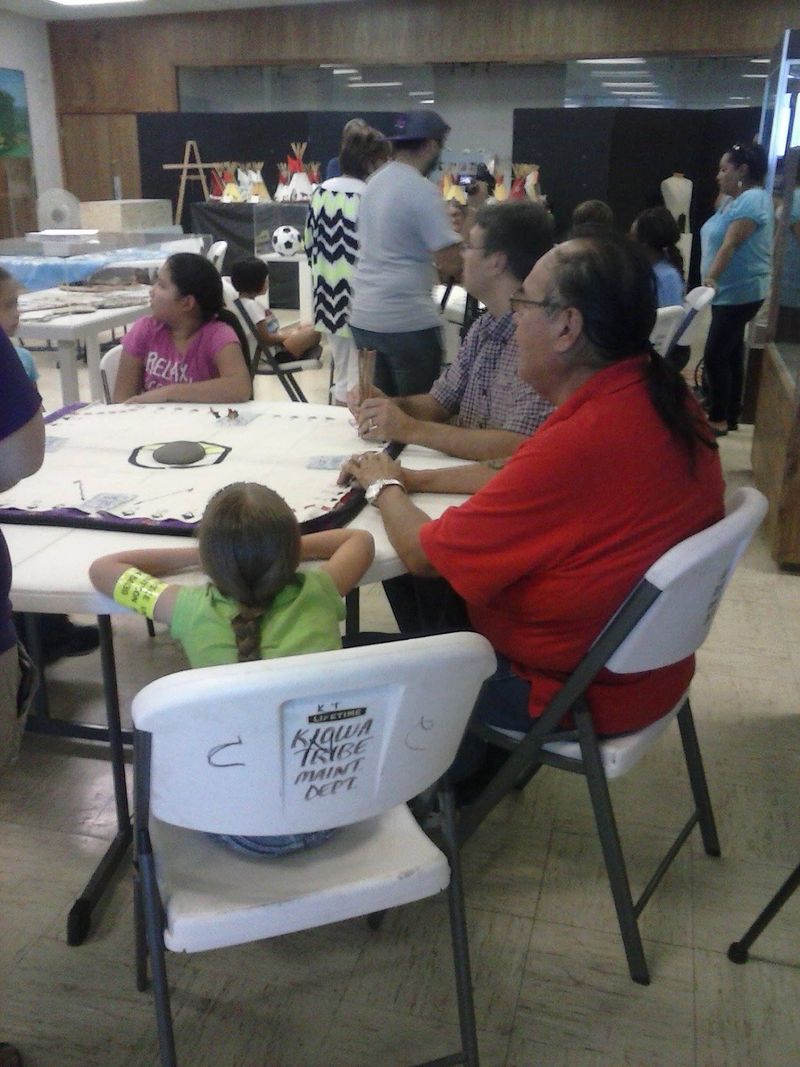
History at this museum does not sugarcoat things. The exhibits share the hardships the Kiowa survived and the struggles that shaped the tribe into what it is today.
Family sits at the center of that story. The importance of family ties comes through clearly in how the history is presented.
Many guests describe the history as rich, and that word fits. There is a lot packed into a modest space, and it rewards curiosity.
Some people have noted that there is more to learn than one trip allows. Coming back a second time is a common plan.
Tribal members often visit to see their kinfolk represented. Some families even make it a regular outing with parents and grandparents.
For families from outside the tribe, it is a chance to learn Oklahoma history from a nation that lived it. That perspective is hard to find in a textbook.
Older kids and teens may get the most out of these panels. Younger ones can still follow along through photos and objects with a little help from an adult.
5. Honoring Kiowa Military Service
A strong thread of service runs through the Kiowa bloodline. The museum reflects that with information connected to Kiowa members of the military.
Tribal members have pointed out how many Kiowa have served. Some of them are veterans themselves and take pride in seeing that legacy recorded.
This part of the visit often resonates with families who have their own service members. It shows how tribal identity and national service have long walked side by side.
The warrior spirit described in the art connects naturally to this section. It links older traditions with modern military service.
Families can use it as a chance to talk about why honoring veterans matters. It is a meaningful stop on a weekday around Veterans Day or Memorial Day.
Exhibit contents can shift over time, so it is smart to ask staff what is currently on view. They can point out details that are easy to miss.
Leaving this section, many people carry a fresh respect for the families behind each name and photograph.
6. The Heritage Room And A Historian’s Touch
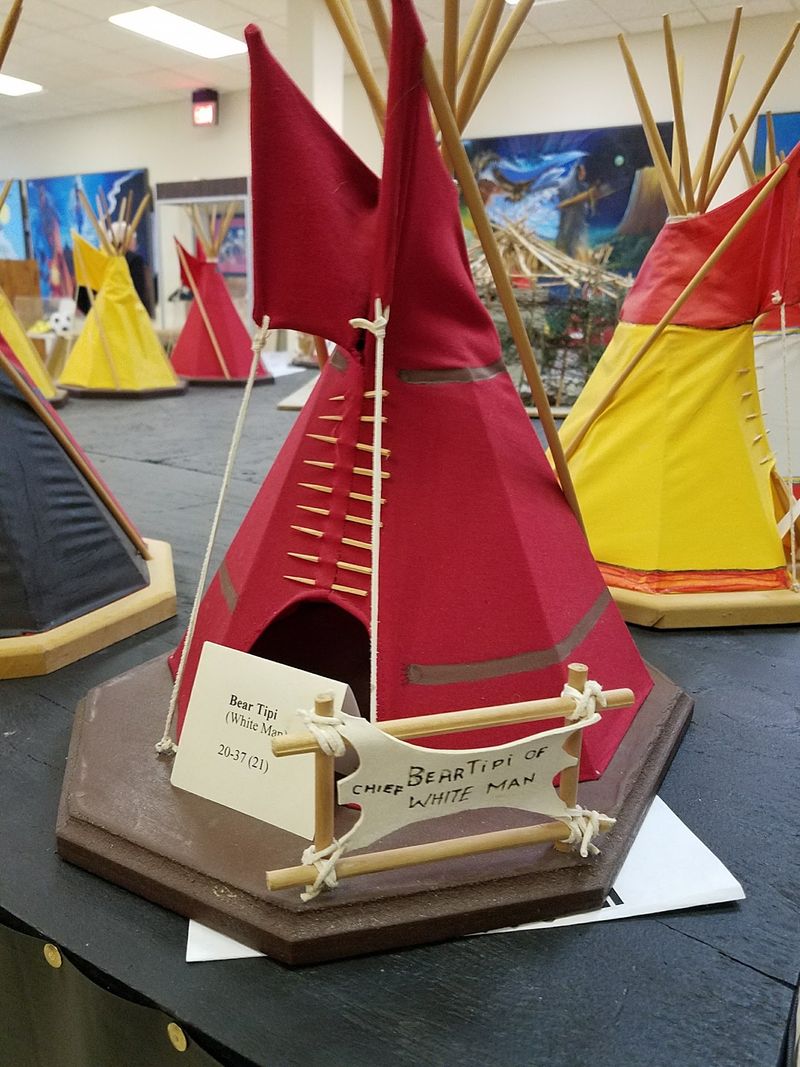
A few years back, the Heritage Room closed for renovations. Anticipation built among locals waiting to see the refreshed space.
During that period, some lucky guests got a behind-the-scenes tour from the tribal historian. That kind of personal access shows how knowledgeable the people behind the museum are.
Museum personnel have been described as well informed for many years. Their knowledge adds a layer that signs alone cannot match.
Since renovation timelines and room openings can change, a quick call before driving out is wise. That way nobody arrives expecting a space that is closed.
Asking questions is encouraged. Staff can share context about objects and stories that make the visit much richer.
Meeting tribal members and hearing the true stories is a big part of what makes this museum special. It feels more like a conversation than a lecture.
For families, that human connection may be the most memorable part. Kids often remember a person who explained something far longer than a placard.
7. Warm Welcomes From Caring Staff
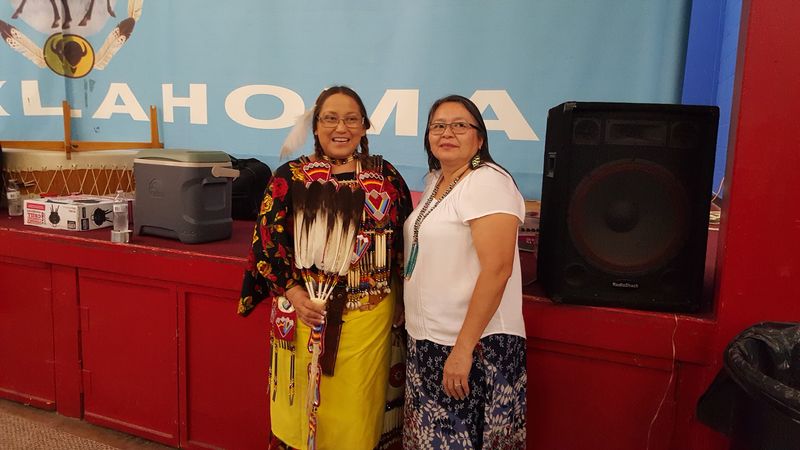
People make this place. Caring staff come up often when guests describe their time at the complex.
The atmosphere has been called welcoming and heartwarming. Staff show care and concern for their own people and for everyone else who walks in.
Patience and respect stand out as well. Guests appreciate how staff treat everyone, regardless of background.
Some tribal members have even thanked specific employees for helping their families. That kind of personal help leaves a lasting impression.
Like any tribal government building, it is a busy, working space. Experiences can vary, and some members have shared frustrations about tribal politics over the years.
Visitors from outside the community are best served by keeping things friendly and respectful. The museum is about heritage and history, so that is the right focus for a family trip.
A smile and a thank-you go a long way here. More often than not, they are returned twice over.
8. Powwows, Gourd Clan And Red Buffalo Hall
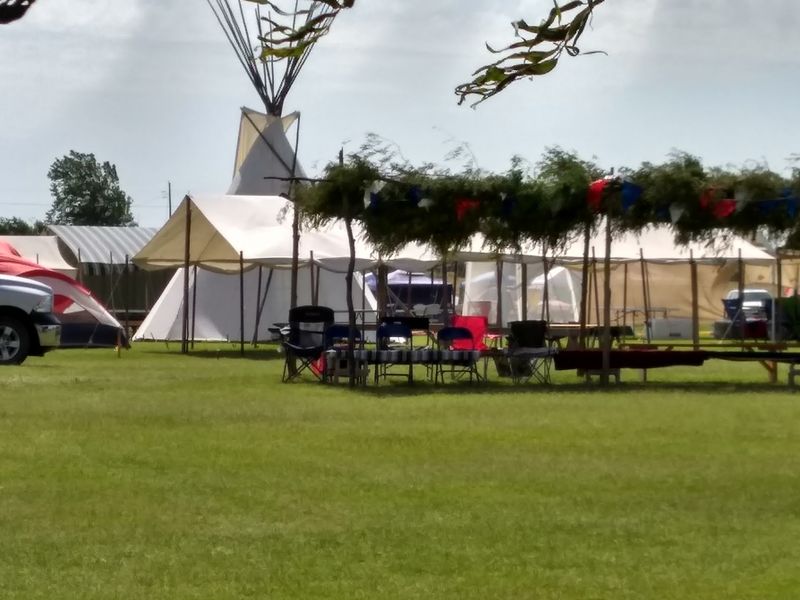
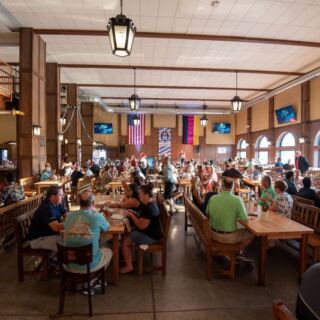
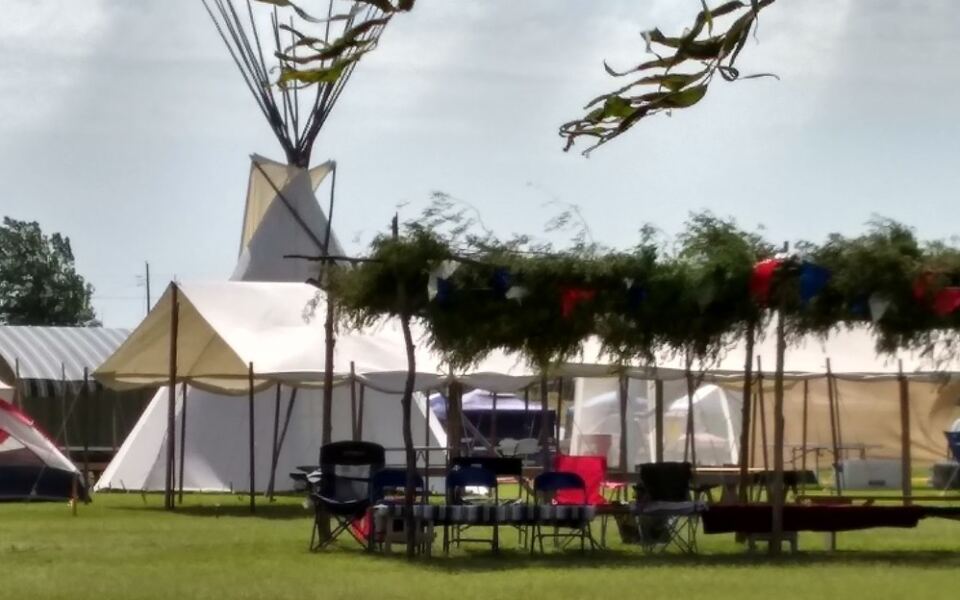
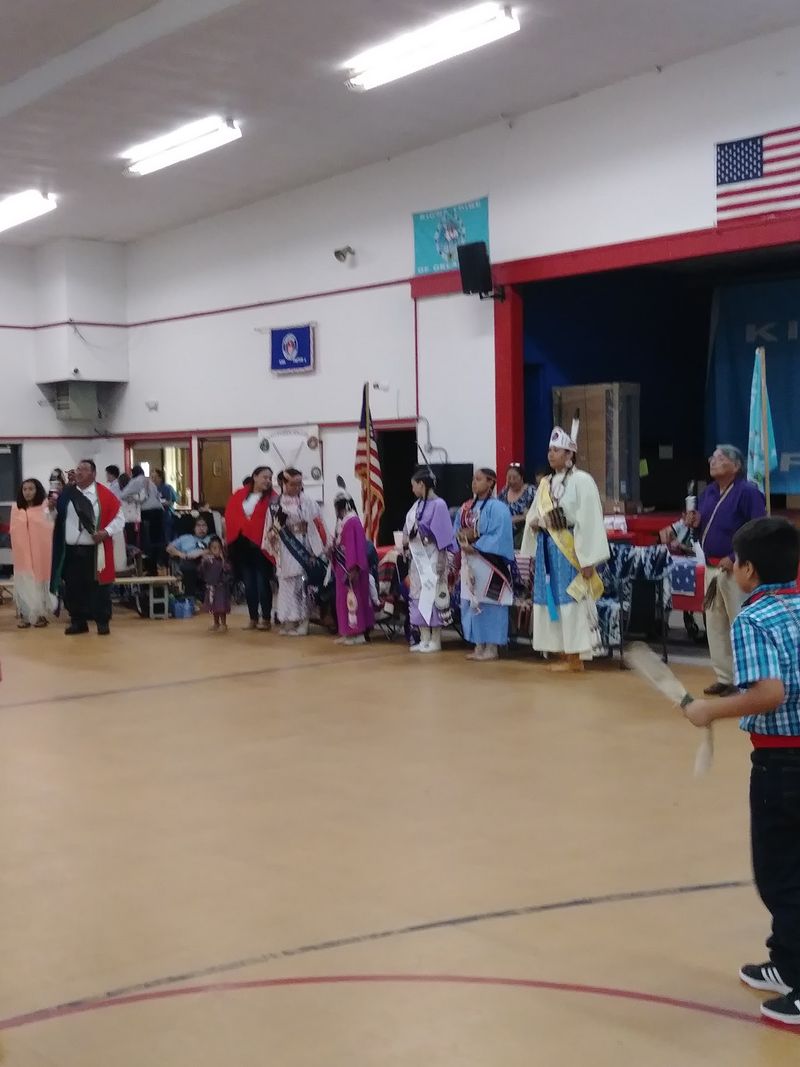
Beyond the museum, the complex is a gathering place. Tribal members come here for powwows and family get-togethers.
Carnegie is home of the annual Fourth of July Kiowa Gourd Clan gathering. It is one of the community’s best-known events.
Red Buffalo Hall, part of the complex, has hosted events like the Kiowa War Mothers dance. The singing at those events has been strong enough to make people want to join the dance.
Dates and schedules for these events change from year to year. Checking with the tribe ahead of time is the best way to plan.
Guests at cultural events should follow local etiquette. Listening to announcers and asking before taking photos shows respect.
Pairing a museum stop with a public event can turn a short outing into a full-day experience. Summer offers the most likely window.
Even on a quiet weekday, knowing these traditions exist adds depth to the exhibits. The history on the walls is still being lived just outside.
9. Weekday Hours And Trip Planning
Weekend warriors, take note. The museum keeps weekday hours only.
Doors open Monday through Friday from 8 a.m. to 4:30 p.m. It is closed on Saturday and Sunday.
That schedule fits a school holiday, a day off, or a summer weekday road trip. Arriving earlier in the day leaves time for browsing and questions.
The museum is commonly described as free, which makes it a budget-friendly pick. Still, policies can change, so confirming entry details before the drive is a good idea.
Hours may also shift for holidays or tribal events. A quick call to the tribal center can save a wasted trip.
Carnegie sits along State Highway 9 in southwest Oklahoma. The Anadarko area nearby is full of stories and history, so it is easy to build a wider heritage day around this stop.
Pack snacks and water for the drive, since it is a small town. Then let the road do the rest.
10. Worth The Drive To Carnegie
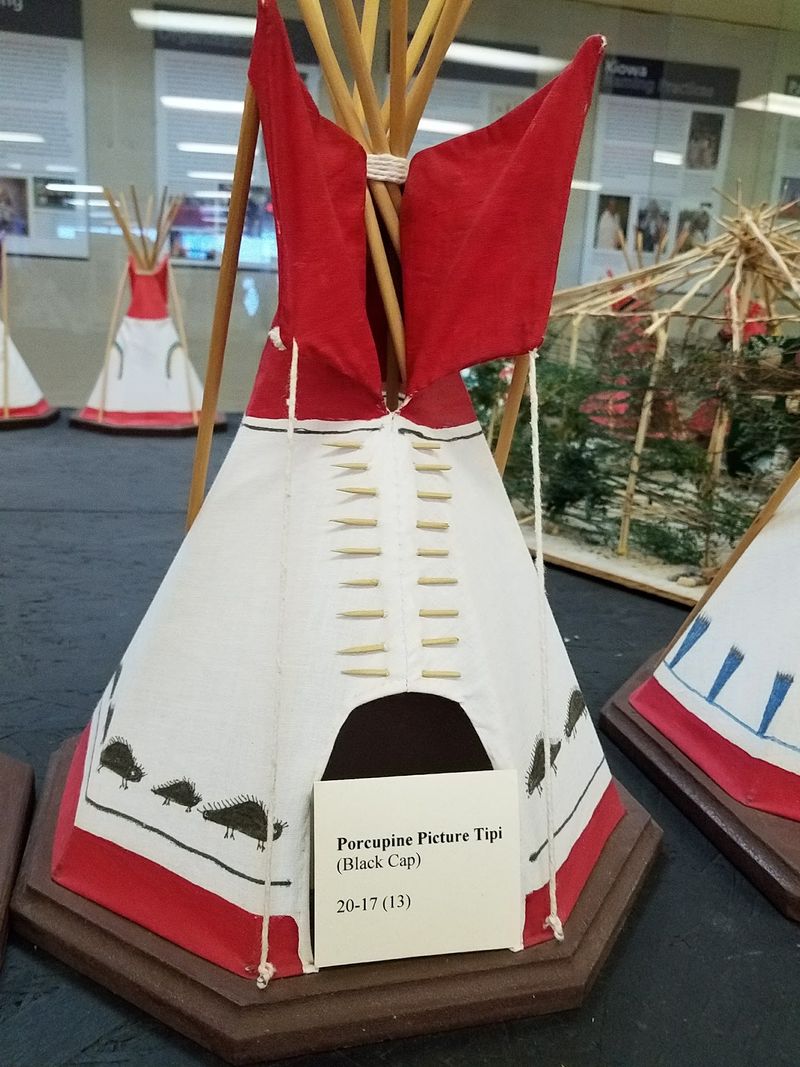
Small museums can leave big impressions. This one earns its spot on an Oklahoma heritage list.
The Gáuihòñàun Museum offers art, history, language, and community all under one roof. Its stories come from the Kiowa people themselves.
It suits families who want an affordable, meaningful outing. It also suits history lovers, art fans, and anyone curious about Oklahoma’s tribal nations.
It will not overwhelm anyone with size or flash. Instead, it offers a personal, honest look at a nation’s past and present.
Many guests come away saying everyone in the area should see it. Some even call the region bucket-list material for any American.
A respectful attitude, a weekday schedule, and a few questions for staff will make the visit shine. Leave a little room in the plan for the gift shop.
Oklahoma is far more than flat prairie, and this little museum in Carnegie helps prove it, one painted story at a time.
Share this story